Lour.
Description
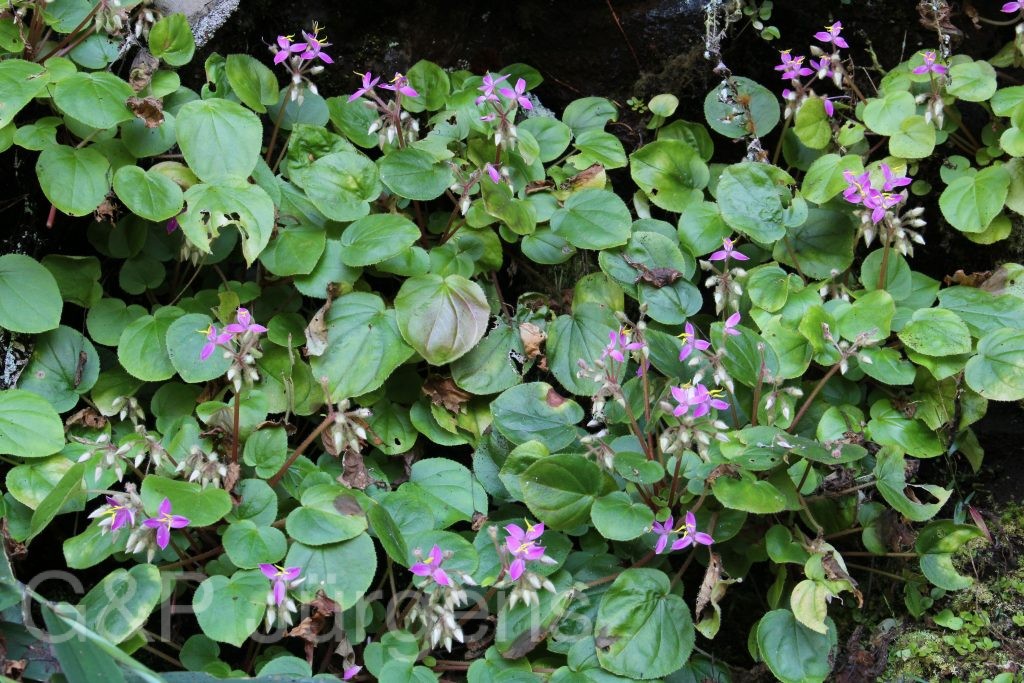
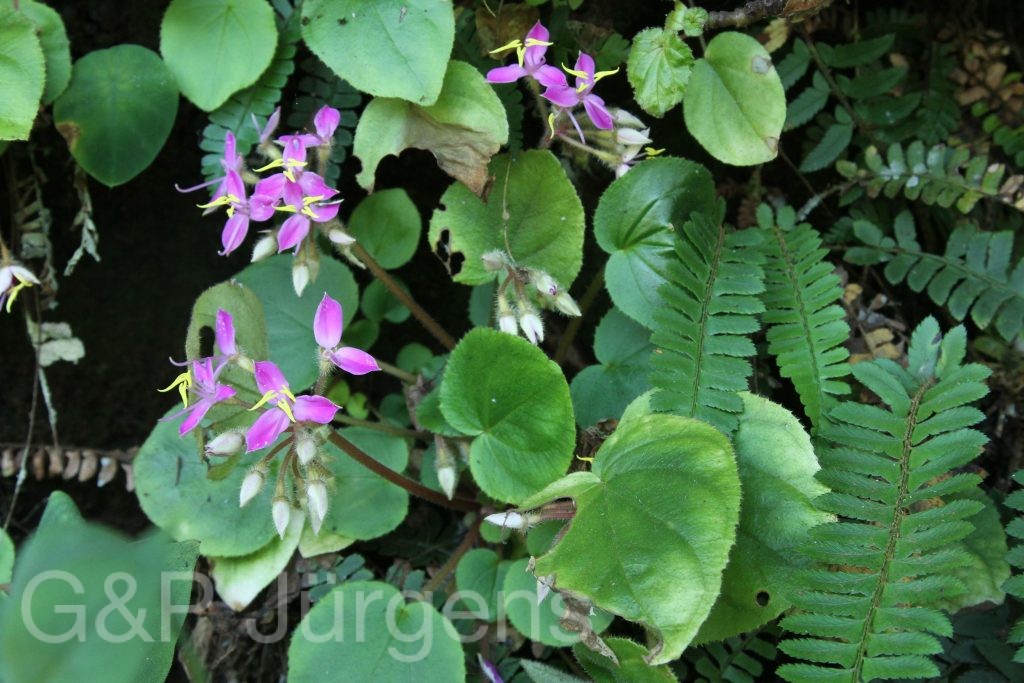
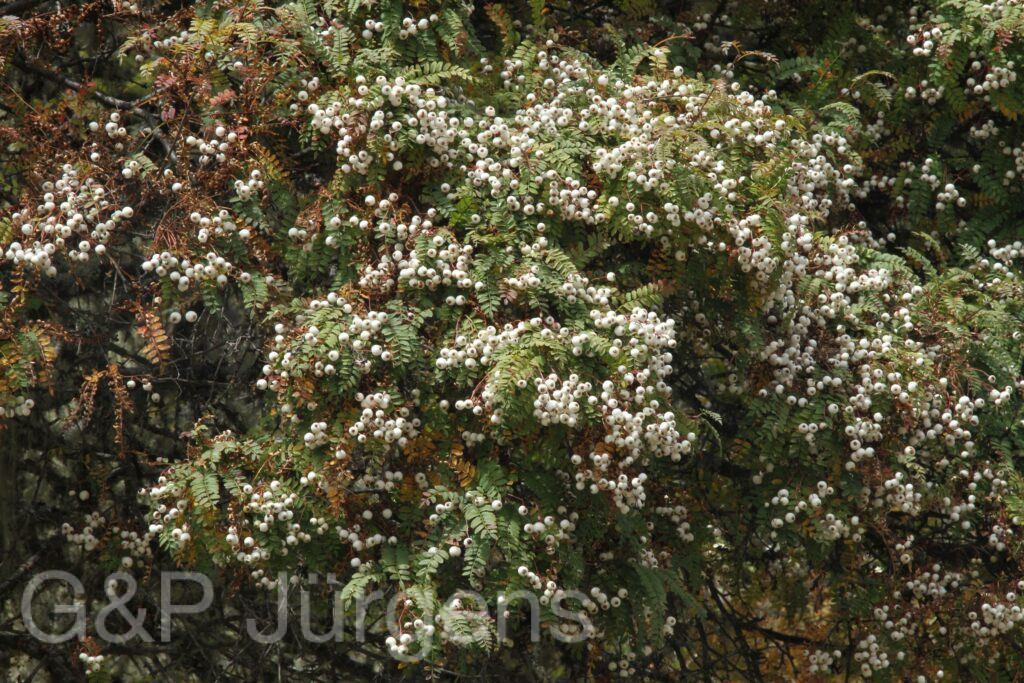
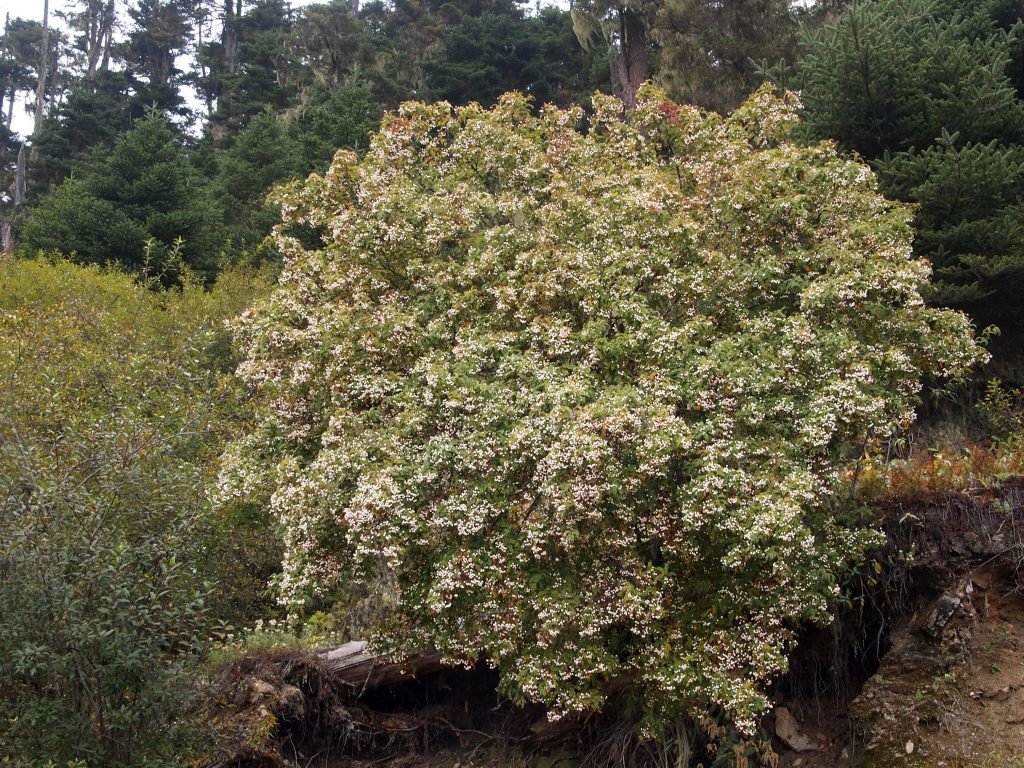
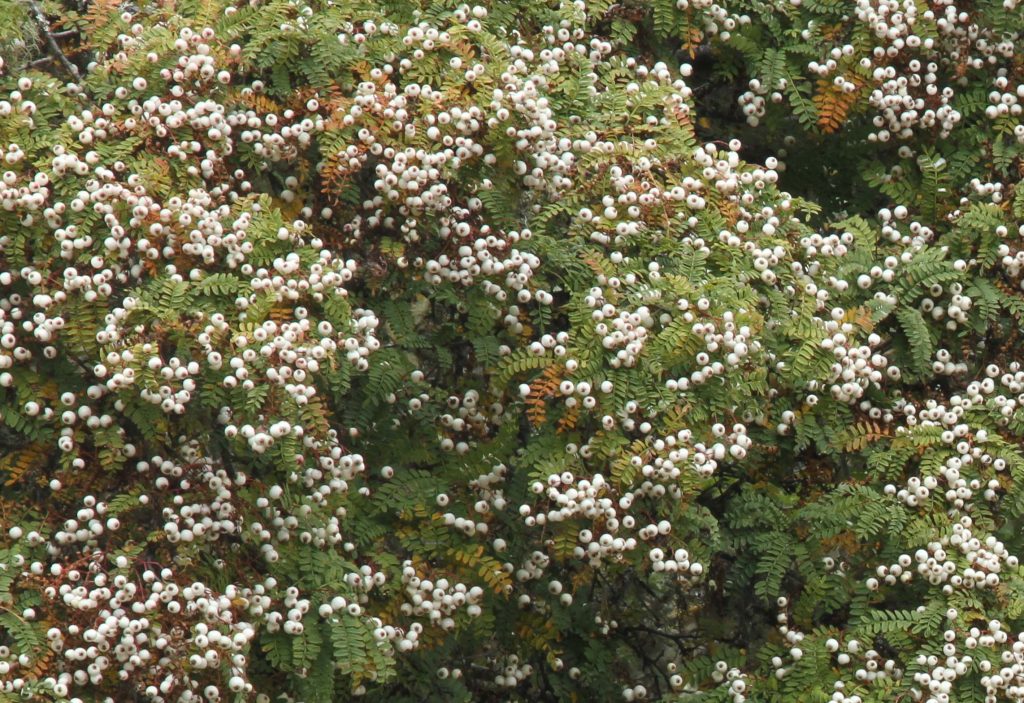
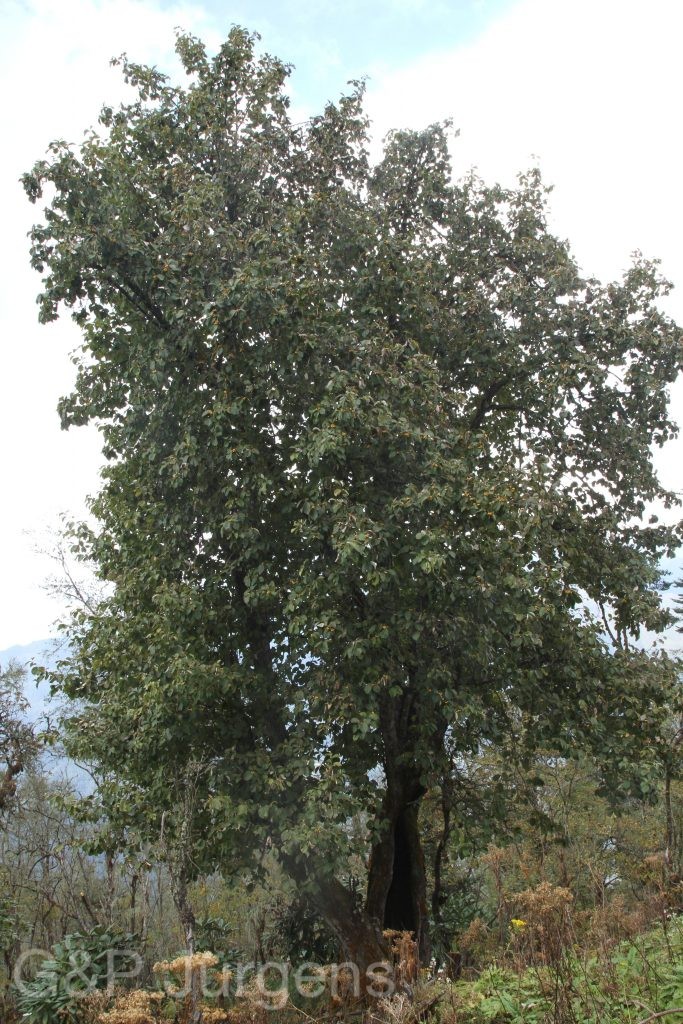
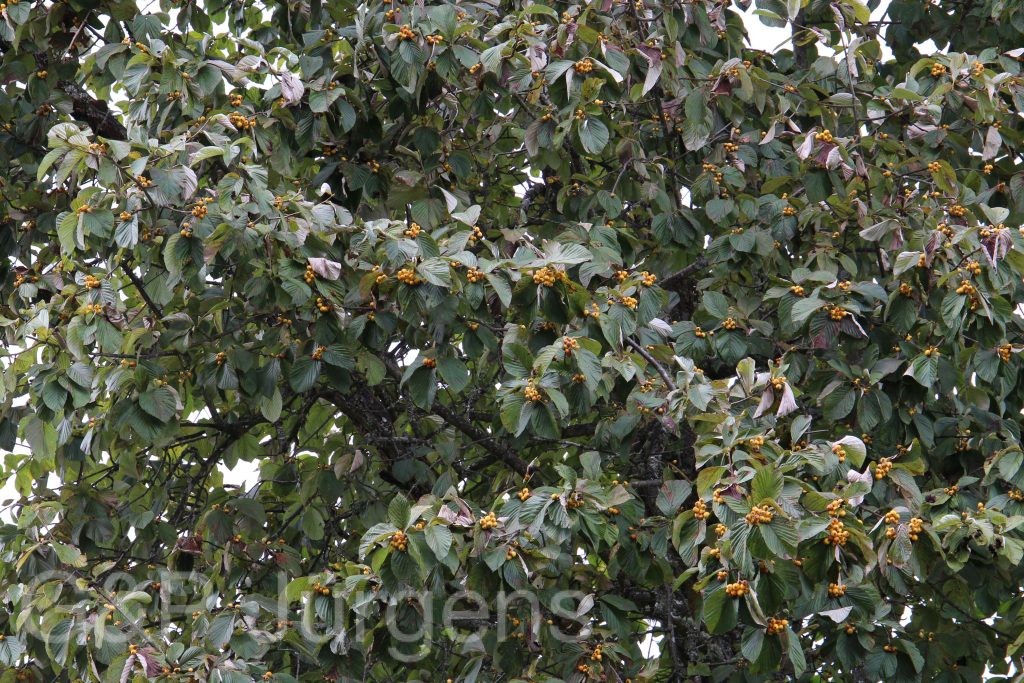
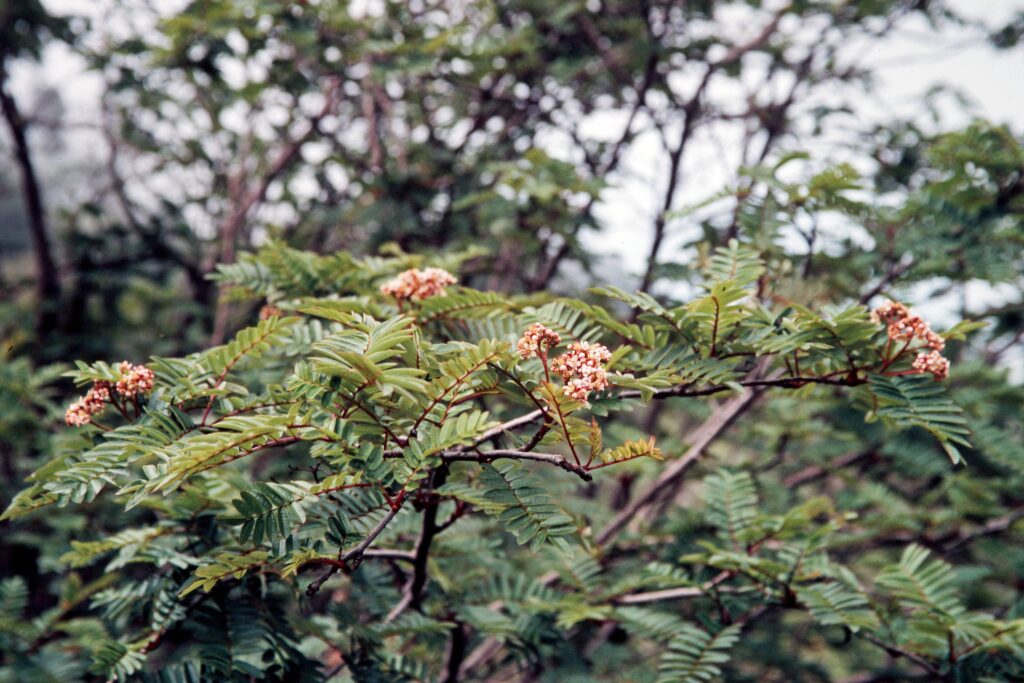
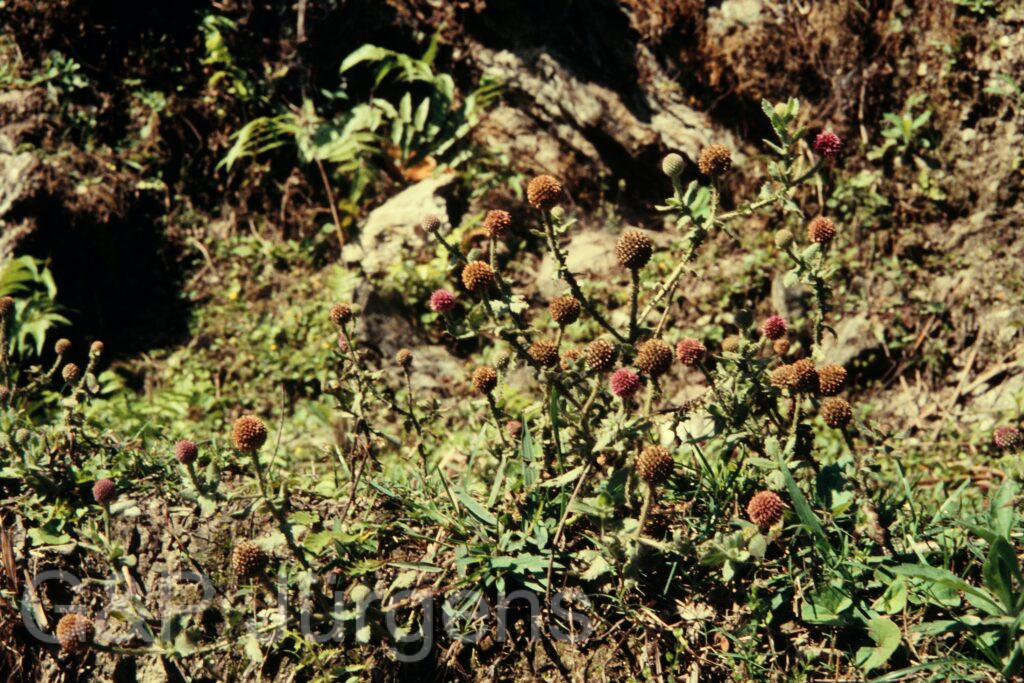
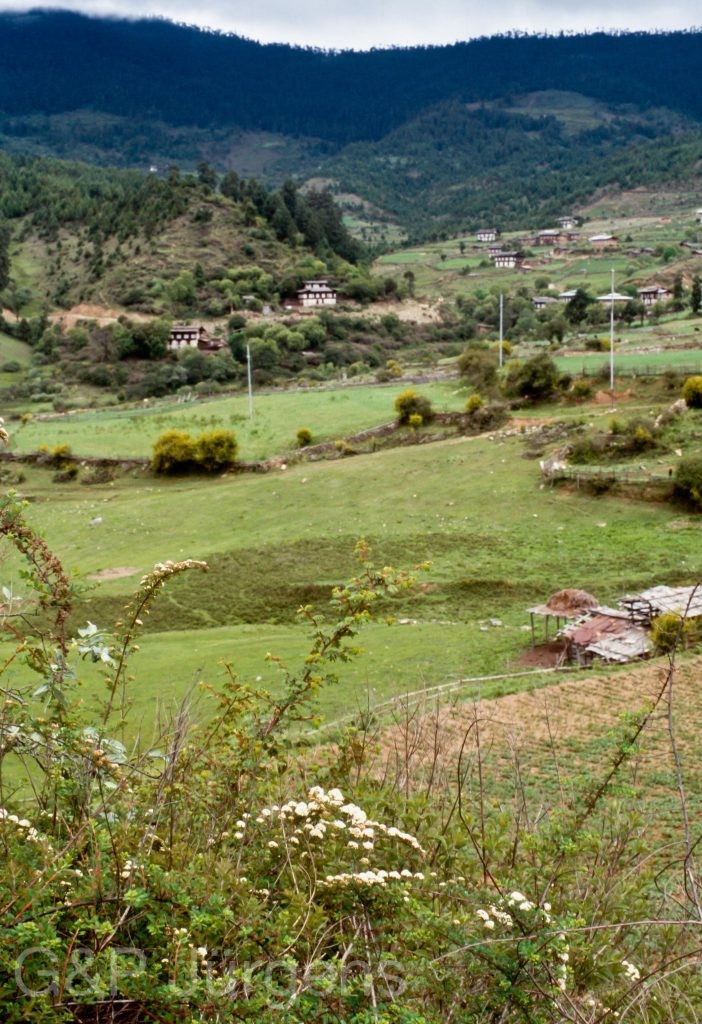
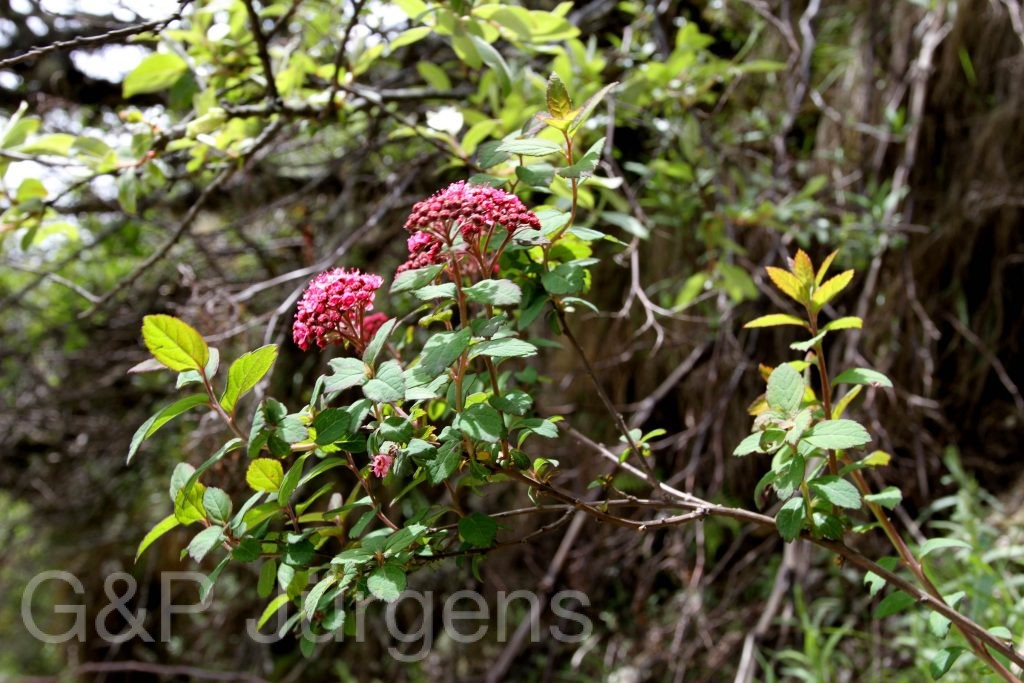
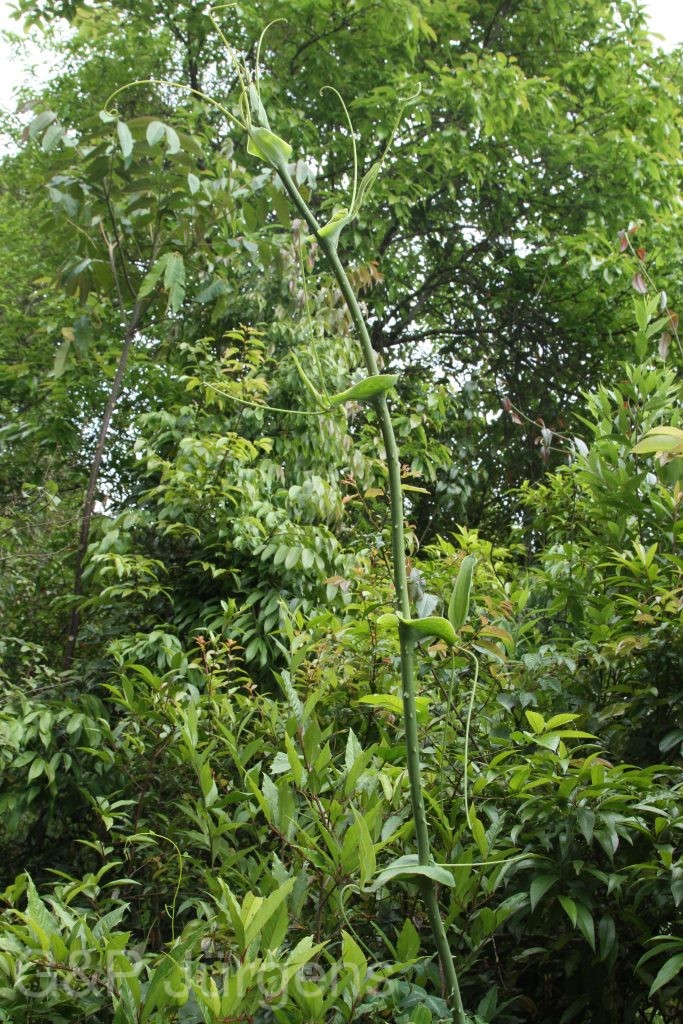
Smilax perfoliata is a robust scrambling climber of the eastern Himalaya, Indo-China and East Asia, ranging from Nepal, Bhutan and north-east India through Myanmar, Thailand, Laos, Cambodia and Vietnam to southern China, Taiwan, Japan, Korea and Sri Lanka, with records also in Indonesia. GBIF holds around 618 occurrences. It is a woody liana of broad-leaved evergreen and semi-evergreen forest, thickets and forest margins, scrambling over shrubs and into the lower canopy at low to middle elevations. The plant from Mongar in eastern Bhutan at 1920 m in May is typical of the temperate to subtropical forest belt it favours.
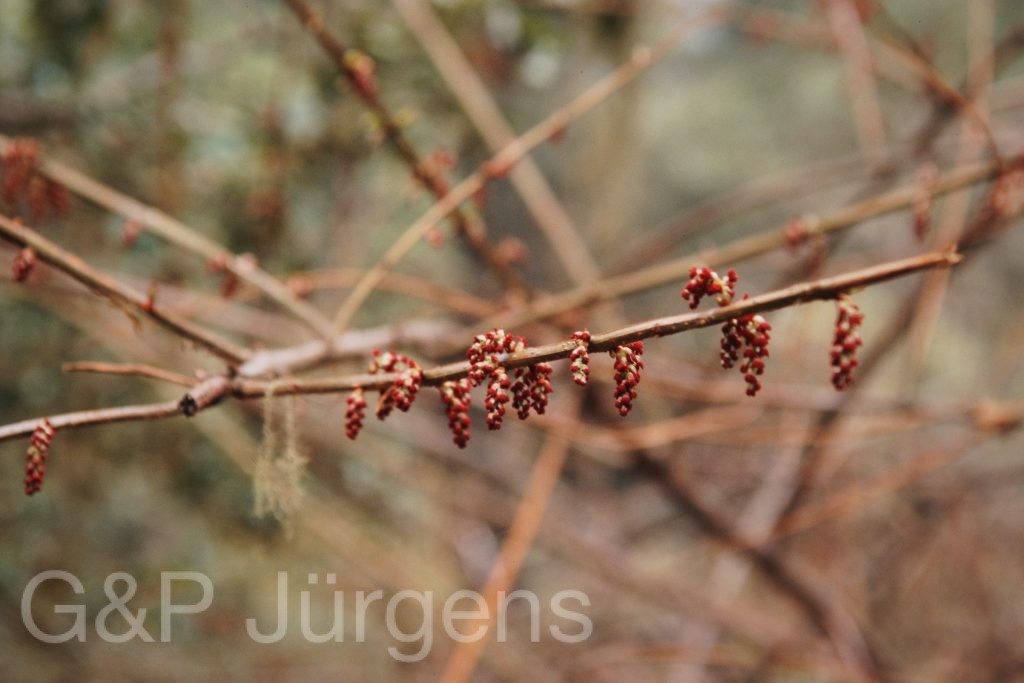
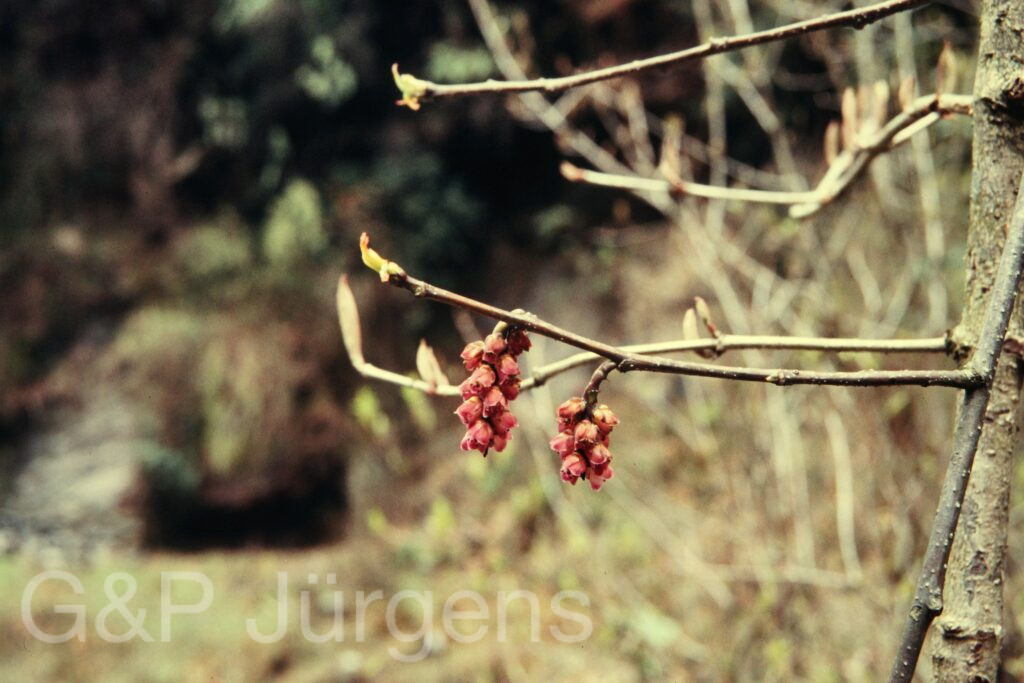
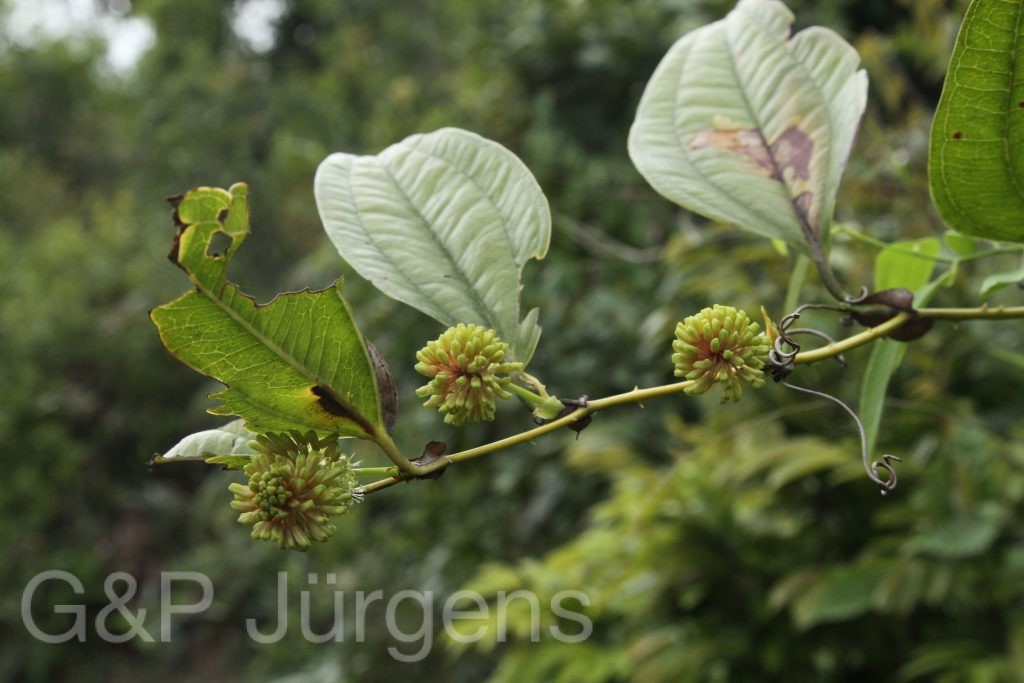
It is a dioecious vine arising from a thick woody rhizome, the climbing stems and branches armed with scattered prickles. Its leaves are alternate, leathery, broadly ovate to elliptic with several prominent arching main veins; the petiole bears a conspicuous sheathing, clasping wing (whence perfoliata) from which spring a pair of slender tendrils that anchor the climber. The small greenish-yellow flowers are unisexual in axillary umbels, the perianth of six free tepals, staminate flowers with six stamens, pistillate with a superior trilocular ovary. The fruit is a small globose berry ripening dark blue-black, with one to few bird-dispersed seeds.
Smilax, the sole large genus of Smilacaceae, is set apart among monocots by its net-veined, petiole-tendril-bearing leaves and woody climbing habit. S. perfoliata belongs to a complex of broad-leaved Asian climbers delimited by petiole-sheath morphology and leaf venation. Several species of the genus yield sarsaparilla-type saponins and have medicinal uses, the young shoots sometimes eaten. Widespread and adaptable to disturbed forest, S. perfoliata is of no conservation concern.
Author: Lour. · Sources: POWO (Kew), GBIF, Flora of China Vol. 24, Flora of Bhutan Vol. 3, Annotated Checklist of the Flowering Plants of Nepal, Koyama revision of Asiatic Smilax