
Hook.f.
Description
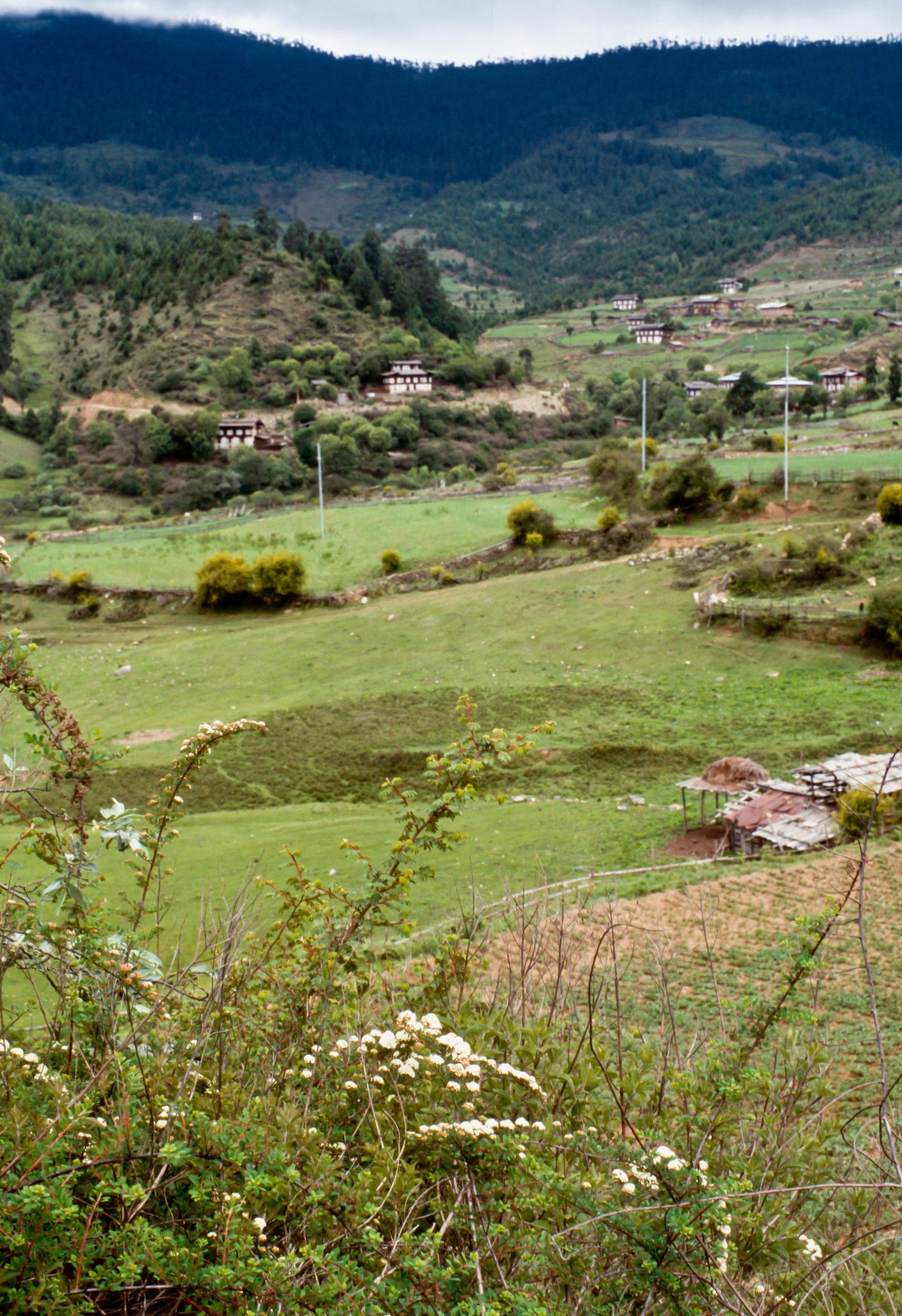
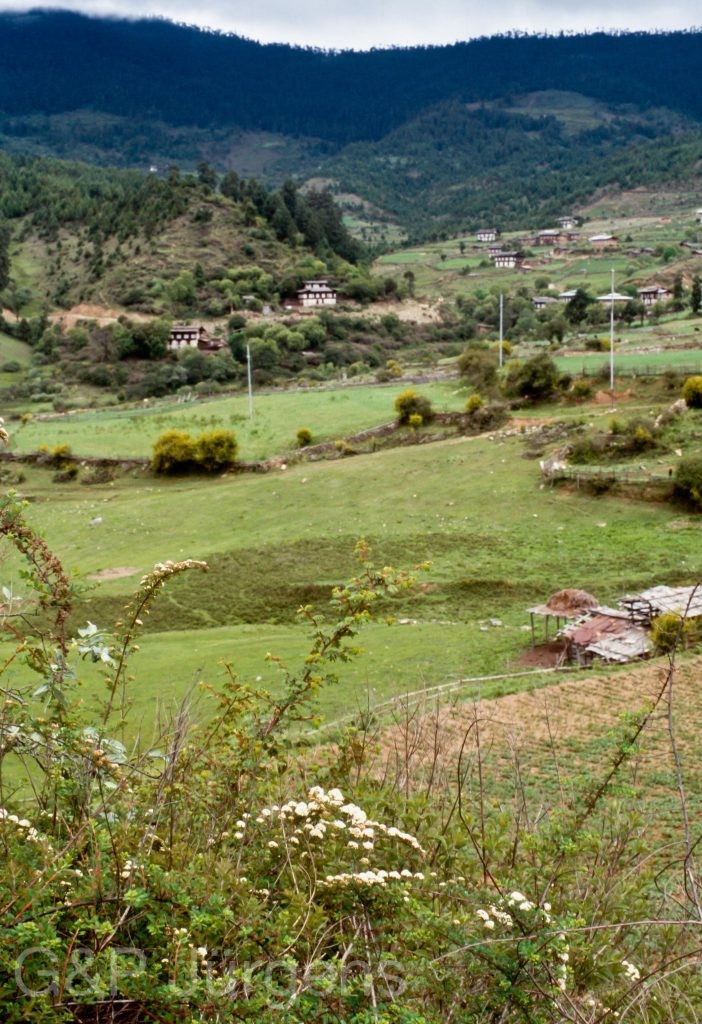
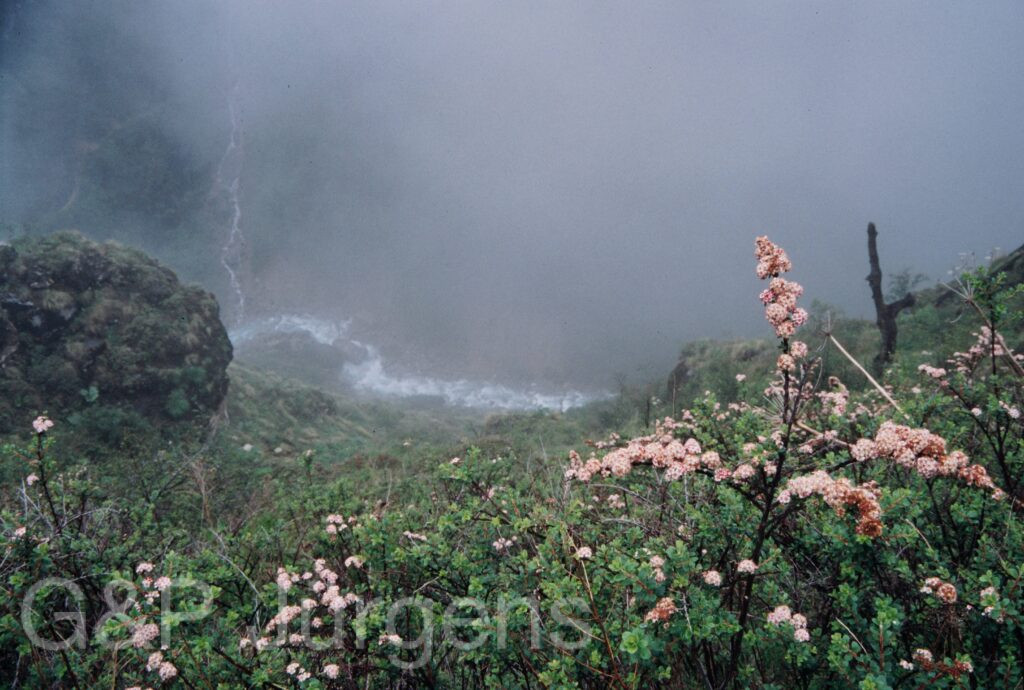
Spiraea arcuata is a Himalayan and Sino-Himalayan shrub native to Nepal, China, India, Bhutan and Myanmar, with about 376 GBIF records, supplemented by cultivated occurrences in Europe and North America. It grows in the temperate and subalpine zone on open hillsides, forest margins, scrub and rocky slopes. The cited records span its altitudinal range, from Jakar in central Bhutan at around 2600 m flowering in June to the Garpung-Khola in western Nepal at about 3500 m in July, where it forms part of the deciduous shrub component of montane vegetation on well-drained slopes.
The plant is a deciduous shrub with slender, arching to recurved branches, the epithet alluding to their curving habit. The leaves are small, alternate, simple, obovate to oblong-elliptic, entire or with a few apical teeth, glabrous to thinly hairy and often paler beneath. The white flowers are numerous and crowded in dense, rounded, corymb-like clusters borne along the branches; each small flower has five petals, a shallow hypanthium, numerous stamens, and several free carpels. The fruit is a cluster of small, dehiscent follicles each containing several narrow seeds.
Described by Hooker f., S. arcuata belongs to the section of pink- to white-flowered Himalayan spiraeas. The genus is taxonomically intricate, with much intergradation among the alpine and subalpine species of the region. Several Himalayan Spiraea, including this one, are valued horticulturally for their profuse spring and early-summer flowering. With its broad distribution and tolerance of open and disturbed montane habitats, the species is not regarded as threatened.
Author: Hook.f. · Sources: POWO (Kew), GBIF, Flora of Bhutan, Flora of China, Rehder's account of Spiraea