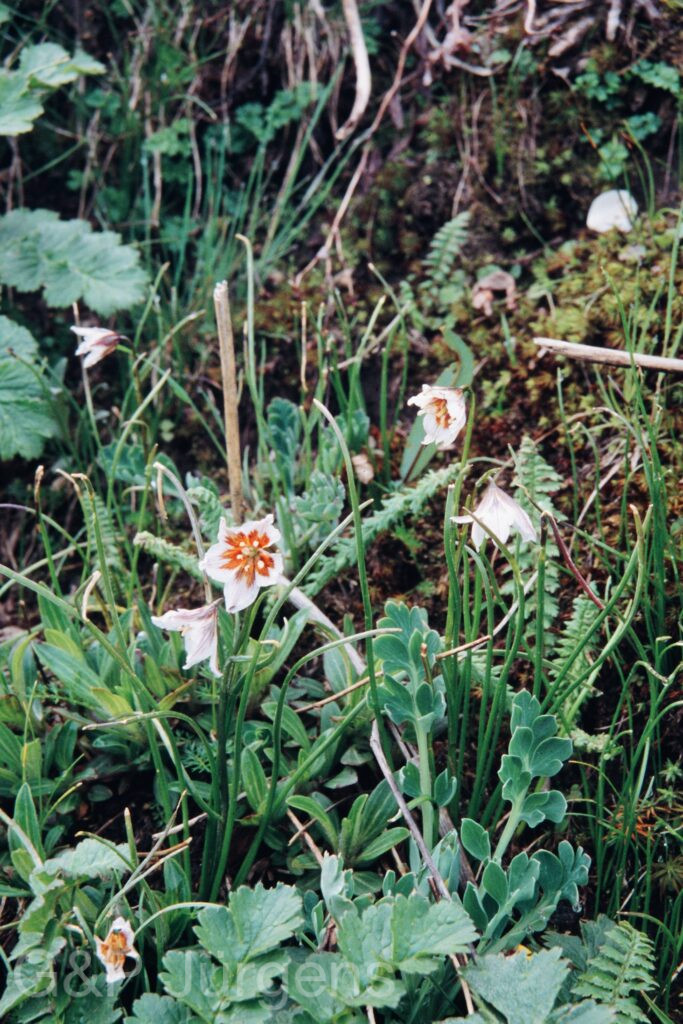
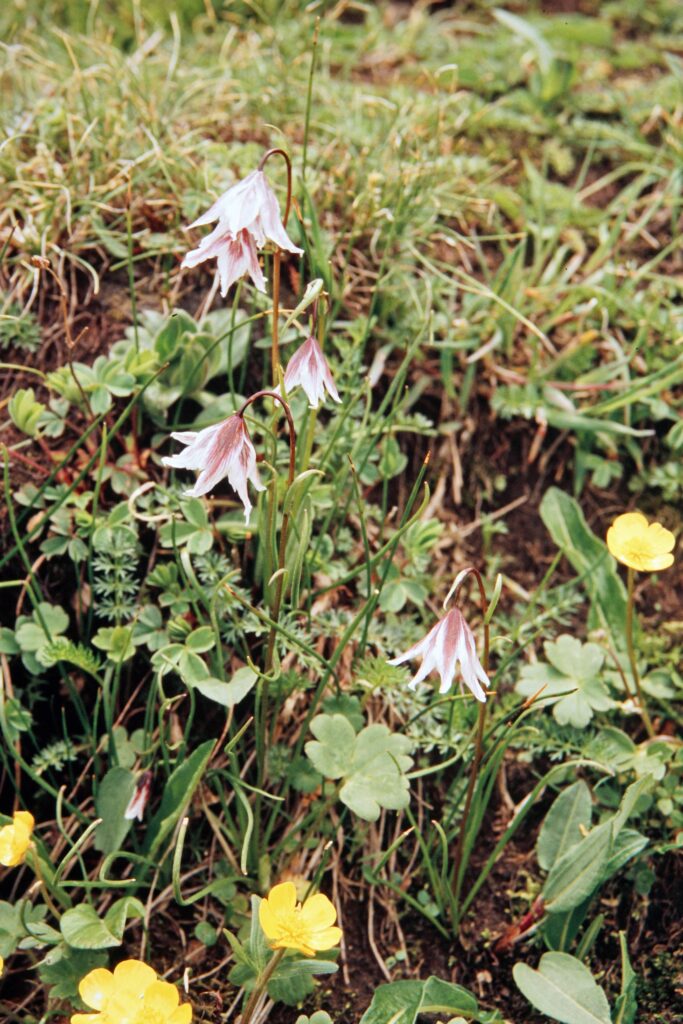
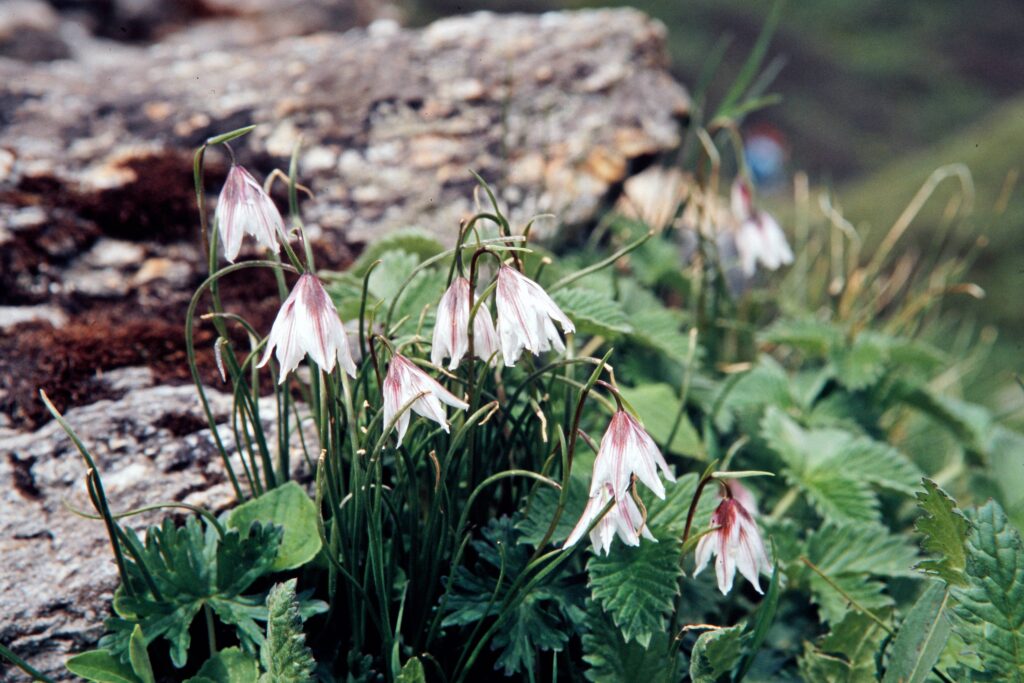
Baker
Description
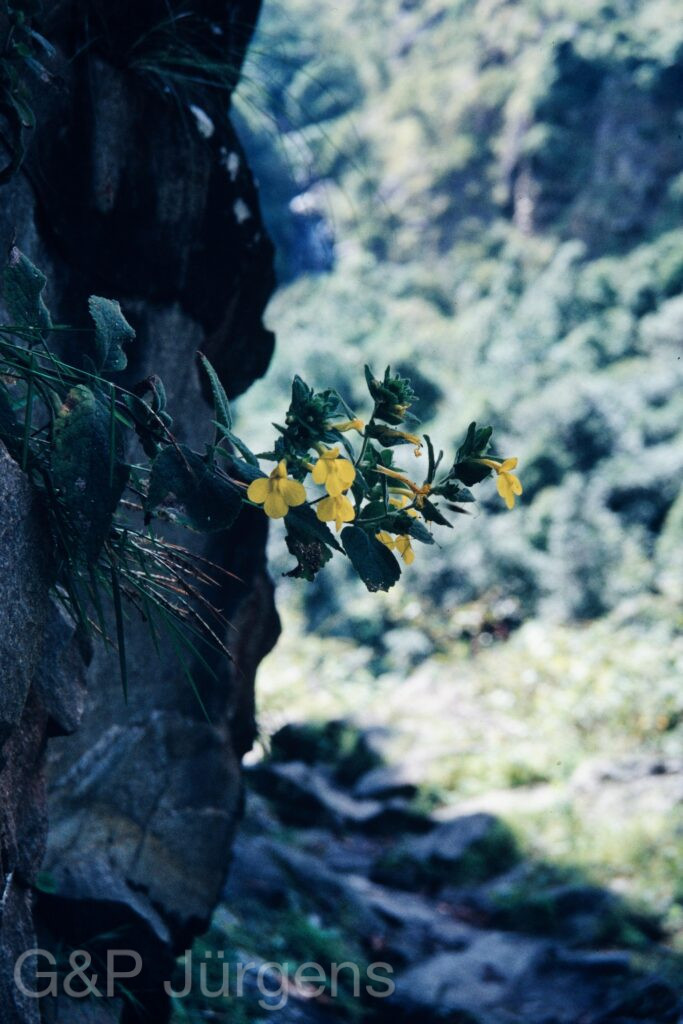
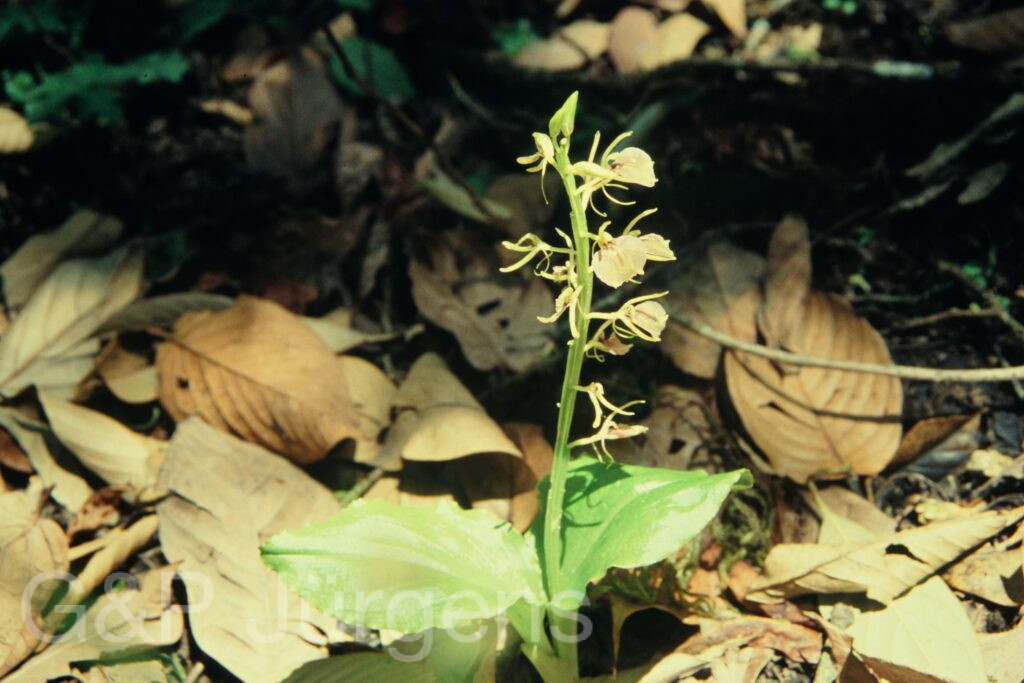
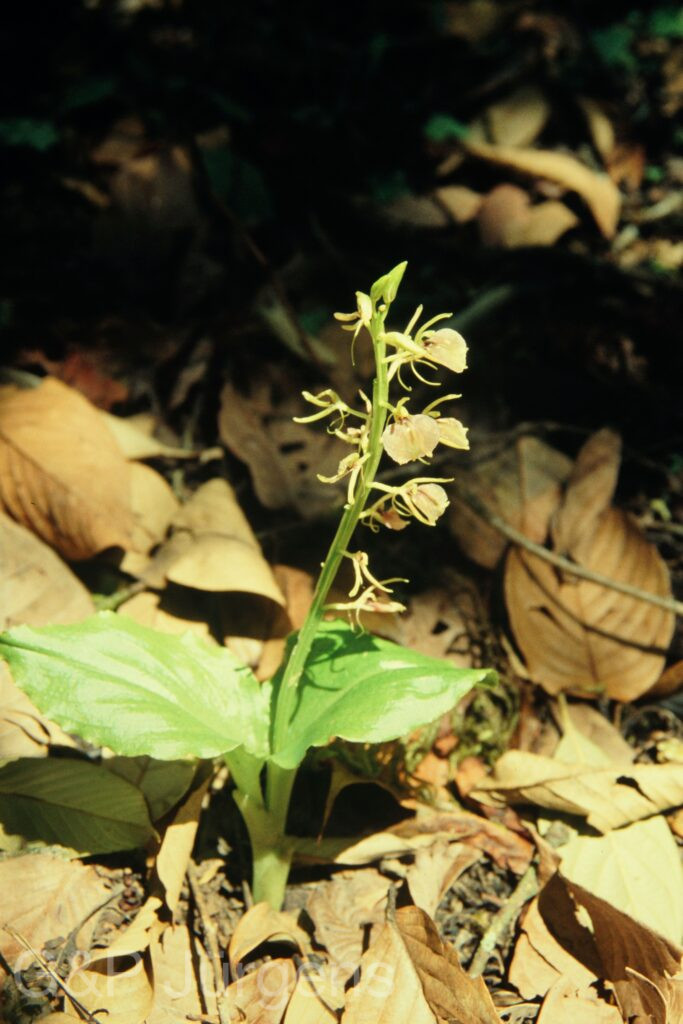
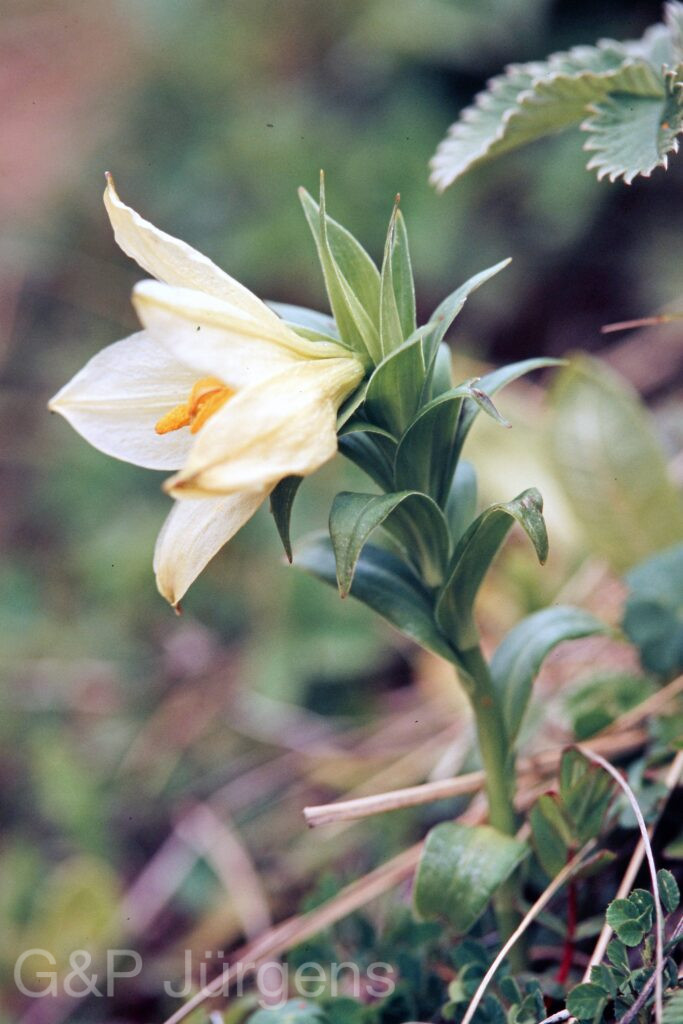
Lilium oxypetalum is a small subalpine lily restricted to the western and central Himalaya, with native occurrences in northern India and Nepal (the remaining GBIF country codes reflect cultivated or naturalised records outside the native range). It grows in open coniferous and birch-rhododendron forest, forest margins and grassy slopes, typically between 3,000 and 4,000 m. The photographed plant was found at Kinkhola in Garhwal at about 3,500 m in June, flowering as the snow retreats and the subalpine meadows green up early in the growing season.
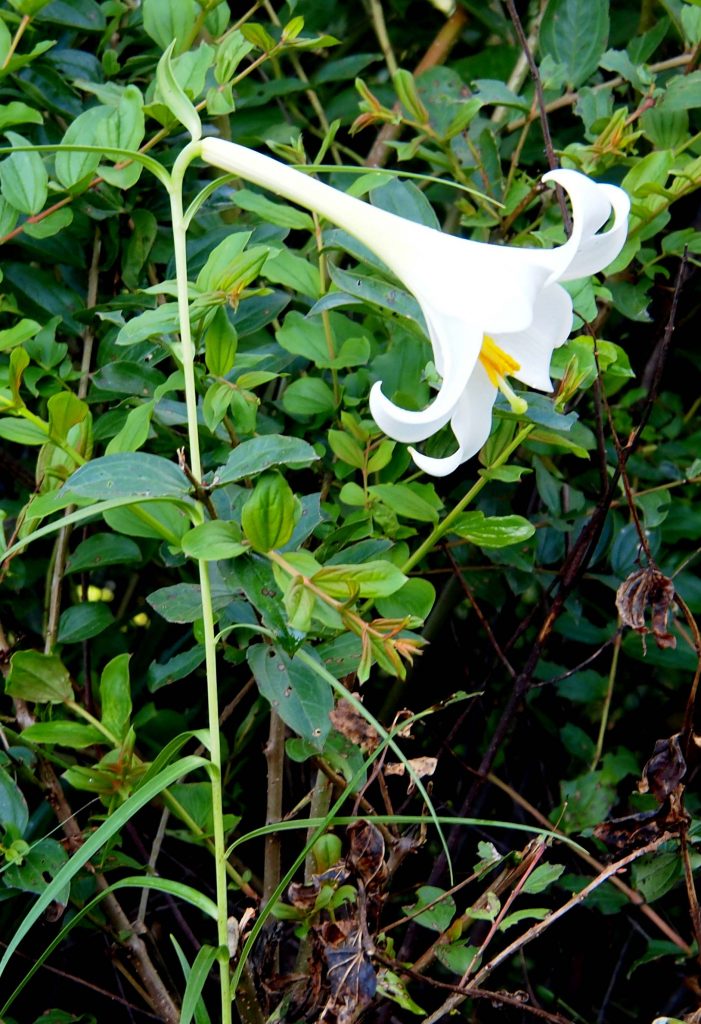
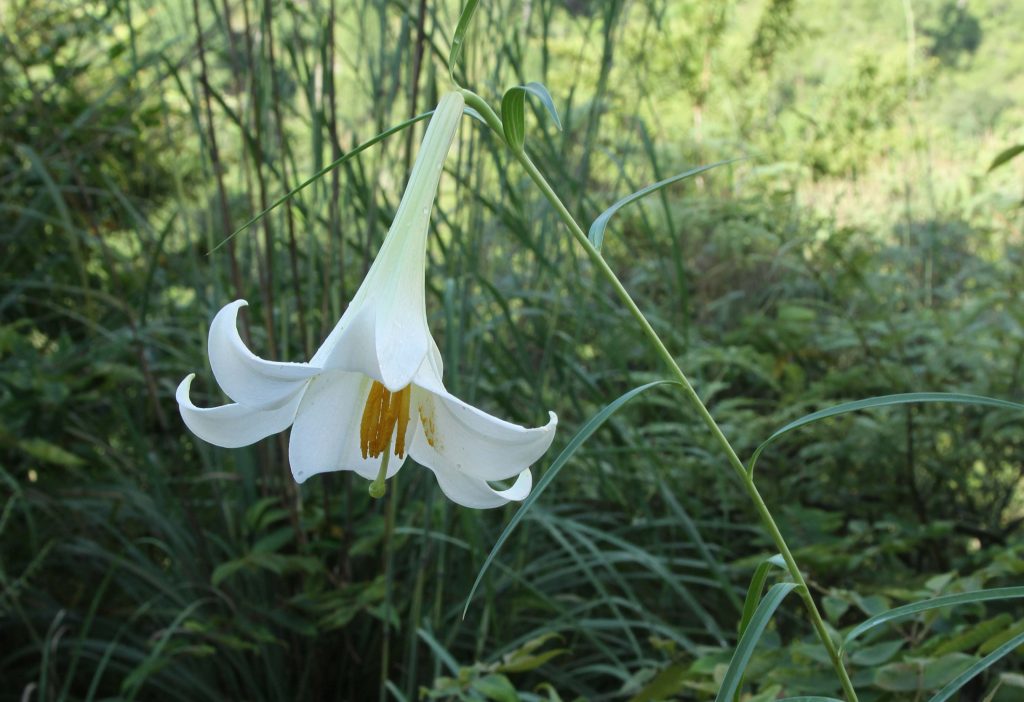
The plant arises from a small, ovoid bulb of loose, white scales and produces a slender, erect, unbranched stem 15-40 cm tall. The leaves are scattered along the stem, lanceolate to elliptic, sessile and few in number. The flower is usually solitary and nodding, broadly campanulate rather than reflexed, with six tepals that are pale yellow to greenish-yellow, sometimes flushed purplish, and taper to acute, recurving tips. The six stamens are shorter than the tepals and bear versatile anthers; the superior ovary develops into an erect, oblong, three-valved loculicidal capsule with flat, winged seeds.
With its solitary, bell-shaped flower and short stature, L. oxypetalum is morphologically distinctive among Himalayan lilies and has at times been segregated in the genus Nomocharis-allied groups, reflecting the close relationship between Lilium and Nomocharis now confirmed by molecular work. The yellow-flowered var. insigne extends the variation. As a narrowly distributed, attractive bulb, the species faces localised pressure from collection and grazing, and its restricted alpine range warrants monitoring under a warming climate.
Author: Baker · Sources: POWO (Kew), GBIF, Flora of China Vol. 24 (Liliaceae), Flora of Nepal, Comber: A New Classification of the Genus Lilium