Kupcsok
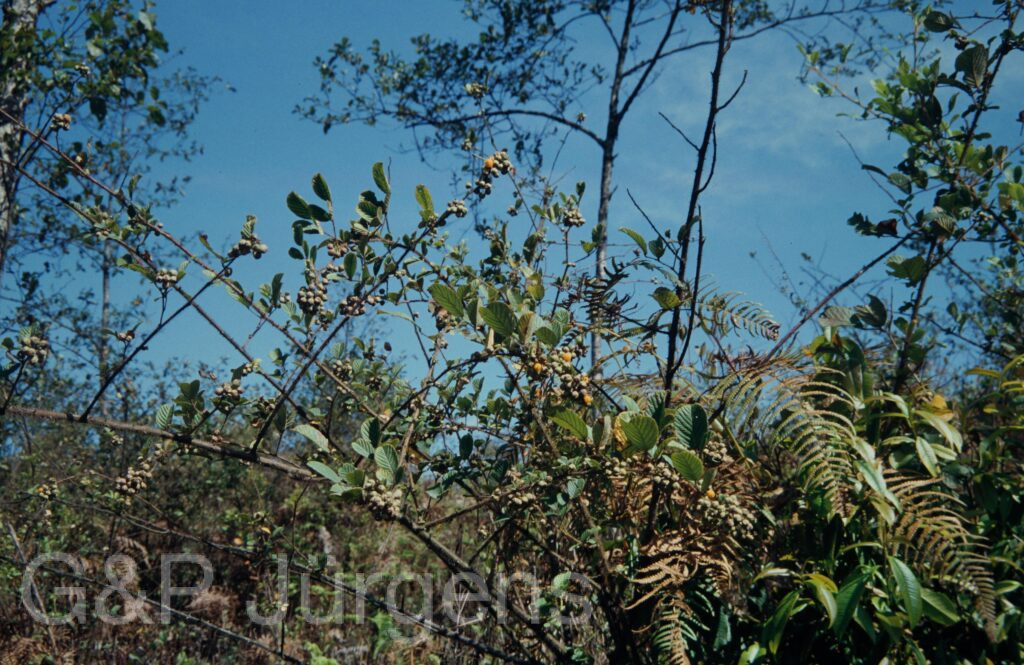
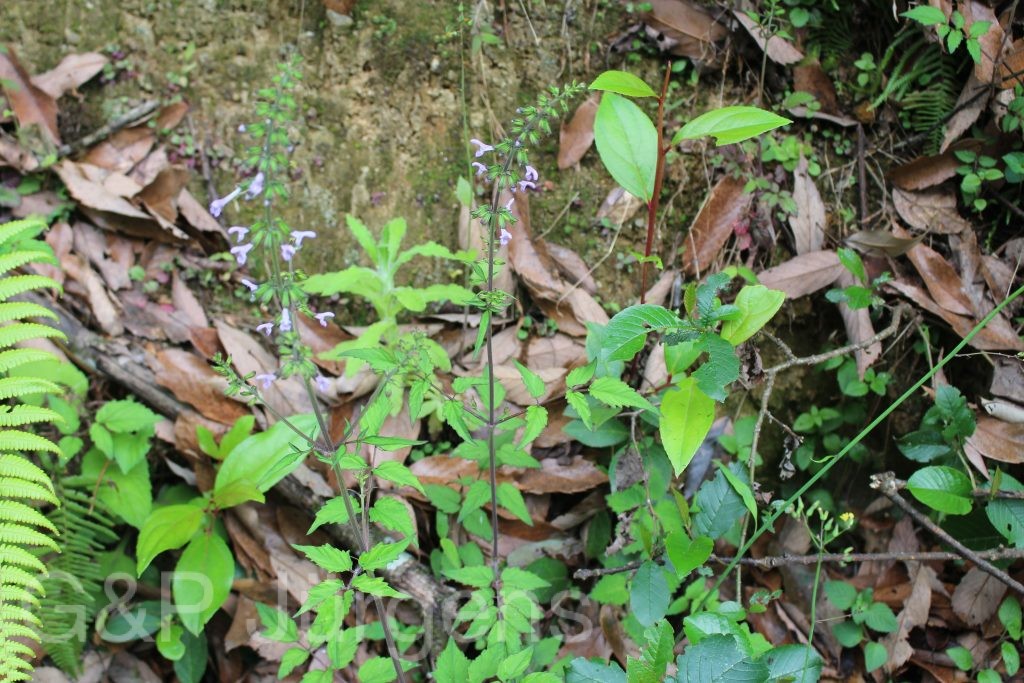
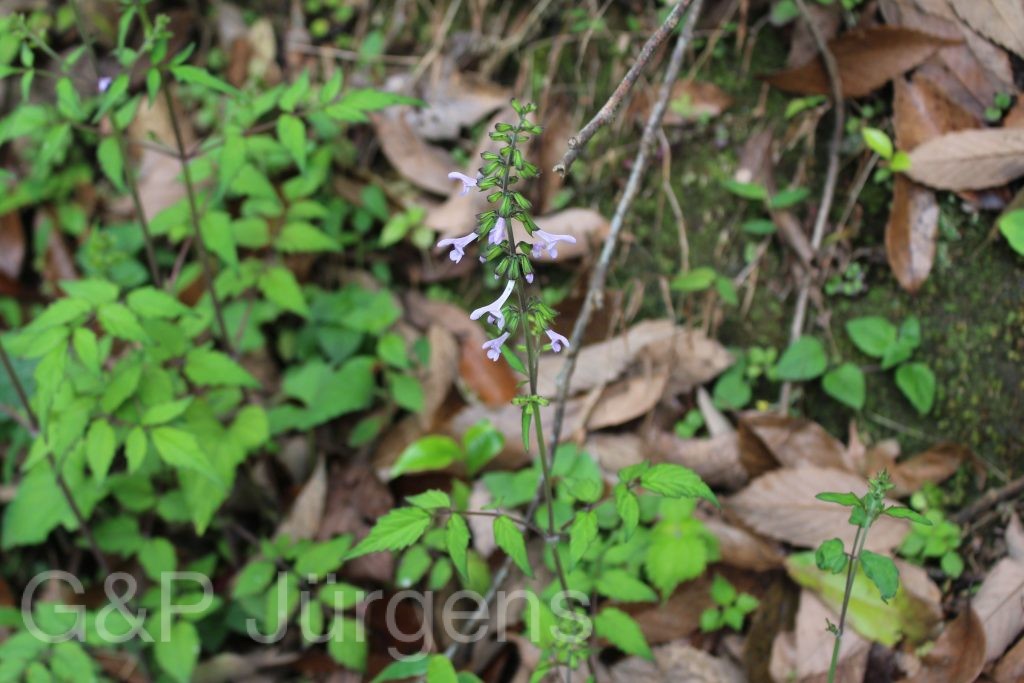
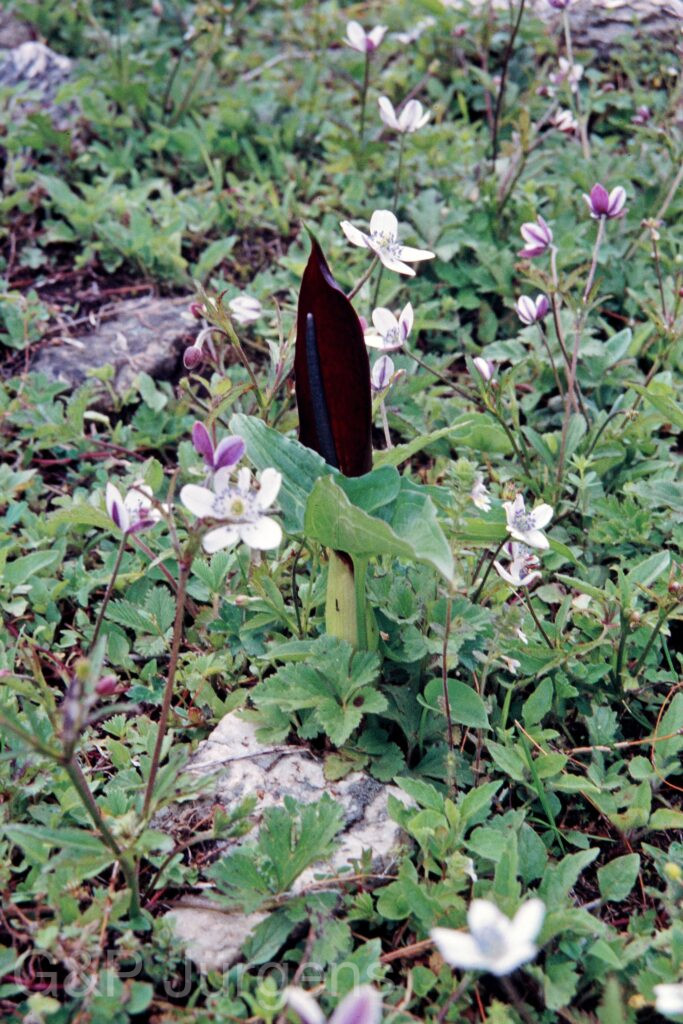
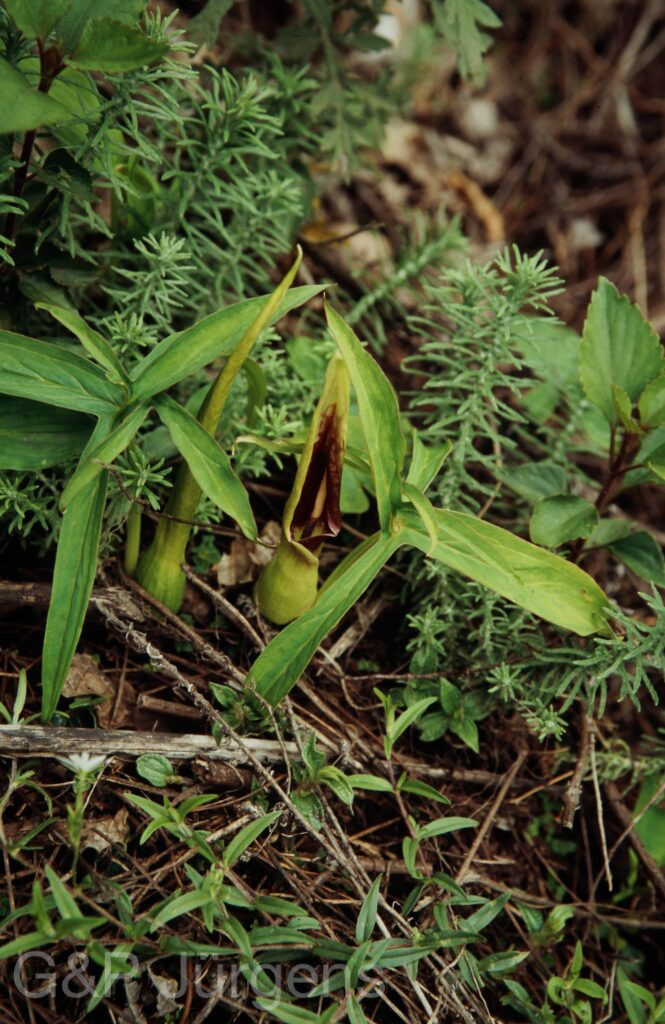
1800m April
Description
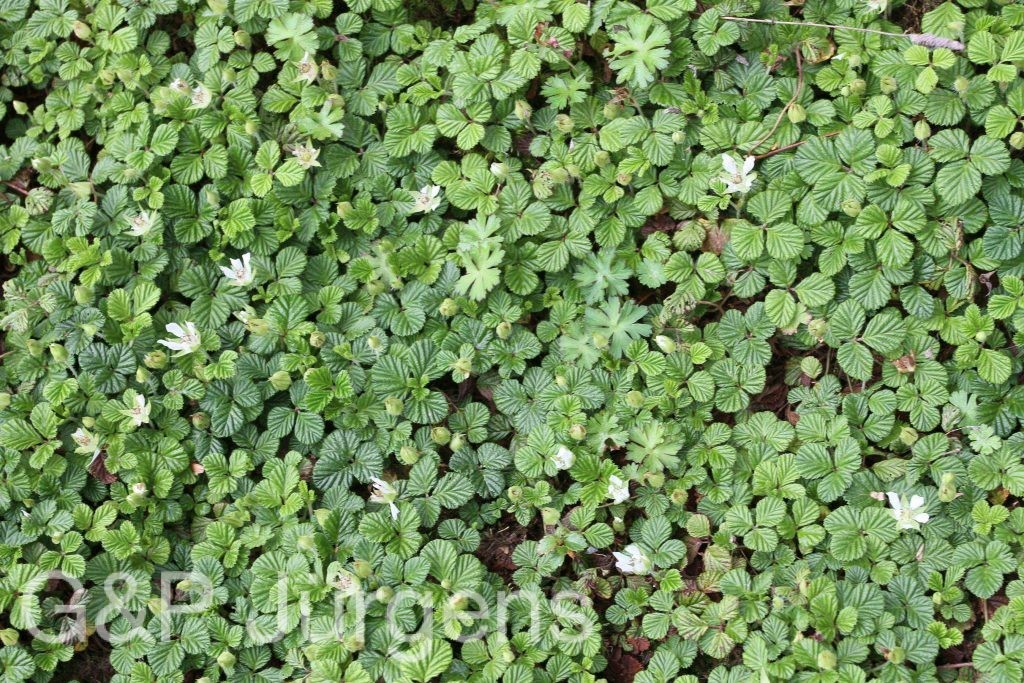
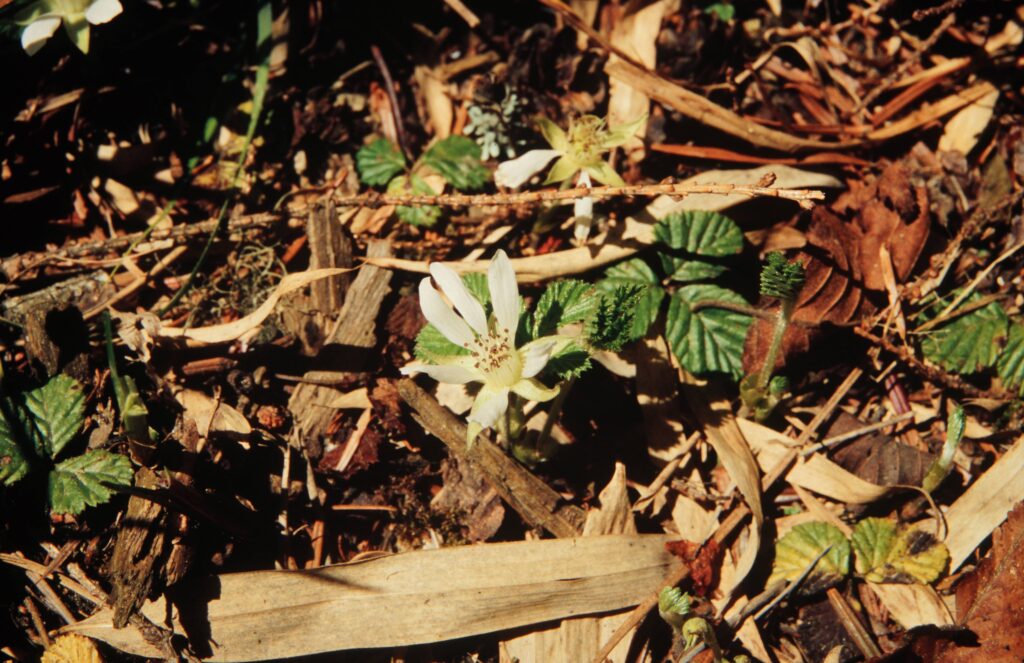
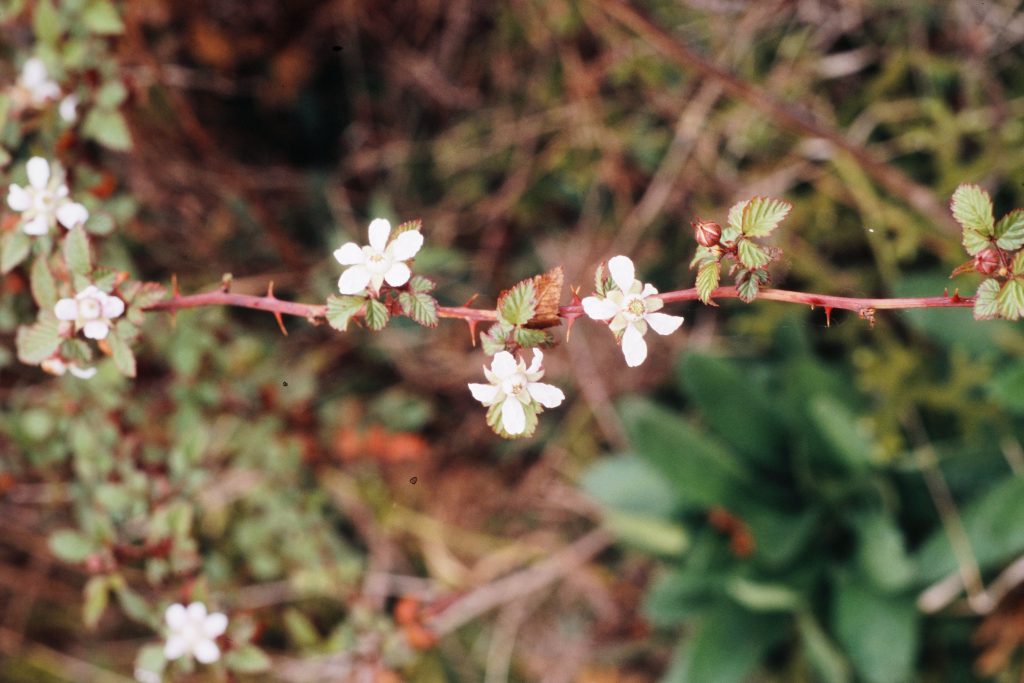
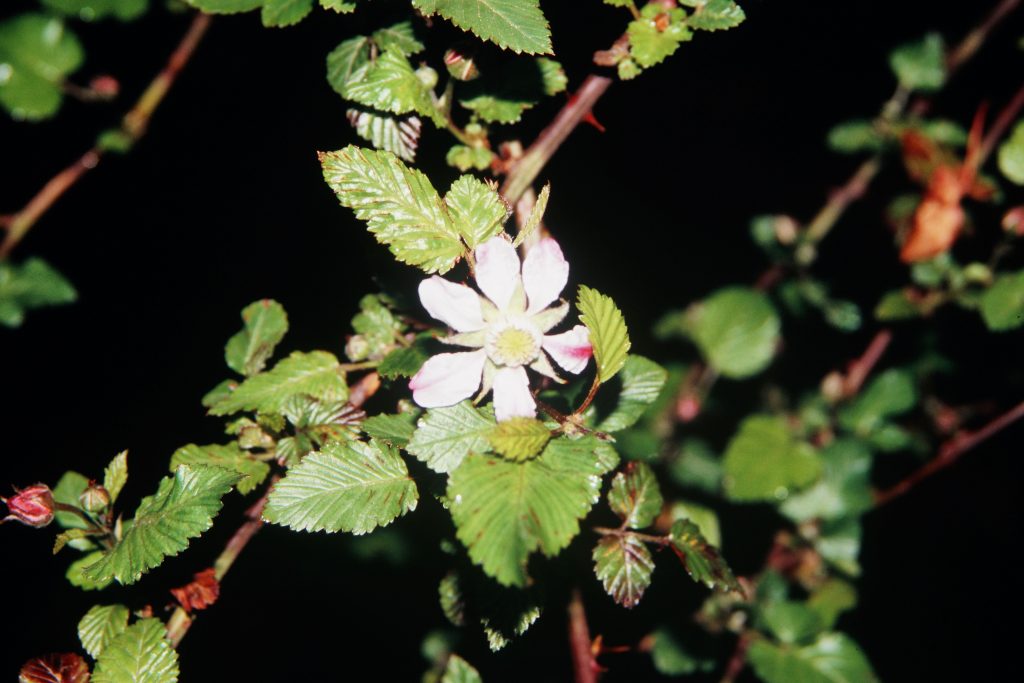
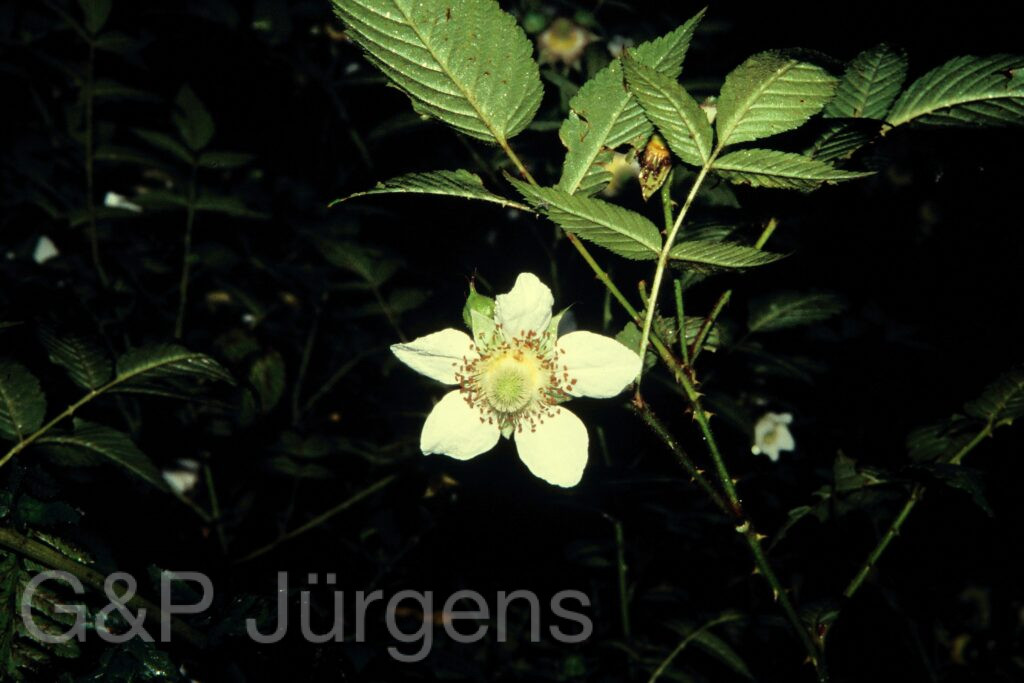
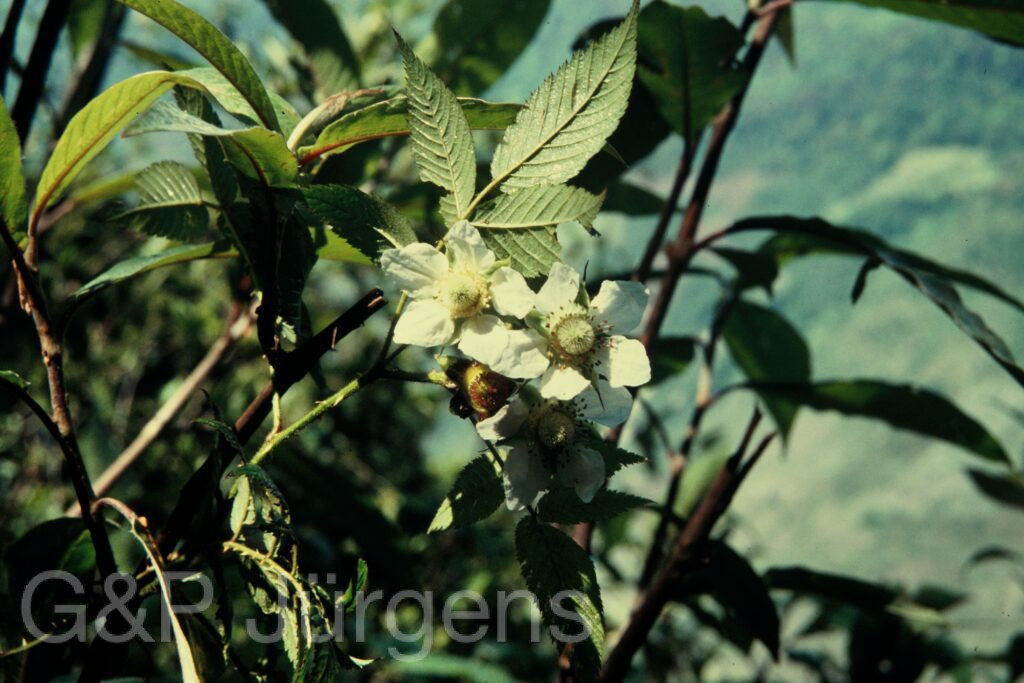
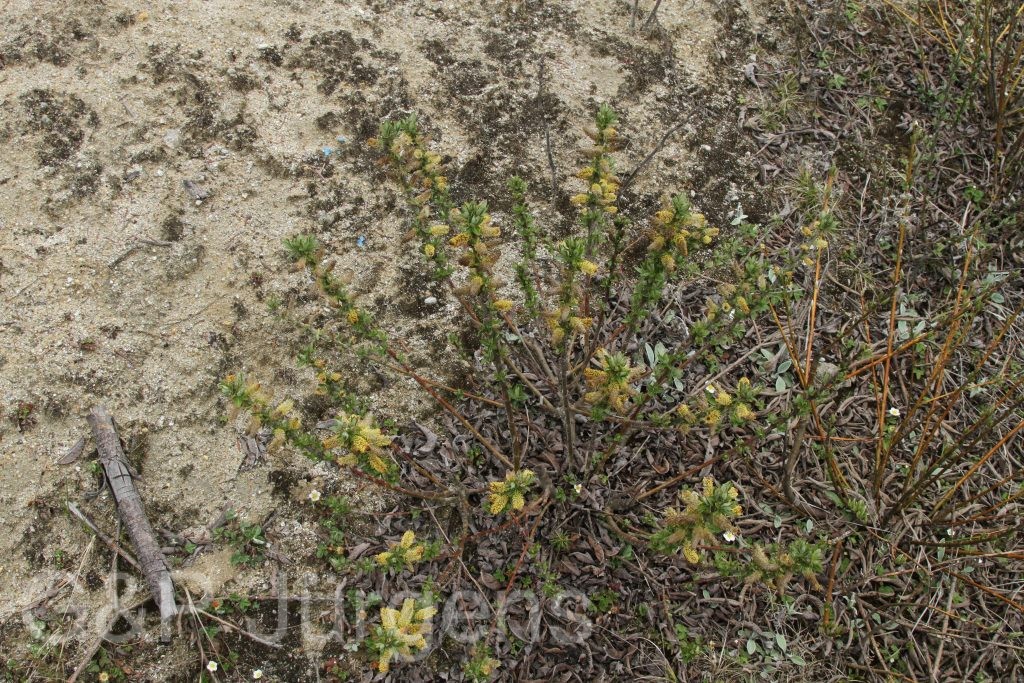
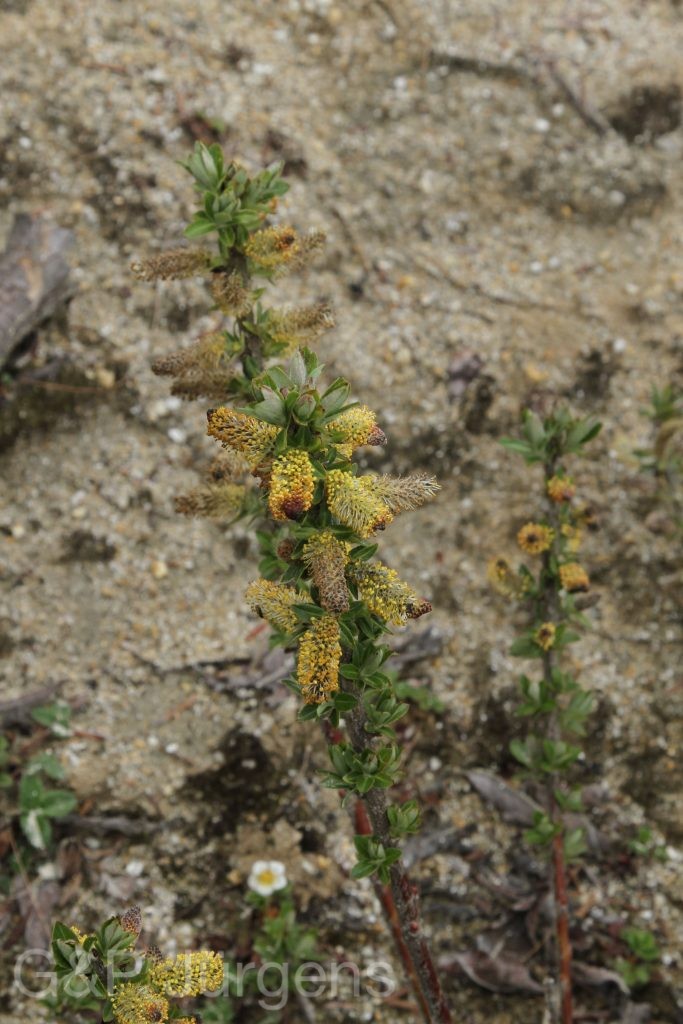
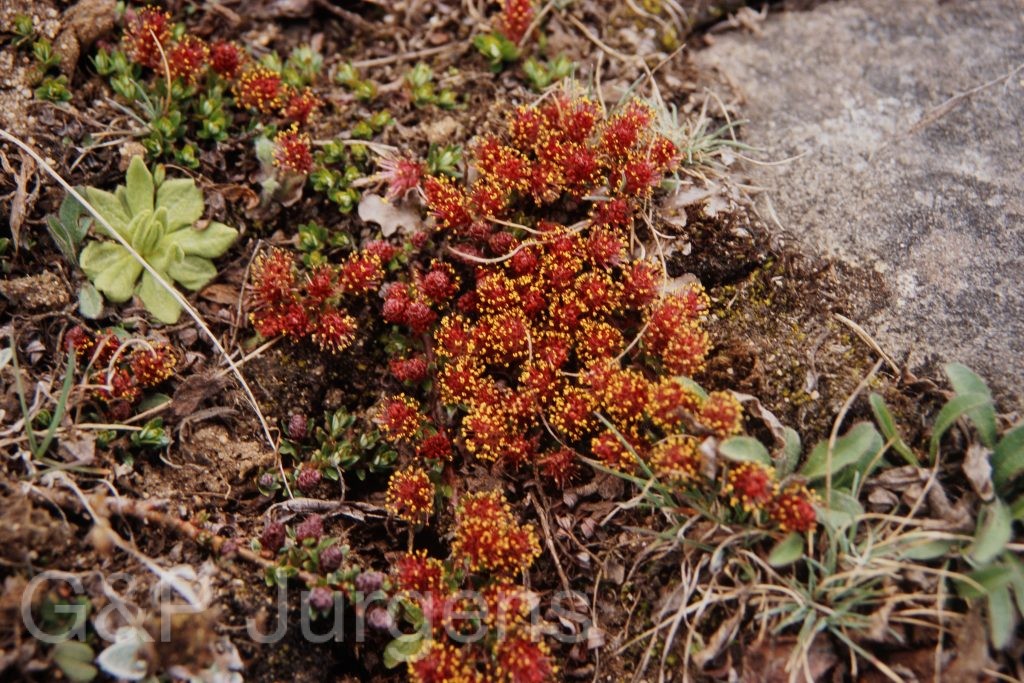
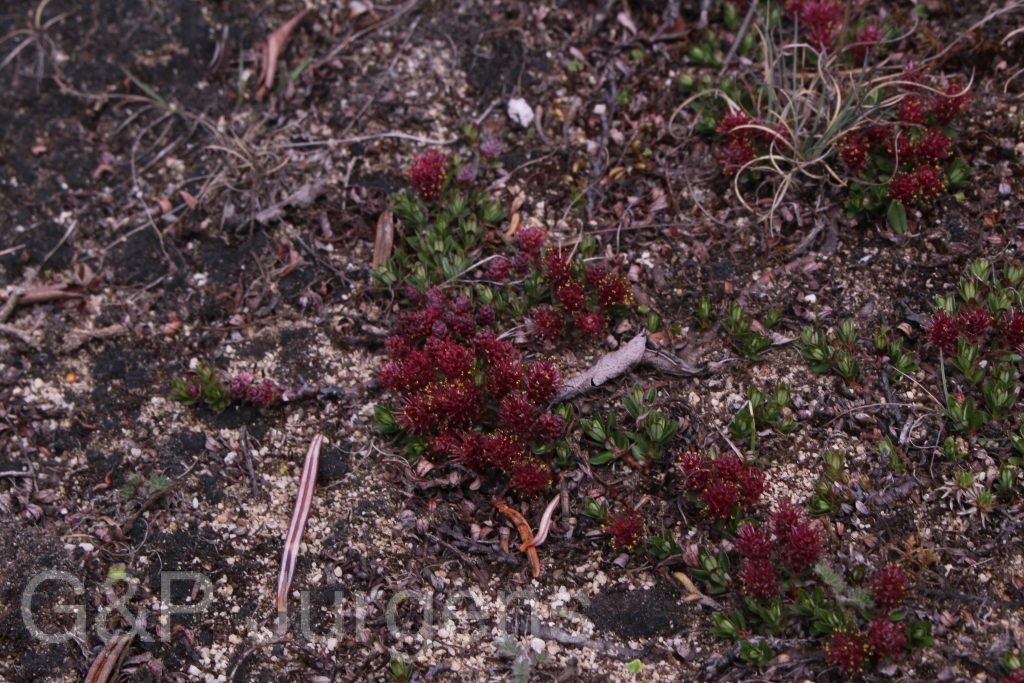
Rubus ellipticus, the yellow Himalayan raspberry, is native to South and East Asia and has become one of the most notoriously invasive of all brambles, with 3973 GBIF occurrences spanning its native range in China (CN), Taiwan (TW), India (IN), Nepal (NP), Bhutan (BT), Sri Lanka (LK), Thailand (TH), Vietnam (VN), Myanmar (MM), the Philippines (PH), Pakistan (PK) and Afghanistan (AF), together with extensive introduced populations in the United States (US, notably Hawaii), Australia (AU), New Zealand (NZ), Malawi (MW), Tanzania (TZ), Ecuador (EC), Costa Rica (CR) and Jamaica (JM). It forms dense thickets in forest margins, clearings, scrub, roadsides and disturbed ground from the lowlands to the lower montane zone. The figured plant was recorded at Bhalukhob in East-Nepal at about 1800 m in April.
It is a robust, scrambling, perennial shrub with biennial canes armed with stout recurved prickles and clothed in dense reddish bristly hairs. The leaves are pinnately trifoliolate, the leaflets elliptic to obovate, finely serrate, dark green and rugose above and densely greyish-tomentose beneath. The flowers are borne in dense terminal and axillary clusters, white, with five sepals and petals and numerous stamens. The aggregate fruit is a juicy, golden-yellow edible raspberry composed of numerous drupelets separating from the receptacle.
Rubus ellipticus belongs to the taxonomically complex subgenus Idaeobatus. Its palatable fruit and prolific seed production, aided by bird dispersal and vigorous vegetative spread, underpin its status as a serious invasive listed among the world's worst invasive species, displacing native vegetation in tropical island and montane ecosystems.
Author: Kupcsok · Sources: POWO (Kew), GBIF, Flora of China, Flora of Nepal, Flora of British India, IUCN Global Invasive Species Database, Monograph of the genus Rubus