
Andersson
Description
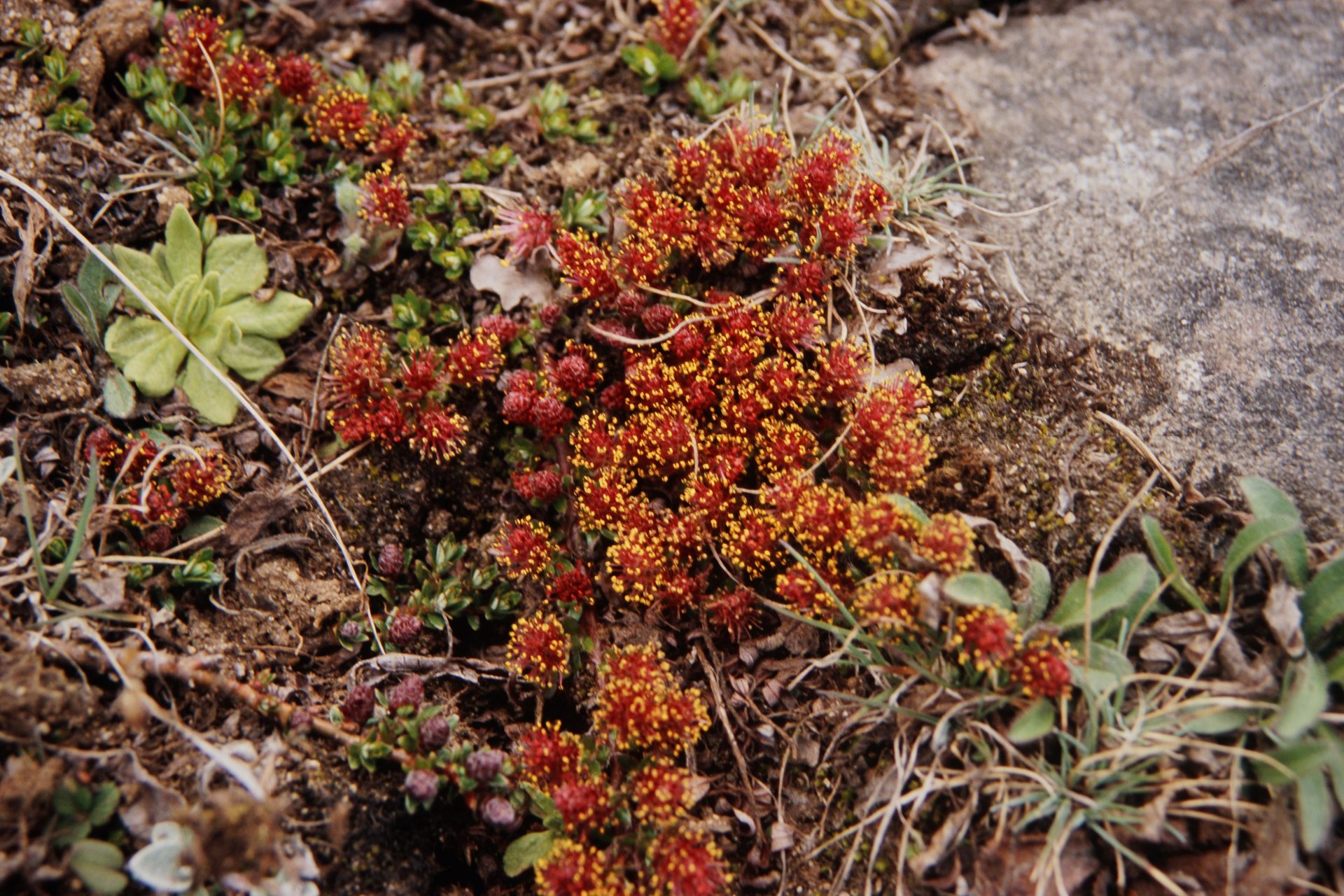
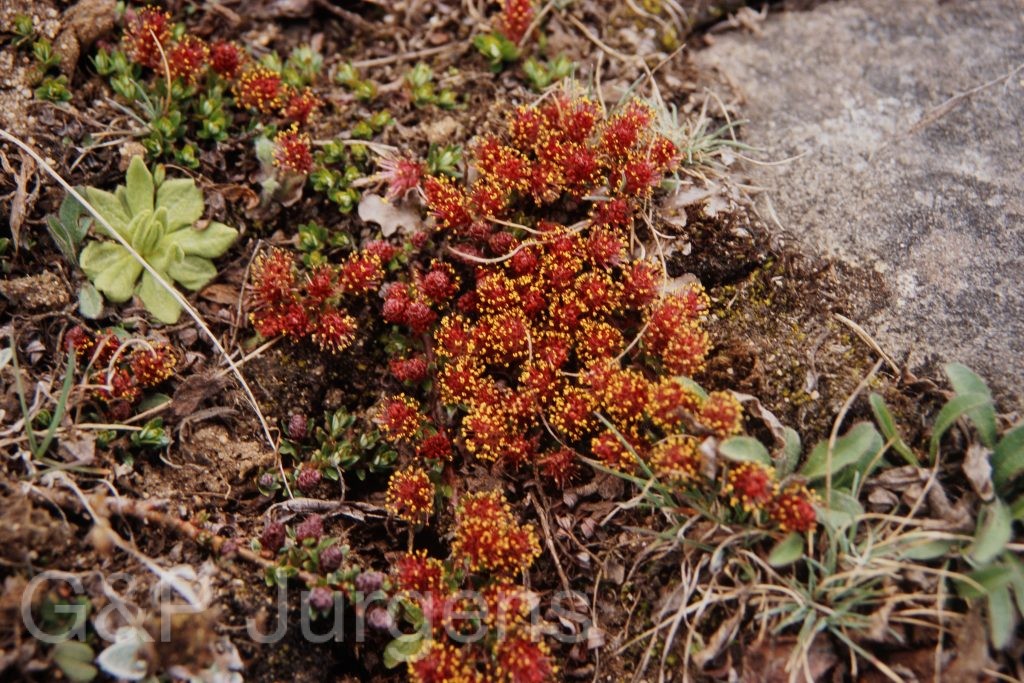
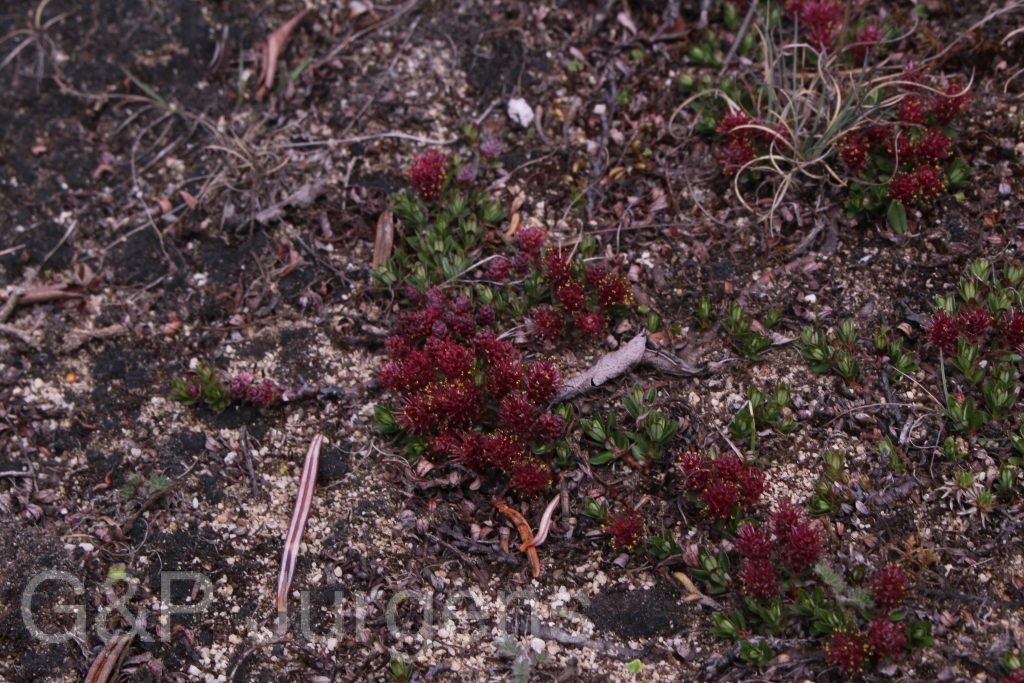
Salix thomsoniana is a dwarf, high-alpine willow of the family Salicaceae, endemic to the Himalaya. GBIF records, though few in number, are restricted to India, Nepal and Bhutan, reflecting both its genuine narrow range and the limited collecting of prostrate willows at extreme elevations. It is a plant of the upper alpine zone, growing among rocks, on stony slopes, moraine and the margins of alpine turf, typically between about 3,800 and 4,500 m. The collections illustrated from the Chele-La pass in western Bhutan at 3,900–4,000 m in April and May capture the species at the very start of its short growing season, flowering as the snow melts.
Like many high-mountain willows it is a low, decumbent to prostrate shrublet with creeping, often partly buried woody stems and short ascending shoots. The leaves are small, elliptic to obovate, with entire or finely toothed margins, glabrescent above and somewhat paler beneath. As in all Salix, the plant is dioecious, the flowers reduced and aggregated into short, erect catkins that appear with or just before the leaves; each minute flower is subtended by a hairy bract, the staminate flowers with two stamens and the pistillate flowers reduced to a single gynoecium with a nectary. The fruit is a small capsule releasing numerous minute, plumed seeds dispersed by wind.
The alpine willows form a taxonomically intricate group in which species are separated on subtle characters of leaf shape, indumentum, catkin structure and bract coloration, and hybridisation further complicates delimitation. As a cushion-forming dwarf shrub of the high Himalaya, S. thomsoniana contributes to soil stabilisation and provides early-season forage and pollen in an otherwise sparse environment. Its restricted range and dependence on the narrow alpine belt make such species potentially vulnerable to upward shifts in vegetation zones driven by warming.
Author: Andersson · Sources: POWO (Kew), GBIF, Flora of Bhutan Vol. 1, Flora of China Vol. 4, Flora of Nepal, Skvortsov: Willows of the USSR and adjacent regions