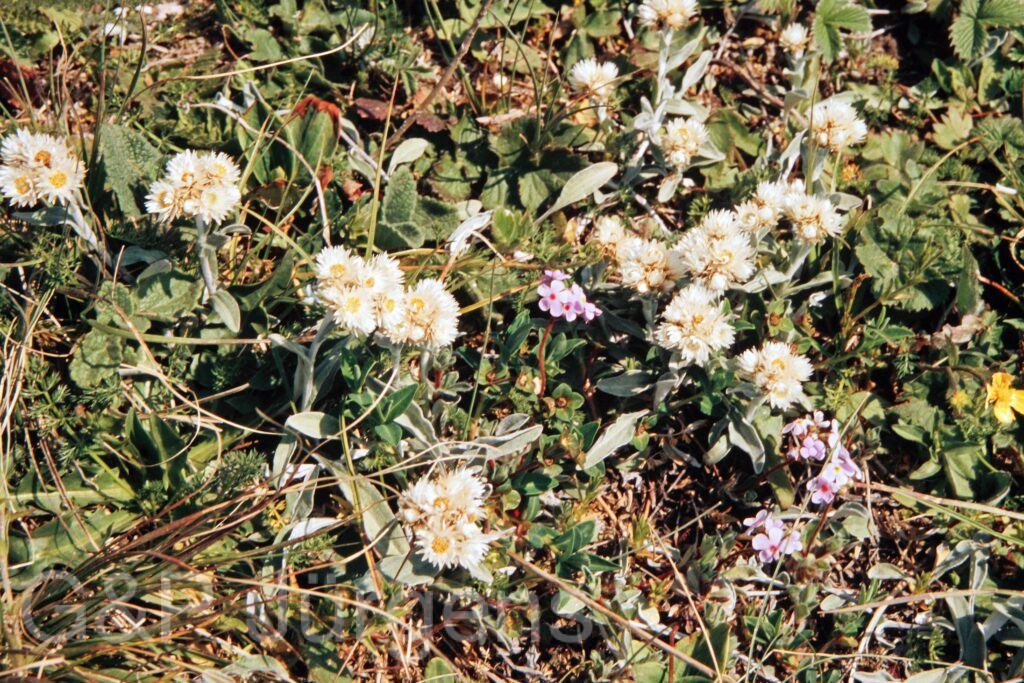
DC.
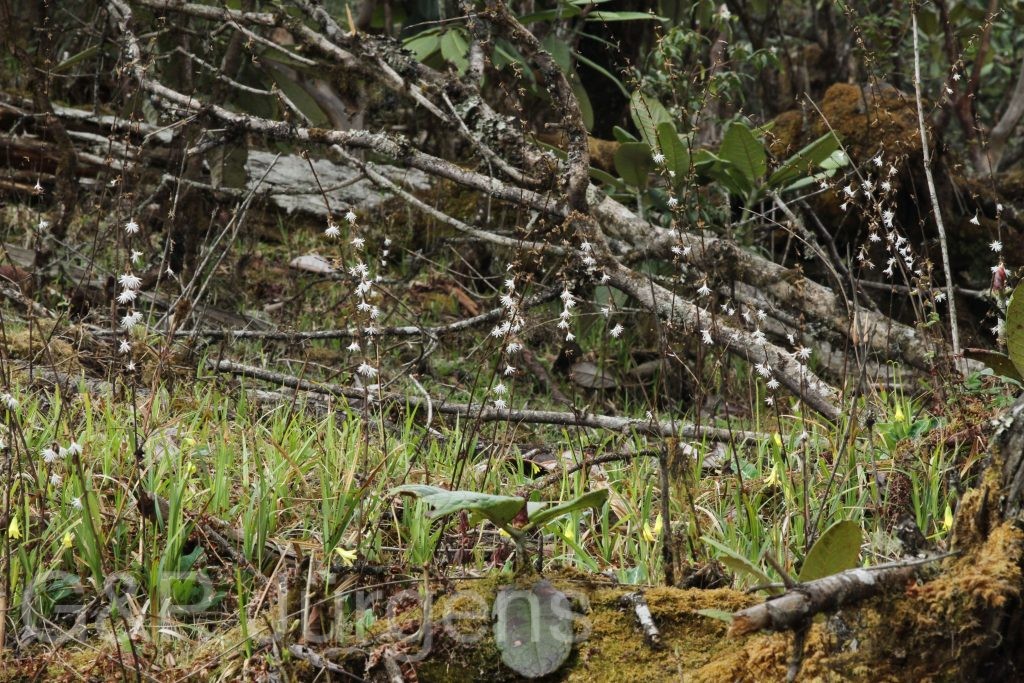
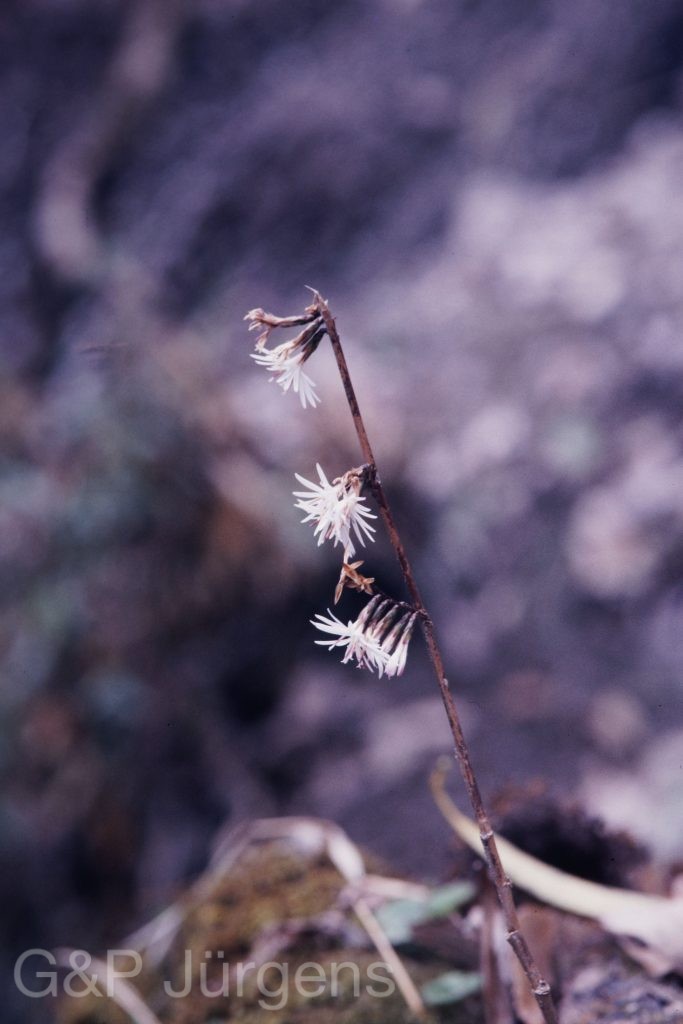
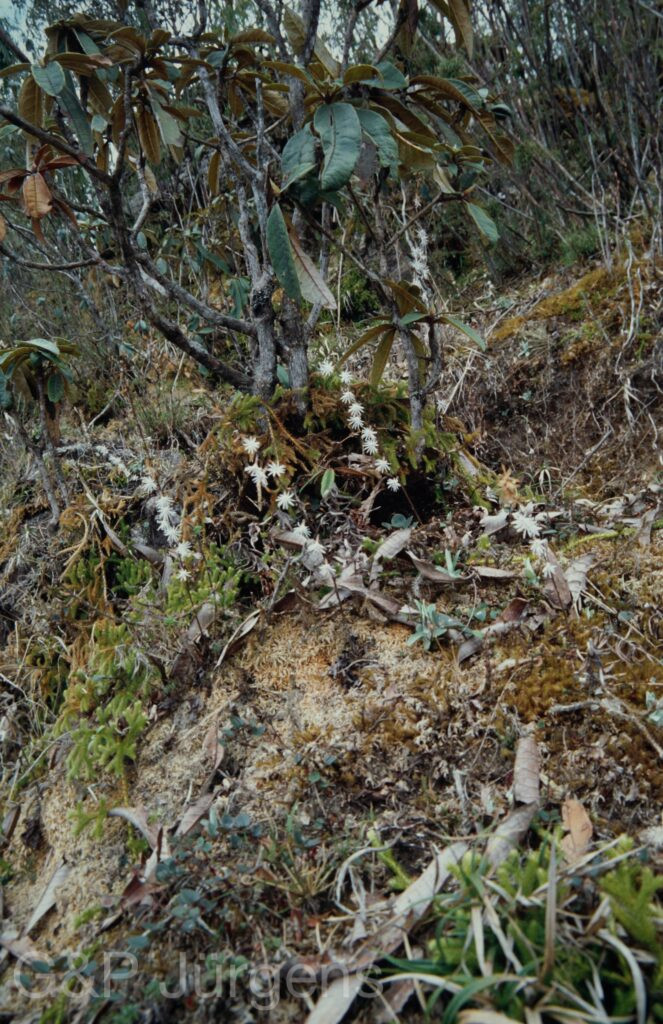
3000m April
Description
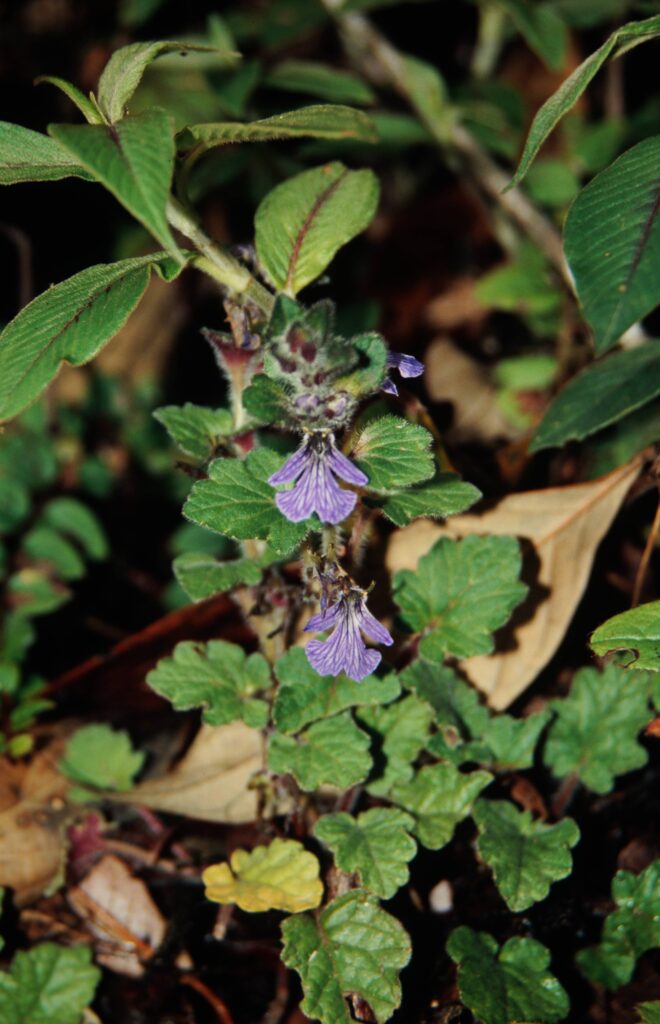
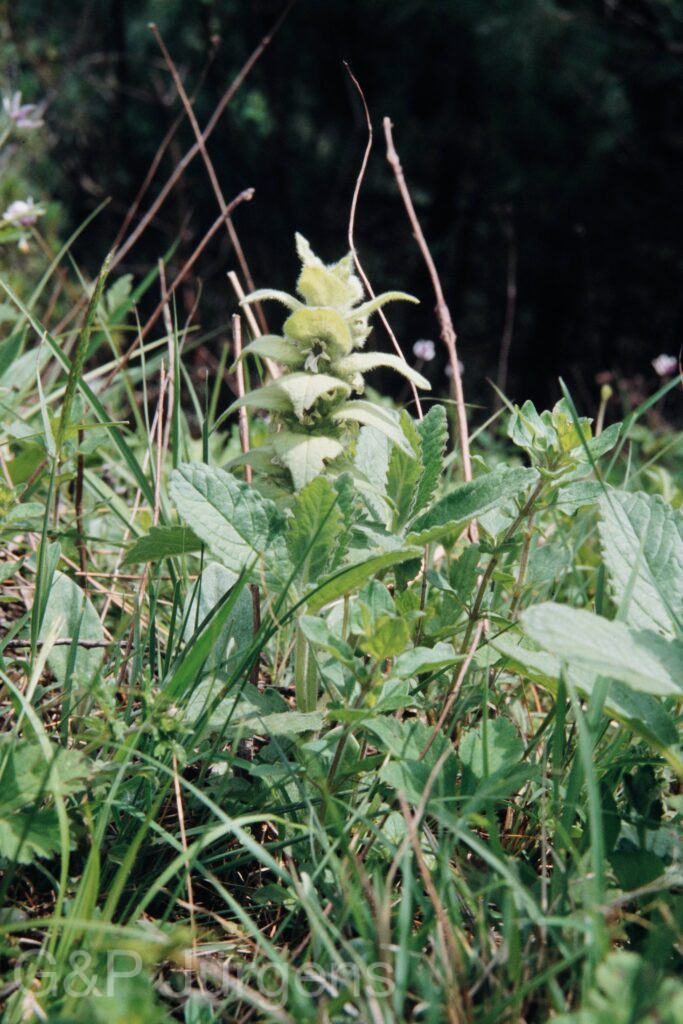
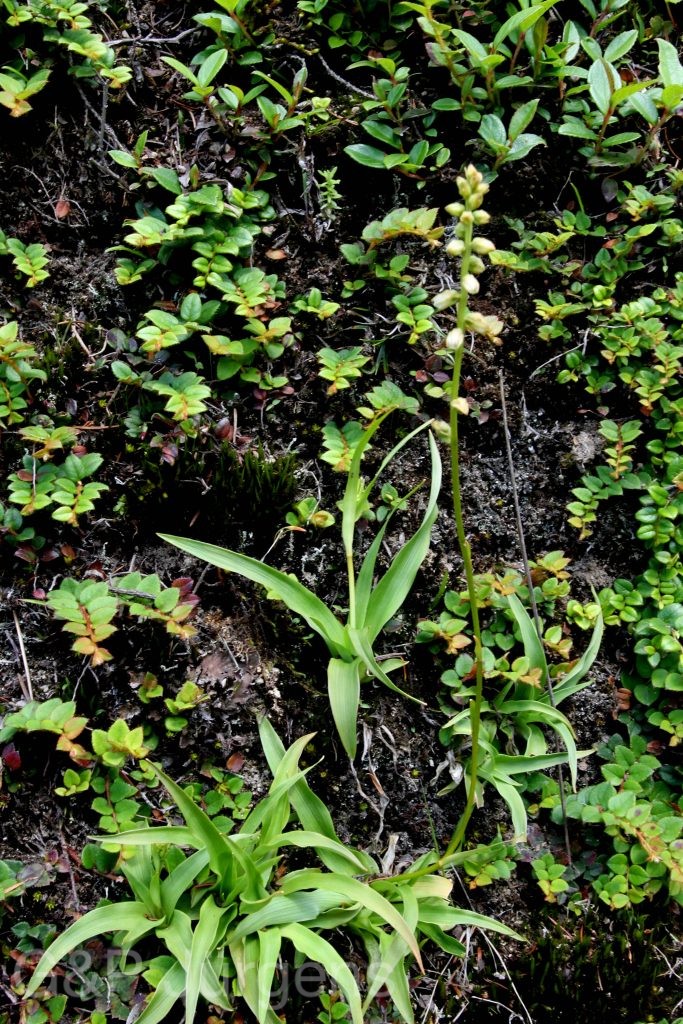
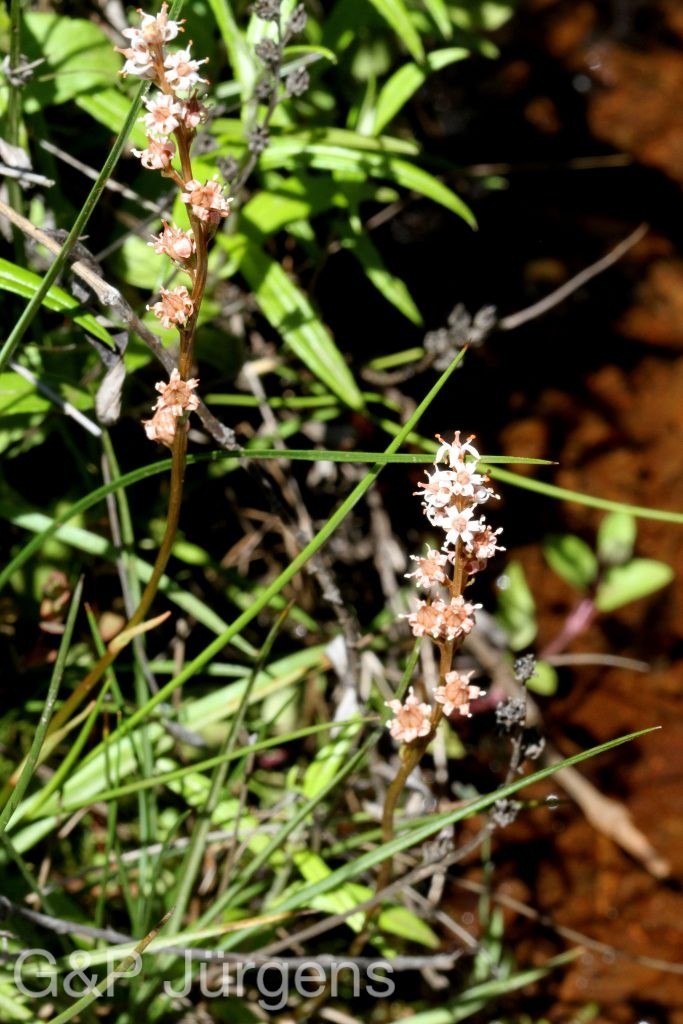
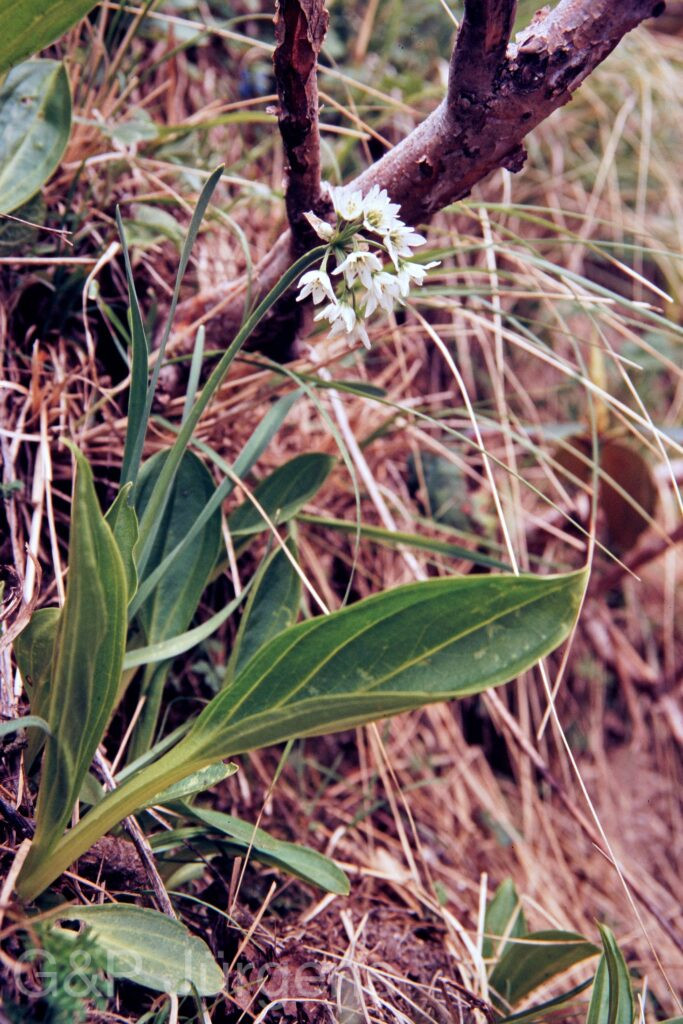
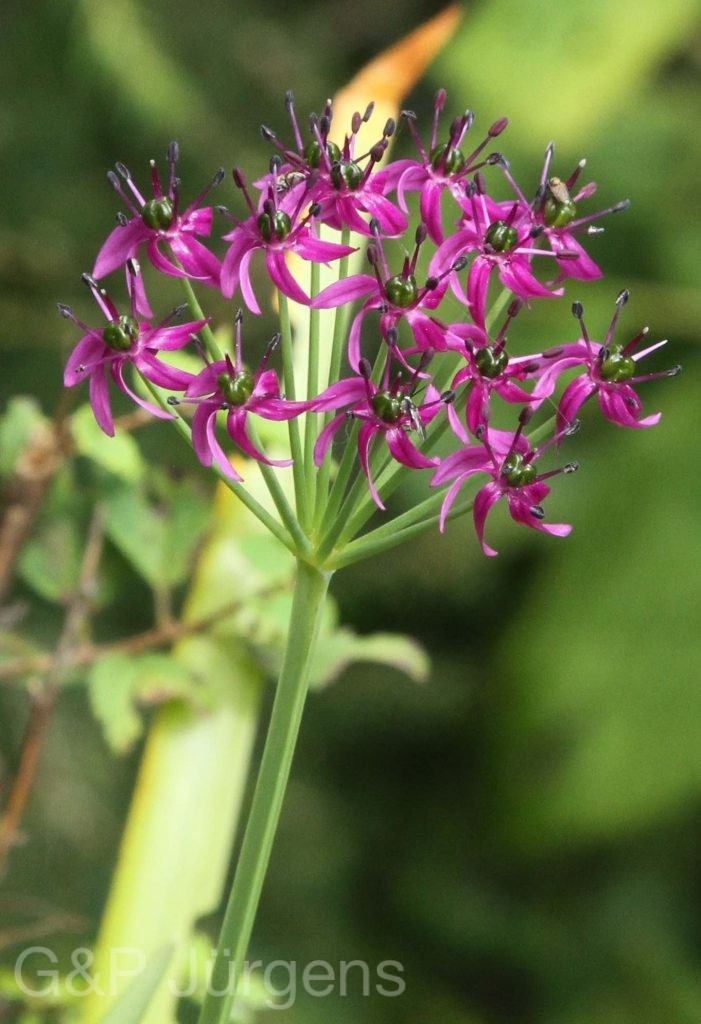
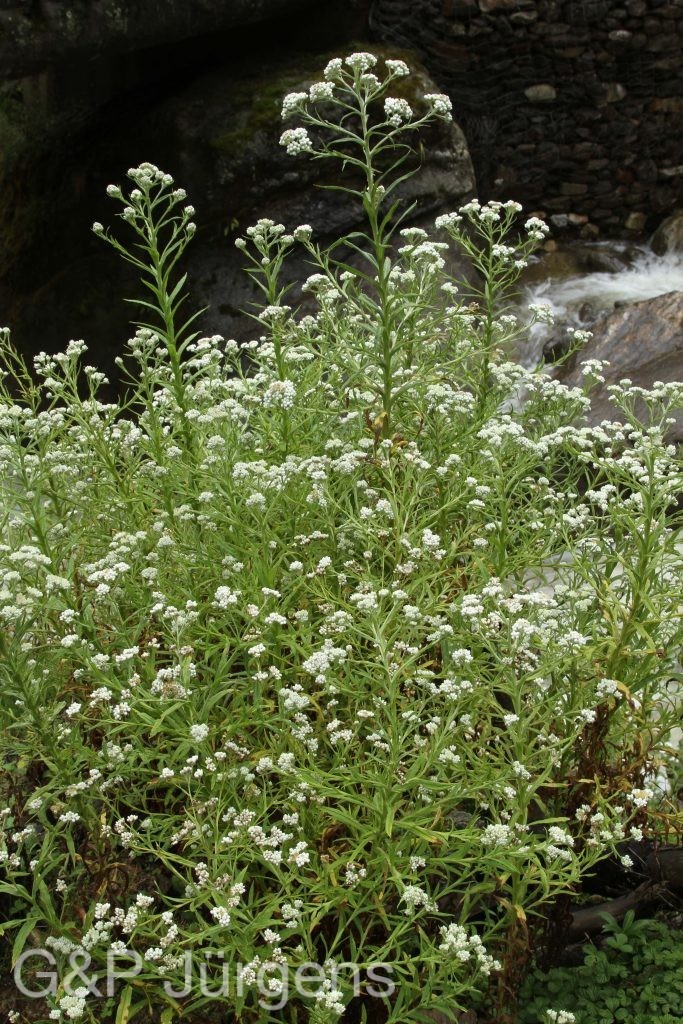
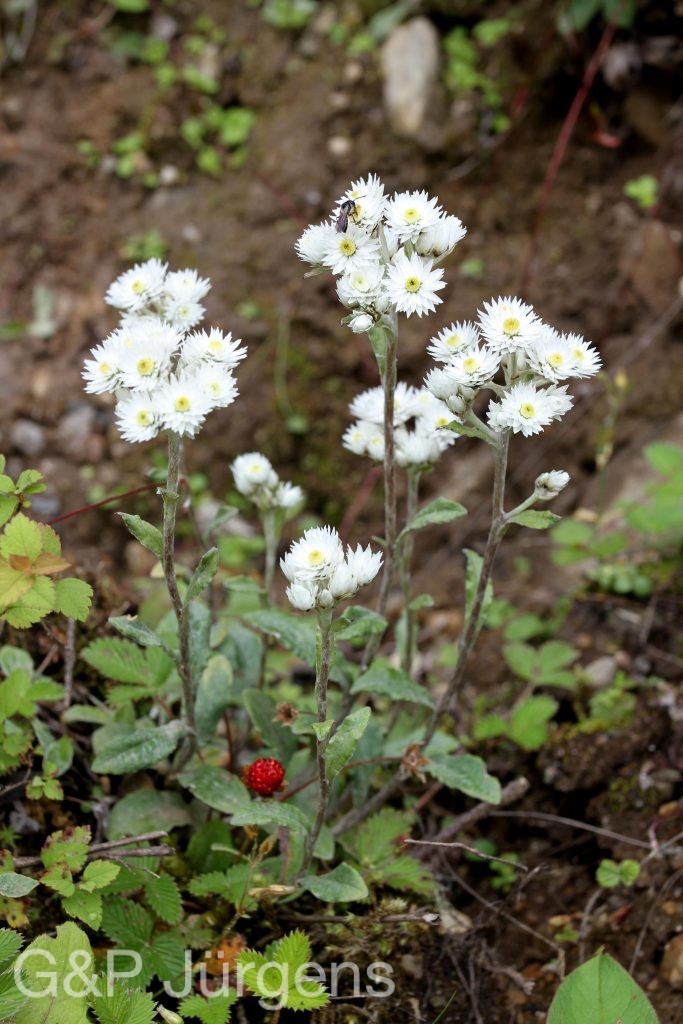
Ainsliaea aptera is a Himalayan rosette herb distributed along the range from Afghanistan and Pakistan through India, Nepal and Bhutan into China and Myanmar, with 358 GBIF occurrences. It grows in the understorey and on shaded banks of temperate broadleaved and conifer forest, on mossy slopes and rock ledges, generally between about 2000 and 3500 m. The illustrated material spans Bhutan's Yatong-La at 3200 m in May, Bagachap in central Nepal at 2300 m in April, and the Jaljale Himal of eastern Nepal at 3000 m in April, indicating a spring-flowering plant of cool, humid forest floors.
It is a perennial herb with a short rhizome bearing a basal rosette of ovate to elliptic, long-petiolate leaves that are firm, with cordate to rounded bases, entire or shallowly toothed margins, and often a sparse covering of hairs. From the centre rises a slender, nearly leafless scape carrying a narrow, spike-like or racemose arrangement of small, sessile capitula. Each head contains a few tubular florets with slender, deeply lobed, white to pinkish corollas. The cypselae are ribbed and clothed in a pappus of plumose (feathery) bristles, a diagnostic feature of the genus.
Described by de Candolle, Ainsliaea belongs to the basal asteraceous tribe Pertyeae (formerly Mutisieae), an Asian lineage notable for its plumose pappus and frequently spike-like inflorescences. The genus is centred on the Sino-Himalayan region and is of interest for the phylogeny of early-diverging Asteraceae. Widespread along the Himalayan forest belt, A. aptera is not regarded as threatened, though it depends on intact shaded forest habitat.
Author: DC. · Sources: POWO (Kew), GBIF, Flora of Bhutan, Flora of China, Revision of Ainsliaea (Mitsui & others), Flowers of the Himalaya (Polunin & Stainton)