(DC.) Sch.Bip.
Description
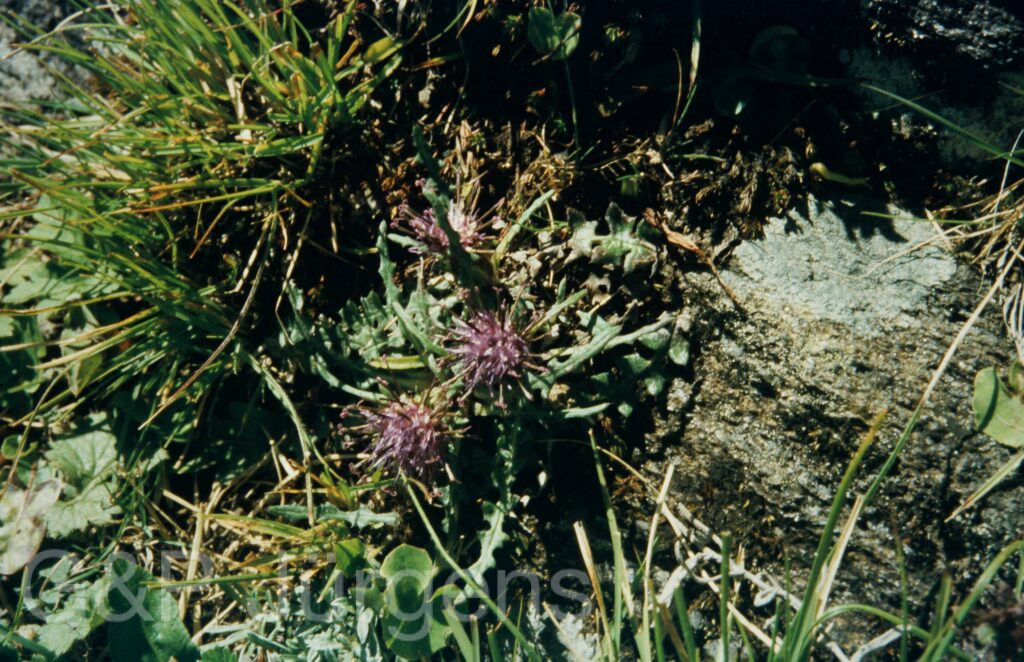
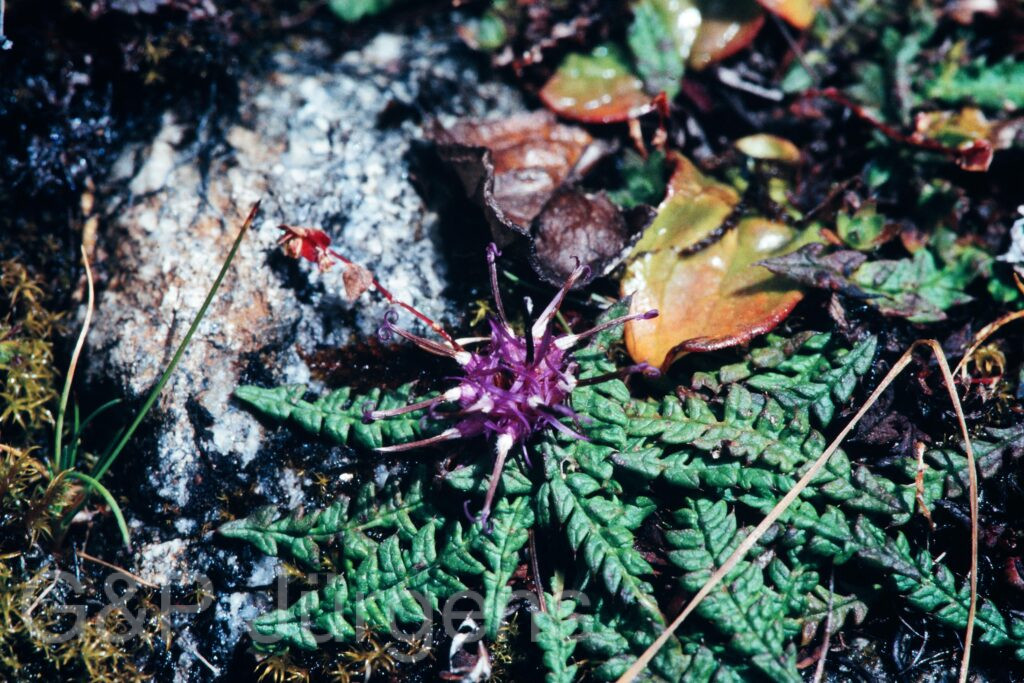
Saussurea leontodontoides is a widespread high-alpine composite of the Himalaya and the Tibetan plateau, distributed through China, India, Nepal, Myanmar and Bhutan and well documented with some 683 GBIF records. It colonises stony alpine slopes, screes, gravelly pastures and open turf, generally between about 3000 and 5000 m. The cited material from Garhwal at Gaushon (3200 m, September) and from south of the Rupina La in Nepal (October) illustrates its broad longitudinal range and its late-summer to autumn flowering, when the rosettes persist on exposed, well-drained substrates baked by intense montane sun and chilled by night frosts.
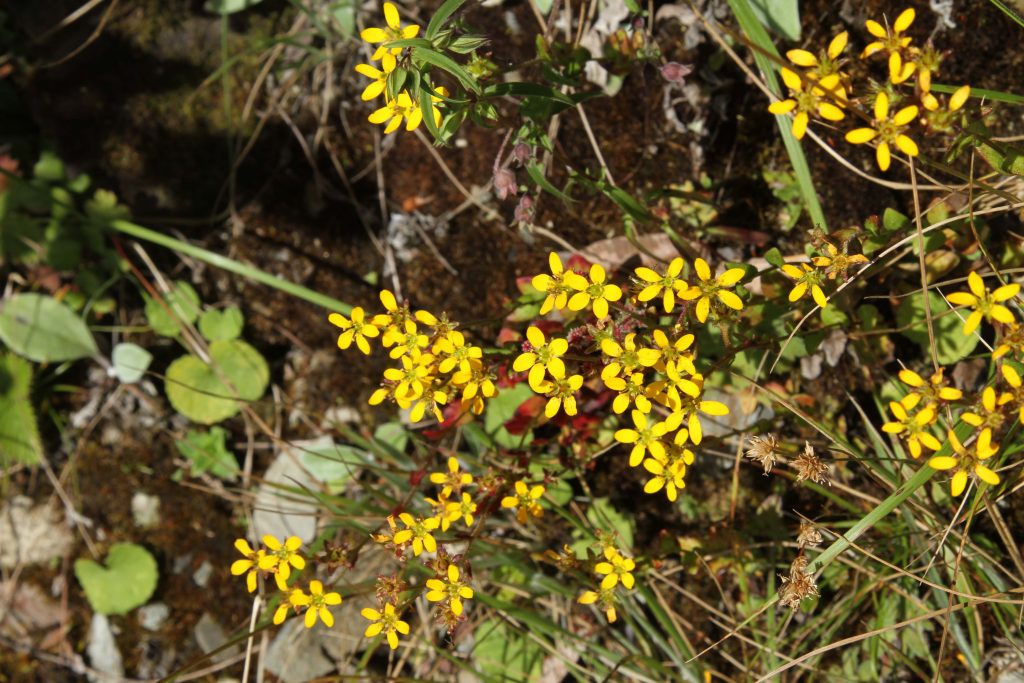
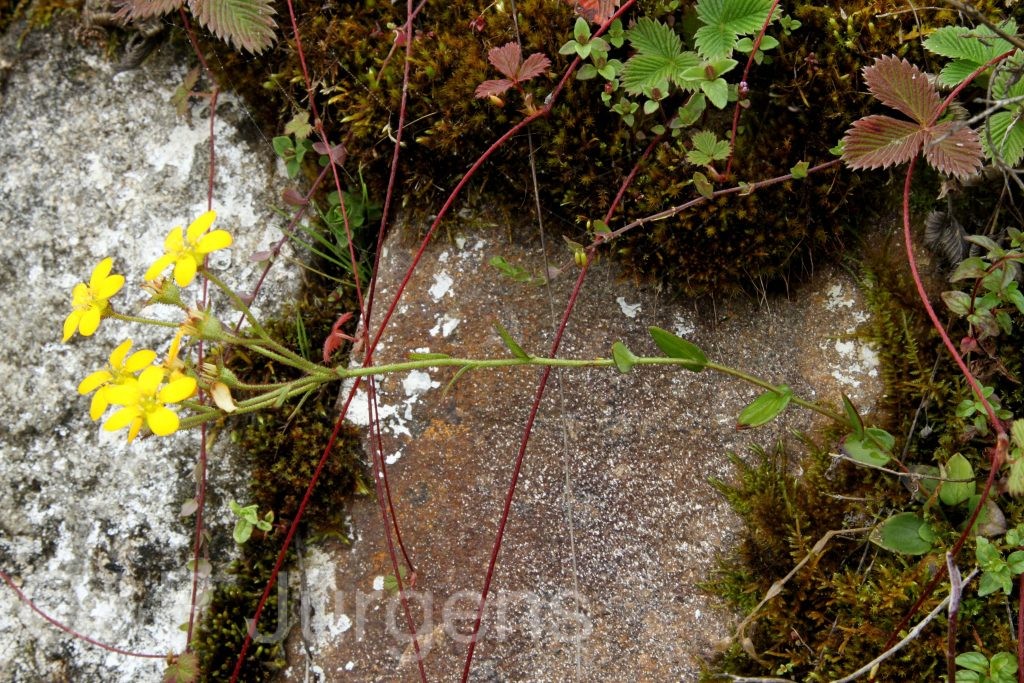
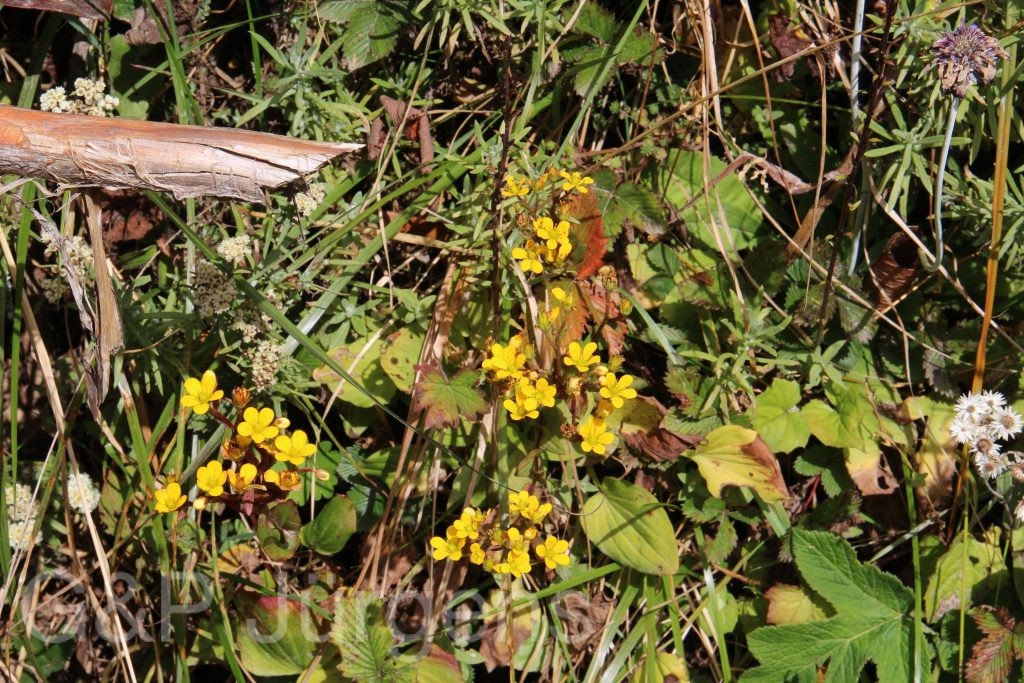
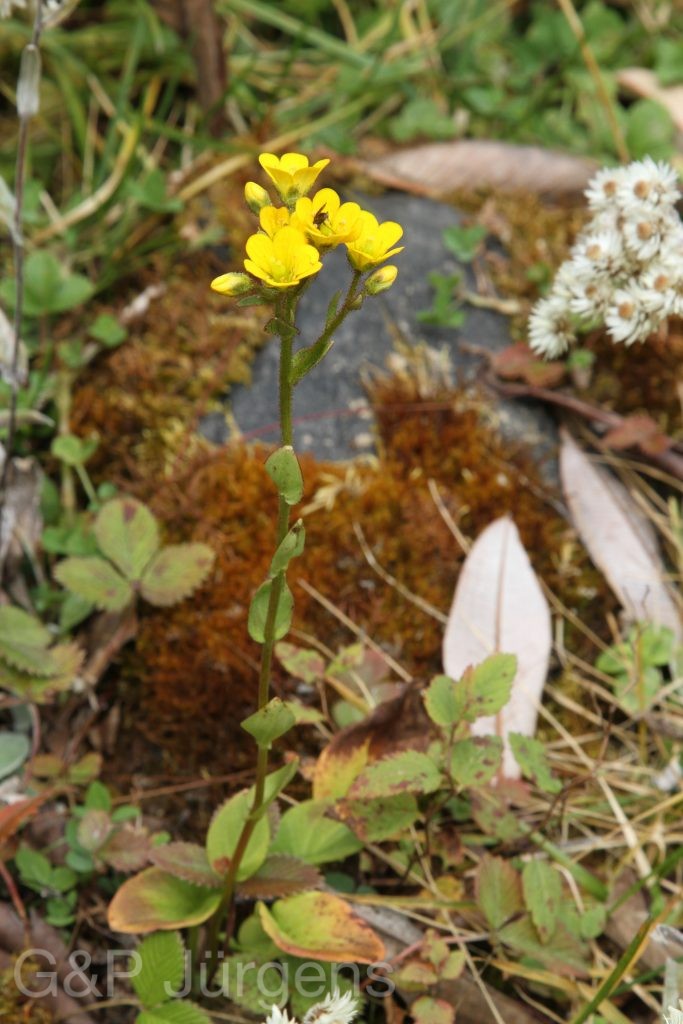
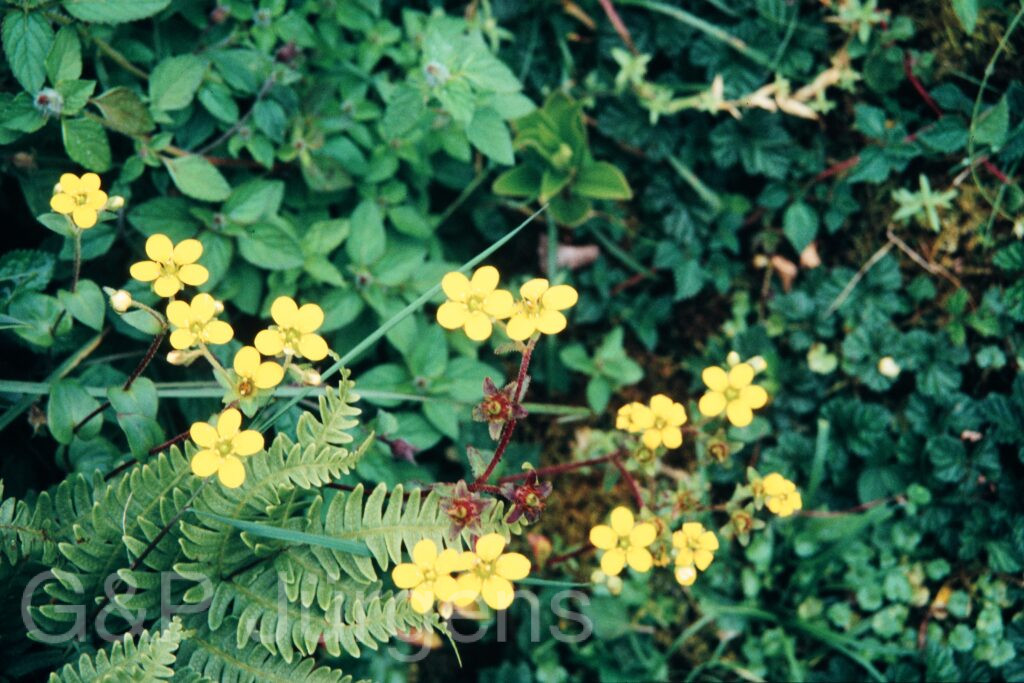
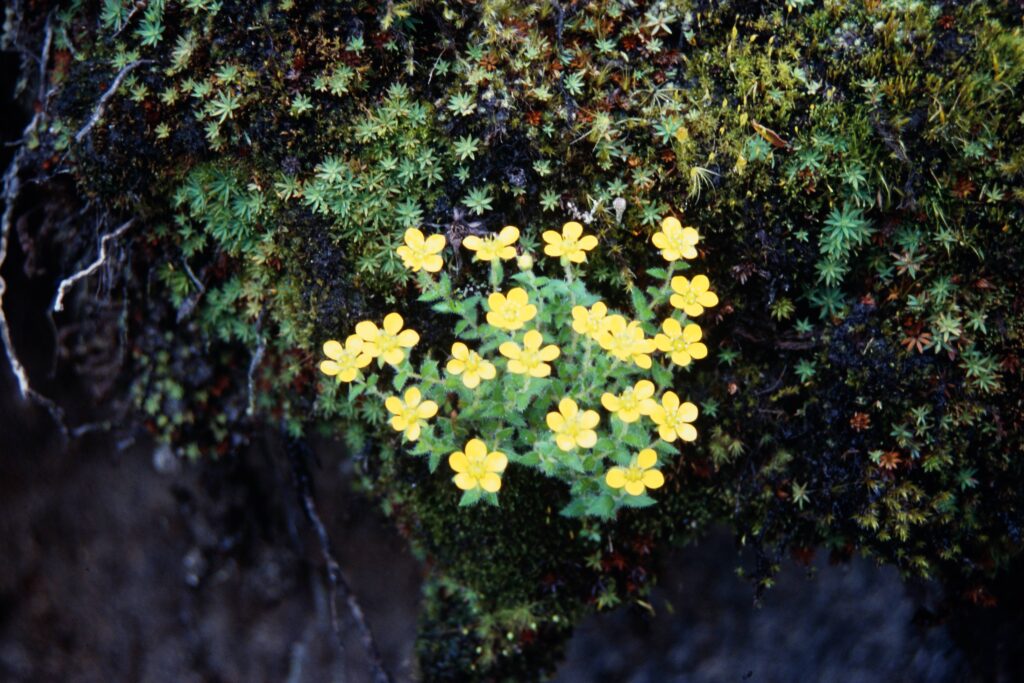
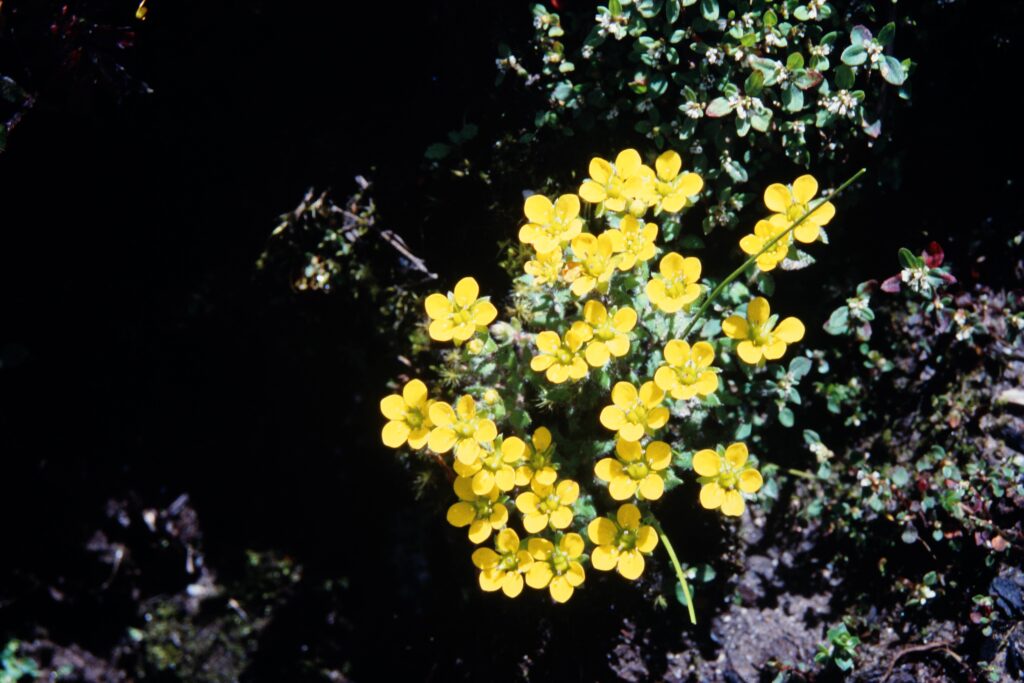
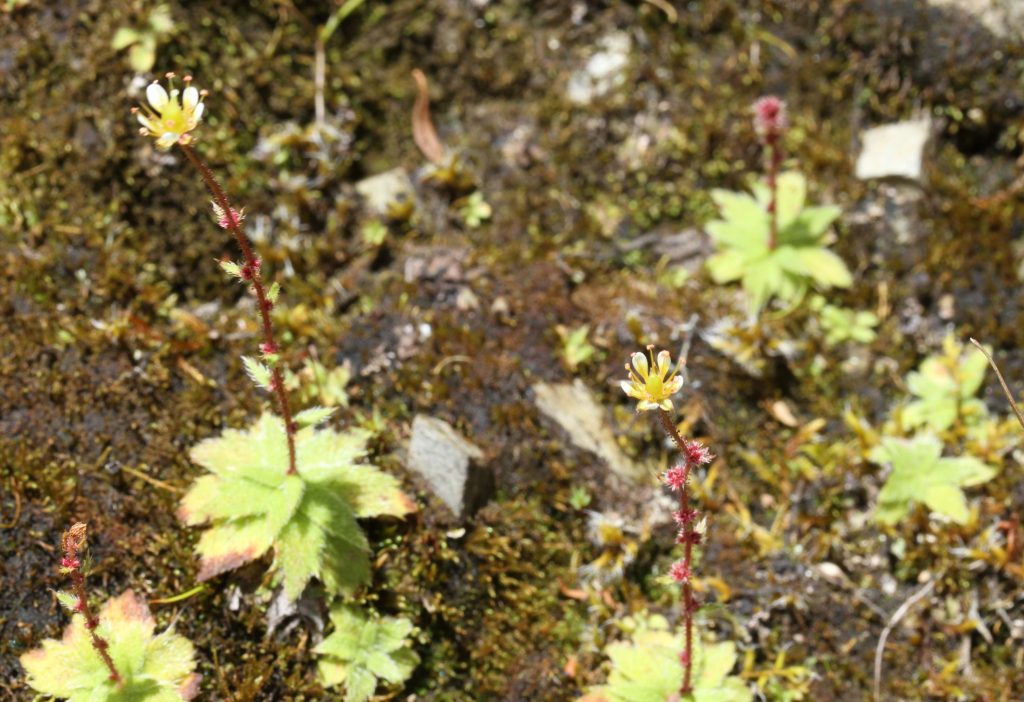
The plant is a low, more or less stemless perennial herb forming a flat basal rosette from a stout, often woody taproot. The leaves, evoking those of Leontodon as the epithet implies, are oblanceolate in outline and deeply pinnatifid to runcinate, with the surfaces frequently grey-tomentose, and they spread radially against the ground. The capitula are sessile or shortly stalked at the rosette centre, solitary or few, with imbricate, often purple-tinged involucral bracts. The florets are all tubular (discoid) and purple to pink-purple, characteristic of the genus, and the cypselae bear a feathery, plumose pappus aiding wind dispersal.
Saussurea belongs to tribe Cardueae of the Asteraceae, and S. leontodontoides sits among the cushion- and rosette-forming alpine snow-line species adapted to extreme cold, desiccation and high irradiance. Its tap-rooted, ground-hugging habit and woolly indumentum are classic alpine survival traits. Pollination is by alpine insects, and the plumed achenes disperse readily on mountain winds. The species is common and not of conservation concern, though, like related Saussurea, it may be gathered locally for traditional medicinal use.
Author: (DC.) Sch.Bip. · Sources: POWO (Kew), GBIF, Flora of China (Asteraceae), Annotated Checklist of the Flowering Plants of Nepal, Lipschitz Saussurea monograph