Buch.-Ham. ex D.Don
Description
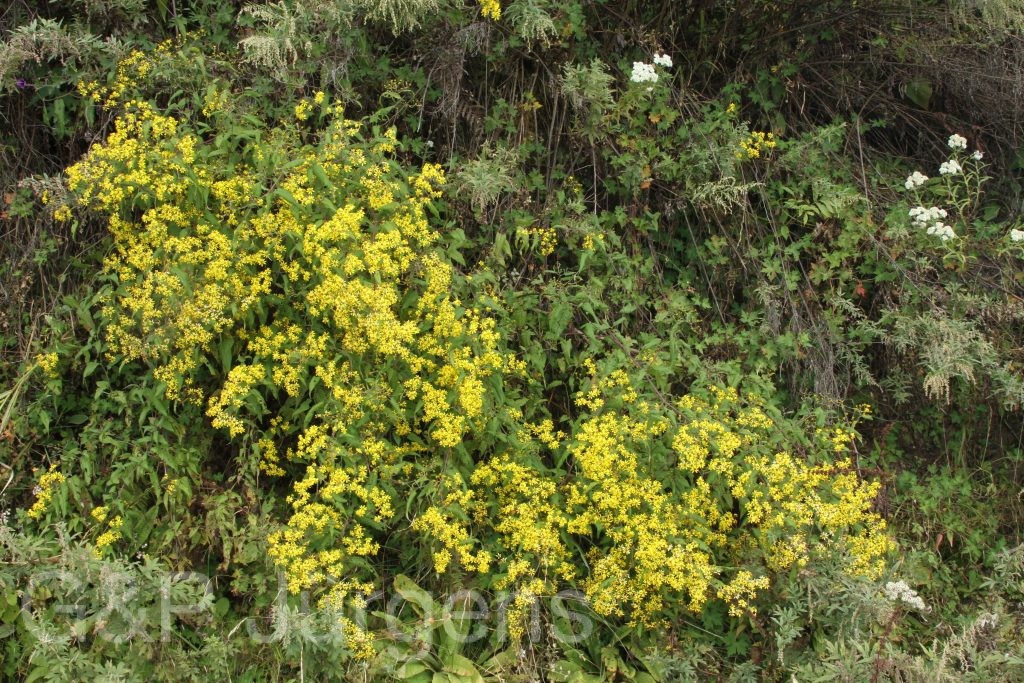
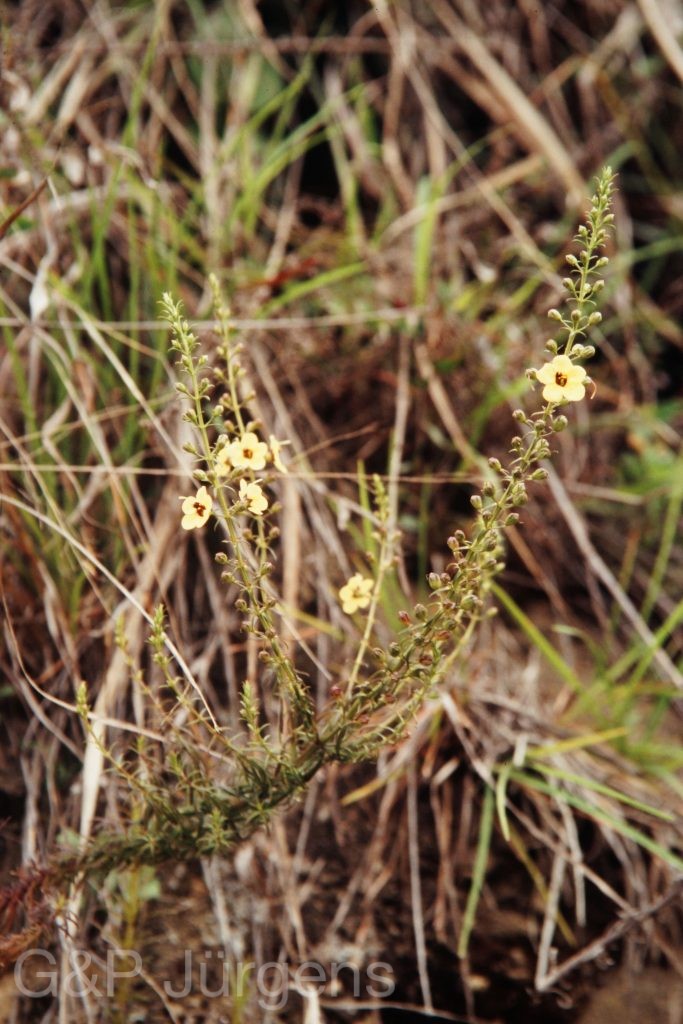
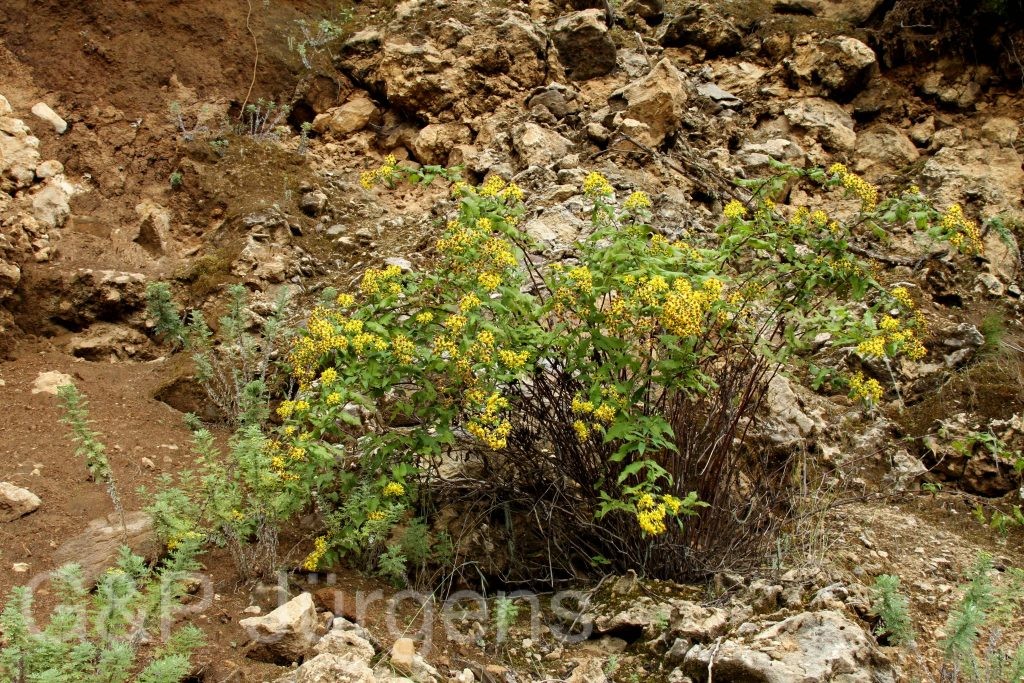
Senecio scandens, the climbing groundsel, is a widely distributed scrambling composite of South, East and Southeast Asia, with 5,659 GBIF occurrences across China, Taiwan, Japan, India, Nepal, Bhutan, Myanmar, Vietnam, Korea, Sri Lanka, Thailand and the Philippines, plus scattered records as an introduction elsewhere. It grows in forest margins, thickets, hedgerows, ravines and disturbed slopes over a very broad altitudinal range from the foothills to over 3000 m. The plant pictured was recorded at Chogcham in Bhutan at 2900 m in June, an upper-temperate setting where this vigorous scrambler clambers over shrubs and forms tangled masses.
It is a perennial herb or subshrub with elongate, climbing or trailing, much-branched stems that can reach several metres. The leaves are alternate, ovate-lanceolate to triangular, often hastate or with a few basal lobes or teeth, acuminate at the apex and shortly petiolate. The numerous yellow capitula are arranged in broad terminal and axillary corymbose panicles; each radiate head has about eight to ten short ray florets around a yellow disc, subtended by a calyculate involucre of narrow phyllaries with conspicuous outer bracteoles. The cypselae are cylindrical and ribbed, bearing a copious white pappus of fine capillary bristles that aids wind dispersal.
Described by Buchanan-Hamilton ex D. Don, the species belongs to the large, cosmopolitan genus Senecio (tribe Senecioneae). Like many of its relatives it contains pyrrolizidine alkaloids and is used in traditional Asian herbal medicine, particularly in Chinese pharmacopoeia. Abundant, fast-growing and tolerant of disturbance, it is in no way threatened and can behave weedily where introduced.
Author: Buch.-Ham. ex D.Don · Sources: POWO (Kew), GBIF, Flora of Bhutan, Flora of China, Senecioneae of the World (Nordenstam), Flowers of the Himalaya (Polunin & Stainton)