Benth.
Description
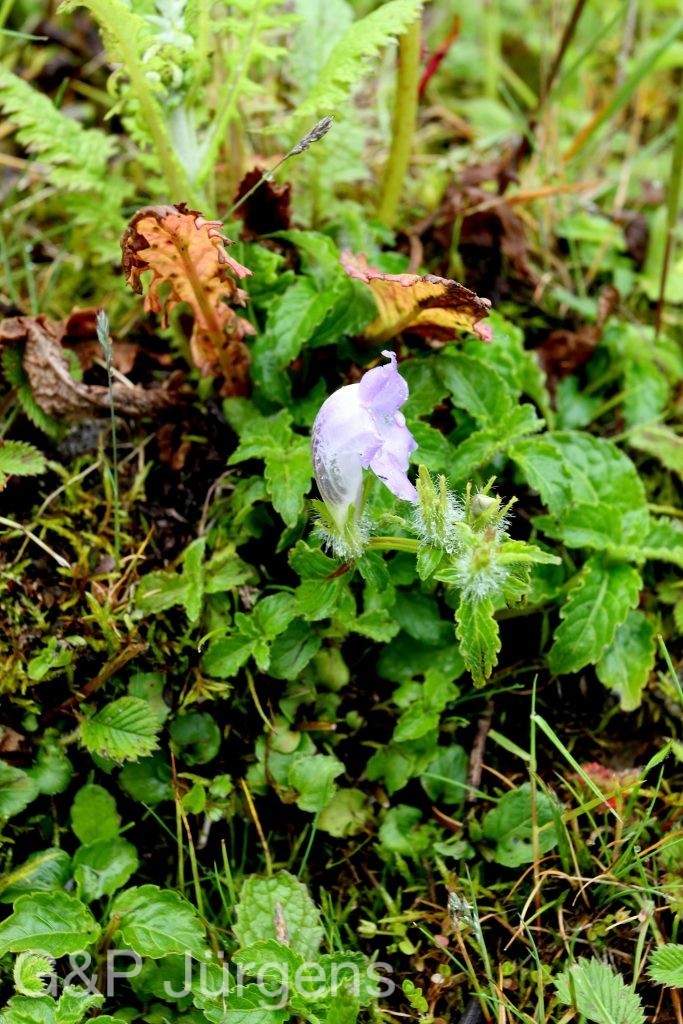
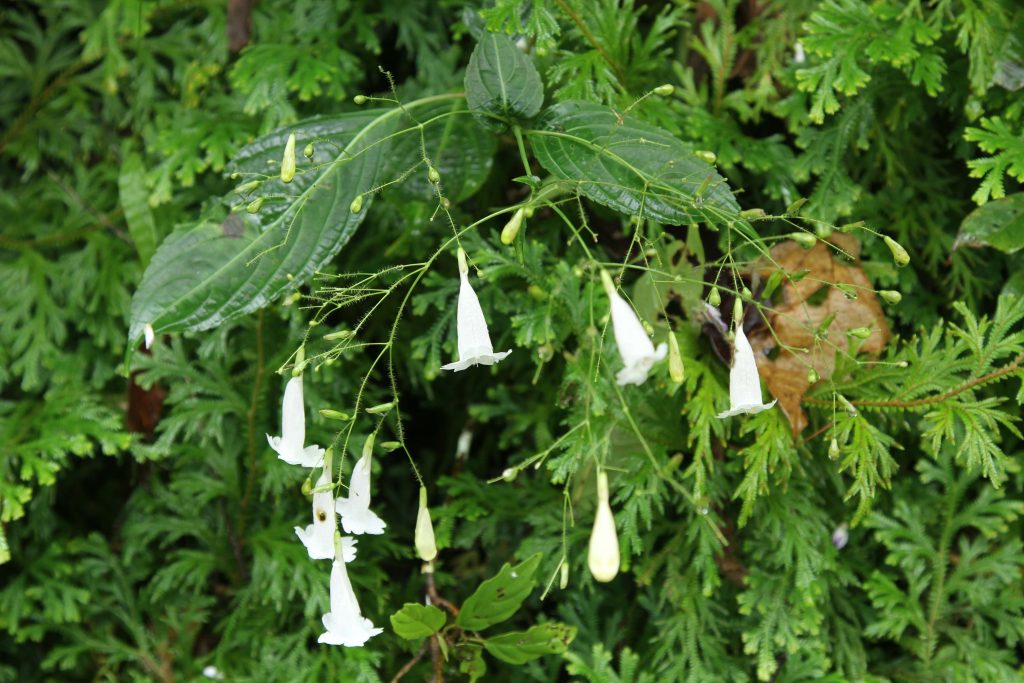
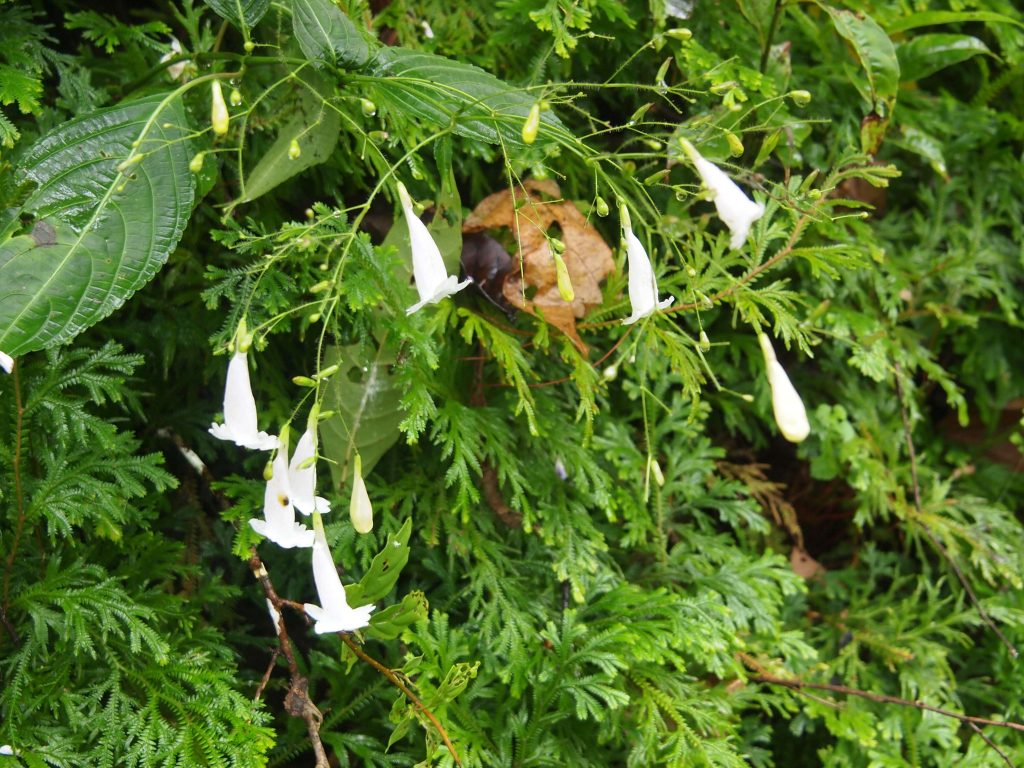
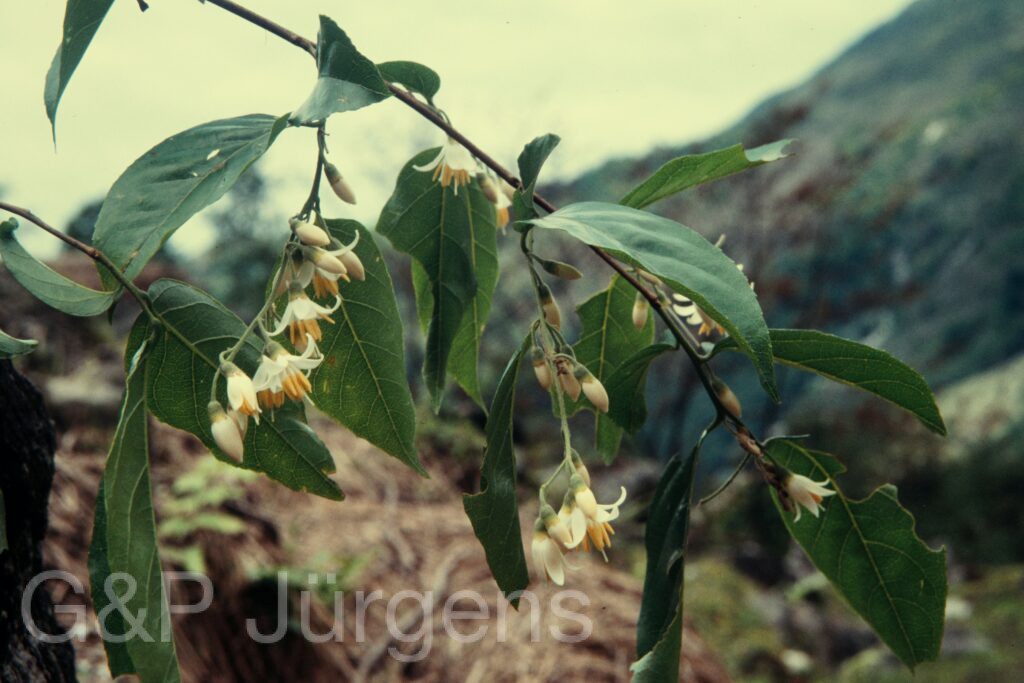
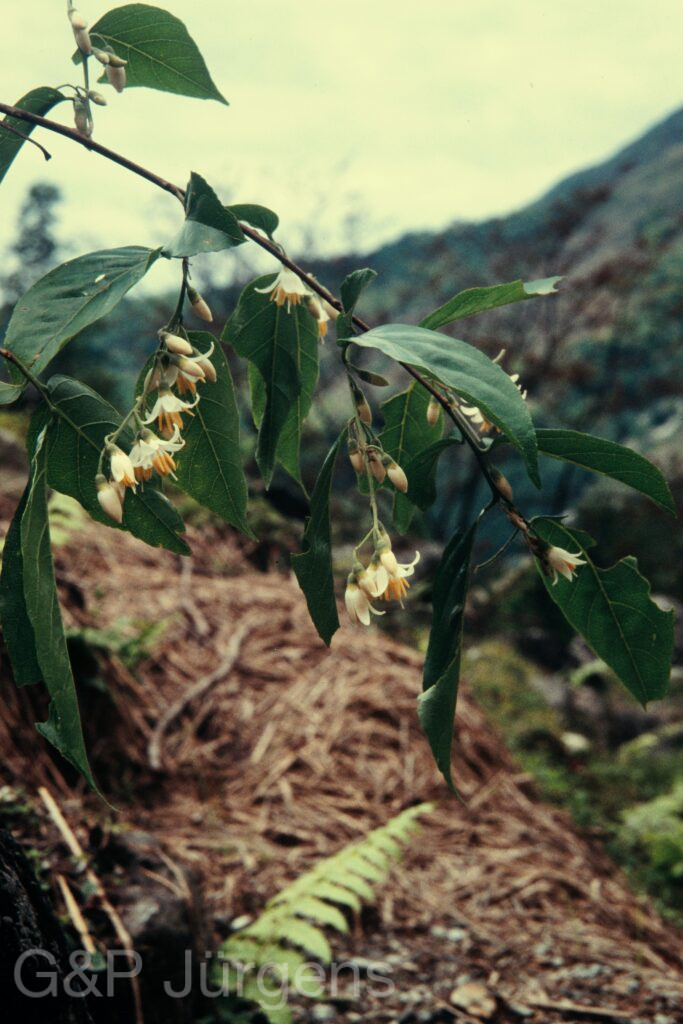
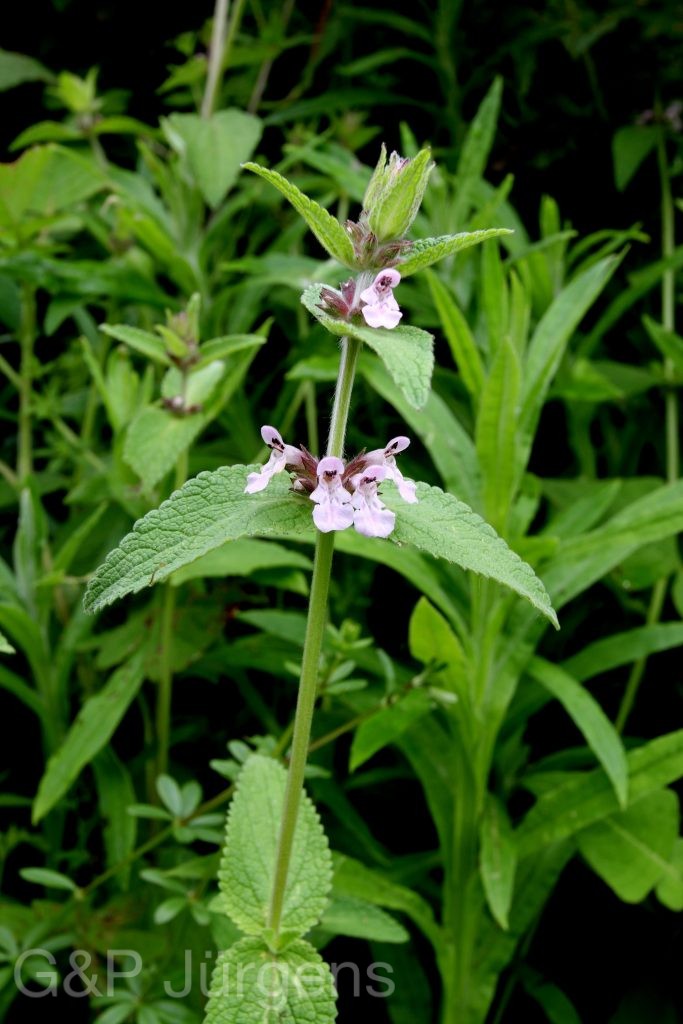
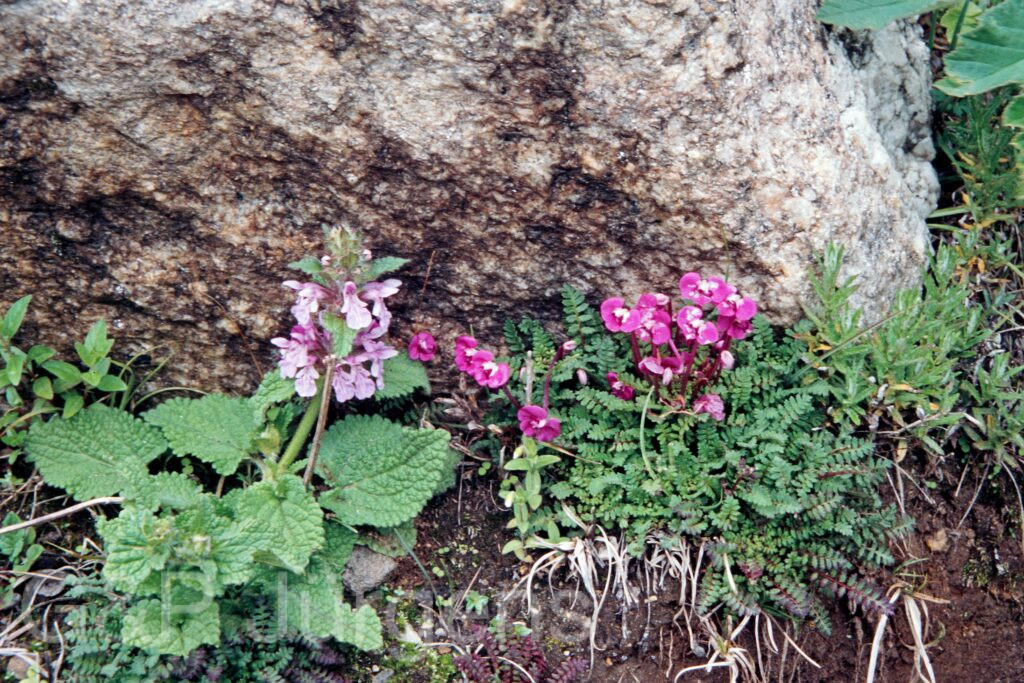
Stachys melissifolia is a perennial mint-family herb of the Himalaya and adjacent mountains, recorded from Nepal, China, India, Bhutan and Pakistan, with around 146 occurrences in GBIF; under its current treatment the name is accepted for the Himalayan plant. It occupies forest margins, moist shaded banks, shrubberies and grassy slopes of the temperate and lower subalpine belt, broadly between 2000 and 3500 m. The photographs from the Paro Chu in Bhutan at about 2400 m and from the Garpung Khola in West Nepal at about 3300 m, both in July, show the species in flower during the summer monsoon in its typical mid-montane woodland-edge habitat.
The plant is an erect to ascending perennial with the quadrangular stems characteristic of the Lamiaceae, usually softly hairy. The leaves are opposite, ovate to oblong with a cordate to rounded base, crenate-serrate margins and a rugose, wrinkled surface, somewhat resembling those of balm (Melissa), as the epithet melissifolia denotes. The flowers are borne in distinct whorls (verticillasters) forming an interrupted terminal spike; the calyx is tubular-campanulate with five subequal teeth, and the bilabiate corolla is pinkish to purple with a short, erect upper lip and a spreading three-lobed lower lip. The fruit comprises four small ovoid nutlets enclosed in the persistent calyx.
Stachys is a large, cosmopolitan genus of the Lamiaceae subfamily Lamioideae, and its Himalayan members have been subject to repeated nomenclatural revision, several names having passed in and out of synonymy. The verticillate inflorescence and bilabiate corolla are adapted to pollination by bees and other long-tongued insects. Widely distributed through the temperate Himalaya, S. melissifolia is common and of no conservation concern.
Author: Benth. · Sources: POWO (Kew), GBIF, Flora of China, Flora of Bhutan, Annotated Checklist of the Flowering Plants of Nepal, Harley et al. Labiatae in The Families and Genera of Vascular Plants