DC.
Description
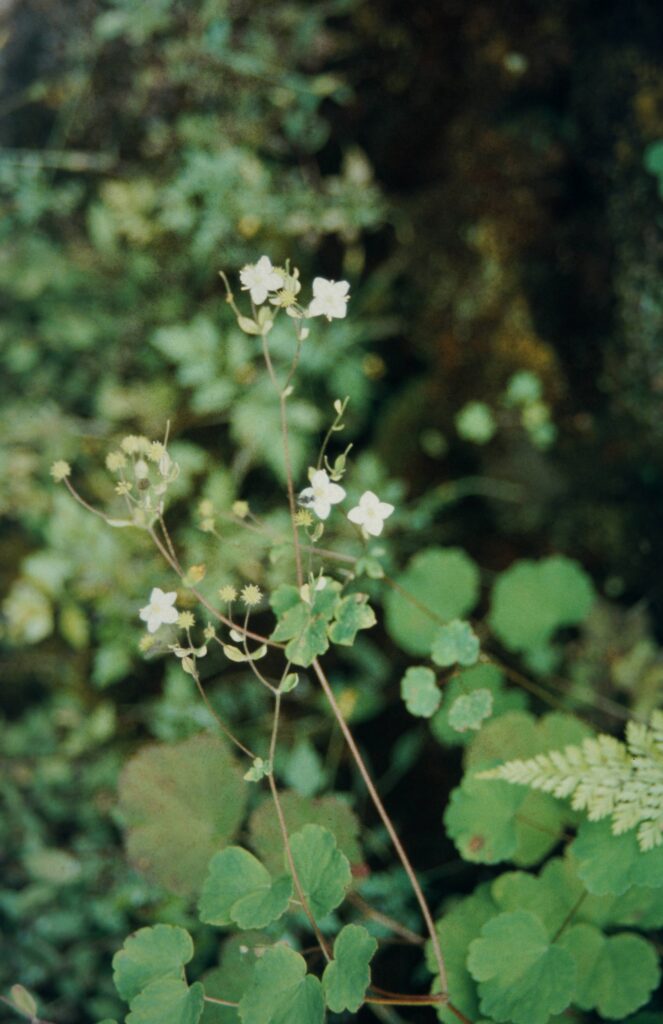
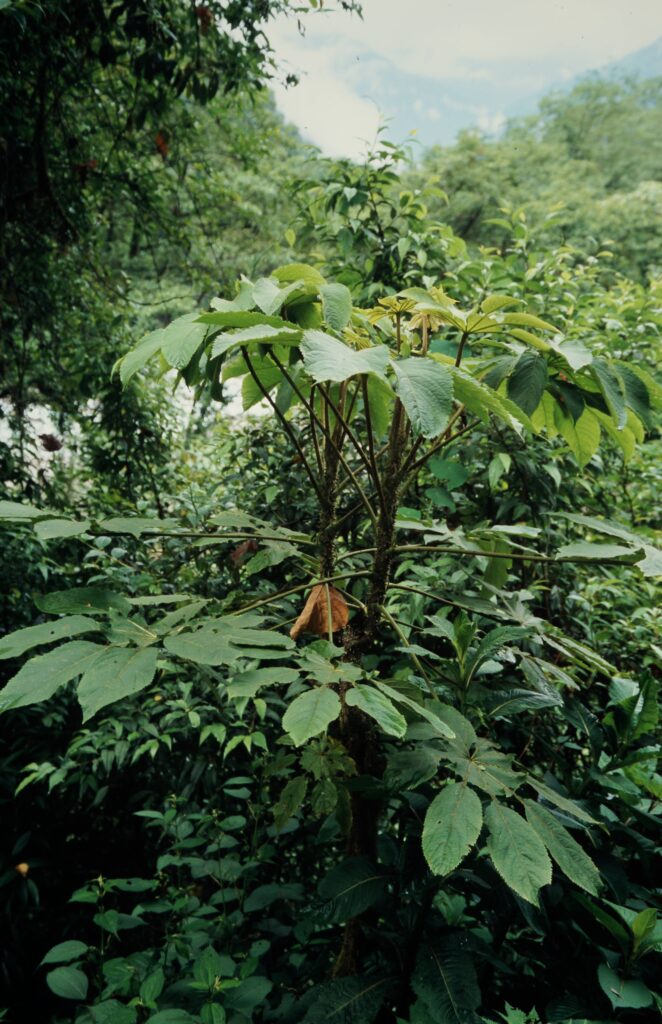
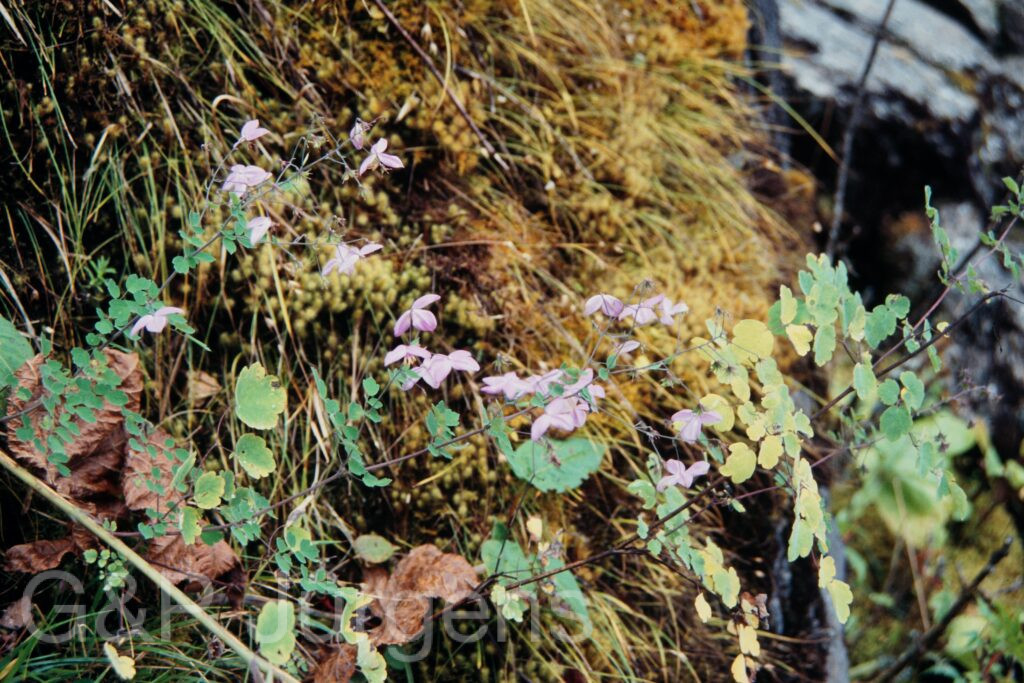
Thalictrum chelidonii is a Himalayan meadow-rue distributed through Nepal, north-east India, Bhutan and south-west China, with 178 georeferenced occurrences. It grows in moist, often partly shaded sites along forest margins, in subalpine scrub, on grassy and rocky slopes and beside streams in the upper temperate to subalpine zones. The cited collections at Shele-La and Dochu-La in Bhutan (both about 3600 m, September) and south of Rupina La in Nepal (3650 m, October) reflect its typical altitudinal range of roughly 2700-4000 m, where it flowers and fruits late in the growing season.
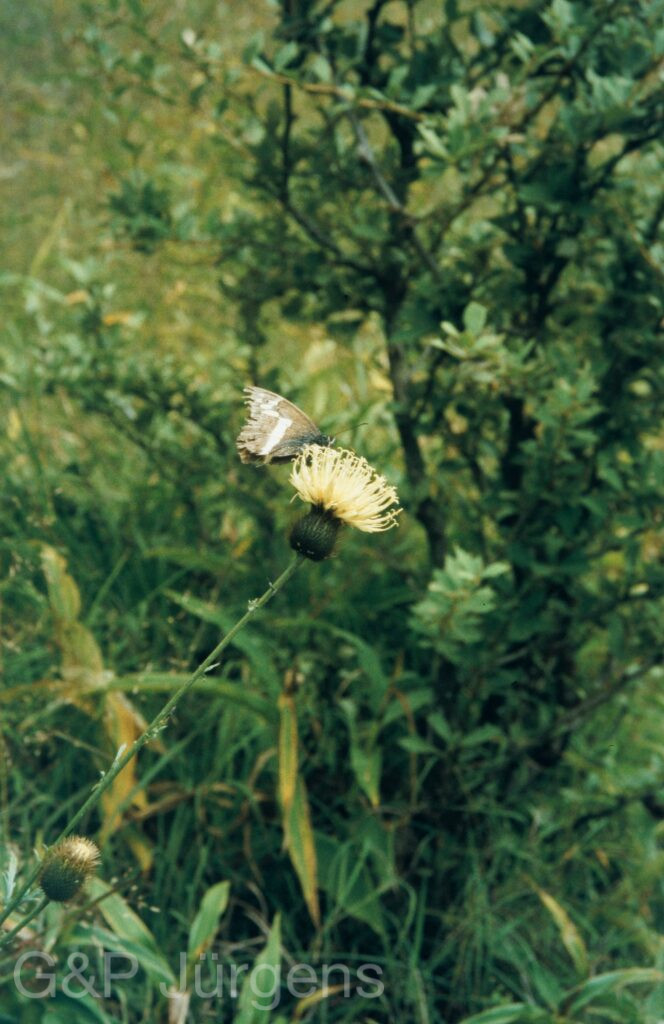
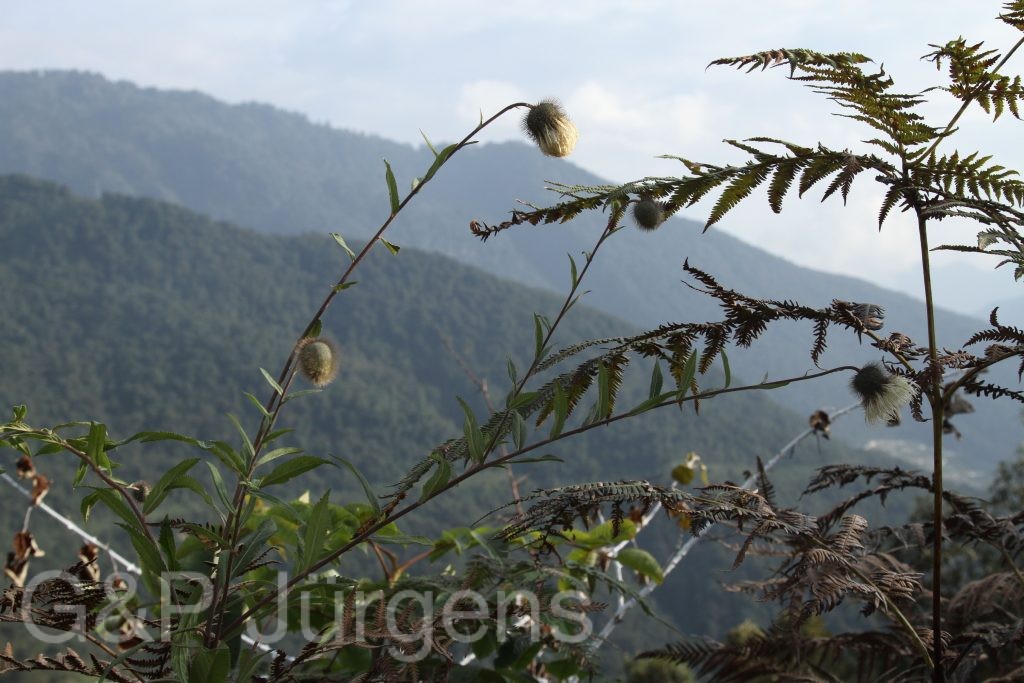
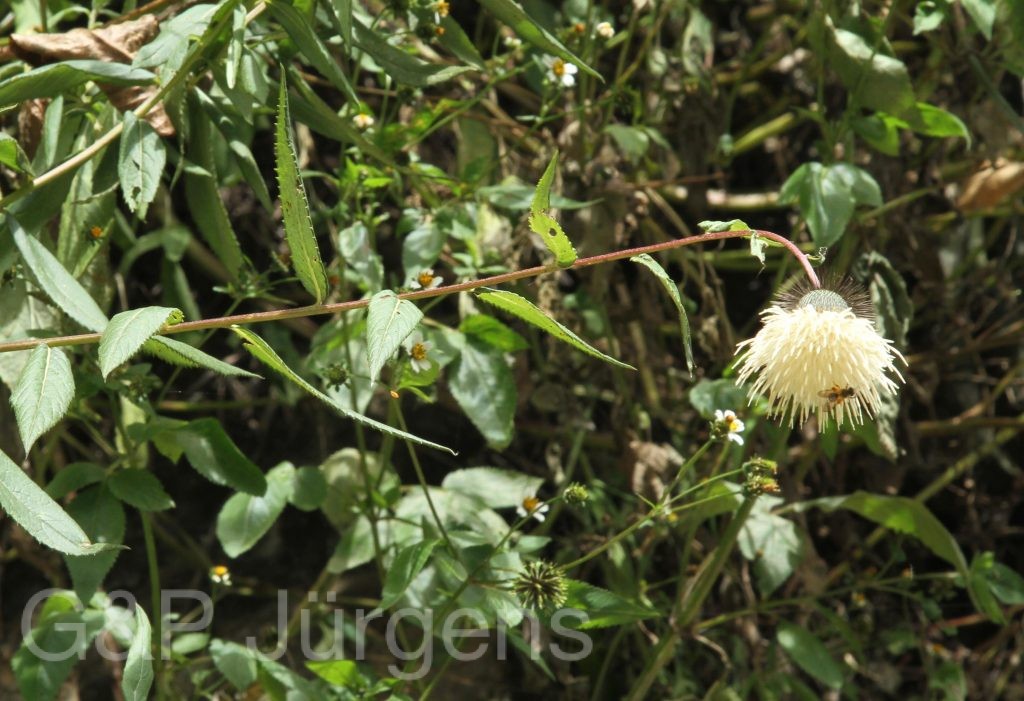
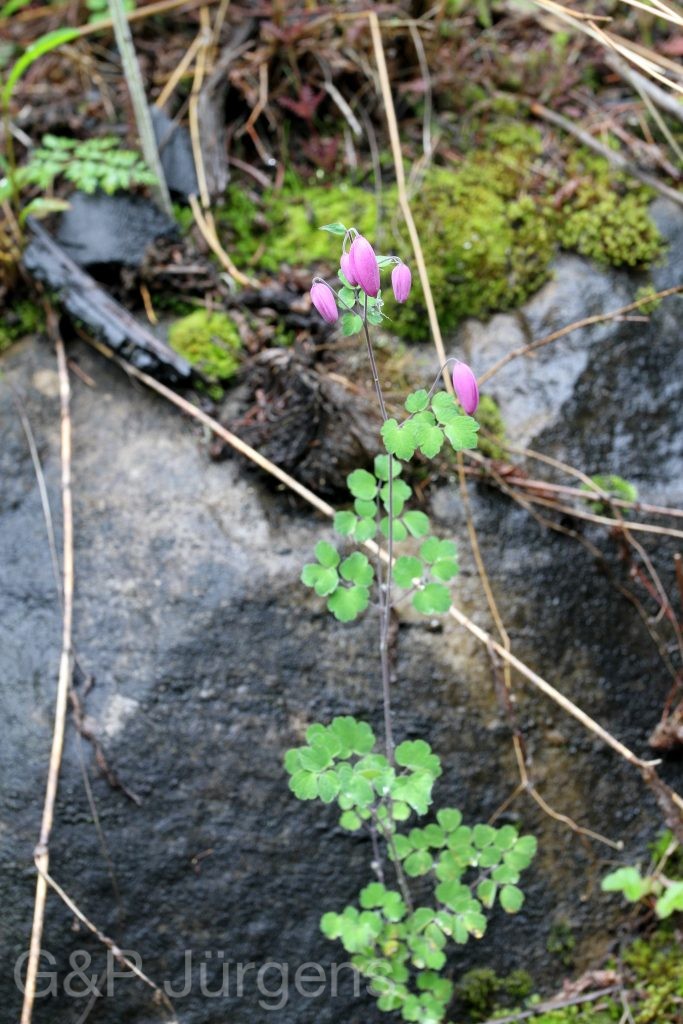
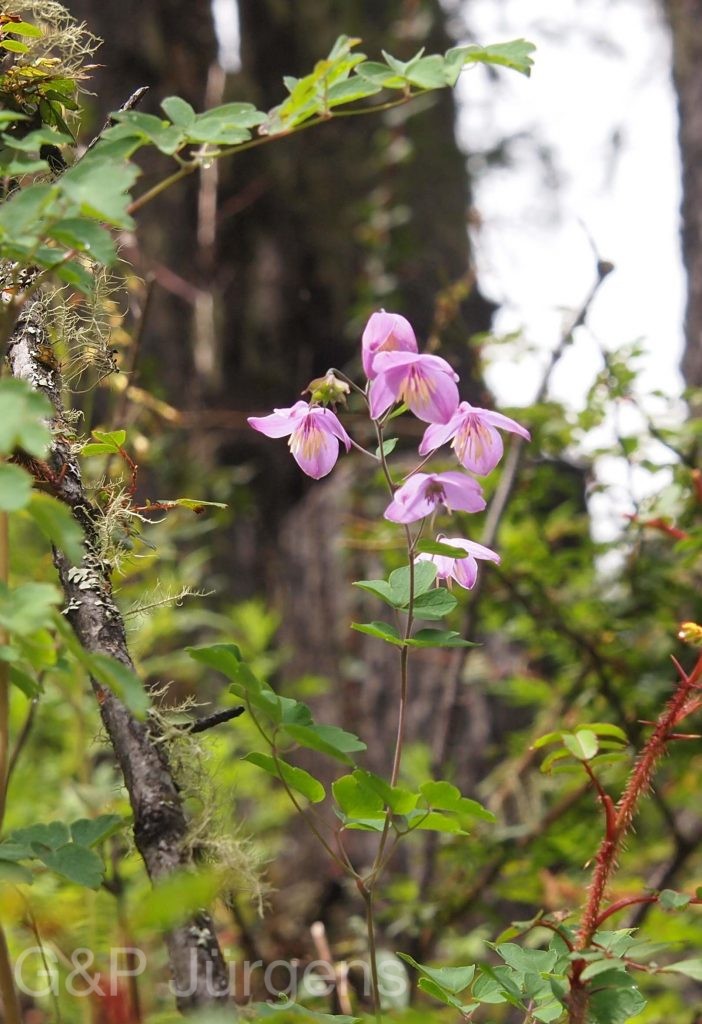
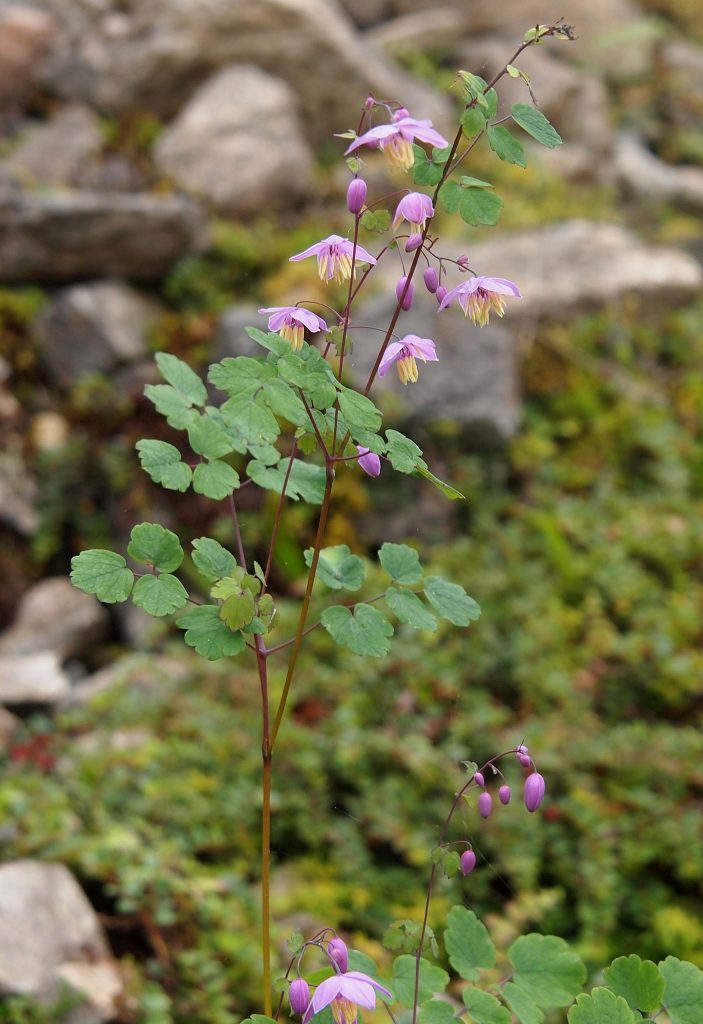
It is an erect perennial herb with slender, branching, often glaucous stems and large, two- to three-times ternately or pinnately compound leaves; the leaflets are rounded to obovate, lobed and toothed, recalling those of Aquilegia. Unlike many wind-pollinated meadow-rues, T. chelidonii has conspicuous flowers in which the four or five petaloid sepals are well developed, lilac to rose-purple, surrounding numerous spreading stamens with slender filaments. The carpels are several and free, ripening into a cluster of stipitate, longitudinally ribbed achenes that hang on slender stalks.
Within Ranunculaceae the genus Thalictrum is distinctive for its apetalous flowers in which sepals and stamens provide the floral display; the showy coloured sepals of this species point to insect rather than purely wind pollination. The pendent, winged-ribbed achenes aid dispersal. Widespread and locally common across the central and eastern Himalaya, the species is of no conservation concern, and like several relatives it contains isoquinoline alkaloids of ethnomedicinal interest.
Author: DC. · Sources: POWO (Kew), GBIF, Flora of Bhutan, Flora of China, Flora of Nepal, Tamura Ranunculaceae treatment (Die natürlichen Pflanzenfamilien)