Thomson ex Hook.f.
Description
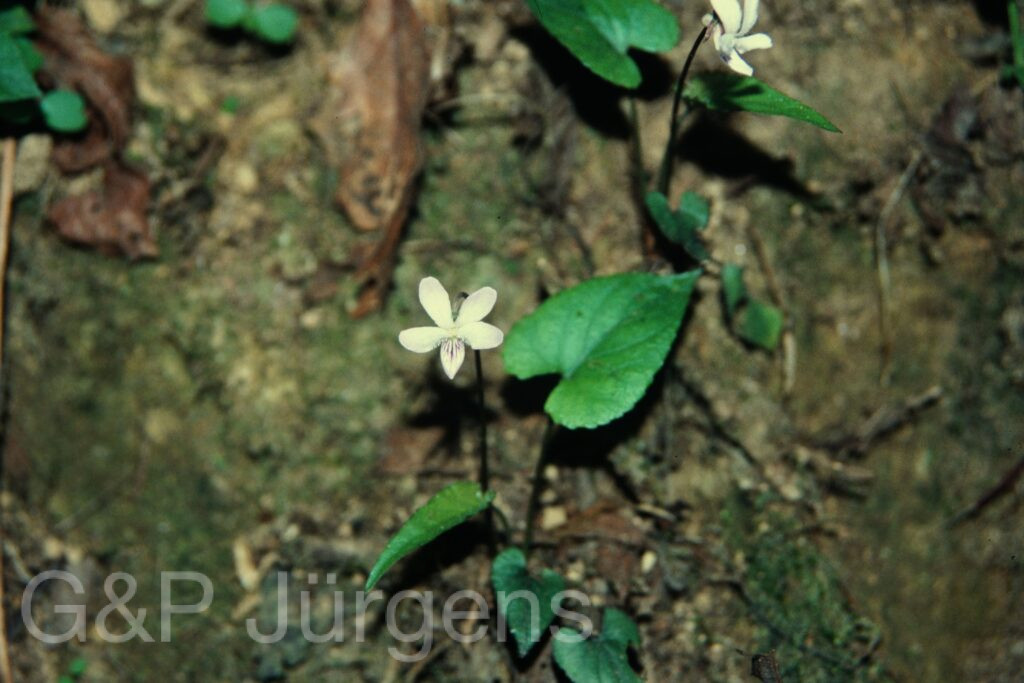
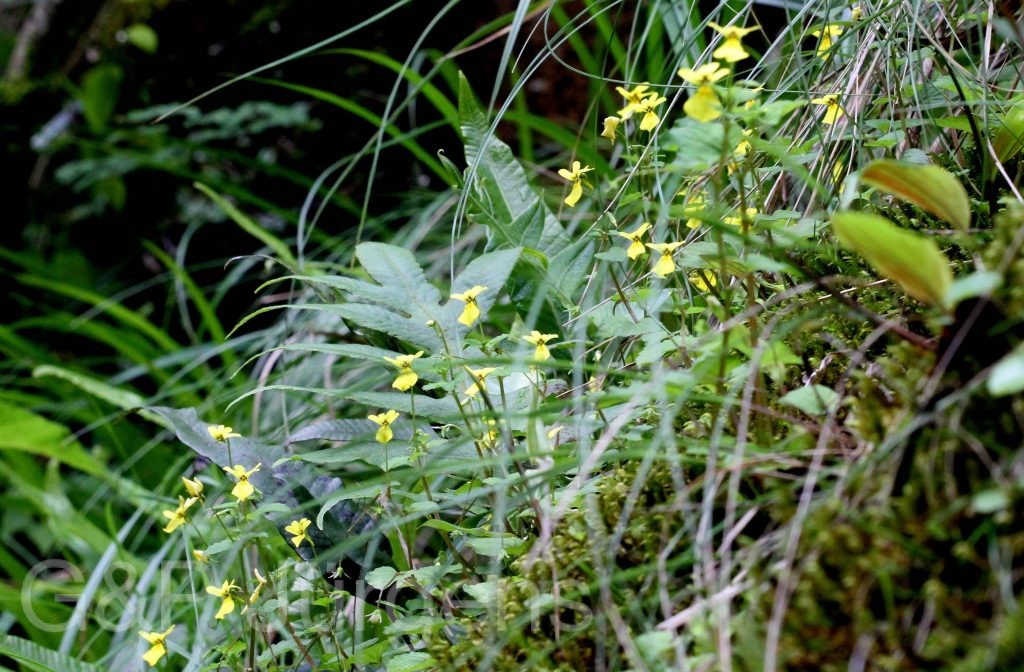
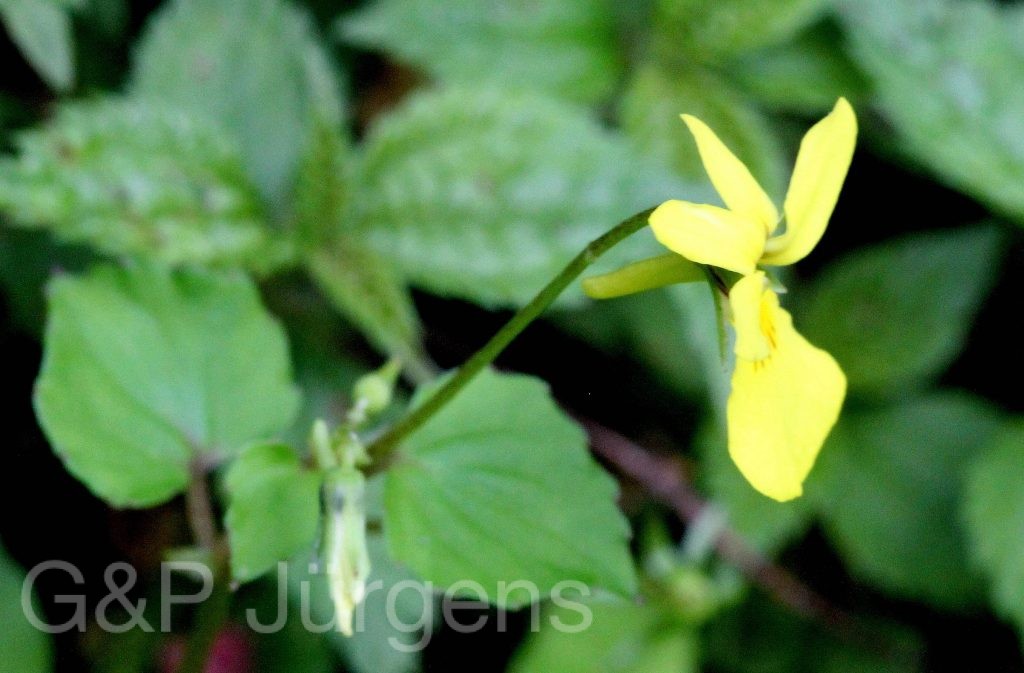
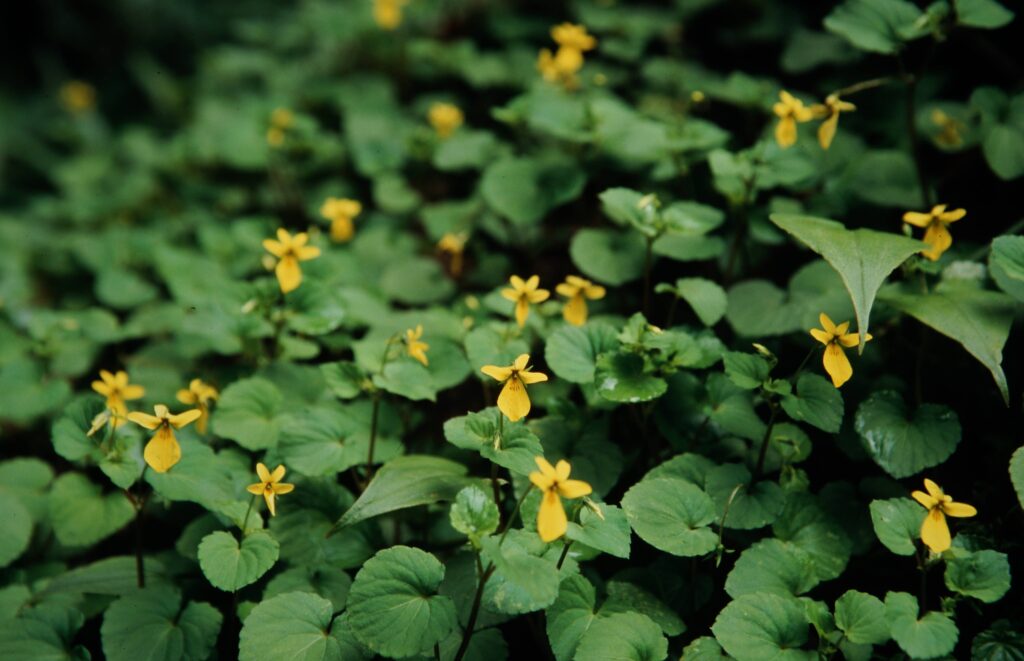
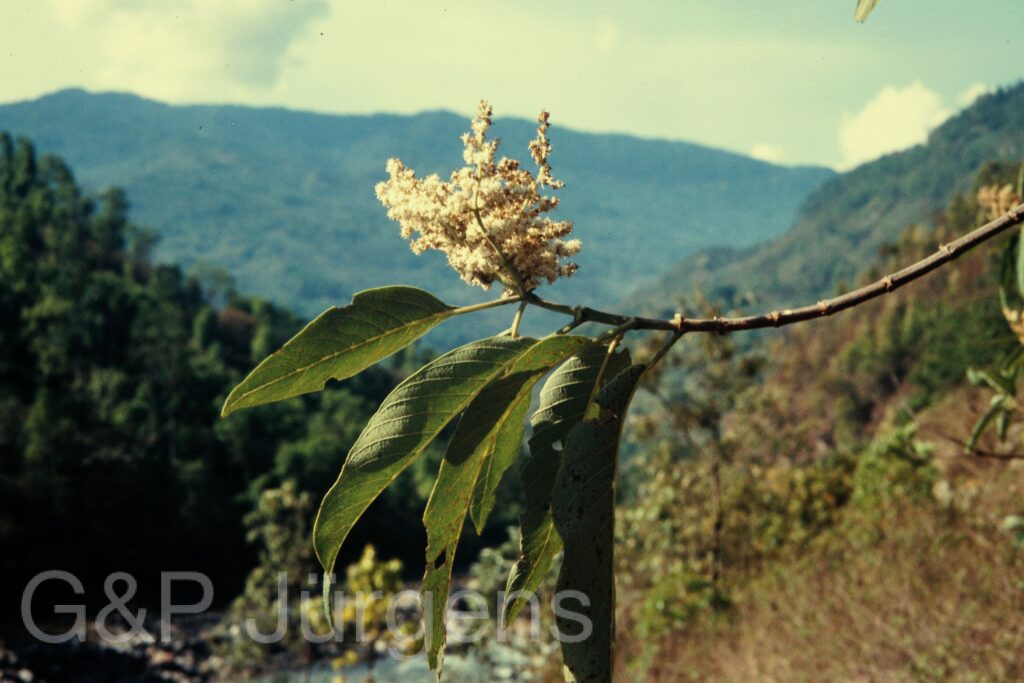
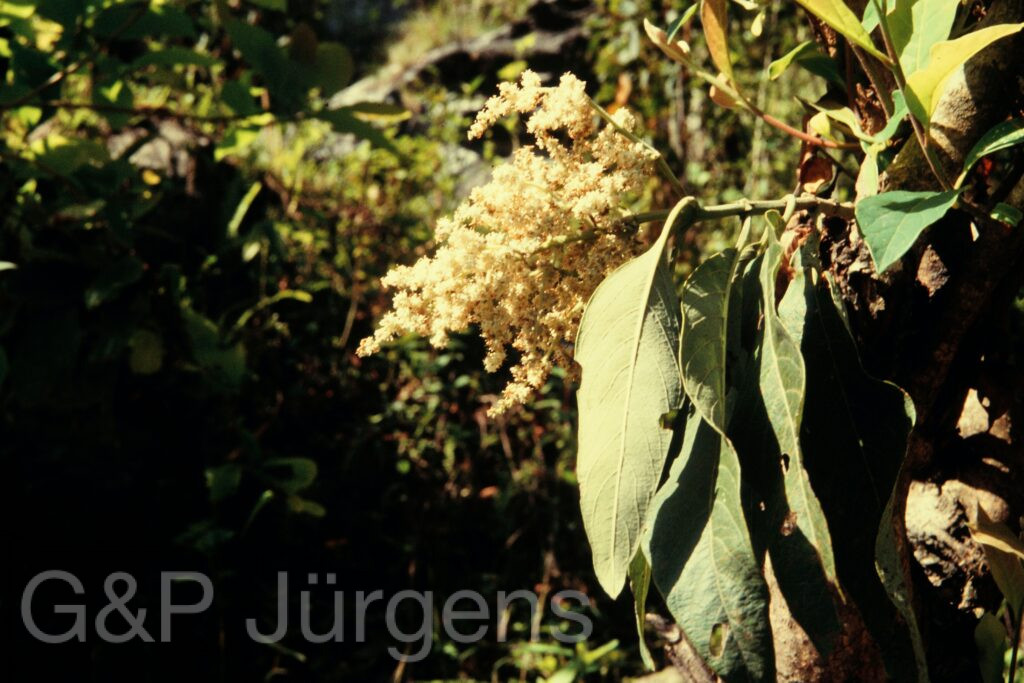
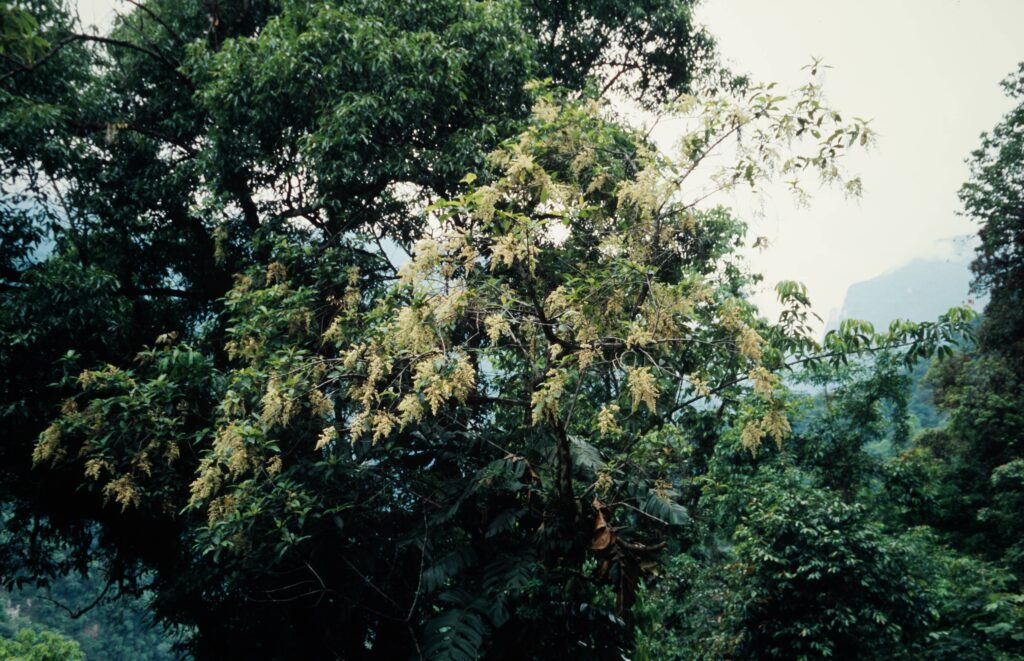
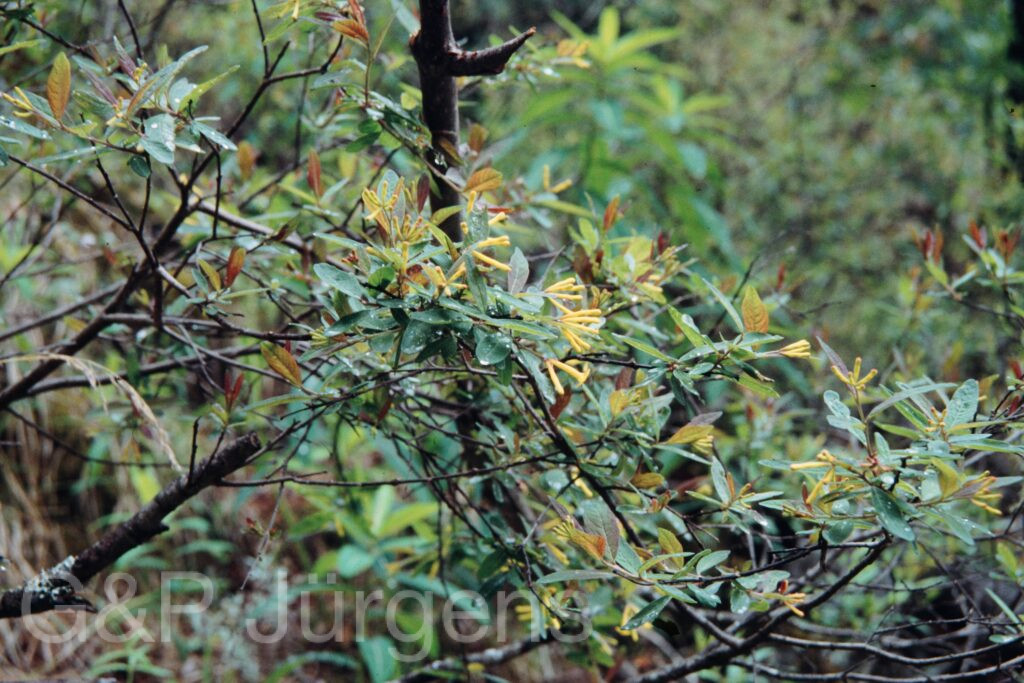
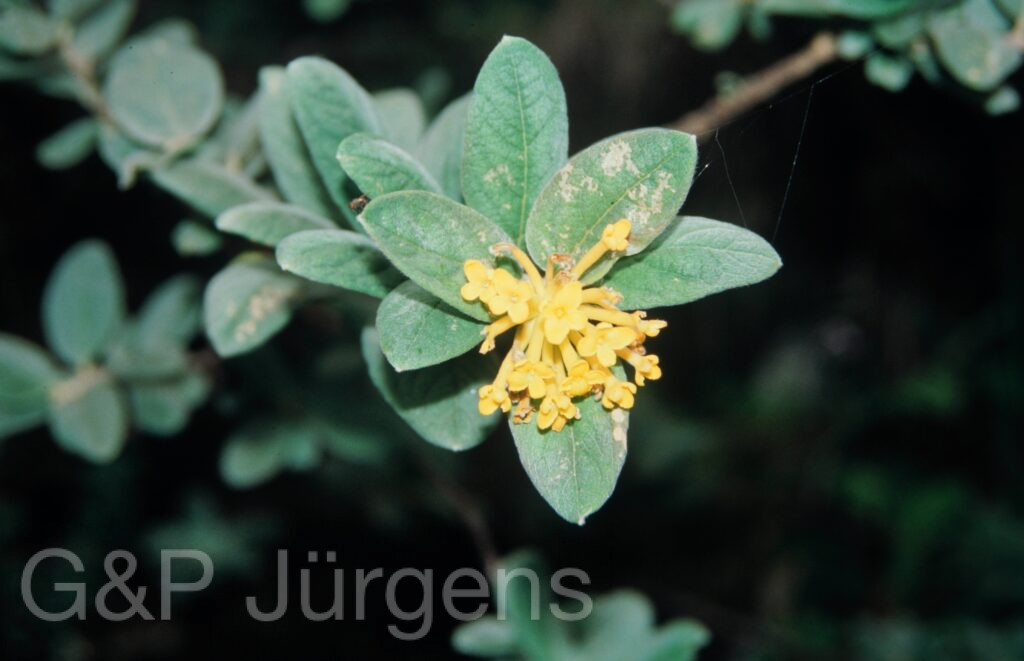
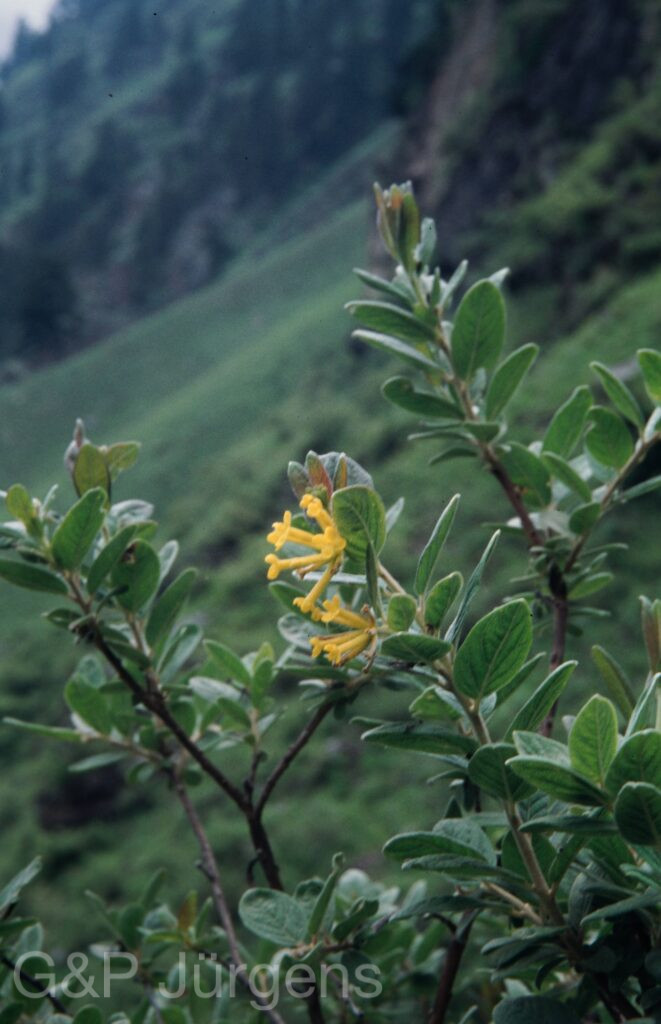
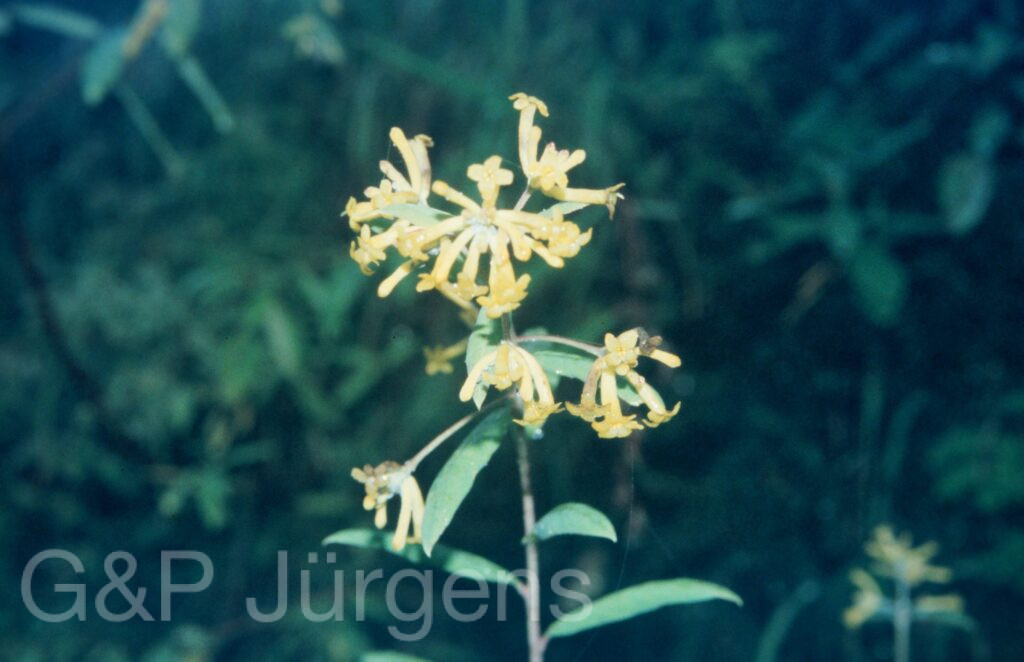
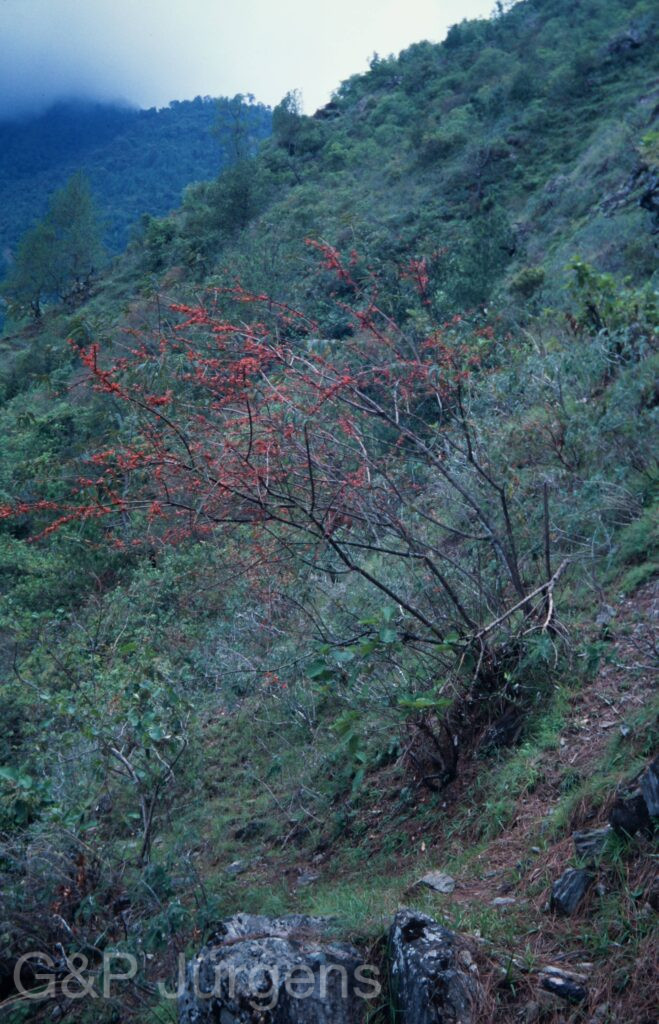
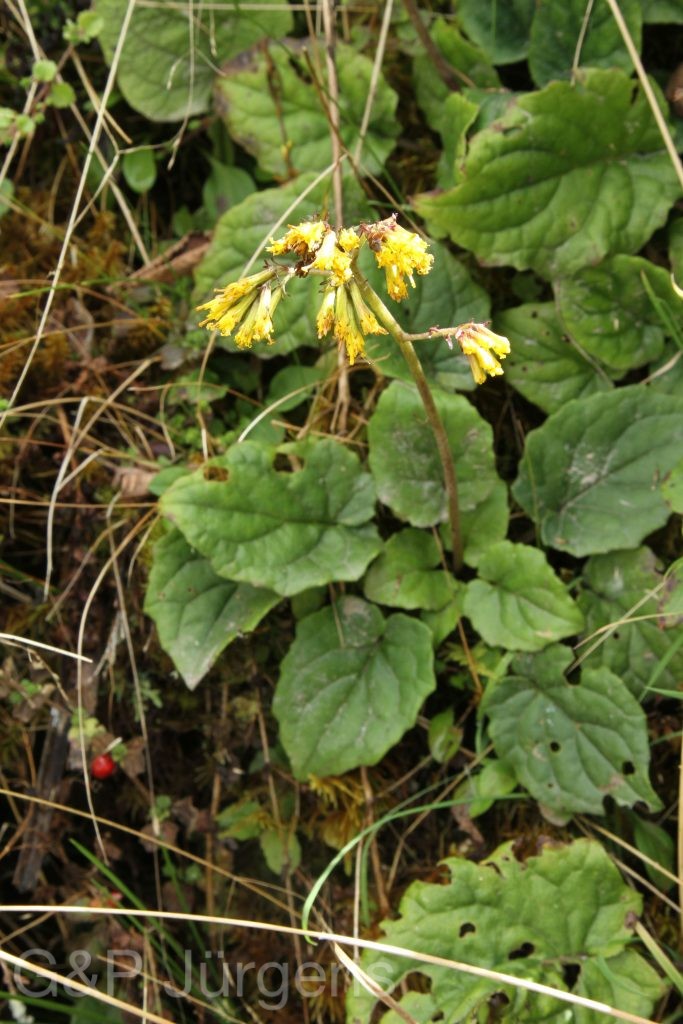
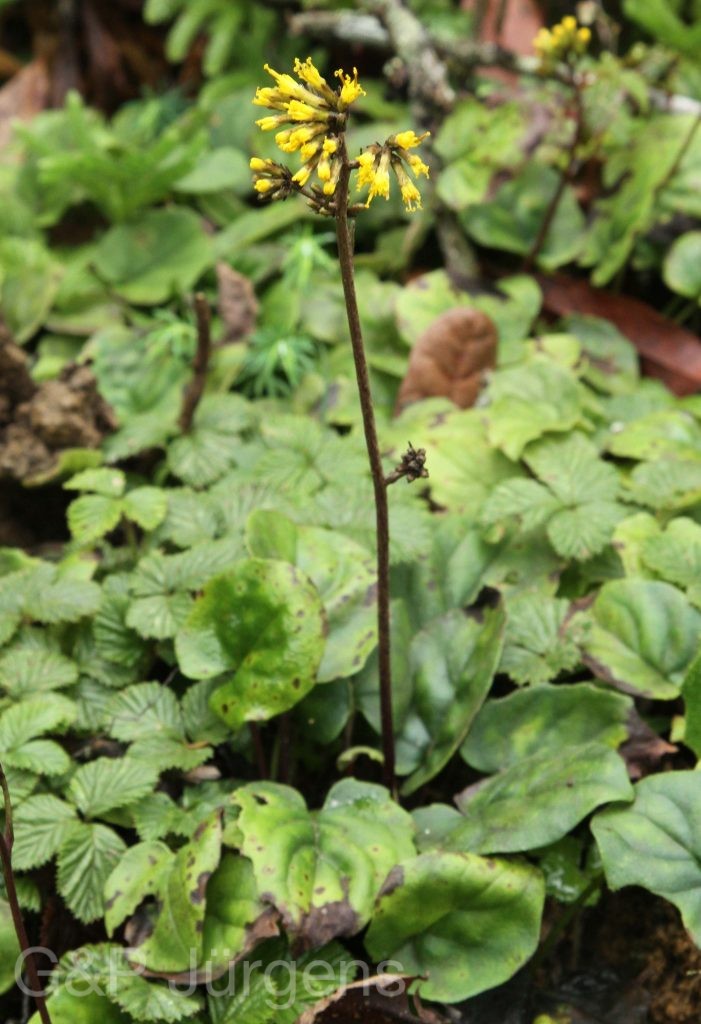
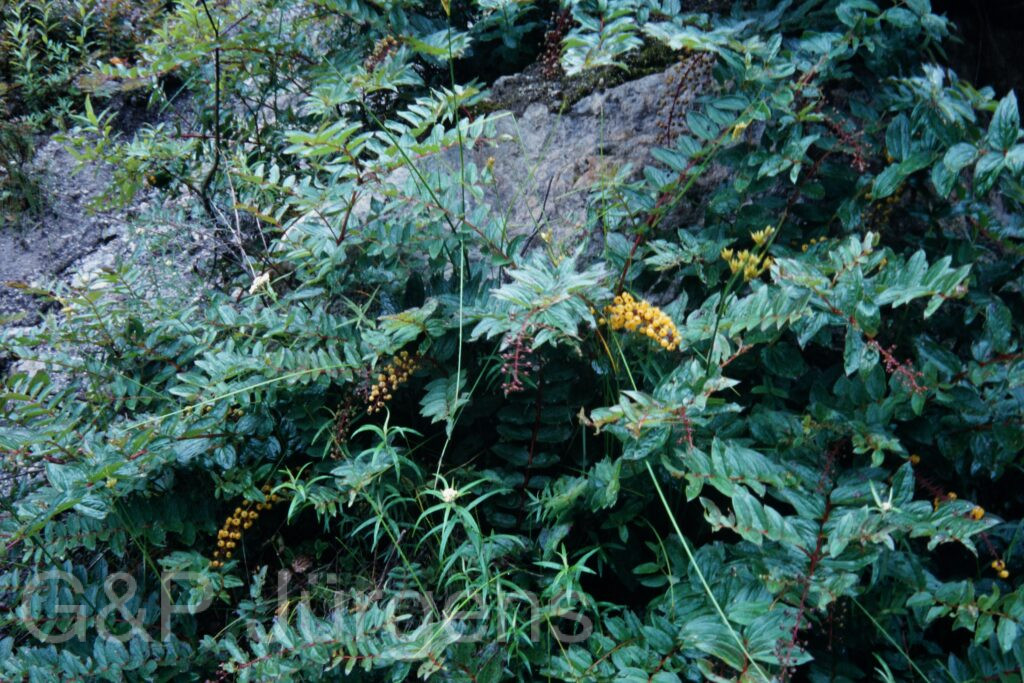
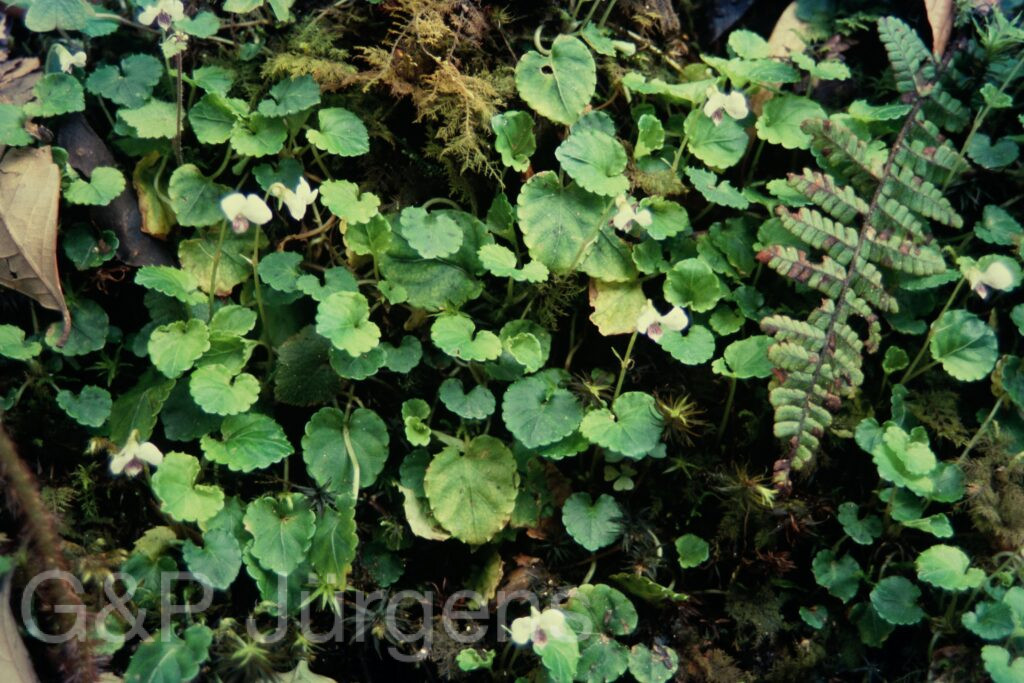
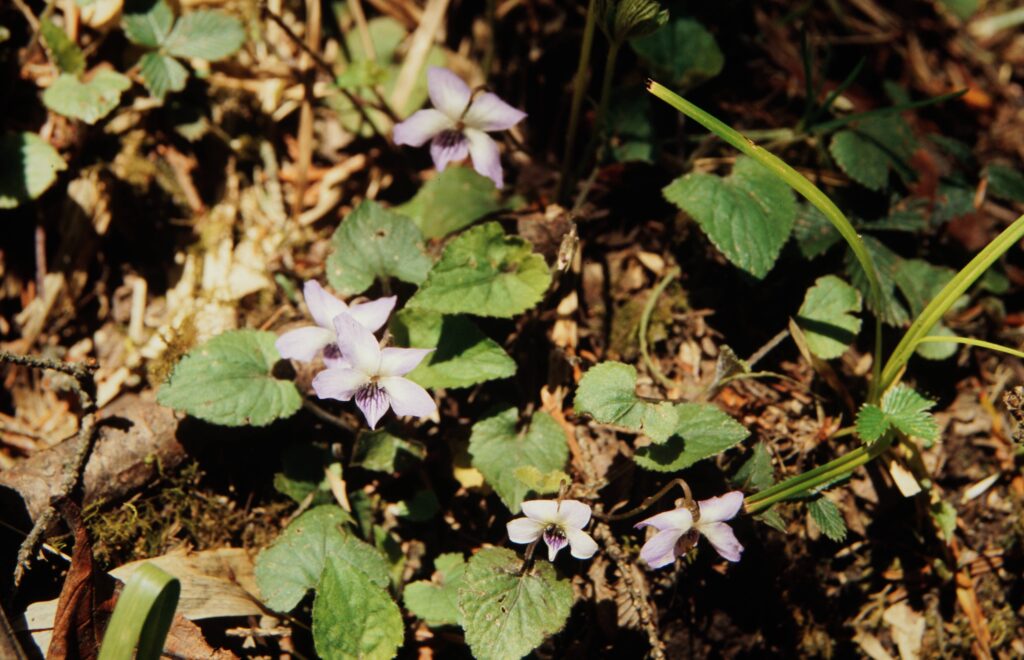
Viola hookeri Thomson ex Hook.f. is a small Himalayan violet of the eastern ranges, occurring in Sikkim, Darjeeling and adjacent India, Nepal and Bhutan. The GBIF figures attached to this record (over 3.8 million occurrences across chiefly European and North American countries) pertain to the genus Viola as a whole, not to this species, whose true range is confined to the temperate eastern Himalaya. It grows in cool, moist, shaded forest, on mossy banks and along path margins. The photographed plants are from the Sikkim-West Bengal border at Bersay (2,700 m, April) and from Molley (3,200 m, May), placing it in the upper temperate to subalpine forest belt.
It is a small acaulescent perennial herb forming a basal rosette from a slender rhizome, without elongated leafy stems. The leaves are long-petiolate, the lamina ovate to cordate-reniform with a crenate margin and a stipulate base. The solitary flowers are borne on slender axillary peduncles and have the characteristic zygomorphic violet structure: five unequal petals, the lowest spurred, white to pale lilac and often violet-veined, with the lower lateral petals sometimes bearded. As in many violets, cleistogamous flowers may also be produced. The fruit is a small, ellipsoid, three-valved loculicidal capsule that splits explosively to eject the smooth seeds.
Viola (Violaceae) is a near-cosmopolitan genus with a strong Himalayan radiation of acaulescent, rosette-forming species adapted to montane woodland. V. hookeri belongs to this eastern Himalayan group, in which basal rosettes, spurred flowers and frequent cleistogamy reflect adaptation to shaded, seasonally cool conditions. The species is not formally assessed but, like its relatives, depends on intact temperate forest.
Author: Thomson ex Hook.f. · Sources: POWO (Kew), GBIF, Flora of Bhutan, Flora of China, Hooker Flora of British India, Annotated Checklist of the Flowering Plants of Nepal, Becker conspectus of Viola