Kuntze

Description
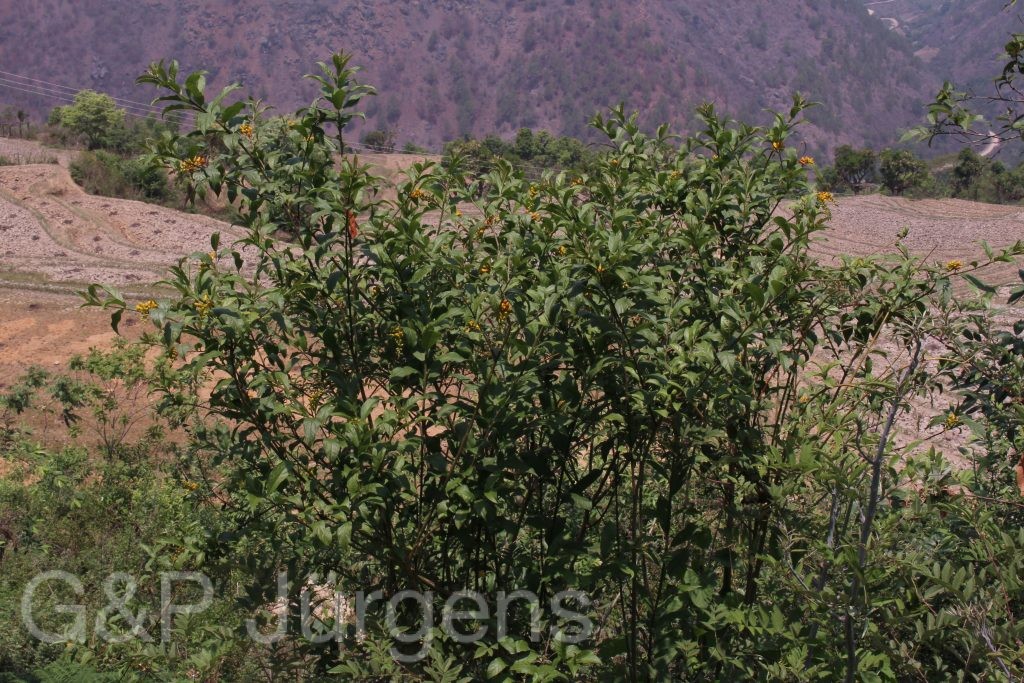
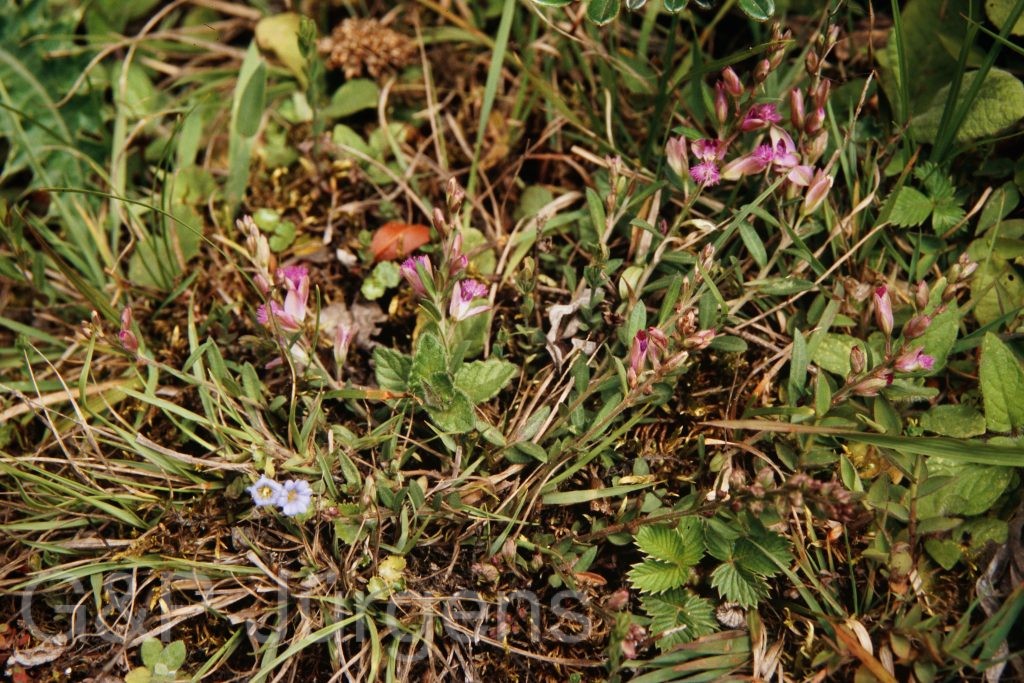
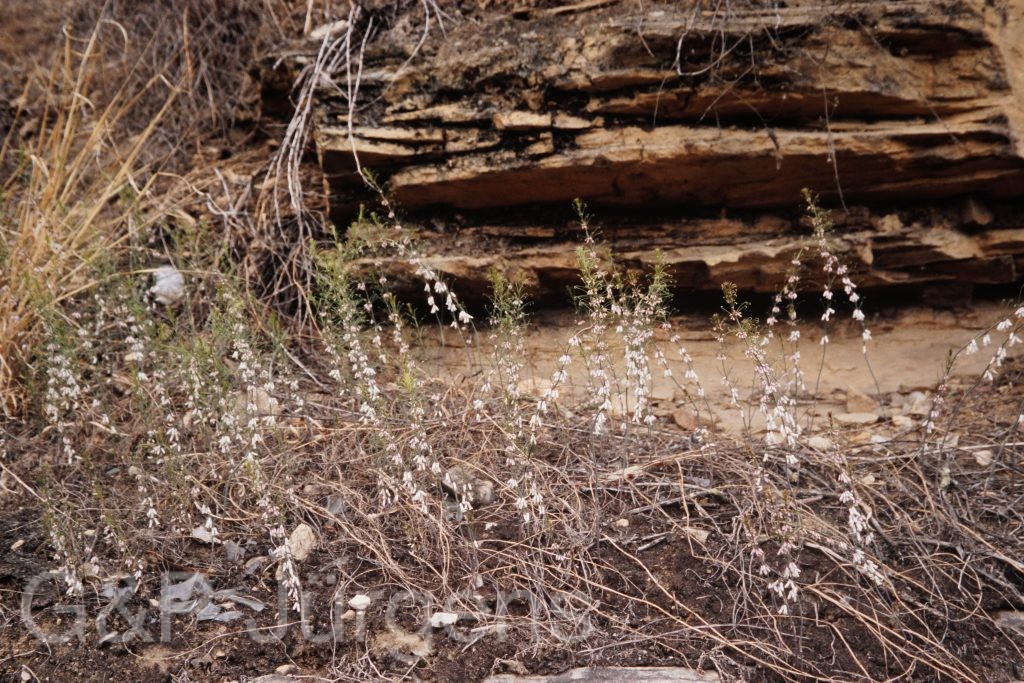
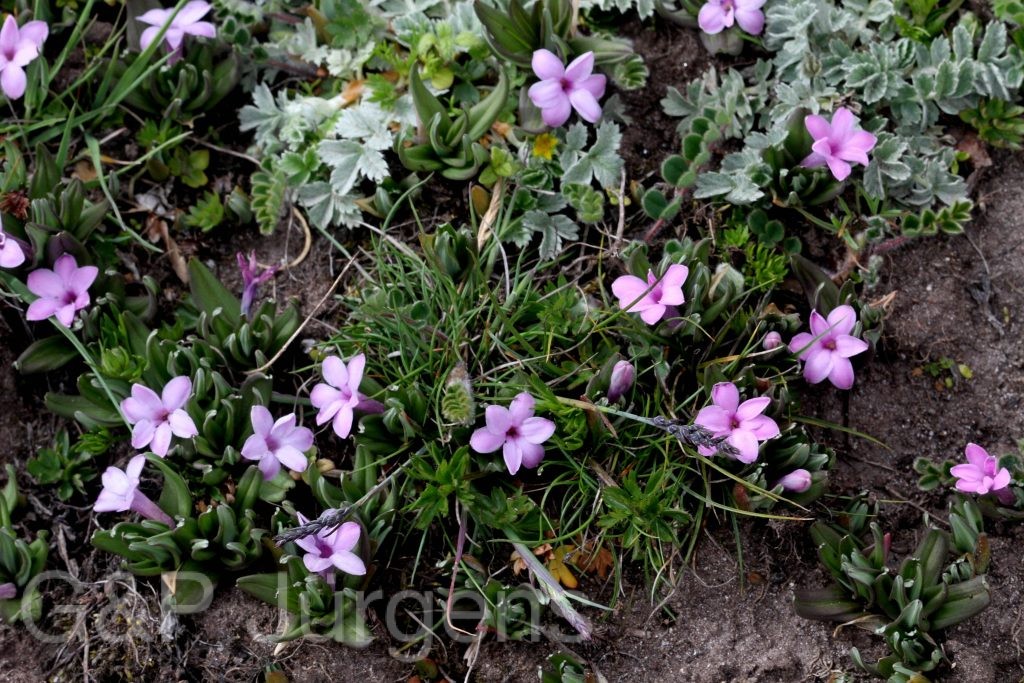
Pogostemon linearis is an Asian mint distributed through India, China, Bhutan, Myanmar, Bangladesh and westward to Iran, with around 99 georeferenced records in GBIF. It is a plant of warm-temperate to subtropical hill country, occurring on open grassy slopes, forest edges, streambanks and disturbed ground in the lower and middle montane zone. The Bhutanese material photographed near Trashiyangtse at about 1780 m in October reflects its typical autumn flowering at modest elevation, where it benefits from the warm, moist conditions of the eastern Himalayan foothills and frequently colonises seasonally damp, sunny situations.
The species is an erect to ascending herb or subshrub with quadrangular stems that are often pubescent. The leaves, as the epithet indicates, are narrow, linear to linear-lanceolate, sessile or shortly petiolate, with serrate to subentire margins and an acute apex. The flowers are borne in dense, cylindrical, spike-like verticillasters forming a terminal thyrse; each small flower has a tubular, five-toothed calyx and a campanulate, weakly two-lipped corolla. The four stamens are characteristically long-exserted and bear conspicuously bearded filaments, a diagnostic feature of Pogostemon, giving the inflorescence a fluffy appearance. The fruit comprises four smooth nutlets enclosed by the persistent calyx.
Described by Kuntze, P. linearis belongs to a genus best known for P. cablin, the source of patchouli oil. The bearded, far-exserted stamens place it firmly within Pogostemon and distinguish it from related Lamiaceae genera. Its broad distribution, ecological tolerance and association with open and disturbed habitats indicate a secure conservation status throughout its range.
Author: Kuntze · Sources: POWO (Kew), GBIF, Flora of Bhutan, Flora of China, Bhatti & Ingrouille revision of Pogostemon