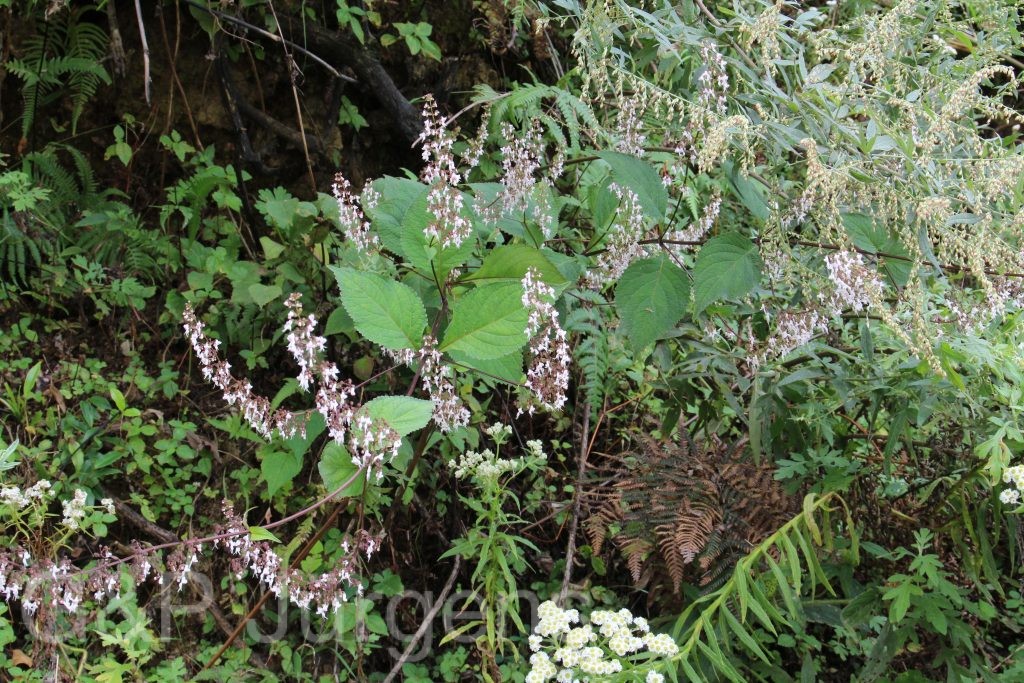
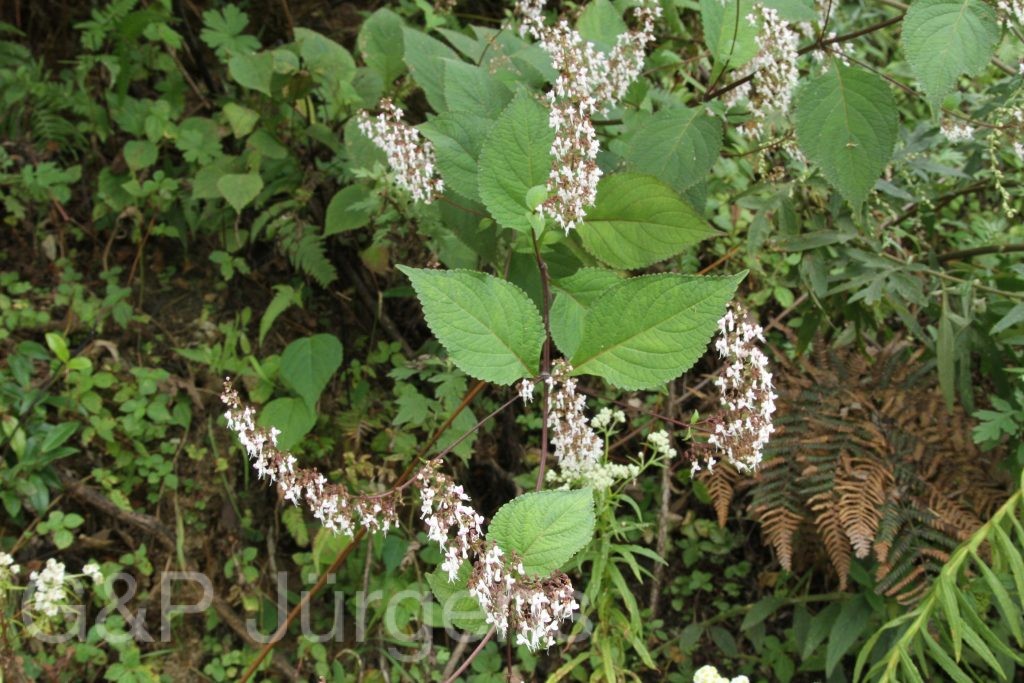
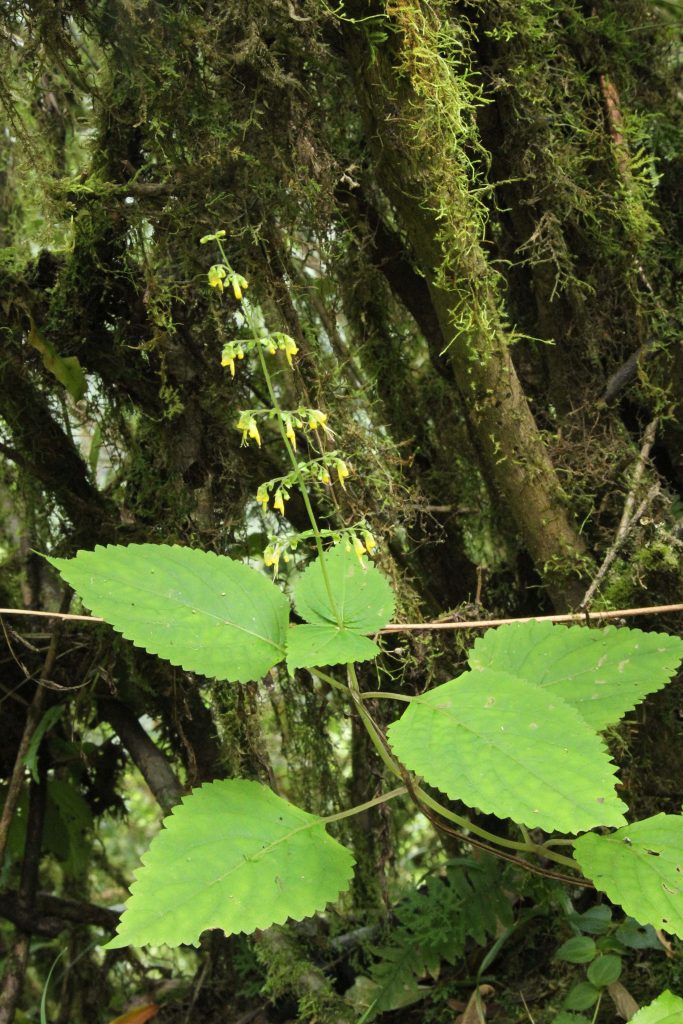
Baker ex Hook.f.
Description
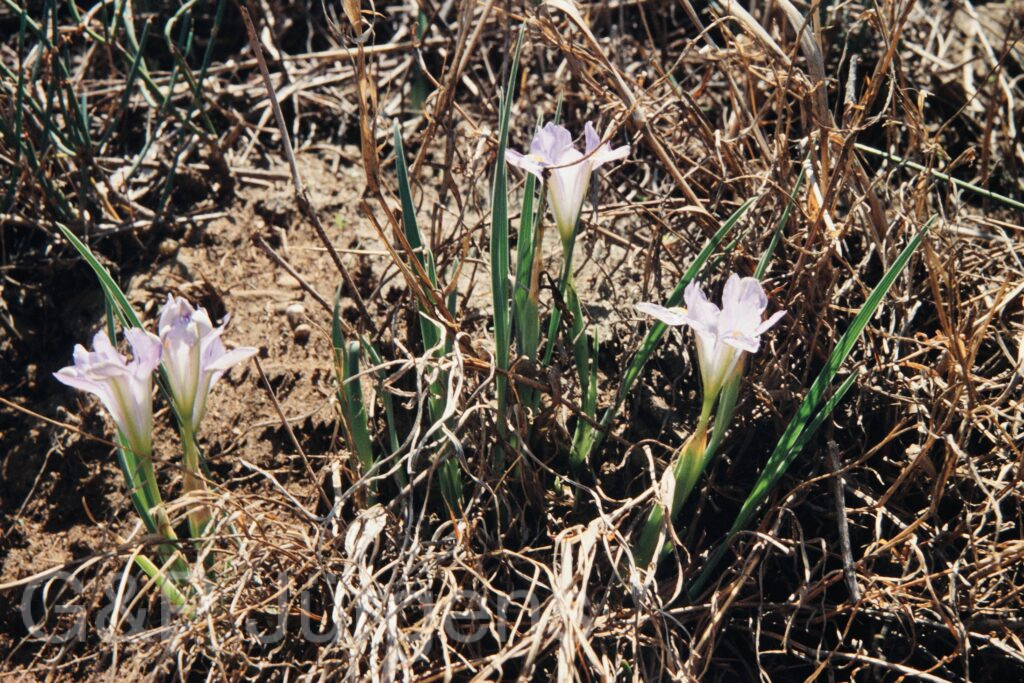
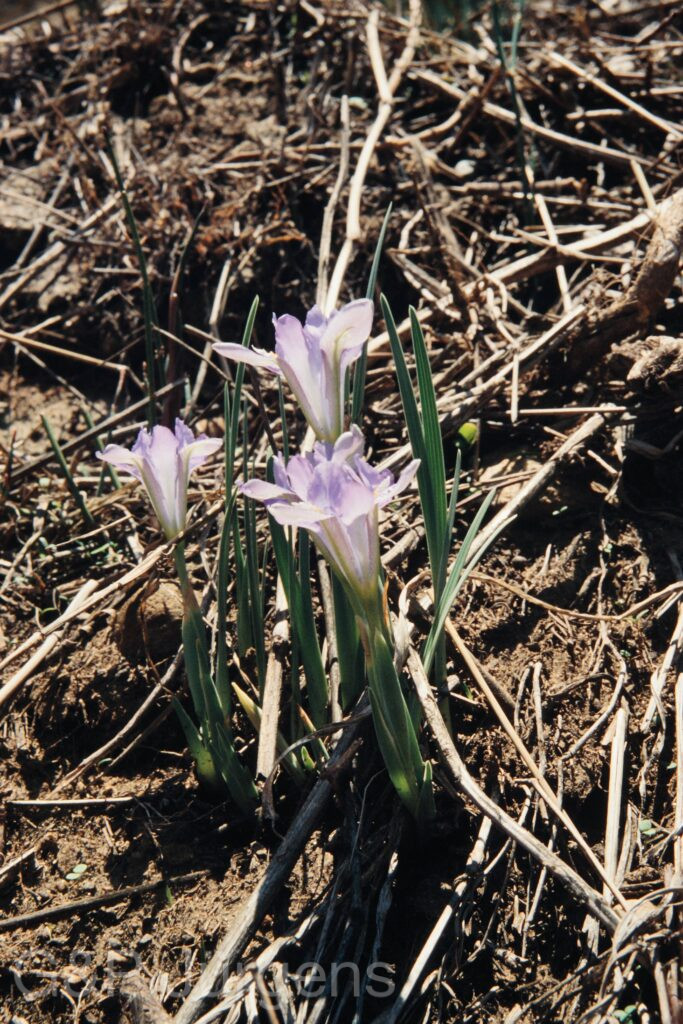
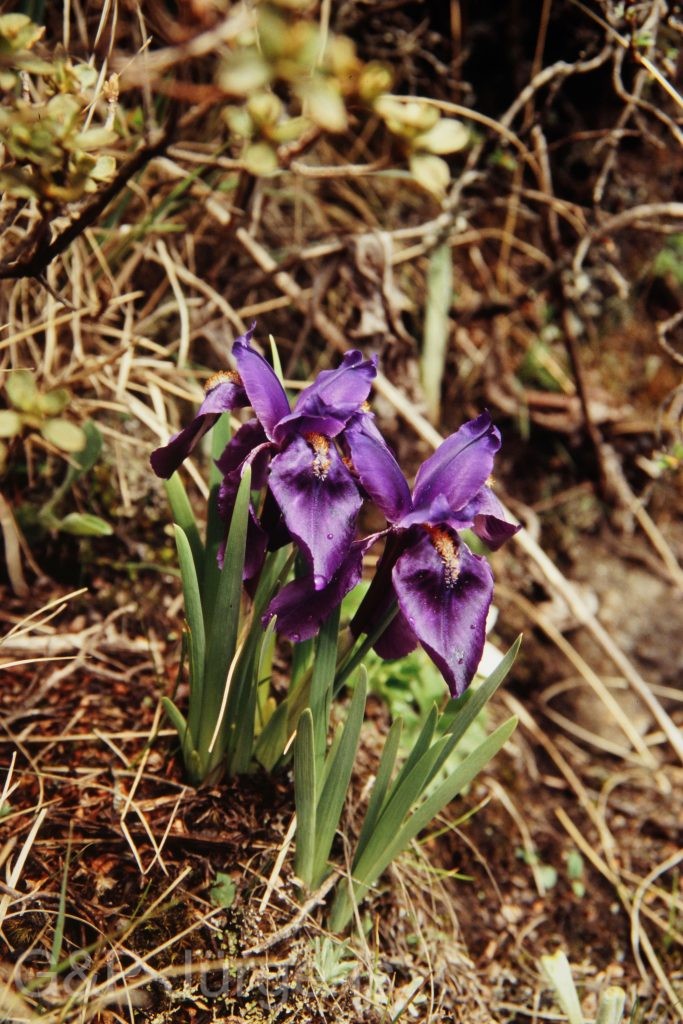
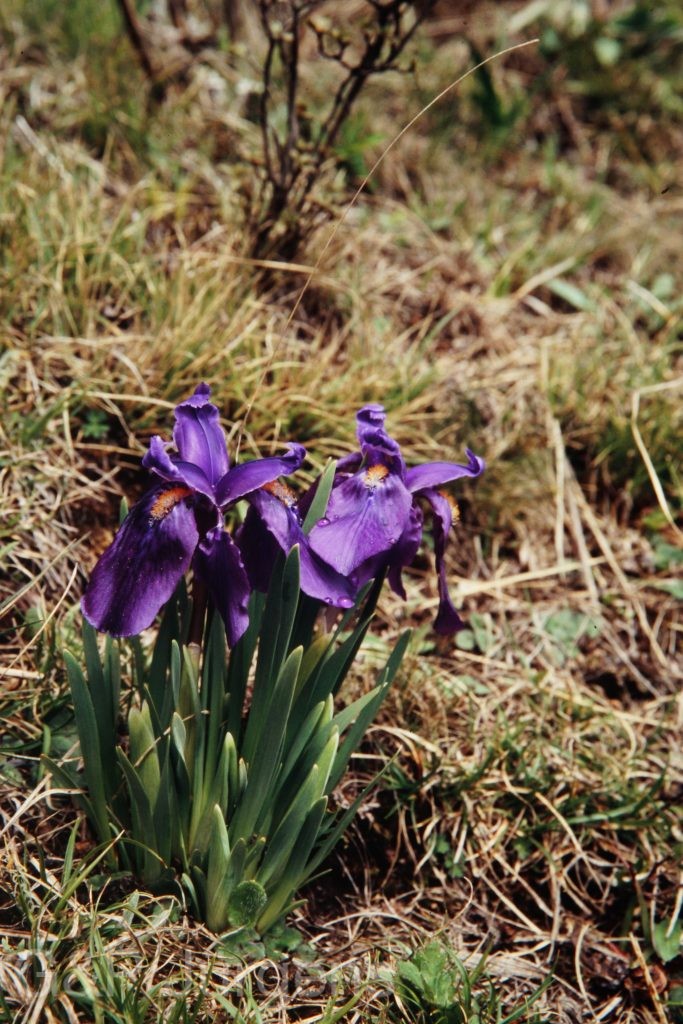
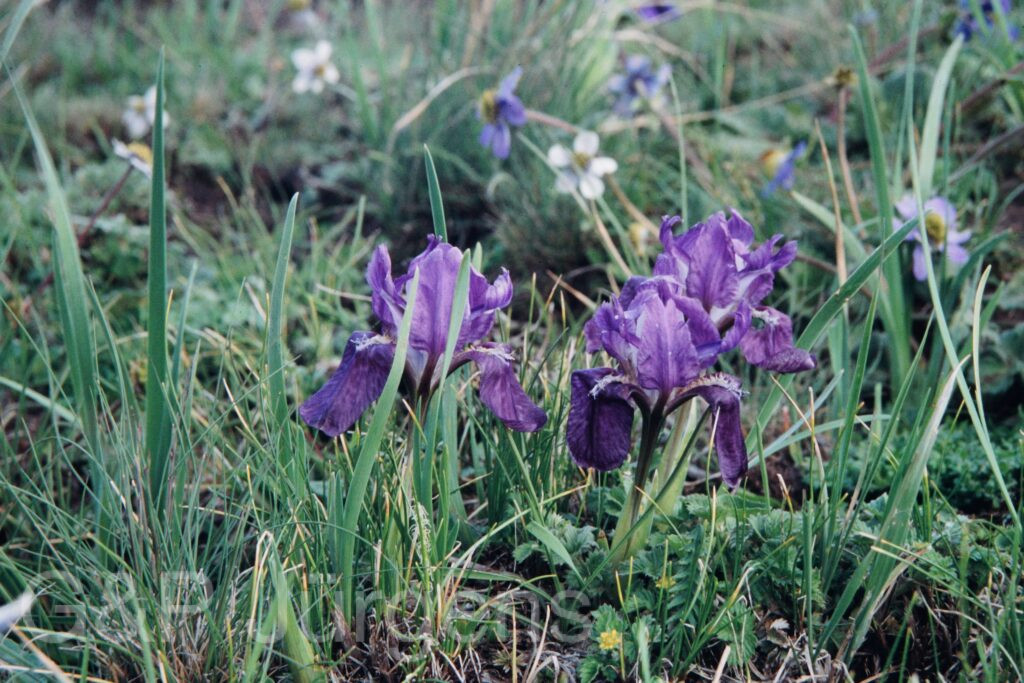
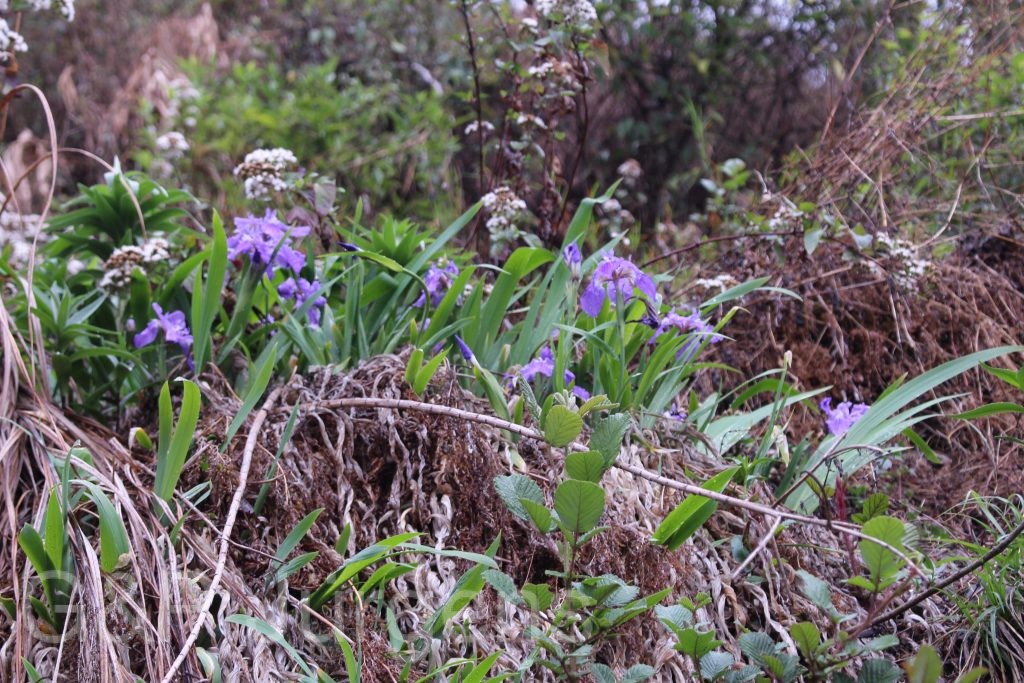
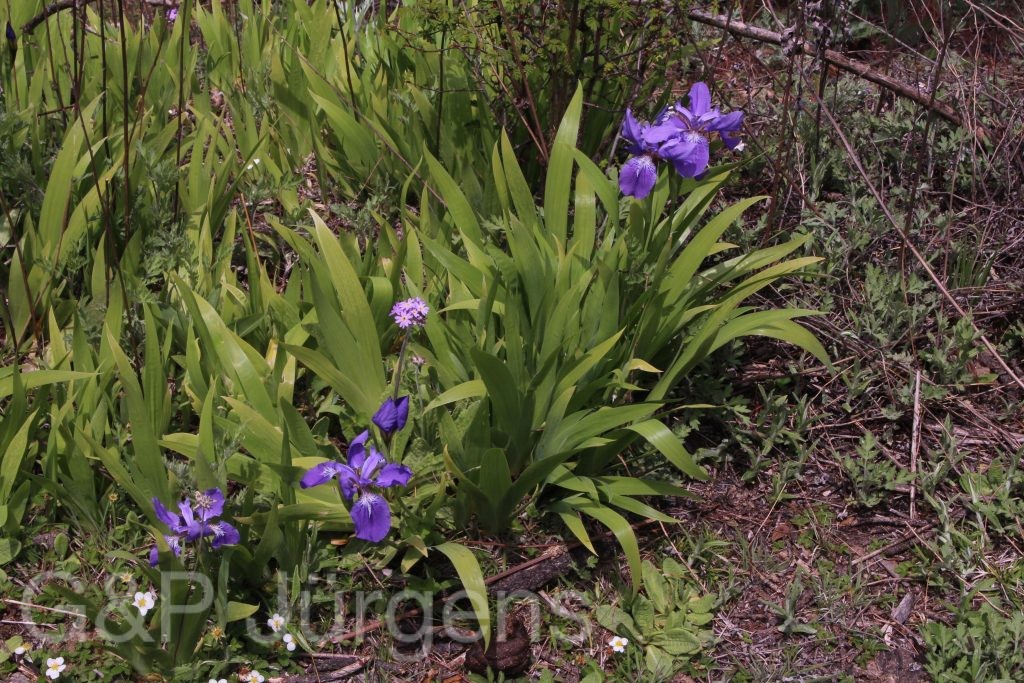
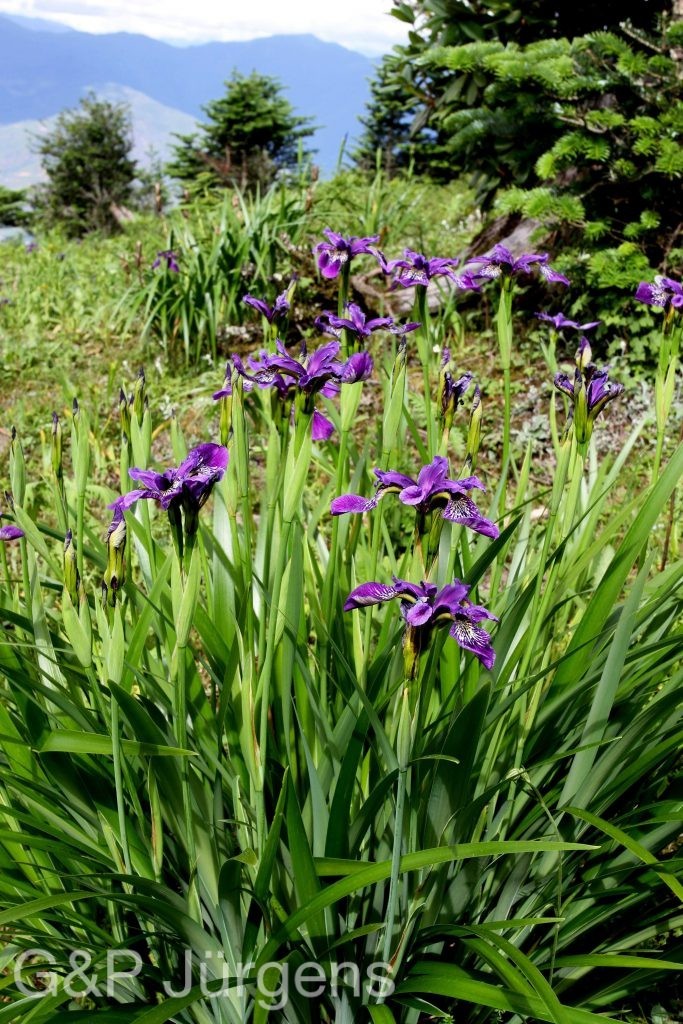
Iris clarkei is an eastern Himalayan beardless iris distributed through Bhutan, Sikkim and northeastern India, Nepal, southern Tibet (China) and northern Myanmar, with GBIF holding about 174 occurrences. It is a subalpine to alpine moisture-lover, recorded here from two Bhutanese passes, Chele-La at 3900 m and Dochu-La at 3000 m, both flowering in June. The species favours wet alpine meadows, marshy hollows, stream sides and seasonally flushed turf on slopes, typically between roughly 3000 and 4300 m, where it forms colonies in the open, moist grassland of the upper temperate and subalpine zones.
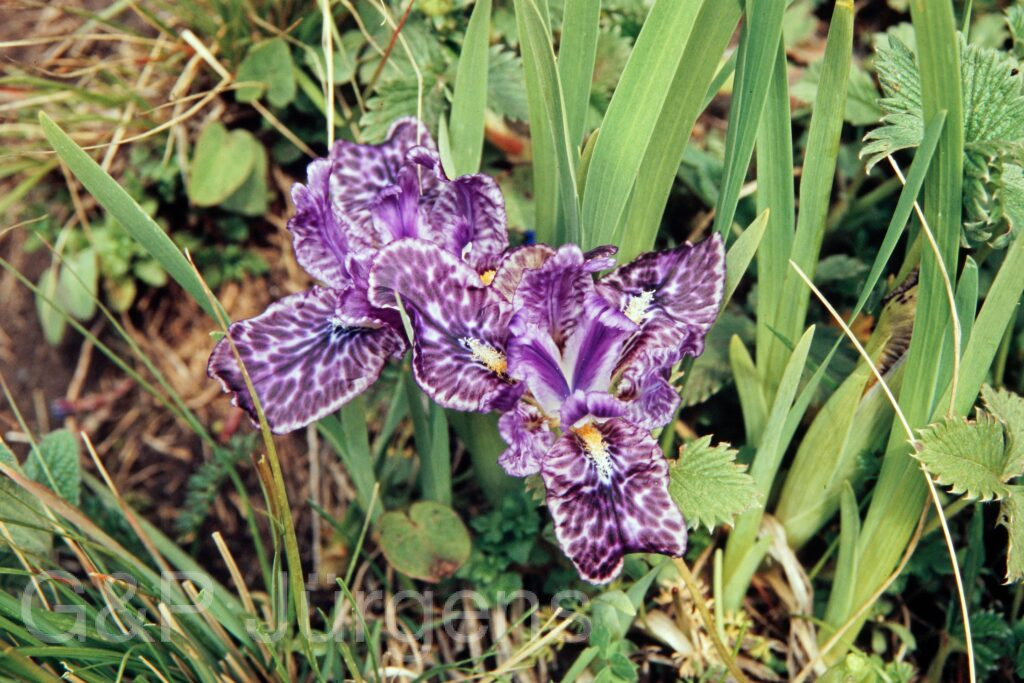
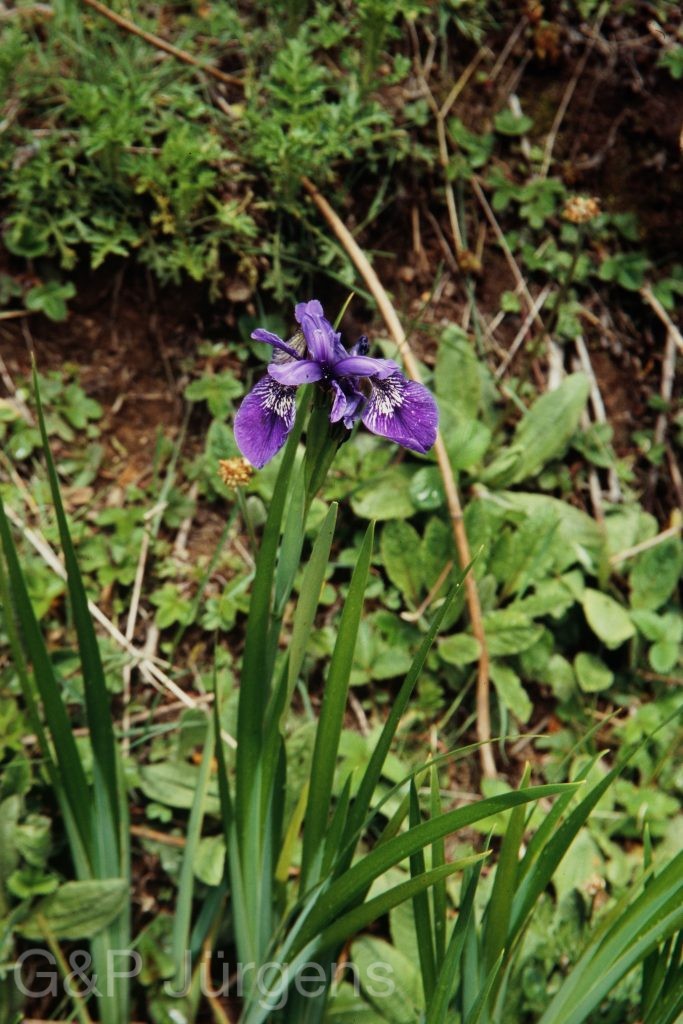
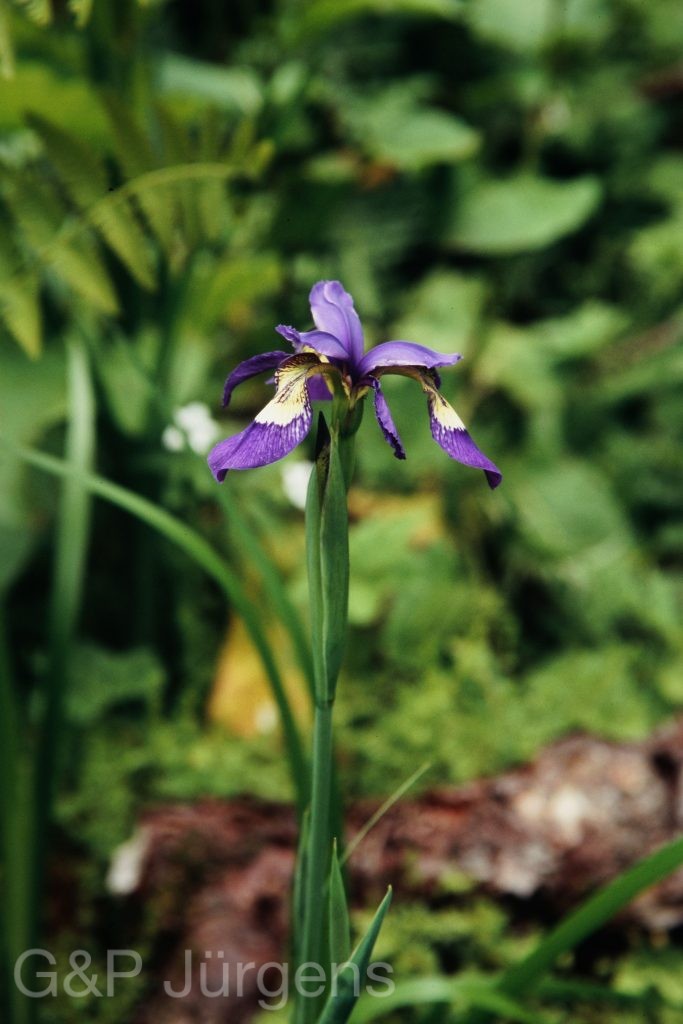
It is a tufted rhizomatous perennial of the Sibiricae group, with slender creeping rhizomes producing erect, solid (not hollow) flowering stems that are characteristically branched and bear a distinctive solid pith. The leaves are linear-ensiform, grass-like, ribbed and grouped in basal fans. Each stem carries one to several flowers; the perianth is blue-violet to reddish-purple, the spreading or deflexed falls bearing a paler, conspicuously veined and blotched signal patch, and the standards are smaller and more erect, the flowers beardless and crestless. The fruit is a three-angled loculicidal capsule containing flattened seeds.
Described by Baker (ex Hook.f.) and named for C. B. Clarke, the species belongs to series Sibiricae, the Asian relatives of Iris sibirica, and is of horticultural interest for its solid stems and richly marked falls. Though restricted to specialised wetland habitats, it remains locally common within its range; pressures such as grazing, trampling and drainage of montane mires are the principal local threats to its boggy habitat.
Author: Baker ex Hook.f. · Sources: POWO (Kew), GBIF, Flora of Bhutan, Flora of China, Mathew The Iris, British Iris Society A Guide to Species Irises