(D.Don) Mosyakin
Description
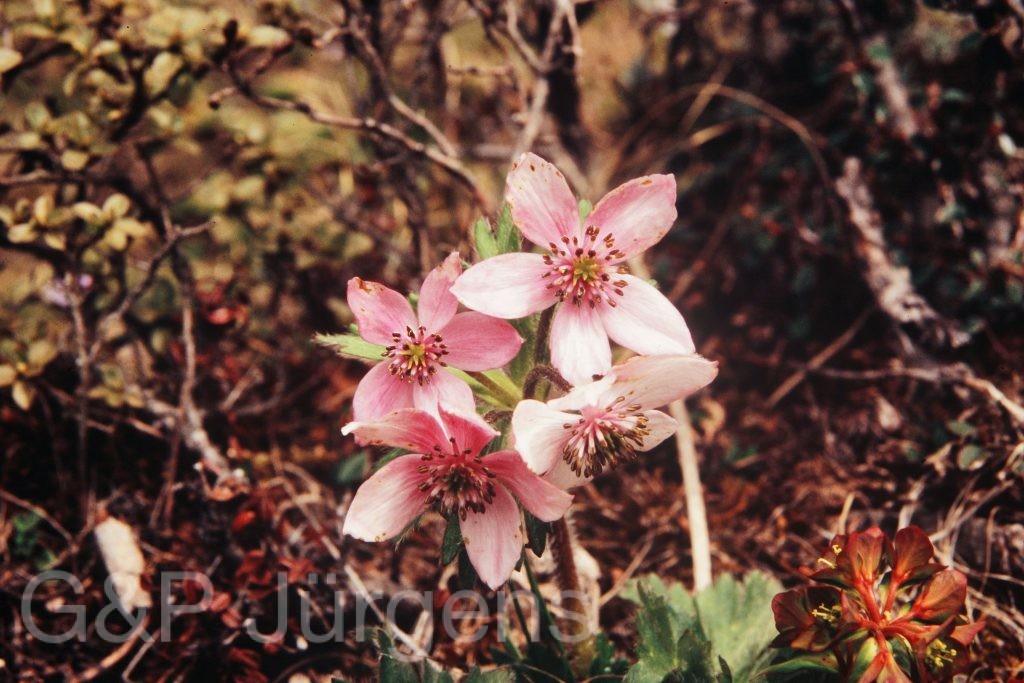
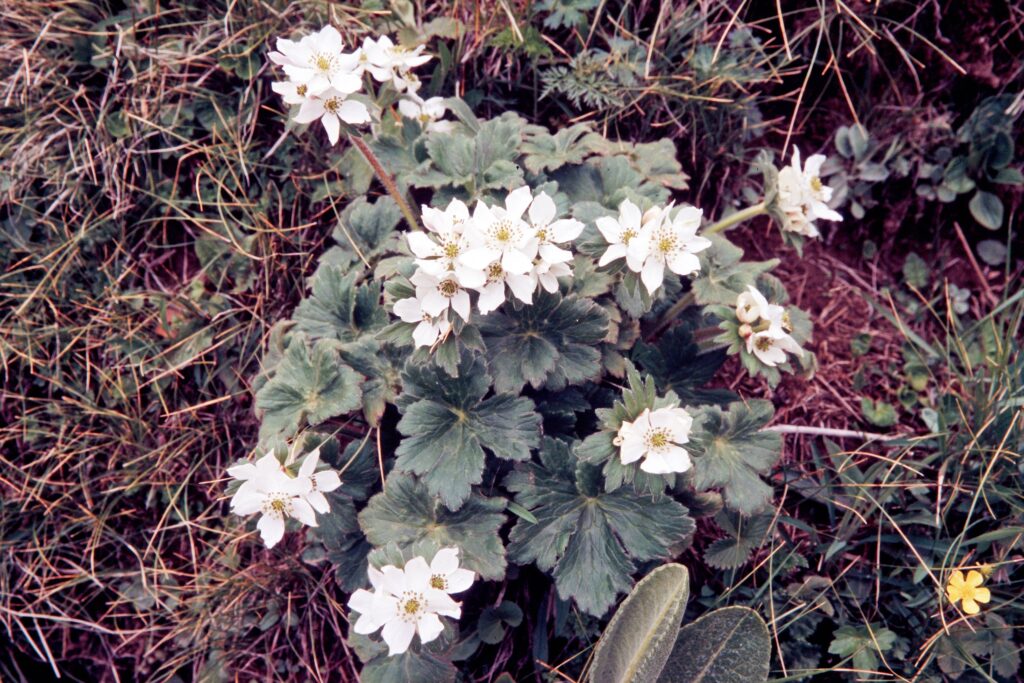
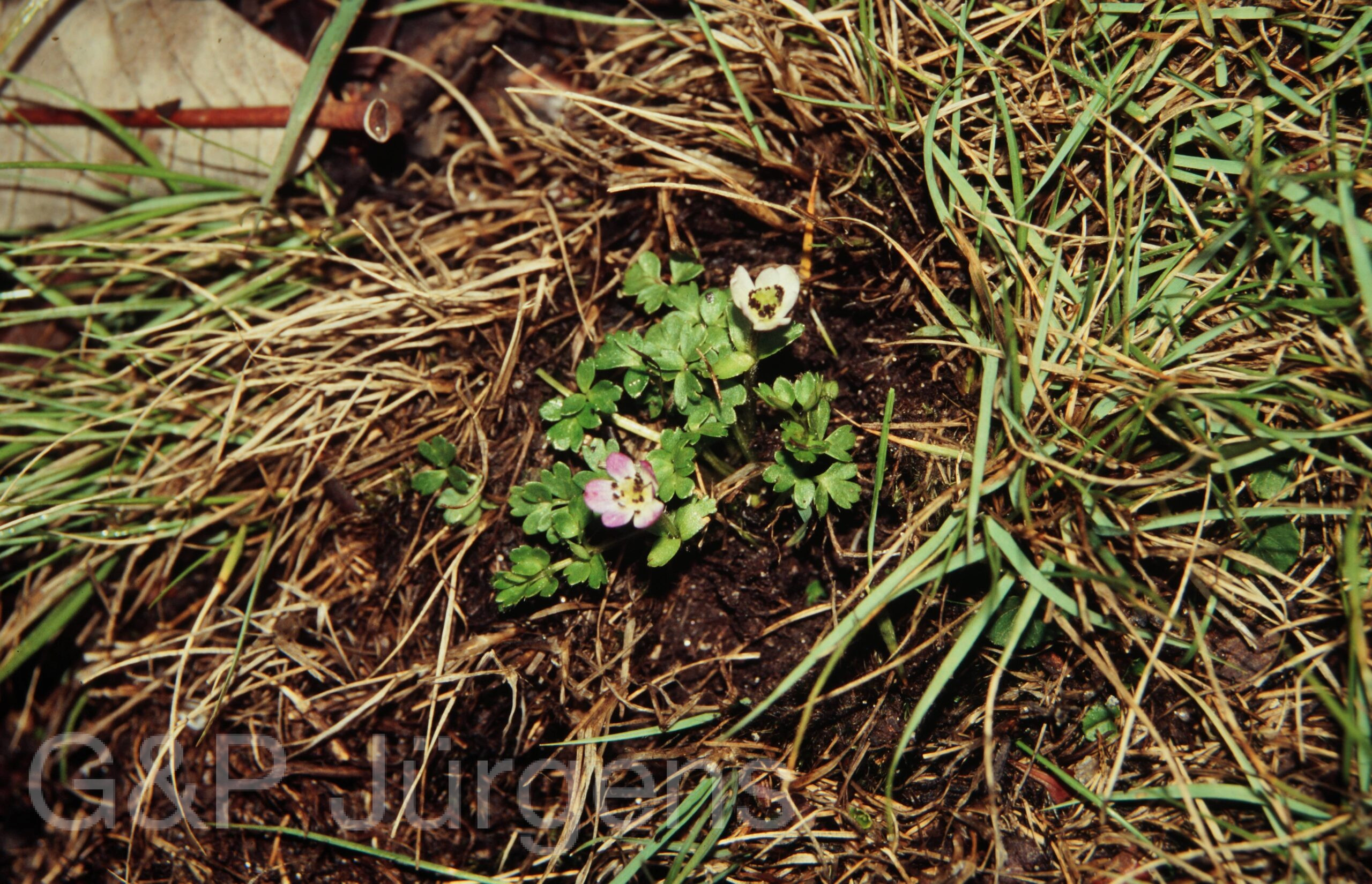
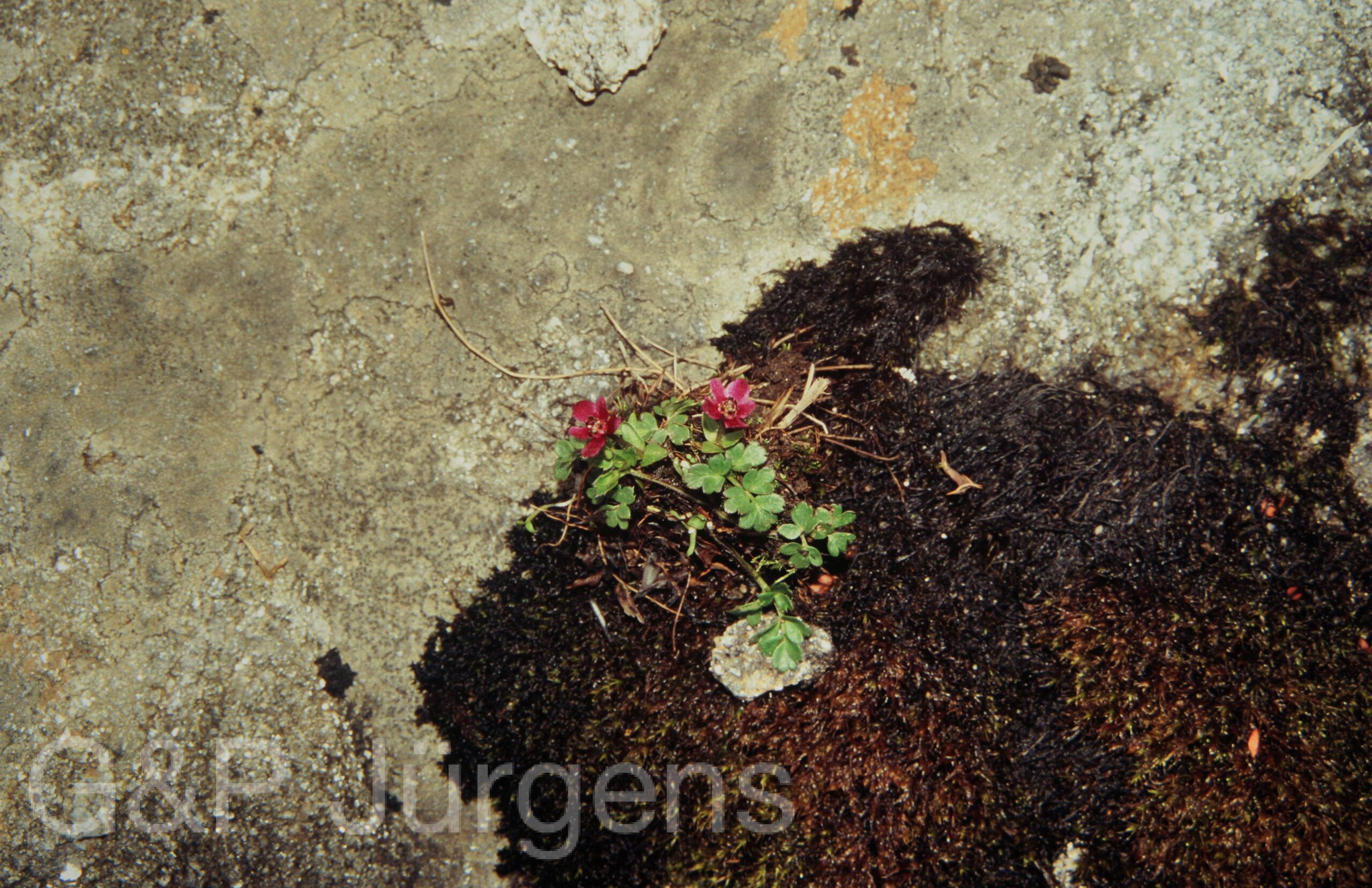
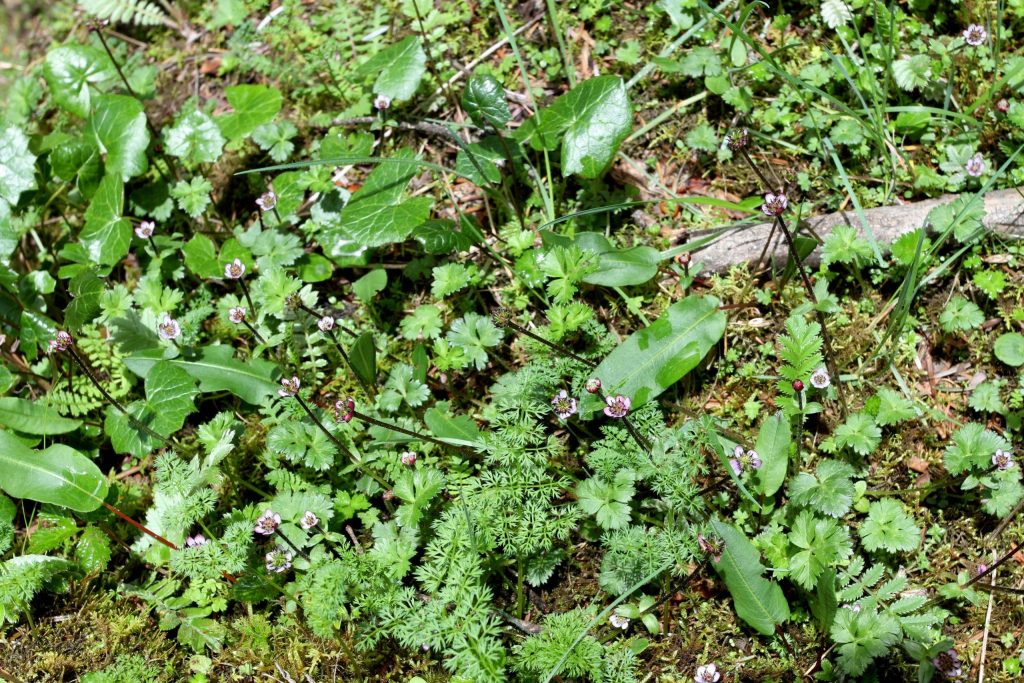
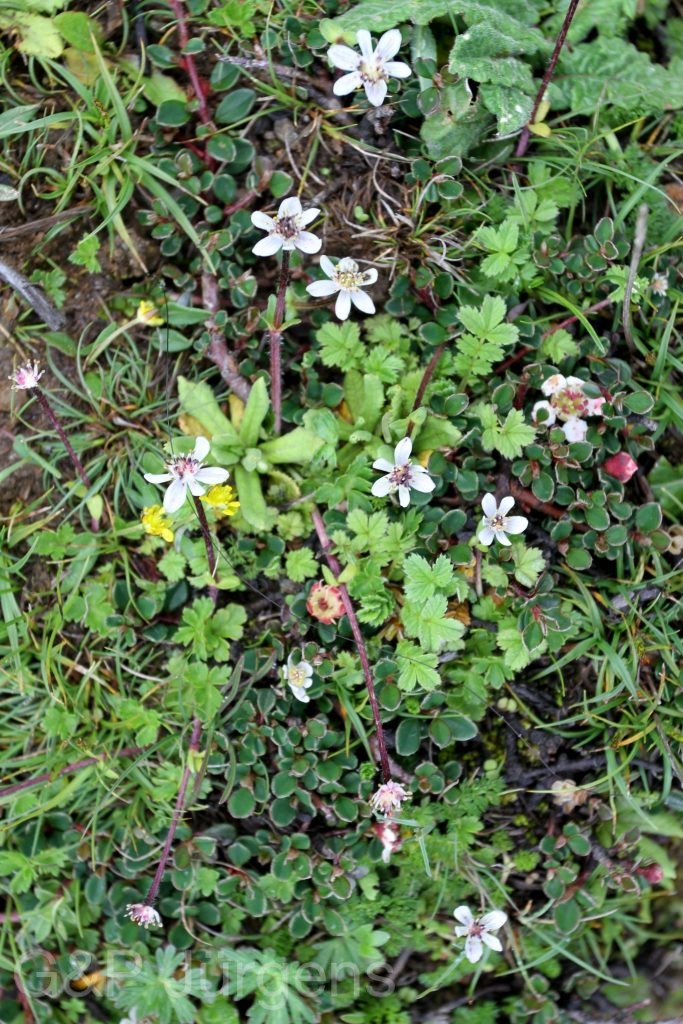
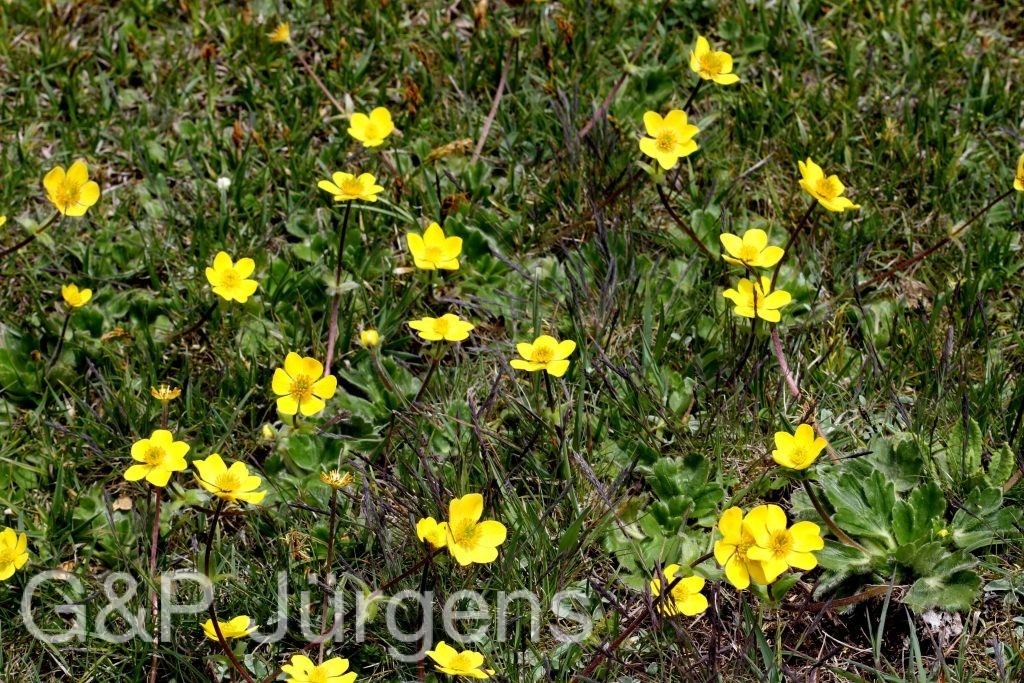
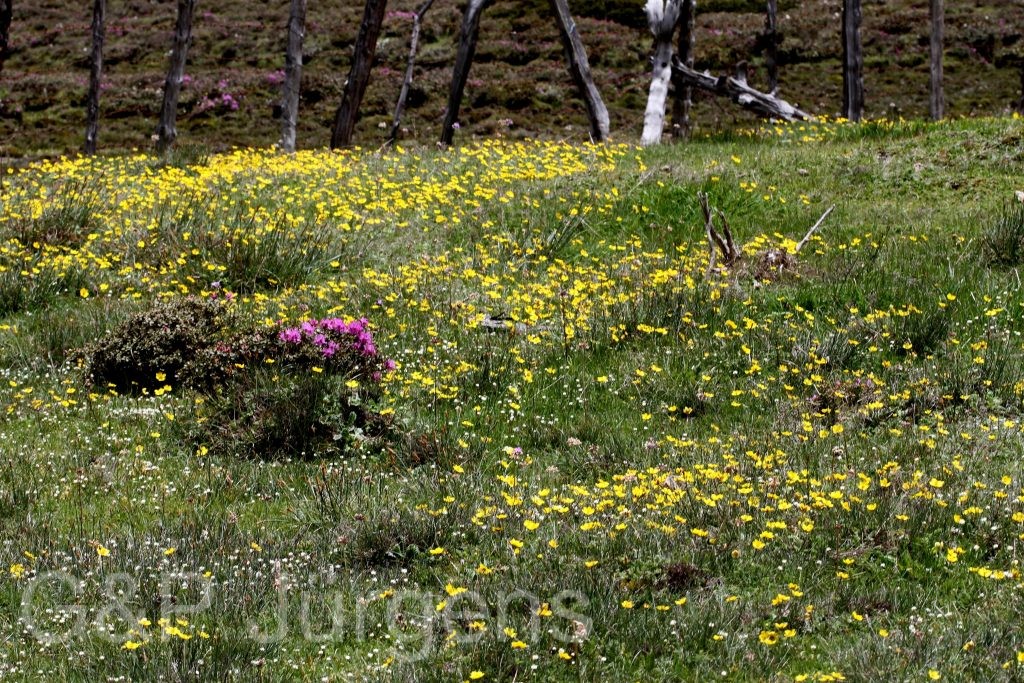
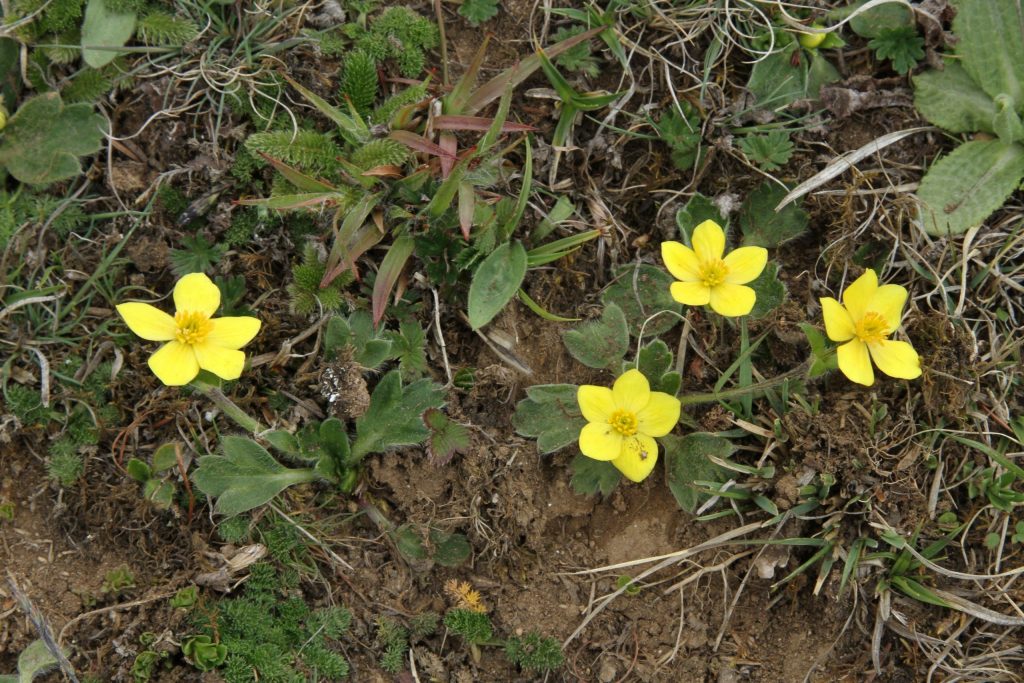
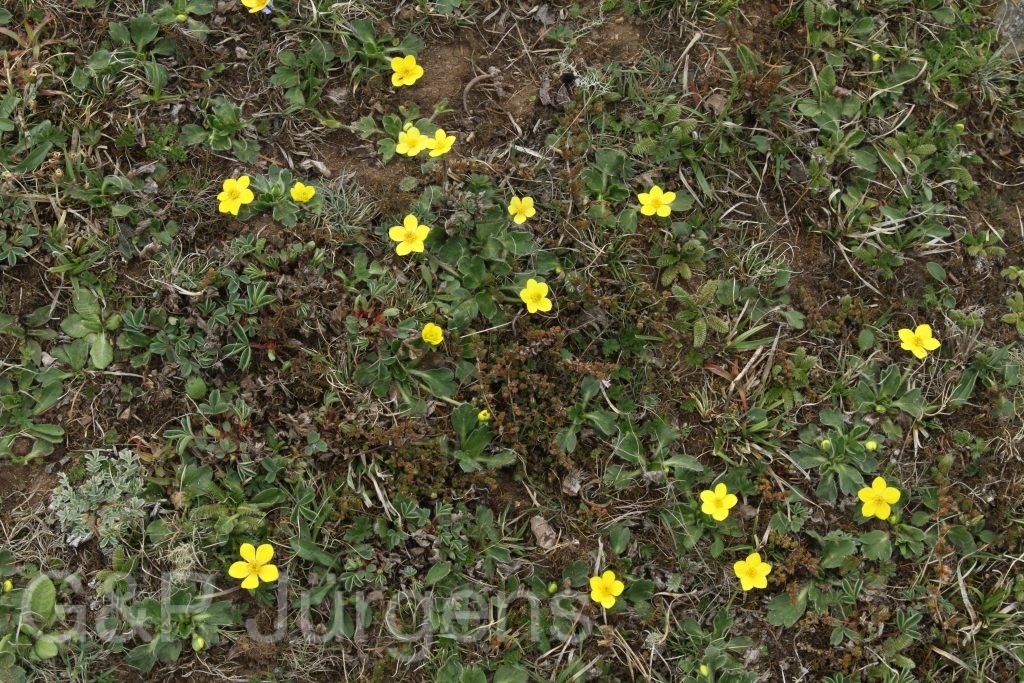
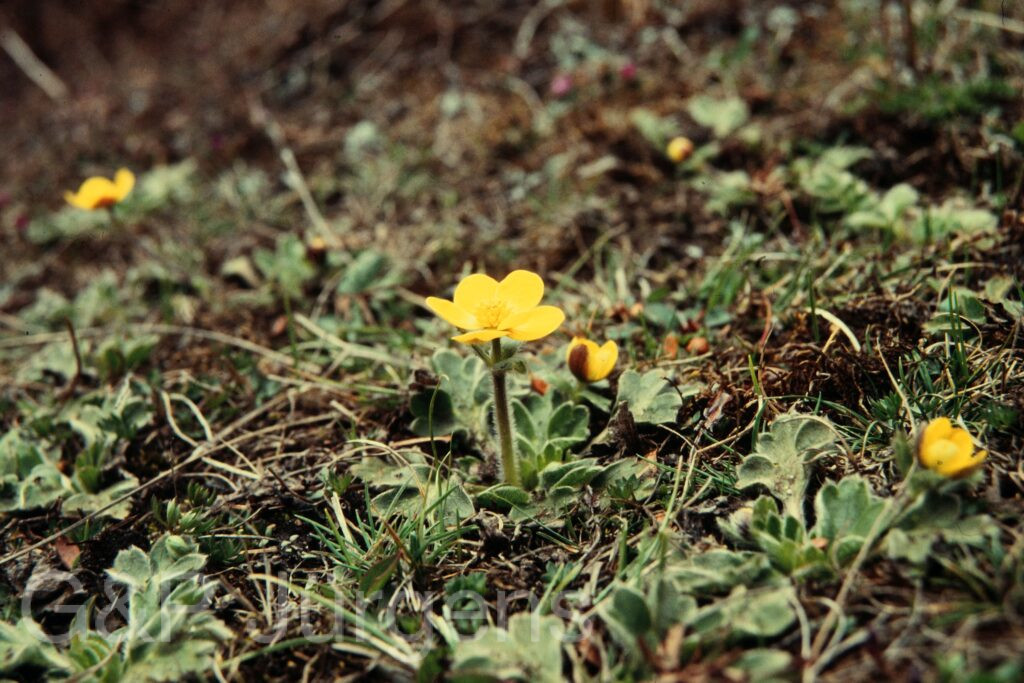
Anemonastrum obtusilobum, long known as Anemone obtusiloba, is a widespread Himalayan and Central Asian alpine herb recorded from China, India, Nepal, Pakistan, Bhutan, Myanmar, Afghanistan, Kazakhstan and Kyrgyzstan, with a substantial 825 occurrences in GBIF. It is a plant of open alpine and subalpine meadows, grassy slopes, forest clearings and stony turf, typically between 2500 and 4500 m. The localities cited, Yatong-La at 3200 m in May and Bhulbhule at 3150 m in June in Bhutan, are characteristic of the moist, herb-rich montane grassland where it carpets slopes in spring and early summer.
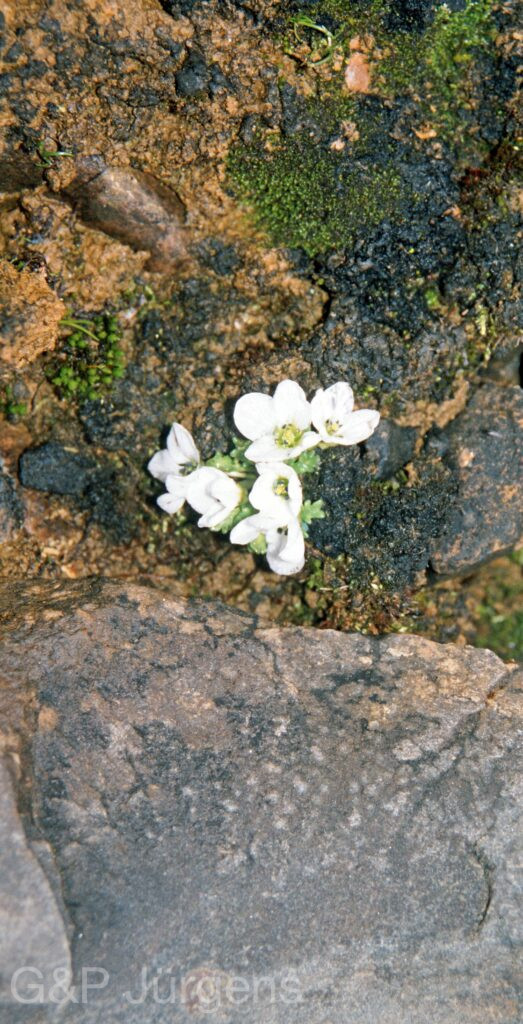
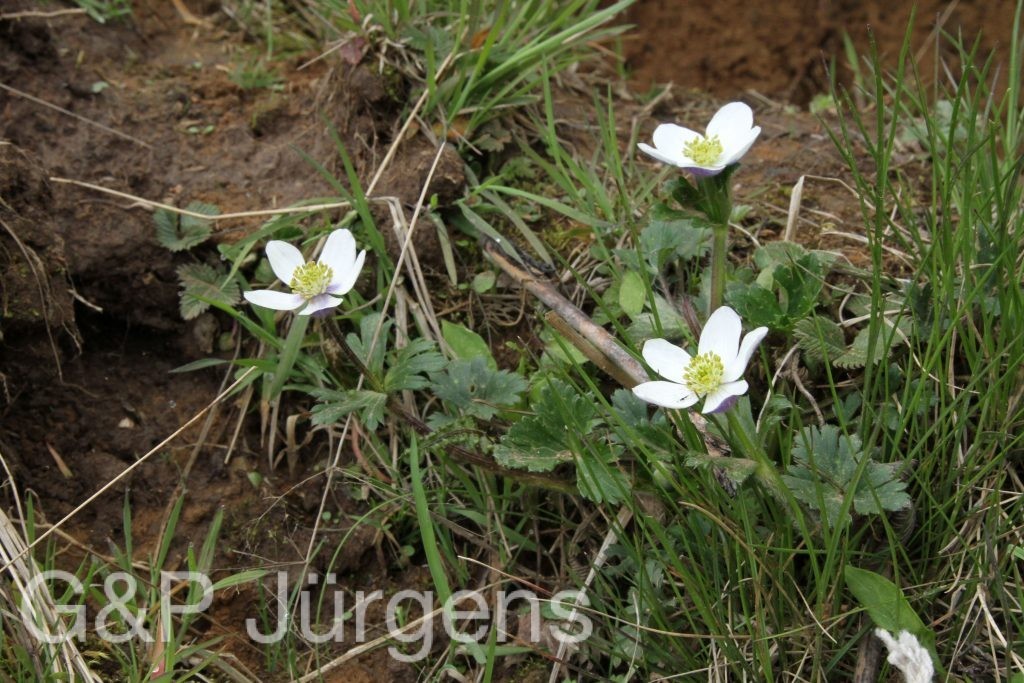
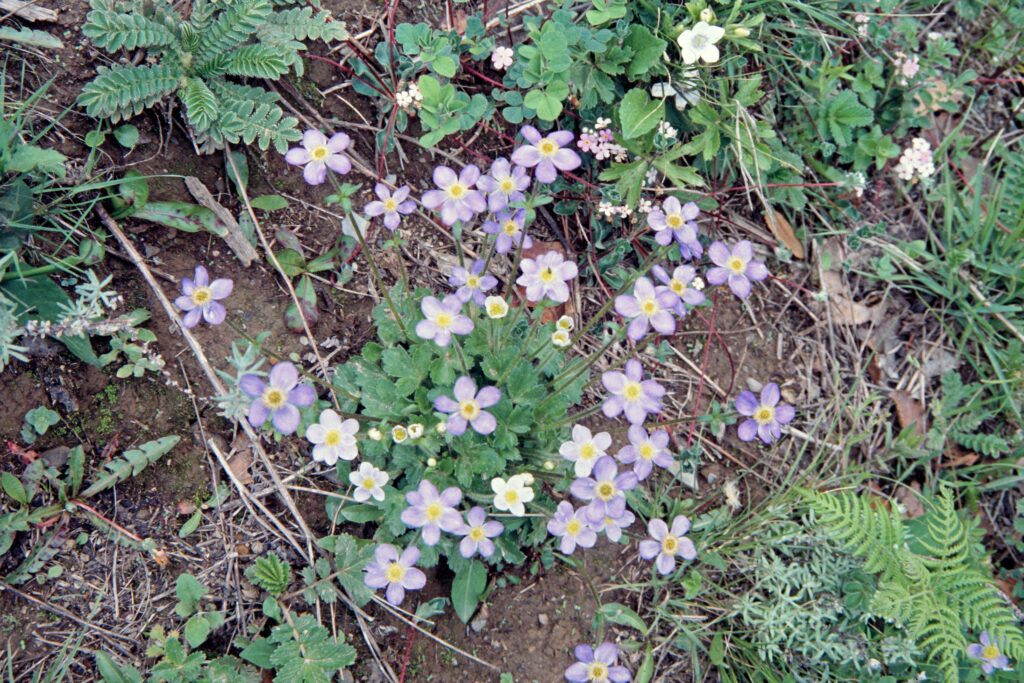
The species is a tufted perennial herb from a stout, often branched rootstock clothed with the fibrous remains of old leaf bases. The basal leaves are long-petiolate and palmately three-lobed, the lobes broad and obtusely toothed (hence obtusilobum), softly hairy and somewhat fleshy. The flowering scape bears an involucre of leaf-like bracts and one to several flowers; each flower lacks petals but has five to eight petaloid sepals that are white, cream, yellow or violet-blue, surrounding numerous yellow stamens and a cluster of free carpels. The fruit is a head of compressed, glabrous achenes each tipped with a short style.
The segregate genus Anemonastrum was resurrected on molecular grounds from the broadly circumscribed Anemone, grouping the herbaceous, palmately lobed-leaved species with basal involucres; A. obtusilobum is a polymorphic species varying greatly in flower colour and stature across its range, prompting recognition of several varieties. Its insect-pollinated flowers and dry achenes, dispersed by wind and animals, suit the open alpine environment. The species is common and of least conservation concern, though it remains a useful indicator of intact Himalayan alpine meadow communities.
Author: (D.Don) Mosyakin · Sources: POWO (Kew), GBIF, Flora of China, Flora of Bhutan, Annotated Checklist of the Flowering Plants of Nepal