Buch.-Ham. ex D. Don
Description
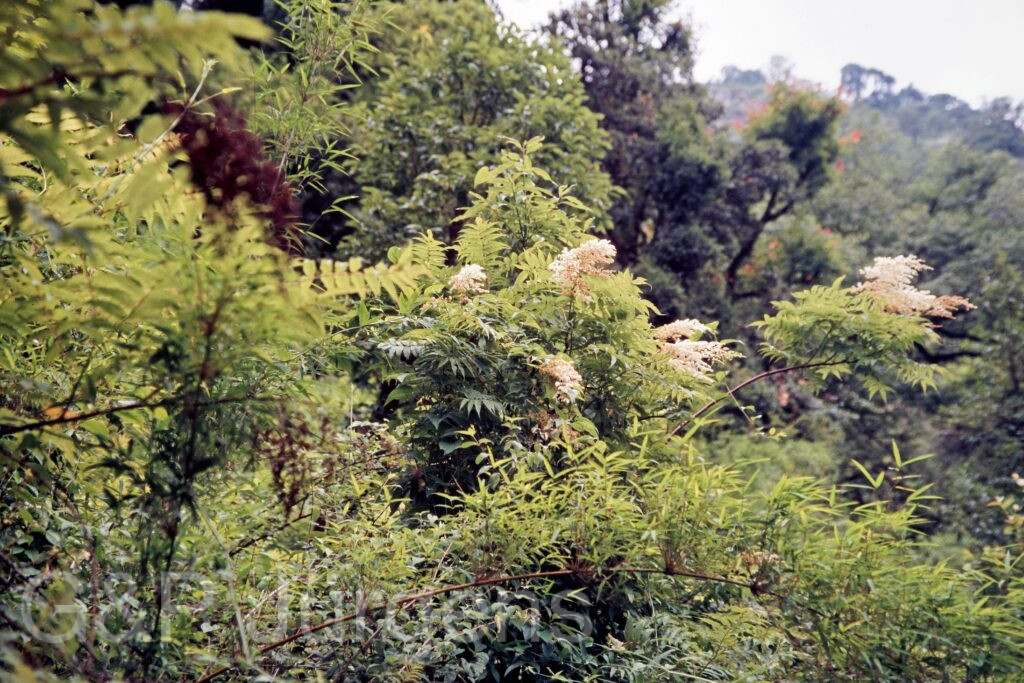
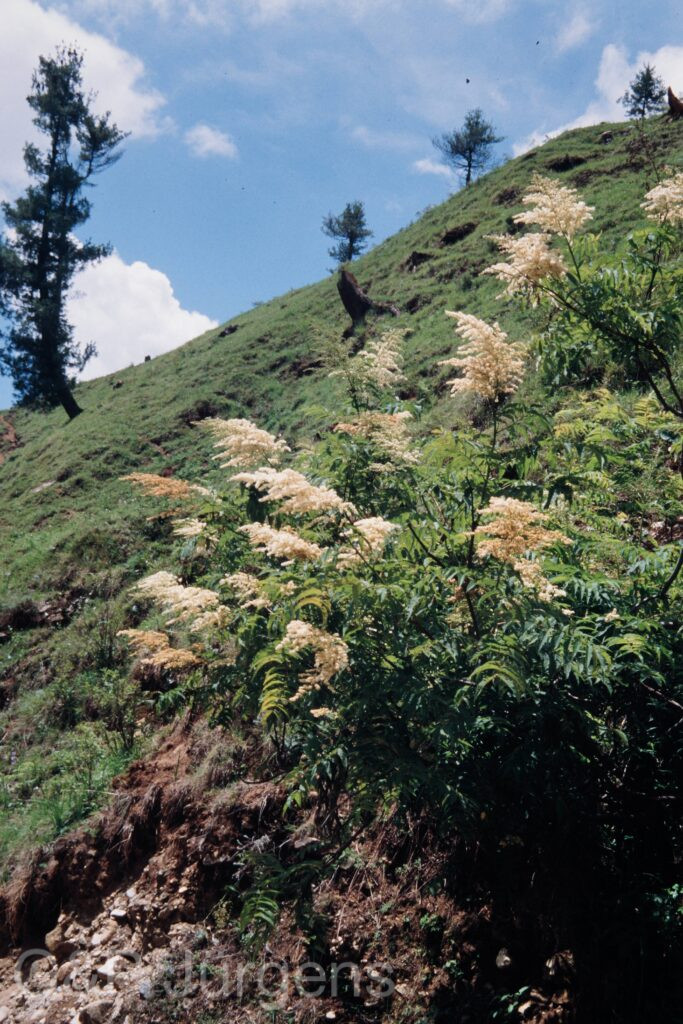
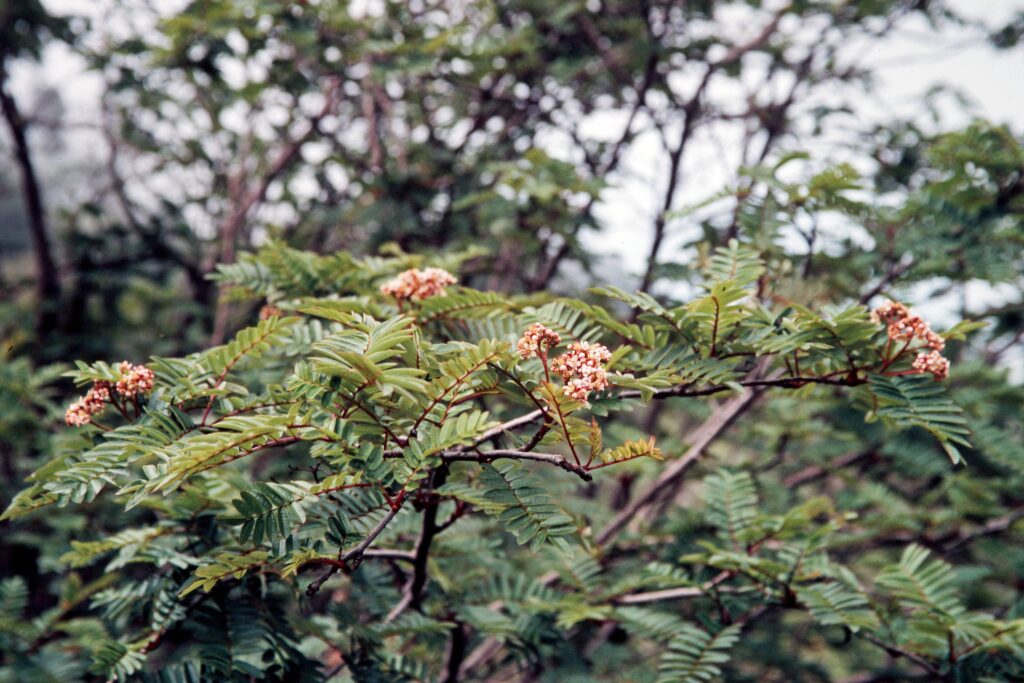
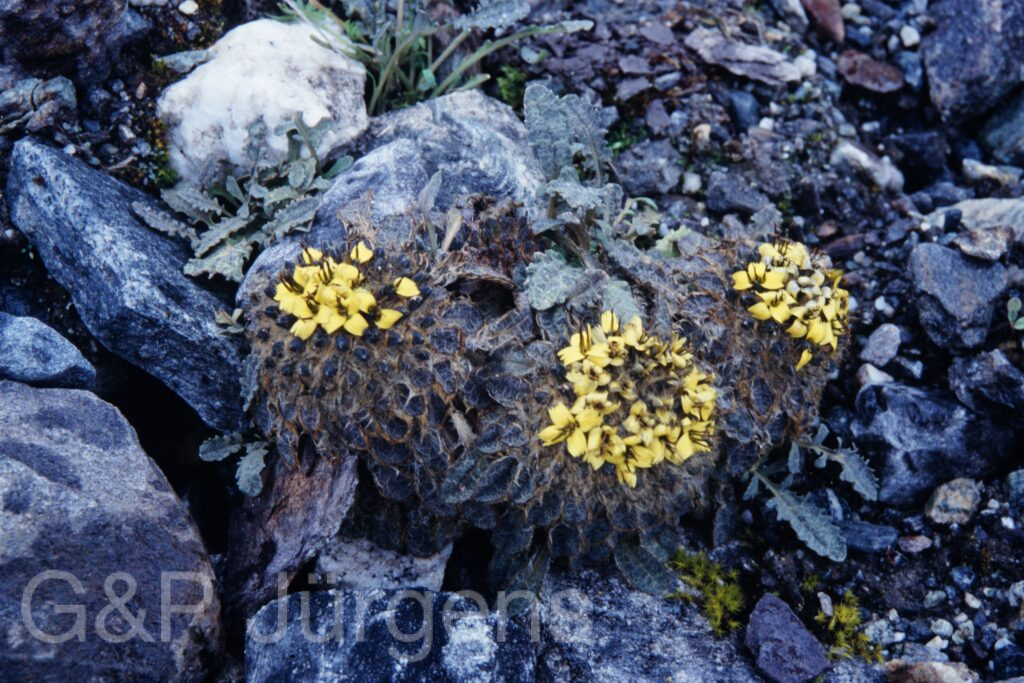
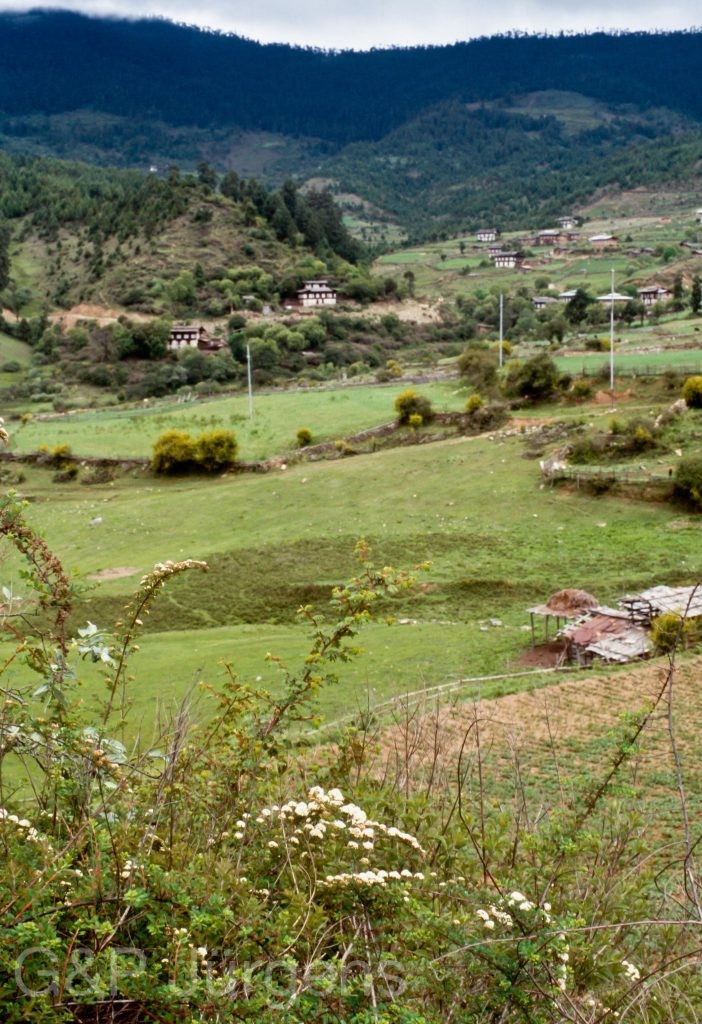
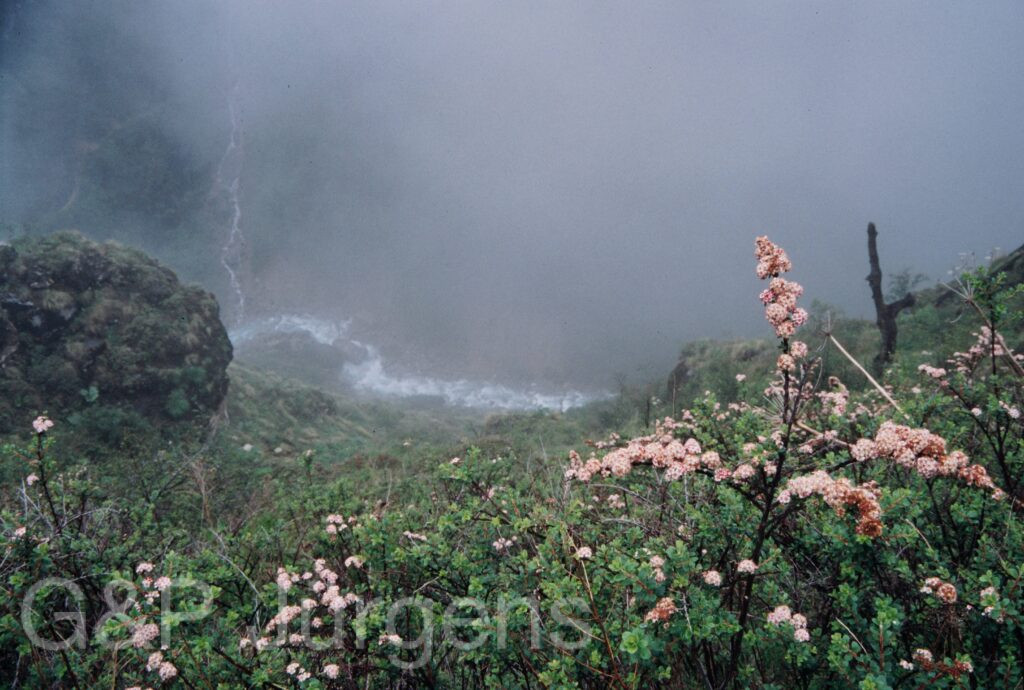
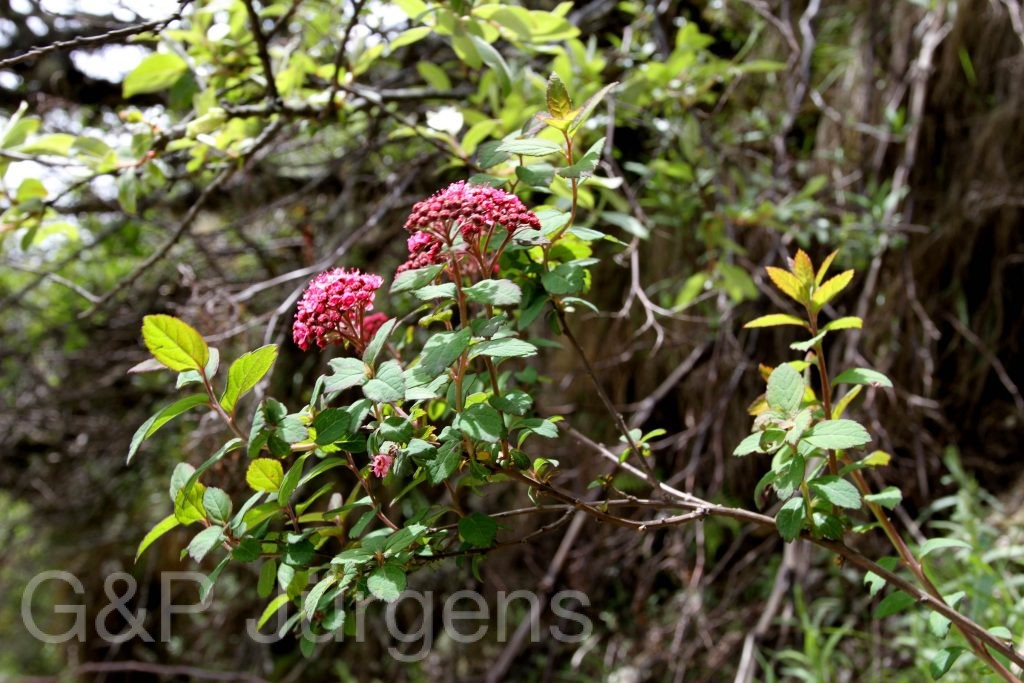
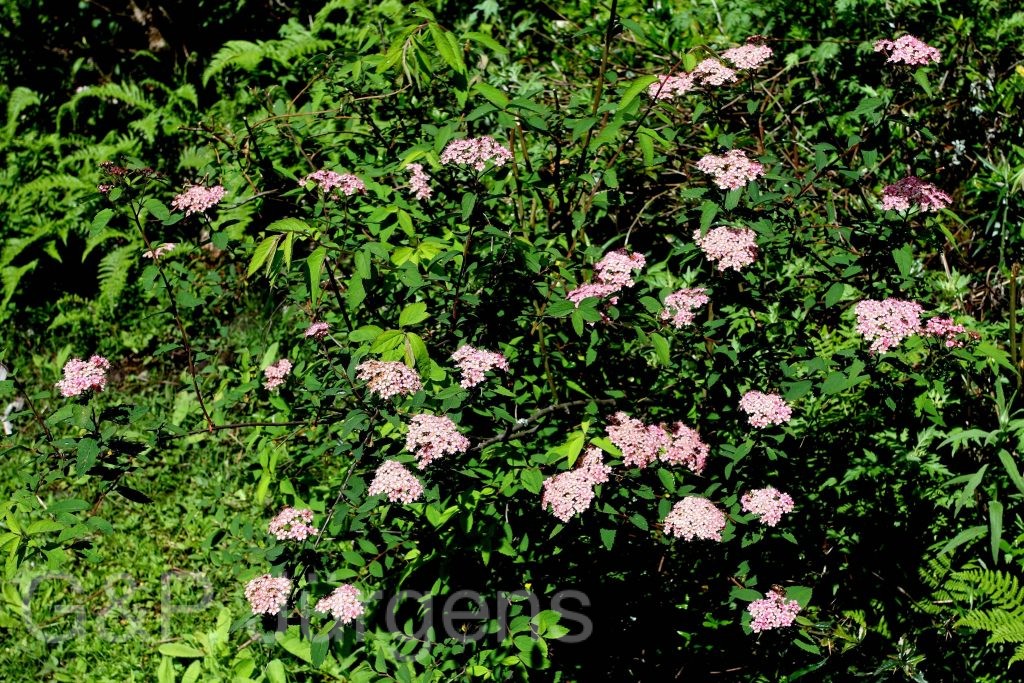
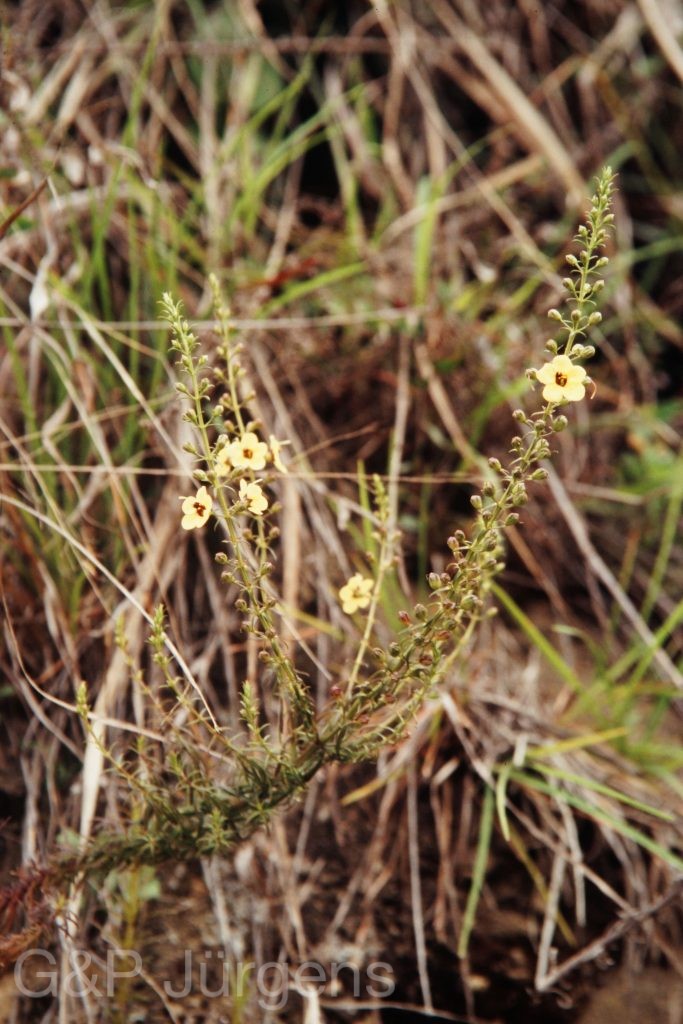
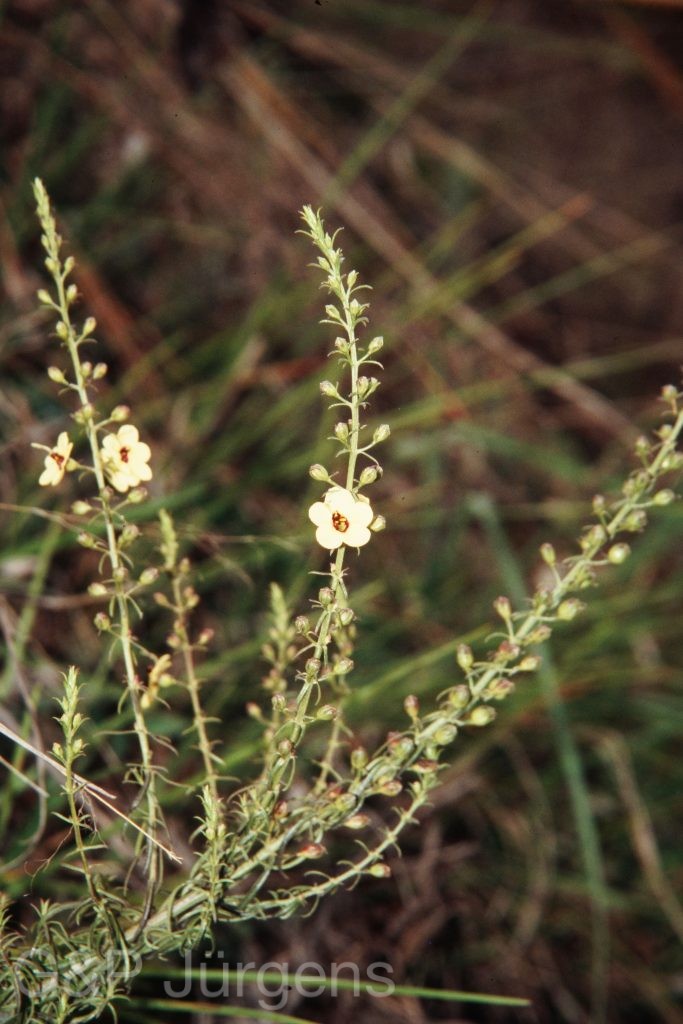
Sopubia trifida Buch.-Ham. ex D.Don is a slender hemiparasitic herb of broad palaeotropical distribution, recorded across South and Southeast Asia and tropical Africa, including China, India, Nepal, Bhutan, Myanmar, Thailand, Indonesia, the Philippines, Sri Lanka, Madagascar, Papua New Guinea and several African nations; GBIF lists around 840 occurrences. It favours open grassy slopes, savanna, terraced field margins, scrub and disturbed sunny ground, mostly from the lowlands up to about 2700 m. The photographed plants were collected near Wangdi in Bhutan at 2400 and 2600 m in June, in the open warm-temperate grassland where this erect parasite grows attached to the roots of grasses.
The plant is an erect annual or perennial herb with stiff, wiry, often branched and minutely scabrous stems. The leaves are opposite below and alternate above, narrowly linear, sessile and frequently divided into a few filiform segments, the epithet trifida referring to this three-parted condition. The flowers are borne in lax terminal spike-like racemes; the corolla is rotate, typically pink to rose-purple, with a short tube and five subequal spreading lobes, while the calyx is campanulate and ribbed. The fruit is a small ovoid, loculicidal capsule containing numerous minute, angular seeds.
Now placed in the broadly recircumscribed Orobanchaceae following the transfer of hemiparasitic genera from the former Scrophulariaceae, Sopubia is a facultative root parasite drawing water and nutrients from neighbouring grasses through haustoria while retaining photosynthetic capacity. Its wide tropical range and tolerance of disturbed grassland account for its abundance. The species is common and not of conservation concern, and is sometimes regarded as a weedy associate of pastures and fallow land.
Author: Buch.-Ham. ex D. Don · Sources: POWO (Kew), GBIF, Flora of China, Flora of Bhutan, Flora of Ceylon, Fischer revision of Sopubia and allied Orobanchaceae