Author

GP Jürgens

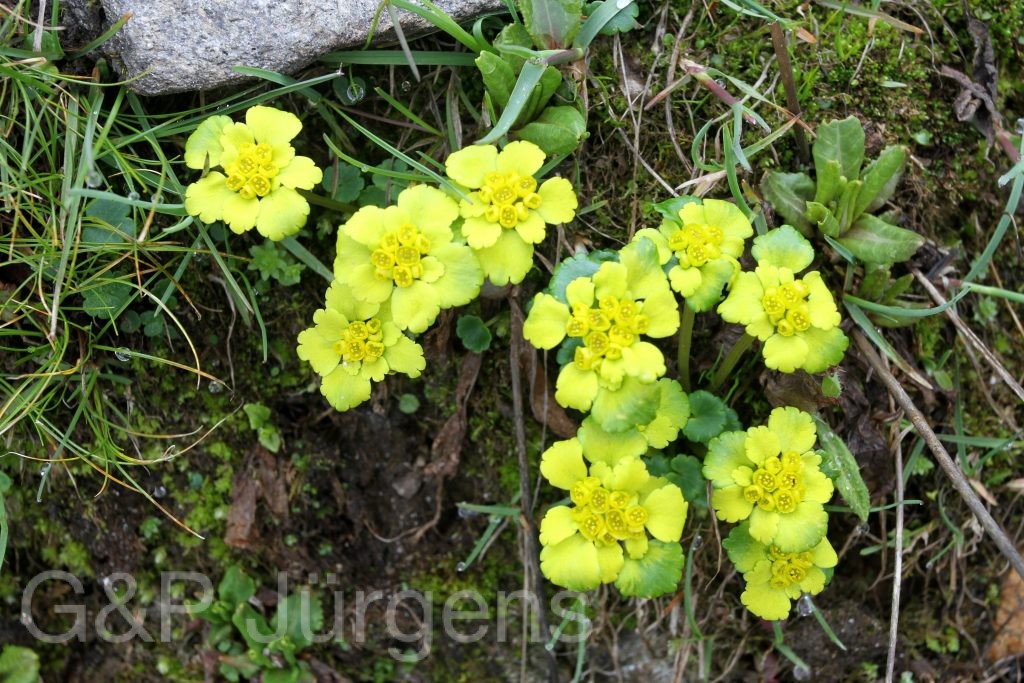
(W.W.Sm.) Smedmark

Sikkim2011 285
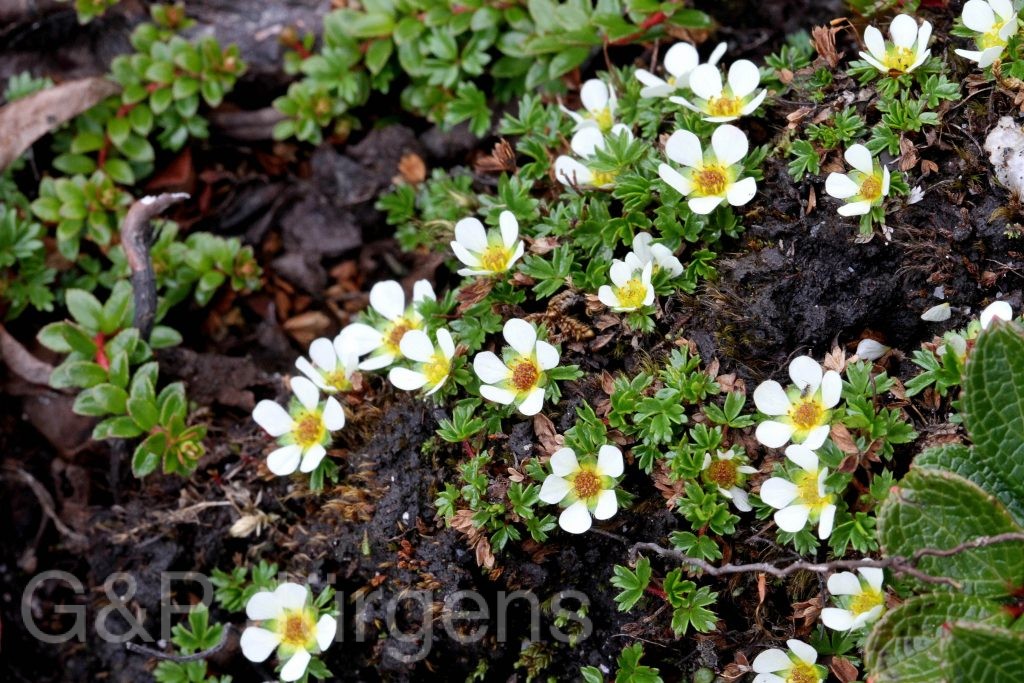
Sikkim Lada-La 3800m, June
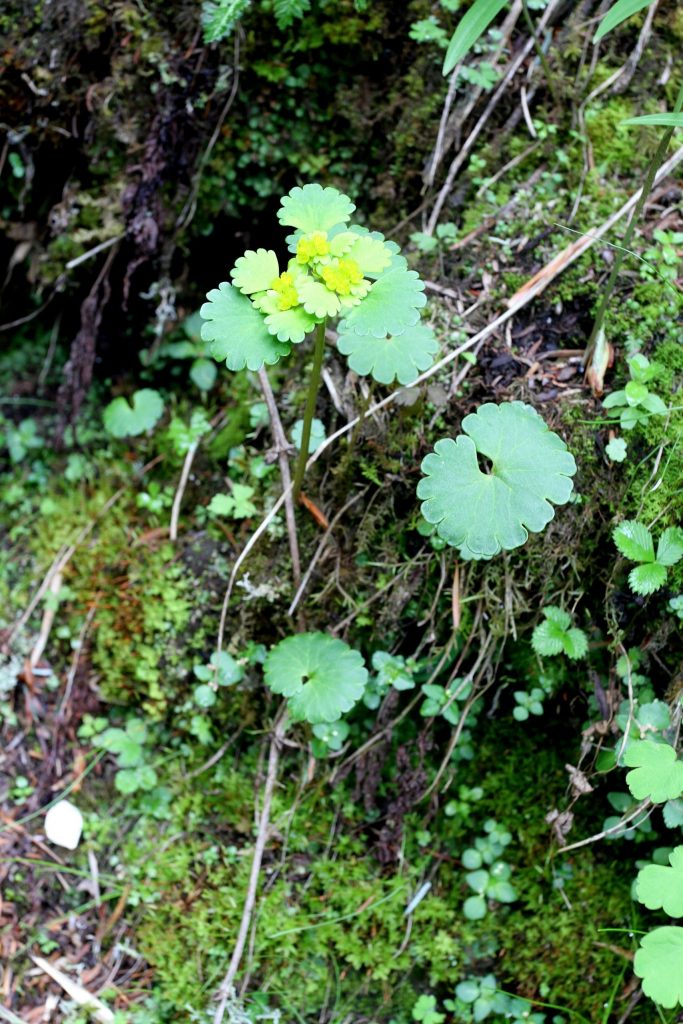
Sikkim2011 286
Sikkim Lada-La 3800m, June
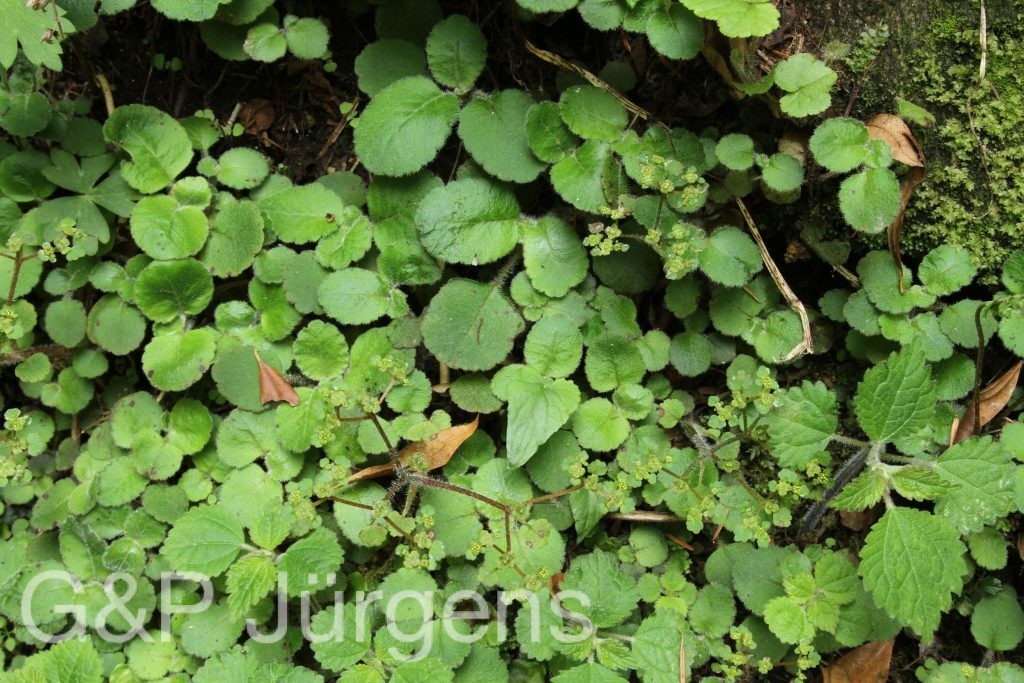
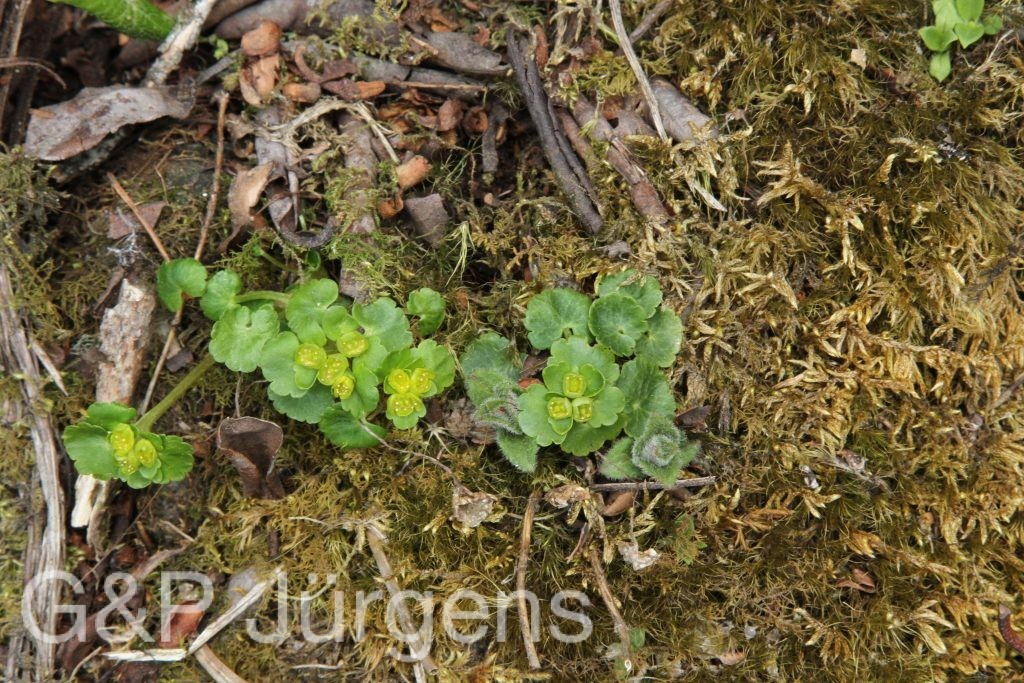
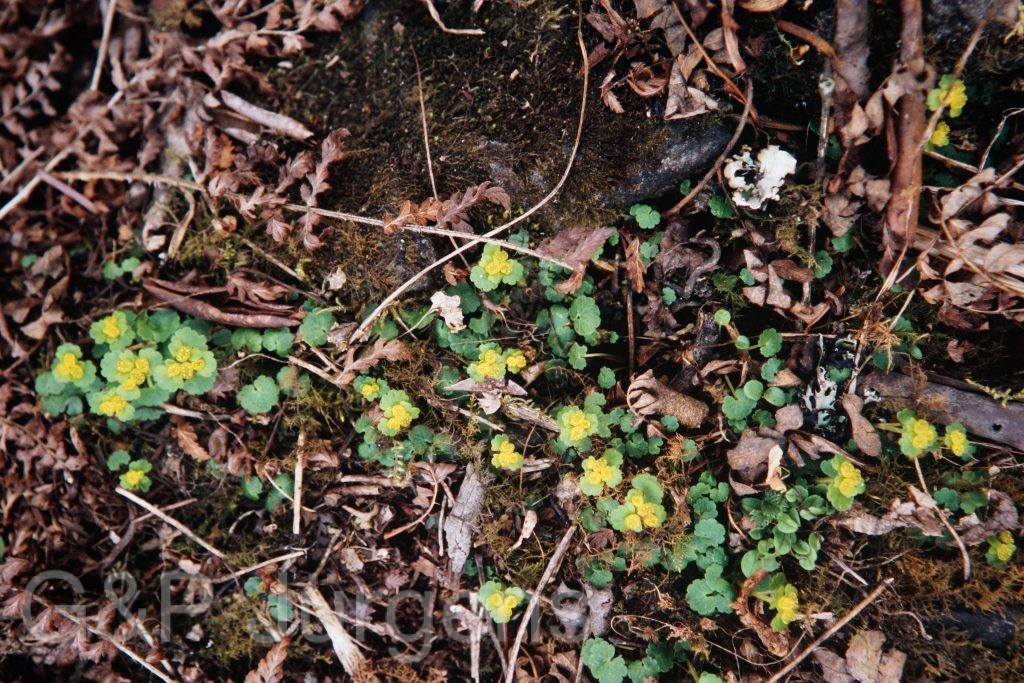
Nepal 2001 285 ergebnis ergebnis
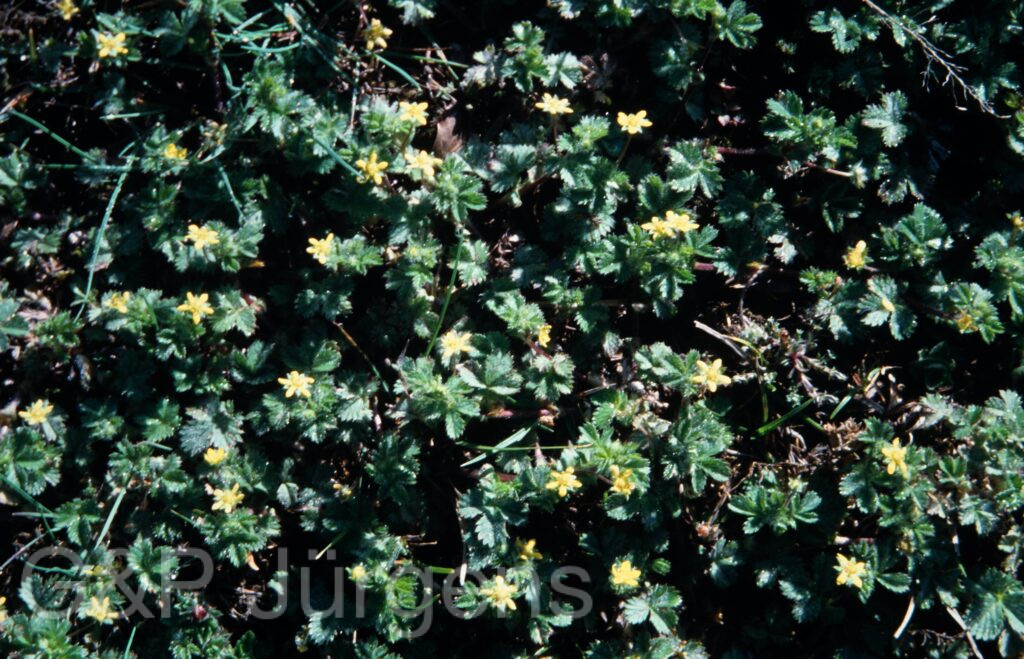
Nepal (Gorkha) Lambra Kharka 3100m, May

Description

Chamaecallis perpusilloides is a diminutive alpine cushion herb of the eastern Himalaya and adjacent China, recorded from China, Nepal, Myanmar and Bhutan; its roughly 64 georeferenced collections trace a narrow Sino-Himalayan distribution. The species occupies the upper subalpine and alpine belt, where it grows in short turf, among rocks and on humus-rich, well-drained alpine slopes. The gatherings noted in the caption, from Lada-La in Sikkim at 3800 m in June and from Lambra Kharka in Gorkha, Nepal at 3100 m in May, are representative, the plant flowering early in the season at roughly 3000-4500 m on cool, moist, often grazed pasture.

It is a low, tufted to mat-forming perennial growing from a slender branched rootstock that gives rise to dense rosettes of small leaves. The leaves are crowded, trifoliolate with cuneate, few-toothed leaflets, and somewhat hairy, forming compact rosettes pressed close to the ground. The small flowers are solitary or few in number on short pedicels and barely overtop the foliage; they have five sepals alternating with an epicalyx, five small petals and few stamens, the receptacle bearing a small cluster of carpels that mature into dry achenes.

This taxon, based on the basionym described by W. W. Smith and transferred by Smedmark to the segregate genus Chamaecallis, exemplifies the recent dismemberment of the broadly defined Sibbaldia on molecular and morphological evidence; the original web placement under the Sibbaldia name reflects that history. The dwarf cushion habit and early flowering are adaptations to a short, cold growing season at high elevation. Pollination is by generalist alpine insects. No formal Red List assessment exists, but its restricted high-montane niche makes it potentially sensitive to alpine warming and grazing pressure.

Author: (W.W.Sm.) Smedmark · Sources: POWO (Kew), GBIF, Flora of China, Annotated Checklist of the Flowering Plants of Nepal, Sibbaldia phylogeny (Smedmark) monograph
Rolfe

Bh2008 488 G757 1
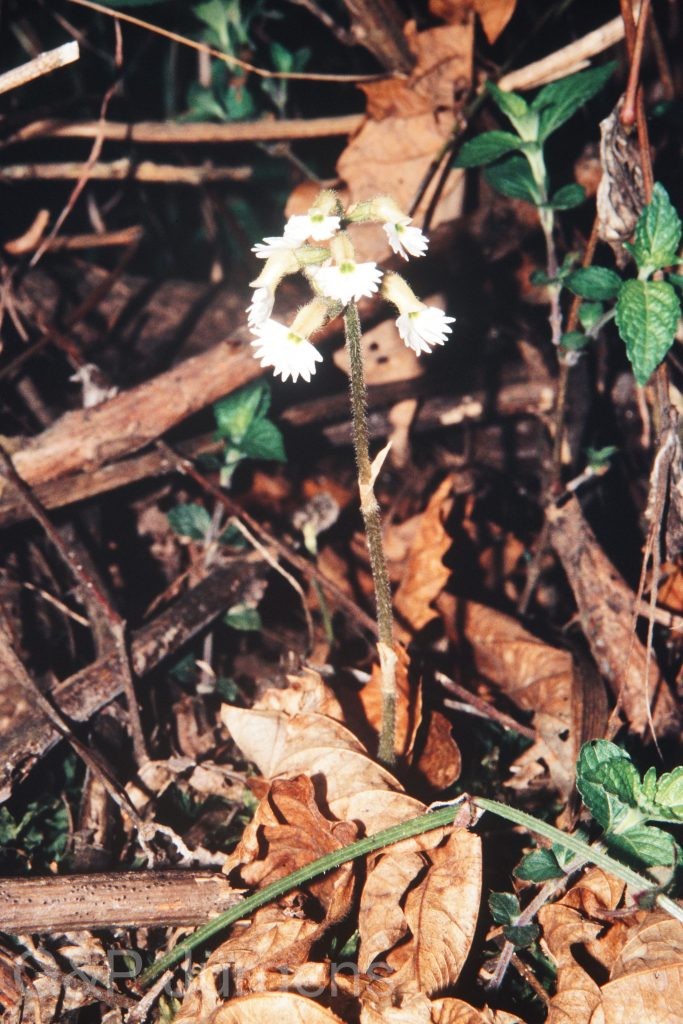
Bhutan Puna Tsang-Chu 1600m, May
Nepal1992 75 P108 ergebnis
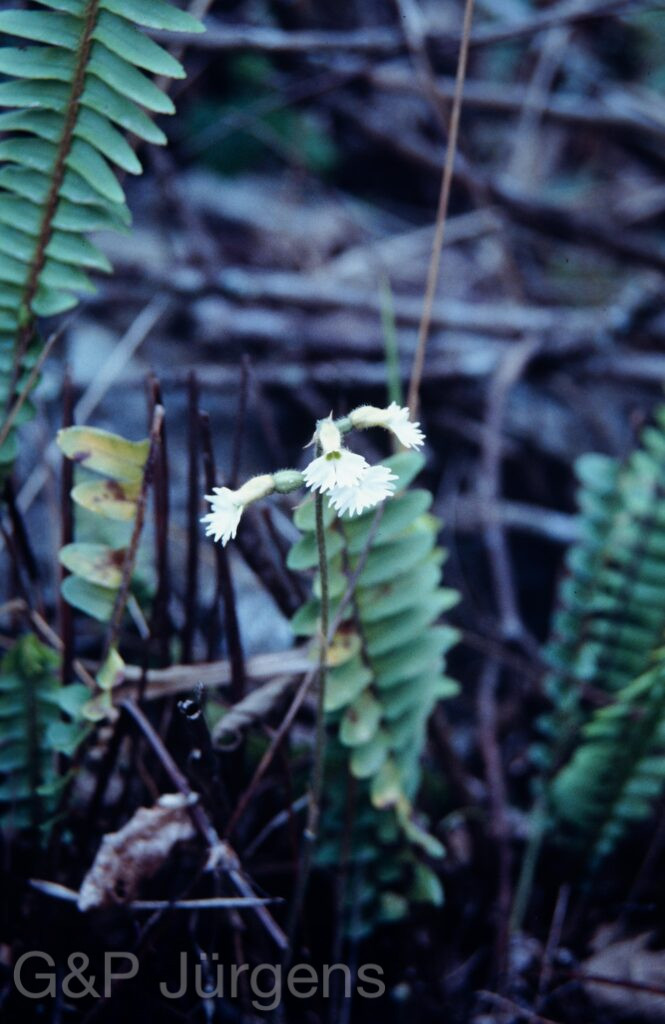
Nepal Chirwa 1260m March 

Description

Cheirostylis yunnanensis is a small terrestrial jewel orchid of the eastern Himalaya and adjacent Southeast Asia, recorded by GBIF (129 occurrences) from China, Vietnam, Hong Kong, India, Bhutan, Myanmar and Thailand. It inhabits shaded, humus-rich forest floors, mossy banks and rocky slopes in warm-temperate to subtropical broad-leaved and evergreen forest, broadly between 1000 and 2000 m. The documented plants from the Puna Tsang-Chu valley in Bhutan at 1600 m (May) and from Chirwa in eastern Nepal at 1260 m (March) bracket its lower-montane range and reveal a spring flowering period coinciding with the pre-monsoon flush of forest growth.

The species is a diminutive, creeping herb arising from a fleshy, jointed, often reddish rhizome that runs along the substrate surface, rooting at the nodes. The few small leaves are ovate, clustered toward the stem base, sometimes withering by flowering, with a velvety green to bronzed lamina. The inflorescence is a short, few-flowered terminal raceme on a glandular-pubescent peduncle. The small white flowers have connate sepals forming a tube; the diagnostic lip (labellum) bears a saccate base enclosing two glandular calli and an apex that is broadened and divided into two fan-shaped, fringed or toothed lobes, the generic name referring to this hand-like column structure. The fruit is a small ribbed capsule.

Described by Rolfe, the species belongs to genus Cheirostylis (subfamily Orchidoideae, tribe Cranichideae, subtribe Goodyerinae), the rhizomatous jewel orchids prized for foliage and intricate floral architecture. Like all terrestrial orchids it relies on mycorrhizal fungi and on shaded, undisturbed forest floor microhabitats, making it sensitive to forest clearance. Its inconspicuous size means populations are easily overlooked; though not formally assessed, it is CITES-listed as an orchid and locally uncommon.

Author: Rolfe · Sources: POWO (Kew), GBIF, Flora of China, Flora of Bhutan, Genera Orchidacearum: Orchidoideae (Pridgeon et al.)

Alston

Bh09 349 P564
Bhutan Wangdi, 2600m June
Nepal 97 552 G1079
Nepal Sabha-Khola 550m May

Description

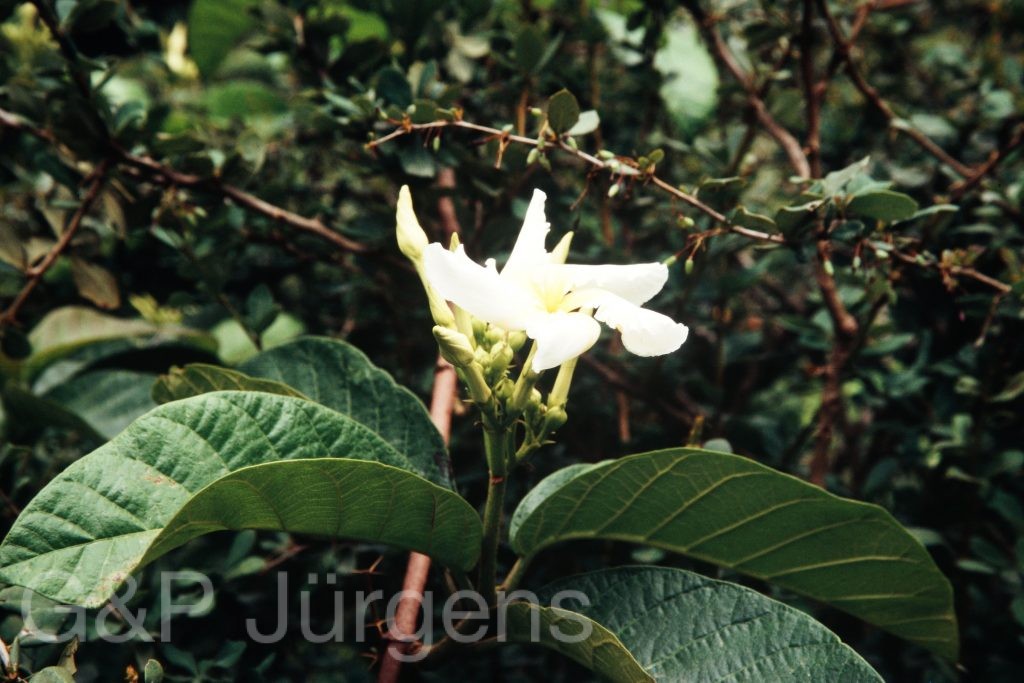
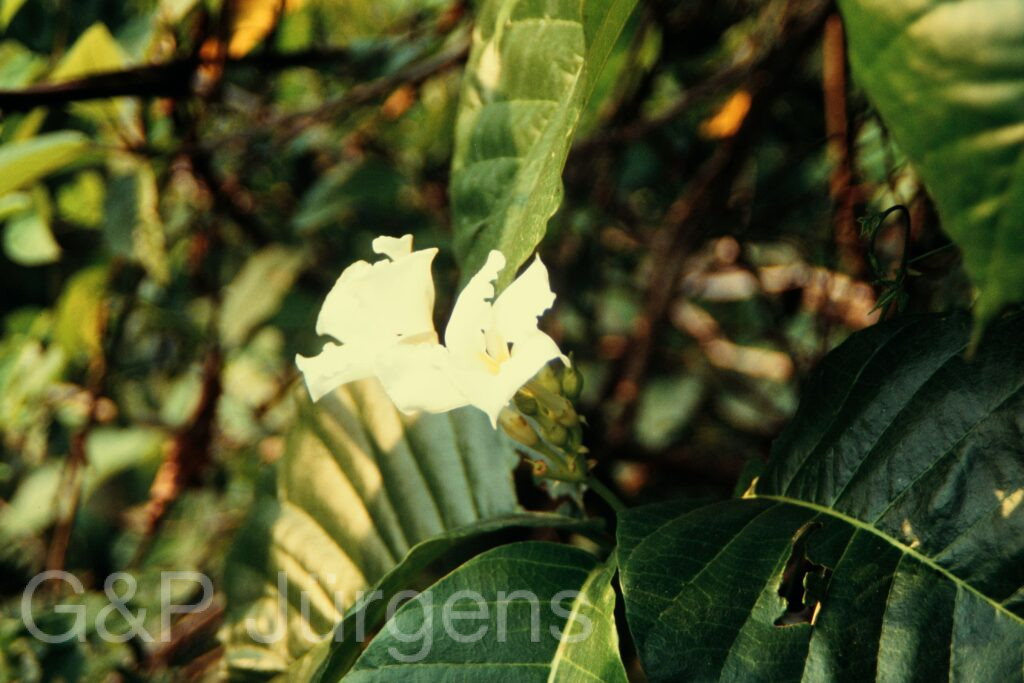
Chonemorpha fragrans Alston is a large woody climber of tropical and subtropical Asia, ranging from India, Nepal and Myanmar through southern China and Indochina to Thailand, Sri Lanka and western Malesia; GBIF documents about 769 occurrences across this Indo-Malesian span. It is a liana of moist forest, forest margins and riverine thickets, climbing into the canopy from low elevations into the lower hills. The photographed material spans this amplitude, from the Sabha-Khola in lowland Nepal at 550 m in May to Wangdi in Bhutan at 2,600 m in June, the latter an unusually high record for an essentially subtropical climber.

It is a robust, twining liana with stout woody stems exuding milky latex when cut, as is general in the family. The leaves are opposite, large, broadly ovate to obovate, often softly tomentose beneath, with an acuminate apex and entire margin. The flowers are large and showy, borne in terminal cymes; the salverform corolla is white with a yellow throat, fragrant, and 5-8 cm across, with five broad, asymmetric, overlapping lobes. The fruit is a pair of long, slender, cylindrical follicles that split to release numerous flattened seeds, each bearing an apical tuft of silky hairs (coma) for wind dispersal.

Chonemorpha belongs to the Apocynaceae (subfam. Apocynoideae), the woody twining members of the dogbane family. C. fragrans is grown as an ornamental for its large fragrant blooms and yields a stem fibre and medicinally used alkaloids. Widespread across forested Indo-Malesia and tolerant of forest-edge and disturbed habitats, it is not of conservation concern; its comose seeds and liana habit support effective dispersal and rapid colonisation of canopy gaps.

Author: Alston · Sources: POWO (Kew), GBIF, Flora of China, Flora of Nepal, Flora of Bhutan, Apocynaceae treatment in Flora Malesiana, Middleton studies of Asian Apocynaceae

(L.) R.M.King & H.Rob.

Bhutan2015 309
Bhutan Trongsa 1900m, October

Description

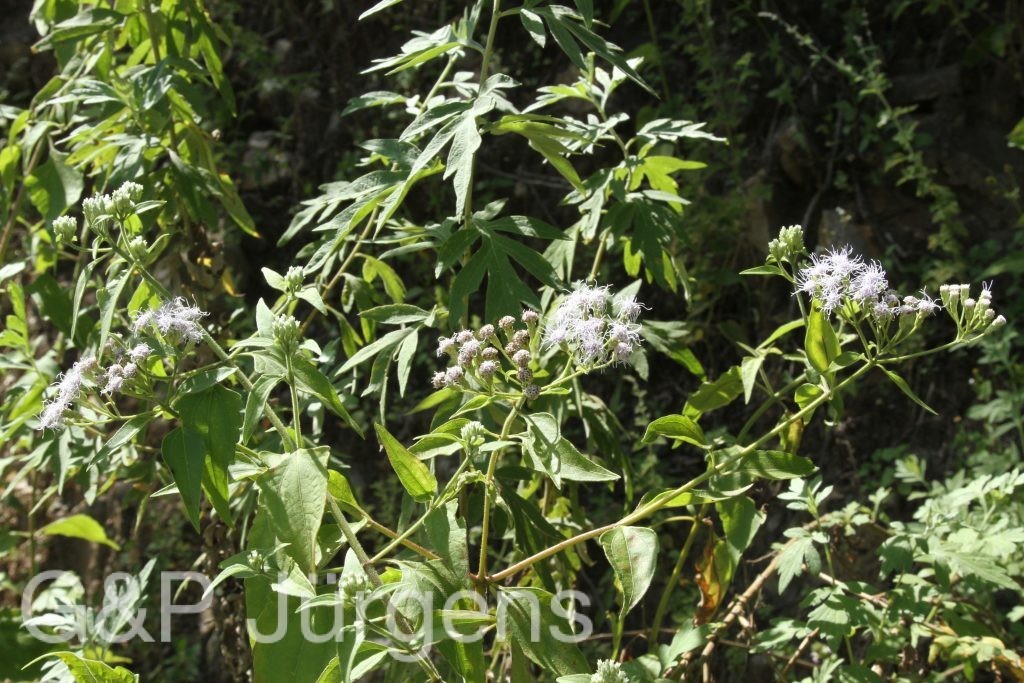
Chromolaena odorata, Siam weed, is native to the Neotropics (Mexico, Central America, the Caribbean and tropical South America) but is now one of the world's most aggressive invasive weeds, reflected in its enormous GBIF dataset of 63,557 occurrences spanning the Americas, sub-Saharan Africa, South and Southeast Asia, Australia and the Pacific. It colonises disturbed ground, forest margins, abandoned fields, roadsides and plantations in the seasonal tropics and lower subtropics. The photograph was taken at Trongsa in central Bhutan at 1900 m in October, near the upper elevational limit of its spread into warm Himalayan valleys, where it forms dense post-monsoon thickets.

It is a scrambling, much-branched perennial shrub or subshrub reaching 1.5-3 m, with brittle, pubescent stems and opposite, triangular to ovate-deltoid leaves that are three-veined from the base, coarsely toothed, and aromatic when crushed. The numerous small, cylindrical capitula are grouped in flat-topped corymbose clusters and contain only tubular (disc) florets, lacking rays; the pale lilac to whitish corollas have exserted styles giving a fluffy appearance. The cypselae are slender, blackish and angled, each crowned by a pappus of barbellate bristles enabling abundant wind dispersal.

Described as Eupatorium odoratum by Linnaeus, it was transferred to Chromolaena by R.M. King & H. Robinson during the dismemberment of the broad genus Eupatorium. Allelopathic, fire-promoting and prolific, it suppresses native vegetation and pasture and is the subject of biological-control programmes worldwide. Its appearance in Bhutan signals the ongoing upslope advance of a serious tropical invasive of major economic and ecological concern.

Author: (L.) R.M.King & H.Rob. · Sources: POWO (Kew), GBIF, Flora of Bhutan, Flora of China, CABI Invasive Species Compendium, Eupatorieae of the World (King & Robinson)

Hook.f. & Thomson

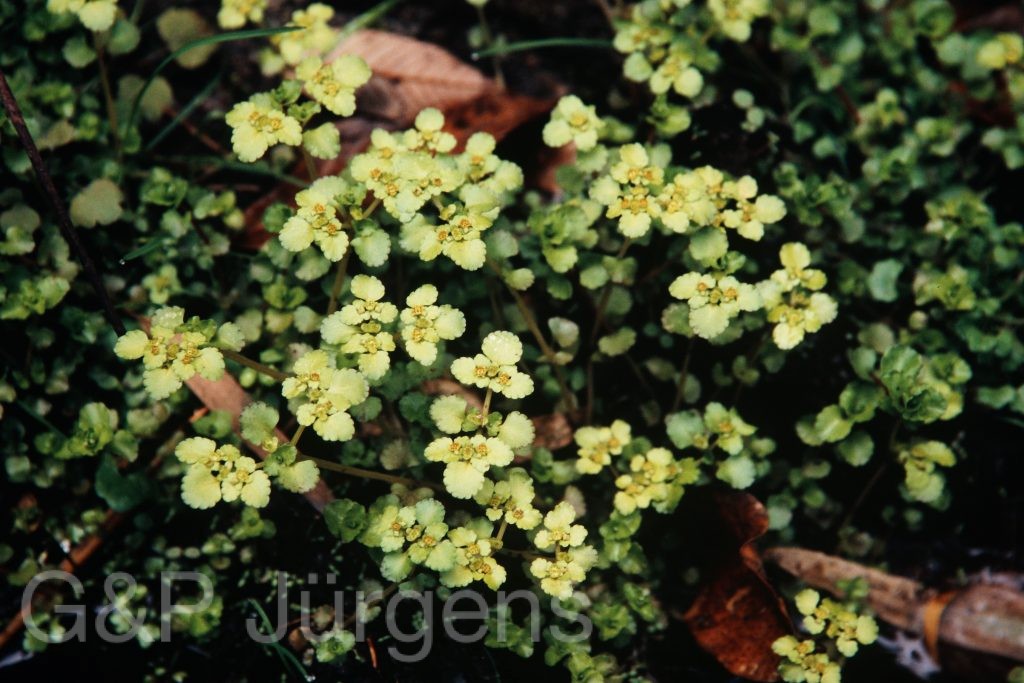
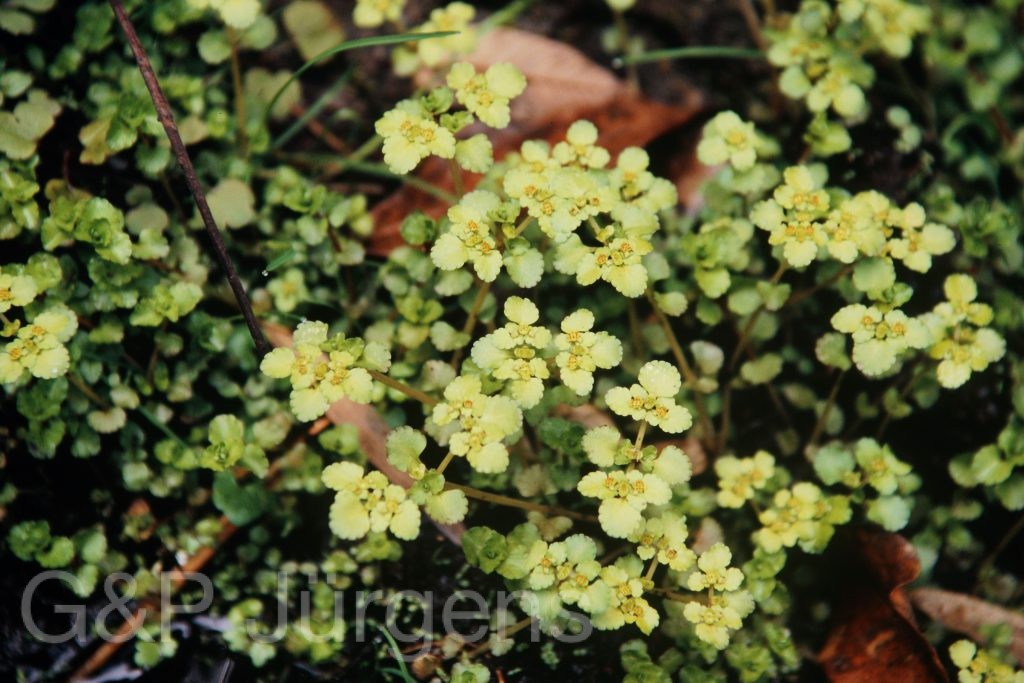
BhutanPG2011 277
Bhutan Jule-La 4610m, June

Description

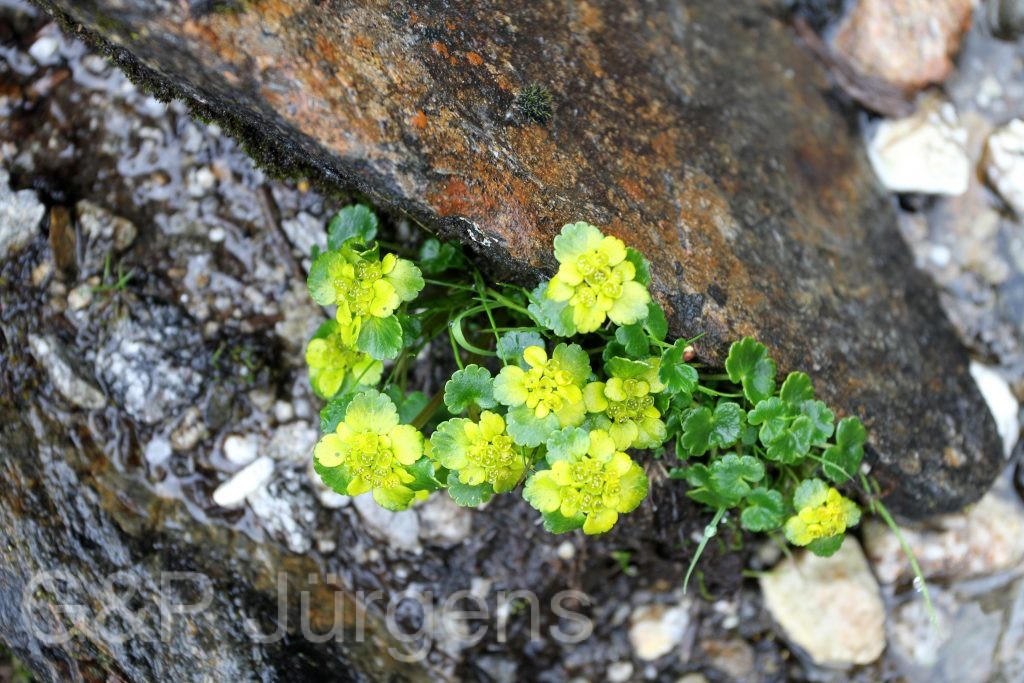
A small perennial golden-saxifrage of the high Himalaya and the eastern Tibetan region, recorded from China, Bhutan, India and Nepal, with about 485 GBIF occurrences. It is a plant of cold, wet ground, frequenting seepages, stream margins, dripping rock ledges, snowmelt flushes and moist alpine meadows, generally between about 3300 and 4800 m. The figured plant was photographed in June on the Jule-La in Bhutan at roughly 4610 m, an exceptionally high, water-saturated alpine habitat that suits its preference for permanently moist, cool substrates.

The species is a low, somewhat fleshy herb spreading by short stolons and slender rhizomes to form loose patches. The leaves are mostly alternate, with rounded to flabellate, crenate blades on slender petioles. The inflorescence is a flattened, leafy-bracted cyme in which the conspicuous element is not the petals, which are absent, but the four spreading, yellow to greenish-yellow sepals surrounding a flat floral disc. Each flower has eight stamens inserted around the disc and a semi-inferior ovary of two carpels with divergent styles. The fruit is a two-beaked, widely gaping capsule that opens to expose numerous tiny seeds, which are splashed out by raindrops, a dispersal mode well suited to its wet habitats.

Accepted by POWO and GBIF, C. griffithii belongs to a genus of typically apetalous, water-loving herbs in which species are separated by leaf arrangement, stolon habit and seed surface. Ecologically it is a specialist of alpine springs and flushes, often growing among mosses, and is an indicator of cold, base-rich seepage. Restricted to such microhabitats but widespread across the high Himalaya, it is locally frequent and not regarded as threatened, though dependent on stable hydrology in a warming alpine environment.

Author: Hook.f. & Thomson · Sources: POWO (Kew), GBIF, Flora of China, Flora of Bhutan, Hara revision of Himalayan Saxifragaceae

Hook.f. & Thomson

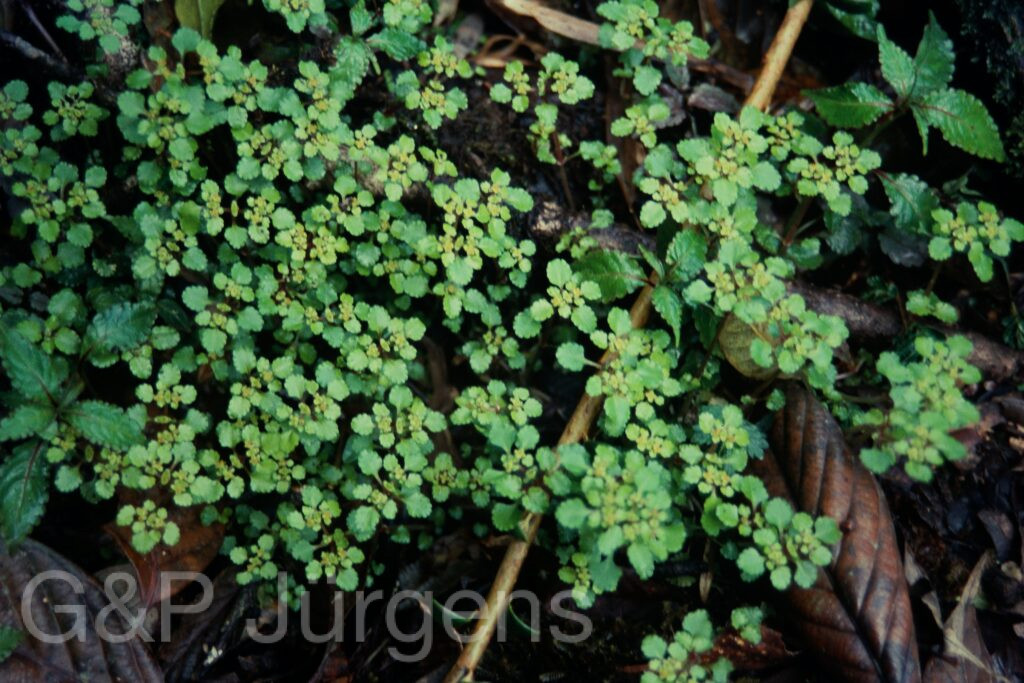
Bhutan2014 828
Bhutan Punaka 1310, May

Description

Chrysosplenium lanuginosum Hook.f. & Thomson is a small golden-saxifrage of the Sino-Himalayan region, recorded from China, Taiwan, Bhutan, India, Nepal and Japan, with around 430 occurrences in GBIF. It is a herb of moist, shaded habitats, growing on wet rocks, streambanks, seepage faces, mossy ledges and damp forest floors, broadly between about 1000 and 3000 m. The photographed plant was found at Punakha in Bhutan at about 1310 m in May, in the warm, humid lower-montane forest zone where this creeping herb forms patches on perpetually wet substrates beside watercourses.

The plant is a low, soft, stoloniferous perennial spreading by slender prostrate runners that root at the nodes, the whole plant clothed in a soft woolly indumentum (the epithet lanuginosum, woolly). The leaves are alternate or the lower opposite, orbicular to flabellate or broadly ovate with a crenate margin, somewhat fleshy and hairy. The inflorescence is a small terminal cyme subtended by leafy, often yellowish-green floral bracts that enhance the display. The flowers are minute and apetalous, the showy part being the four greenish-yellow sepals; the stamens are typically eight, and the ovary is half-inferior. The fruit is a small two-beaked capsule splitting to release numerous tiny seeds.

Within Saxifragaceae, Chrysosplenium is a distinctive genus of shade- and moisture-loving herbs distinguished by their petal-less flowers and conspicuous coloured bracts that attract small insect pollinators. Adapted to constantly humid, low-light microhabitats, the species is an indicator of clean seepage and streamside conditions. It is fairly widespread across the eastern Himalaya and not of conservation concern, though dependent on undisturbed riparian forest.

Author: Hook.f. & Thomson · Sources: POWO (Kew), GBIF, Flora of China, Flora of Bhutan, Annotated Checklist of the Flowering Plants of Nepal, Hara revision of Asiatic Chrysosplenium

D.Don

Bh2008 378 P588
Bhutan Thimphu-Chu, 2800m April
Bh2008 10 P16
Bhutan Thimphu-Chu, 2800m April
Sikkim2004 54 P97
Sikkim West-Bengal, Bersay 2810m April

Description

Chrysosplenium nepalense is a small herbaceous perennial of the eastern Himalaya and adjacent mountains, recorded by GBIF (339 occurrences) from Nepal, India, Bhutan, Myanmar and southwestern China. It is a plant of cool, perpetually moist habitats, colonising shaded stream banks, dripping rock faces, springs and damp humus-rich ground within temperate forest, generally between about 2500 and 3500 m. The collections illustrated from the Thimphu Chu in Bhutan at 2800 m and from Bersay in Sikkim, West Bengal, at 2810 m, both in April, are typical of its early-season flowering when snowmelt keeps the substrate saturated.

The plant is a low, mat-forming herb with slender, creeping and rooting stems that produce leafy stolons. The leaves are opposite, petiolate and reniform to broadly ovate, with a shallowly crenate margin and a cordate base. As in the genus, the flowers lack petals; the inflorescence is a flattened terminal cyme subtended by conspicuous yellowish-green leafy bracts that function as the principal visual attractant. Each small flower has four greenish-yellow sepals, four or eight stamens inserted around a flattened disc, and a half-inferior ovary. The fruit is a two-lobed, beaked capsule that splits widely to expose numerous minute seeds.

Chrysosplenium is a taxonomically intricate genus of moisture-loving saxifrages, and C. nepalense belongs to the opposite-leaved Himalayan assemblage that has been variously circumscribed. The petal-less flowers are pollinated by small flies and beetles drawn to the bract display, while the dispersal of seeds is aided by raindrop splash from the open capsules. The species is widespread within its moist montane niche and faces no recognised conservation threat, though its dependence on undisturbed seeps makes it locally sensitive to changes in hydrology and forest cover.

Author: D.Don · Sources: POWO (Kew), GBIF, Flora of China, Flora of Bhutan, Annotated Checklist of the Flowering Plants of Nepal, Monograph of Chrysosplenium (Hara)

Bunge

BhutanPG2011 422
Bhutan Warrthang, 4400m June
BhutanPG2011 212 scaled
Bhutan Warrthang, 4400m June

Description

Chrysosplenium nudicaule is a small alpine herb of the high mountains of central and eastern Asia, recorded from China, the Russian Far East and Siberia, Kazakhstan, Kyrgyzstan, Nepal, Bhutan, northern India and Japan, with 323 GBIF occurrences. It is a plant of moist, cold, rocky habitats: streambanks, wet gravels, seepages, scree and the margins of snow-melt rills in the alpine and subnival zones, generally between 3500 and 5300 m. The illustrated plant was photographed at Warrthang in Bhutan at 4400 m in June, when the species flowers shortly after snow-melt in the brief high-alpine growing season.

It is a low, tufted, fleshy perennial spreading by slender stolons or rhizomes and forming small mats. The largely basal leaves are reniform to flabellate with a few broad crenate teeth, somewhat succulent, on slender petioles, while the flowering stems are nearly leafless (hence nudicaule). The inflorescence is a compact terminal cyme subtended by conspicuous yellow-green floral bracts. The flowers are apetalous, the showy parts being four erect, suborbicular yellow-green sepals; there are eight stamens and a bicarpellate ovary with two diverging styles. The fruit is a two-lobed capsule splitting to release numerous minute, finely papillose seeds.

The golden saxifrages, Chrysosplenium, are a north-temperate and arctic-alpine genus distinguished by petal-less, sepal-coloured flowers; C. nudicaule belongs to a Sino-Himalayan group of stoloniferous high-elevation species. Its small bract-framed flowers attract flies and other small insects, and stolon growth permits clonal spread across unstable wet substrates. With a very wide circum-Asian distribution it is not considered threatened, although its dependence on reliable snow-melt moisture makes it a useful indicator of alpine hydrological change.

Author: Bunge · Sources: POWO (Kew), GBIF, Flora of China, Flora of Bhutan, Hara: The Flora of Eastern Himalaya

Hook.f. & Thomson

Bhutan2014 917
Bhutan Chele-La 4300m, May
Bh2008 583 P873
Bhutan Chele-La 3900m April

Description

Chrysosplenium tenellum is a diminutive, high-alpine member of its genus restricted to the central and eastern Himalaya, with a sparse GBIF record (32 occurrences) from India, Nepal, Bhutan and China that reflects both its narrow range and its inconspicuous habit. It grows in cold, wet places near the upper limit of vegetation: on dripping rocks, beside snowmelt rills, in mossy seepages and on shaded humus among boulders, generally between about 3500 and 4500 m. The collections illustrated from the Chele La in Bhutan, at 4300 m in May and 3900 m in April, document its very early flowering immediately following snowmelt at these elevations.

The plant is a delicate, slender perennial herb, the epithet tenellum aptly describing its tenuous form. It produces fine, creeping and rooting stems that form small loose patches, with thin filiform stolons. The leaves are small, alternate or the lower opposite, petiolate and reniform to orbicular with a few shallow crenations. As in all Chrysosplenium the flowers lack petals; the tiny terminal cyme is subtended by small yellowish-green leafy bracts that provide the floral display. Each flower has four greenish sepals, few stamens and a half-inferior ovary maturing into a small two-lobed, divaricately beaked capsule that opens to release minute seeds dispersed by splashing water.

Within the moisture-dependent genus Chrysosplenium, C. tenellum represents the alpine extreme, a slight plant of fragile, ephemerally wet microhabitats at the margins of permanent snow. Its small flowers are visited by the few high-altitude flies active early in the season. Owing to its restricted distribution, specialised hydrological niche and low number of documented occurrences, the species is potentially vulnerable to warming-driven shifts in snowmelt regimes, although it has not been formally assessed.

Author: Hook.f. & Thomson · Sources: POWO (Kew), GBIF, Flora of China, Flora of Bhutan, Annotated Checklist of the Flowering Plants of Nepal, Monograph of Chrysosplenium (Hara)

DC.

Bhutan2015 492
Bhutan Pele-La 2900m, October
Bhutan2015 399
Bhutan Jakar 3100m, October
Bhutan2015 398
Bhutan Jakar 3100m, October

Description

Cirsium argyracanthum is a Sino-Himalayan thistle distributed across China, India, Nepal, Afghanistan, Bhutan and Pakistan, with GBIF holding around 150 occurrences along this mountain belt. It is characteristic of open, sunny, frequently disturbed ground in the temperate and subalpine zones, growing on grassy slopes, pasture, fallow fields, trackside banks and forest clearings where grazing keeps the sward open. The cited records from the Pele-La pass at 2900 m and from Jakar in central Bhutan at 3100 m, both in October, illustrate its occurrence in upper temperate to subalpine settings, where it persists and fruits late into the autumn after the main summer flowering.

It is a stout biennial or perennial herb with an erect, longitudinally ribbed, spiny-winged stem. The leaves are oblong to lanceolate in outline, pinnatifid to pinnatisect with spinose-toothed lobes, the upper surface green and the lower paler and thinly tomentose, the margins armed with stiff spines. The capitula are discoid and ovoid, solitary or few at the branch tips, subtended by spiny upper leaves; the involucre bears numerous imbricate phyllaries tipped with conspicuous silvery, spreading spines that give the species its epithet. The florets are all tubular and bisexual, purple to pinkish. The cypselae are oblong and smooth, crowned by a pappus of long, plumose bristles aiding wind dispersal.

Within the large, taxonomically intricate genus Cirsium (tribe Cardueae), C. argyracanthum is distinguished by its silvery-spined involucre, and it has often been confused with related Himalayan thistles such as C. verutum, reflecting the difficulty of delimiting species in this group. Its spiny defences deter grazing, while the purple heads attract bees and butterflies. As a tolerant plant of disturbed montane habitats it is widespread and secure, of no conservation concern across its range.

Author: DC. · Sources: POWO (Kew), GBIF, Flora of Bhutan, Flora of China, Annotated Checklist of the Flowering Plants of Nepal, Petrak's revision of Asiatic Cirsium (Cardueae)