Author

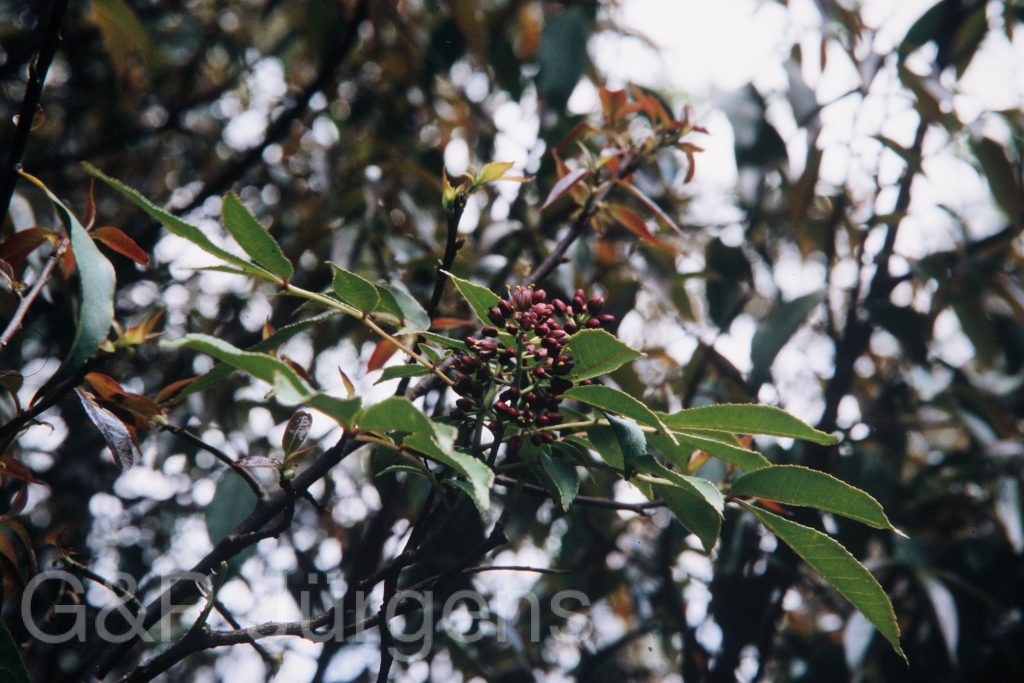
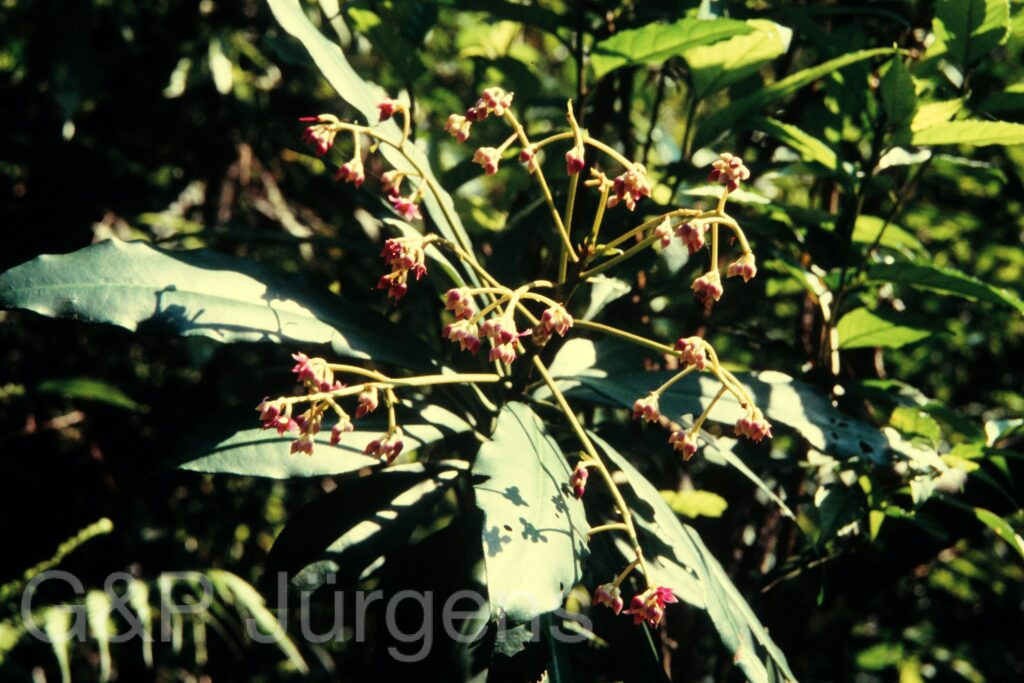
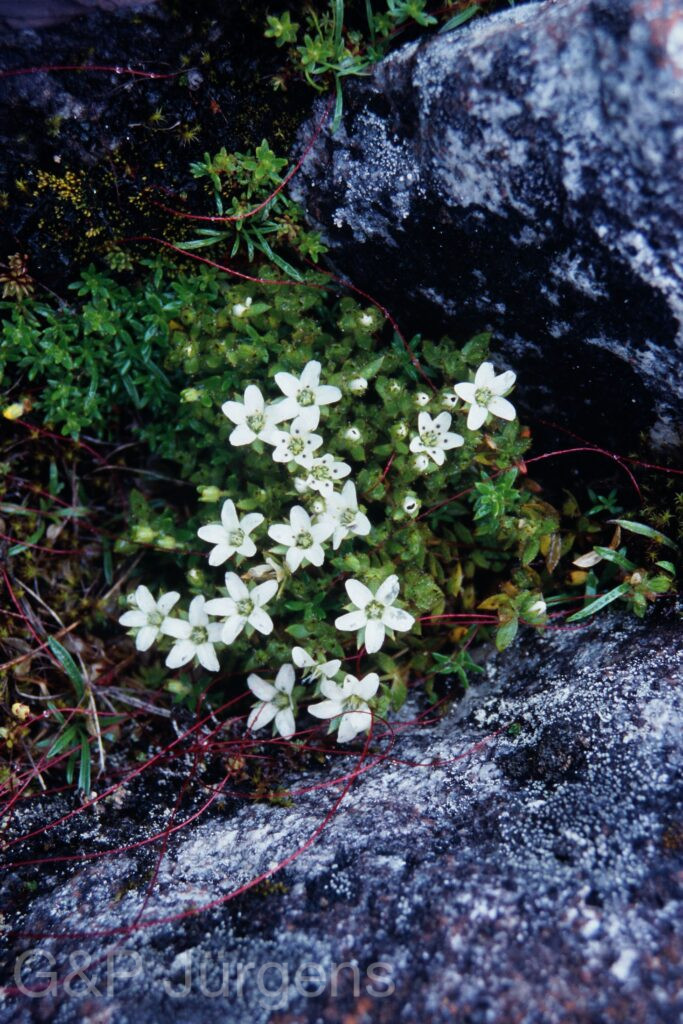
GP Jürgens


(C.Norman) M.Hiroe
Sikkim2003 398 P560
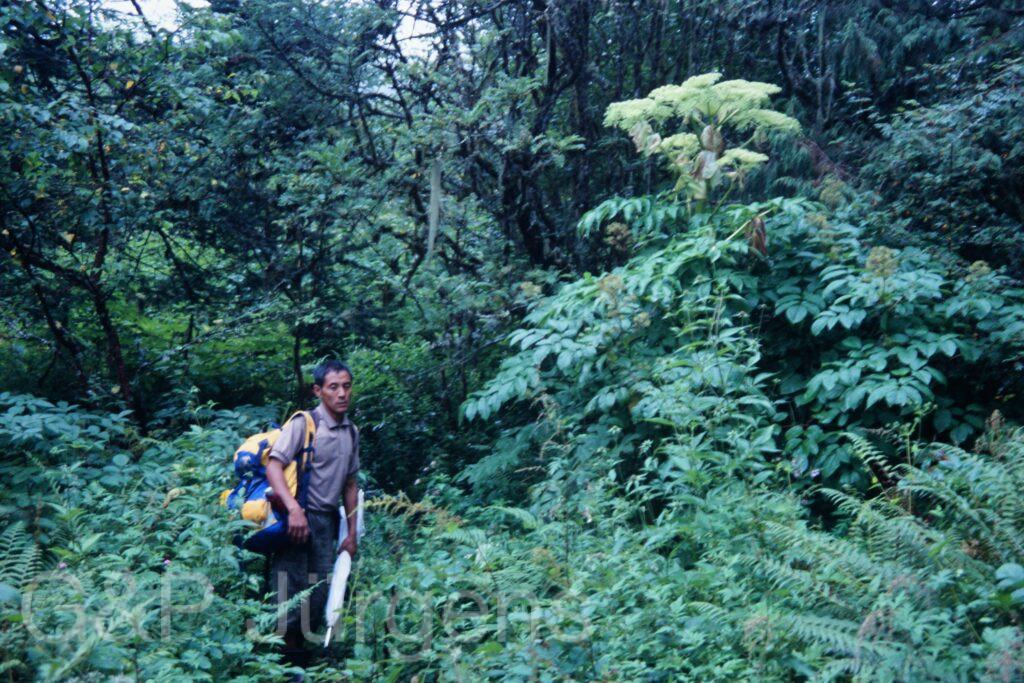
Sikkim Zemu Valley 3450m, August
Sikkim2003 399 P561
Sikkim Zemu Valley 3450m August

Description

Angelica cyclocarpa is a Himalayan umbellifer distributed along the central and eastern ranges from Pakistan and the Indian Himalaya through Nepal, Sikkim and Bhutan, GBIF documenting 29 occurrences across Nepal, Bhutan, India and Pakistan (NP, BT, IN, PK). It is a plant of moist subalpine and lower alpine habitats, occurring in tall-herb meadows, open forest margins, streamsides and damp grassy slopes generally between about 3000 and 4000 m. The photographed plants from the Zemu Valley in Sikkim at 3450 m in August capture its flowering during the late monsoon, when the lush, herb-rich vegetation of these moist eastern valleys reaches its peak development.

It is a robust, erect, biennial to perennial herb arising from a stout aromatic root, the hollow, ridged stems often purplish below. The large leaves are several-times pinnate or ternate-pinnate with sharply toothed ovate to lanceolate leaflets, the petiole bases expanded into conspicuous inflated sheaths clasping the stem. The white flowers are borne in large compound umbels with numerous rays; petals are obovate with an inflexed apex. The fruit is a dorsally compressed schizocarp with prominent winged lateral ribs and slender dorsal ribs, the rounded, broadly winged outline giving the species its epithet cyclocarpa.

A member of Angelica (Apiaceae, subfamily Apioideae), the species belongs to a complex of Sino-Himalayan tall umbellifers whose generic limits relative to Pleurospermum and allied genera have been repeatedly revised. The combination by M. Hiroe reflects this taxonomic mobility. Its flat-topped white umbels attract a broad spectrum of generalist insect pollinators, and the aromatic, resinous tissues typical of the genus are present. Restricted to remote high-elevation meadows, it is not regarded as threatened.

Sources: POWO (Kew), GBIF, Flora of China Vol. 14, Flora of Bhutan Vol. 2, Flora of Nepal, Umbelliferae of British India (C.B. Clarke)
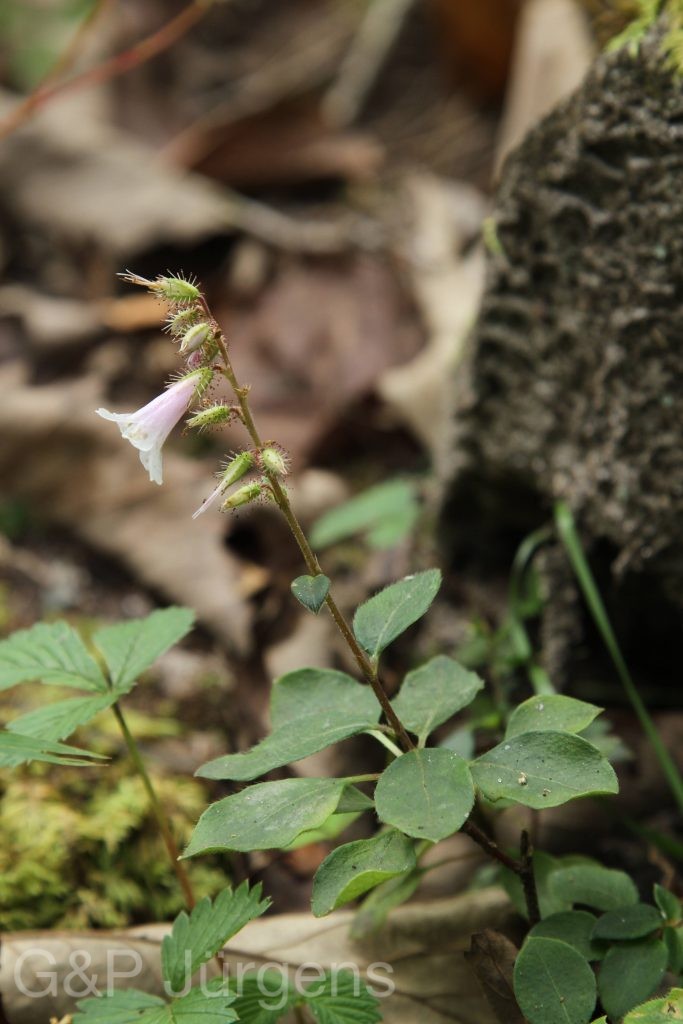
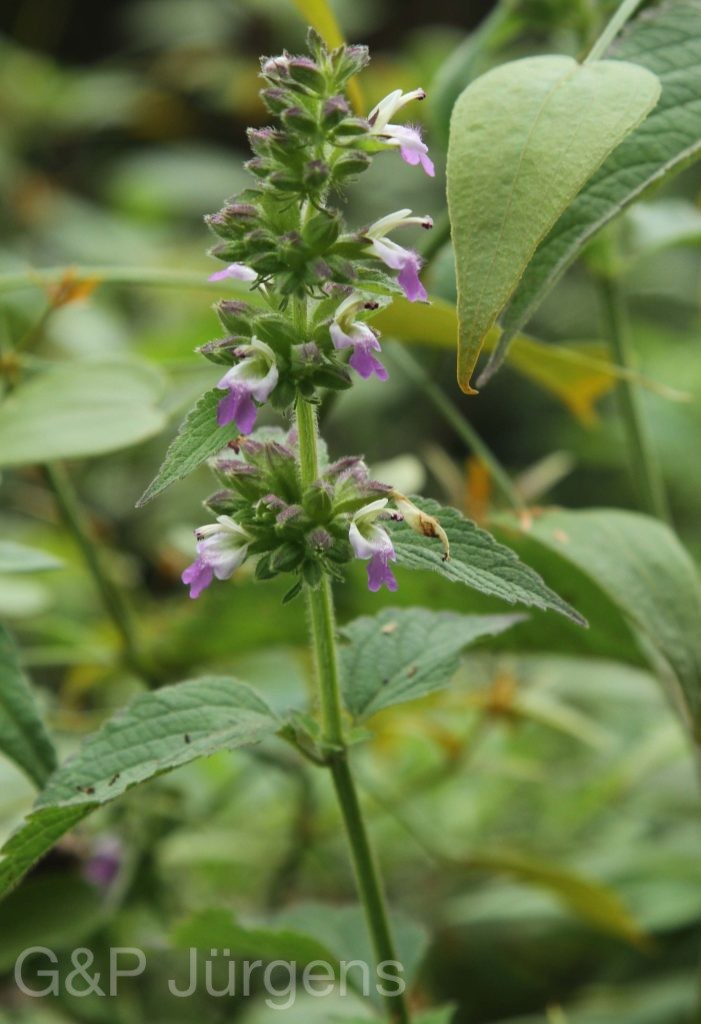
Wall. ex Meisn.

Bhutan2012 1173
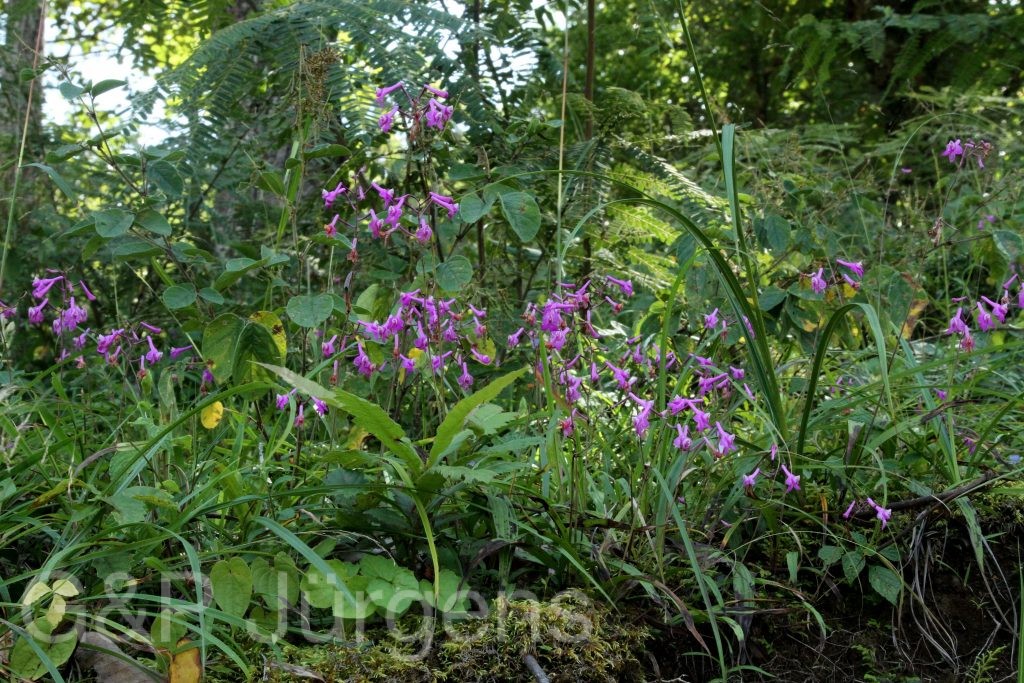
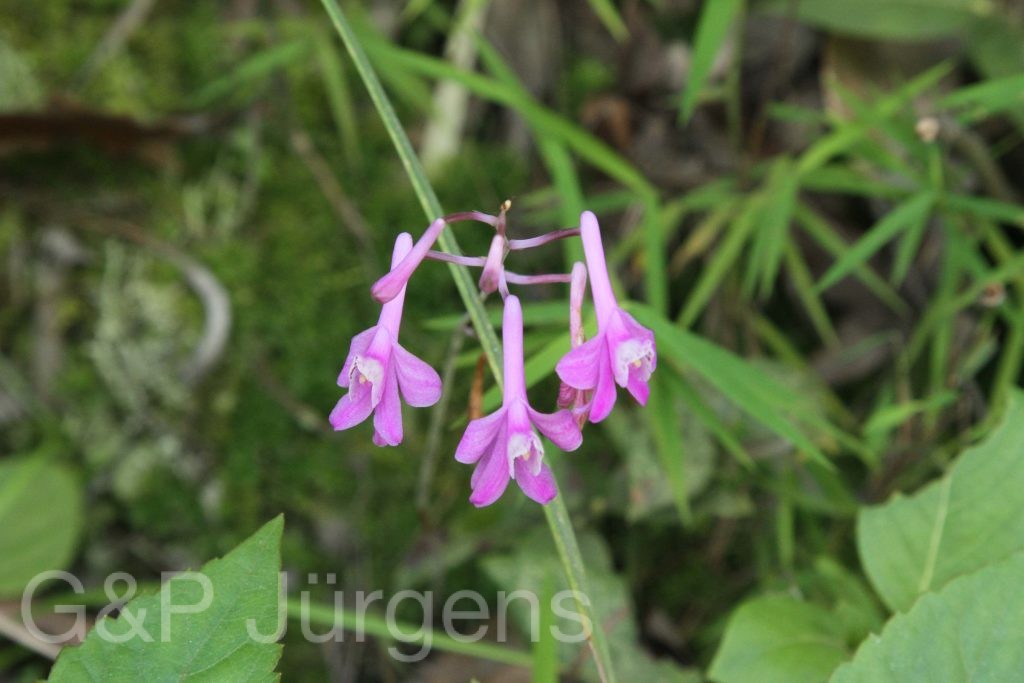
Bhutan Tashiyangtse 2000m, October

Description

Anisadenia saxatilis is a slender herb of the eastern Himalaya and adjacent Southeast Asia, distributed from Nepal through NE India, Bhutan and southern China to Myanmar, Thailand, Bangladesh and Malaysia, with 69 GBIF occurrences reflecting its rather localised, forest-dwelling habit. It grows in shaded, humid broad-leaved and mixed forest, on mossy banks, rock ledges and along streamsides in the temperate to warm-temperate zone. The Bhutanese collection from Tashiyangtse at about 2,000 m in October corresponds to its autumn flowering in cool, moist montane forest understorey.

It is a perennial herb with a slender rootstock and erect, wiry stems. The leaves are mostly clustered or subrosulate toward the base and along the lower stem, ovate to elliptic, with prominent parallel-converging venation and crenate to serrate margins, the upper leaves much reduced and bract-like. The flowers are borne in a slender, lax, terminal spike-like raceme; each small flower has five sepals (the outer often glandular-fringed), five pink to pale purple petals, and a characteristic androecium with unequal or appendaged (anisadenous) staminal glands, from which the genus takes its name. The fruit is a small dry capsule.

Anisadenia is a small Asian genus of two or three species, here correctly placed in Linaceae though distinctive within the family for its spicate inflorescence and herbaceous habit. GBIF treats the name as accepted. As a shade- and humidity-dependent forest herb of limited occurrence, it is sensitive to forest clearance; it is not formally assessed but its narrow ecological amplitude merits attention.

Author: Wall. ex Meisn. · Sources: POWO (Kew), Flora of China Vol. 11, Flora of Bhutan Vol. 1, GBIF, Robson: Linaceae in Flora Zambesiaca and comparative studies (1963)

Anisomeles indica

by GP Jürgens

(L.) Kuntze

Bhutan2012 1023
Bhutan Trithangebe 920m, October

Description

Anisomeles indica is a wide-ranging Asian mint extending from the Himalaya and the Indian subcontinent across China, Taiwan, Japan, mainland and insular Southeast Asia to the Pacific, with introduced or adventive records reaching the Caribbean; GBIF documents over 3000 occurrences across this large area. It is a plant of warm to subtropical lowlands and lower hills, characteristic of disturbed ground, roadsides, forest margins, fallow fields and waste places generally below about 1500 m. The photographed material from Trithangebe in southern Bhutan at 920 m, flowering in October, reflects its affinity for the lower, warmer reaches of the Himalayan foothills, where it behaves as a vigorous, sun-loving ruderal flowering into the autumn.

It is a coarse, aromatic annual or short-lived perennial herb, often a metre or more tall, with erect, quadrangular, densely pubescent stems. The leaves are opposite, ovate, crenate-serrate, acute, and softly hairy on both surfaces. The inflorescence consists of dense axillary cymes aggregated into elongate, leafy terminal panicles. Each flower has a tubular, ten-veined, five-toothed calyx and a two-lipped corolla coloured pale pinkish to pale purple, the short upper lip erect and the larger lower lip three-lobed; the four didynamous stamens are exserted and ascend beneath the upper lip. The fruit comprises four smooth, ovoid nutlets enclosed by the persistent calyx.

The species was described in Nepeta by Linnaeus and transferred to Anisomeles by Kuntze, the small Old World tropical genus being placed in subfamily Lamioideae. It is rich in essential oils and diterpenoids and is widely used in traditional medicine across its range for fevers, digestive and inflammatory complaints, which has prompted considerable phytochemical study. Far from threatened, its weedy, colonising habit and broad ecological tolerance make it a successful and locally abundant component of human-modified landscapes throughout tropical and subtropical Asia.

Author: (L.) Kuntze · Sources: POWO (Kew), GBIF, Flora of China, Flora of Bhutan, Flora of British India, Harley et al. Labiatae account in 'The Families and Genera of Vascular Plants'

Wall.

Bhutan2012 473
Bhutan Wangdi 2500m, September
Bhutan2012 474
Bhutan Wangdi 2500m, September

Description

Anthogonium gracile is a terrestrial orchid and the sole species in the monotypic genus Anthogonium. It is distributed from Nepal through northeast India (Sikkim, Darjeeling, Assam, Arunachal Pradesh), Bhutan, and Myanmar into Thailand, Indochina, and southwest China (Yunnan, Guangxi). The species occurs in open, grassy hillsides, pine forests, and degraded forest margins at elevations of 1,000–3,000 m, often in seasonally moist grassland.

The plant produces slender, reed-like stems 30–80 cm tall from underground tubers, with narrow, plicate, grass-like leaves arranged along the upper portion of the stem. The inflorescence is a lax, terminal raceme bearing 5–15 flowers that open successively. Flowers are 3–4 cm across, typically rose-pink to magenta, with a broad, spreading lip that is darker pink with a yellow callus of parallel lamellae. The column is slender and gently curved. Flowering in the Himalayas occurs from August to October.

Anthogonium gracile is taxonomically isolated within the Orchidaceae, though molecular phylogenetic analyses place it close to Calanthe and Phaius. Its preference for open, fire-maintained habitats suggests adaptation to seasonal burning regimes characteristic of Himalayan montane grasslands.

Author: Wall. · Sources: POWO (Kew), Flora of Bhutan Vol. 3, GBIF, Pearce & Cribb: The Orchids of Bhutan (2002)

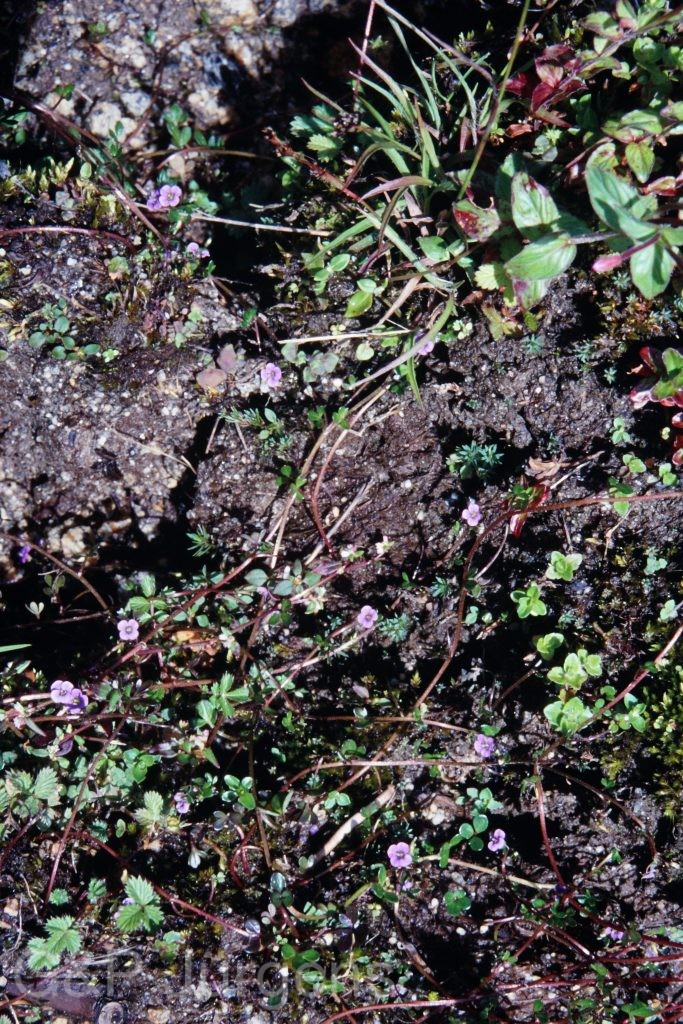
(H.Pearson) Al-Shehbaz & Warwick

Bh09 80 G136
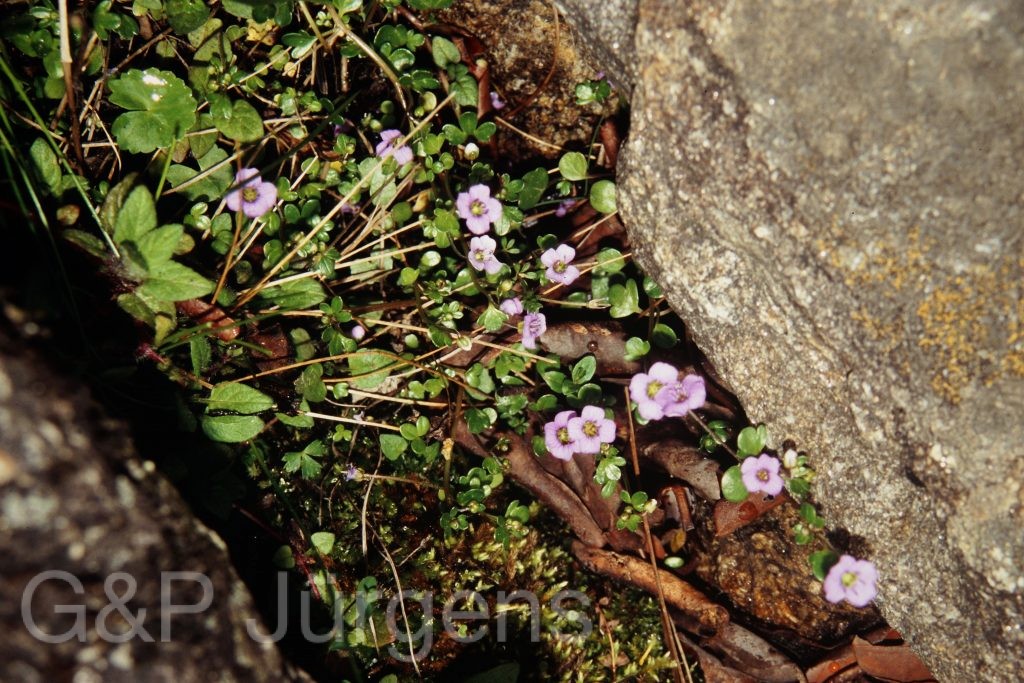
Bhutan Jangchulakha, 3750m June

Description

Aphragmus hobsonii is a high-alpine crucifer of the eastern Himalaya and adjacent Tibet, with GBIF records from Nepal, Bhutan and China amounting to roughly 55 occurrences (a Papua New Guinea datum is almost certainly an error). It is a plant of cold, open habitats near the upper limit of vegetation: stony alpine turf, scree margins, moraines and damp gravelly flushes, typically between about 3500 and 4500 m. The specimen depicted at Jangchulakha in Bhutan at 3750 m in June, flowering early in the alpine summer, is characteristic of its occupation of exposed, well-drained high-mountain ground.

It is a small, cushion- or tuft-forming perennial herb arising from a branched caudex topped by a slender taproot. The leaves are mostly basal, entire, oblanceolate to spathulate and narrowed to the base, often forming a dense rosette. The flowers are arranged in a short, congested raceme that scarcely elongates in fruit; the four petals are white to pale lilac, clawed and arranged in the cruciform pattern of the family. The fruit is a short silique or silicula, the seeds in one or two rows, dehiscing by two valves in the typical brassicaceous manner.

Aphragmus is a small genus of cold high-mountain Asia whose generic limits have been revised through molecular study, and the present species was transferred here by Al-Shehbaz and Warwick from earlier placements, reflecting ongoing reassessment of Himalayan crucifer relationships. Its compact, low-growing habit is a clear adaptation to wind exposure, intense radiation and short growing seasons at extreme elevations. Though not formally assessed, its specialised high-alpine niche makes it potentially vulnerable to upslope habitat compression under climate change.

Author: (H.Pearson) Al-Shehbaz & Warwick · Sources: POWO (Kew), GBIF, Flora of China (Brassicaceae), Flora of Bhutan, Annotated Checklist of the Flowering Plants of Nepal, Al-Shehbaz systematic studies in Brassicaceae

(W.W.Sm.) Al-Shehbaz & Warwick

Sikkim2003 104 P142
Sikkim below Dzongri 3850m, August

Description

Aphragmus serpens is a diminutive alpine crucifer of the eastern and central Himalaya, recorded from India, Nepal, Bhutan and China, with some 74 georeferenced occurrences indicating a scattered but recurrent presence across the high ranges. It is a plant of cold, open alpine habitats — gravelly and stony slopes, moraine debris, rock ledges and the margins of snow-melt seepages — typically well above treeline. The illustrated material from below Dzongri in Sikkim, at about 3850 m and photographed in August, is representative of the late-summer flowering of this species in the moist eastern Himalayan alpine zone.

The plant is a small, low-growing perennial with a slender, often creeping or trailing habit reflected in the epithet serpens. It arises from a thin rootstock and forms loose tufts or mats of mostly basal leaves; these are small, entire to slightly toothed, narrowed to a petiole, and more or less glabrous to sparsely hairy. The inflorescence is a short, few-flowered raceme; the flowers are typically cruciform with four small petals, usually white to pale lilac or pinkish, four sepals and the characteristic tetradynamous androecium of six stamens. The fruit is a short, oblong to ovoid silicula containing few seeds, the slender style persisting at the apex.

The genus Aphragmus comprises a small group of high-alpine Asian crucifers whose generic limits and species circumscriptions have been substantially revised, this combination being attributed to Al-Shehbaz & Warwick in the course of modern molecular and morphological reassessment of the Brassicaceae. As a specialist of severe high-altitude environments, A. serpens is intimately tied to short, cool growing seasons and reliable snow-melt moisture, and its restricted alpine niche makes it potentially sensitive to climatic warming, though its wide if sparse distribution suggests it is not at present under acute threat.

Author: (W.W.Sm.) Al-Shehbaz & Warwick · Sources: POWO (Kew), GBIF, Flora of China (Brassicaceae), Flora of Bhutan, Al-Shehbaz: monographic revisions of Himalayan Brassicaceae

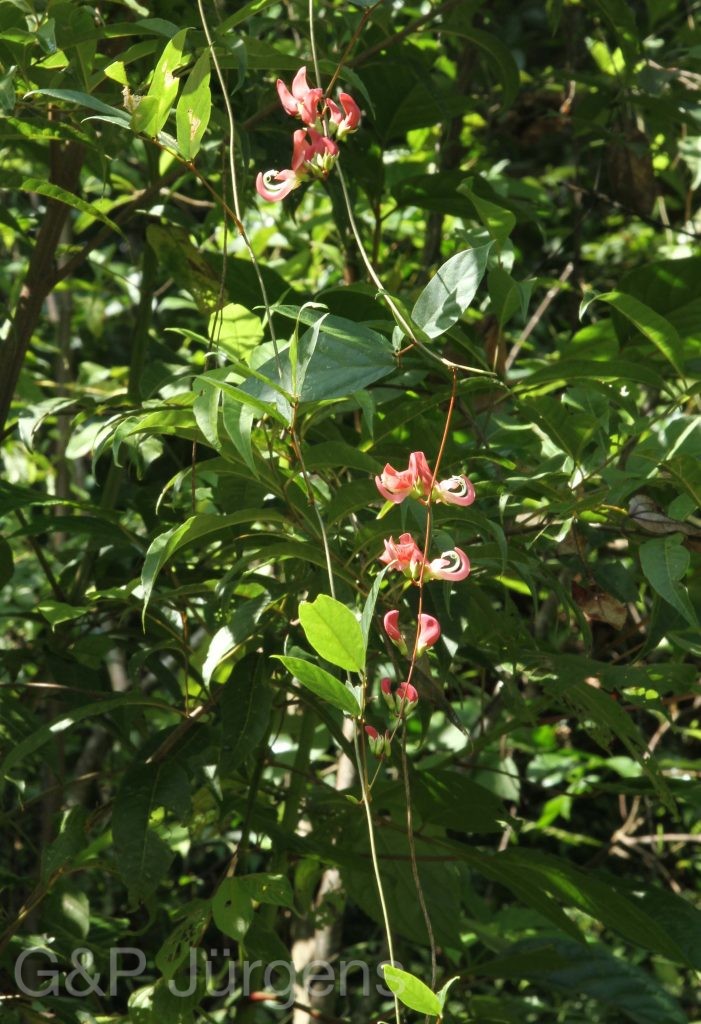
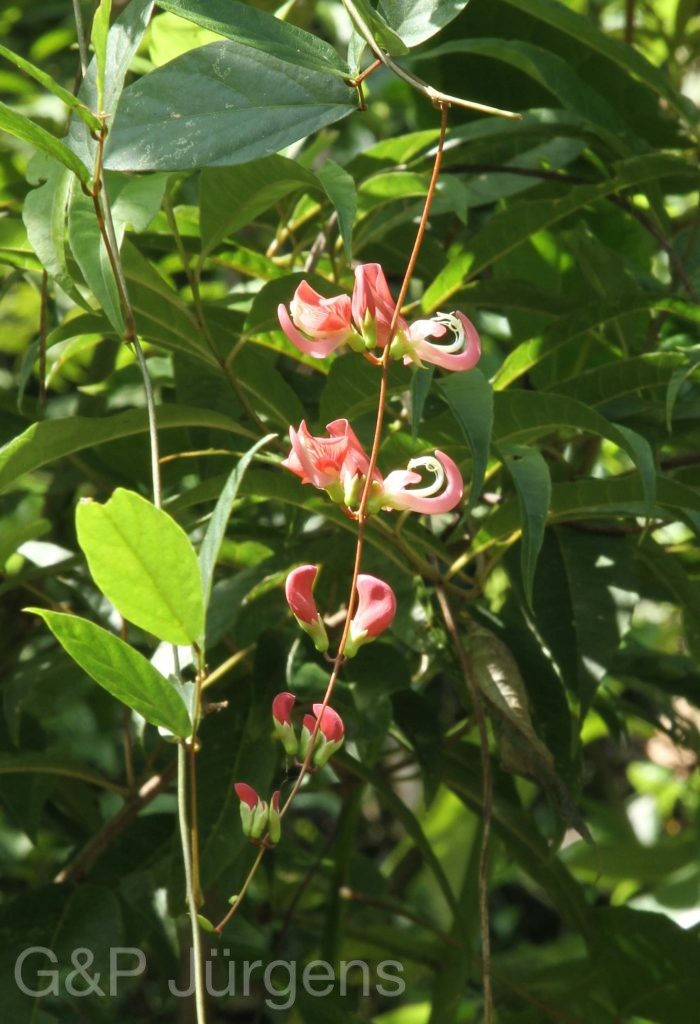
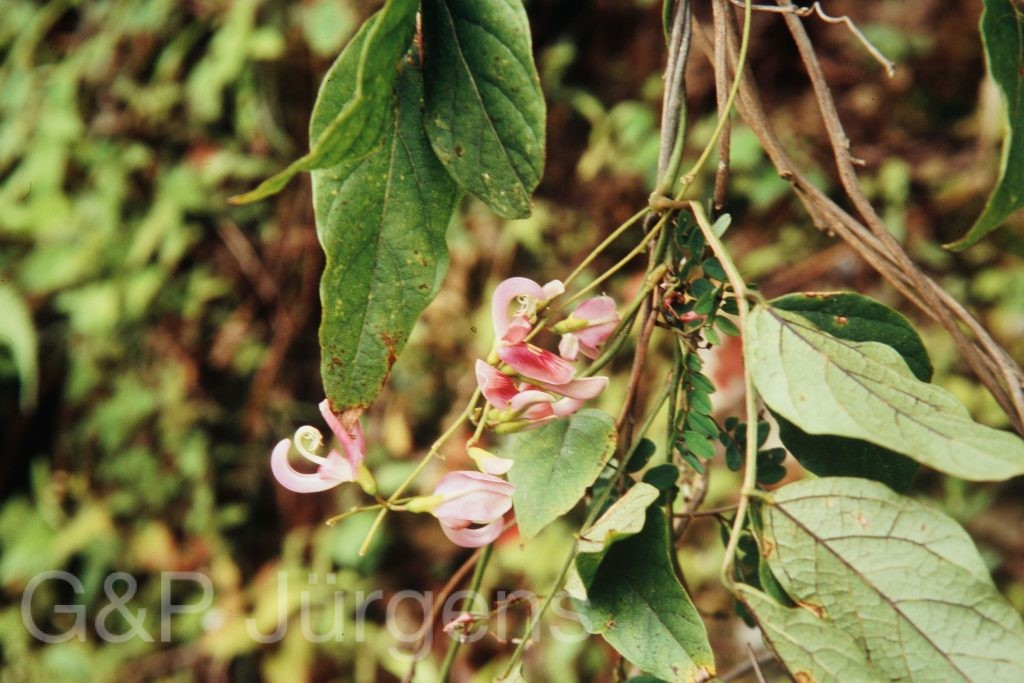
Apios carnea

by GP Jürgens

(Wall.) Benth.

Bhutan2012 990
Bhutan Trithangebe, 1100m October
Bhutan2012 991
Bhutan Trithangebe, 1100m October
Bh09 242 P405
Bhutan Wangdi, 2000m June

Description

Apios carnea is widely distributed through the Himalaya and into south-east and east Asia, recorded from Nepal, north-east India, Bhutan, Myanmar, China, Thailand, Laos, Vietnam, Malaysia, Korea and Japan among its 887 georeferenced occurrences. It is a climbing herb of forest margins, thickets, streamsides and clearings in warm-temperate to subtropical settings, scrambling over shrubs and into the lower canopy. The Bhutan records at Trithangebe (1100 m, October) and Wangdi (2000 m, June) illustrate a broad altitudinal tolerance from about 1000 to 2400 m, flowering through the warm wet season.

It is a perennial twining vine arising from a tuberous, fleshy rootstock, with slender, herbaceous, somewhat woody-based stems. The leaves are pinnately compound (imparipinnate) with usually five to seven ovate-lanceolate, acuminate leaflets. The flowers are borne in dense axillary racemes and are typical papilionate legumes, flesh-pink to dull reddish or salmon, with a broad standard, incurved keel and the characteristic coiled keel-and-style of the genus. The fruit is a slender, elongate, dehiscent legume containing several seeds.

The genus Apios belongs to tribe Phaseoleae of subfamily Faboideae, allied to climbing beans, and the twisted keel enclosing the spirally coiled style and stamens is a notable floral specialisation promoting cross-pollination by bees. As a nitrogen-fixing legume it contributes to soil enrichment, and its tubers have been used locally as food. Common and widespread across its range, it is of no conservation concern, though it is regionally valued both as an ornamental climber and a wild food plant.

Author: (Wall.) Benth. · Sources: POWO (Kew), GBIF, Flora of Bhutan, Flora of China, Flora of Nepal, Lackey Phaseoleae revision (Advances in Legume Systematics)

J.Wen

Bh2008 330 P510
Bhutan Tongsa 2400m, April

Description

Aralia gigantea is a large herbaceous to subwoody member of the ginseng family ranging across the eastern Himalaya and adjacent uplands, with GBIF logging 145 occurrences in China, Nepal, India, Myanmar and Bhutan. It grows in moist temperate broad-leaved and mixed forest, along ravines, forest clearings and damp shaded slopes, generally between roughly 2000 and 3000 m. The illustrated plant was recorded in Bhutan near Tongsa (Trongsa) at about 2400 m in April, a representative mid-montane forest station for the species, where it springs up among tall-herb communities as the growing season begins.

The plant is a robust, sparsely prickly herb with stout, somewhat pithy stems arising from a thickened rootstock. Leaves are very large, alternate and two- to three-pinnately compound, the numerous ovate leaflets serrate and acuminate, borne on prickly rachides. The inflorescence is a massive terminal panicle of many small umbels, the individual flowers small, greenish-white and five-merous, with a reduced calyx, five petals, five stamens and an inferior ovary crowned by free or basally united styles. The fruit is a small subglobose drupe, ribbed and dark when ripe, containing several flattened pyrenes and attractive to birds.

The species belongs to a group of giant herbaceous Aralia centred on East and Southeast Asia, distinguished from woody congeners by its large compound foliage and herb-like habit. POWO and GBIF accept the name as currently circumscribed. Its size and rapid seasonal growth make it a conspicuous component of Himalayan tall-herb forest understorey, and like related Aralia it has minor ethnobotanical use.

Author: J.Wen · Sources: POWO (Kew), GBIF, Flora of China, Flora of Bhutan, Annotated Checklist of the Flowering Plants of Nepal, Systematics of Aralia (Araliaceae monograph)

Roxb.

Nepal 97 458 P882
Nepal Arun-Valley 900m May

Description

Ardisia solanacea is a widespread tropical and subtropical shrub of South and Southeast Asia, recorded from India, Nepal, China, Bangladesh, Myanmar, Thailand, Sri Lanka, Malaysia and Indonesia, and naturalised or cultivated more widely; its 865 GBIF records make it one of the better-documented species in this group. It occupies lowland and lower-hill forest, forest margins, secondary thickets and roadside scrub, generally below about 1500 m. The plant photographed in the Arun Valley of eastern Nepal at 900 m, flowering in May, typifies its preference for warm, humid lower-montane settings.

It is an evergreen shrub or small tree with glabrous, terete branchlets. The leaves are alternate, elliptic to obovate-oblong, leathery, entire and obscurely gland-dotted, tapering to a short petiole. The inflorescences are lateral, umbellate to corymbose racemes borne on short specialised branchlets; the flowers are pinkish to rose-purple, with five reflexed, often punctate corolla lobes and prominent connivent anthers forming a cone, in the characteristic Ardisia fashion. The fruit is a depressed-globose, single-seeded drupe that ripens from red to glossy purplish-black.

In GBIF the name carries a synonym flag, but Ardisia solanacea Roxb. is the accepted name for this taxon. The species sits within Ardisia (Myrsinoideae of Primulaceae, formerly Myrsinaceae), a large pantropical genus distinguished by glandular punctations and drupaceous fruits. It is common, weedy in places, and of no conservation concern; its fruits are eaten by birds and the plant is used locally in traditional medicine.

Author: Roxb. · Sources: POWO (Kew), GBIF, Flora of China, Flora of Nepal, Pipoly & Chen revision of Asian Ardisia

Edgew. & Hook.f.

Sikkim2003 289 P400
Sikkim Saniti-Lake 4250m August

Description

Arenaria ciliolata is a small alpine sandwort of the central and eastern Himalaya, recorded from Nepal, Bhutan, India and China, with an additional outlying datum (gbif_countries: NP, BT, IN, CN, IS) and about 134 GBIF occurrences. It grows on open alpine turf, gravelly and stony slopes, rock crevices and screes well above the treeline, where it forms low cushions or mats in the cold, well-drained habitats typical of the genus. The illustrated material was collected near Saniti Lake in Sikkim at about 4250 m in August, a high-alpine setting where late-summer flowering follows snowmelt. In GBIF the name carries gbif_status SYNONYM, with Arenaria ciliolata given as the accepted name.

The plant is a tufted to mat-forming perennial arising from a branched woody base, with short, densely leafy stems. The leaves are small, opposite, sessile, narrow and rigid, often pungent-tipped and conspicuously ciliate on the margins, the feature evoked by the epithet. The flowers are solitary or few in lax cymes, with five free, white petals exceeding the five lanceolate, often ciliate-margined sepals; the stamens are typically ten and the styles three. The fruit is a capsule opening by valves or teeth at the apex to shed numerous small seeds.

Arenaria is a large, predominantly Northern Hemisphere genus of the pink family with a marked centre of diversity in the mountains of Asia, and the cushion-forming alpine species such as A. ciliolata have figured in repeated taxonomic and phylogenetic reassessments that have realigned segregates within tribe Arenarieae, accounting for the synonymy noted in GBIF. Adapted to harsh high-mountain conditions, the species is widespread across the Himalayan alpine zone and is of no conservation concern.

Author: Edgew. & Hook.f. · Sources: POWO (Kew), GBIF, Flora of Nepal, Flora of China, Annotated Checklist of the Flowering Plants of Nepal, Caryophyllaceae account in The Families and Genera of Vascular Plants