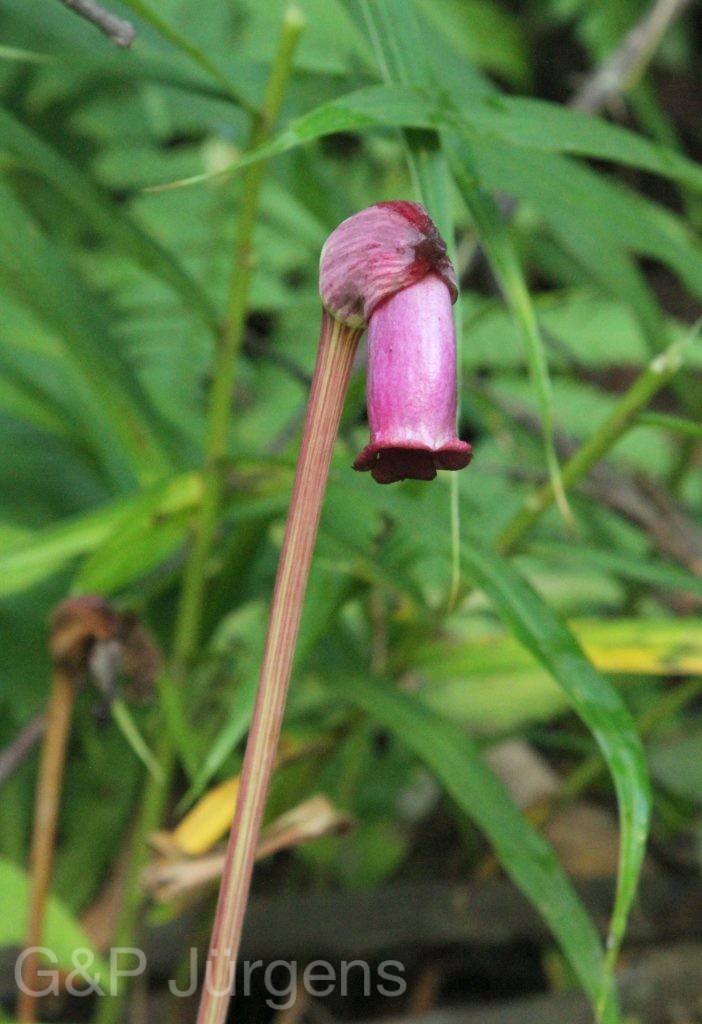
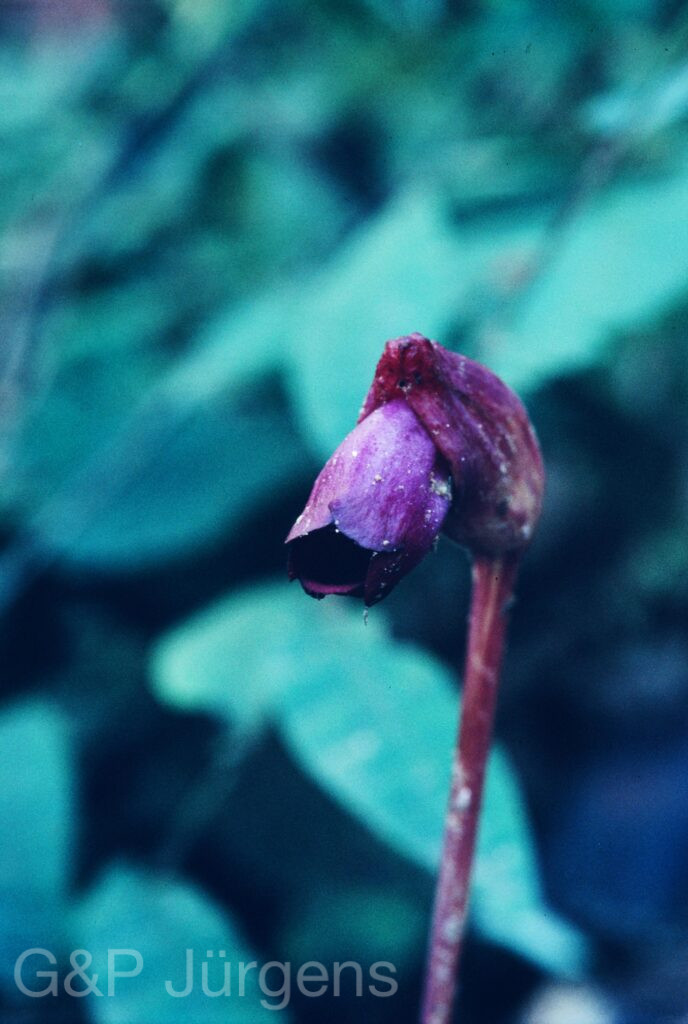
(Hook.f.) H.Hara
Description
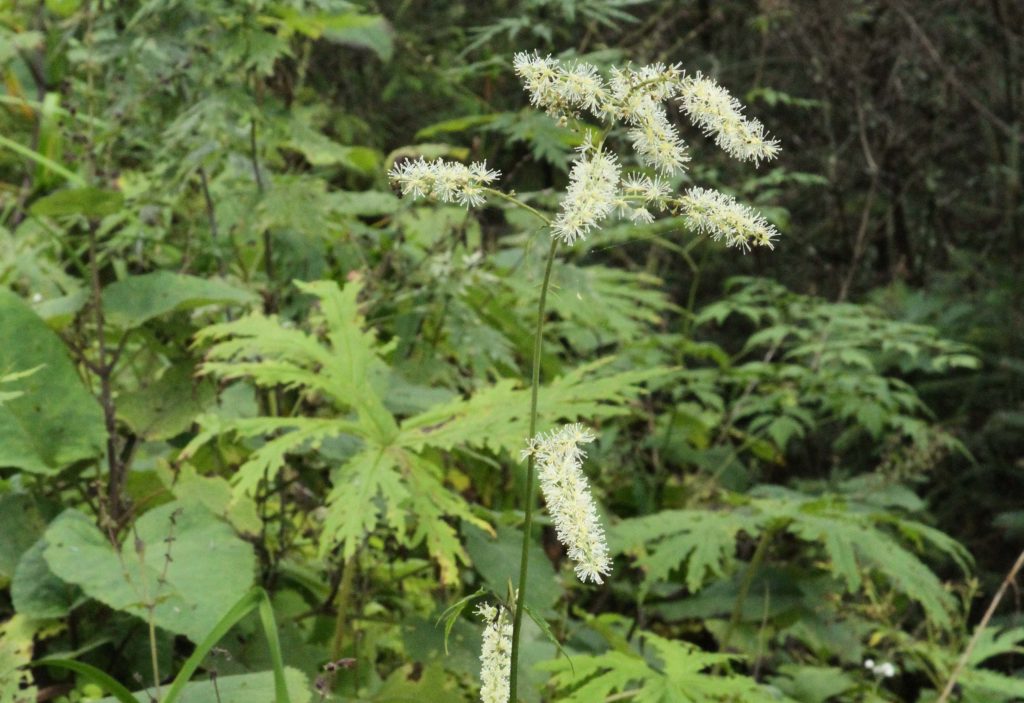
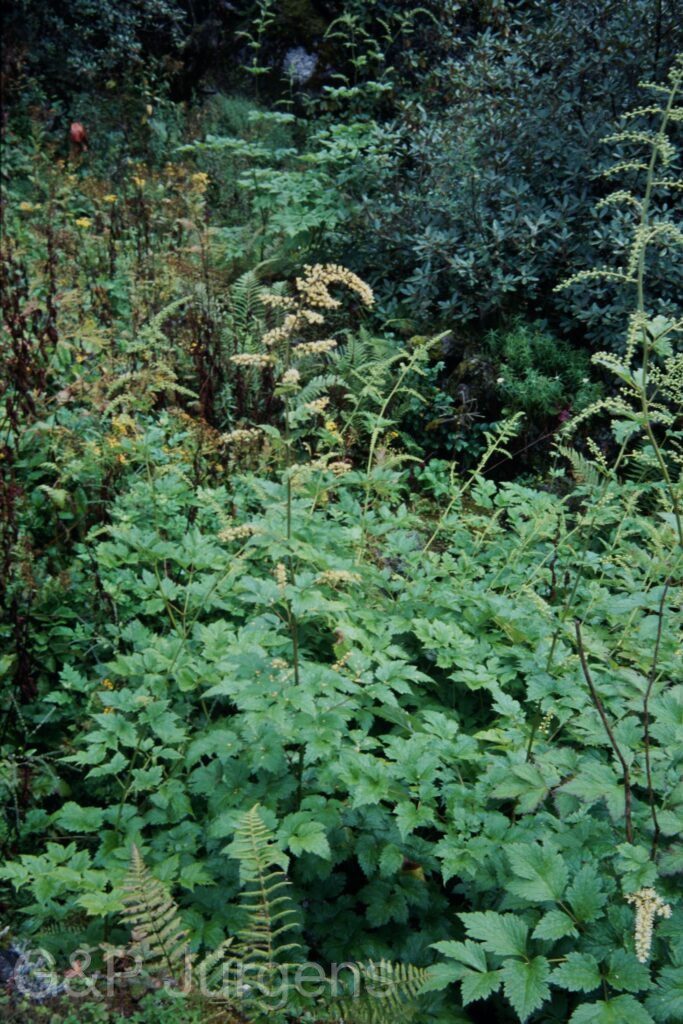
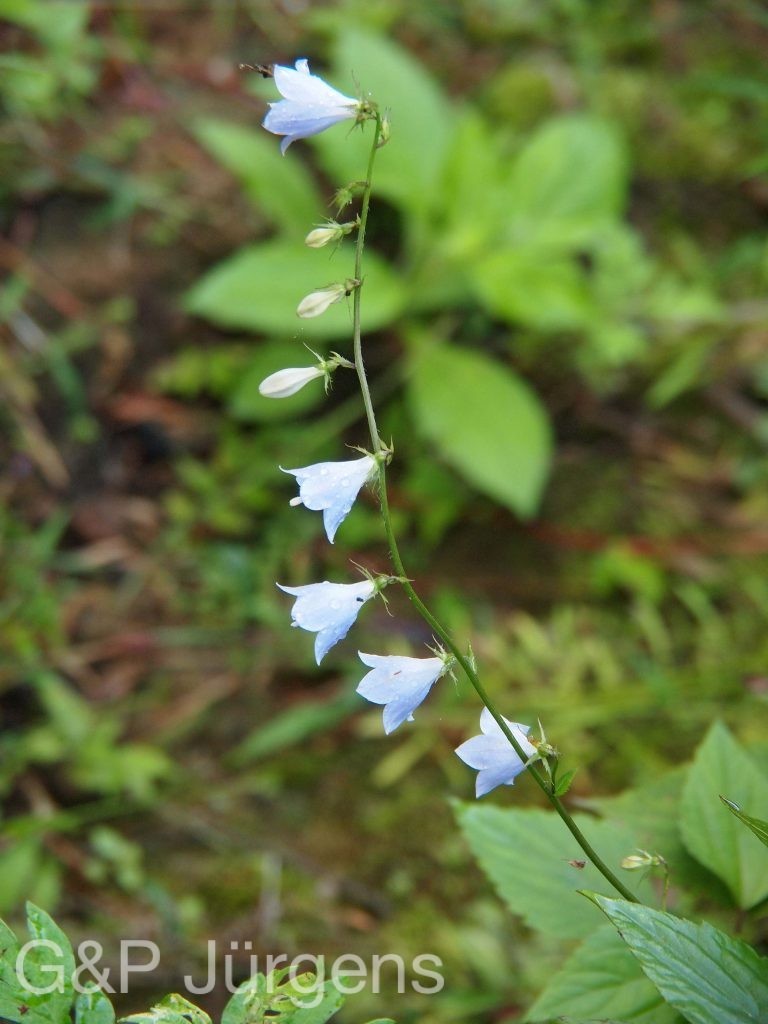
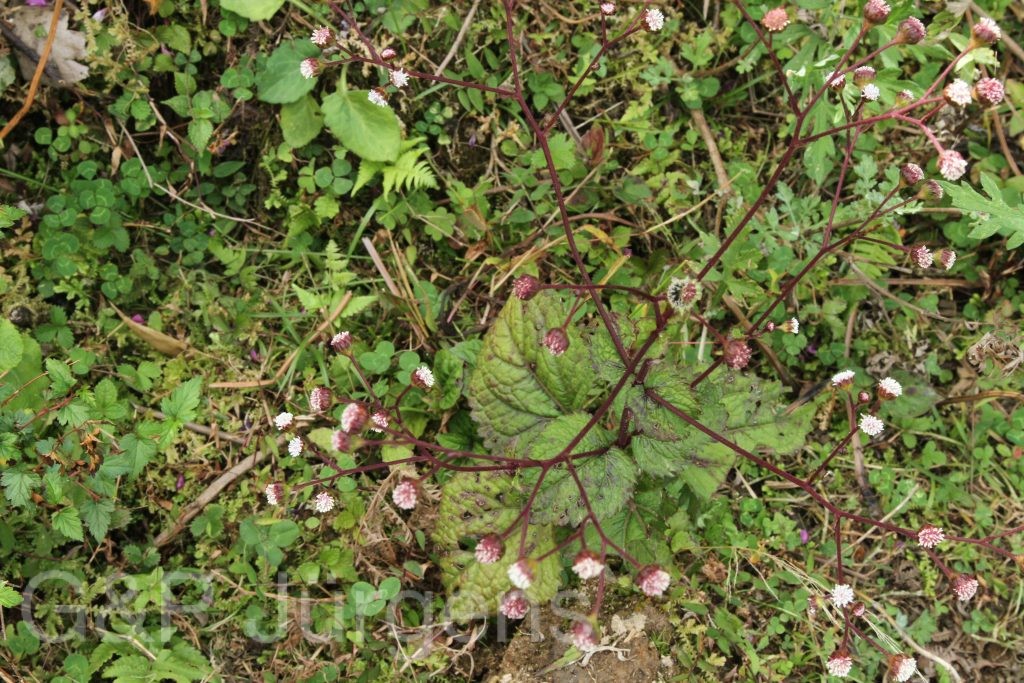
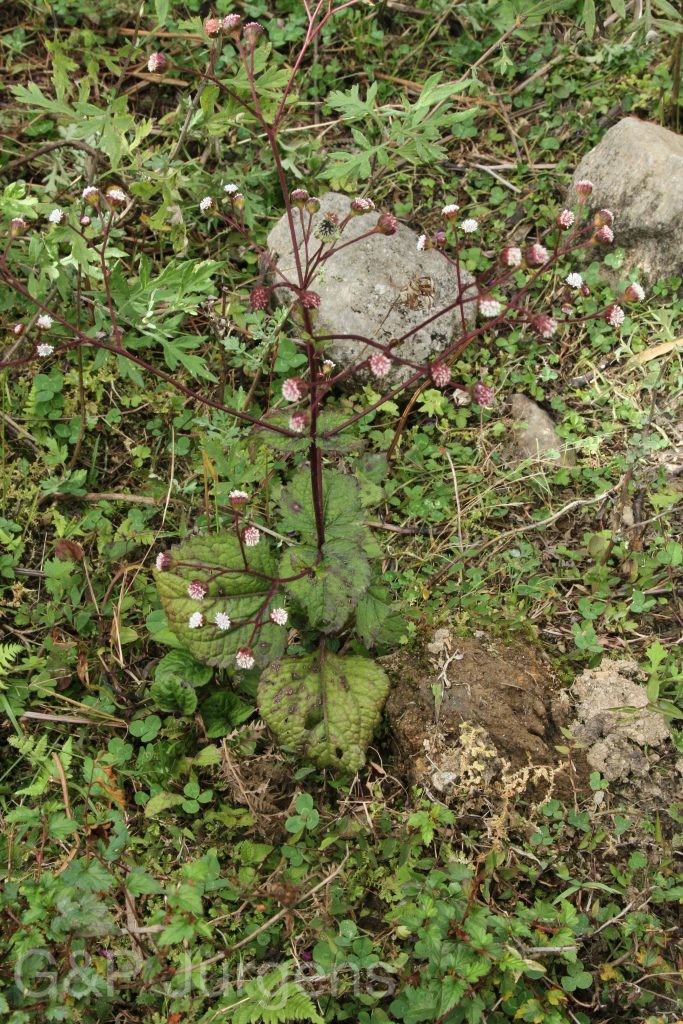
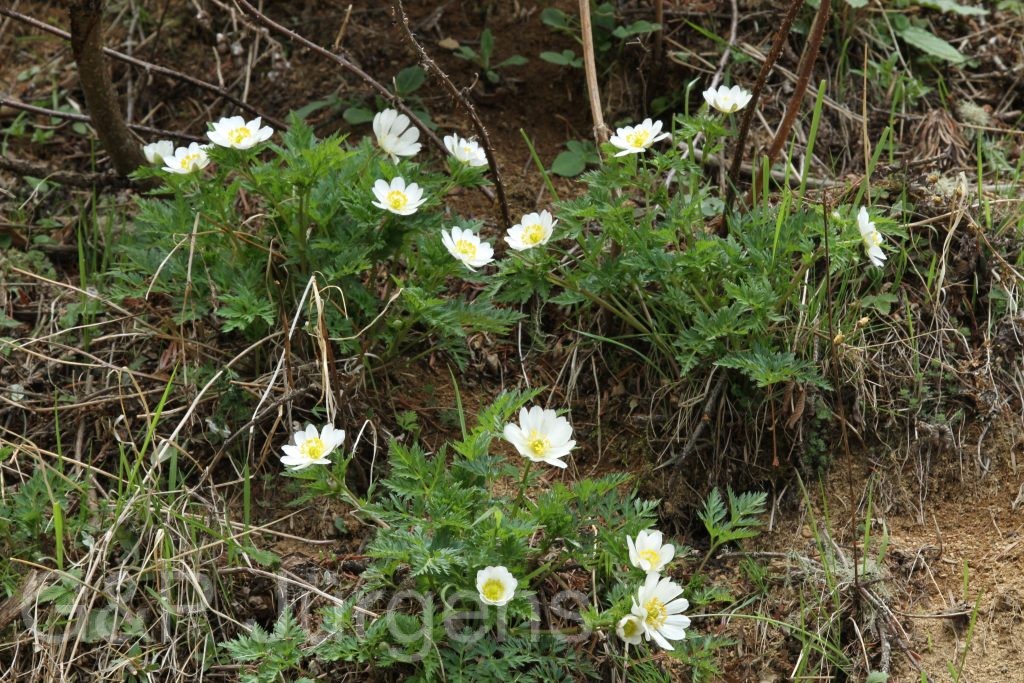
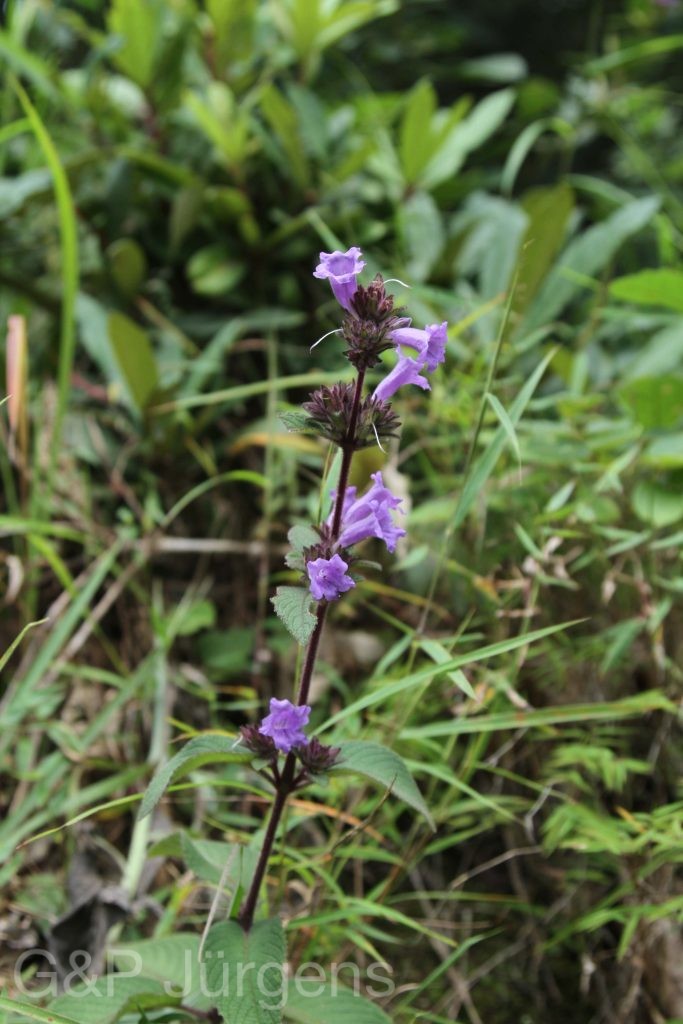
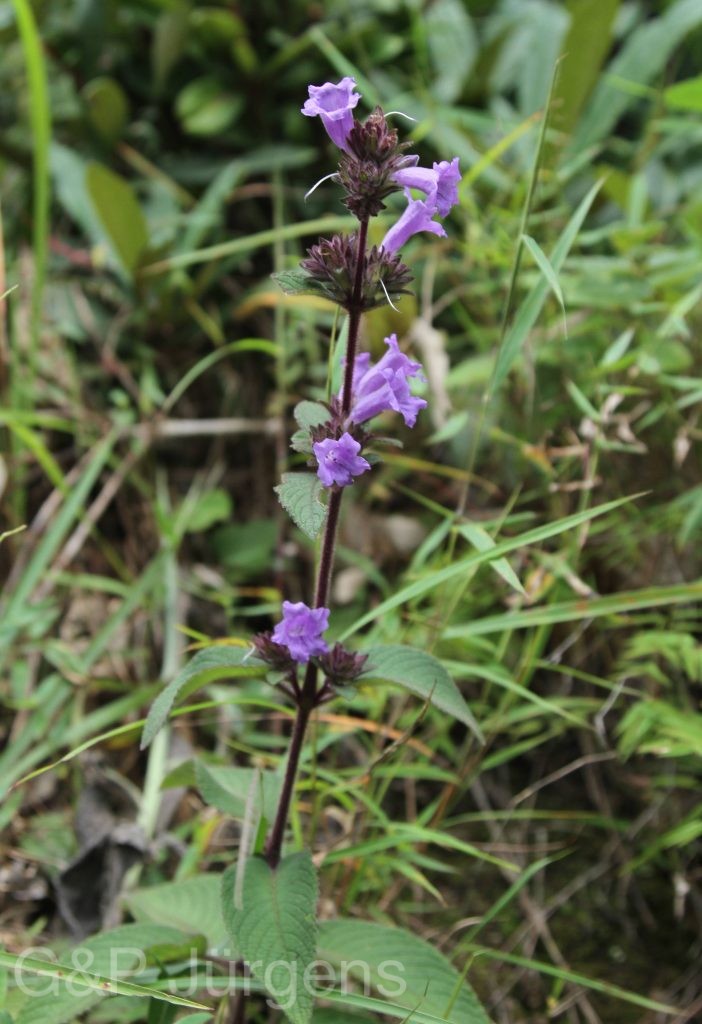
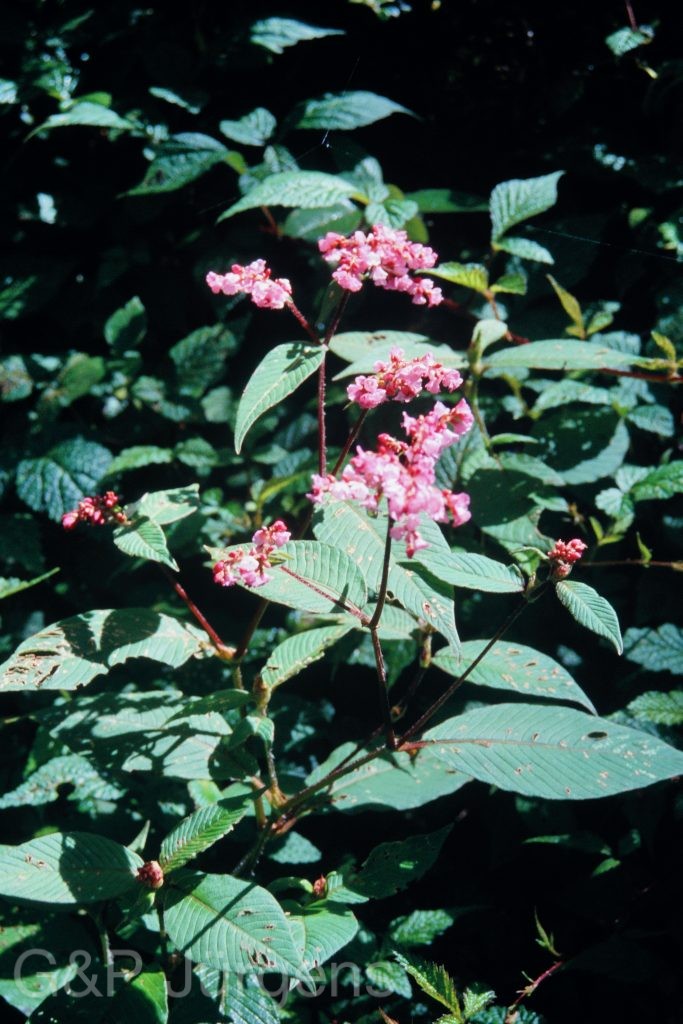
Aconogonum campanulatum, treated by GBIF as a synonym of the accepted Aconogonon campanulatum, is a Sino-Himalayan perennial herb distributed from Nepal and northern India through Sikkim and Bhutan into Myanmar and south-western China. Its 372 GBIF records lie mostly within this native range, with scattered European, North and South American and New Zealand points reflecting cultivated and herbarium material. It grows in subalpine and alpine meadows, forest clearings, shrubberies and along streamsides and banks, commonly between about 2700 and 4000 m. The plant photographed at Choka in Sikkim at 2900 m in August captures it flowering in moist, herb-rich montane vegetation during the monsoon.
It is a robust, branching perennial arising from a woody rootstock, with erect leafy stems. The leaves are alternate, ovate to ovate-lanceolate, often somewhat cordate to rounded at the base and acuminate at the apex, frequently white-tomentose beneath, with membranous sheathing ochreae at the nodes. The flowers are borne in lax, branched, paniculate inflorescences; each has a five-parted, campanulate, white to pinkish perianth (the source of the epithet), with eight stamens and a trifid style. The fruit is a small, trigonous, shining brown nut.
The species belongs to Aconogonon (often spelled Aconogonum), a segregate of the broadly defined Polygonum embracing the alpine knotweeds, and the accepted name is Aconogonon campanulatum. Its woody rootstock and tall leafy habit suit the tall-herb communities of moist Himalayan slopes. Widely distributed and locally abundant, it is of no conservation concern and forms a conspicuous element of subalpine meadow vegetation.
Author: (Hook.f.) H.Hara · Sources: POWO (Kew), GBIF, Flora of Bhutan, Flora of China, Annotated Checklist of the Flowering Plants of Nepal