
Franch.
Description
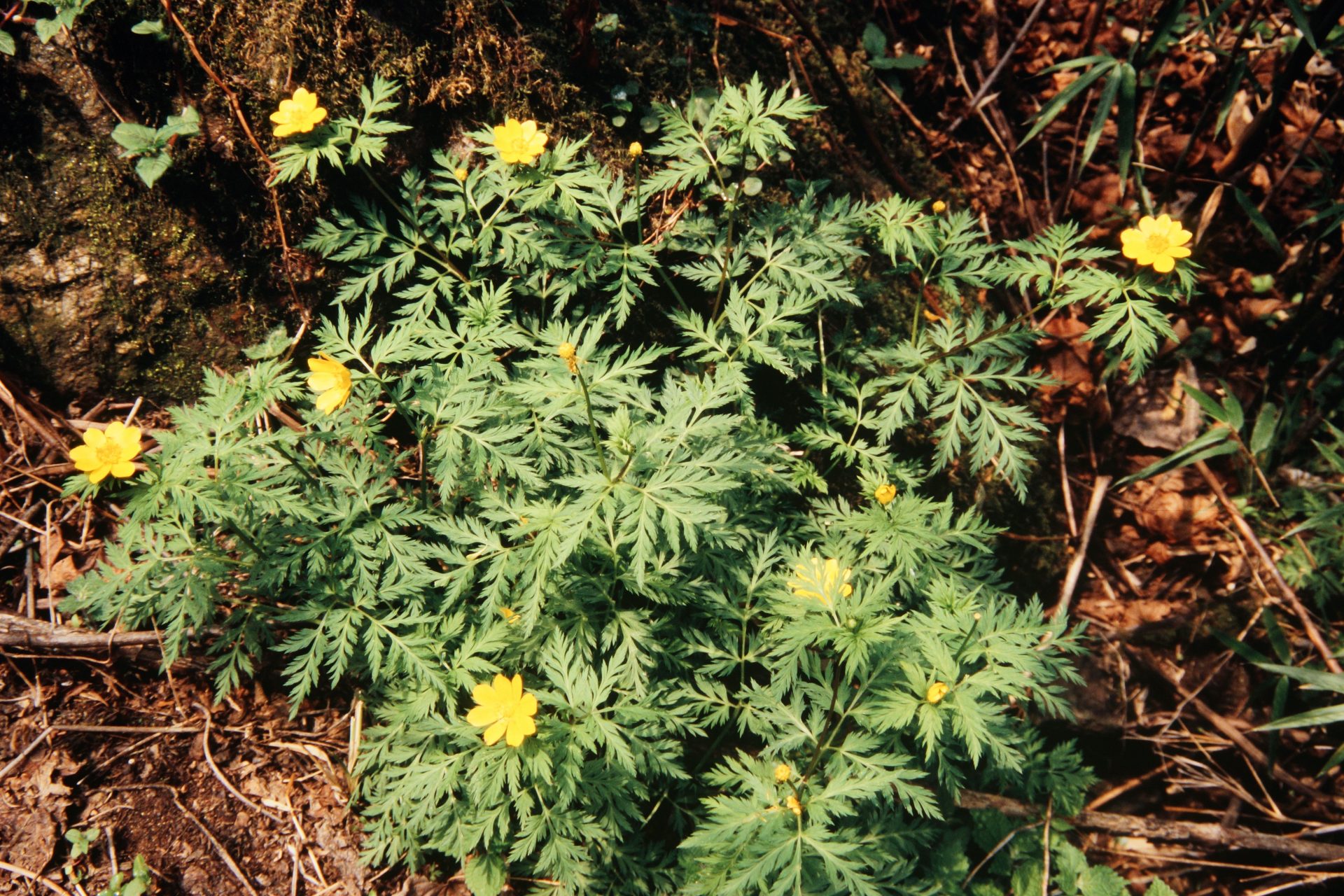
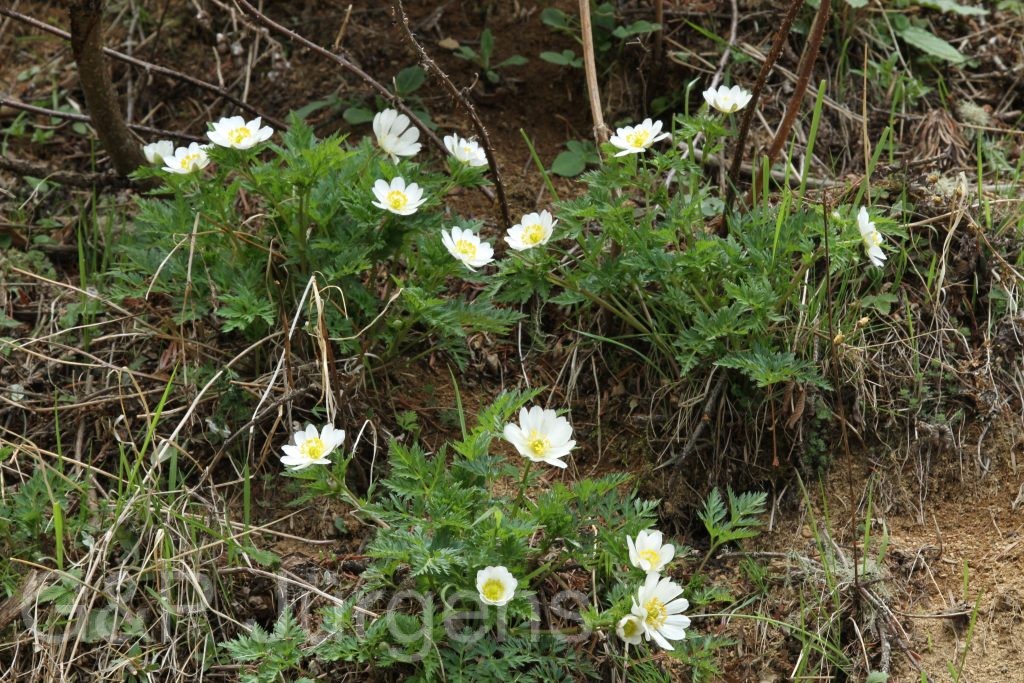
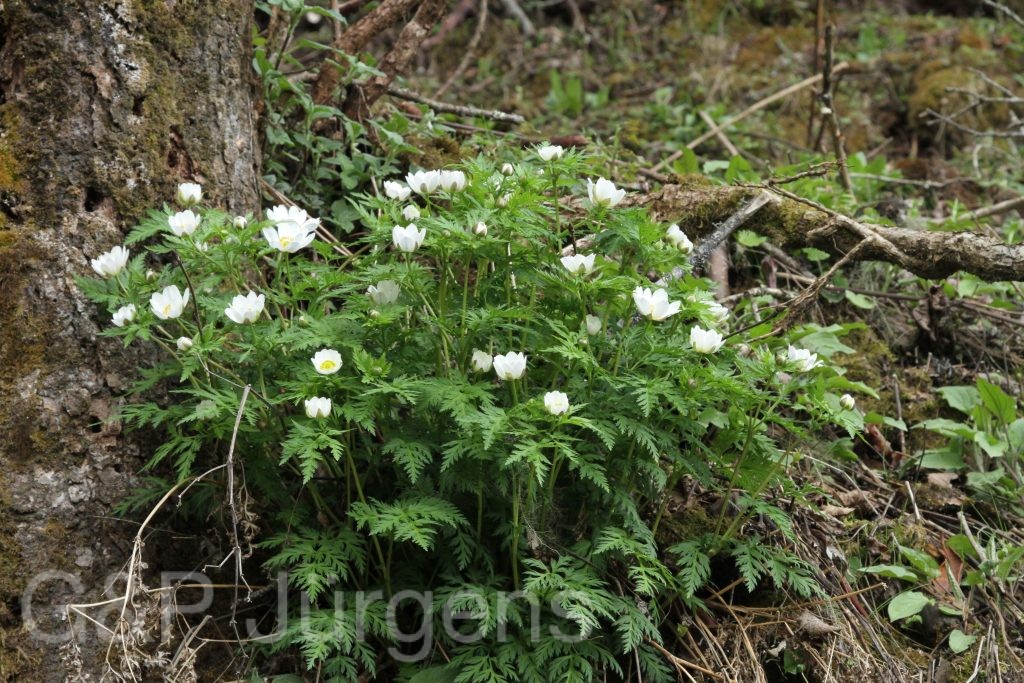
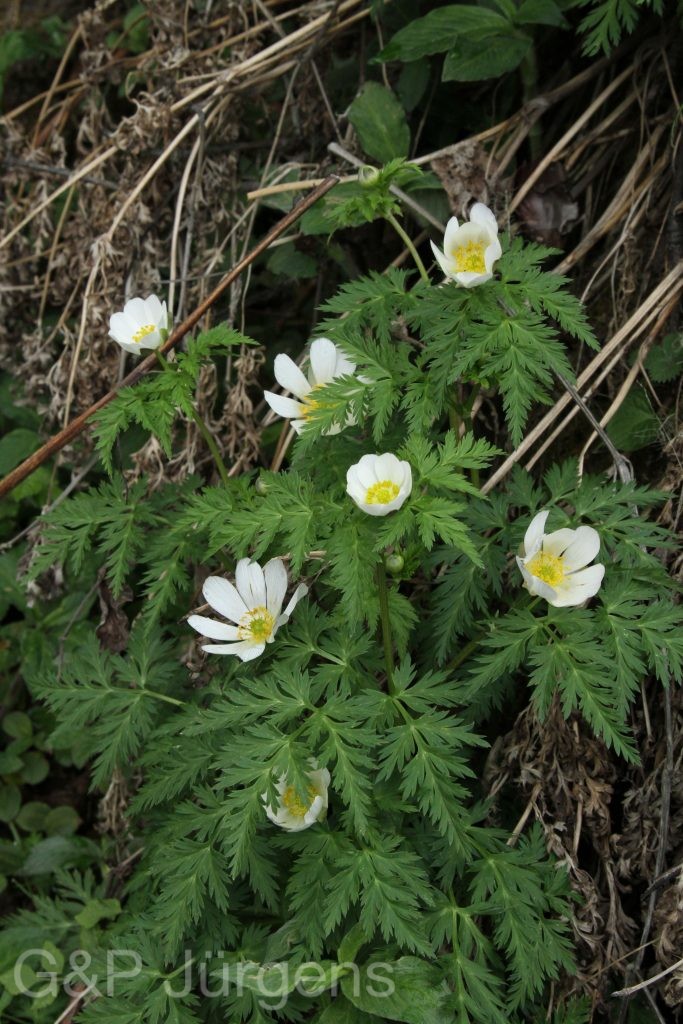
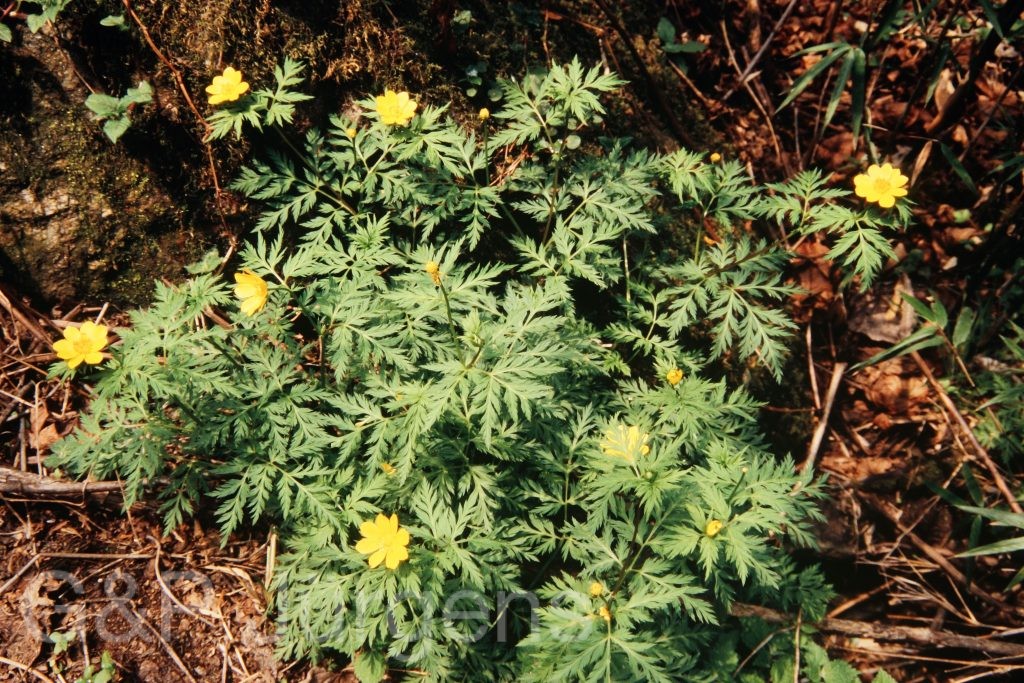
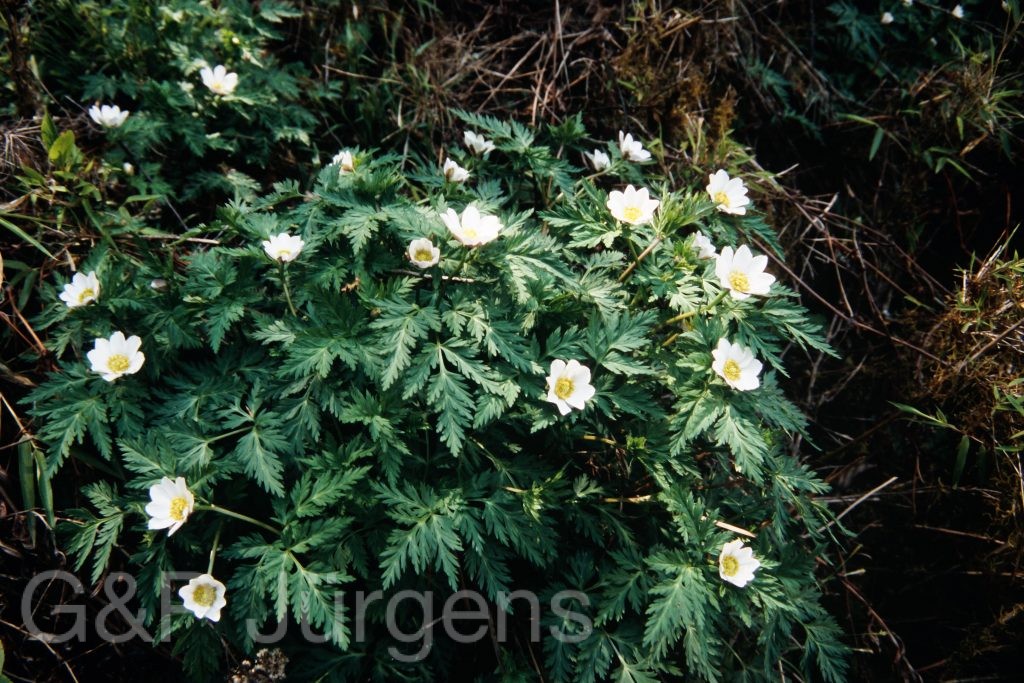
Adonis davidii is a perennial herb of the eastern Himalaya and southwestern China, with GBIF records (462 occurrences) concentrated in China and Bhutan. It grows in cool, shaded habitats: coniferous and mixed forest understorey, forest margins, shrubberies and damp meadows, generally between 2500 and 4000 m. The Bhutanese gatherings figured here span this range, from Thimphu-Chu at 2800 m and Ura at 3400 m in April to Chele-La at 4000 m in May, illustrating its early-spring to early-summer flowering as snow retreats and its preference for moist, humus-rich montane soils in partial shade.
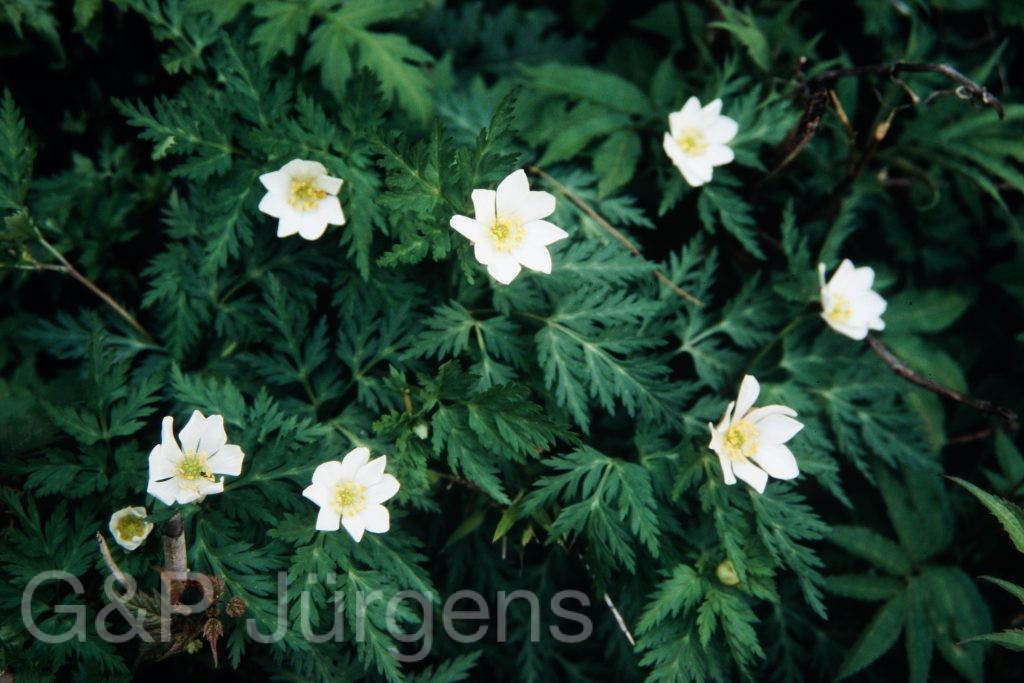
The plant arises from a short, thickened rhizome bearing fibrous roots, producing erect or ascending stems 15-50 cm tall that are usually simple or sparingly branched. The leaves are alternate, sessile or shortly petiolate, and several times ternately or pinnately dissected into narrow, linear-lanceolate ultimate segments, giving a finely divided, fern-like aspect. The solitary terminal flowers are white, often tinged blue, lilac or pink, with numerous spreading petaloid sepals (the true perianth) surrounding a central cluster of yellow stamens and free carpels. The fruit is an aggregate of numerous obovoid, wrinkled achenes, each tipped by a short persistent style.
Adonis (Ranunculaceae) is a chiefly Eurasian genus distinguished by its many free achenes and showy perianth; like many congeners A. davidii contains cardioactive compounds and should be regarded as toxic. Within the genus it belongs to the white-flowered perennial assemblage centred on China. It is not currently considered threatened, being locally frequent across an extensive forest range, though it depends on intact montane forest cover and is therefore sensitive to logging and habitat fragmentation.
Author: Franch. · Sources: POWO (Kew), GBIF, Flora of China, Flora of Bhutan, Monograph of the Genus Adonis (Ranunculaceae)