Hook.f. & Thomson
Description
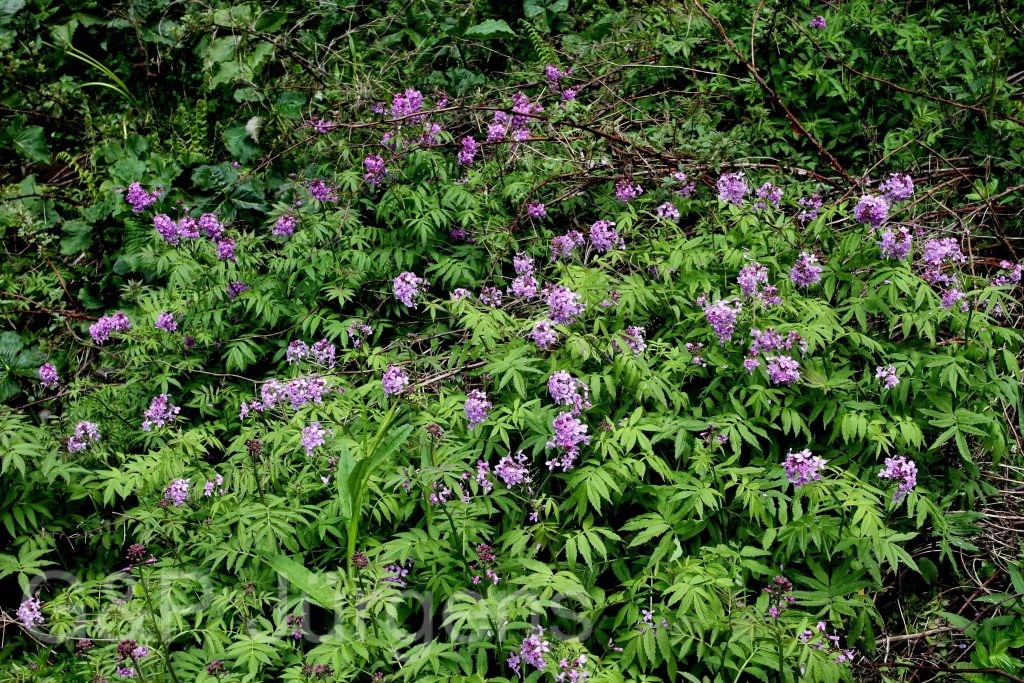
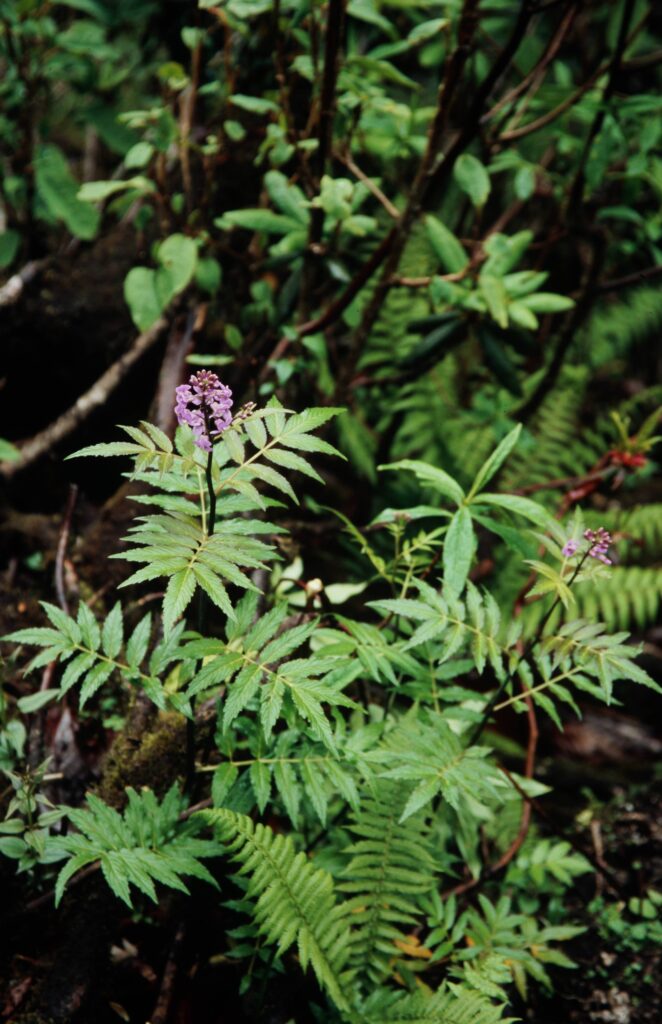
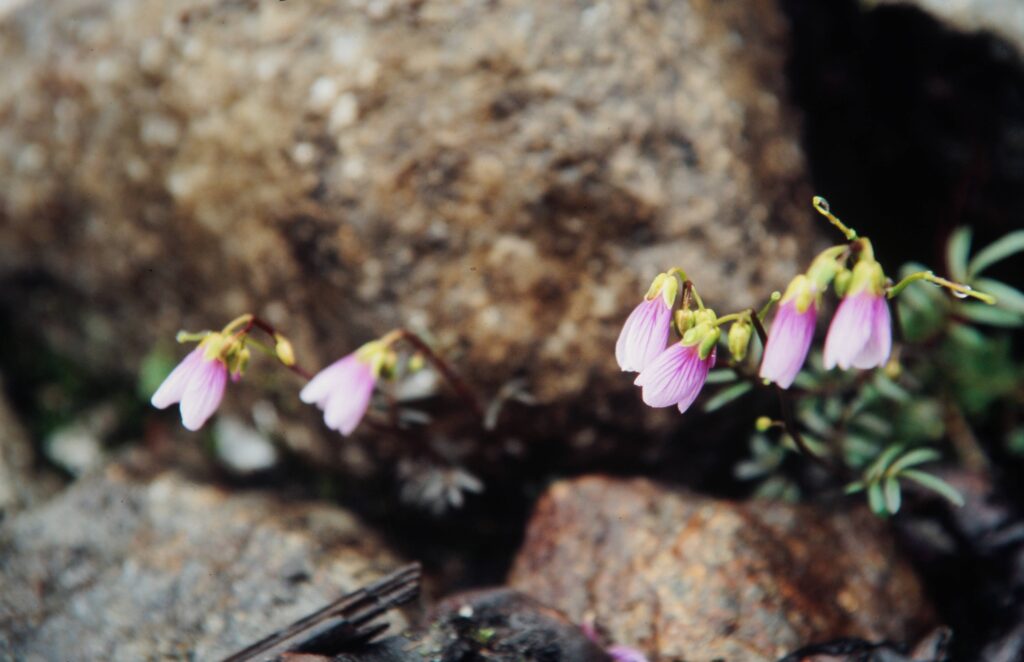
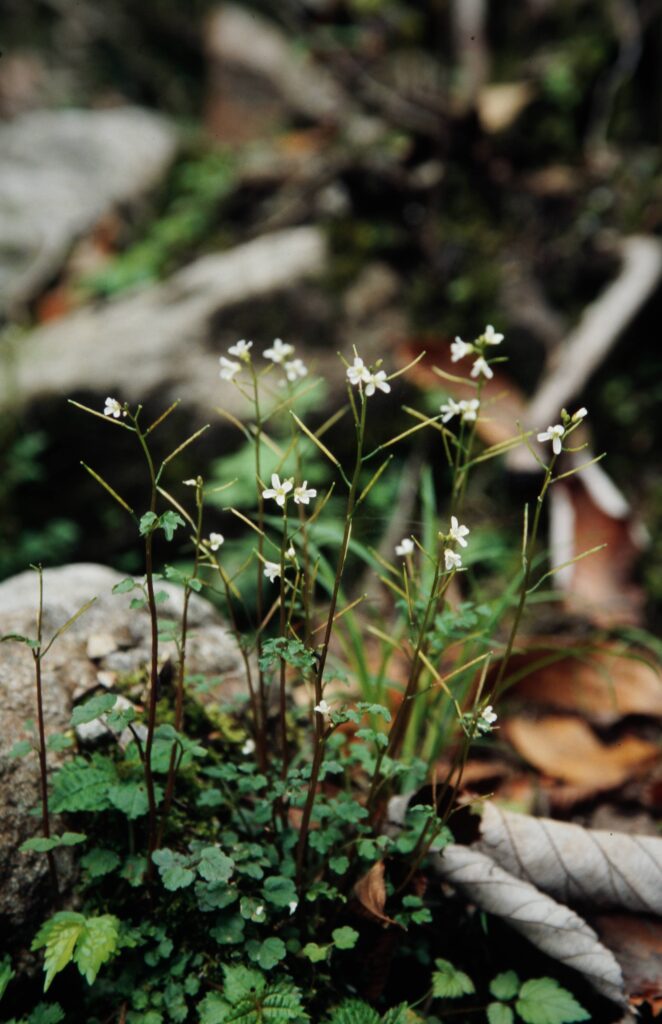
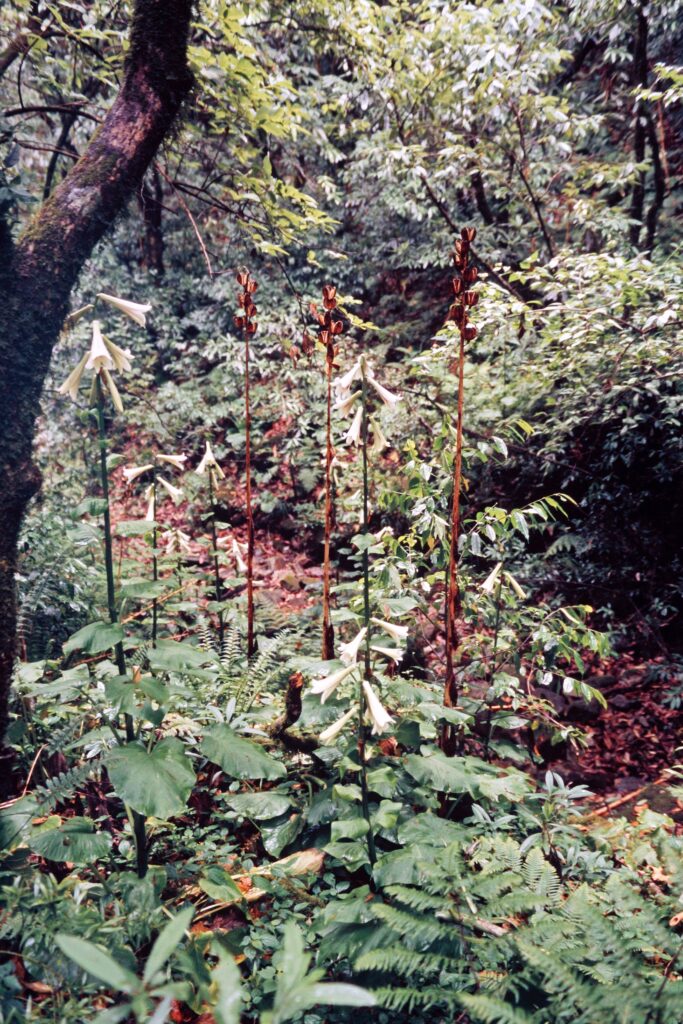
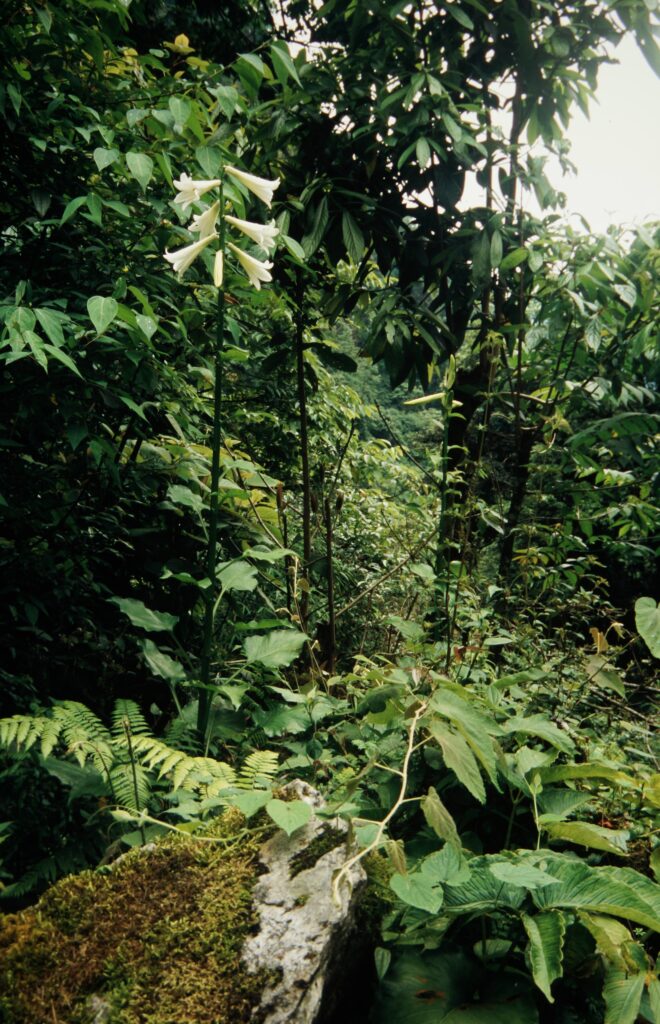
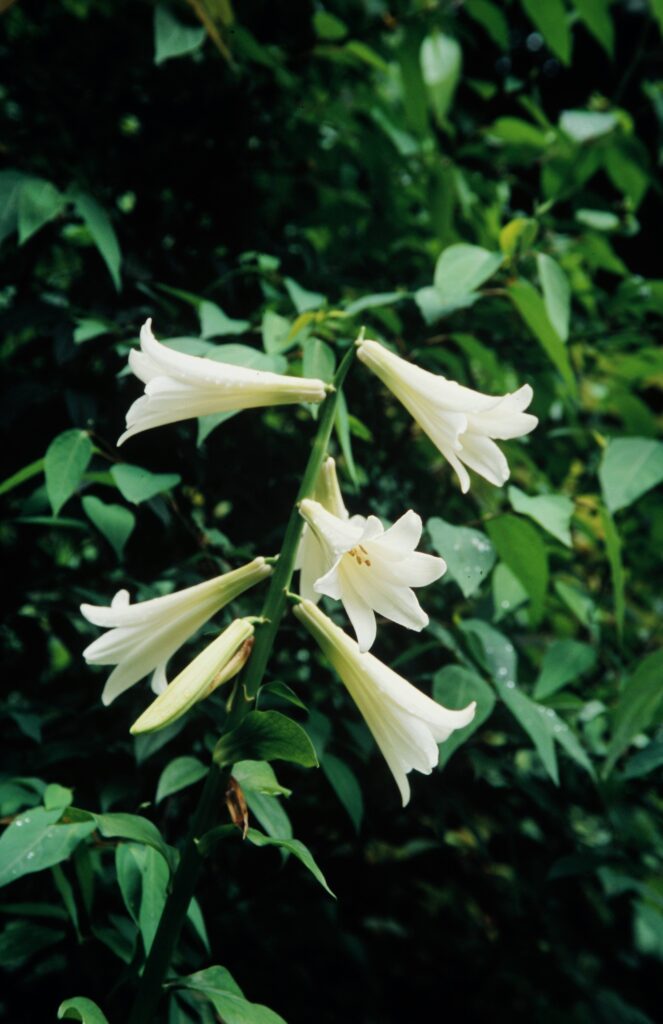
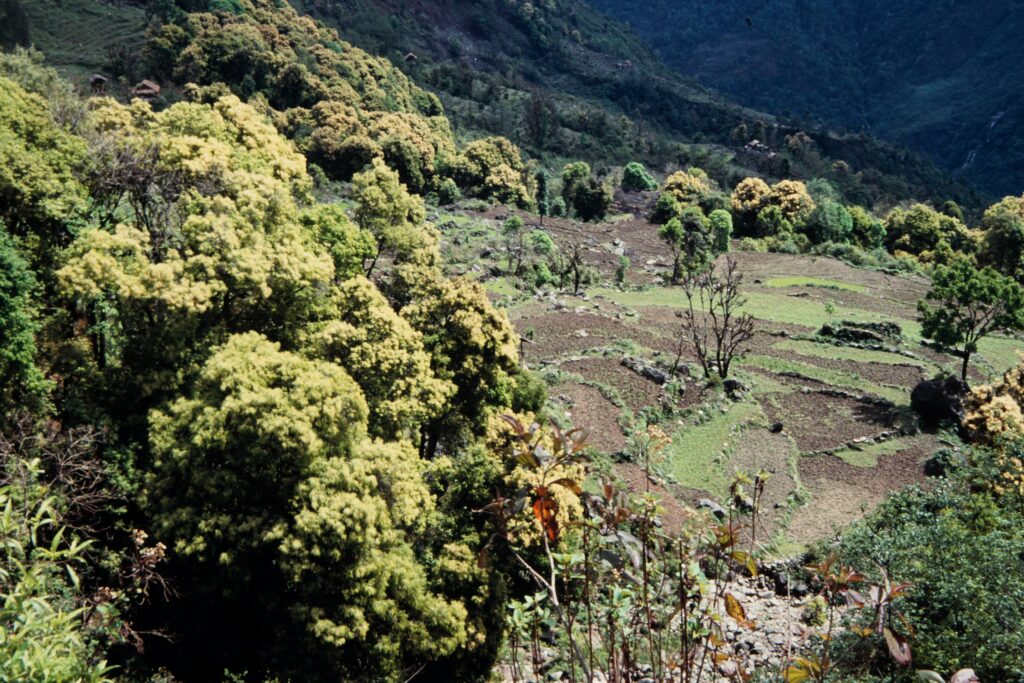
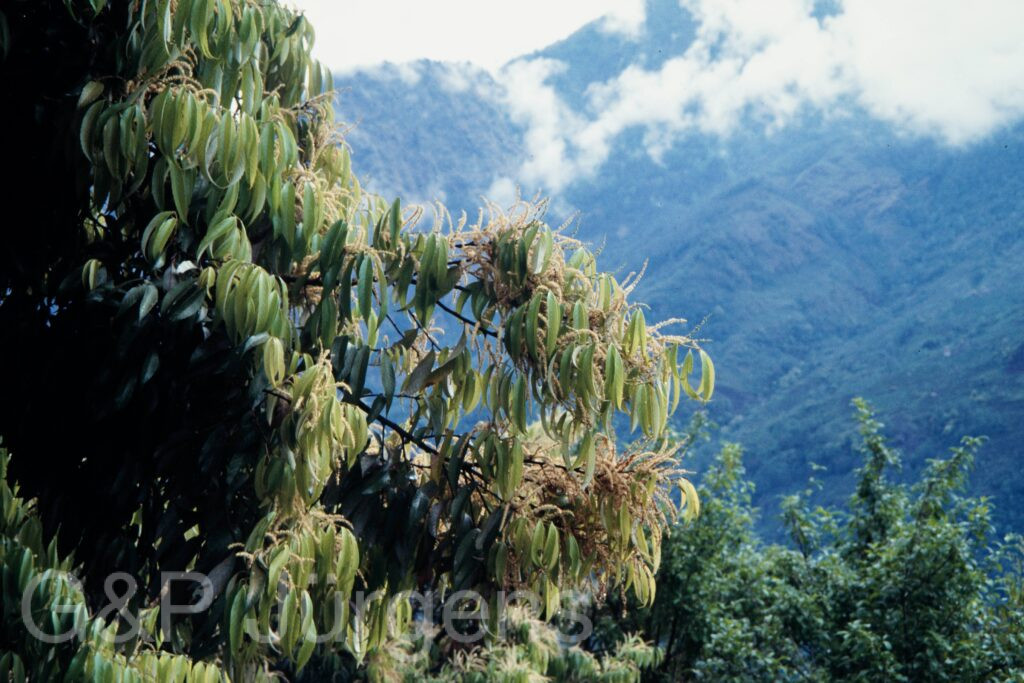
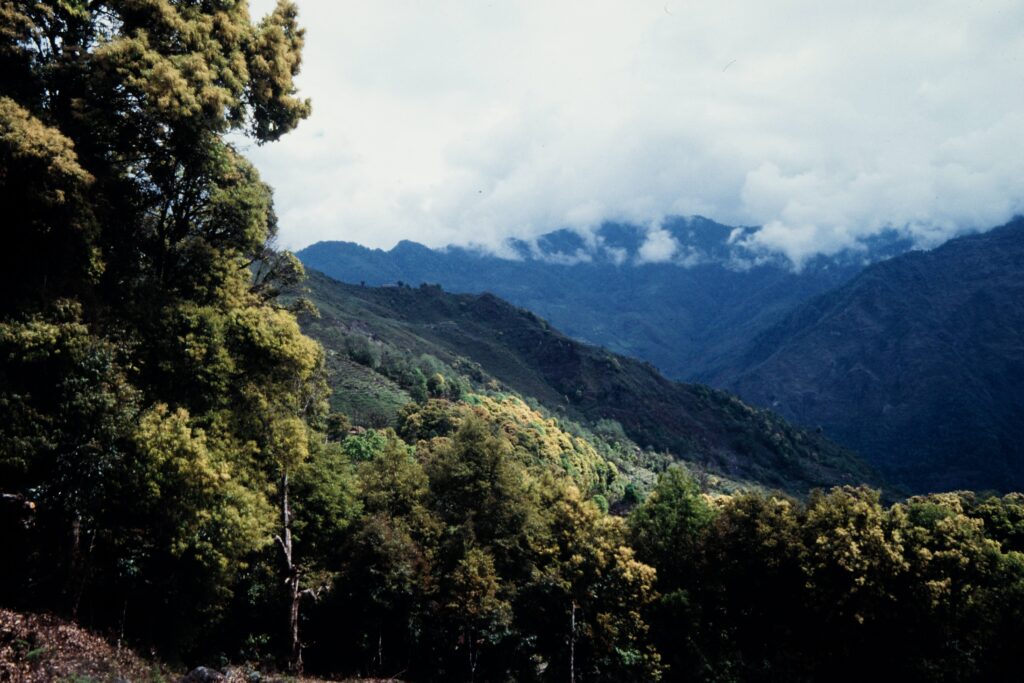
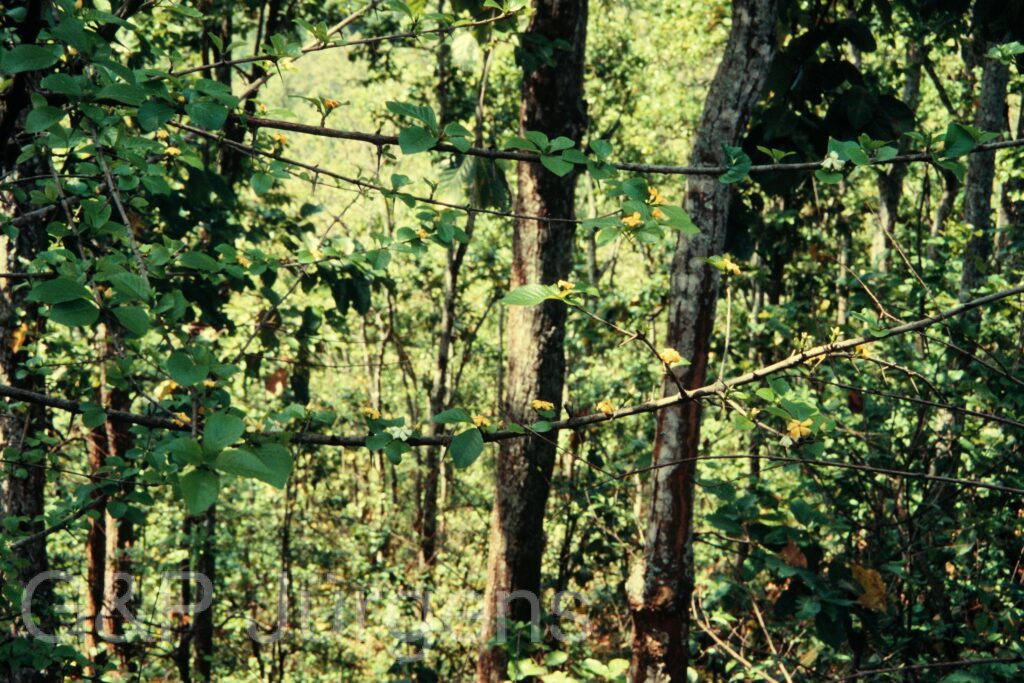
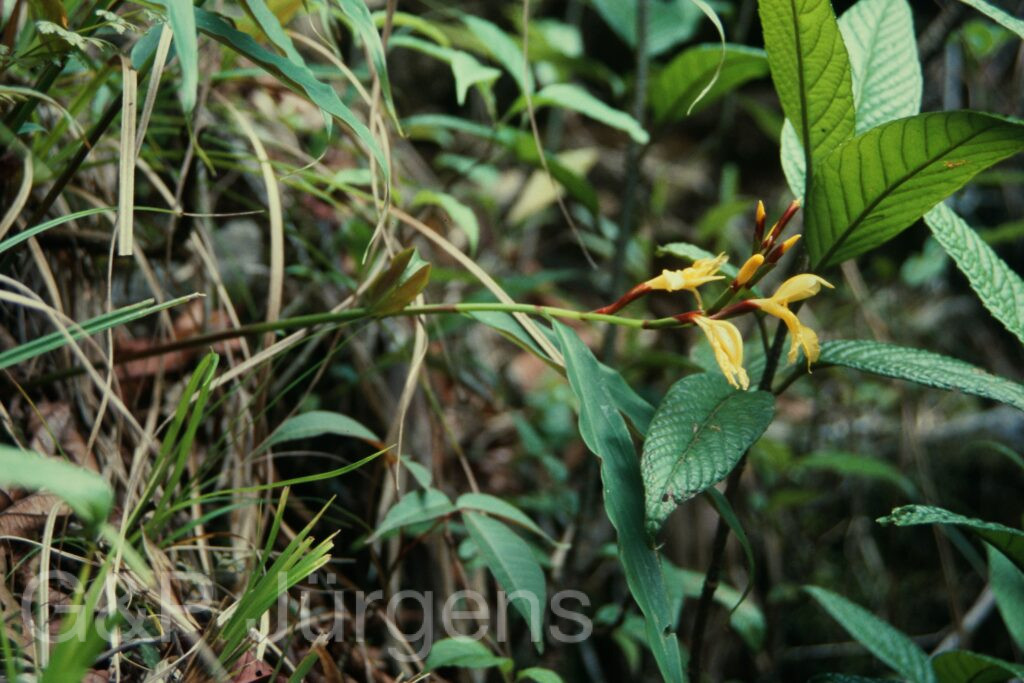
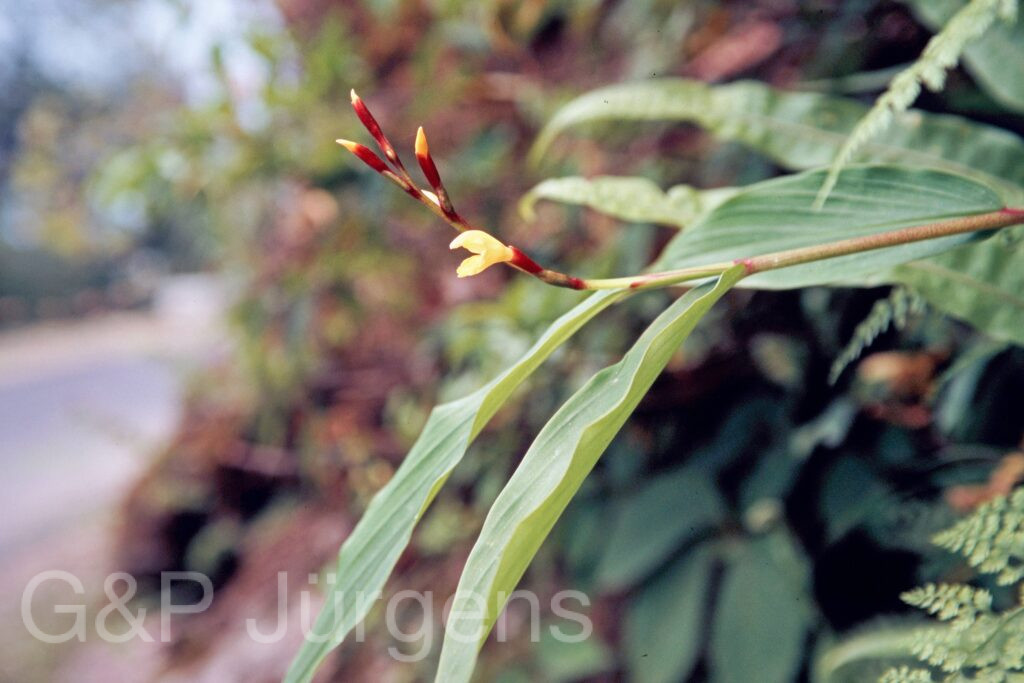
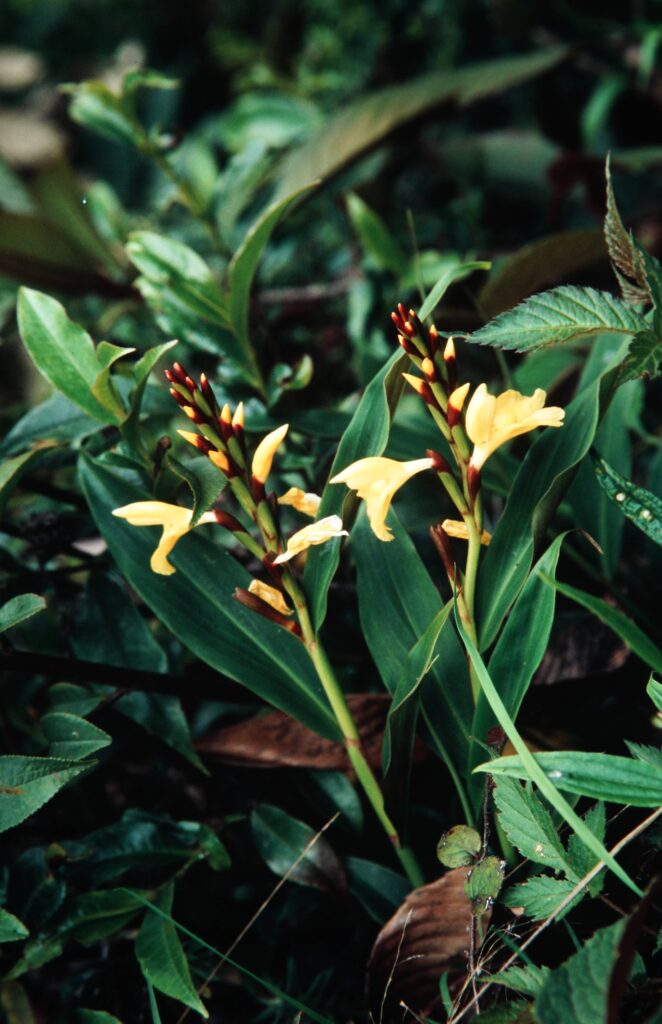
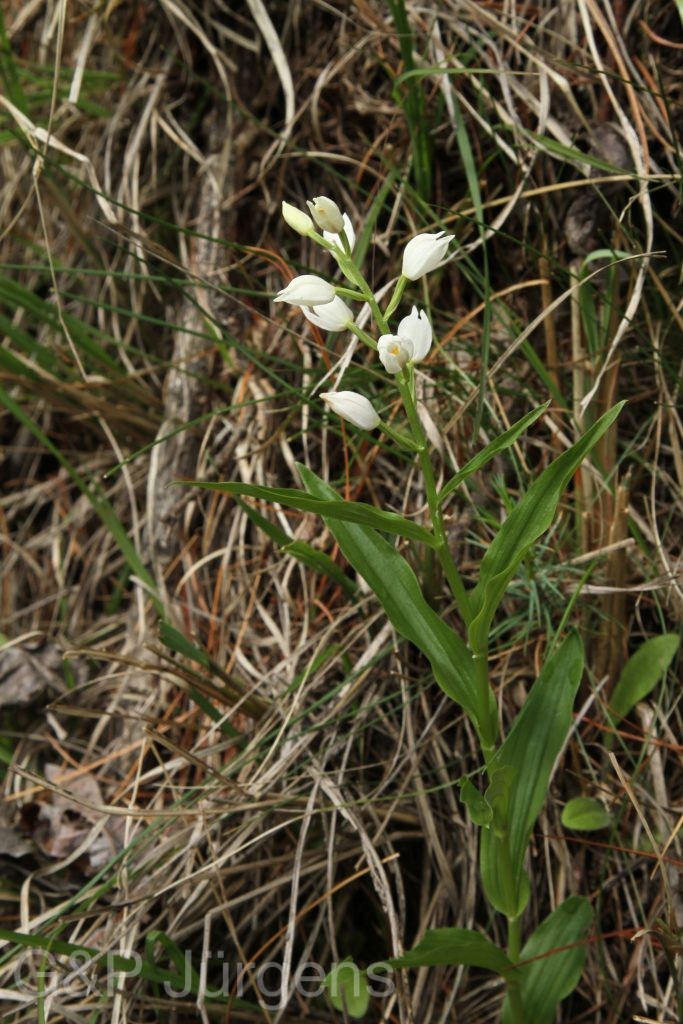
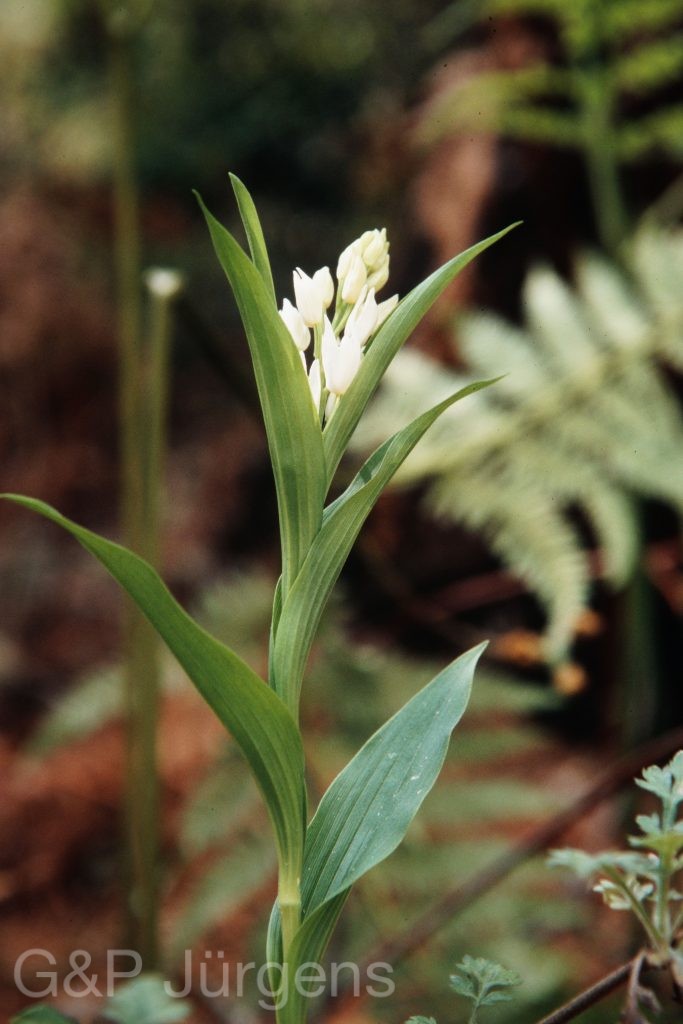
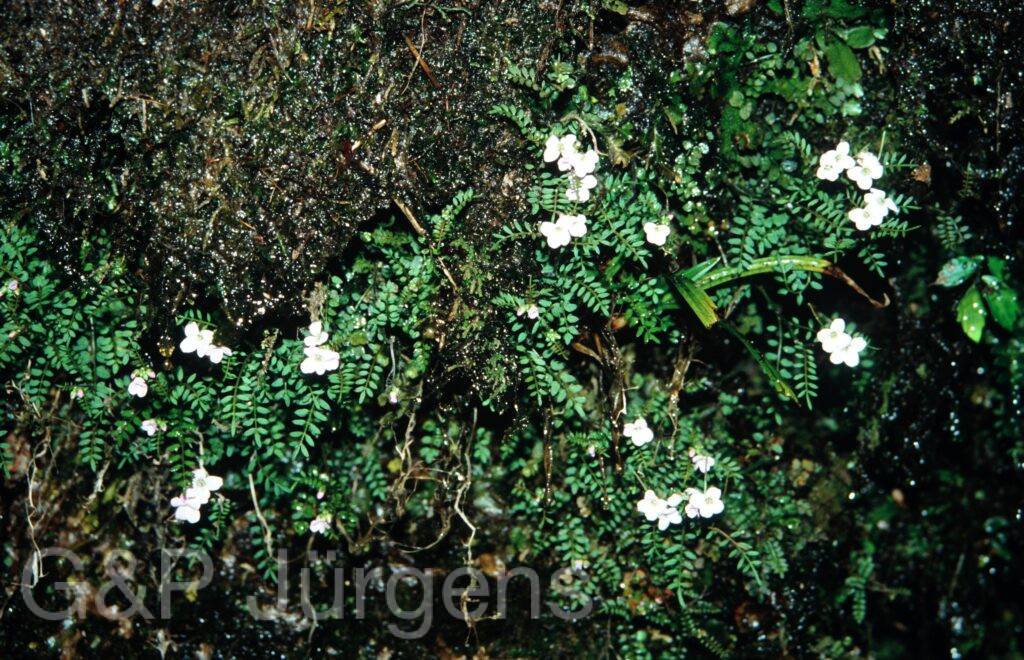
Cardamine elegantula is an Eastern Himalayan species ranging from eastern Nepal through Sikkim and the northern West Bengal hills into Bhutan, with GBIF recording 17 occurrences across BT, NP and IN. It is a plant of cool, humid temperate forest, occurring on shaded, moss-covered banks, in damp ravines and along streamsides where the soil remains moist through the growing season. The photographed population was found in East Nepal at Gupka Pokhari near 2920 m, flowering in April, which is characteristic of its early-season anthesis at montane elevations broadly between 2500 and 3500 m.
The species is a slender, glabrous perennial herb arising from a thin rhizome, with erect to ascending, sparingly branched stems. The leaves are pinnately compound: the cauline leaves bear several pairs of ovate to lanceolate, toothed lateral leaflets and a larger terminal leaflet, the whole foliage delicate in texture. Flowers are borne in lax terminal racemes; each has four free sepals and four white to pale pink, clawed petals arranged in the cruciform pattern of the Brassicaceae, with the characteristic tetradynamous androecium of six stamens. The fruit is a slender, linear silique that dehisces elastically along two valves to disperse the small seeds in a single row.
Within Cardamine, a large cosmopolitan genus of bittercresses, C. elegantula belongs to the perennial, rhizomatous Himalayan element distinguished by its graceful habit, pinnate leaves and slender siliques. As a moisture-demanding forest understorey herb it serves as an indicator of intact, undisturbed temperate woodland. It has not been formally assessed for conservation status; its restricted Eastern Himalayan range makes it potentially sensitive to forest clearance and habitat desiccation.
Author: Hook.f. & Thomson · Sources: POWO (Kew), GBIF, Flora of Bhutan, Annotated Checklist of the Flowering Plants of Nepal, Flora of China (Brassicaceae)