(Voigt) Grierson
Description
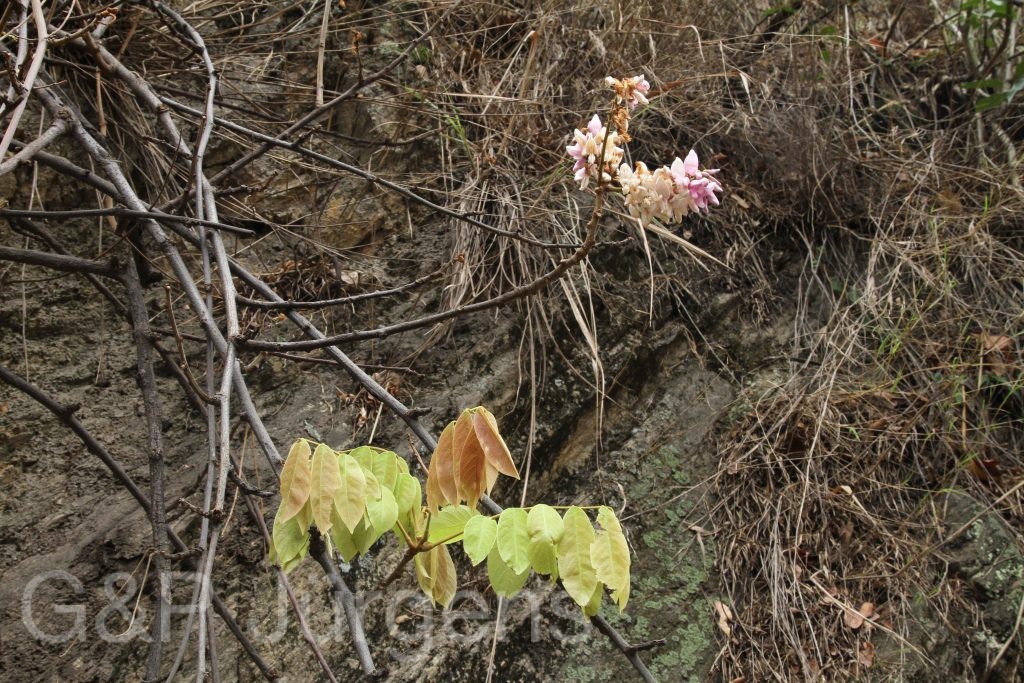
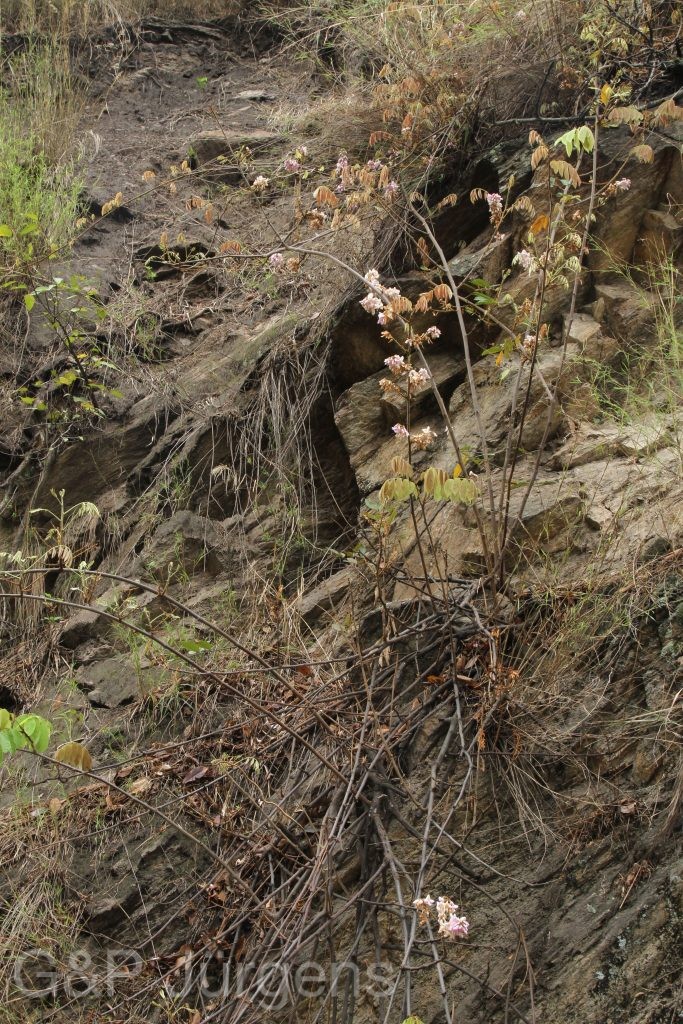
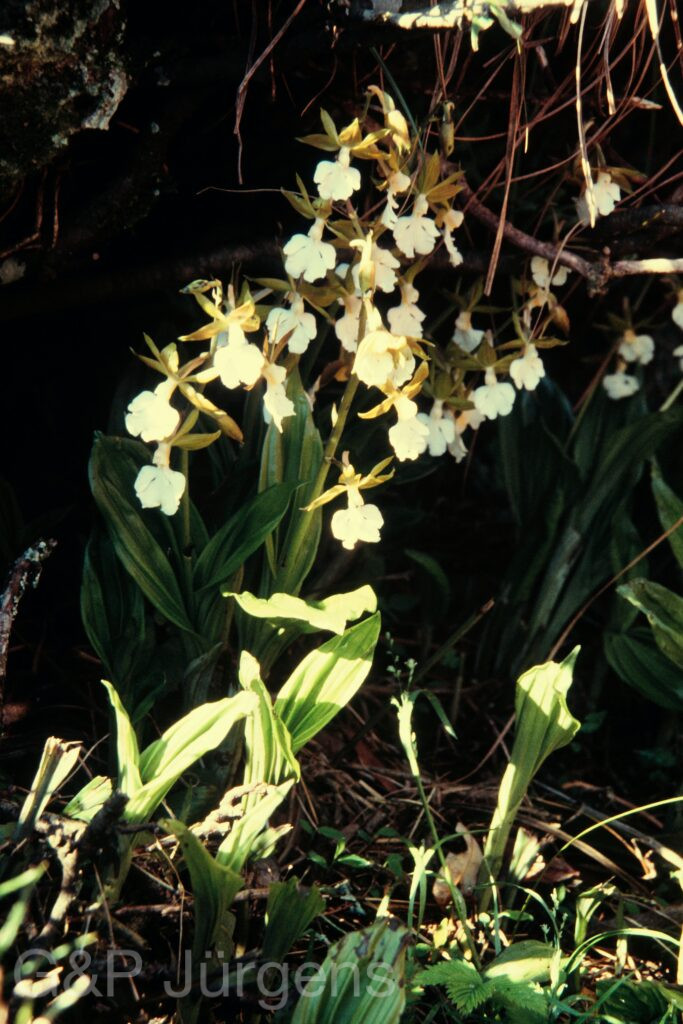
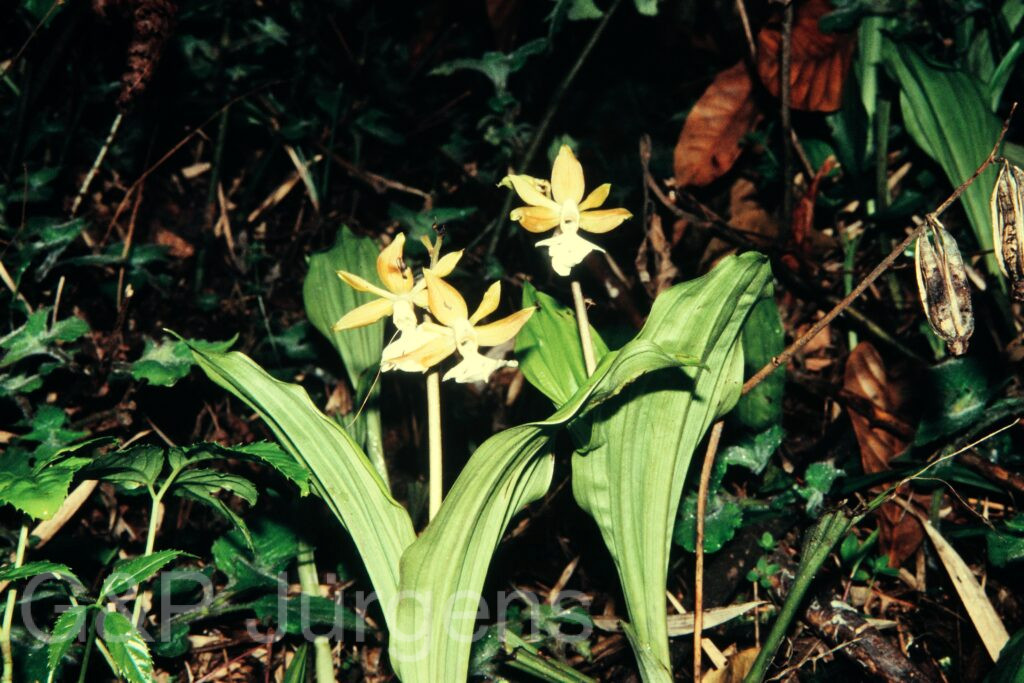
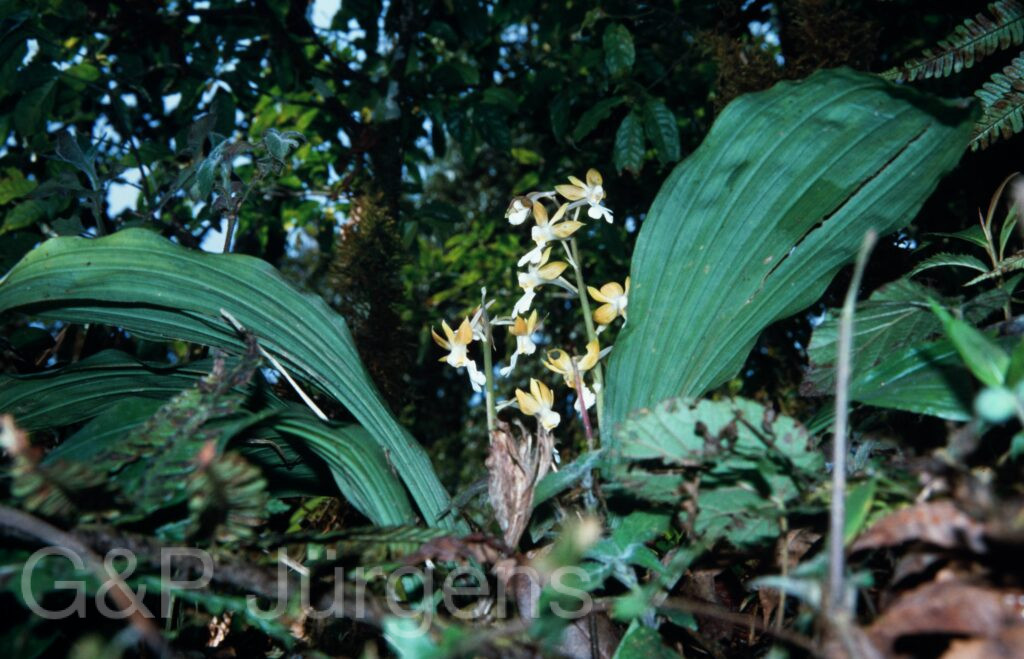
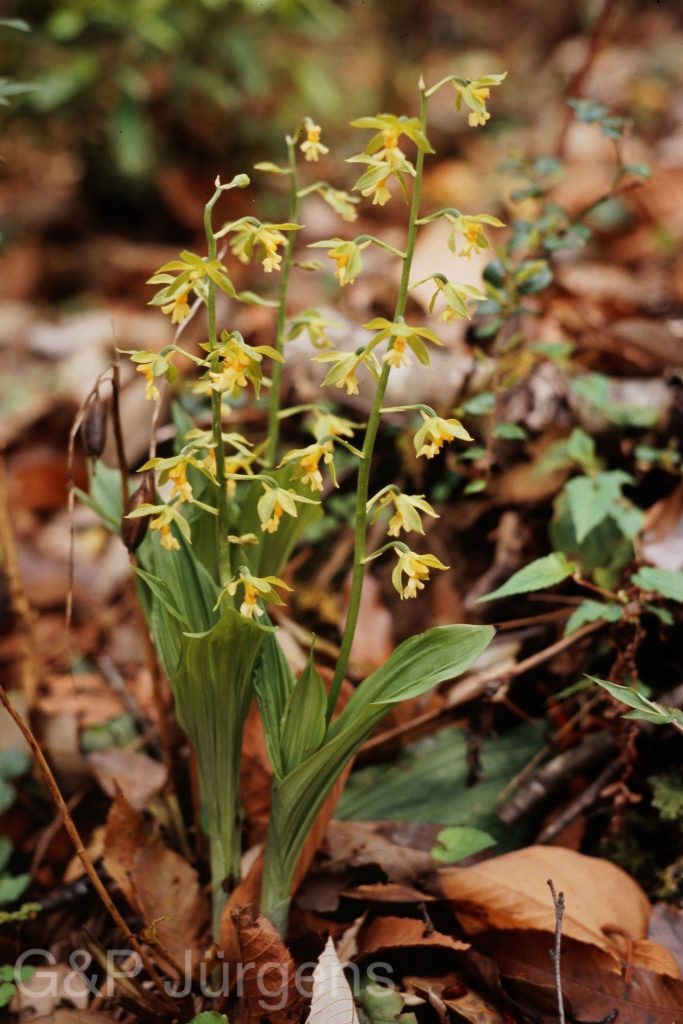
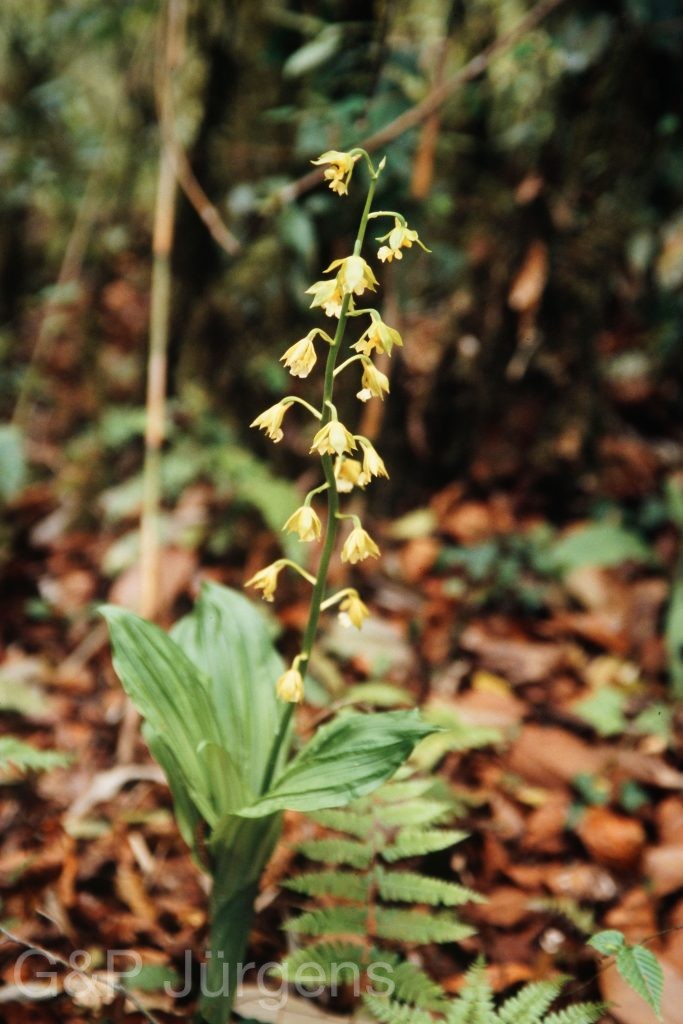
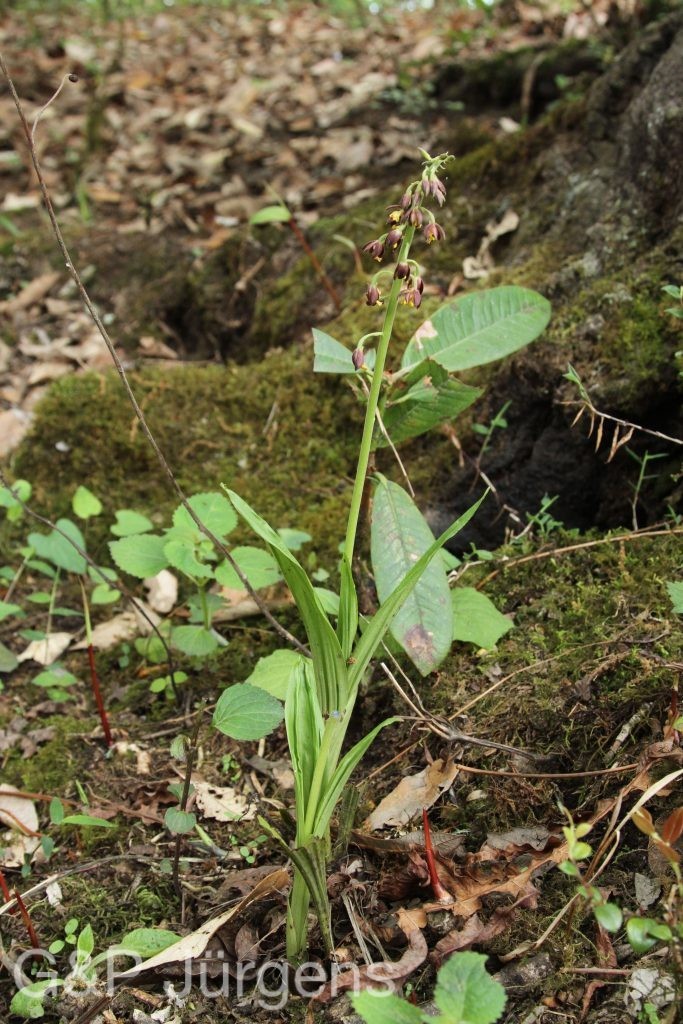
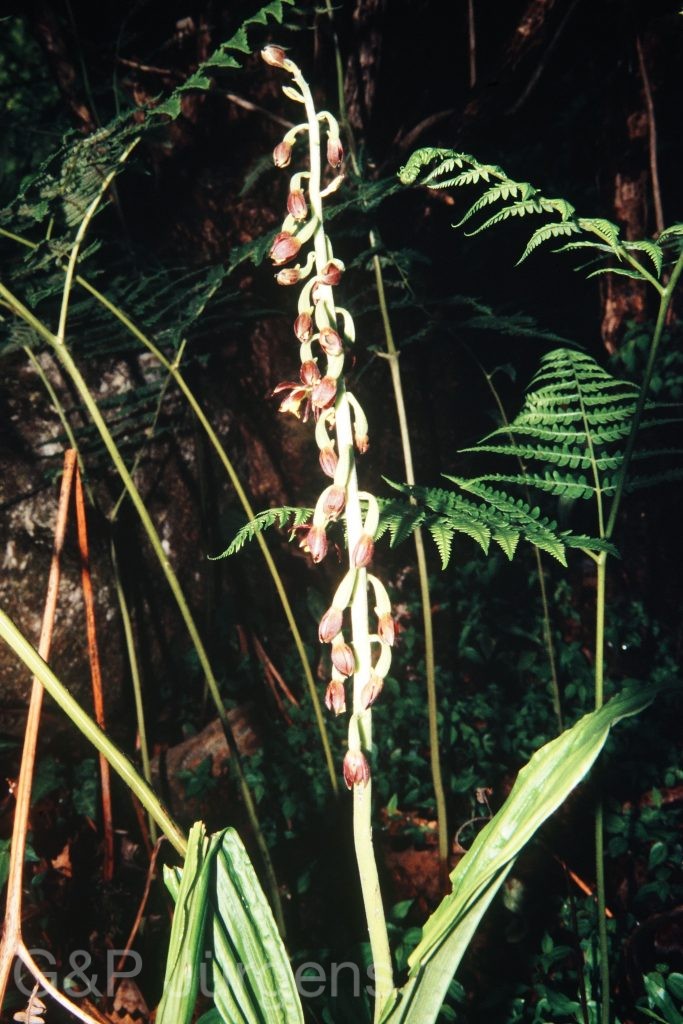
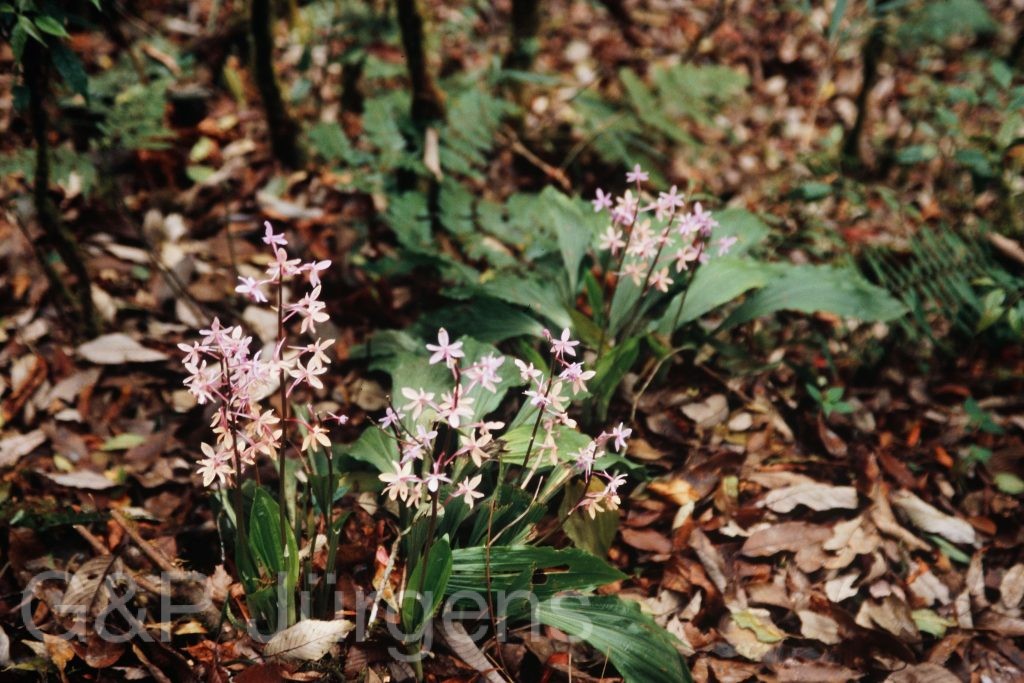
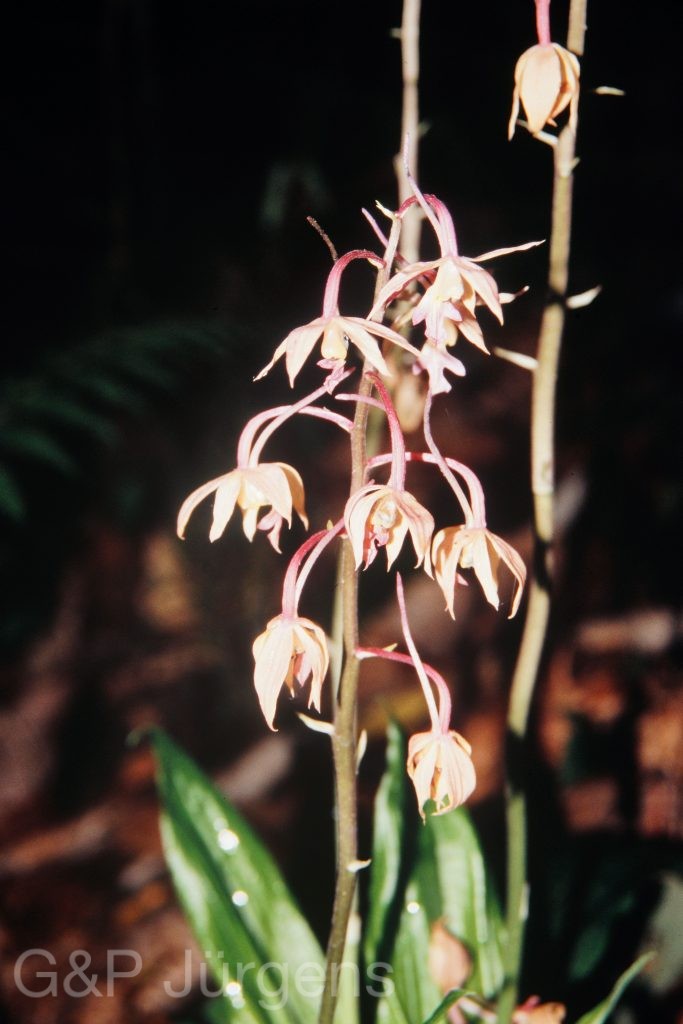
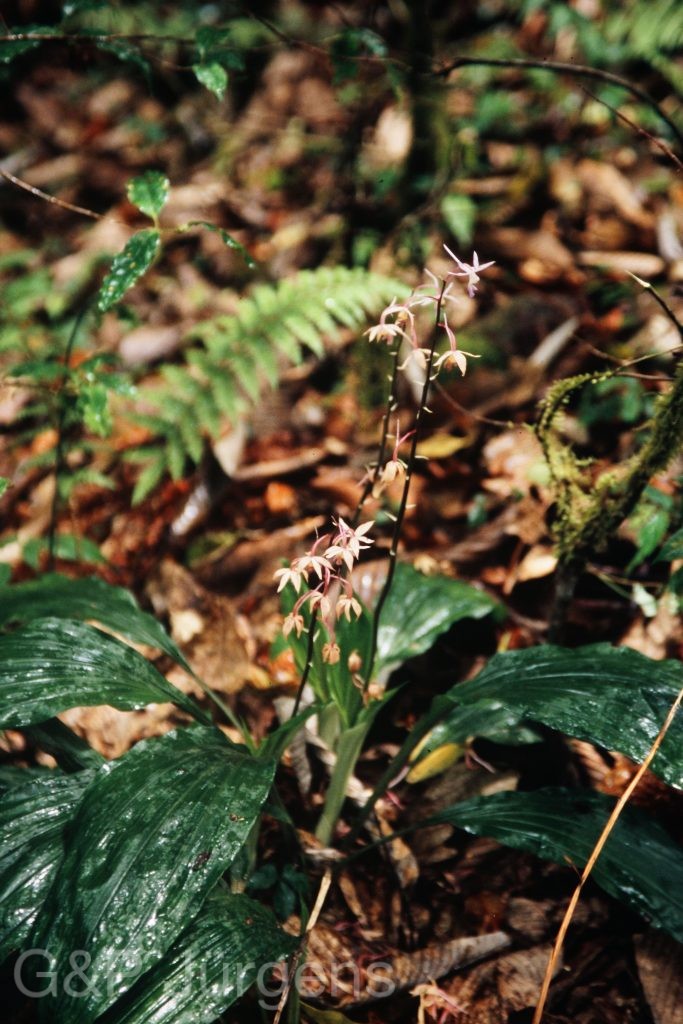
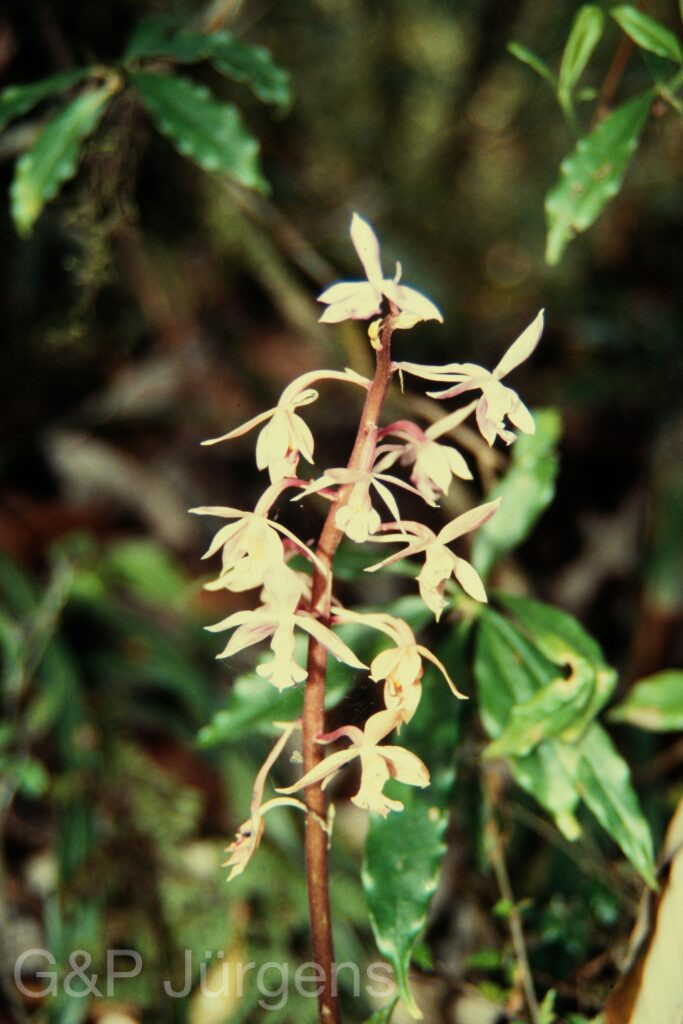
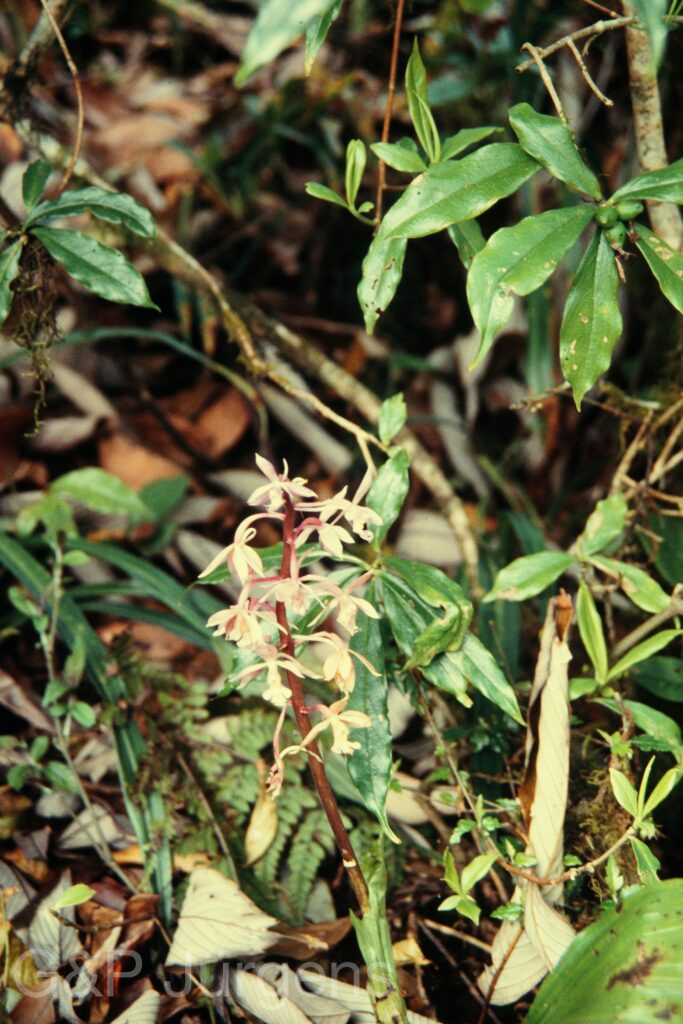
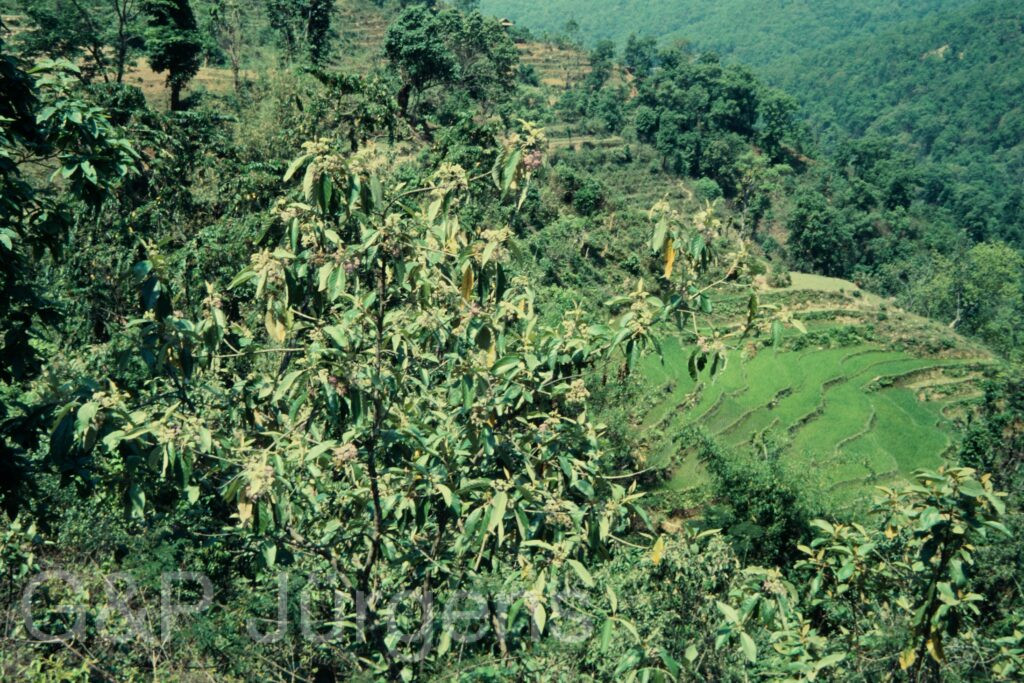
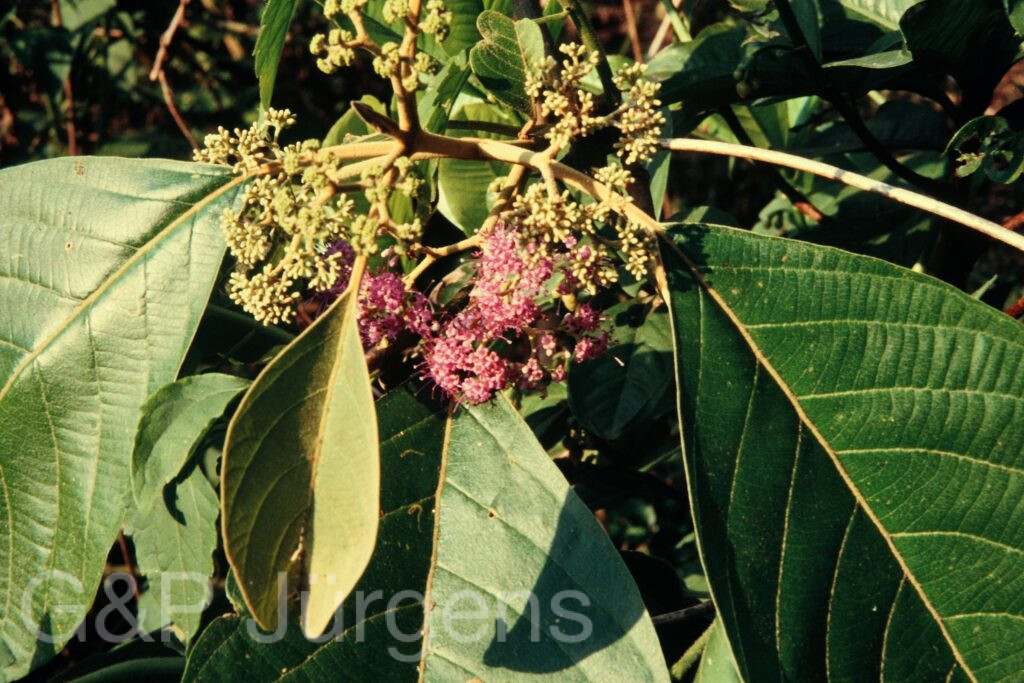
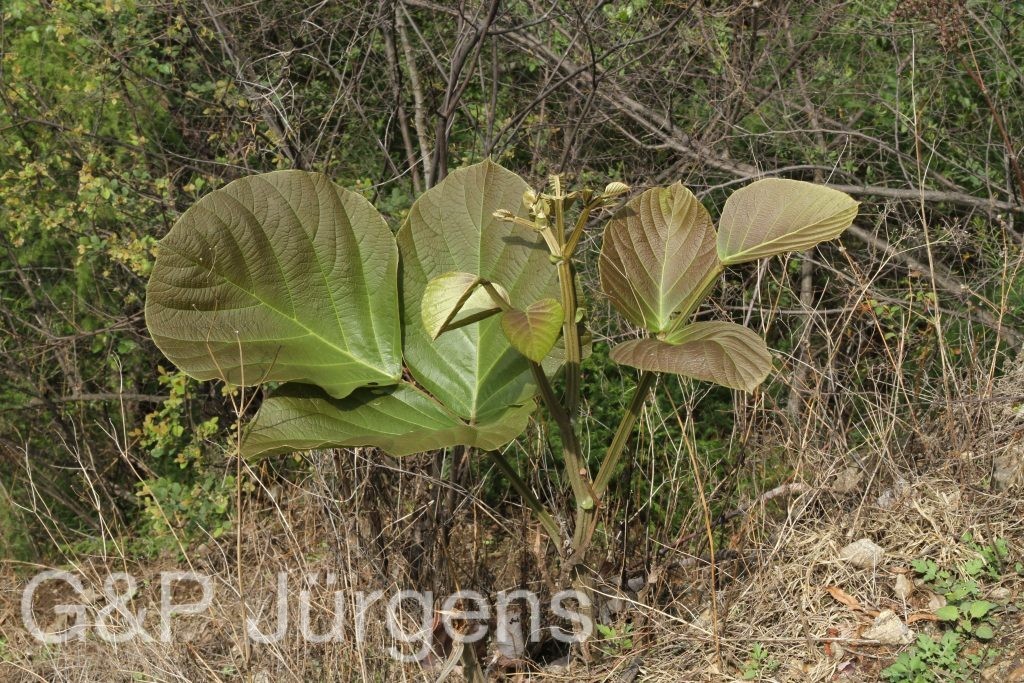
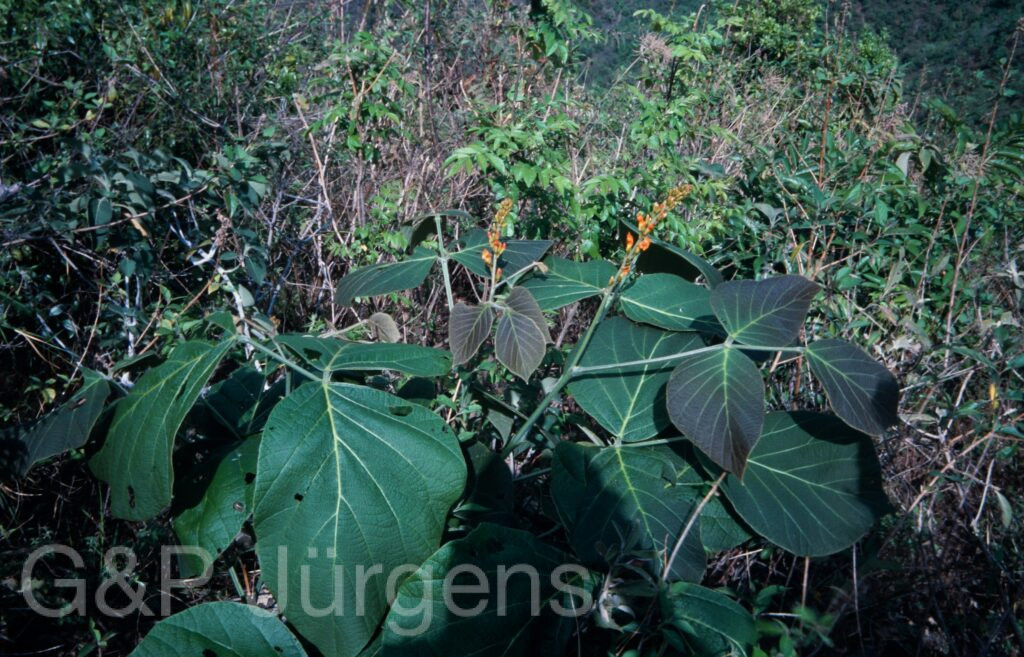
Butea buteiformis is a small tree or scandent shrub of the subtropical and warm-temperate broad-leaved forests of the eastern and central Himalaya, ranging through Nepal, India, Bhutan, Bangladesh and Myanmar, with some 220 georeferenced collections documenting a continuous arc along the southern Himalayan front. It occupies forest margins, ravines and secondary thickets, typically between about 1000 and 2200 m. The photographed plants were recorded at Trashigang in eastern Bhutan at 1900 m and at Tullikot in the Gorkha district of central Nepal at 1750 m, both flowering in May, a season coinciding with the pre-monsoon flush in these mid-montane belts.
The species is a deciduous, often climbing legume with twining or trailing branches and stout, lenticellate stems. The leaves are pinnately trifoliolate, the leaflets broadly ovate to rhombic, coriaceous, with the lateral pair distinctly oblique and a prominent reticulate venation; young growth is silky-pubescent. The inflorescences are dense axillary or terminal racemes bearing showy papilionaceous flowers; the calyx is campanulate and silky-tomentose, and the corolla is bright orange to scarlet, the standard recurved and the keel strongly curved, as is characteristic of bird-pollinated Butea. The fruit is a flattened, indehiscent, samaroid pod, thickened and seed-bearing toward the apex.
Butea is a small palaeotropical genus allied to Spatholobus and Meizotropis within the tribe Phaseoleae; B. buteiformis is distinguished from the lowland B. monosperma by its montane habit, smaller stature and more slender, often climbing form. The vivid ornithophilous flowers are visited by sunbirds and other nectarivores. Though not assessed as threatened and locally frequent, populations face forest clearance along accessible mid-elevation slopes.
Author: (Voigt) Grierson · Sources: POWO (Kew), GBIF, Flora of Bhutan, Flora of Nepal, Legumes of the World (Lewis et al.)