Tag:

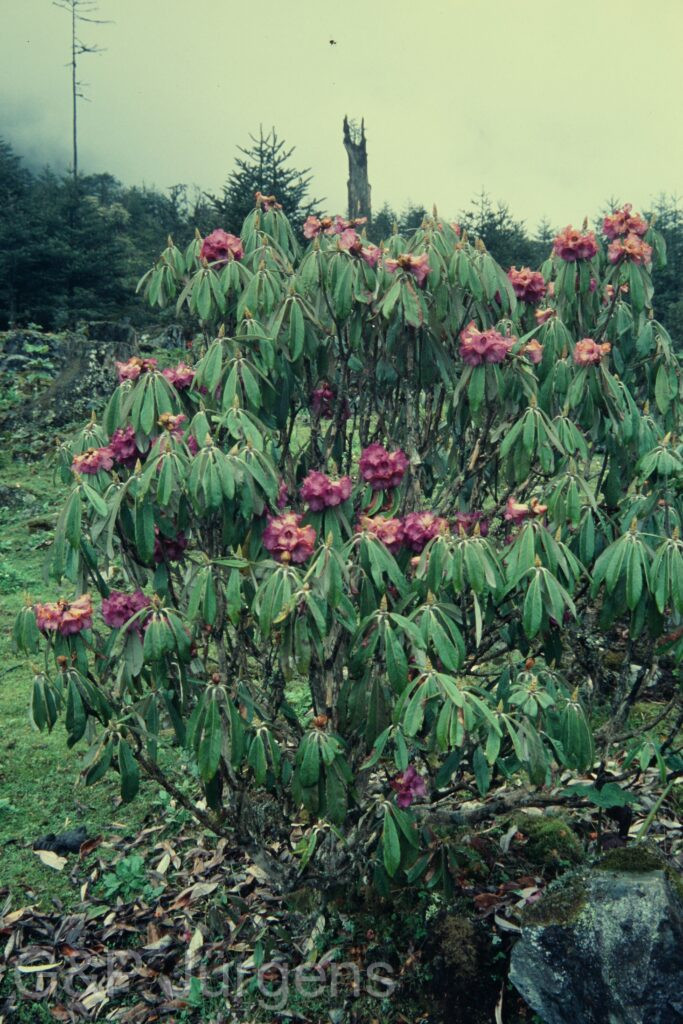
Summer

Hook. f.

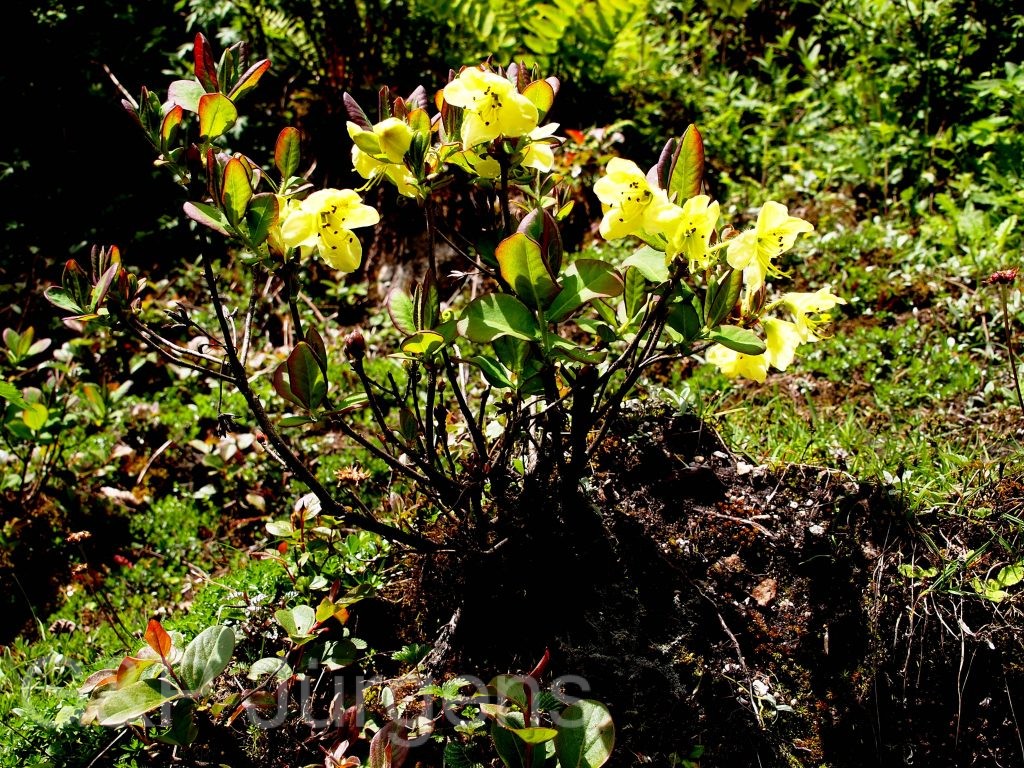
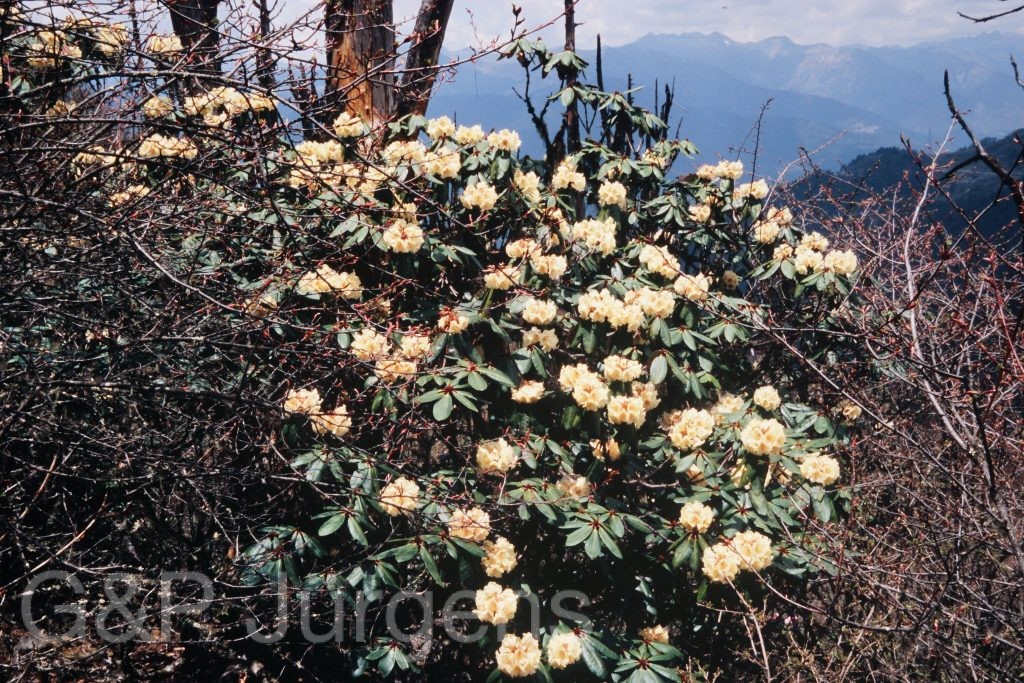
Sikkim2003 473 P655
Sikkim Lachung Valley 3100m August
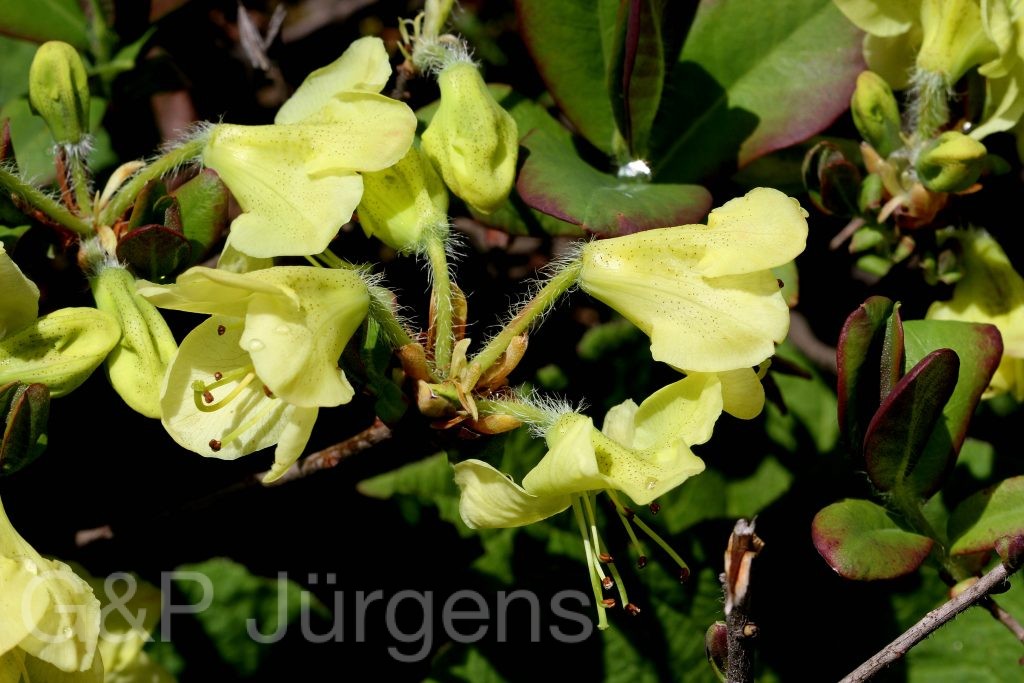
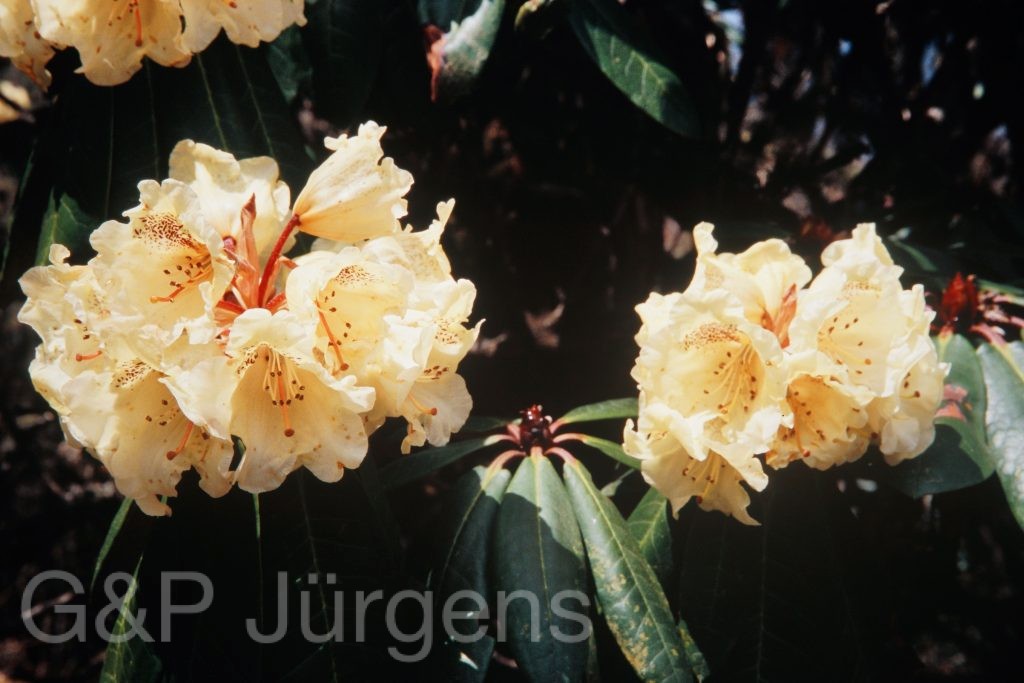
Sikkim2004 409 P699
Sikkim Lachung Valley 3500m May
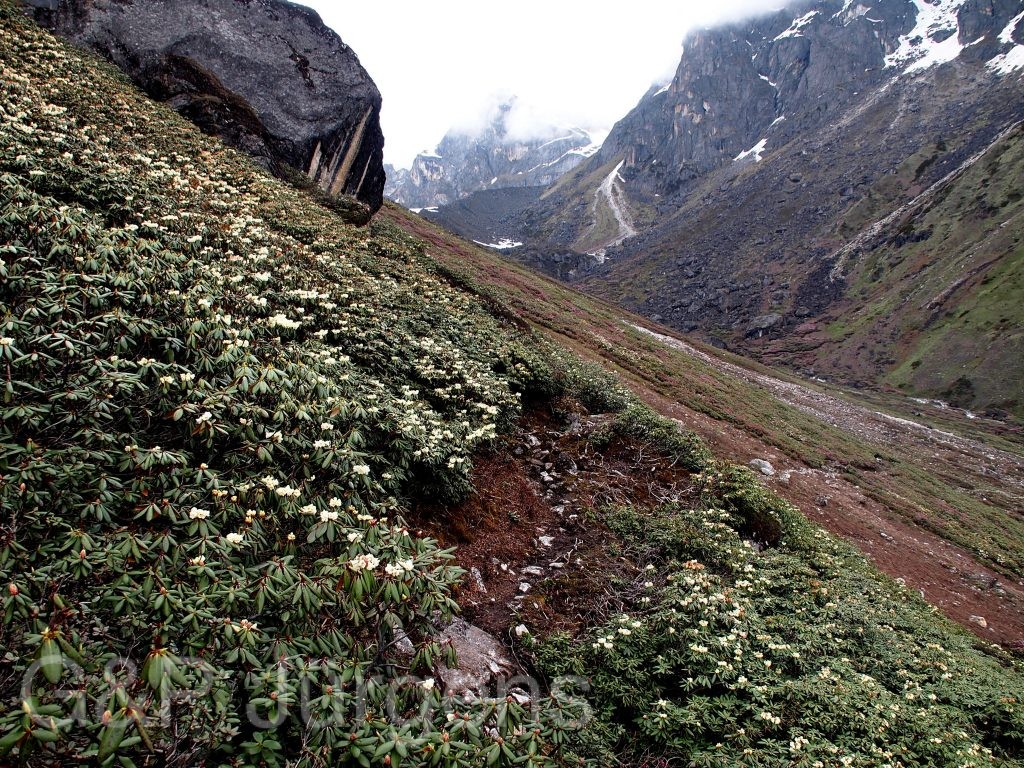
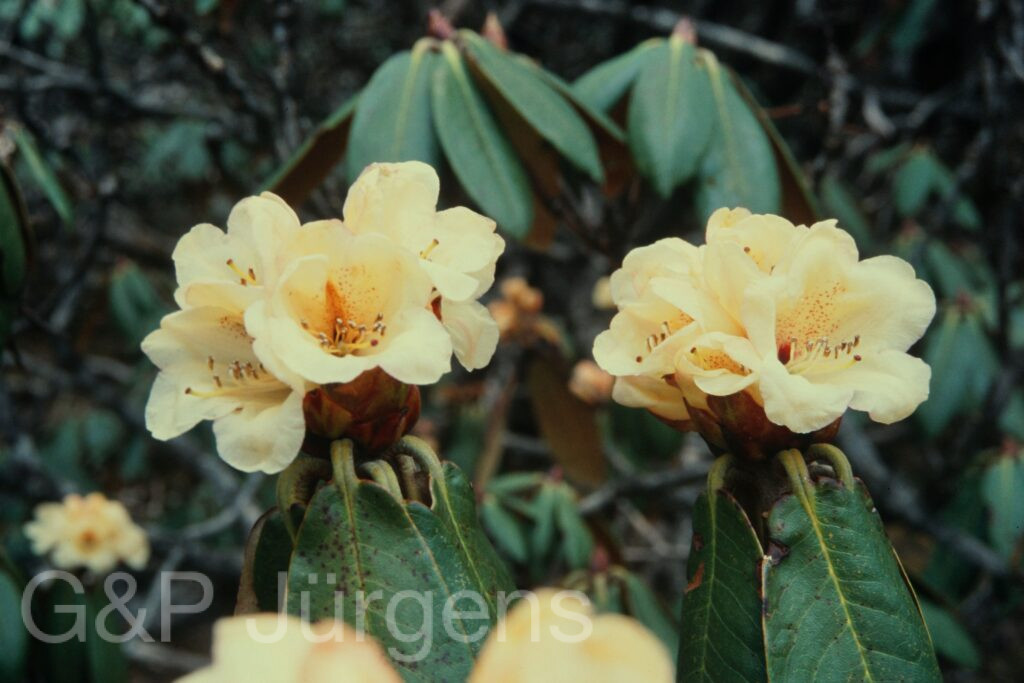
Sikkim2004 407 P697
Sikkim Lachung Valley 350

Description

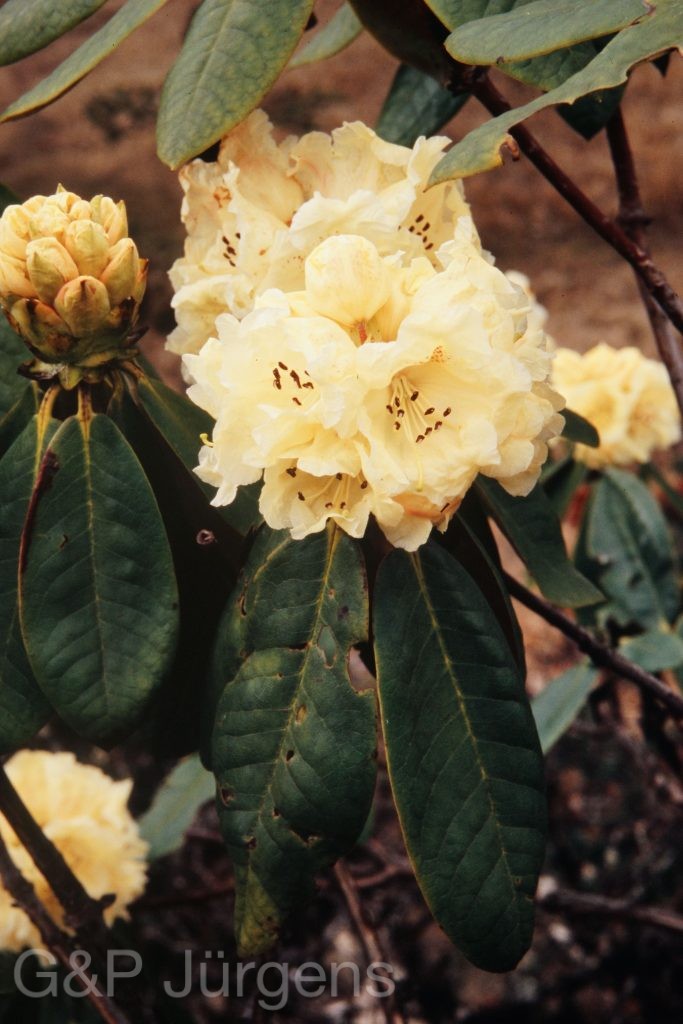
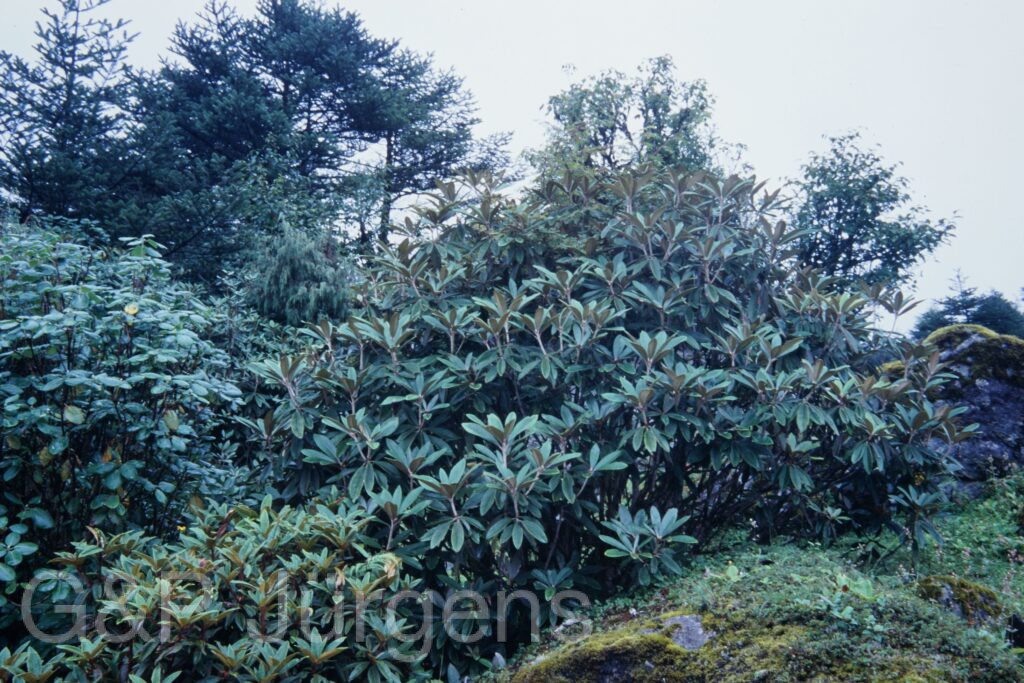
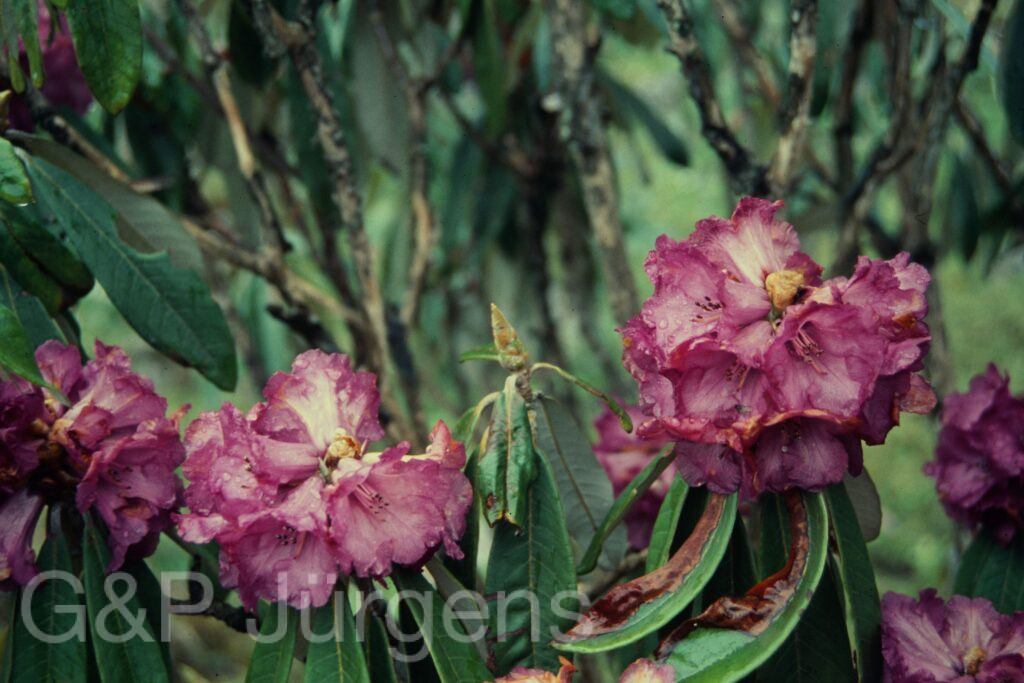
Rhododendron niveum is a narrowly distributed eastern Himalayan species native to the Sikkim region of India, with extensions into adjacent China and Bhutan; its 92 georeferenced records, supplemented by occurrences in cultivation in Britain, Sweden, North America and Canada, reflect both a restricted wild range and its prominence in horticulture. It is a shrub or small tree of subalpine forest, rhododendron thickets and open hillsides near the treeline. The populations documented in the Lachung Valley of northern Sikkim between about 3100 and 3500 m, flowering in May and persisting in August, exemplify its high-montane habitat on cool, moist, acidic slopes.

The plant forms a compact tree or large shrub with stout branches. The leaves are obovate-elliptic, leathery and dark green above, their lower surface coated with a dense, persistent, silvery-white to fawn indumentum, the snowy tomentum that gives the species its epithet niveum. The flowers are grouped in dense, rounded terminal trusses; the campanulate corolla is a distinctive smoky lilac to deep purplish-mauve, a colour unusual among Himalayan rhododendrons, with ten stamens and a smooth, elongate ovary. The fruit is a woody, septicidal capsule releasing numerous minute seeds.

Within the vast genus Rhododendron, R. niveum belongs to subsection Arborea and is prized horticulturally for its striking flower colour and felted foliage, having been introduced by J. D. Hooker. Its restricted distribution and dependence on a narrow subalpine belt render it locally vulnerable to habitat loss, grazing and climatic shifts at the treeline, and it is of conservation interest as an eastern Himalayan near-endemic.

Author: Hook. f. · Sources: POWO (Kew), GBIF, Flora of Bhutan, Flora of China, The Rhododendron Handbook (RHS), Cox & Cox's The Encyclopedia of Rhododendron Species
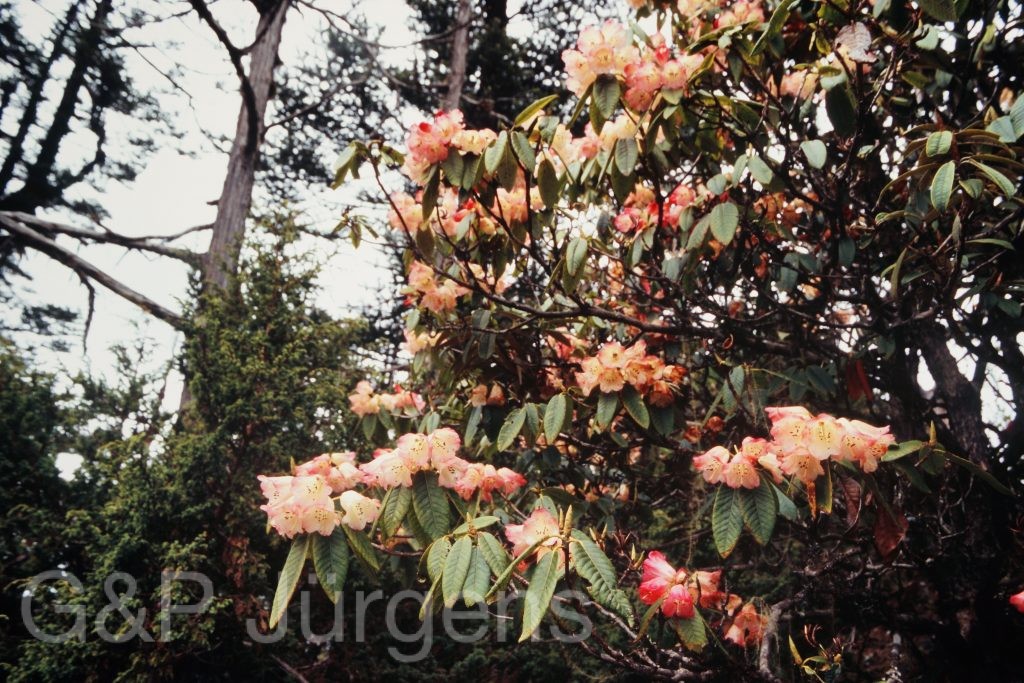
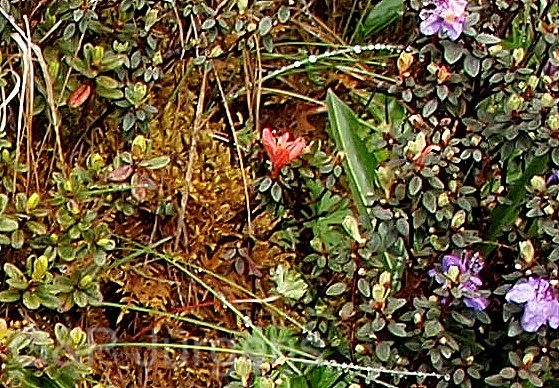
Balf. f. & R.E. Cooper

Bh09 75 P128
Bhutan Jangchulakha, 3700m June

Description

Rhododendron papillatum is a narrowly distributed eastern Himalayan shrub recorded from Bhutan, China, India and Nepal, and is among the rarer species treated here with only about 19 GBIF occurrences. It grows in the upper temperate to subalpine zone, inhabiting open conifer and mixed forest, rhododendron thickets and shrubby slopes generally between roughly 3000 and 4000 m. The photograph from Jangchulakha in Bhutan at 3700 m in June captures it at its early-summer flowering season, when these high ridges carry a dense understorey of evergreen rhododendrons emerging from winter snow.

It is an evergreen shrub or small tree with stout branchlets. The leaves are leathery and elliptic to obovate, dark green and glabrous above, and distinctively papillate beneath, the lower surface bearing a thin papillose covering (the feature giving the epithet) rather than the dense indumentum seen in many relatives. The flowers are borne in a terminal truss; the corolla is broadly campanulate, white flushed pink to pale rose and usually marked with darker spots within, with numerous stamens and a glandular ovary. The fruit is a woody septicidal capsule that splits to release abundant minute seeds.

Within Rhododendron, this species is placed in subgenus Hymenanthes (the elepidote rhododendrons), a group strongly radiated across the Sino-Himalayan ranges where allopatry and elevation partitioning have produced many local endemics. Its restricted range and modest occurrence count make it a species of biogeographic interest and potential conservation concern, dependent on intact high-altitude forest. Pollination is chiefly by bees and other insects attracted to the conspicuous corollas.

Author: Balf. f. & R.E. Cooper · Sources: POWO (Kew), GBIF, Flora of Bhutan, Flora of China, The Genus Rhododendron (Edinburgh / Cullen & Chamberlain)

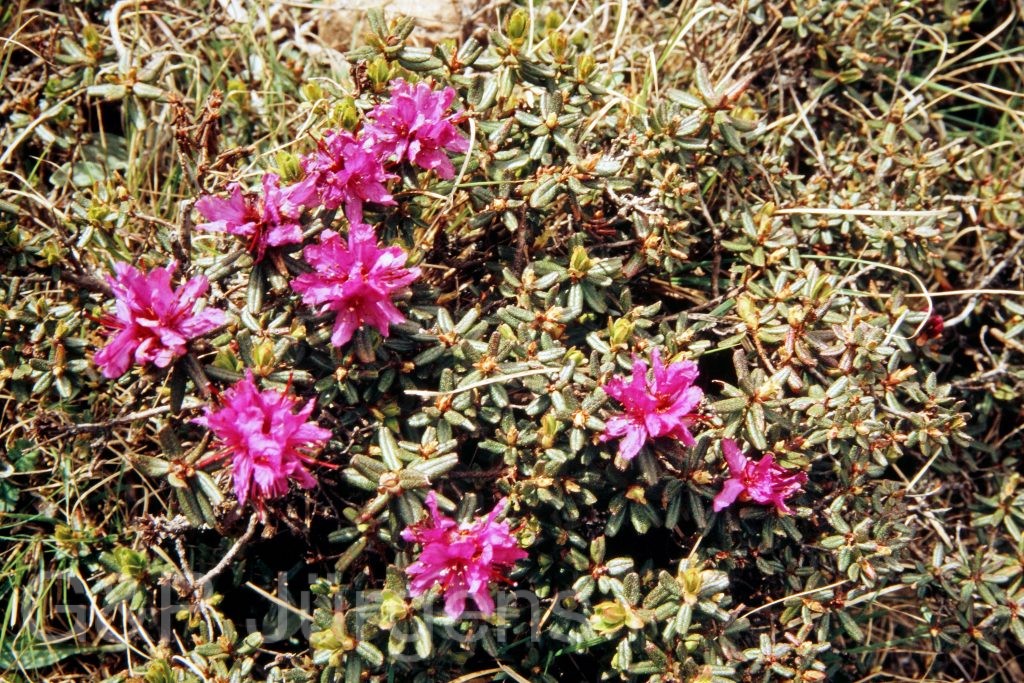
Hook. f.

BhutanPG2011 549 1
Bhutan Ludlow-Sherriff-Trail Dem-Tso, 4700m July

Description

Rhododendron pumilum is a diminutive alpine shrublet of the eastern Himalaya and adjacent Sino-Himalayan region, recorded from China (Tibet, Yunnan), Nepal, India, Bhutan and Myanmar, with 115 georeferenced occurrences. It inhabits the high alpine zone, growing in damp turf, on mossy rocks, peaty banks and the margins of snow-fed meltwater seeps, typically between about 3500 and 4800 m. The species was photographed on the Ludlow-Sherriff Trail near Dem-Tso, Bhutan, at 4700 m in July, an elevation reflecting its strong association with the uppermost alpine meadows and moist micro-sites close to the limit of vascular plant growth.

It is one of the smallest rhododendrons, a creeping, mat-forming evergreen rarely more than 8 to 15 cm tall, with slender prostrate stems rooting at the nodes and minutely scaly young growth. The tiny leaves are obovate to elliptic, leathery, lepidote beneath with pale scales and often slightly revolute at the margin. The flowers are borne singly or in pairs at the shoot tips on relatively long pedicels and are nodding, broadly campanulate and pink to rose-purple, comparatively large in proportion to the plant; the stamens are typically ten and the style short and stout. The fruit is a small scaly capsule.

The species is placed in Rhododendron subgenus Rhododendron, section Rhododendron (subsection Uniflora), a group of cushion-forming dwarf lepidote species of the high Sino-Himalaya. Its solitary nodding flowers and creeping habit distinguish it from related dwarfs. Ecologically it is a specialist of cold, moist, well-aerated alpine substrates and an associate of cushion-plant communities. Though not assessed as globally threatened, its restriction to narrow high-elevation habitats makes it vulnerable to climate-driven habitat contraction.

Author: Hook. f. · Sources: POWO (Kew), GBIF, Flora of Bhutan, Flora of China, The Genus Rhododendron (Cullen & Chamberlain monograph)

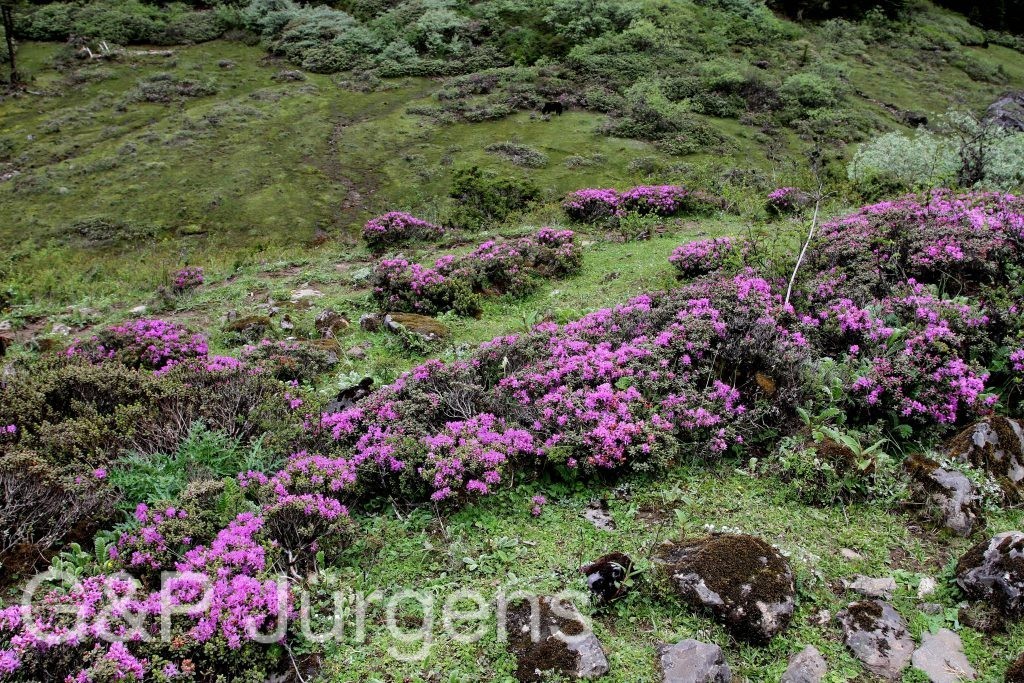
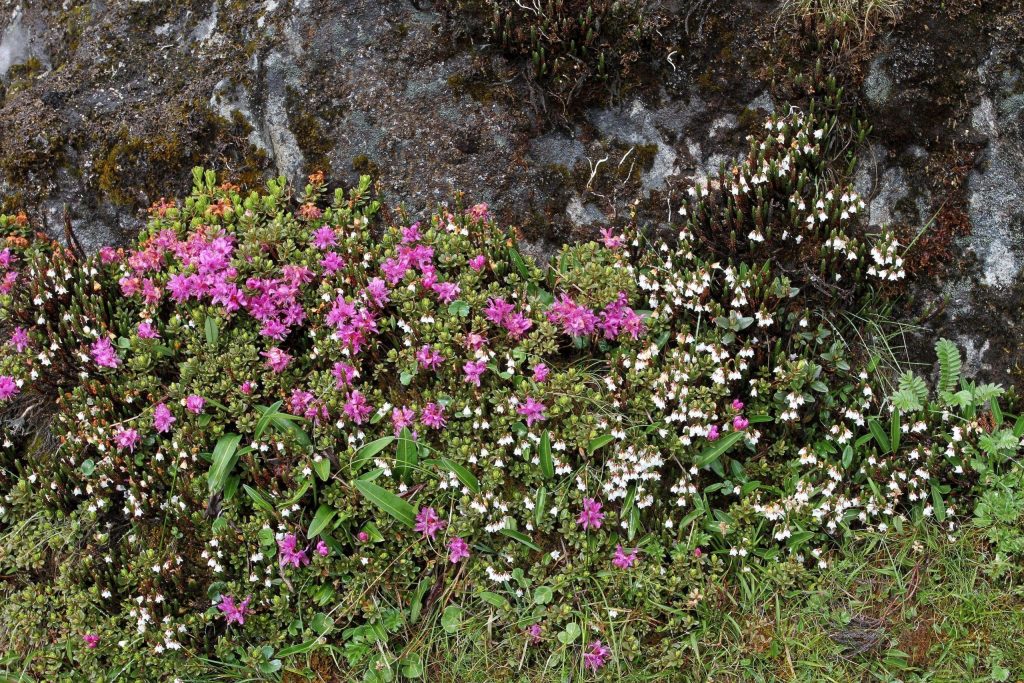
D. Don

BhutanPG2011 242
Bhutan Tsochenchen 3800m June
BhutanPG2011 550 01 scaled
Bhutan Tsochenchen 3800m June, see also: Cassiope fastigiata
Bh09 6 P8
Bhutan Chele-La 3950m June

Description

Rhododendron setosum is a high-alpine dwarf shrub distributed through the eastern and central Himalaya, recorded from Nepal, India (Sikkim), Bhutan, and southern Tibet (China), with 507 georeferenced occurrences confirming a continuous arc along the main range. It is a characteristic plant of the upper alpine zone, forming low cushions and open mats on exposed ridges, moraines and the margins of dwarf-rhododendron heath, frequently above the treeline between about 3500 and 5000 m. It was photographed at Tsochenchen, Bhutan, at 3800 m in June and on the Chele-La pass at 3950 m, where it grows alongside Cassiope fastigiata in cold, peaty acidic substrates exposed to strong insolation and wind.

It is a much-branched, prostrate to ascending evergreen shrublet rarely exceeding 30 cm, the young shoots densely setose with stiff bristly hairs and gland-tipped trichomes that give the plant a strongly aromatic resinous scent. The small leaves are elliptic to oblong, leathery, glandular-scaly (lepidote) on both surfaces and bristly-margined, crowded toward the branch tips. The flowers, borne in small terminal clusters, are broadly campanulate to funnel-shaped and a vivid pink-purple to magenta, with a setose, glandular calyx and exserted stamens. The fruit is a small ovoid septicidal capsule.

The species belongs to Rhododendron subgenus Rhododendron, section Pogonanthum, a group of aromatic small-leaved lepidote rhododendrons centred on the Sino-Himalaya. Its glandular indumentum and powerful scent are diagnostic within this section. Ecologically it is a pioneer of disturbed alpine ground and a component of dwarf-shrub heath, tolerant of frost and intense radiation. Though locally abundant and not threatened, populations are sensitive to grazing and warming-driven shifts of the treeline.

Author: D. Don · Sources: POWO (Kew), GBIF, Flora of Bhutan, Flora of China, The Genus Rhododendron (Cullen & Chamberlain monograph)

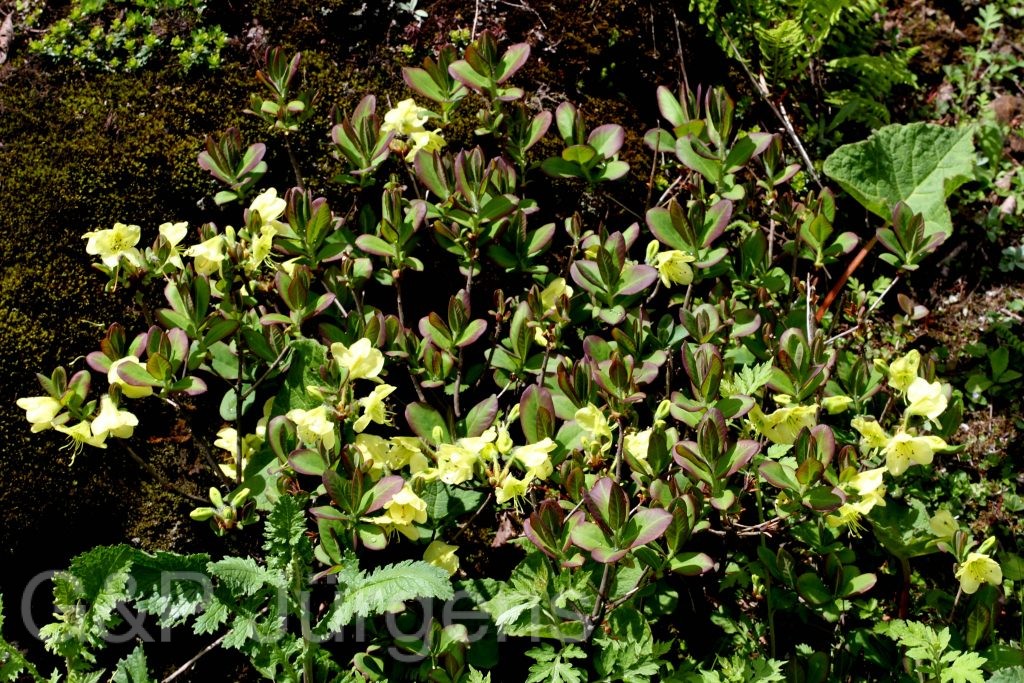
Franch.

Sikkim2011 211
Sikkim Yumthang 3500m, June
Sikkim2011 213
Sikkim Yumthang 3500m, June
Sikkim2011 218
Sikkim Yumthang 3500m, June

Description

Rhododendron trichocladum is a deciduous, scaly-leaved shrub of the eastern Himalaya and adjacent Sino-Himalayan ranges, distributed across south-western China (notably Yunnan and south-eastern Tibet), northern Myanmar and the Indian Himalaya, with GBIF records (553 occurrences) confirming a centre of abundance in Sikkim, Yunnan and Upper Myanmar. It occupies open hillsides, forest margins, rhododendron thickets and rocky slopes at roughly 2700-4000 m, frequently in cool, humid, moss-rich montane settings. The photographed plant from the Yumthang valley in north Sikkim at about 3500 m in June typifies its preferred sub-alpine zone, where it flowers as the snow recedes alongside dwarf rhododendrons and primulas.

A much-branched shrub usually 0.5-1.5 m tall, with thin, often bristly young shoots bearing scattered scales and setae. The thin, deciduous leaves are obovate to elliptic, bright green, sparsely scaly above and densely lepidote beneath, with ciliate margins and a short petiole. Flowers are borne in small terminal clusters of one to three, opening with or before the leaves; the widely funnel-campanulate corolla is yellow, often greenish-yellow and sometimes faintly spotted, with five lobes and a scaly outer surface. Stamens ten, declinate; the ovary is densely scaly, tapering into a slender style. The fruit is a small, ovoid, scaly capsule dehiscing septicidally to release minute winged seeds.

The species belongs to Rhododendron subsection Trichoclada (subgenus Rhododendron), a small group of deciduous, yellow-flowered, scaly-leaved shrubs characterised by their bristly indumentum. It is a valuable subject for cool temperate woodland gardens and has contributed to horticultural breeding. Though not globally threatened given its broad Sino-Himalayan range, populations are locally dependent on undisturbed sub-alpine scrub, making them sensitive to grazing pressure, fuelwood collection and habitat shifts driven by warming climates.

Author: Franch. · Sources: POWO (Kew), GBIF, Flora of China, Flora of Bhutan, The Genus Rhododendron (Royal Horticultural Society monograph)

Hook. f.

Sikkim2011 290
Sikkim Lada-La 3950m, June
Bh2008 257 G404
Bhutan Tumching-La, 3750m April
Bh2008 591 P884
Bhutan Tumching-La, 3750m April
Bh2008 592 P885
Bhutan Chele-La, 3850m April
Sikkim2004 224 P383
Sikkim/India Singalila 4000m May

Description

Rhododendron wightii is an Eastern Himalayan shrub or small tree ranging from eastern Nepal through Sikkim and northern West Bengal into Bhutan and adjoining southern Tibet (China), with GBIF recording 251 occurrences over IN, NP, CN and BT alongside cultivated records from Britain and elsewhere. It is a constituent of the upper temperate to subalpine zone, growing in rhododendron thickets, at the forest limit and among open hillsides between about 3300 and 4300 m. The photographed populations span Sikkim (Lada-La 3950 m, June; Singalila 4000 m, May) and Bhutan (Tumching-La 3750 m and Chele-La 3850 m, April), documenting its spring to early-summer flowering.

It is an evergreen shrub to small tree with stout branches. The leaves are leathery, elliptic to obovate, dark green and glabrous above, and conspicuously coated beneath with a dense, suede-like, fawn to rust-coloured indumentum of agglutinate hairs that is diagnostic. The flowers are grouped in lax, one-sided terminal trusses; each campanulate corolla is pale yellow to creamy-yellow, often marked with a crimson basal blotch, and has five lobes. The androecium of ten stamens surrounds a superior ovary topped by a long style, and the fruit is a curved, woody, septicidal capsule releasing numerous small seeds.

Within the genus, R. wightii belongs to subgenus Hymenanthes (the elepidote rhododendrons), allied to the Taliensia group and characterised by its yellow flowers and thick leaf indumentum. Named for the botanist Robert Wight, it is valued in horticulture for hardiness and foliage. Its dwarf-rhododendron habitat is locally extensive, but high-altitude shrublands face pressure from grazing, burning and a warming climate.

Author: Hook. f. · Sources: POWO (Kew), GBIF, Flora of Bhutan, The Genus Rhododendron (Cullen & Chamberlain, Edinburgh), Hooker's Rhododendrons of the Sikkim-Himalaya

(L.) Blume

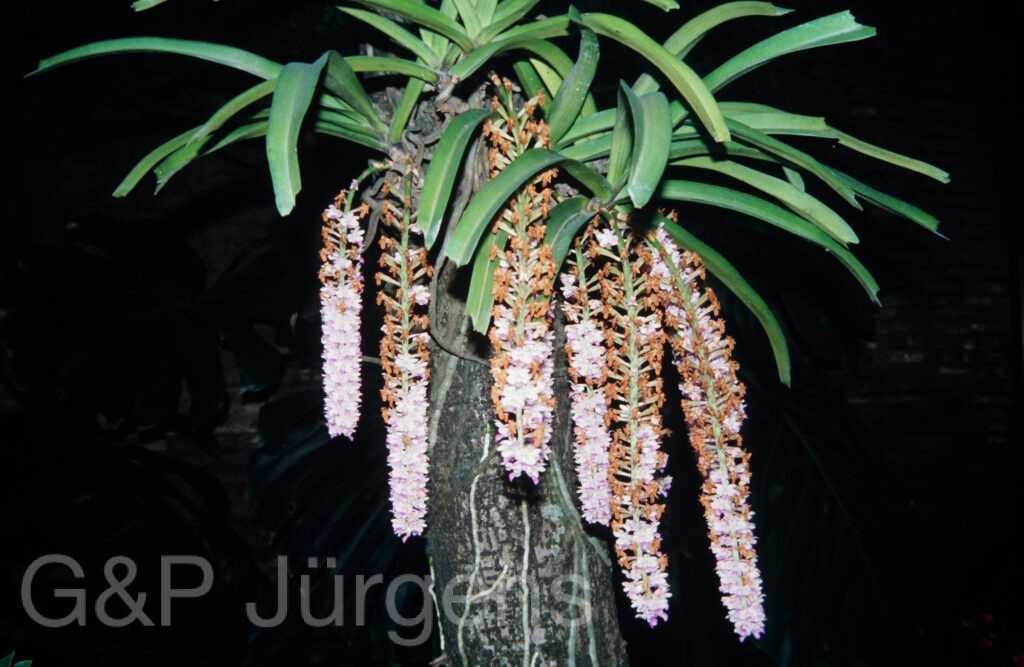
Nepal 99 1024 ergebnis ergebnis
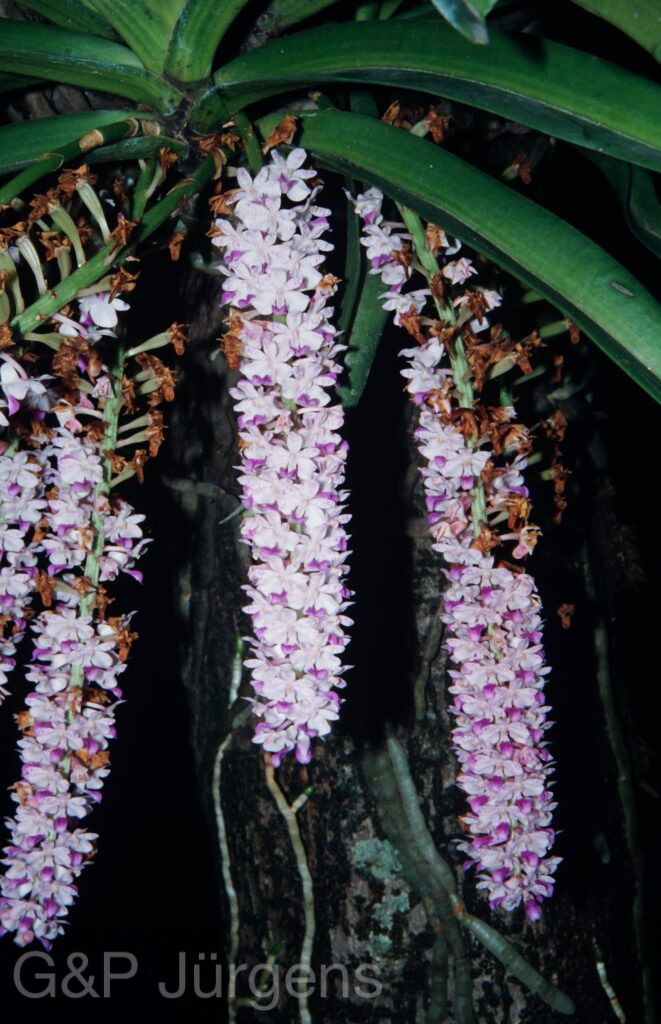
Nepal Kathmandu 1300m, July
Nepal 99 1025 ergebnis ergebnis
Nepal Kathmandu 1300m, July

Description

Rhynchostylis retusa (L.) Blume, the foxtail orchid, is an epiphyte widely distributed across tropical and subtropical Asia, with GBIF (617 occurrences) recording it from India, Nepal, Bhutan, China, Myanmar, Thailand, Laos, Vietnam, Cambodia, Sri Lanka, Bangladesh, Indonesia and the Philippines, plus many cultivated records. It grows on the trunks and branches of broadleaved trees in humid lowland and submontane forest, along forest edges and on roadside trees, flowering during the warm, wet summer. The photographed plant from the Kathmandu valley in Nepal at 1300 m in July reflects its typical occurrence in the warm-temperate to subtropical foothill belt of the Himalaya, where it flowers with the monsoon.

The species is a monopodial epiphyte with a short, stout stem clad in the persistent bases of distichous, fleshy, strap-shaped leaves that are channelled and conspicuously praemorse (retuse to unequally bilobed) at the apex, giving the epithet. Numerous thick, greyish aerial roots clasp the host bark. The inflorescence is a dense, pendent, cylindrical raceme of many small fragrant flowers, each white spotted and suffused with rose-purple or violet, with a spurred, entire to obscurely lobed labellum and a small column. The fruit is a pendent dehiscent capsule shedding dust-like wind-dispersed seeds.

Within the vandaceous alliance Rhynchostylis is a small genus of showy, scented epiphytes much esteemed in horticulture, and R. retusa holds particular cultural significance, being the state flower (kopou phul) of Assam. Like all orchids it is protected under CITES Appendix II. While still locally common, wild populations are reduced by habitat loss and unsustainable collection for the ornamental trade.

Author: (L.) Blume · Sources: POWO (Kew), GBIF, Flora of Nepal, The Orchids of the Himalaya (King & Pantling), Genera Orchidacearum (vandaceous orchids), CITES Appendix II

Hook. f. & Thomson

Sikkim2011 366
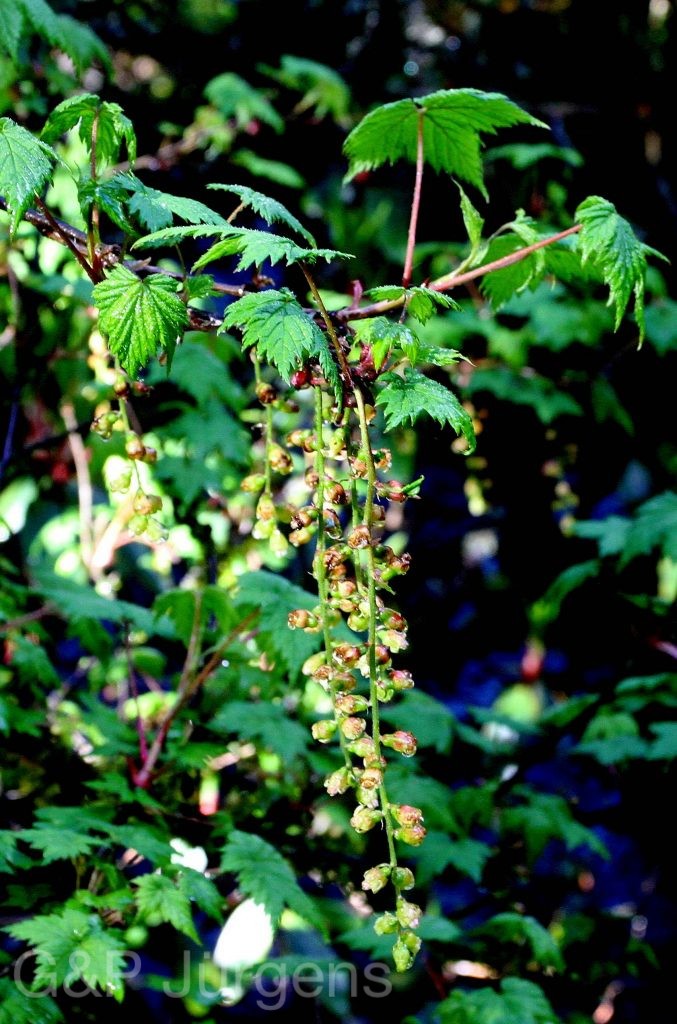
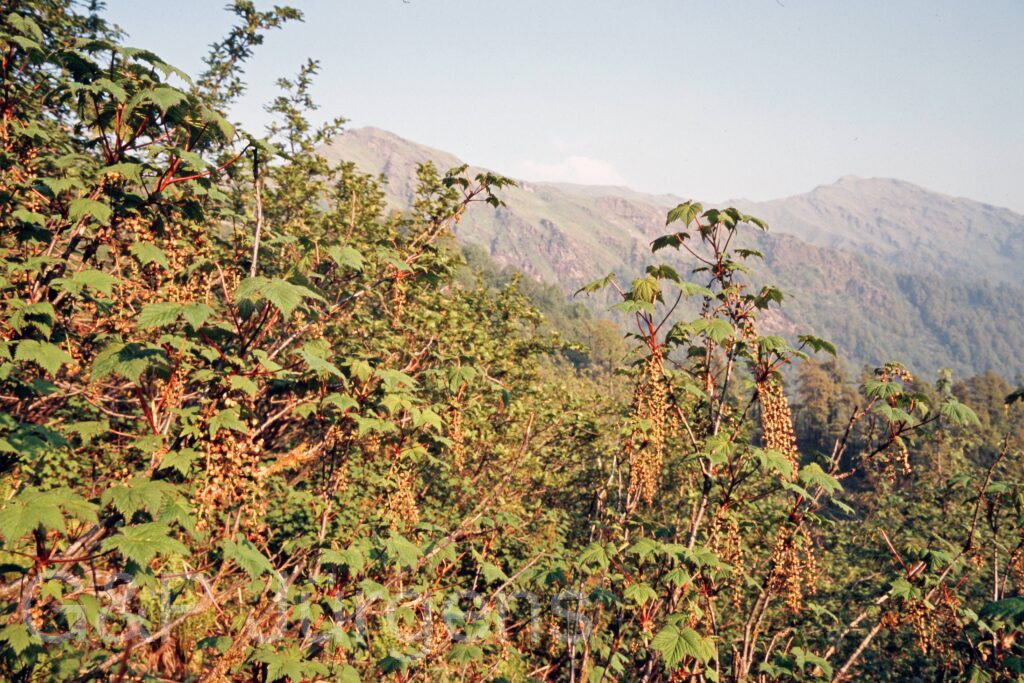
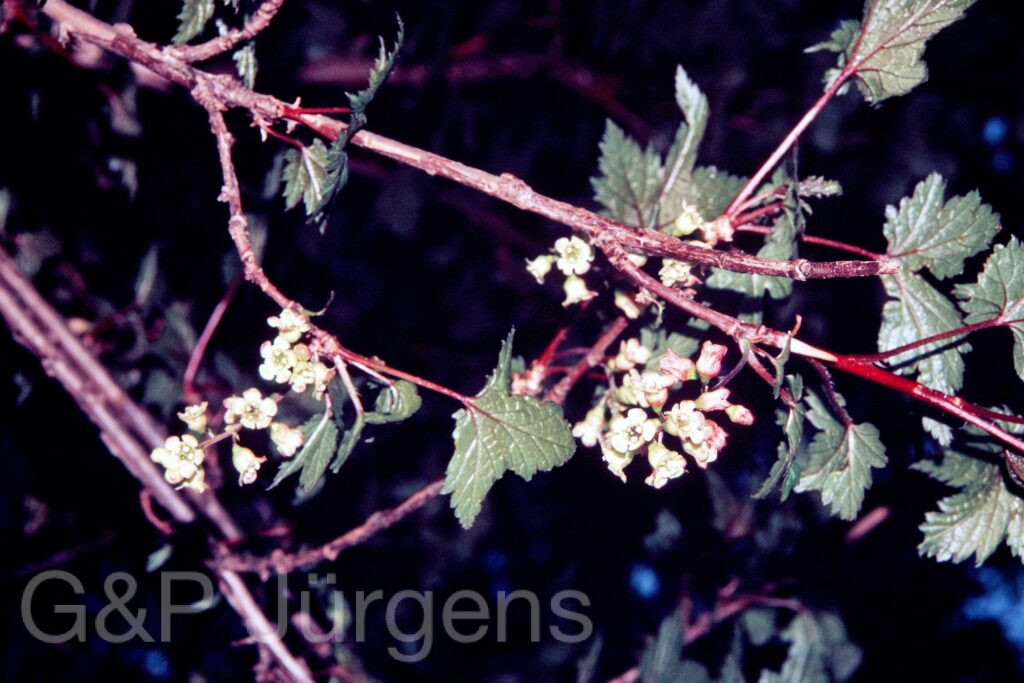
Sikkim Lada-La 3900m, June

Description

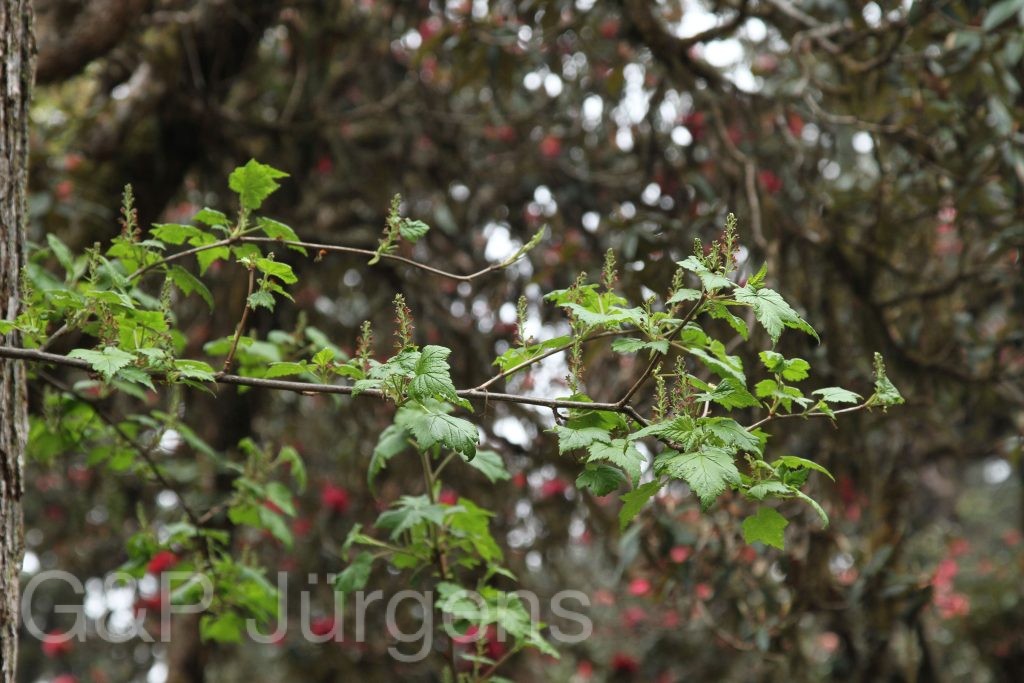
Ribes griffithii is a Sino-Himalayan currant of high-elevation shrubberies, distributed through China, Nepal, Bhutan and India (with a few scattered extralimital records); GBIF lists 277 occurrences, the great majority along the Himalayan and Tibetan margins. It occupies subalpine forest edges, Rhododendron and juniper scrub, moist rocky slopes and streamside thickets, generally between about 3000 and 4000 m. The illustrated plant was recorded in Sikkim near Lada-La at 3900 m in June, a characteristic upper-montane to subalpine station where the shrub leafs out and flowers as the snow recedes.

The plant is a deciduous, unarmed shrub with arching to ascending branches and smooth or flaking bark. Leaves are alternate, palmately three- to five-lobed with a cordate base and a serrate to crenate-dentate margin, glabrescent to slightly pubescent and borne on slender petioles. The flowers are arranged in pendulous, many-flowered racemes; each is small, with a saucer-shaped to shallowly campanulate hypanthium, five reflexed greenish to reddish sepals, five smaller petals, five stamens and an inferior ovary. The fruit is a glabrous, ellipsoid to globose berry, reddening to dark red at maturity and crowned by the persistent perianth.

The species belongs to subgenus Ribes among the unarmed true currants, distinguished from the spiny gooseberries by its racemose, many-flowered inflorescences. POWO and GBIF accept the name. As a fleshy-fruited shrub it contributes to the diet of Himalayan birds and small mammals that disperse its seeds across the subalpine mosaic.

Author: Hook. f. & Thomson · Sources: POWO (Kew), GBIF, Flora of China, Flora of Bhutan, Annotated Checklist of the Flowering Plants of Nepal, A Monograph of the Genus Ribes (Grossulariaceae)

Royle ex Decne.

Garh 07 113 ergebnis
India Garhwal Meggu Kichatti 3200m, June
Garh 07 114 ergebnis
India Garhwal Meggu Kichatti 3200m, June

Description

Ribes himalense Royle ex Decne. is a deciduous currant of the Himalaya and the mountains of western China. Its native range, reflected in GBIF records from India, Nepal, Pakistan, Bhutan, Afghanistan, China and Myanmar (with numerous European and North American records representing cultivated or naturalised material), spans the Himalaya into the Hengduan ranges. It inhabits subalpine forest, forest margins, streamsides and rocky slopes, typically between about 2,500 and 4,000 m. The plant from Meggu Kichatti in Garhwal at 3,200 m, fruiting in June, illustrates its occurrence in the upper temperate to subalpine belt.

The species is an erect, unarmed (spineless) shrub up to about 1–2 m tall with glabrous to glandular young branches. The alternate leaves are palmately three- to five-lobed, cordate at the base, with serrate lobes, glabrous or sparsely hairy. The flowers are borne in erect to spreading racemes; each flower has a shallowly saucer-shaped, greenish to purplish hypanthium, small reflexed sepals and minute petals, and is subtended by a bract. The fruit is a smooth, glabrous, red berry that is edible, ripening to a translucent crimson.

Ribes himalense belongs to the subgenus Ribes (the true unarmed currants) and is closely related to the European R. rubrum, with which it shares edible red fruit; it has been treated by some authors as a subspecies. The fruits are gathered locally and consumed, and the species is of interest as a wild relative of cultivated currants for breeding. It is widespread and of least concern.

Author: Royle ex Decne. · Sources: POWO (Kew), GBIF, Flora of China Vol. 8, Flora of Pakistan, Berger: A Taxonomic Review of Currants and Gooseberries

Hook. f. & Thomson

Bhutan2014 606
BhutanPhobjika 2810, May
Sikkim2011 76
Sikkim Tanghu 3900m, June

Description

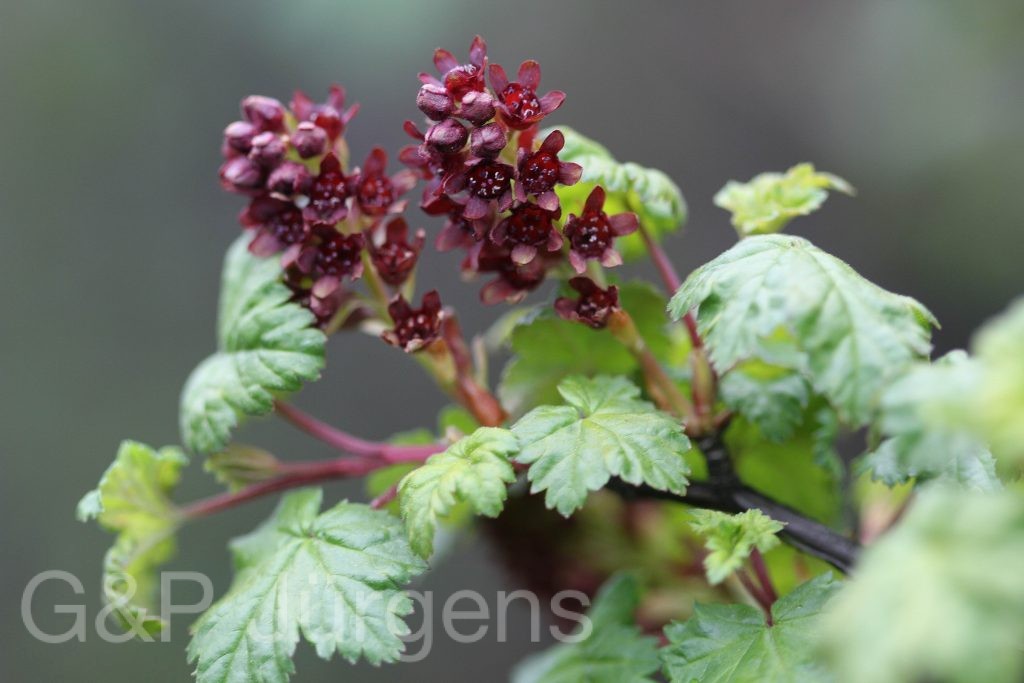
Ribes luridum is a Sino-Himalayan currant distributed from south-western China through northern Myanmar, Nepal, northern India and Bhutan, with around 348 GBIF occurrences (the records from US, CA, PL and RU largely representing cultivated or herbarium material). It is a shrub of cool-temperate to subalpine forest, scrub margins and rocky slopes, typically between about 2800 and 4000 m. The collections from Phobjika in Bhutan at 2810 m in May and from Tanghu in Sikkim at 3900 m in June bracket this altitudinal range and its late-spring to early-summer flowering, on moist, humus-rich ground at and above the upper forest belt.

It is a deciduous, unarmed shrub with spreading branches and finely glandular young growth. The leaves are alternate, orbicular-cordate in outline and palmately three- to five-lobed, the lobes crenate-serrate, sparsely pubescent and often glandular beneath. The species is dioecious or functionally so, the small flowers borne in short, few-flowered, pendulous racemes; each has a saucer-shaped to shortly campanulate hypanthium and five small, dull purplish to lurid greenish-brown petals and sepals, the colouration alluded to by the epithet. The fruit is a small subglobose berry, glandular-bristly and reddish to dark purple when ripe.

Within Ribes the species sits in the section of unarmed currants and is distinguished by its dingy, glandular flowers and dioecious tendency. The pendulous berries are dispersed by frugivorous birds, an important agent in fragmented montane forest, while the inconspicuous flowers attract small bees and flies. The species is widespread across the eastern Himalaya and faces no recognised conservation threat.

Author: Hook. f. & Thomson · Sources: POWO (Kew), GBIF, Flora of China Vol. 8, Flora of Bhutan Vol. 1, Flora of Nepal, A Monograph of the Genus Ribes