
Hook. f. & Thomson
Description
Ribes luridum is a Sino-Himalayan currant distributed from south-western China through northern Myanmar, Nepal, northern India and Bhutan, with around 348 GBIF occurrences (the records from US, CA, PL and RU largely representing cultivated or herbarium material). It is a shrub of cool-temperate to subalpine forest, scrub margins and rocky slopes, typically between about 2800 and 4000 m. The collections from Phobjika in Bhutan at 2810 m in May and from Tanghu in Sikkim at 3900 m in June bracket this altitudinal range and its late-spring to early-summer flowering, on moist, humus-rich ground at and above the upper forest belt.
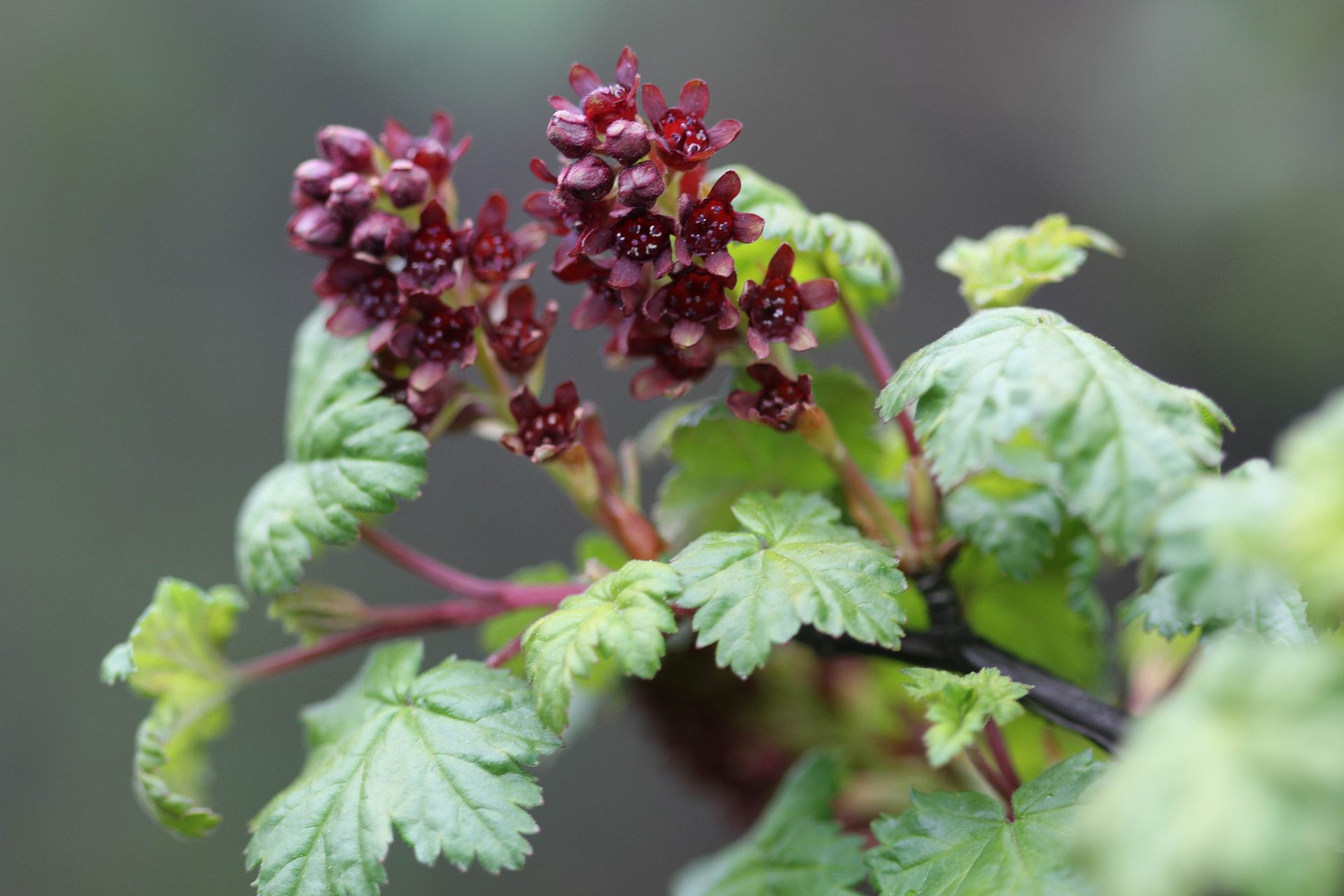
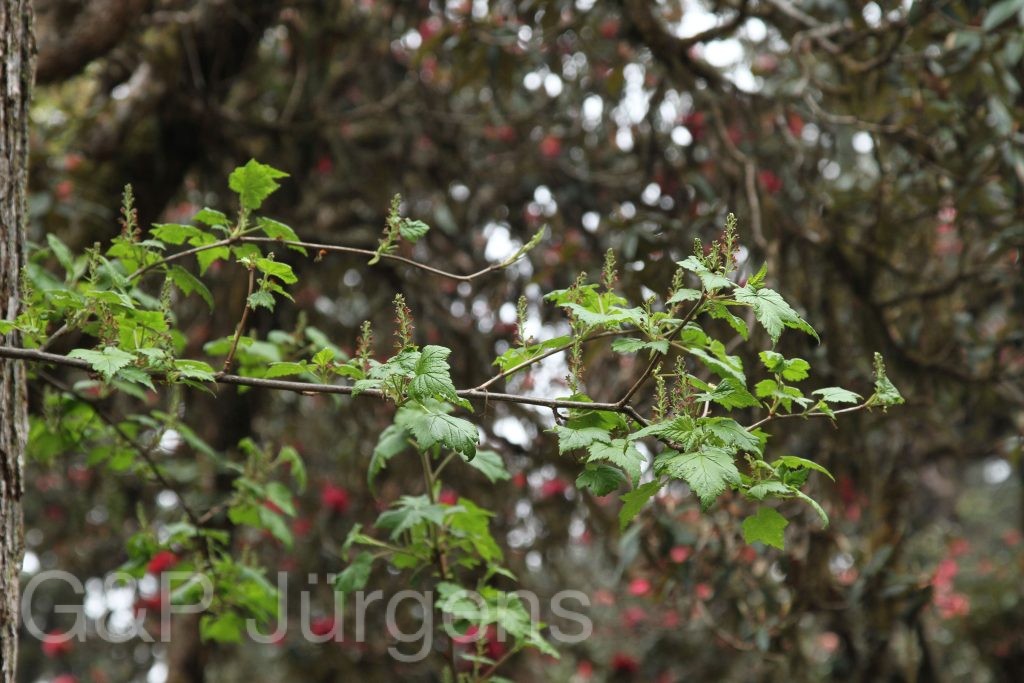
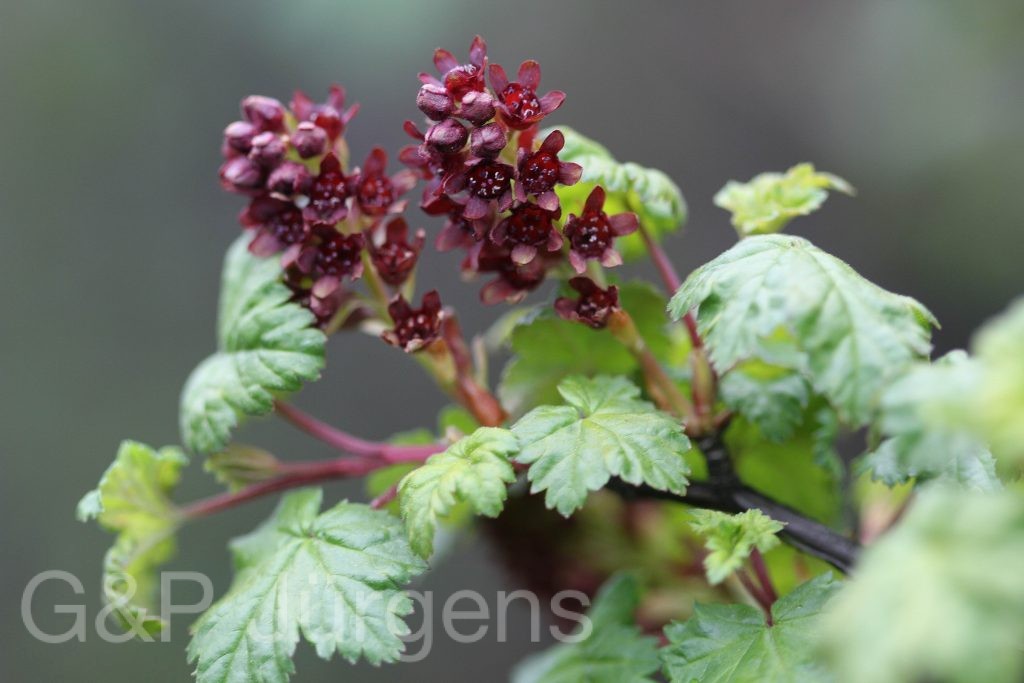
It is a deciduous, unarmed shrub with spreading branches and finely glandular young growth. The leaves are alternate, orbicular-cordate in outline and palmately three- to five-lobed, the lobes crenate-serrate, sparsely pubescent and often glandular beneath. The species is dioecious or functionally so, the small flowers borne in short, few-flowered, pendulous racemes; each has a saucer-shaped to shortly campanulate hypanthium and five small, dull purplish to lurid greenish-brown petals and sepals, the colouration alluded to by the epithet. The fruit is a small subglobose berry, glandular-bristly and reddish to dark purple when ripe.
Within Ribes the species sits in the section of unarmed currants and is distinguished by its dingy, glandular flowers and dioecious tendency. The pendulous berries are dispersed by frugivorous birds, an important agent in fragmented montane forest, while the inconspicuous flowers attract small bees and flies. The species is widespread across the eastern Himalaya and faces no recognised conservation threat.
Author: Hook. f. & Thomson · Sources: POWO (Kew), GBIF, Flora of China Vol. 8, Flora of Bhutan Vol. 1, Flora of Nepal, A Monograph of the Genus Ribes