Bertol.
Description
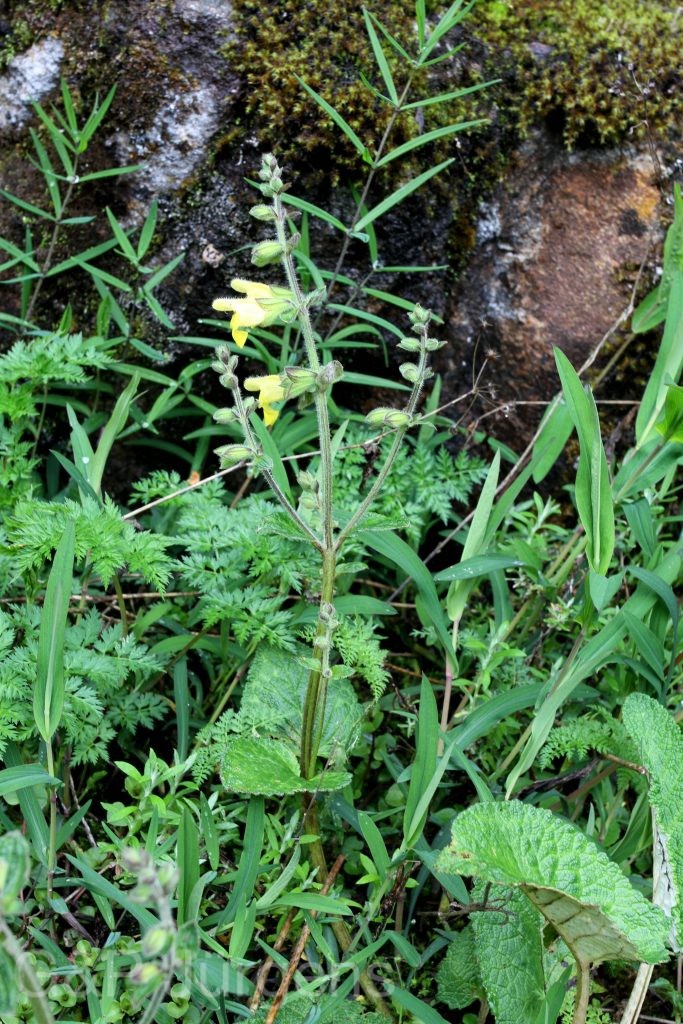
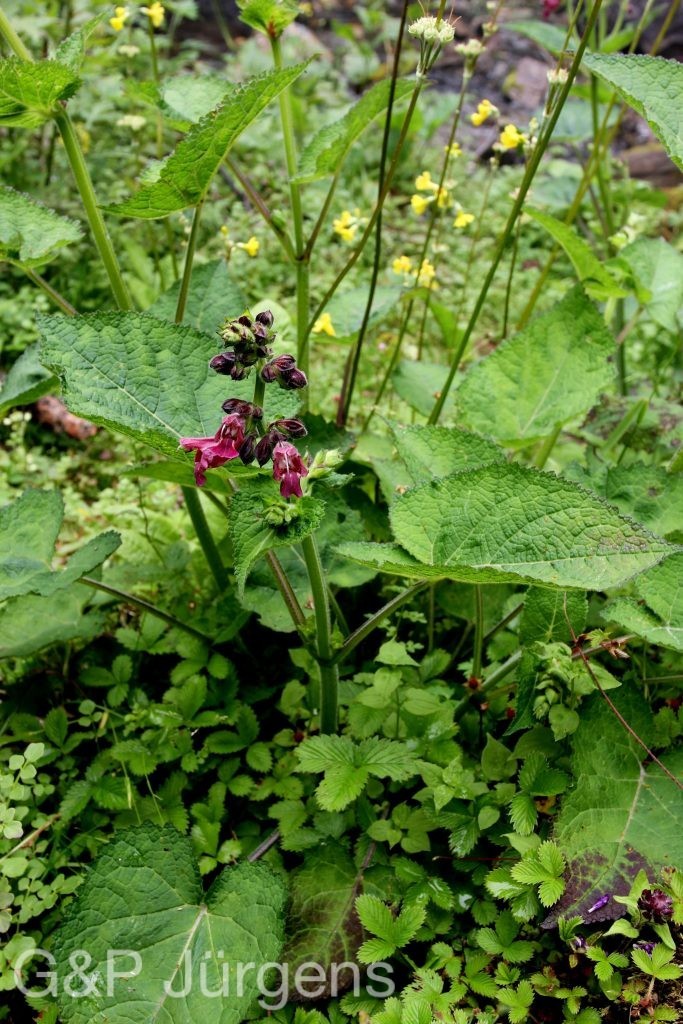
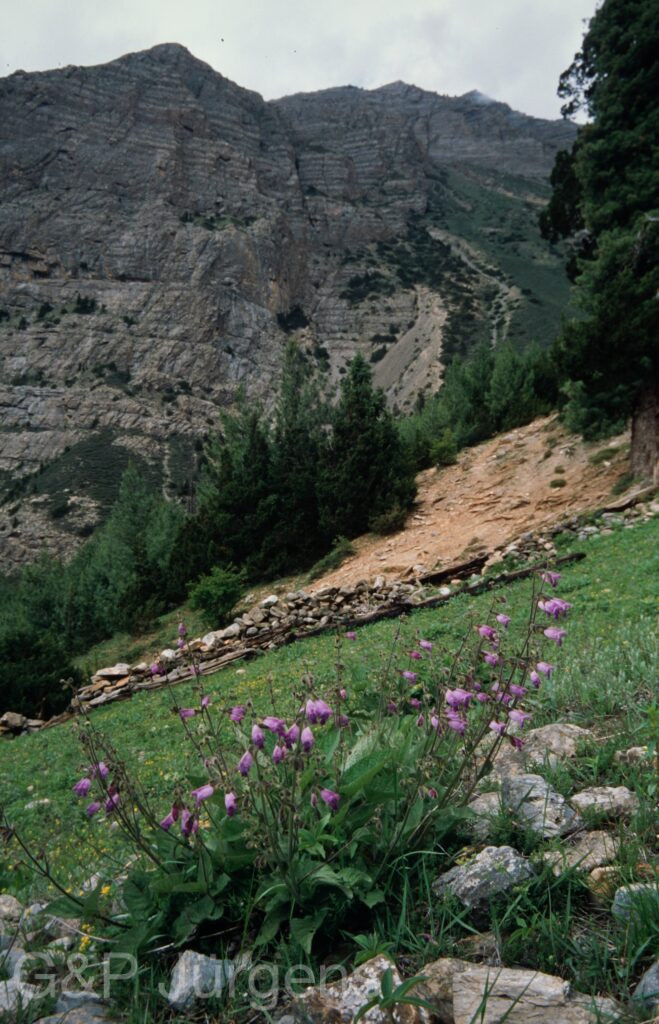
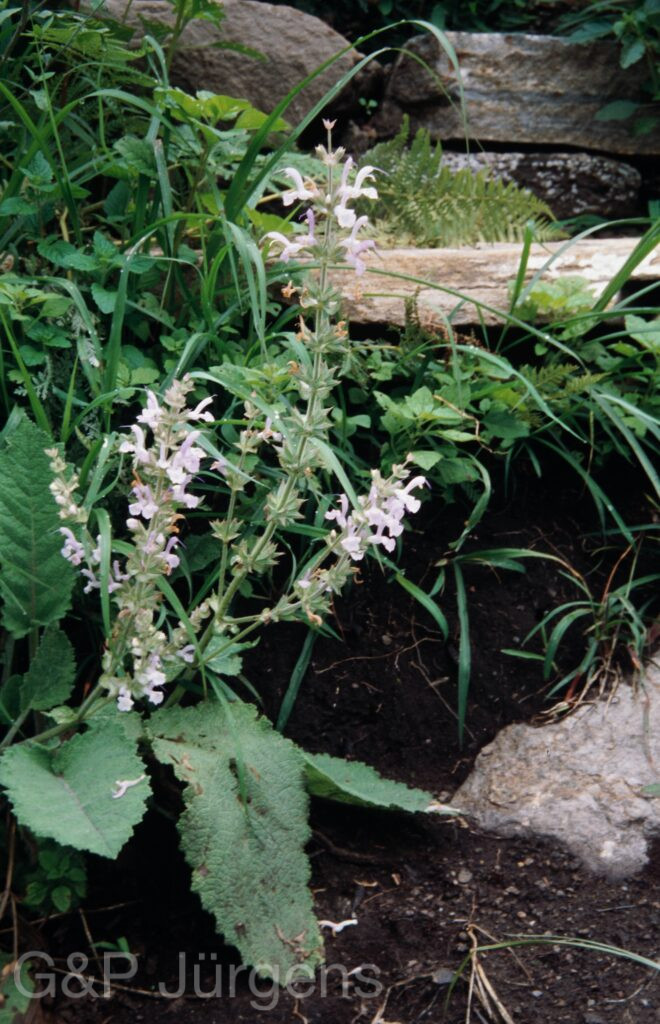
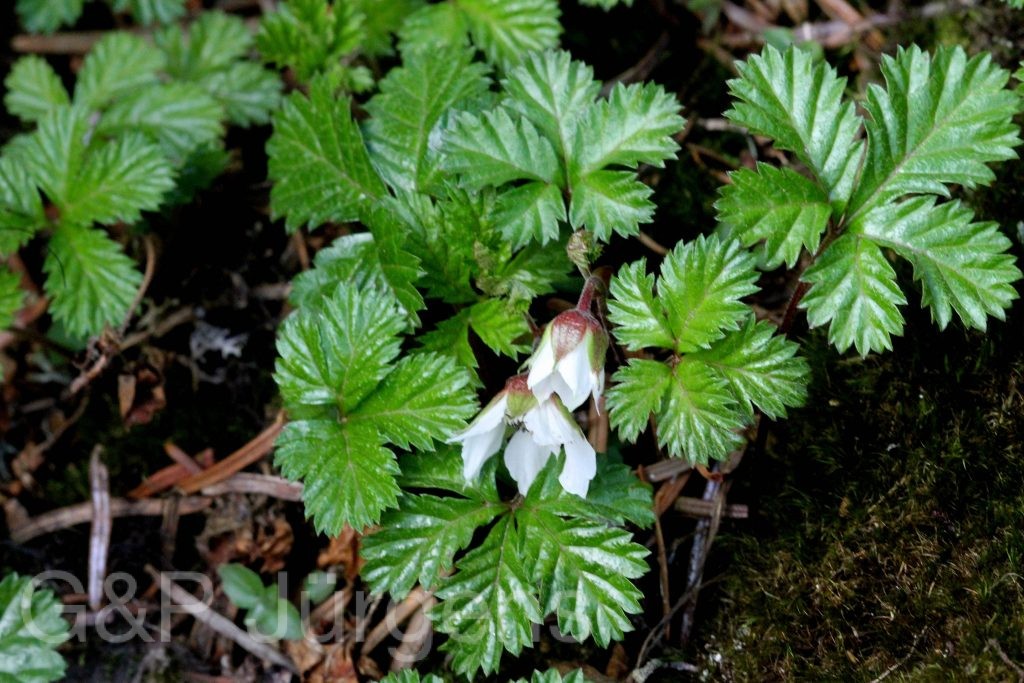
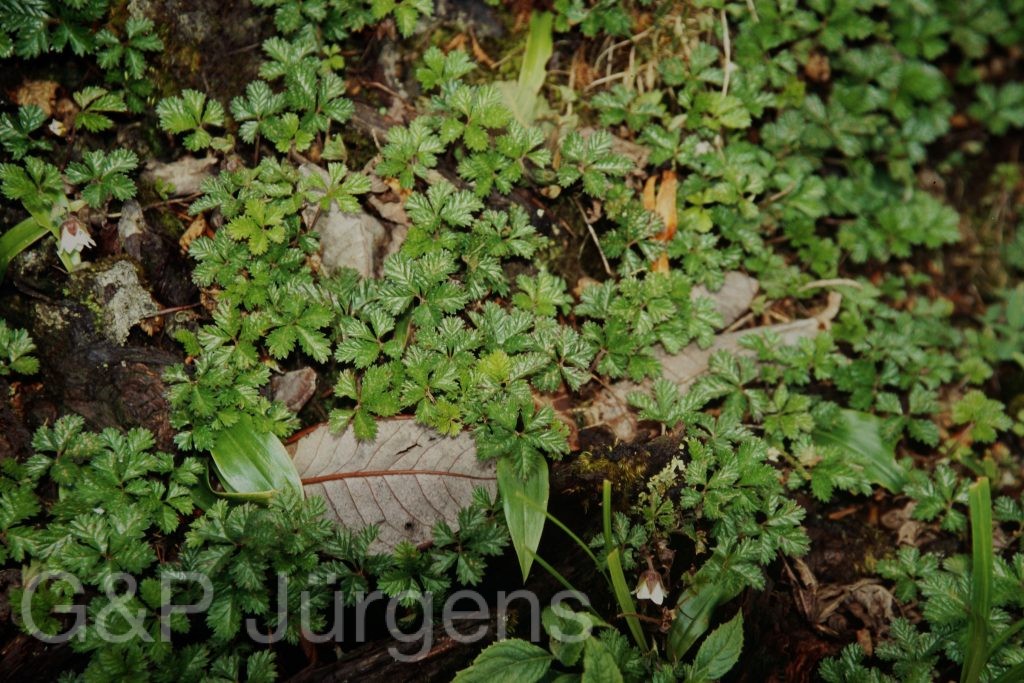
Rubus fragarioides is a dwarf, strawberry-like bramble of the Sino-Himalayan region, recorded from China, Nepal, India, Bhutan and Myanmar, with about 166 occurrence records mapping a range centred on the eastern Himalaya and adjacent western China. It grows in open coniferous and rhododendron forest, forest clearings, alpine meadow margins and mossy banks at upper-temperate to subalpine elevations. The photographed populations—at Yumthang in Sikkim at 3700 m and at Pele-La in Bhutan at 2900 m, both flowering in June—reflect its typical occurrence in cool, humid montane habitats.
Unlike the familiar cane-forming raspberries, this is a diminutive, almost herbaceous perennial spreading by slender creeping rhizomes and bearing only a low, scarcely woody aerial system. The leaves are usually simple to shallowly three-lobed or ternate, with a cordate base, doubly serrate margins and a wrinkled, sparsely hairy surface, recalling those of a strawberry, whence the epithet fragarioides. The flowers are solitary or few, with five spreading white petals, a leafy calyx and numerous stamens and carpels on a domed receptacle. The aggregate fruit is a small red drupelet-cluster, edible and dispersed by birds and small mammals.
Rubus is an enormous and taxonomically difficult genus complicated by hybridisation, polyploidy and apomixis; R. fragarioides, described by Bertoloni, belongs among the low-growing creeping species sometimes segregated in subgenus Chamaebatus. Its mat-forming habit aids soil stabilisation in fragile alpine clearings. Widespread within its montane belt, it is not considered threatened, though it depends on the persistence of intact subalpine forest.
Author: Bertol. · Sources: POWO (Kew), GBIF, Flora of China (Rosaceae), Annotated Checklist of the Flowering Plants of Nepal, Grierson & Long Flora of Bhutan, Focke's monograph Species Ruborum