Tag:

Nepal

Flowers of Nepal — 1313 wild plant species documented from the Nepalese Himalaya, from subtropical foothills to high alpine meadows above 4,000 m. Nepal’s dramatic elevation gradient makes it one of the richest botanical regions on Earth, home to rhododendrons, primulas, gentians and the famed blue poppies (Meconopsis). Every entry gives a botanical description, native distribution, habitat and flowering season, alongside the original field photograph and the location where it was taken.

Benth.

Sikkim2011 151
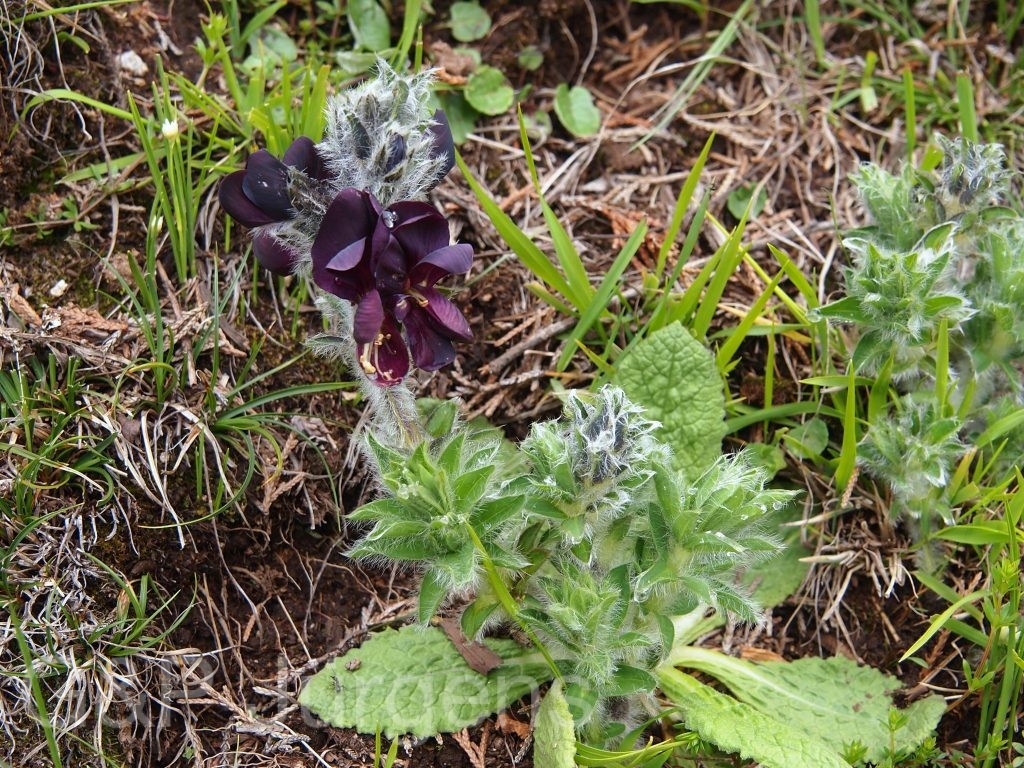
Sikkim Kalep 3670m, June
Nepal 99 452 ergebnis
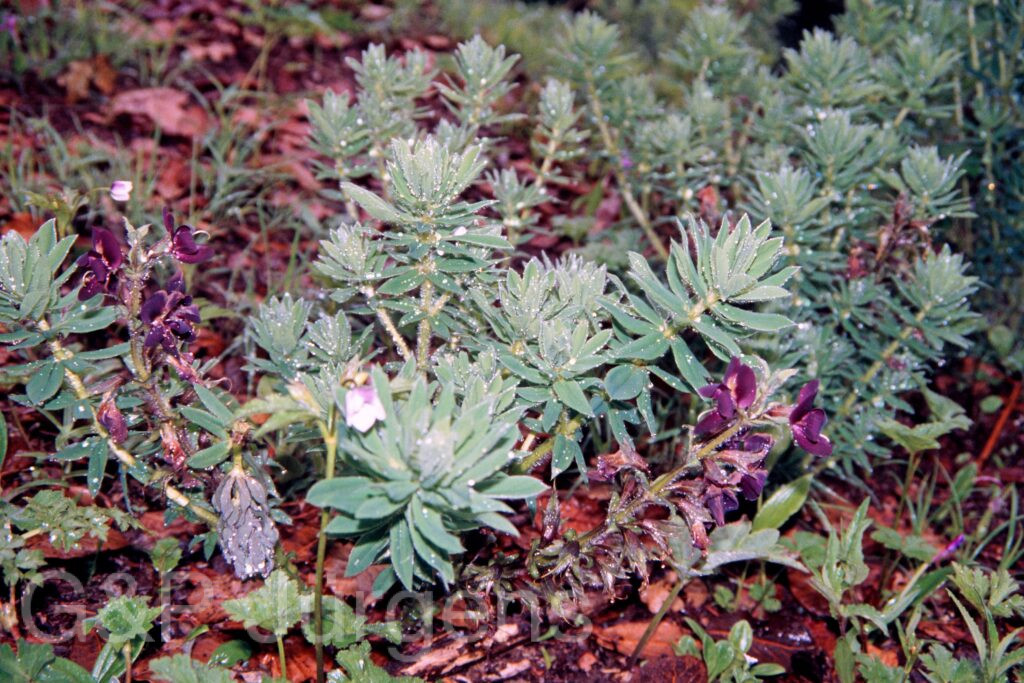
West-Nepal Naphukana 3080m, June

Description

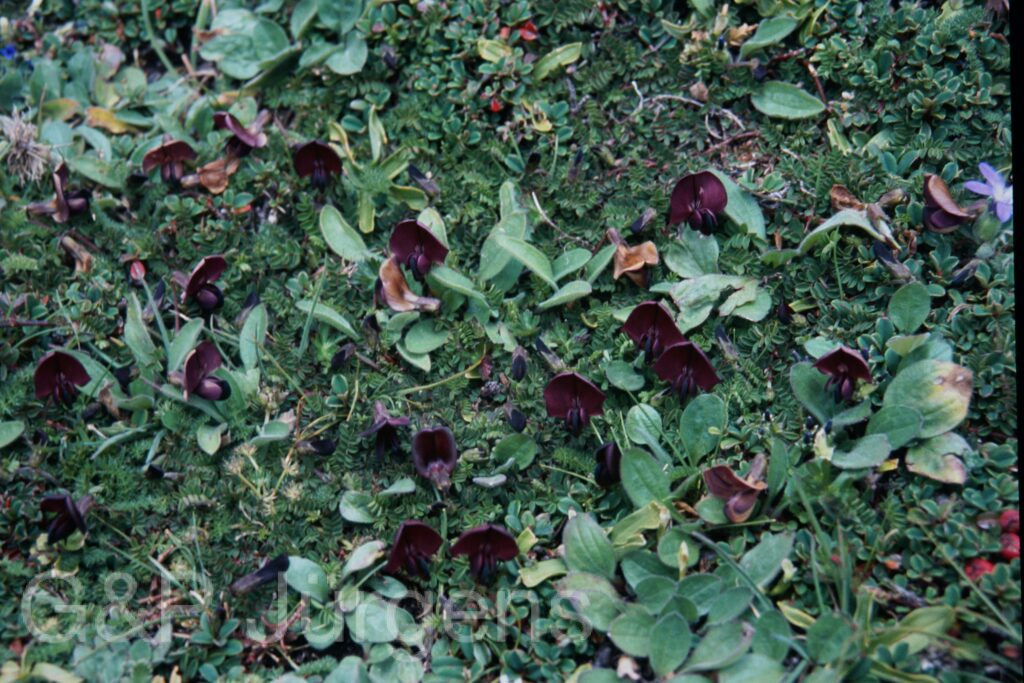
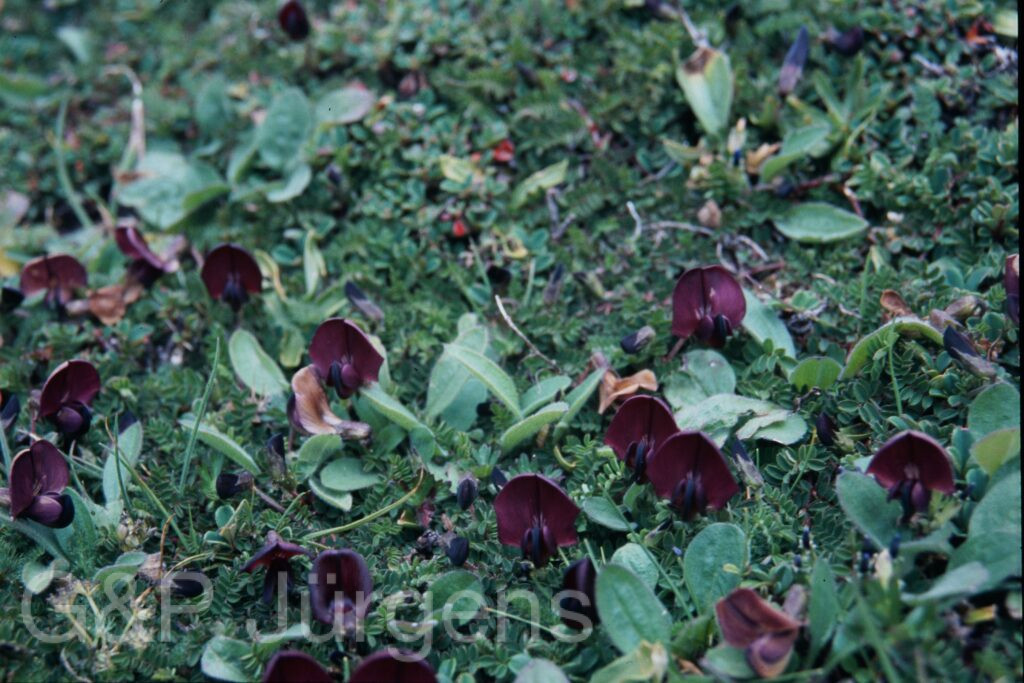
Thermopsis barbata Benth. is a distinctive legume of the high Himalaya, occurring across China, India, Nepal and Bhutan. It is documented from Sikkim at Kalep around 3670 m and from West-Nepal at Naphukana near 3080 m, both flowering in June, within the subalpine to alpine belt. The species favours open stony slopes, dry grassy hillsides, gravelly pastures and the margins of alpine scrub, typically between 3000 and 4500 m, on well-drained, often disturbed substrates exposed to strong sun and seasonal aridity. Its roughly 606 GBIF records indicate a widespread but characteristically montane Himalayan range.

The plant is a robust perennial herb arising from a stout rootstock, the erect stems and foliage conspicuously clothed in long, soft, silky to villous hairs that give the epithet barbata. The leaves are palmately trifoliolate with elliptic to obovate leaflets and large persistent stipules. The flowers are arranged in a dense terminal raceme and are notably large for the genus, the papilionaceous corolla a deep purple to violet-maroon rather than the yellow usual in Thermopsis, subtended by hairy bracts and an enlarged calyx. The fruit is a hairy, flattened, several-seeded legume.

Thermopsis barbata is exceptional within its predominantly yellow-flowered, north-temperate genus for its dark purple corolla and dense pubescence, traits interpreted as adaptations to the cold, high-radiation alpine environment. Like many genistoid legumes it contains quinolizidine alkaloids that deter herbivores. Widespread and locally frequent across its range, it is not regarded as threatened, though high-altitude grazing and pasture degradation may locally affect populations.

Author: Benth. · Sources: POWO (Kew), GBIF, Flora of China, Flora of Nepal, Flora of British India, Legumes of the World (Lewis et al.)
(Wall. ex Kunth) Maxim.

Bh09 218 G366
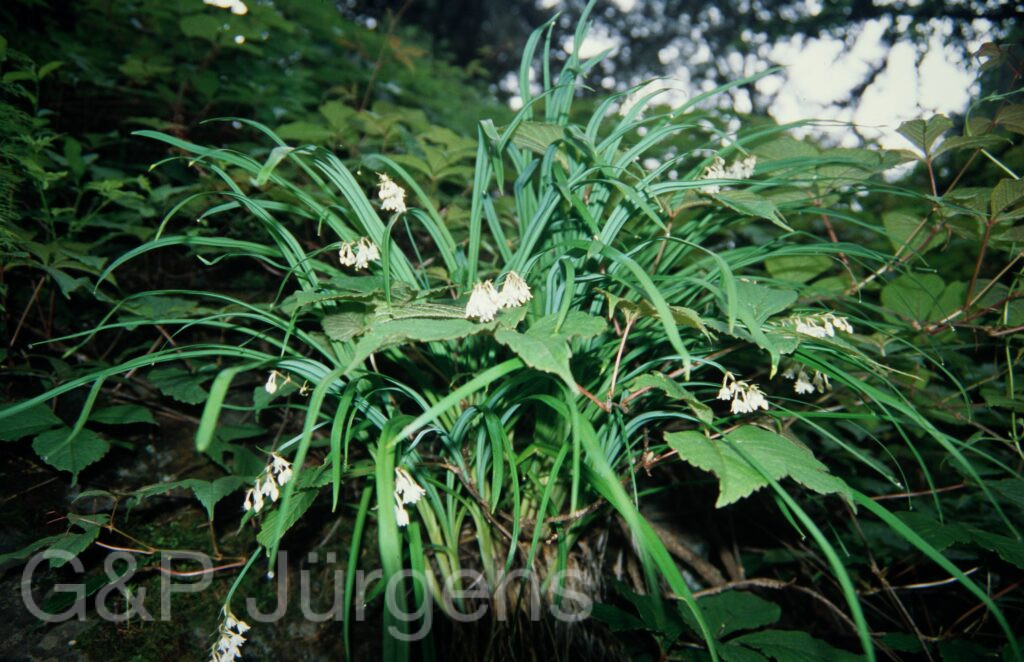
Bhutan Wangdi 2250m, June
Nepal 99 897 ergebnis
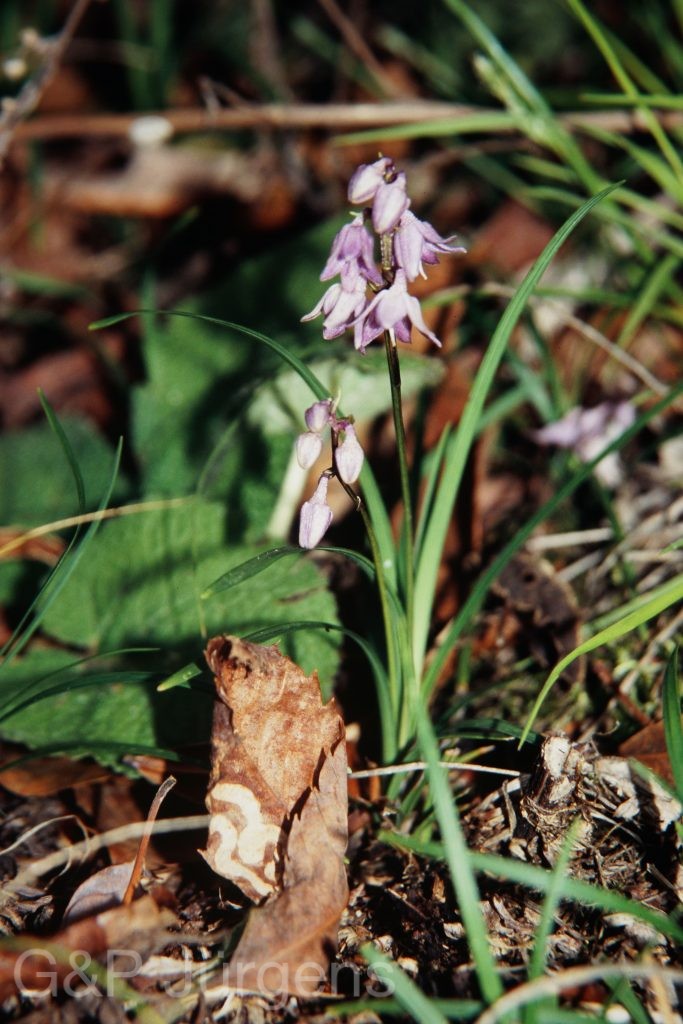
West-Nepal Sepka 2760m, July
Sikkim 2006 453 ergebnis
India West-Bengal, Tolung 2200m, May

Description

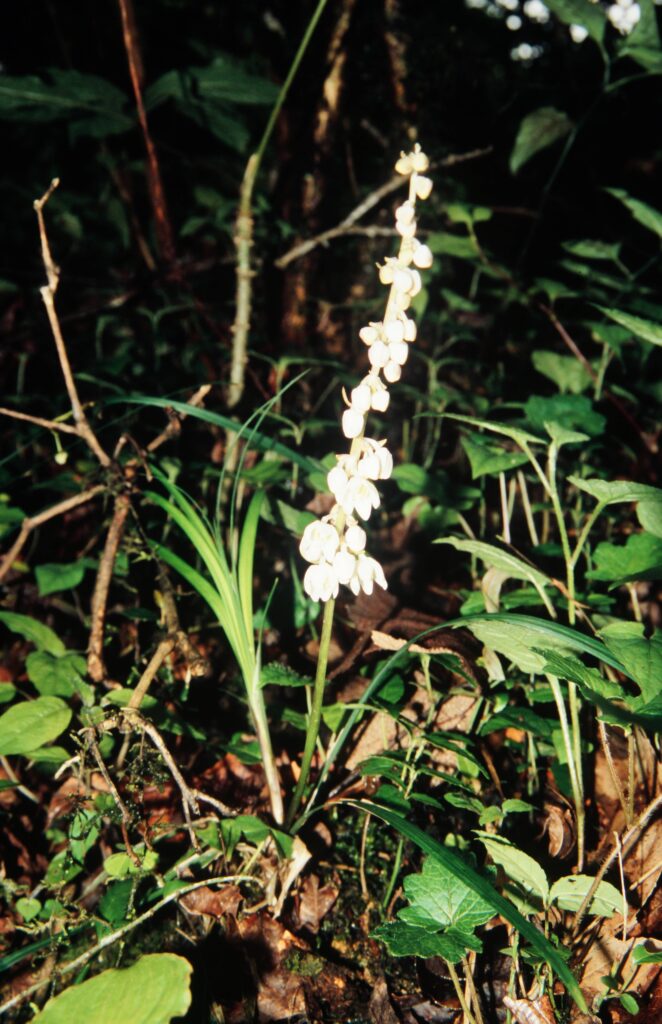
Theropogon pallidus is the sole species of its genus, a rhizomatous woodland herb distributed along the Himalaya from Nepal through northern India, Bhutan and south-western China into Myanmar and Thailand. GBIF lists some 264 occurrences concentrated in Nepal, China, India and Bhutan, with outliers in Myanmar and Thailand. It grows in shaded, humus-rich soils of temperate broad-leaved and mixed forest, on mossy banks, ravine sides and beneath shrubbery, broadly between about 1800 and 3000 m. The accompanying images span its range, from Bhutan at Wangdi (2250 m, June) and West Nepal at Sepka (2760 m, July) to West Bengal at Tolung (2200 m, May), illustrating its early-summer flowering across the mid-montane forest belt.

The plant arises from a short, creeping rhizome and forms tufts of narrowly linear, grass-like basal leaves that are channelled, arching and somewhat fleshy. The flowering scape is erect and leafless, bearing a lax, secund raceme of pendulous, bell-shaped flowers; each flower is subtended by a membranous bract and hangs on a slender, jointed pedicel. The perianth is white to pale pink, the six tepals fused below into a campanulate tube with recurved lobes, enclosing six stamens with short filaments. The ovary is superior and trilocular, maturing into a globose, fleshy berry that ripens red, containing few rounded seeds.

Theropogon is a monotypic genus of the Asparagaceae (formerly Convallariaceae or Liliaceae sensu lato), morphologically intermediate between Ophiopogon and Convallaria and allied to the lily-of-the-valley group by its nodding campanulate flowers and berry fruit. Its disjunct, narrowly montane distribution makes it of biogeographic interest as a relict of Sino-Himalayan forest flora. The species is locally frequent and faces no broad conservation concern, though it depends on intact shaded forest understorey.

Author: (Wall. ex Kunth) Maxim. · Sources: POWO (Kew), GBIF, Flora of China, Flora of Bhutan, An Annotated Checklist of the Flowering Plants of Nepal, Genera of Convallariaceae

(Blume) Cogn.

Bhutan2012 476
Bhutan Wangdi, 2500m September
Bhutan2015 63
Bhutan Wangdi, 2500m September
Bh09 229 P385
Bhutan Wangdi, 1600m June

Description

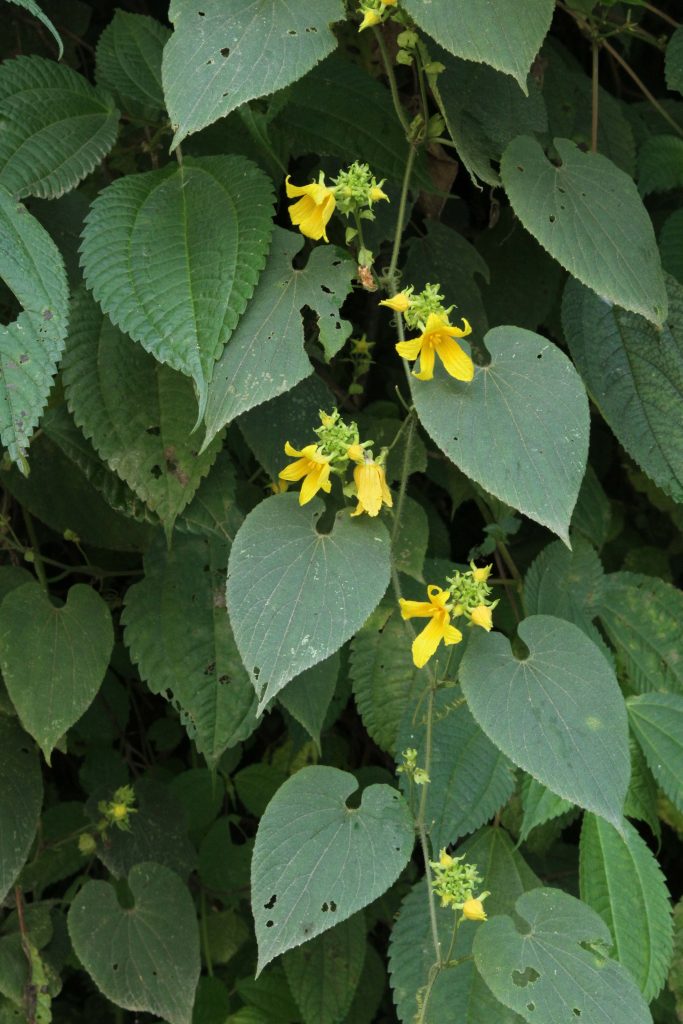
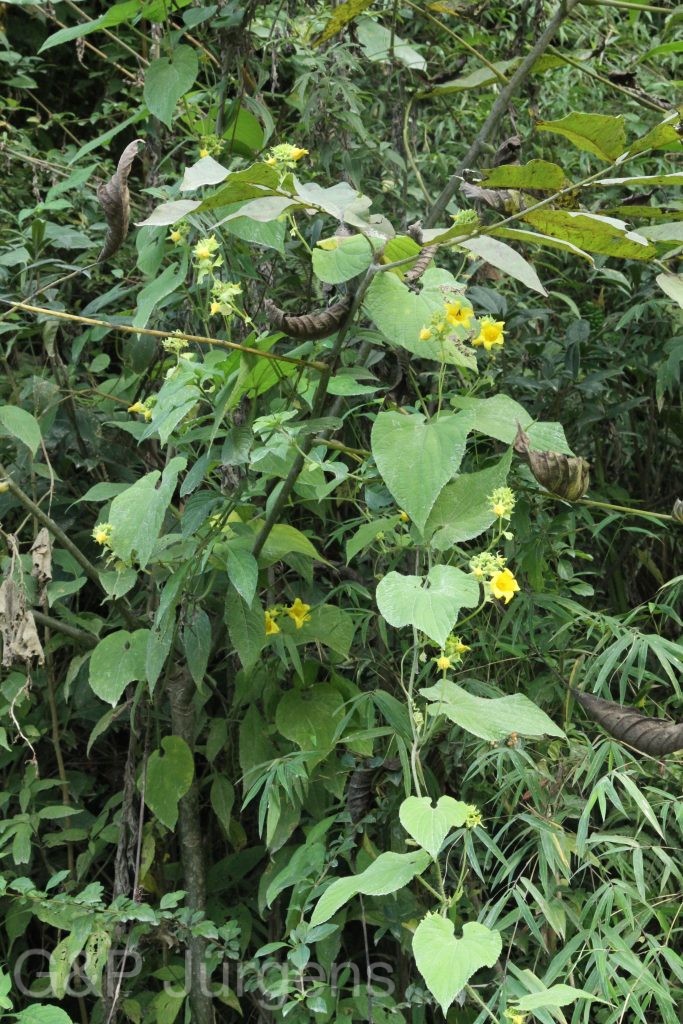
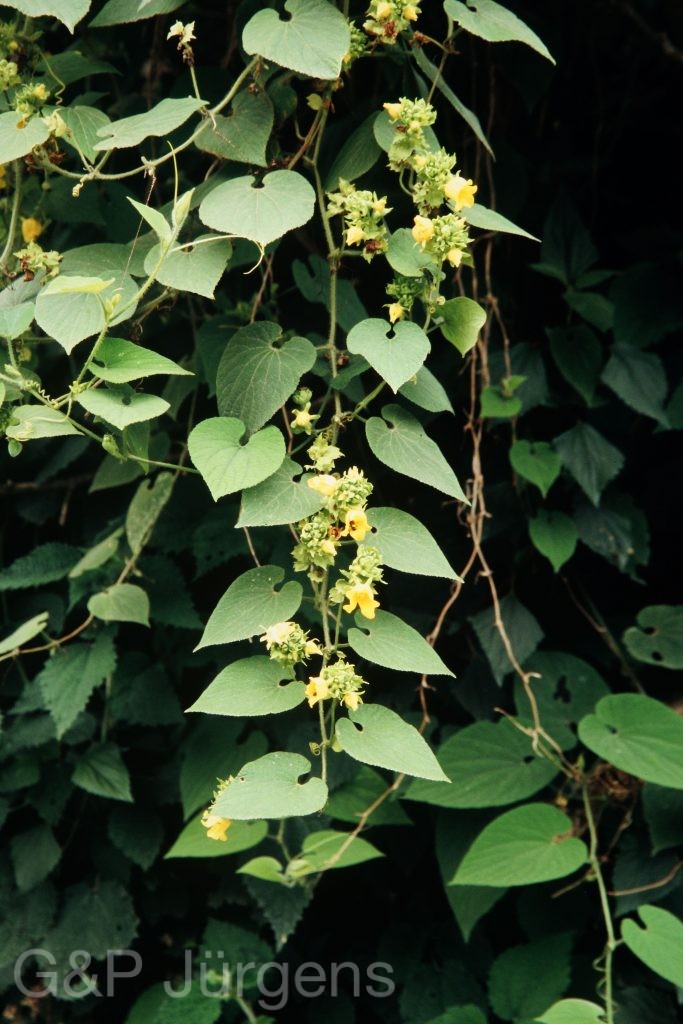
Thladiantha cordifolia is a climbing cucurbit distributed across the Sino-Himalayan and Indomalayan region, from Nepal, India, Bhutan and Bangladesh through Myanmar, Thailand, Vietnam, Laos and Malaysia into southern China, Indonesia and the Philippines; cultivated and casual records (ES, AU, JP, RO, DE, HU) inflate its GBIF country list, which rests on about 1,084 occurrences. The plants shown come from western Bhutan near Wangdue Phodrang, recorded at 1,600 m in June and 2,500 m in September, illustrating its altitudinal spread. It is a vine of forest margins, thickets, hedgerows and disturbed slopes in warm-temperate to subtropical country, typically between about 1,000 and 2,800 m, scrambling over shrubs and into the lower canopy.

It is a herbaceous to somewhat woody perennial climber arising from a tuberous rootstock, the stems angular and hispid and bearing simple or two-branched tendrils opposite the leaves. The leaves are cordate-ovate with a deeply cordate base, an acuminate apex and a denticulate margin, scabrid on both surfaces. The plant is dioecious; the male flowers are borne in axillary racemes and the females usually solitary, both yellow and campanulate with five-lobed corollas, the male flowers with the reduced stamen complement typical of the genus and the female with an inferior ovary. The fruit is an ovoid to oblong fleshy berry, often longitudinally ribbed and red at maturity, containing numerous flattened seeds.

Thladiantha is an Asian genus of the tribe Sicyoeae distinguished by its tuberous habit, dioecy and characteristic stamen arrangement. Its tubers and fruits have local food and medicinal uses. As a vigorous and widespread plant of secondary vegetation, T. cordifolia is not of conservation concern; indeed several Thladiantha species behave as garden escapes in temperate regions.

Author: (Blume) Cogn. · Sources: POWO (Kew), Flora of China Vol. 19, Flora of Bhutan Vol. 2, GBIF, Jeffrey: A review of the Cucurbitaceae

Wall. ex. D.Don.

Bhutan2012 363
Bhutan Wangdi 2500m, September

Description

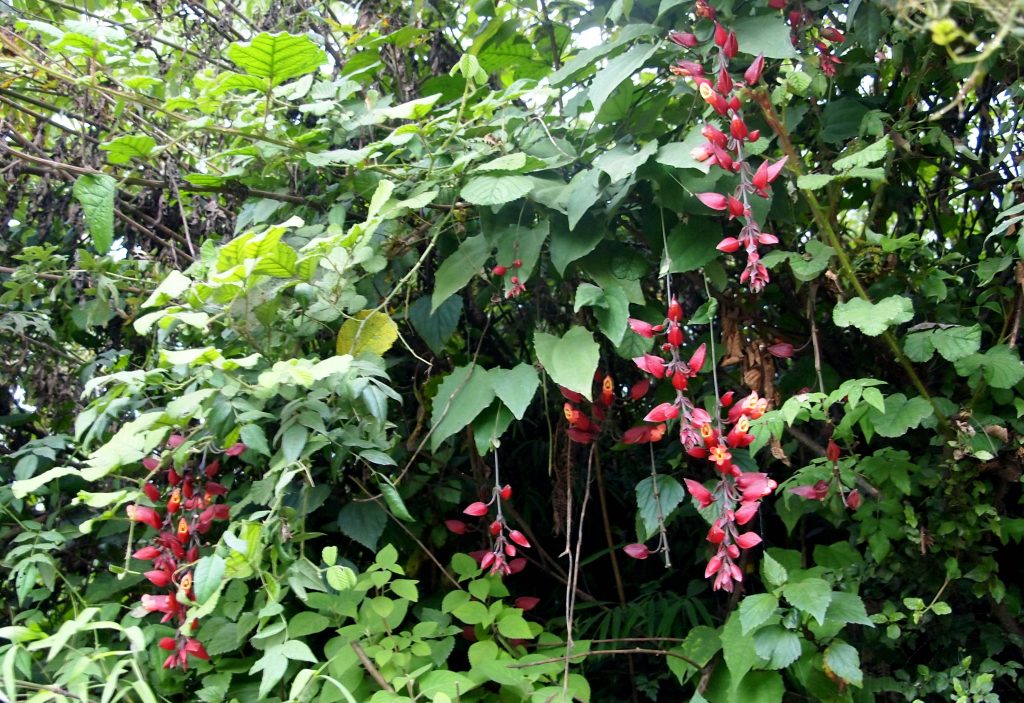
Thunbergia coccinea Wall. ex D.Don is a vigorous woody climber of the eastern Himalaya and Indo-Burmese region, with GBIF documenting nearly 692 occurrences across India, China, Nepal, Bhutan, Myanmar, Thailand, Laos, Sri Lanka and Bangladesh, alongside numerous cultivated records in tropical and subtropical gardens worldwide. In the wild it scrambles through the canopy of moist broadleaved and subtropical forest, along streamsides and forest margins, flowering in the post-monsoon months. The illustrated plant from Wangdi (Wangdue Phodrang) in western Bhutan at 2500 m in September captures it at the upper edge of its altitudinal range, twining over shrubs and trees in humid hill forest.

The species is a perennial liana with twining stems and opposite, petiolate leaves that are ovate to cordate, acuminate, with toothed to entire margins and palmate basal venation. The flowers hang in long, pendulous, many-flowered racemes; each scarlet to brick-red corolla is tubular and curved with a slightly oblique, shortly five-lobed limb, subtended by paired bracteoles, and contains four didynamous stamens. The fruit is the characteristic acanthaceous capsule, beaked and explosively dehiscent, ejecting a few flattened seeds borne on retinacula.

Thunbergia, sometimes segregated in Thunbergiaceae but generally placed in Acanthaceae, comprises Old World tropical climbers and shrubs, several grown ornamentally; T. coccinea is valued in horticulture for its dramatic drooping red flower chains. Its bird- and insect-visited blooms point to a mixed pollination syndrome. The species is widespread and not of conservation concern, though as a forest liana it depends on the persistence of intact moist montane and submontane woodland.

Author: Wall. ex. D.Don. · Sources: POWO (Kew), GBIF, Flora of Bhutan, Flora of China, Acanthaceae of the Indian Subcontinent, Bremekamp studies on Thunbergia

Roxb.

Nepal 1994 16 ergebnis
Ost-Nepal Kandbari 490m April

Description

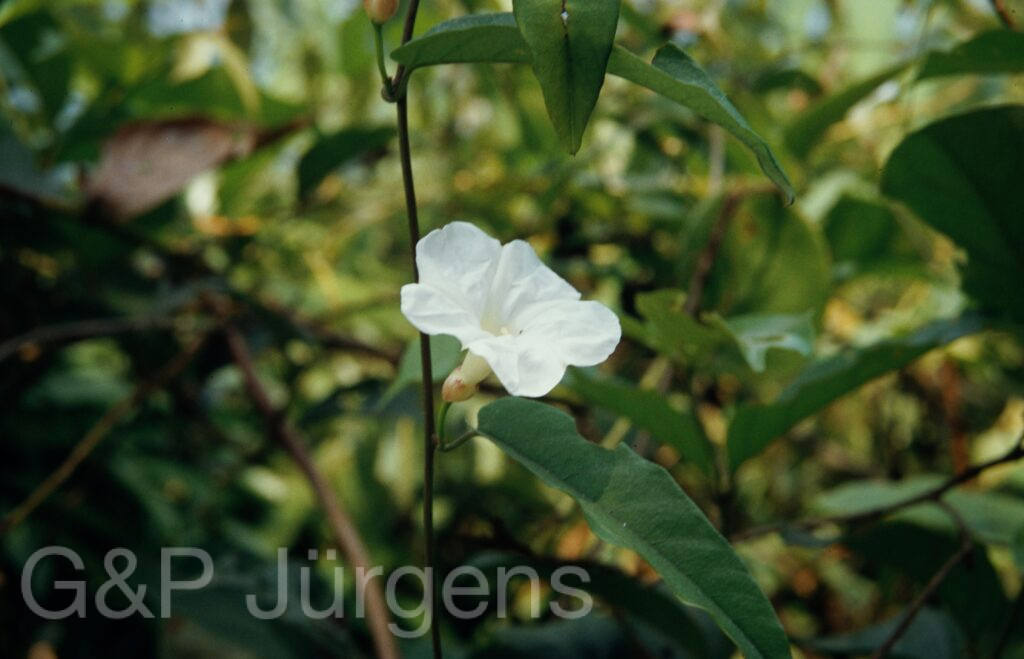
Thunbergia fragrans is a slender twining herbaceous climber native to tropical and subtropical Asia, from the Indian subcontinent and the Himalayan foothills eastward to China, Sri Lanka and Southeast Asia, and now naturalised across the Americas, the Pacific and Australia. It grows in thickets, hedgerows, forest edges, scrub and disturbed ground in the warm lowlands and lower hills, generally below about 1500 m. The photographed plant comes from Kandbari in East Nepal at around 490 m, flowering in April. With nearly 4900 georeferenced records, many from its introduced range, it is a conspicuous and frequently collected vine. Although filed here under Lamiaceae, the species belongs to the Acanthaceae.

The stems are twining, slender and angled, often finely hairy. The leaves are opposite, ovate to triangular-hastate, with a cordate to truncate base, entire to sinuately lobed or toothed margins, and a slender petiole. The flowers are solitary in the leaf axils on long peduncles, subtended by two large leafy bracteoles that enclose the much-reduced calyx. The corolla is salverform with a broad spreading limb of five rounded lobes and is pure white, the throat sometimes pale, the flowers faintly fragrant. Four didynamous stamens are inserted within the corolla tube. The fruit is a beaked, woody, explosively dehiscent capsule, the persistent style forming a long apical beak, scattering the few seeds.

Widely grown as an ornamental for its clean white flowers, T. fragrans has escaped cultivation in many warm regions and is regarded as an environmental weed in parts of Australia, the Pacific and the neotropics, where it smothers low vegetation. Within Thunbergia it is recognised by its white, fragrant corolla and hastate leaves. Abundant and expanding, it is of least conservation concern.

Author: Roxb. · Sources: POWO (Kew), GBIF, Flora of China, Flora of Nepal, Acanthaceae monographs (Thunbergia)

D. Don

Bhutan2014 588
Bhutan Phobjika 2810m, May
Nepal 97 128 G222
Nepal Mewa-Khole 2500m April
Nepal 1994 194 ergebnis
Ost-Nepal Mewa-Khola 2100m April
Nepal 2001 252 ergebnis ergebnis
Nepal (Gorkha) Niuli Kharka 2700m, May

Description

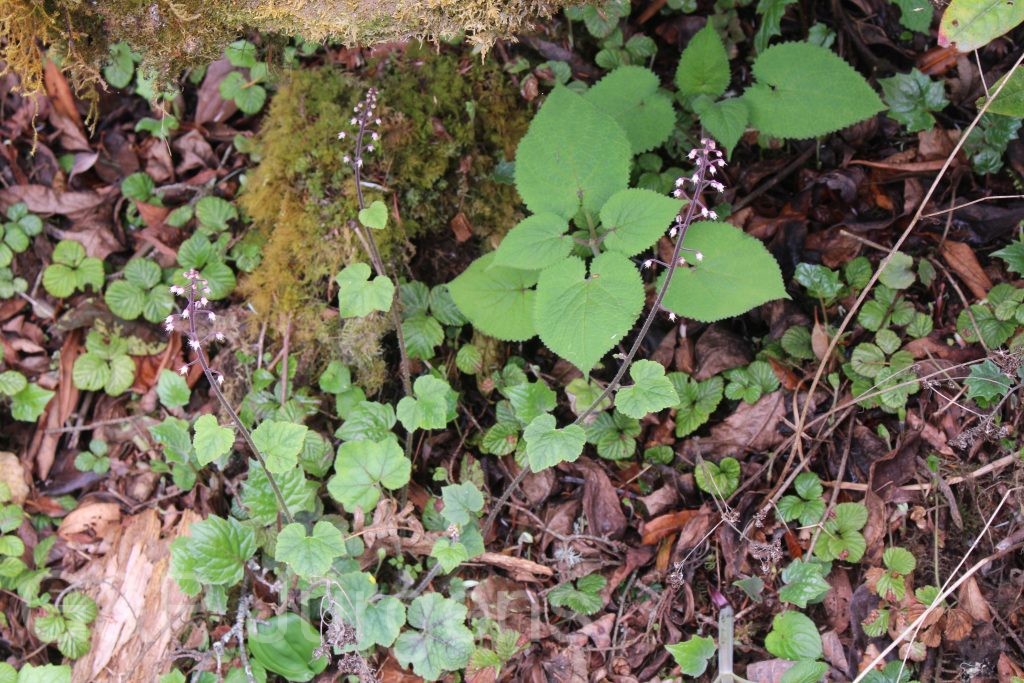
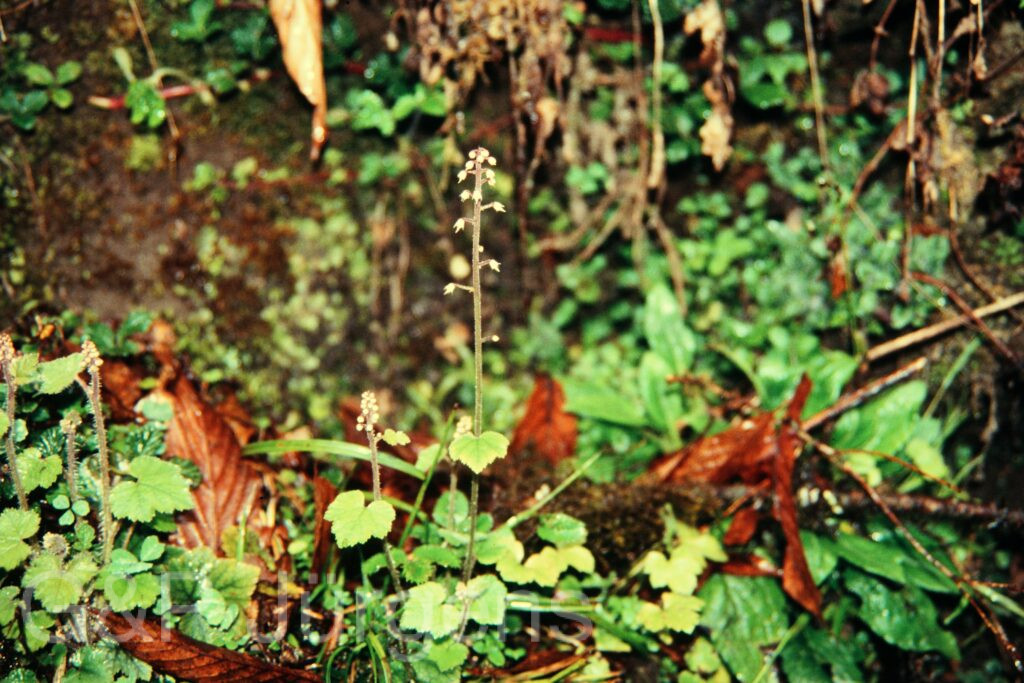
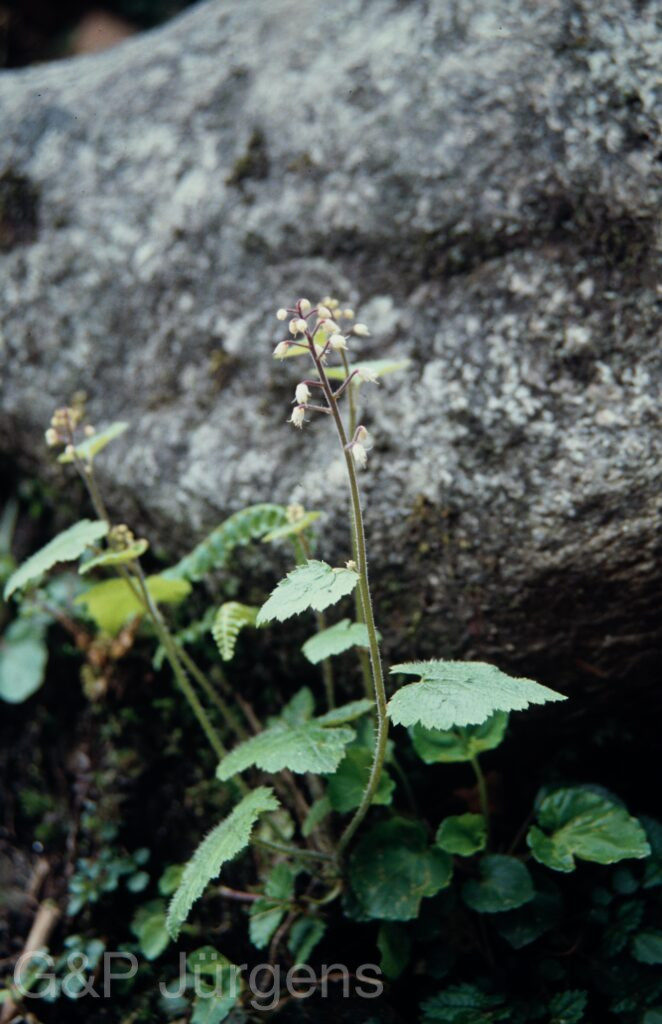
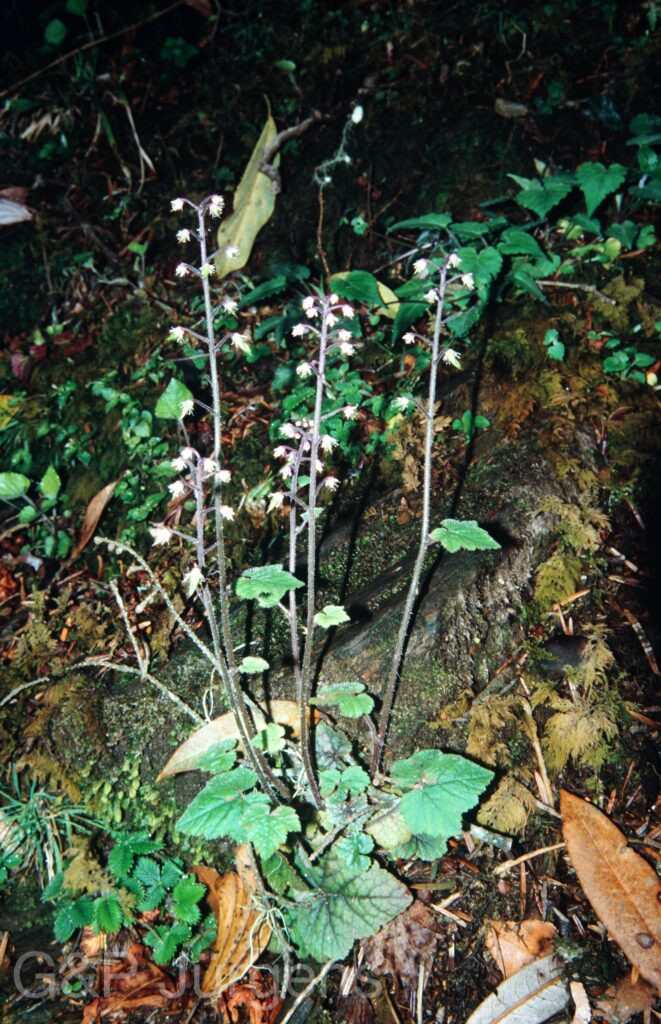
Tiarella polyphylla is a perennial herb with a wide East Asian and Himalayan distribution, recorded from China, Japan, Korea, Taiwan, Nepal, India, Bhutan and Myanmar, and reliably documented by over 4300 GBIF occurrences. It is a plant of cool, shaded, humid forests, growing in moist humus-rich soil along streamsides, on mossy banks and in the understorey of broadleaved and mixed forest, generally between about 1500 and 3500 m. The photographed populations span Bhutan (Phobjika, 2810 m, May) and eastern and central Nepal (Mewa Khola 2100-2500 m, and Gorkha at Niuli Kharka 2700 m), flowering through the spring months.

The plant grows from a short rhizome and produces a basal rosette of long-petioled leaves; the lamina is cordate-orbicular, shallowly three- to five-lobed, with toothed margins and scattered hairs. The slender, erect flowering stem bears a few reduced cauline leaves and terminates in a narrow, elongate raceme of small flowers. Each flower has five white to greenish, narrow petals and conspicuously exserted stamens, giving the inflorescence a delicate, foamy appearance. The fruit is a distinctive two-valved capsule with markedly unequal valves, splitting to release the small seeds.

Tiarella is a small genus of the Saxifragaceae, and T. polyphylla is the principal Asian representative, the remaining species being North American; this disjunction is a classic example of the eastern Asian-North American floristic link. The plant is shade-tolerant and clonal, often forming loose colonies on forest floors. Though not threatened across its broad range, it depends on intact moist forest and is locally sensitive to logging and disturbance of streamside habitats.

Author: D. Don · Sources: POWO (Kew), GBIF, Flora of China, Flora of Bhutan, Saxifragaceae monograph

Tibetia himalaica

by GP Jürgens

(Baker) H.B. Cui

Sikkim2003 527 P735
Sikkim Yume Samdong 4600m August
Sikkim2003 528 P736
Sikkim Yume Samdong 4600m August

Description

Tibetia himalaica is a high-altitude legume of the Sino-Himalayan region, distributed across the Tibetan Plateau and adjoining mountains in China, Nepal, India and Bhutan; GBIF records over 800 occurrences concentrated in the high alpine belt. It is a plant of alpine meadows, short turf, gravelly slopes, riverine flats and open stony ground, typically between 3,000 and 5,000 m. The individual photographed at Yume Samdong in northern Sikkim at 4,600 m in August captures the species near the upper limit of its range, flowering during the late-summer monsoon on the cold, well-drained alpine soils characteristic of this trans-Himalayan locality.

It is a low, cushion-forming or mat-like perennial herb arising from a slender, often woody taproot and a branched caudex, the stems short and largely prostrate. The leaves are imparipinnate, with several pairs of small, obovate to elliptic, often emarginate leaflets on short petioles, the whole appressed-pubescent. The flowers are solitary or few in an umbel-like arrangement on slender scapes; each is a typical papilionaceous flower with a campanulate, hairy calyx and a blue to purplish or violet corolla comprising a broad standard, oblong wings and an incurved keel. The fruit is a cylindrical, glabrescent legume that dehisces to release several small seeds.

Tibetia is a small genus of about half a dozen species segregated from Gueldenstaedtia, restricted to the high mountains of the Sino-Himalayan and Central Asian region and distinguished by its solitary or few-flowered scapes, persistent stipules and alpine cushion habit. As a nitrogen-fixing legume forming root nodules with rhizobia, T. himalaica contributes to soil enrichment in nutrient-poor alpine turf and is grazed by livestock and wild herbivores. Its wide but high-altitude distribution renders it ecologically secure at present, though high-elevation specialists of this kind are regarded as potentially sensitive to climate warming; it has not been formally assessed for the IUCN Red List.

Author: (Baker) H.B. Cui · Sources: POWO (Kew), GBIF, Flora of China, Flora of Bhutan, Annotated Checklist of the Flowering Plants of Nepal, revision of Tibetia and Gueldenstaedtia (Fabaceae)

DC.

Sikkim2011 224
Sikkim Yumthang 3600m, June

Description

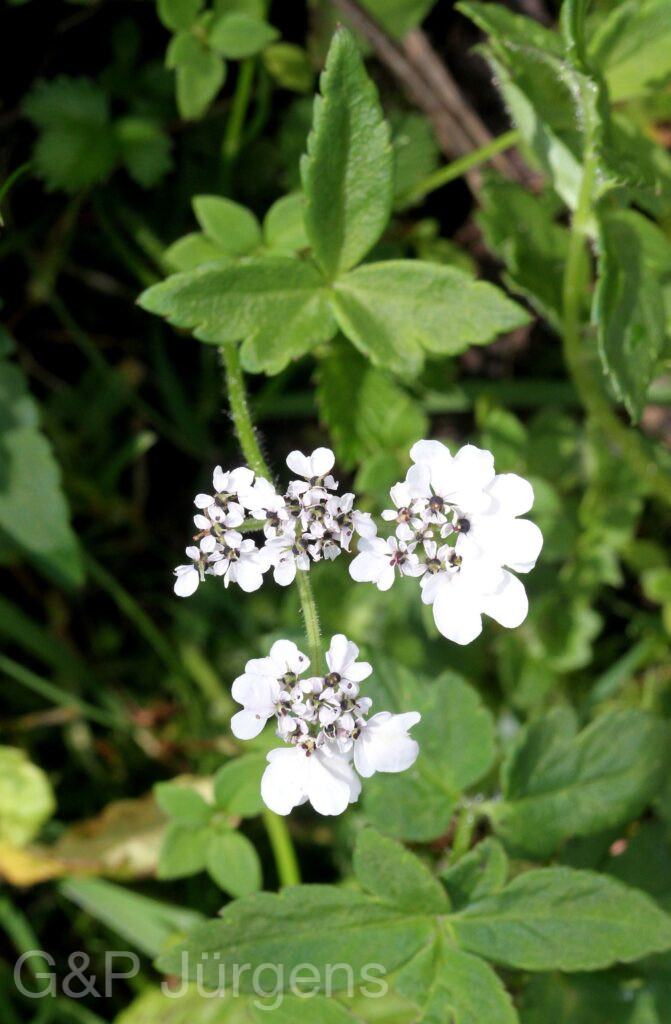
Tordyliopsis brunonis DC. is a monotypic genus of Apiaceae endemic to the high Himalaya. GBIF data (121 occurrences) document its occurrence in Nepal, north India (including Sikkim), Bhutan, and adjacent southwest China, where it inhabits open alpine meadows, rocky slopes, and grazed turf. The species was photographed at Yumthang in Sikkim at 3,600 m in June, consistent with its alpine ecology in the subalpine-to-alpine belt between roughly 3,000 and 4,500 m, where it flowers as snowmelt recedes. It typically grows in moist, humus-rich pockets among boulders and in herb-rich pasture.

The plant is a low perennial herb arising from a stout taproot, with short, often more or less prostrate or ascending stems. The leaves are pinnate to bipinnate with toothed leaflets, forming a basal cluster. As in most Apiaceae the inflorescence is a compound umbel, here subtended by conspicuous bracts and bracteoles; the small white to pinkish flowers give rise to dorsally compressed mericarps whose lateral wings and ribbed dorsal surface recall those of Tordylium, the genus from which the name ("resembling Tordylium") derives.

Tordyliopsis occupies an isolated position within subfamily Apioideae and has been the subject of debate regarding its tribal placement, owing to its distinctive winged fruit anatomy. As a Himalayan endemic restricted to high elevations, it is potentially vulnerable to climate-driven upslope habitat contraction and intensive summer grazing, though no formal IUCN assessment exists. It serves as a useful indicator of intact alpine meadow communities.

Author: DC. · Sources: POWO (Kew), Flora of China Vol. 14, Flora of Bhutan Vol. 2, GBIF, Pimenov & Leonov: The Genera of the Umbelliferae (1993)

(Azaola) Pennell

Bhutan2012 1338 ergebnis
Bhutan Pemagatsel 300m, October

Description

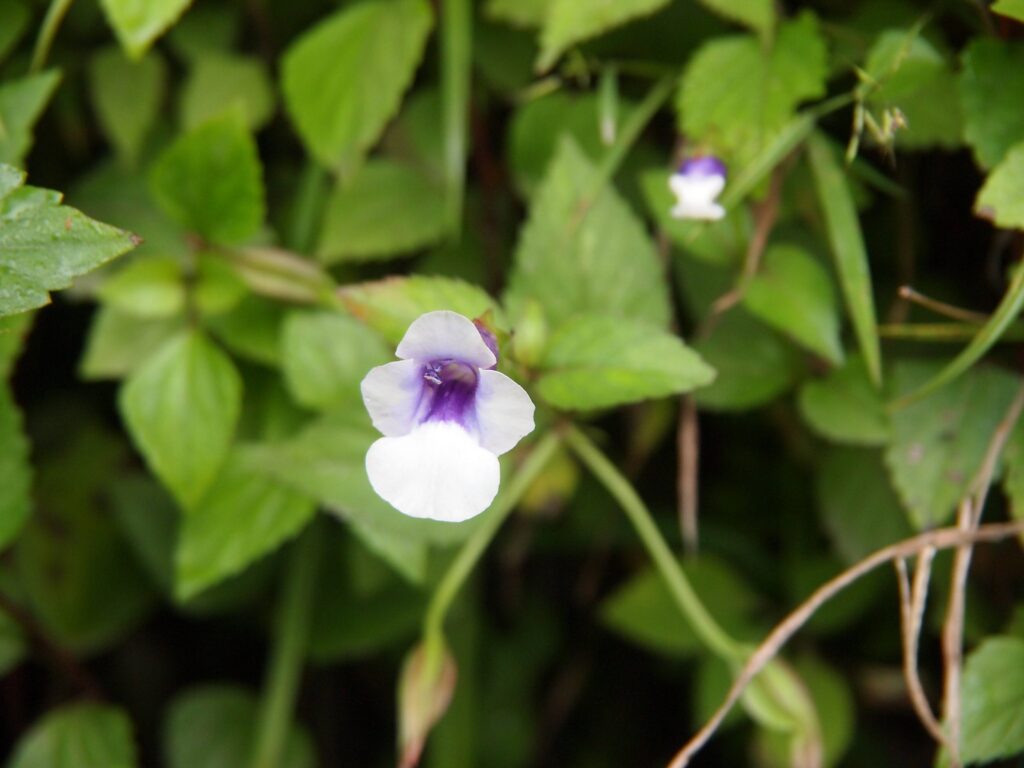
Torenia violacea is a small annual herb widely distributed across tropical and subtropical Asia, recorded by GBIF, with over a thousand occurrences, from India, Nepal, Bhutan and Bangladesh through China, Taiwan and Japan to Myanmar, Thailand, Laos, Cambodia, Vietnam, the Philippines, Malaysia, Singapore, Brunei, Indonesia and Papua New Guinea. It is a plant of warm, humid lowland and lower montane situations, growing on moist, shaded ground in rice-field margins, ditches, streamsides, damp roadside banks, forest paths and other disturbed wet places, mostly at low elevations. The photographed plant from Pemagatsel in southeastern Bhutan, at about 300 m and flowering in October, exemplifies this low-altitude, monsoon-influenced habitat, where the species flowers into the post-monsoon autumn in the warm foothill zone.

It is a slender, erect to ascending or somewhat decumbent annual with quadrangular, narrowly winged stems that branch from the base. The leaves are opposite, ovate to ovate-lanceolate, with a serrate margin, an acute apex and a rounded to broadly cuneate base, borne on short petioles. The flowers are axillary or in terminal racemes, each subtended by a tubular, five-winged (ridged) calyx. The corolla is two-lipped and violet to pale lilac, often with a yellow throat, the lower lip three-lobed and the tube curved; the four didynamous stamens are a diagnostic feature, the anterior filaments often bearing a slender appendage at the base. The fruit is a narrow, oblong, septicidal capsule enclosed by the persistent winged calyx and releasing numerous minute seeds.

Long placed in Scrophulariaceae and later in Veronicaceae or Plantaginaceae, Torenia is now assigned to the segregate family Linderniaceae, recognised on molecular grounds, alongside Lindernia and Vandellia, to which several species formerly called Torenia have been transferred. T. violacea, based on Azaola's name and recombined by Pennell, is distinguished within the genus by its five-winged calyx and violet corolla. The species is a self-compatible weedy annual of disturbed wet ground, abundant and adaptable across its very large range, and is of no conservation concern; ornamental relatives in the genus (the "wishbone flowers") are popular bedding plants.

Author: (Azaola) Pennell · Sources: POWO (Kew), GBIF, Flora of China Vol. 18, Flora of Bhutan Vol. 2, Flora of Nepal, Flora of Pakistan, Fischer's revision of Linderniaceae

DC.

Bhutan2014 272
Bhutan Trithangebe 700m, May
Bh2008 541 G819
Bhutan Limbukha 2200m April

Description

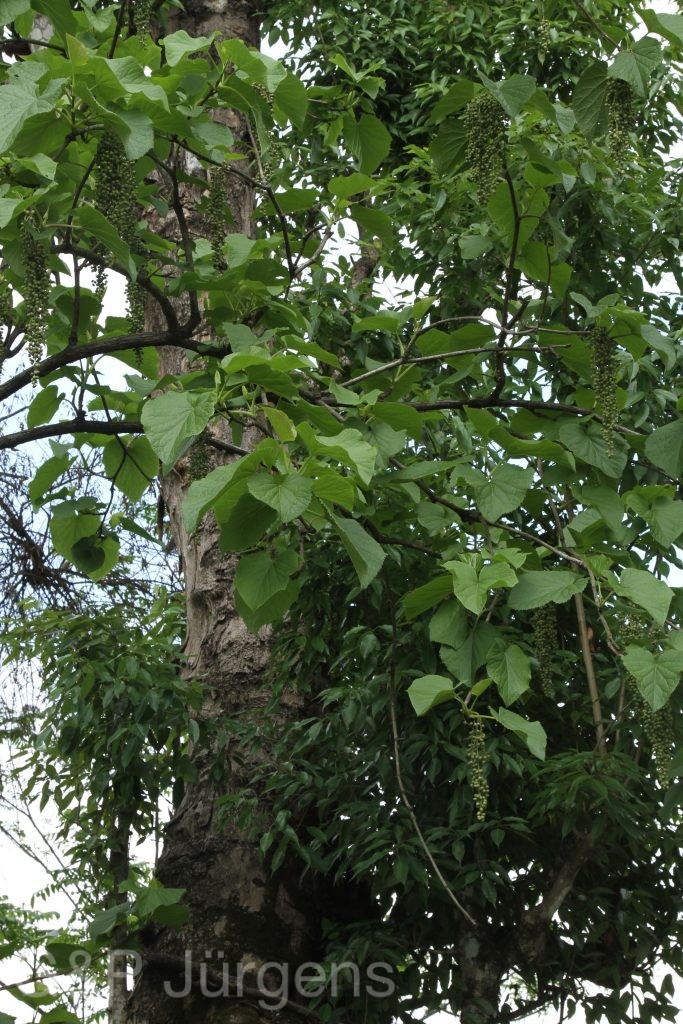
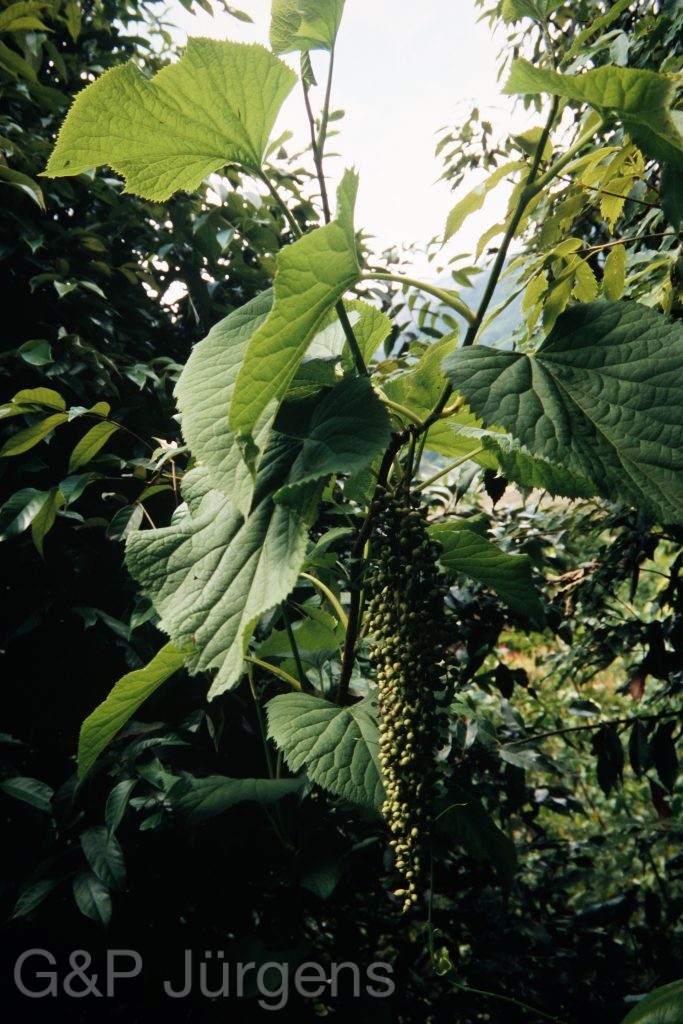
Toricellia tiliifolia DC. is a small deciduous tree or large shrub of the Cornaceae (or the segregate family Toricelliaceae), restricted to the Himalaya and southwestern China. GBIF records, totalling 23 occurrences, place it in China, Nepal, Bhutan and India. The species grows on moist, often disturbed slopes, ravine margins, forest edges and streamsides through the subtropical to lower temperate belt, broadly from 700 to 2,300 m. The cited Bhutanese collections from Trithangebe at 700 m in May and from Limbukha at 2,200 m in April illustrate this altitudinal span across the southern Bhutanese foothills.

The plant is a soft-wooded tree with stout, somewhat pithy branchlets and conspicuous leaf scars. The leaves are alternate, long-petiolate, broadly ovate to orbicular with a cordate base, palmately veined and shallowly lobed with a serrate margin, recalling those of a lime (Tilia), hence the epithet; the petiole base is dilated and sheathing. The plant is functionally dioecious, the small greenish flowers borne in long, slender, pendulous panicles; staminate flowers have minute petals and stamens, while the pistillate flowers have a reduced perianth and an inferior ovary. The fruit is a small ovoid drupe crowned by the persistent styles.

Toricellia is a relictual, taxonomically isolated genus whose placement has shifted between Cornaceae, Araliaceae and its own family Toricelliaceae within the Apiales, reflecting an ambiguous combination of cornoid and aralioid characters. Its disjunct, narrow Sino-Himalayan distribution makes it of considerable biogeographic interest as a Tertiary relict, and although not formally assessed as threatened, its limited range warrants attention where lower-montane forests are being cleared.

Author: DC. · Sources: POWO (Kew), GBIF, Flora of China Vol. 14, Flora of Bhutan Vol. 2, Flora of Nepal, Eyde: Comparative anatomy and phylogeny of the Cornaceae