
DC.
Description
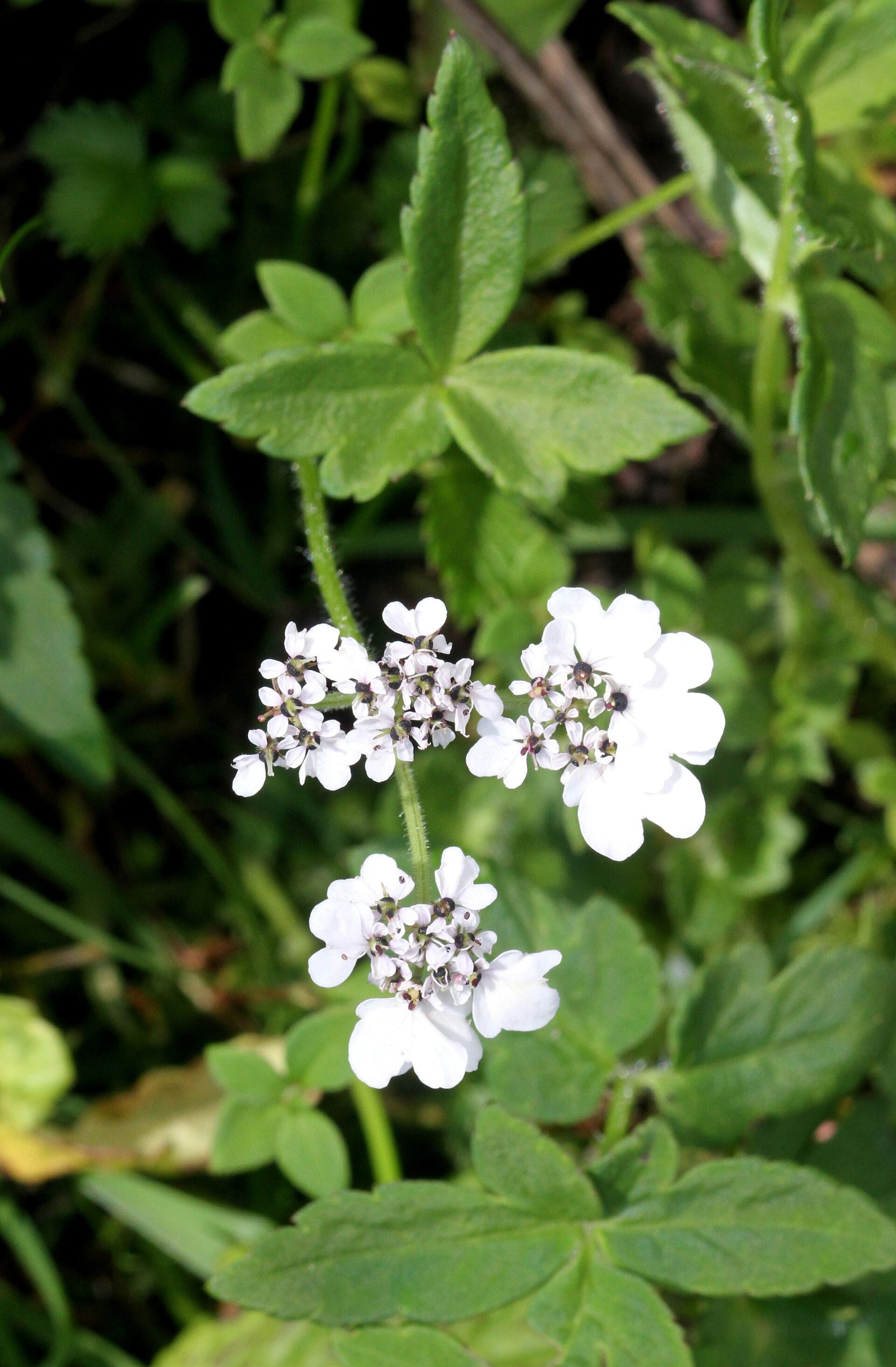
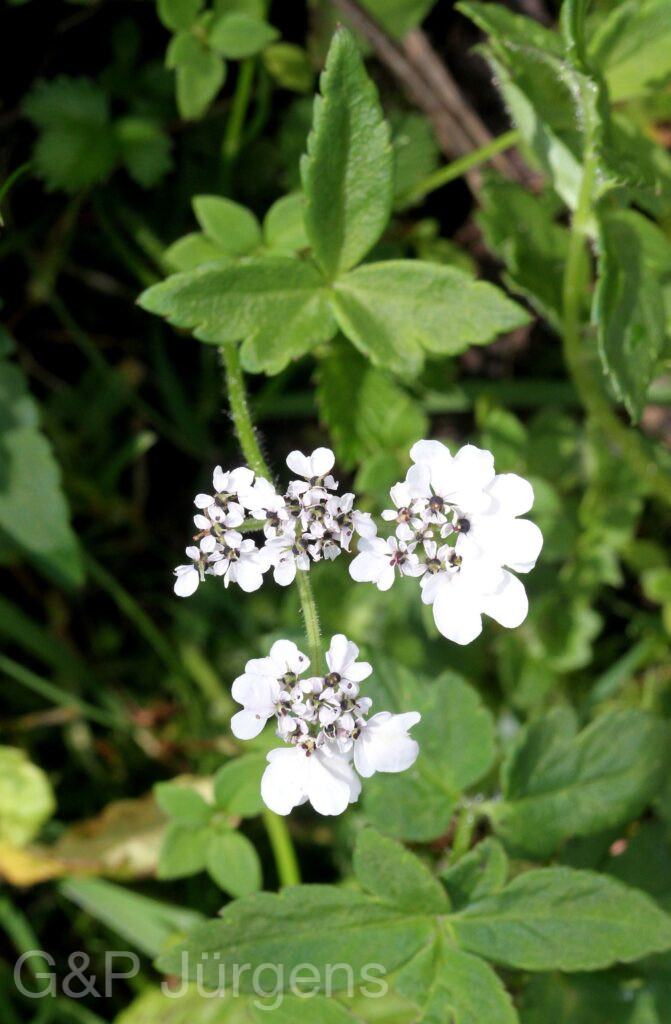
Tordyliopsis brunonis DC. is a monotypic genus of Apiaceae endemic to the high Himalaya. GBIF data (121 occurrences) document its occurrence in Nepal, north India (including Sikkim), Bhutan, and adjacent southwest China, where it inhabits open alpine meadows, rocky slopes, and grazed turf. The species was photographed at Yumthang in Sikkim at 3,600 m in June, consistent with its alpine ecology in the subalpine-to-alpine belt between roughly 3,000 and 4,500 m, where it flowers as snowmelt recedes. It typically grows in moist, humus-rich pockets among boulders and in herb-rich pasture.
The plant is a low perennial herb arising from a stout taproot, with short, often more or less prostrate or ascending stems. The leaves are pinnate to bipinnate with toothed leaflets, forming a basal cluster. As in most Apiaceae the inflorescence is a compound umbel, here subtended by conspicuous bracts and bracteoles; the small white to pinkish flowers give rise to dorsally compressed mericarps whose lateral wings and ribbed dorsal surface recall those of Tordylium, the genus from which the name ("resembling Tordylium") derives.
Tordyliopsis occupies an isolated position within subfamily Apioideae and has been the subject of debate regarding its tribal placement, owing to its distinctive winged fruit anatomy. As a Himalayan endemic restricted to high elevations, it is potentially vulnerable to climate-driven upslope habitat contraction and intensive summer grazing, though no formal IUCN assessment exists. It serves as a useful indicator of intact alpine meadow communities.
Author: DC. · Sources: POWO (Kew), Flora of China Vol. 14, Flora of Bhutan Vol. 2, GBIF, Pimenov & Leonov: The Genera of the Umbelliferae (1993)