Prain
Description
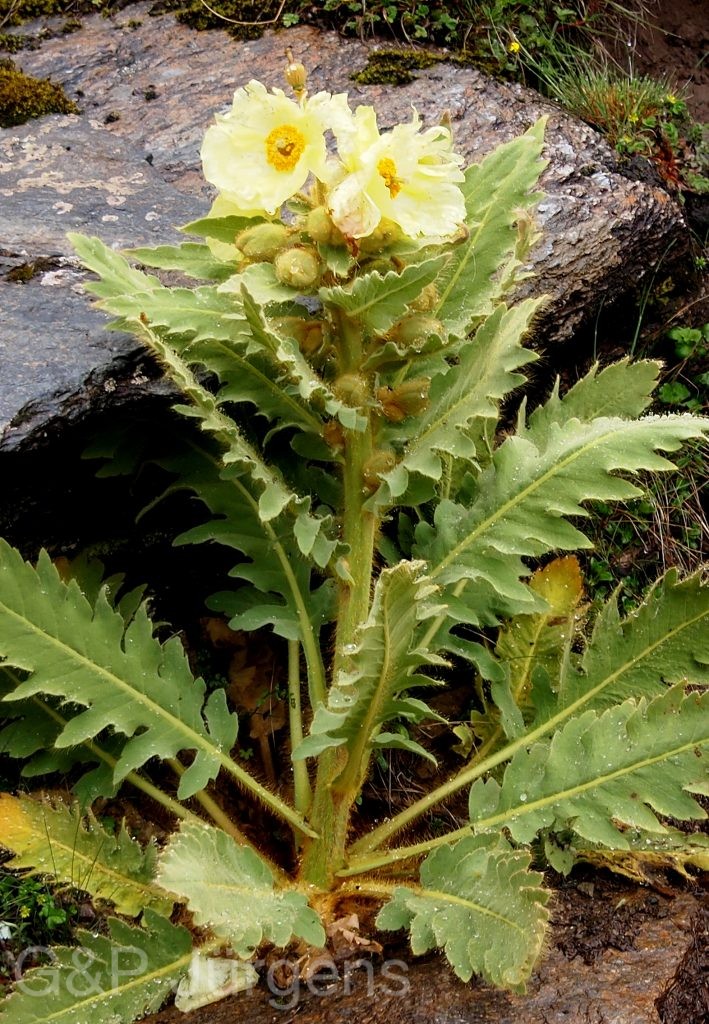
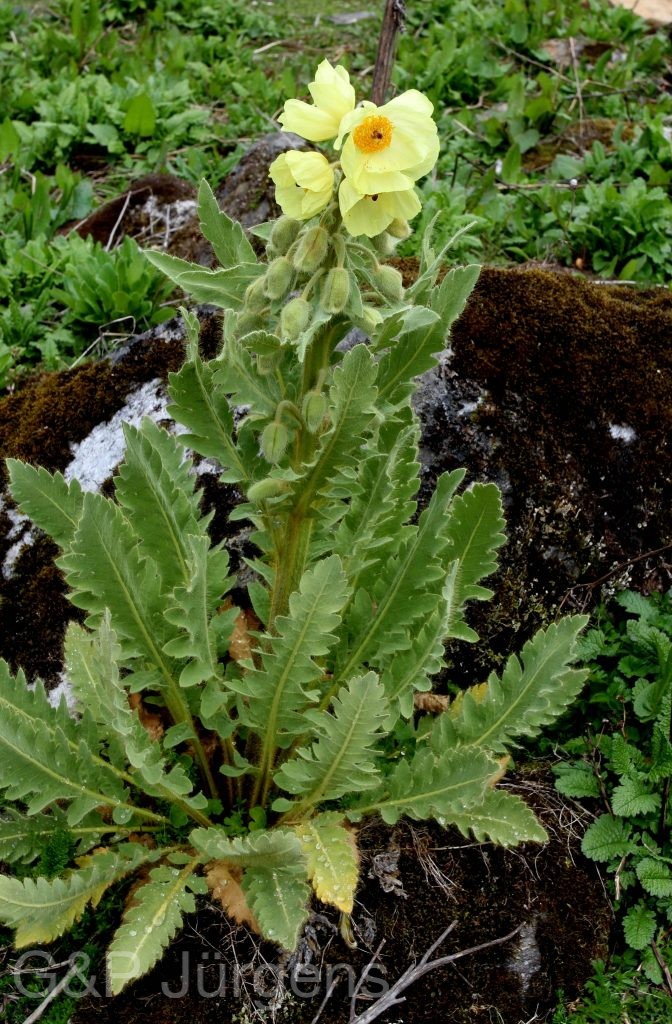
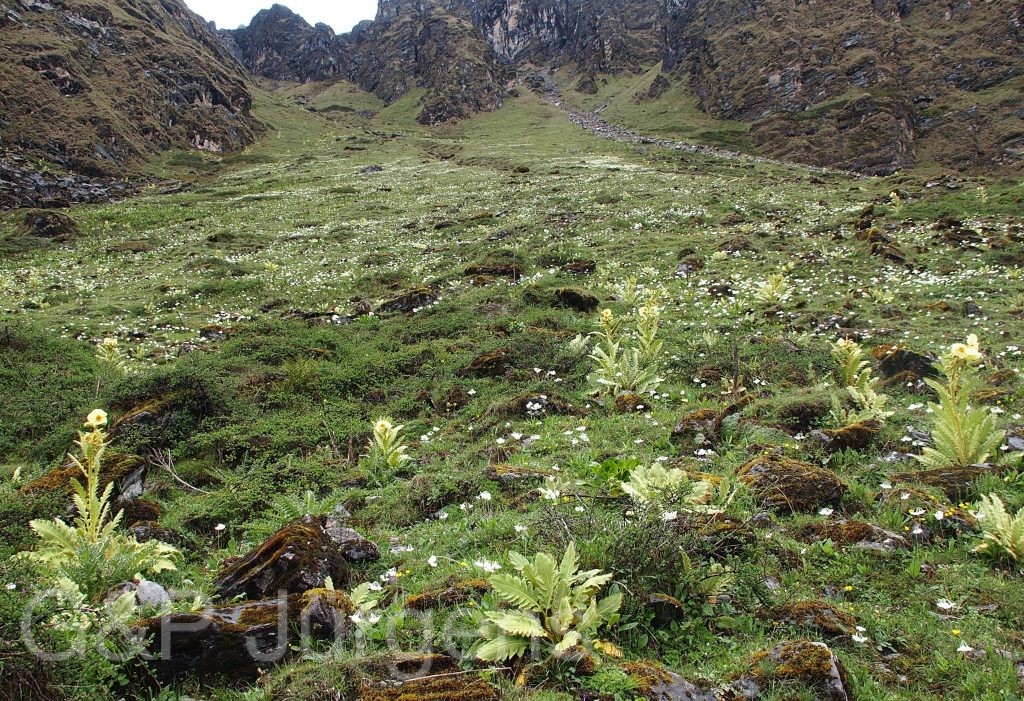
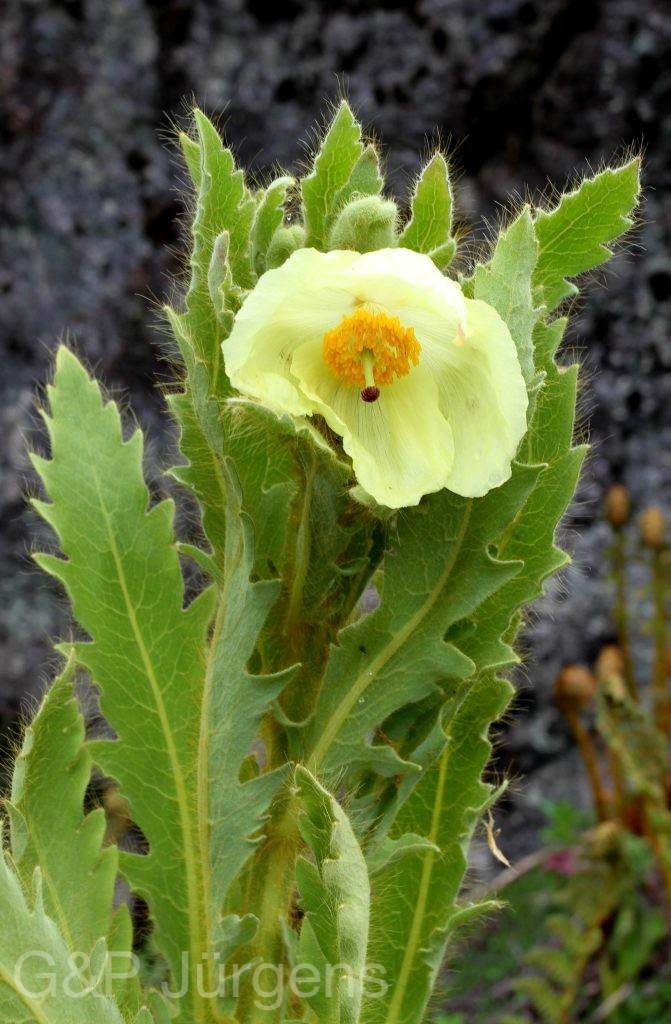
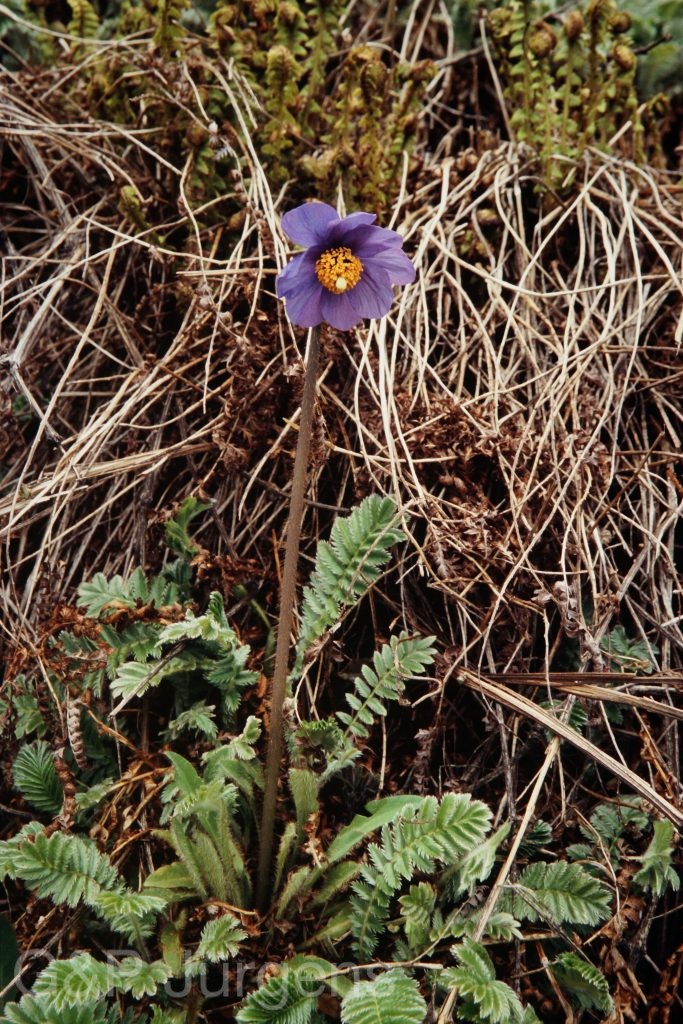
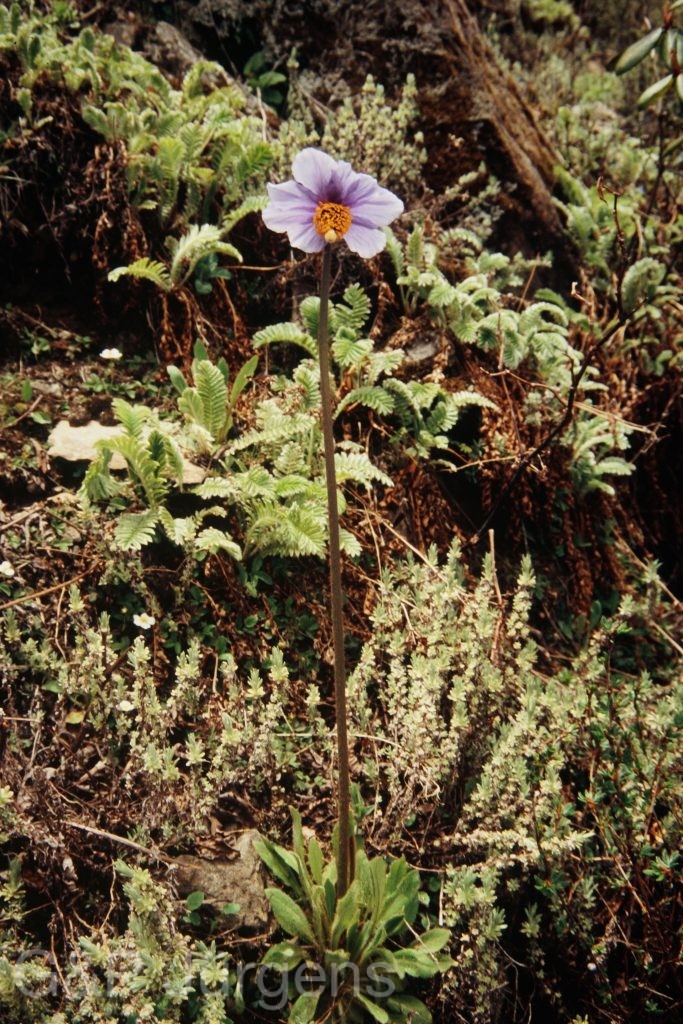
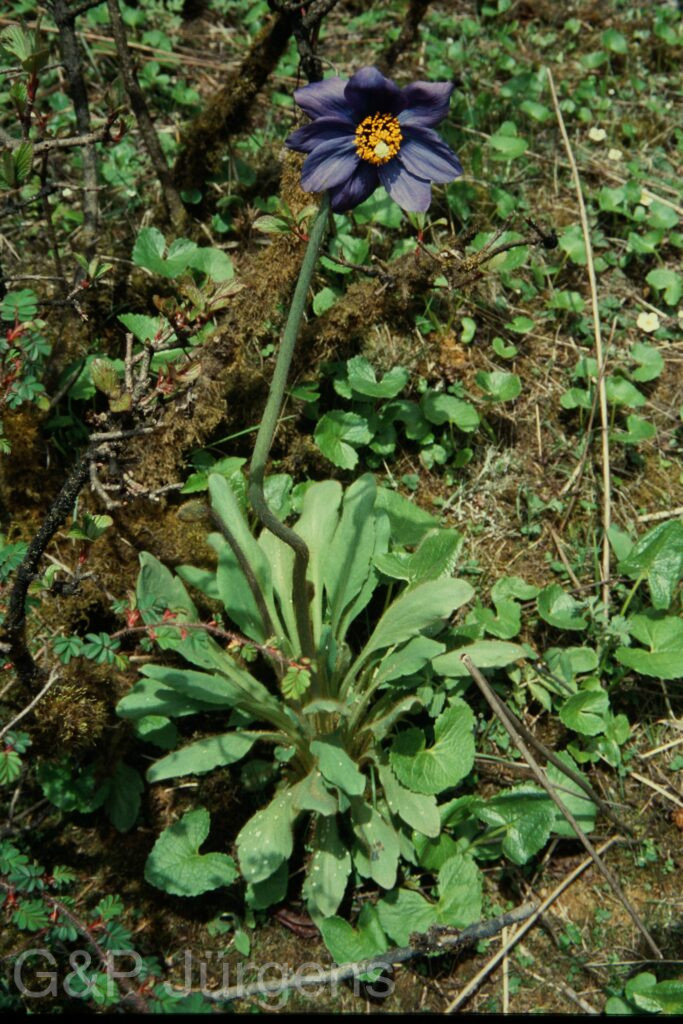
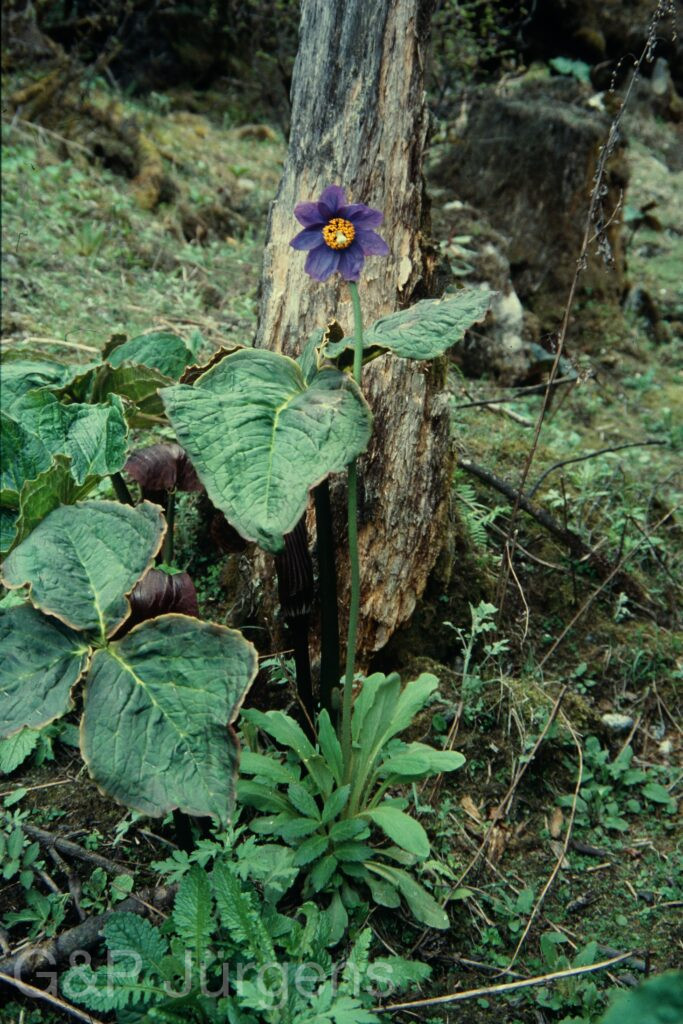
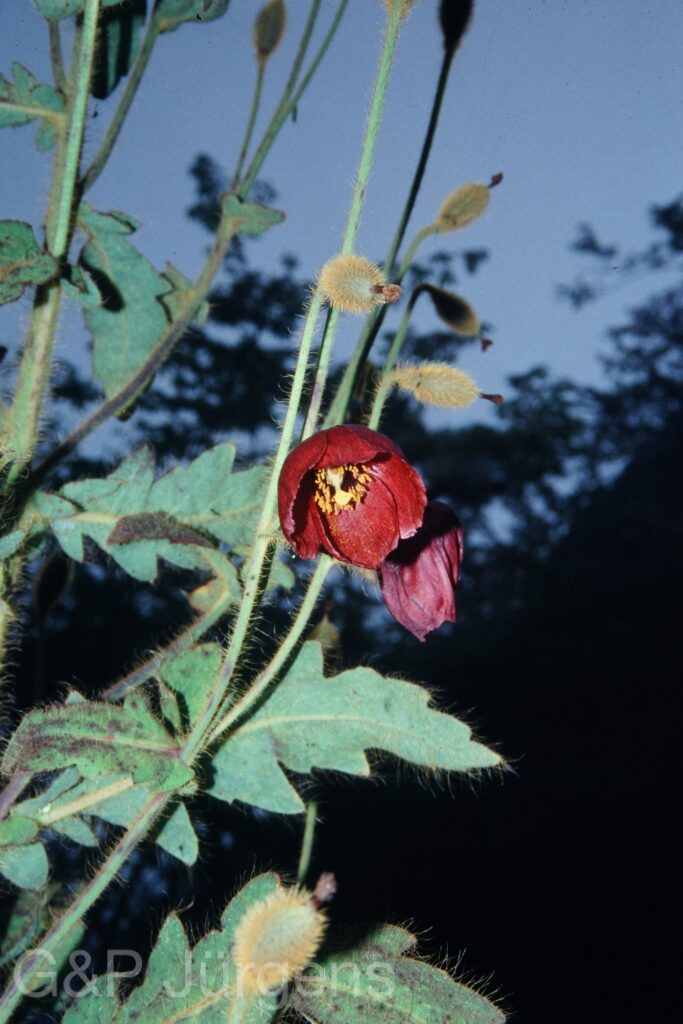
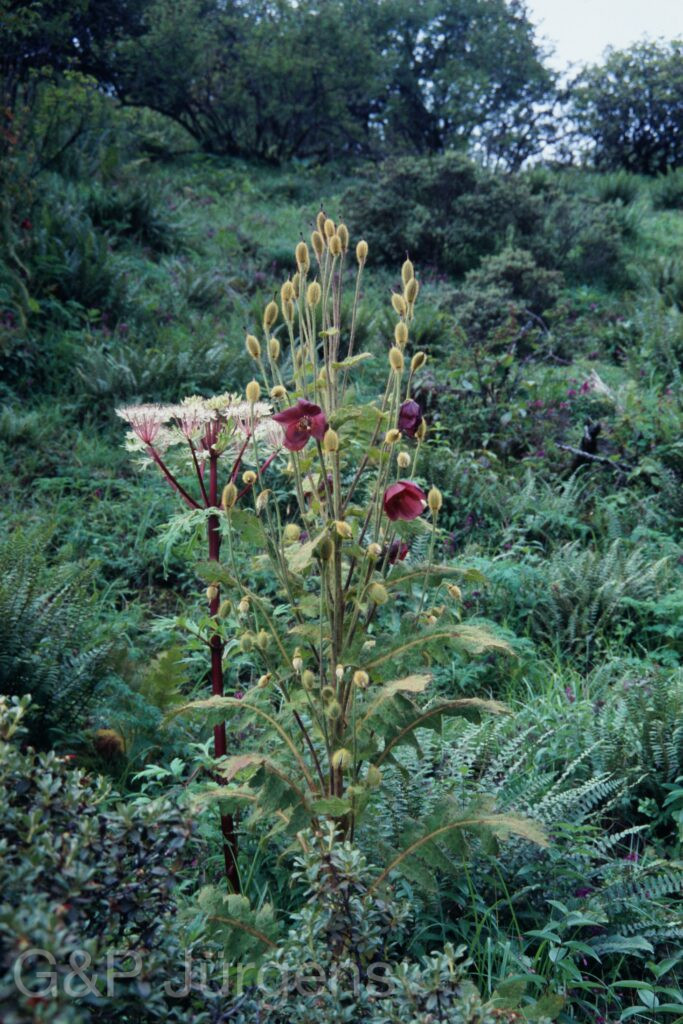
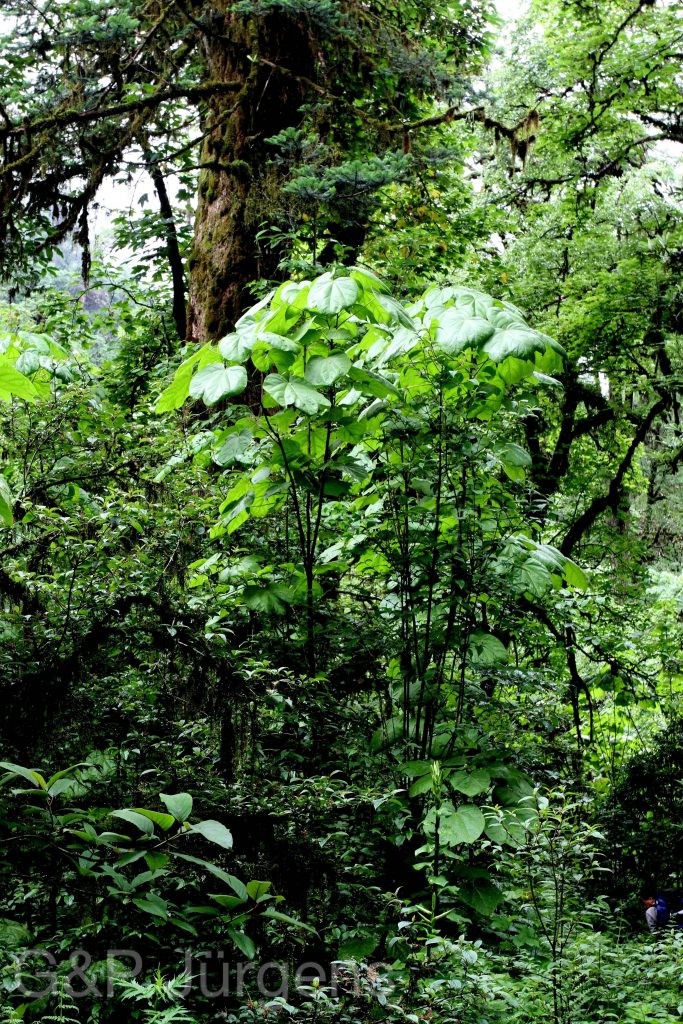
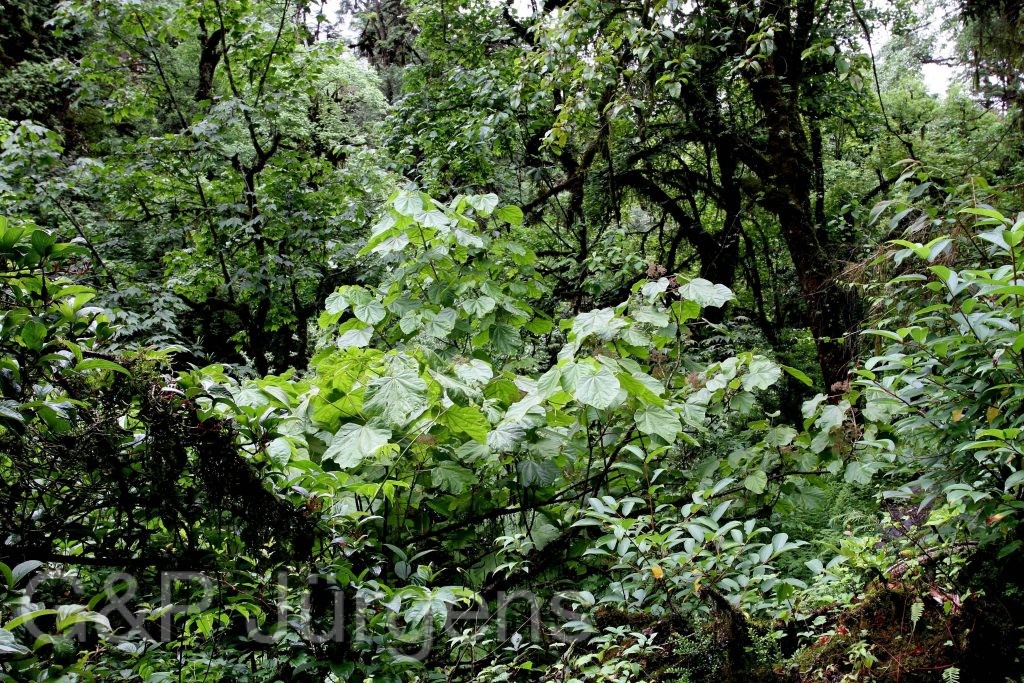
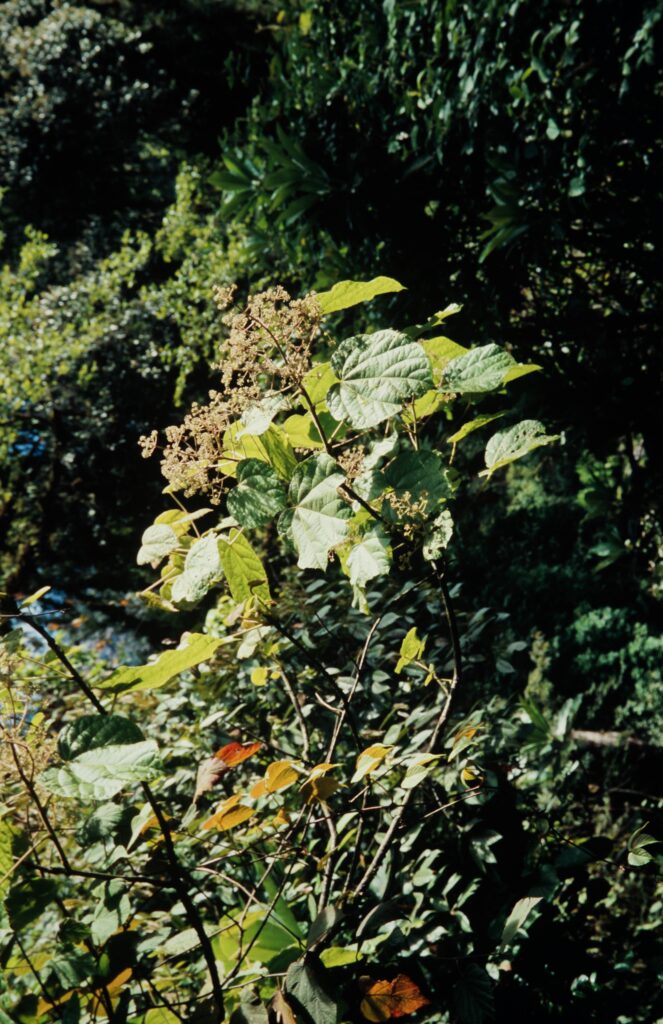
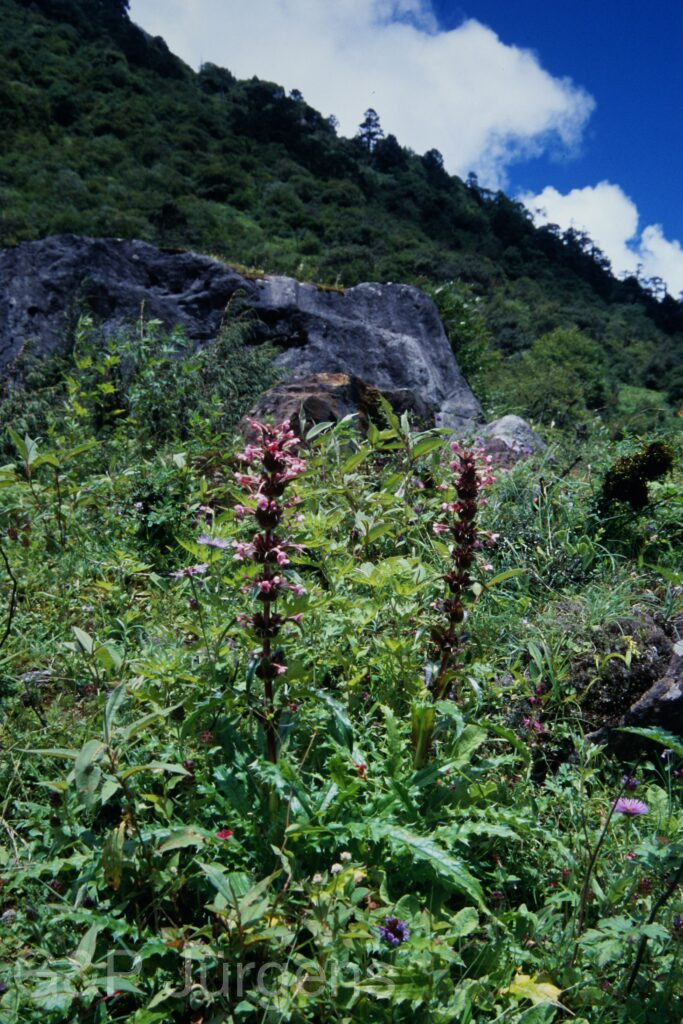
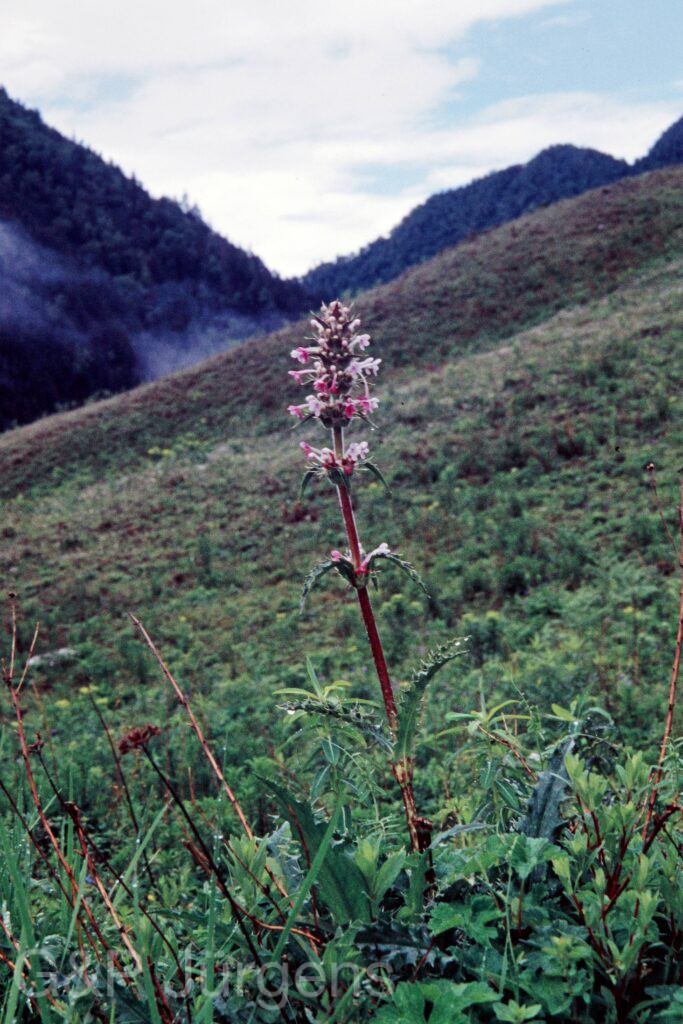
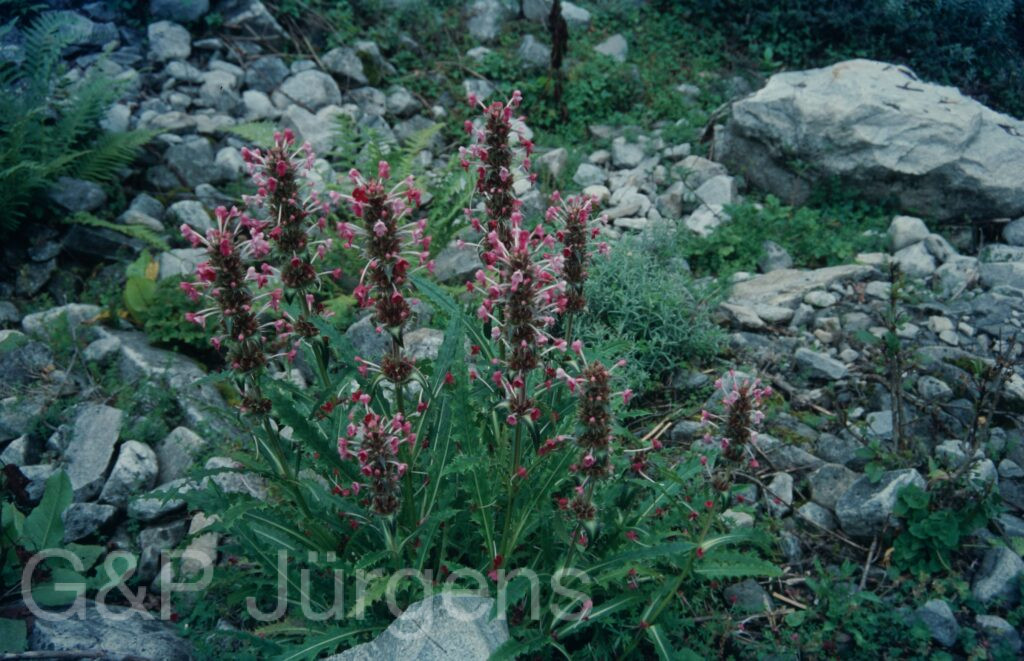
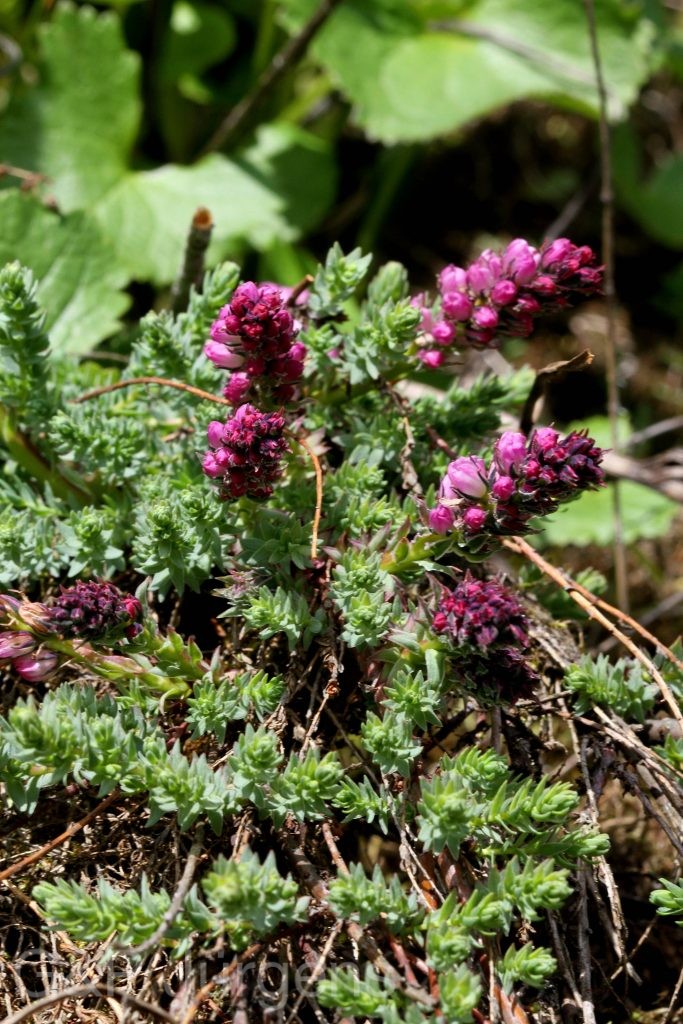
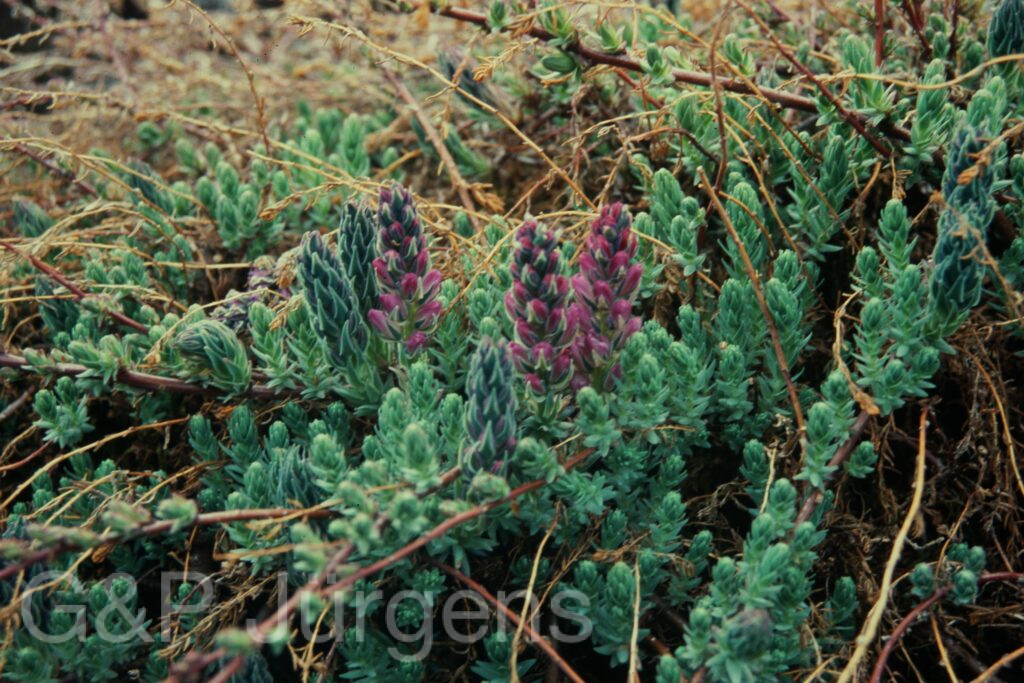
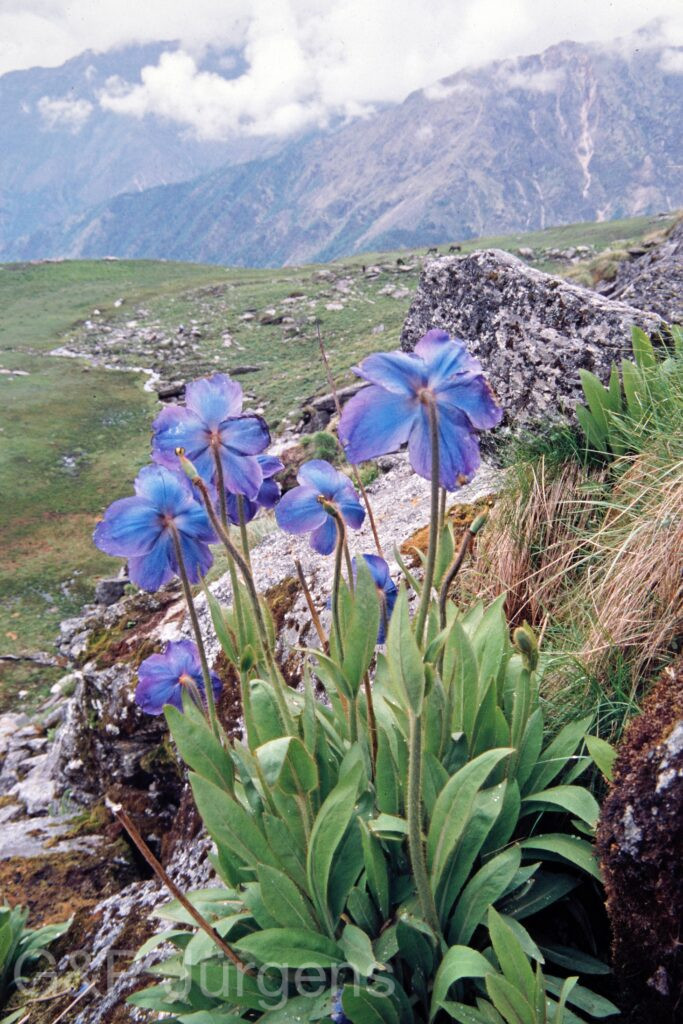
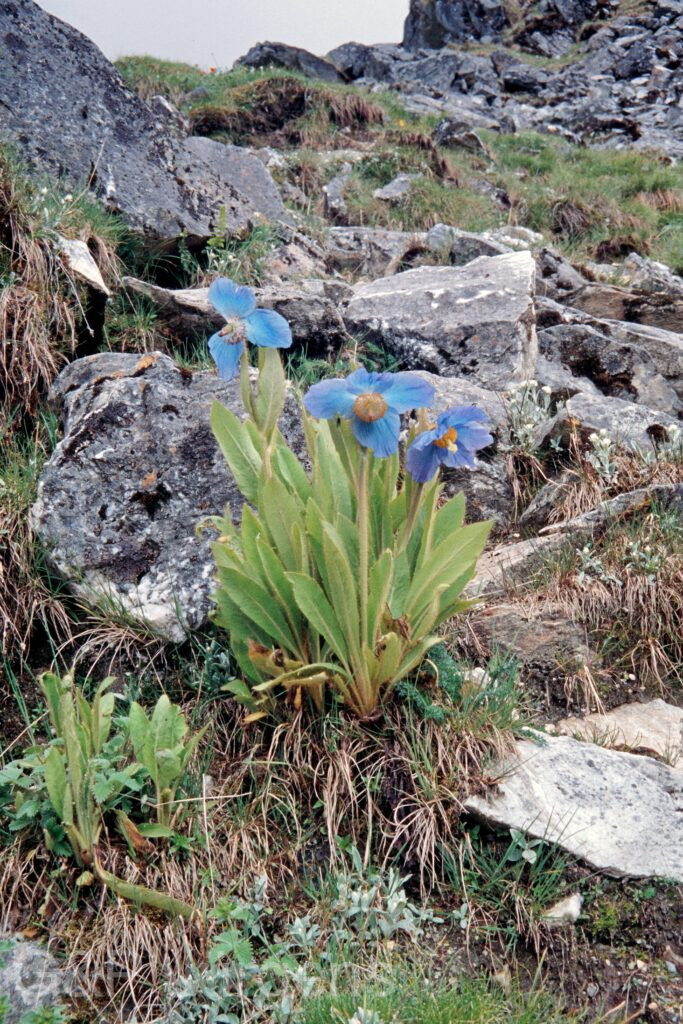
Meconopsis grandis is a high-altitude perennial of the eastern and central Himalaya, distributed across Nepal, northern India, Sikkim, Bhutan and adjacent southern Tibet (China), with cultivated and naturalised records reflected in the European data (United Kingdom, Belgium, Norway, Sweden). GBIF documents some 266 occurrences, a figure inflated by its long horticultural history as one of the celebrated "blue poppies." In its native range it grows in moist alpine meadows, open scrub, the margins of Rhododendron thickets and along streamsides on humus-rich, well-drained acidic soils. The collections illustrated span the snowmelt belt between roughly 3600 and 4100 m, from Tayla-La in central Nepal at 4050 m in April to the slopes south of Rara Lake at 3600 m and Kalomura at 4100 m in June, where it flowers as the monsoon advances.
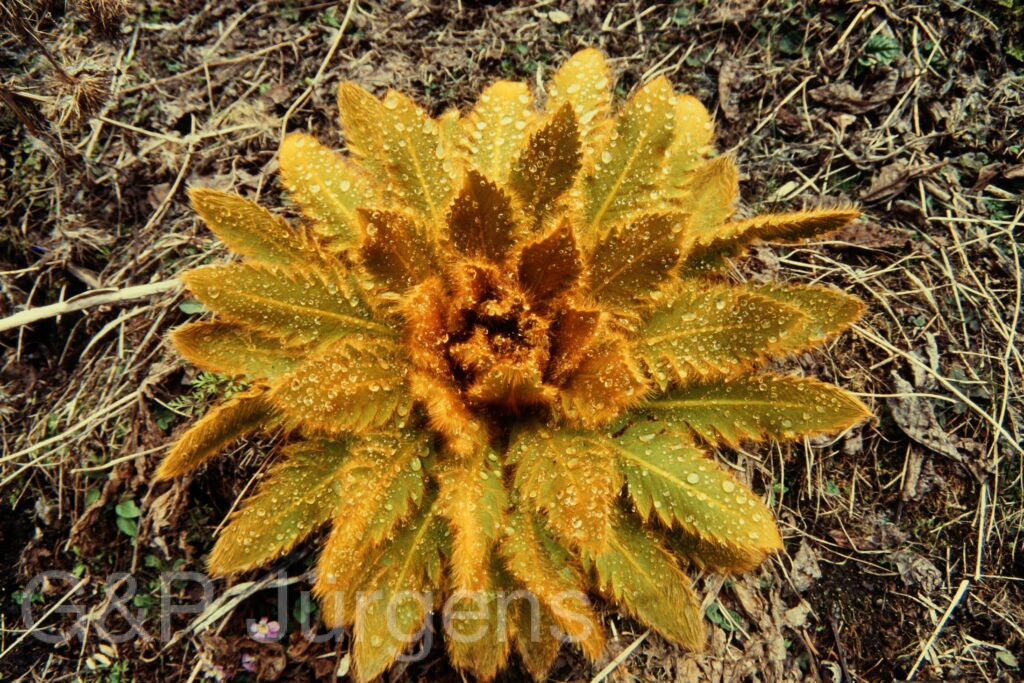
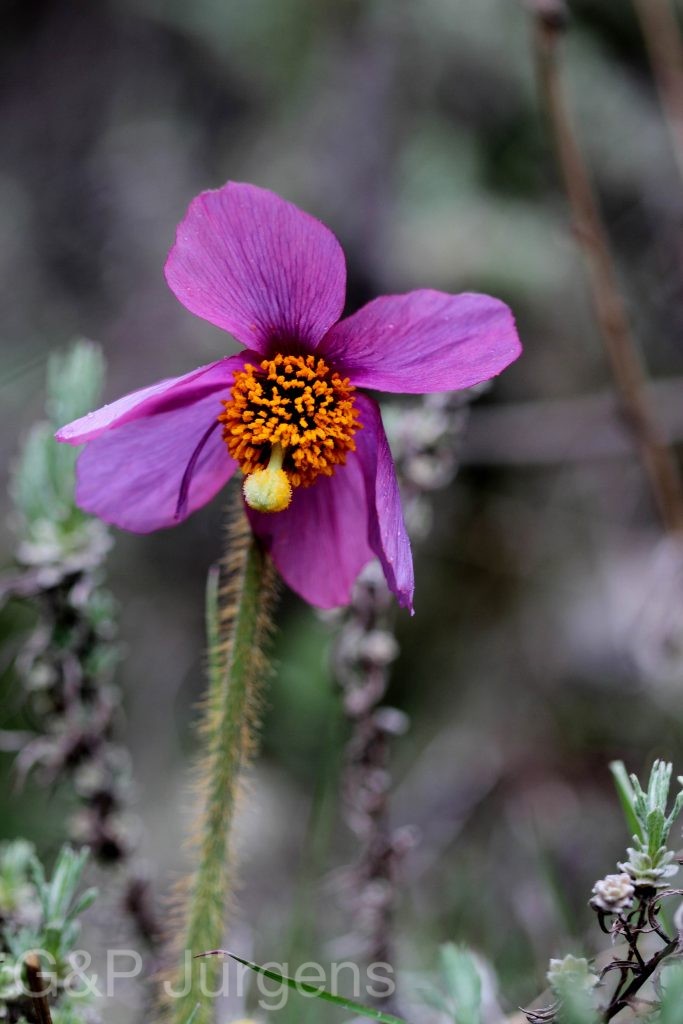
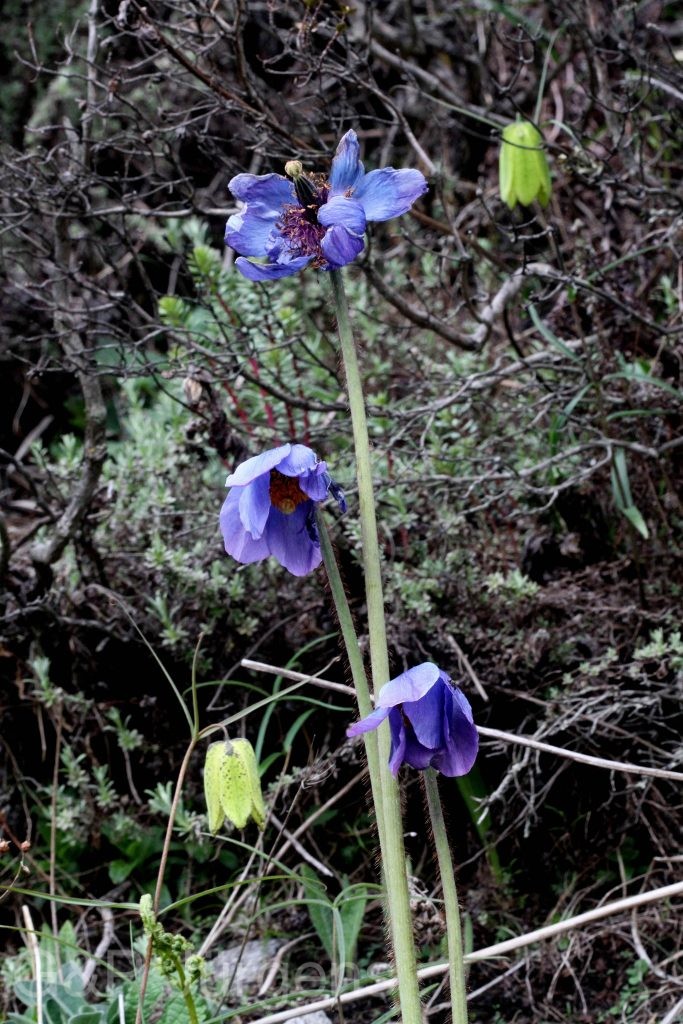
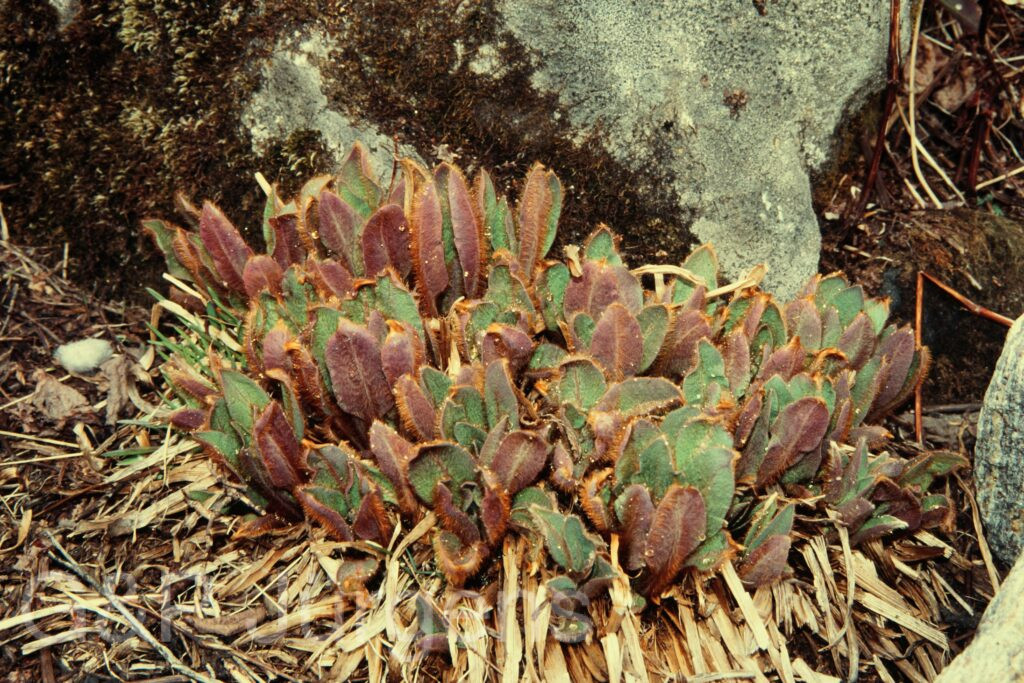
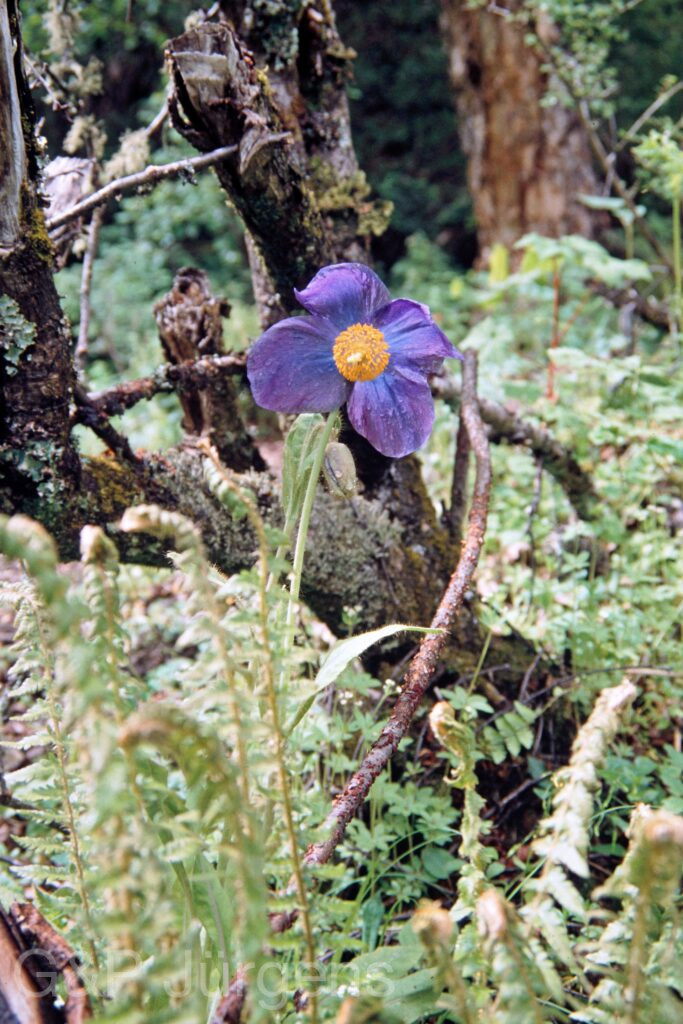
It forms a stout, deciduous perennial from a thick rootstock, with a basal rosette of oblanceolate to elliptic leaves clothed in rust-coloured to fulvous bristly hairs, the blades narrowing into a winged petiole and often shallowly toothed. The flowering scape is erect, bristly and bears one to several large nodding flowers, each typically with four (sometimes more) broad, satiny, overlapping petals of intense azure to violet-blue, occasionally purplish. Numerous golden stamens surround a stout ovary crowned by a short, well-defined style and capitate to clavate stigma. The fruit is an elongate, ellipsoid to narrowly ovoid capsule, bristly-hairy, dehiscing by short apical valves to release small seeds.
Meconopsis grandis belongs to a taxonomically intricate complex of perennial blue poppies and has historically hybridised in cultivation, giving rise to the widely grown Meconopsis × sheldonii. Variation in flower colour, leaf indumentum and monocarpic versus polycarpic habit has prompted recognition of several subspecies and forms by different authors. Ecologically it is pollinated chiefly by bumblebees attracted to its conspicuous corolla. Though not formally assessed as threatened across its wide range, populations are localised and sensitive to grazing pressure, trampling and the warming of alpine habitats, making it a flagship species for Himalayan montane conservation.
Author: Prain · Sources: POWO (Kew), GBIF, Flora of Bhutan, Flora of Nepal, Annotated Checklist of the Flowering Plants of Nepal, Christopher Grey-Wilson – The Genus Meconopsis