(Clarke ex Hook.f.) Kitam.
Description
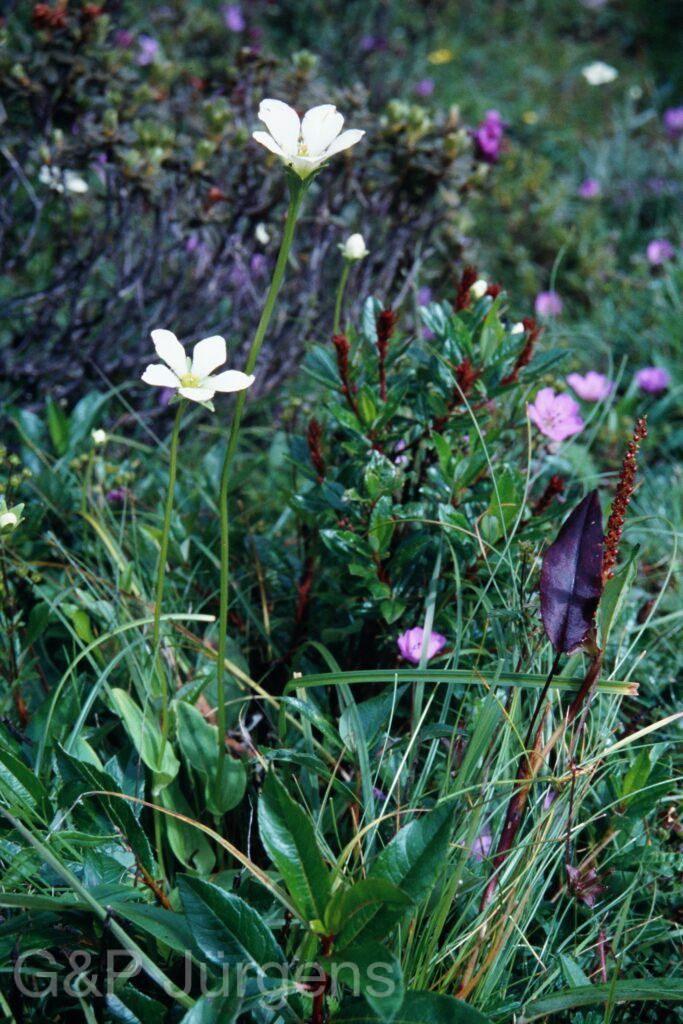
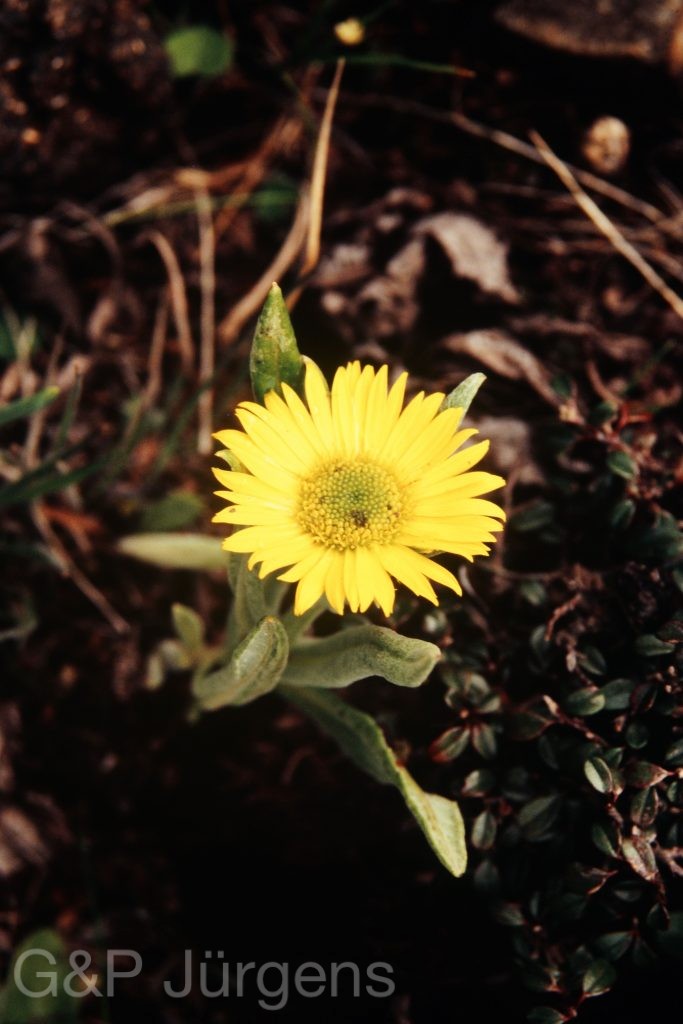
Nannoglottis hookeri is a Himalayan and Sino-Himalayan species recorded from Nepal, Pakistan, Bhutan, India and south-western China, GBIF logging about 145 occurrences across this arc. It inhabits a notably broad altitudinal span, from warm-temperate forest understorey and shrubby slopes to high subalpine and alpine meadows. The cited gatherings illustrate this amplitude: Wangdi in Bhutan at only 1400 m in October, Tanghu in Sikkim near 4000 m in June, and the Chele-La pass at around 3500 m in June. Such occurrence in moist, partly shaded ground, on humus-rich soils among rocks and along forest margins, characterises the species through the Eastern Himalayan ranges.
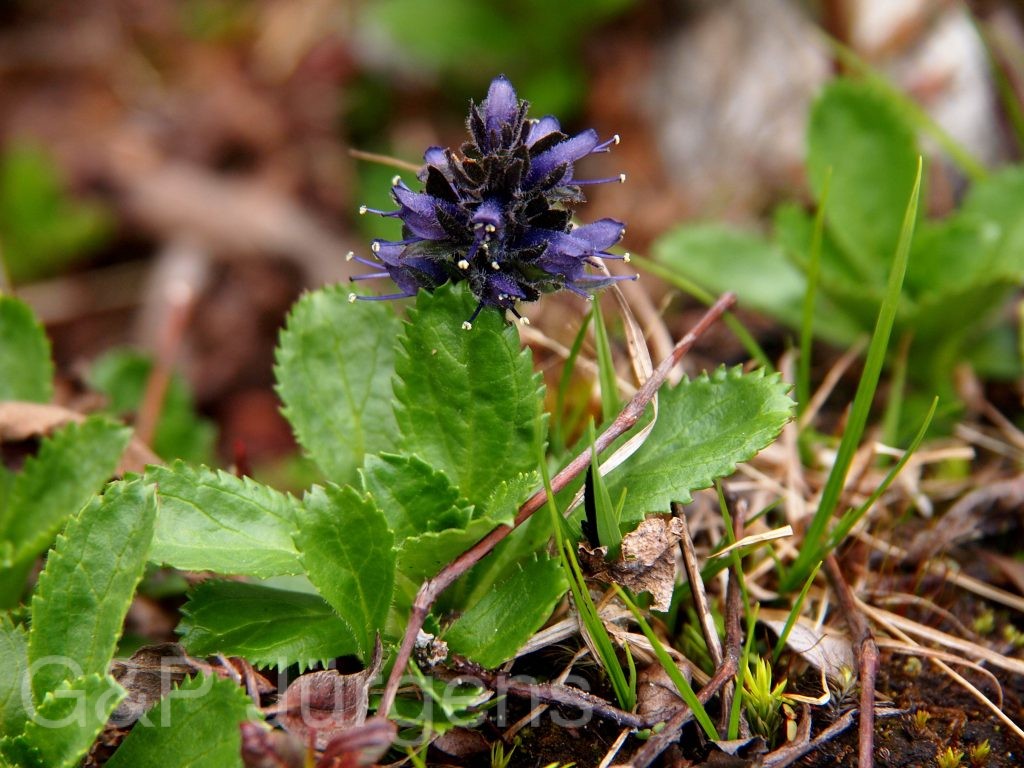
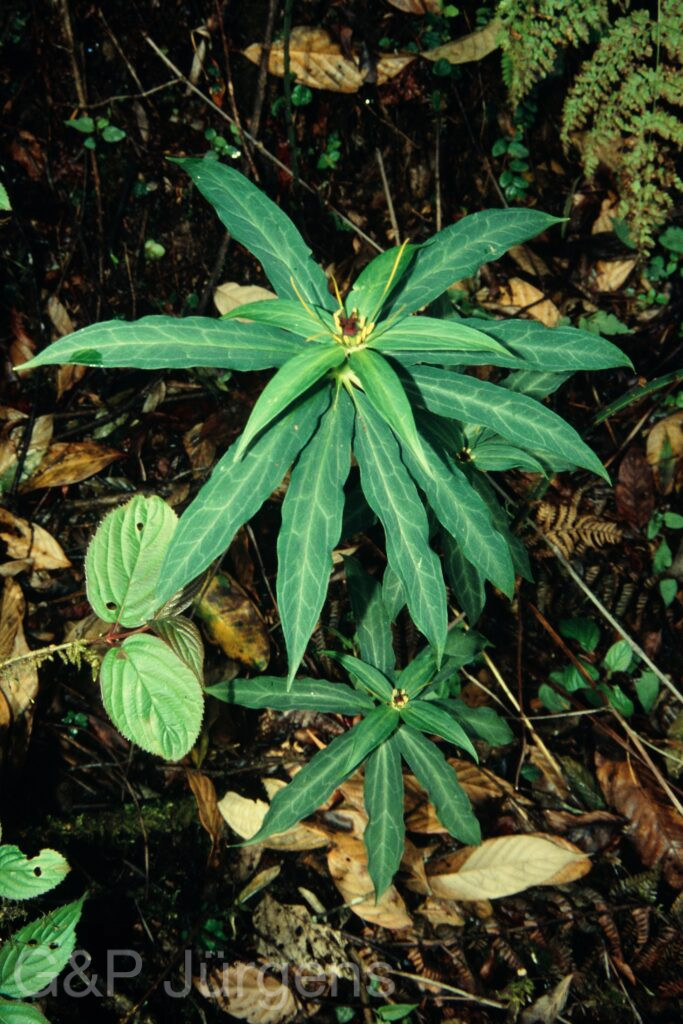
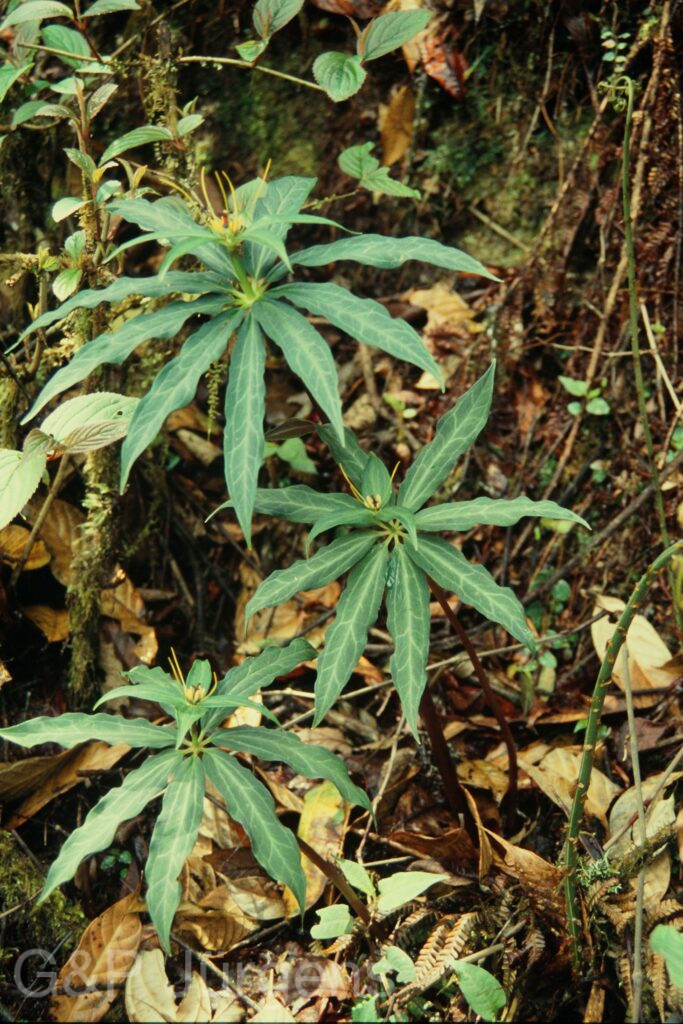
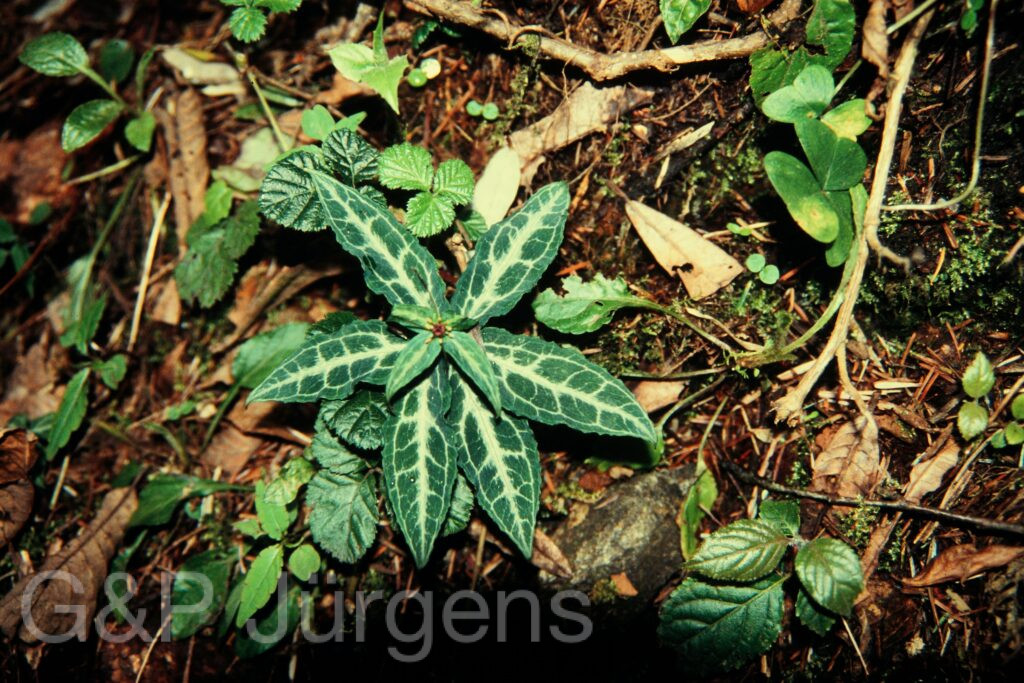
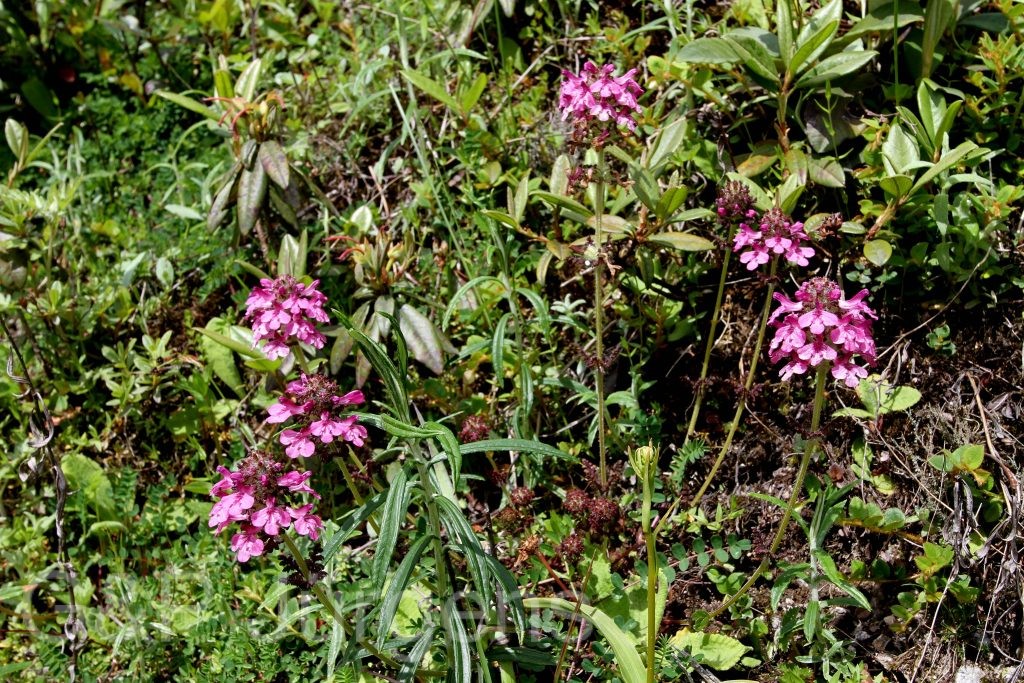
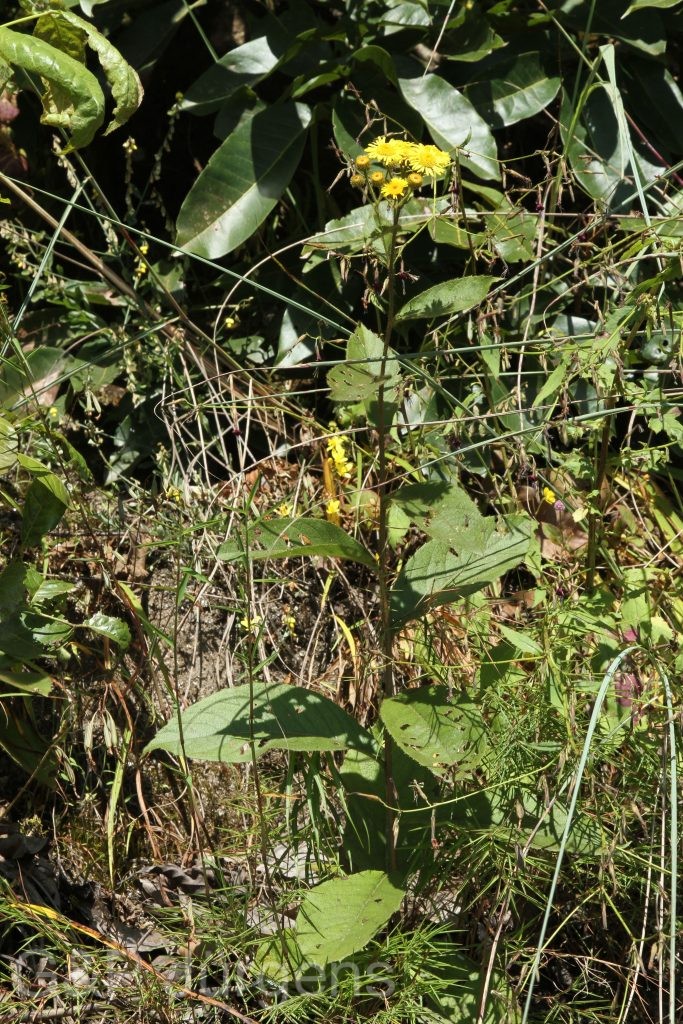
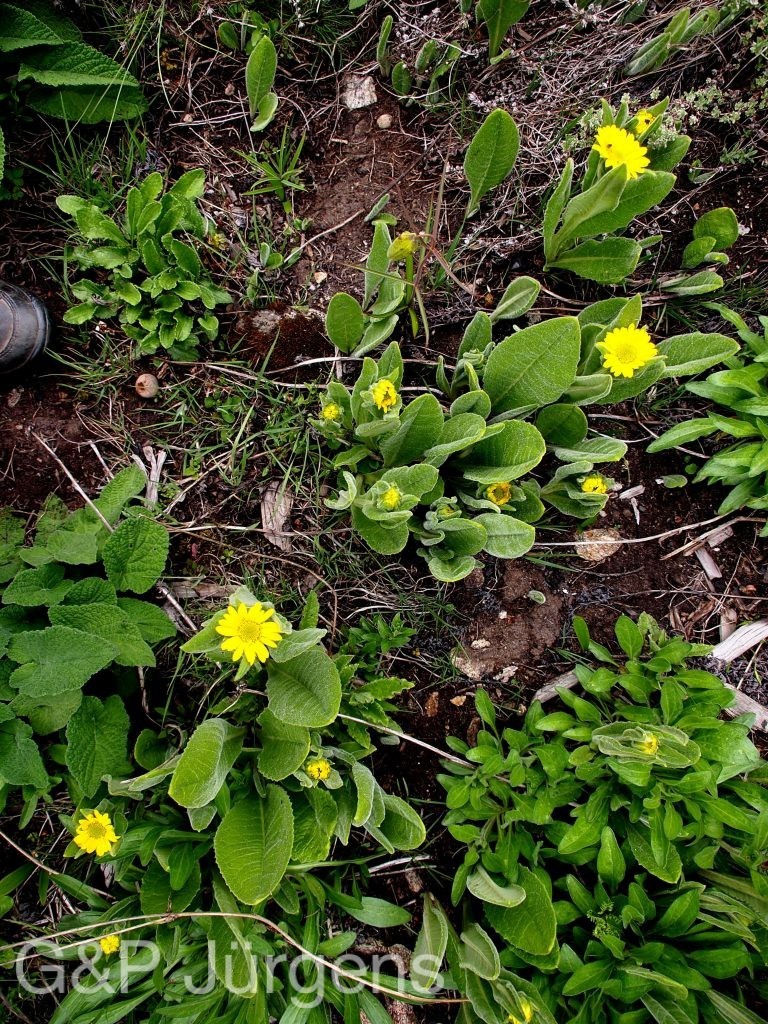
It is a perennial herb growing from a stout woody rhizome and producing erect, leafy, glandular-pubescent stems. The leaves are alternate, the lower ones petiolate with ovate to elliptic, coarsely toothed blades, becoming sessile and amplexicaul above; both surfaces bear scattered hairs. The capitula are radiate and arranged in a loose terminal corymb; the involucre is hemispheric with subequal, herbaceous phyllaries in few rows. Ray florets are yellow, ligulate and female, while the disc florets are tubular, yellow and bisexual. The cypselae are oblong and ribbed, surmounted by a pappus of slender barbellate bristles, an arrangement linking the genus to the Astereae.
Nannoglottis (Astereae) is a small Sino-Himalayan genus of fewer than a dozen species, distinguished by its radiate heads and montane forest ecology, and molecular work places it near the base of the tribe, making it of phylogenetic interest. Named for J. D. Hooker, N. hookeri is treated as an accepted species. Its dependence on cool, moist montane habitat and relatively narrow distribution warrant attention, though no formal threat status has been assigned; populations appear stable where forest cover persists.
Author: (Clarke ex Hook.f.) Kitam. · Sources: POWO (Kew), GBIF, Flora of Bhutan, Flora of China, Annotated Checklist of the Flowering Plants of Nepal, Gao's systematic study of Nannoglottis (Astereae)