
W.W.Sm.
Description
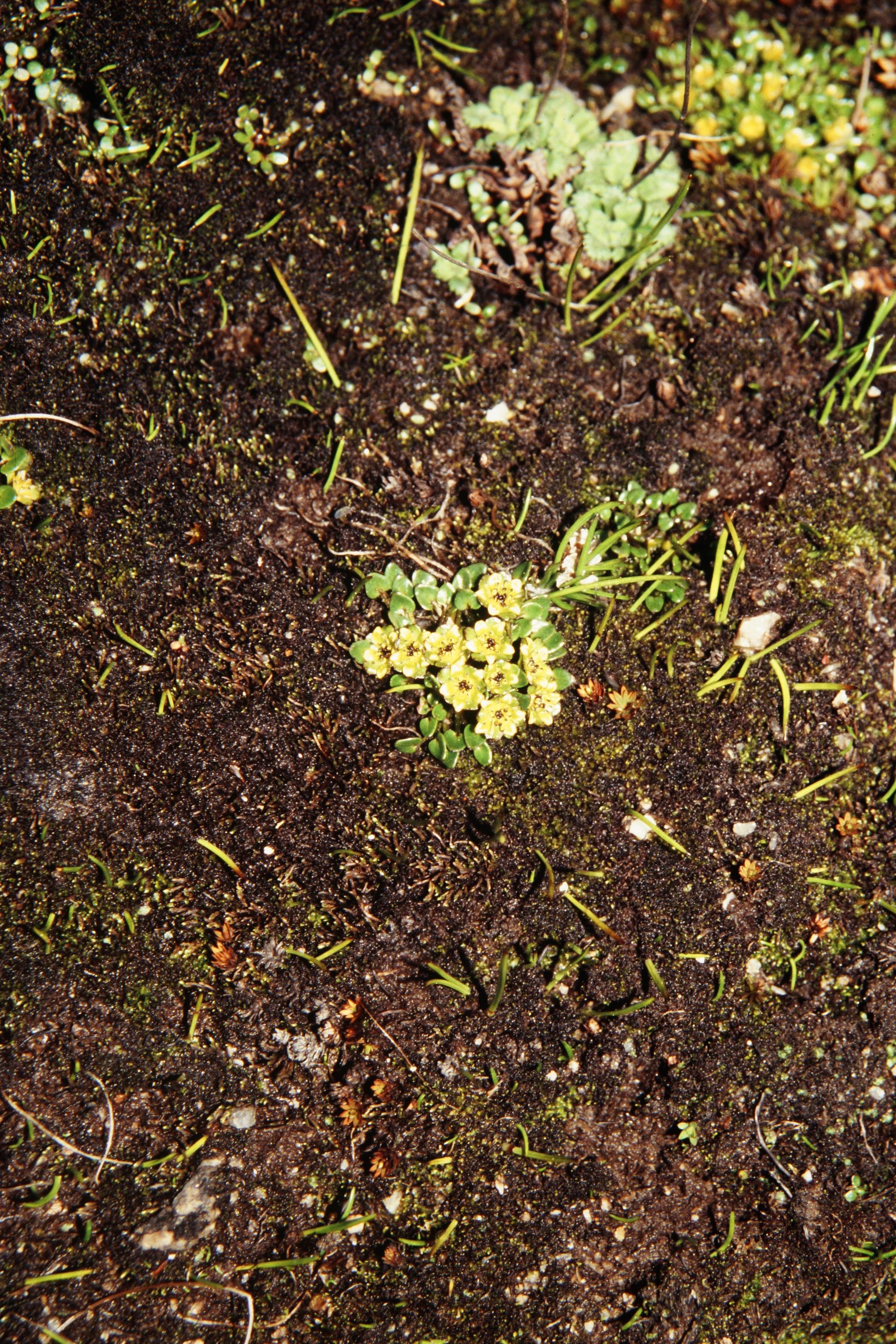
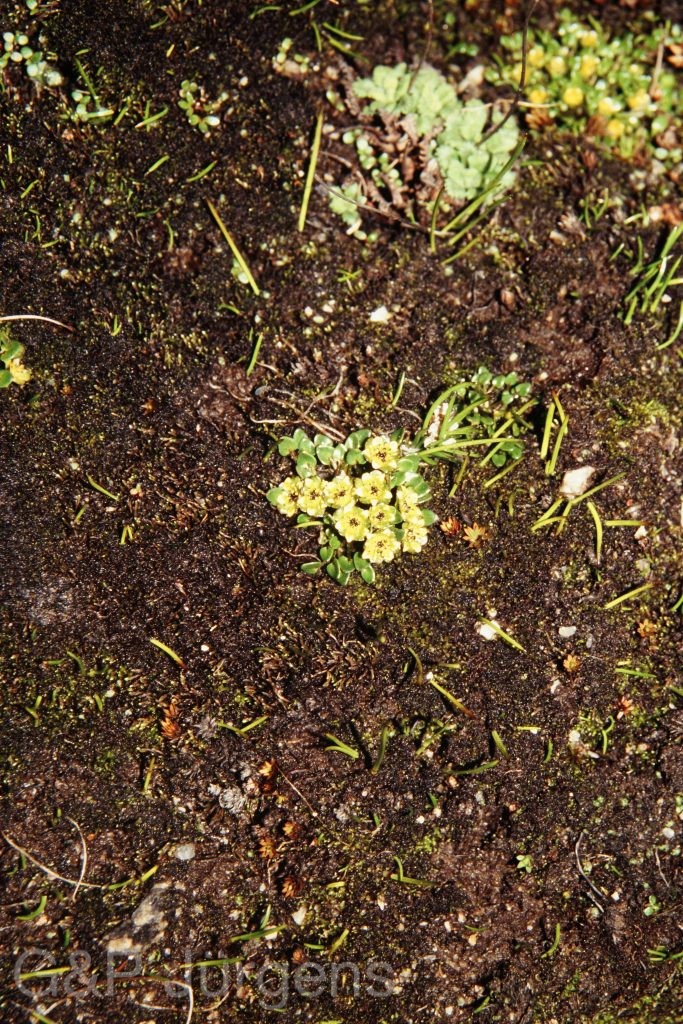
Paroxygraphis sikkimensis is a rare alpine member of the buttercup family endemic to the Eastern Himalaya, recorded from Nepal, Sikkim and adjacent India, Bhutan and southern Tibet (China), with GBIF documenting only 24 occurrences across NP, IN, BT and CN. It inhabits open alpine turf, moist meadows and damp gravelly slopes near the upper limit of vegetation, generally between about 3800 and 4500 m. The photographed plant was found in Bhutan near Jimilangtso (Jimilang Tsho) at around 4100 m, flowering in June at the start of the brief alpine growing season.
The plant is a small, low perennial herb forming a basal rosette of leaves from a slender rootstock, with short, few-flowered stems. The leaves are simple, spathulate to obovate, entire or shallowly toothed toward the apex, and somewhat fleshy. The flowers are solitary or few, with a calyx of sepals and a corolla of small white to yellowish petals each bearing a basal nectary, surrounding numerous free stamens and an apocarpous gynoecium of many separate carpels. The fruit is a head of achenes, each tipped with a short style, in the manner of the closely allied genus Ranunculus.
Paroxygraphis is a small, segregate genus erected by W.W. Smith and traditionally placed near Oxygraphis and Ranunculus within the Ranunculeae; molecular studies have prompted discussion of its relationships and possible inclusion in a broadly circumscribed Ranunculus. Its very restricted range, low number of recorded occurrences and specialised high-alpine habitat make P. sikkimensis a taxon of biogeographic interest and potential conservation concern, though it has not been formally assessed.
Author: W.W.Sm. · Sources: POWO (Kew), GBIF, Flora of Bhutan, Annotated Checklist of the Flowering Plants of Nepal, Flora of China (Ranunculaceae)