Tag:

Tibet

Flowers of Tibet — 70 high-altitude species from the Tibetan plateau and its Himalayan borderlands, adapted to cold, arid and intensely sunlit alpine conditions. The Tibetan flora is distinctive for its cushion plants, saussureas, gentians and alpine poppies. Each entry includes a botanical description, distribution, habitat and flowering season with the original field photograph and altitude.

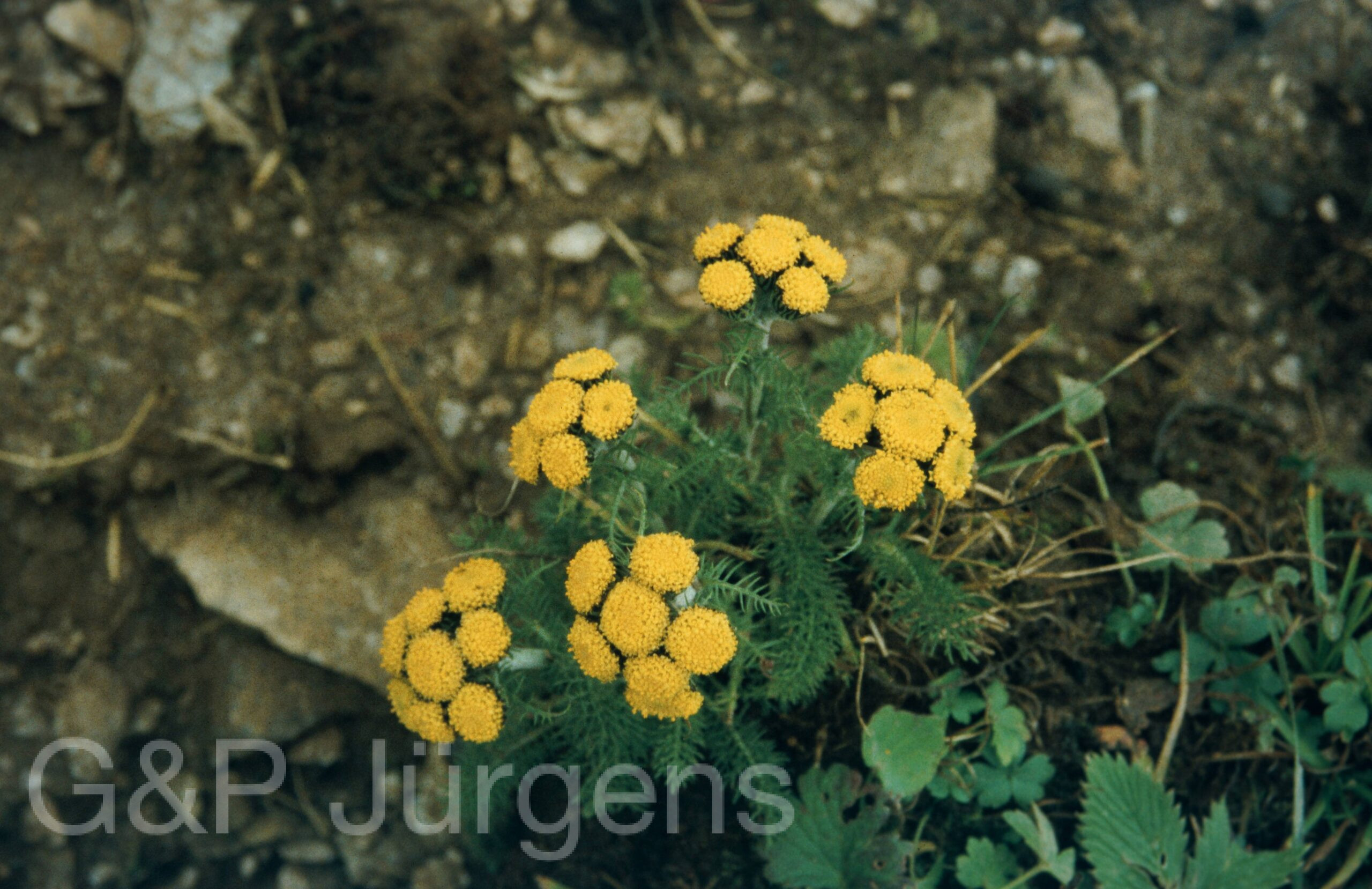
Ajania nubigena

by GP Jürgens

(Wall. ex DC.) Muldashev
Bhutan2012 303
Bhutan Shale-La, 4300m September

Description

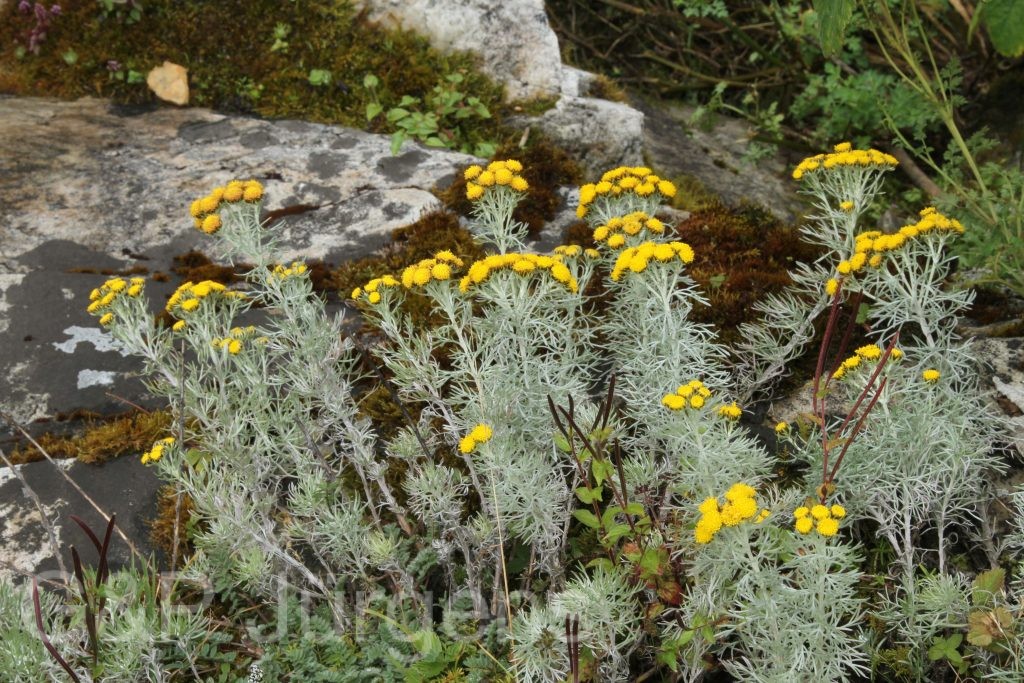
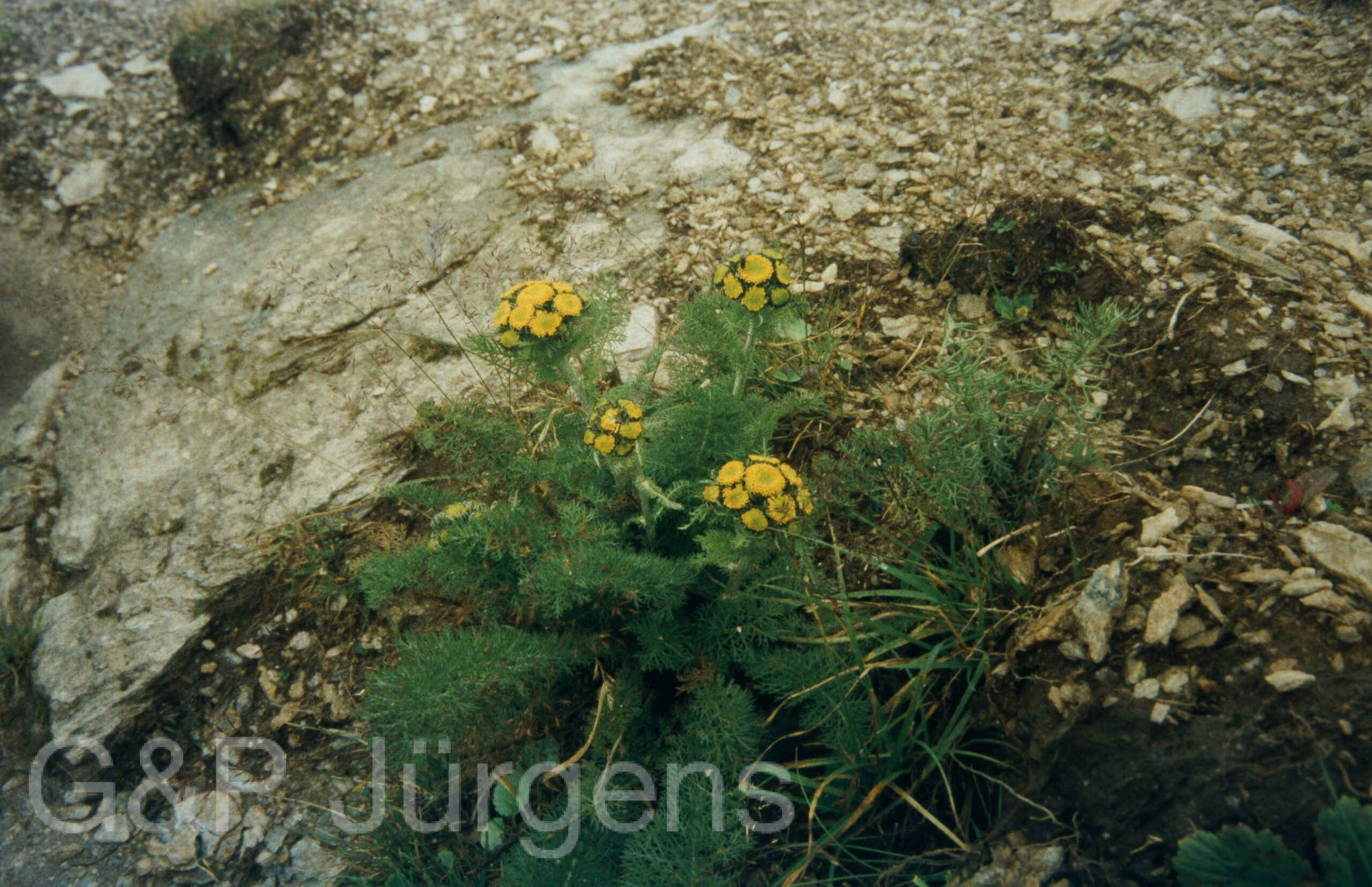
Ajania nubigena is a high-altitude aromatic composite of the Himalaya and Tibetan borderlands, recorded from Nepal, China (Tibet), India and Bhutan, with 266 georeferenced occurrences spanning the alpine zone of the main range. It grows on dry, stony alpine slopes, gravelly screes, rock crevices and exposed ridges, typically in the upper subalpine to alpine belt. It was photographed on the Shale-La in Bhutan at 4300 m and in Garhwal, India, at Patanathi at 3600 m, both in September, when its yellow heads flower amid the dry autumn alpine turf of these high passes.

It is a low, tufted, somewhat woody-based perennial subshrub or herb forming compact clumps, the stems and foliage clothed in dense grey to silvery appressed hairs that give a felted appearance and impart drought and frost tolerance. The leaves are small, alternate and pinnately or bipinnately dissected into narrow lobes, grey-tomentose especially beneath. The flower heads are small, discoid (lacking ray florets) and yellow, aggregated into dense terminal corymbs; each head has an involucre of imbricate, scarious-margined phyllaries and numerous tubular hermaphrodite and marginal female florets. The fruit is a small ribbed cypsela, usually lacking a pappus.

The genus Ajania, segregated from Chrysanthemum and Tanacetum within tribe Anthemideae, comprises mostly silvery-leaved, discoid-headed species of arid Central Asian and Himalayan uplands; the combination (Wall. ex DC.) Muldashev reflects this transfer. Its dense indumentum and dissected leaves are adaptations to the cold, dry, high-radiation alpine environment. Ecologically it is a xerophytic specialist of open stony ground, widespread within its altitudinal band and of no conservation concern.
Author: (Wall. ex DC.) Muldashev · Sources: POWO (Kew), GBIF, Flora of Bhutan, Flora of China, Anthemideae systematics (Bremer & Humphries monograph)
C.B.Clarke

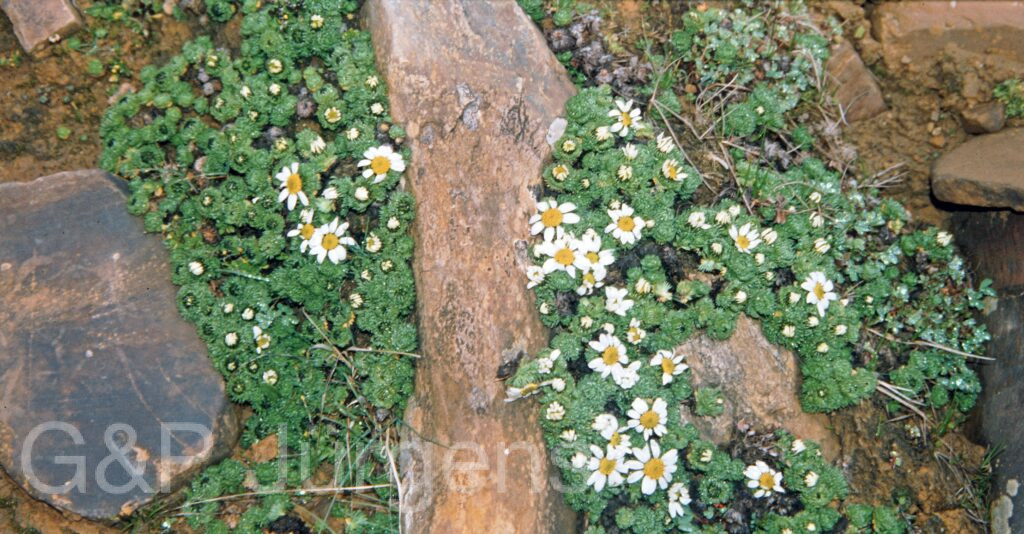
Nepal 99 659 ergebnis
Nepal Kagmara-La 5120m, July
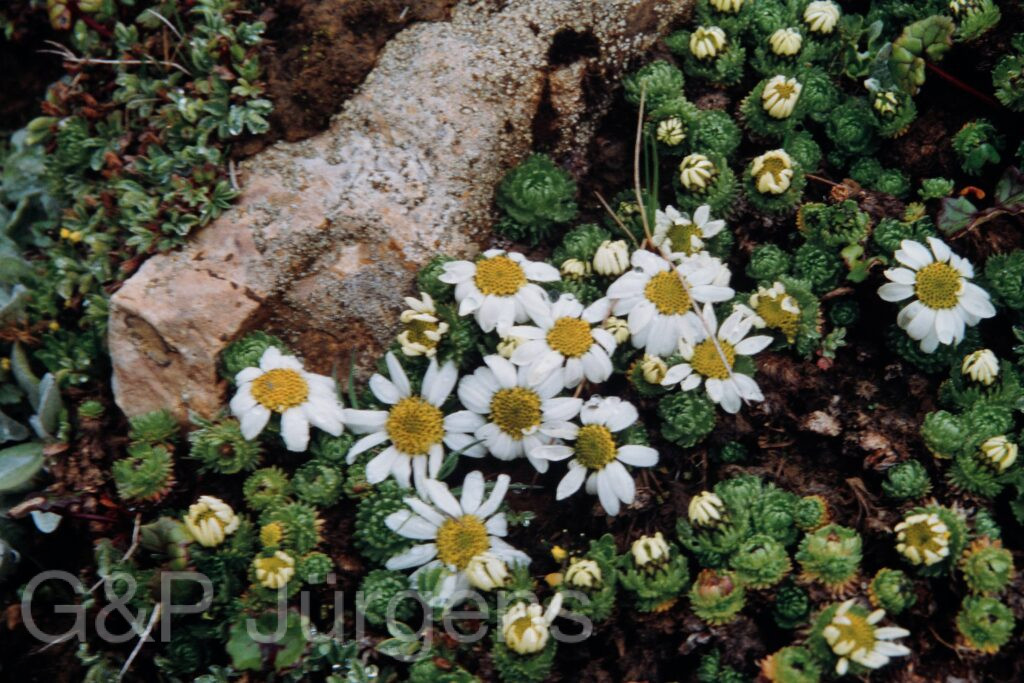
Nepal 99 660 ergebnis
Nepal Kagmara-La 5120m, July

Description

Allardia stoliczkai is a dwarf, cushion-forming composite of the high alpine and subnival zones of the western and central Himalaya and the adjacent Tibetan Plateau. GBIF records cluster across Pakistan and Tajikistan, with the broader distribution embracing Ladakh, northern India, western Tibet and Nepal; the photographed individual was collected on the Kagmara-La in western Nepal at about 5,120 m in July, near the upper limit of vascular plant life. It colonises stony alpine turf, glacial moraine, scree and frost-heaved fellfield on calcareous and schistose substrates, typically between 4,000 and 5,500 m, where it endures intense insolation, desiccating winds and a brief growing season.

The plant forms a compact, often silvery rosette arising from a stout, woody, branching taproot and short rhizome. The leaves are crowded, pinnatisect to bipinnatisect with narrow oblong lobes, and densely clothed in white woolly to silky tomentum that reduces transpiration and reflects ultraviolet radiation. The flower heads are solitary, sessile or nearly so, comparatively large and discoid to radiate, with an involucre of woolly, dark-margined phyllaries; the corollas are typically pinkish-purple to rose. The fruit is a small ribbed cypsela crowned by a short pappus of scales.

The taxon, long placed in Waldheimia, is now generally referred to Allardia, and the relatively few GBIF occurrences reflect both genuine rarity and the inaccessibility of its subnival habitat rather than threat. Its tight cushion architecture exemplifies convergent adaptation to cold deserts of High Asia. While not formally assessed as threatened, such narrowly restricted, slow-growing alpine endemics are sensitive to climate warming and the upslope contraction of suitable ground.

Author: C.B.Clarke · Sources: POWO (Kew), GBIF, Flora of Pakistan, Flora of China Vol. 20-21 (Asteraceae), Grierson & Long: Flora of Bhutan Vol. 2

(Hook. & Thomson) Holub

Bhutan2014 325 scaled
Bhutan Tumching-La 2700m, May
Bhutan2014 330 scaled
Bhutan Tumching-La 2700m, May

Description

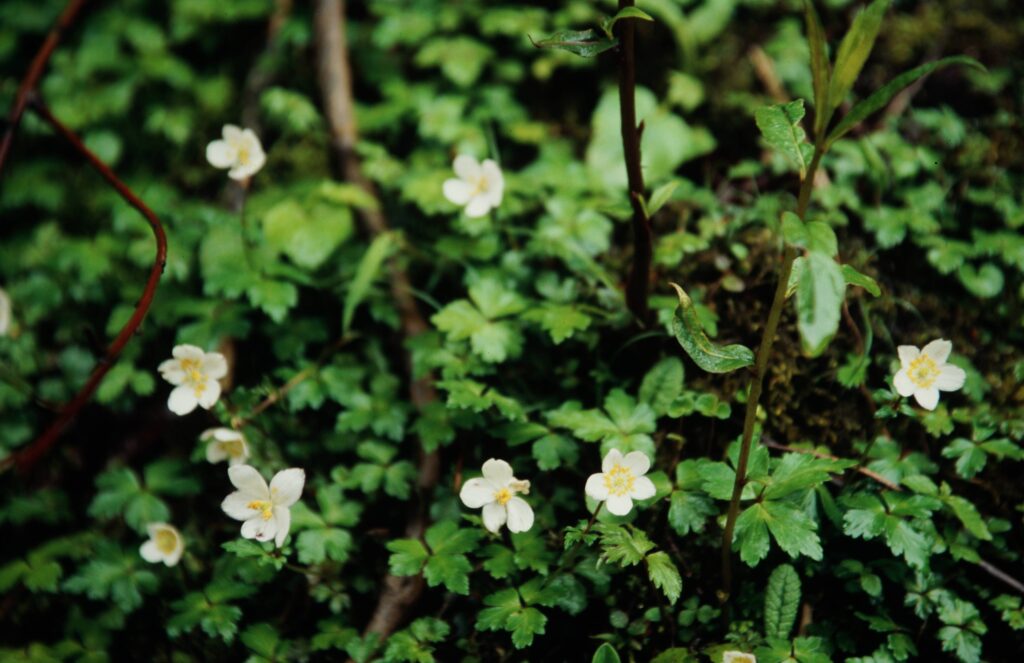
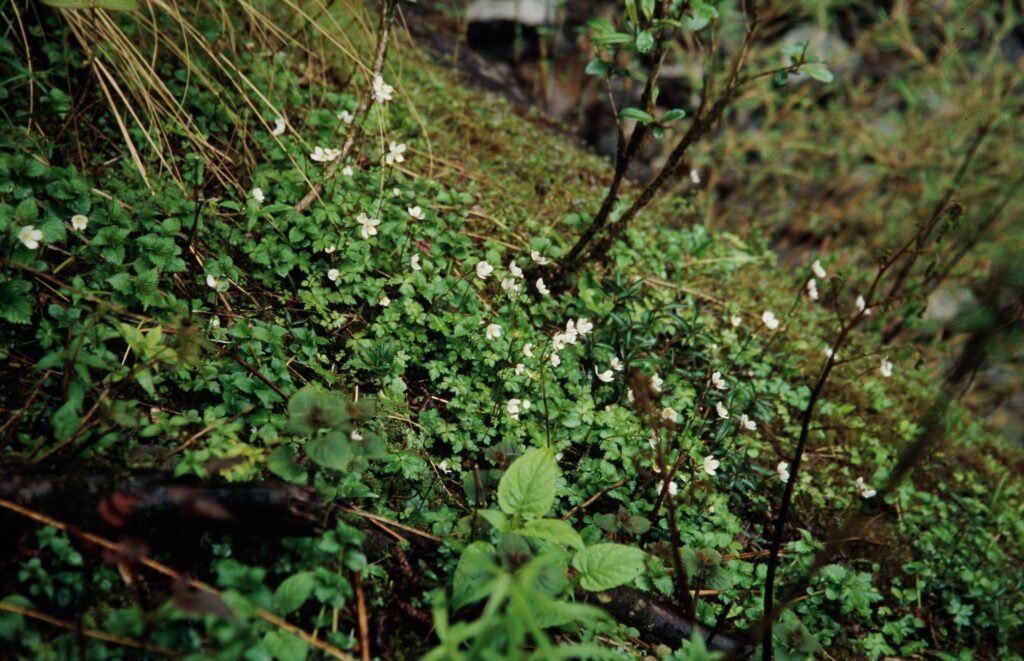
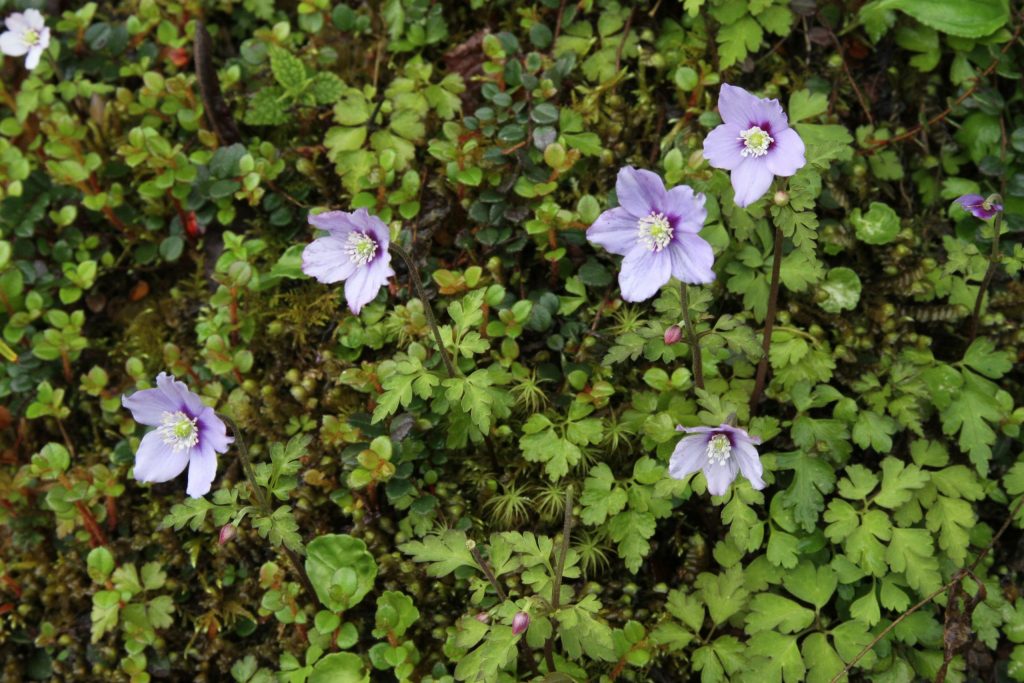
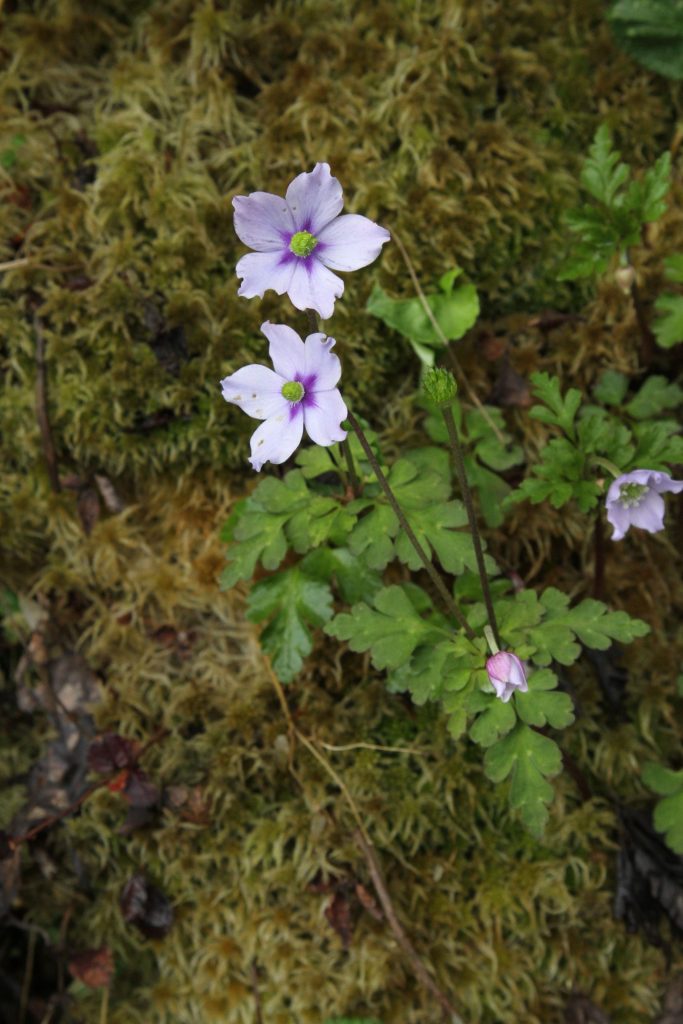
Anemonoides griffithii is a slender, woodland-floor perennial of the temperate eastern Himalaya, distributed through Sikkim, the Darjeeling district of West Bengal, Bhutan and adjacent southern Tibet (Xizang); GBIF, which records the species under the name Anemonoides griffithii, holds only a sparse occurrence dataset (a single georeferenced point from China), reflecting how thinly this shade-dwelling herb is documented despite a genuinely wider range. It favours the cool, humus-rich understorey of mixed conifer and broad-leaved forest and damp shrubberies, where it flowers in late spring as the canopy leafs out. The accompanying images, gathered at Tamrong (2650 m) in West Bengal and at the Tumching-La pass (2700 m) in Bhutan, both in May, place the plant squarely in its characteristic mid-montane band between roughly 2500 and 3500 m, in the moist, mossy conditions typical of the monsoon-fed Himalayan flank.

The plant arises from a short, creeping rhizome and is a delicate herb seldom exceeding 15-25 cm. The basal leaves are long-petiolate and ternately to palmately divided, with deeply incised, toothed segments and a thin, soft texture. The flowering stem bears a whorl of three stalked involucral leaves resembling reduced basal leaves, above which is borne a solitary terminal flower. There are no true petals; the showy perianth consists of five to several petaloid sepals, white often flushed pink or purple beneath, surrounding numerous stamens and a head of carpels. The fruit is an aggregate of small, ovoid, pubescent achenes tipped by a short style, dispersed as the involucre withers.

The species belongs to Anemonoides, a segregate genus split from the broadly circumscribed Anemone to accommodate the rhizomatous, woodland anemones of the A. nemorosa alliance, and many references still treat it under Anemone griffithii. Within the Himalaya it is one of several closely allied spring-flowering forest anemones, distinguished by leaf dissection and perianth colour. As a low-growing, monsoon-region understorey herb it has not been formally assessed for conservation status, but its dependence on intact temperate forest makes it locally sensitive to logging and grazing pressure across its restricted eastern-Himalayan range.

Author: (Hook. & Thomson) Holub · Sources: POWO (Kew), GBIF, Flora of Bhutan Vol. 1, Flora of China Vol. 6, Flora of Nepal, Tamura's Ranunculaceae treatment in The Families and Genera of Vascular Plants

(H.Pearson) Al-Shehbaz & Warwick

Bh09 80 G136
Bhutan Jangchulakha, 3750m June

Description

Aphragmus hobsonii is a high-alpine crucifer of the eastern Himalaya and adjacent Tibet, with GBIF records from Nepal, Bhutan and China amounting to roughly 55 occurrences (a Papua New Guinea datum is almost certainly an error). It is a plant of cold, open habitats near the upper limit of vegetation: stony alpine turf, scree margins, moraines and damp gravelly flushes, typically between about 3500 and 4500 m. The specimen depicted at Jangchulakha in Bhutan at 3750 m in June, flowering early in the alpine summer, is characteristic of its occupation of exposed, well-drained high-mountain ground.

It is a small, cushion- or tuft-forming perennial herb arising from a branched caudex topped by a slender taproot. The leaves are mostly basal, entire, oblanceolate to spathulate and narrowed to the base, often forming a dense rosette. The flowers are arranged in a short, congested raceme that scarcely elongates in fruit; the four petals are white to pale lilac, clawed and arranged in the cruciform pattern of the family. The fruit is a short silique or silicula, the seeds in one or two rows, dehiscing by two valves in the typical brassicaceous manner.

Aphragmus is a small genus of cold high-mountain Asia whose generic limits have been revised through molecular study, and the present species was transferred here by Al-Shehbaz and Warwick from earlier placements, reflecting ongoing reassessment of Himalayan crucifer relationships. Its compact, low-growing habit is a clear adaptation to wind exposure, intense radiation and short growing seasons at extreme elevations. Though not formally assessed, its specialised high-alpine niche makes it potentially vulnerable to upslope habitat compression under climate change.

Author: (H.Pearson) Al-Shehbaz & Warwick · Sources: POWO (Kew), GBIF, Flora of China (Brassicaceae), Flora of Bhutan, Annotated Checklist of the Flowering Plants of Nepal, Al-Shehbaz systematic studies in Brassicaceae

Arisaema utile

by GP Jürgens

Hook.f. ex Engl.

Sikkim2011 221
Sikkim, Yungthang 3350m, June
Sikkim2011 222
Sikkim, Yungthang 3350m, June
Sikkim2004 430 P746
Sikkim/India Lachung 3200m

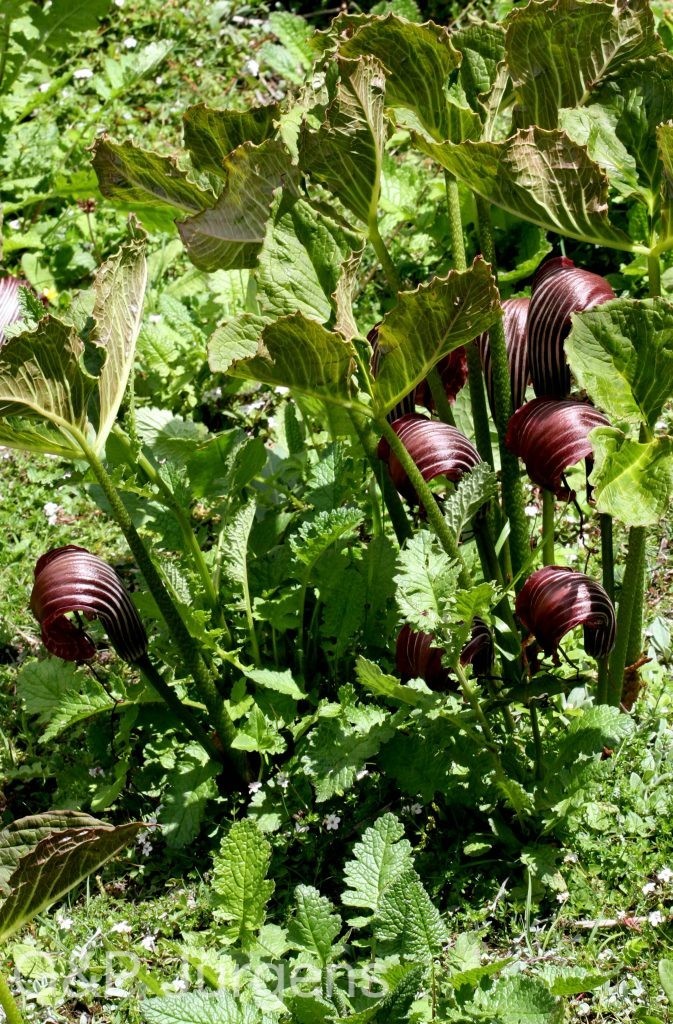
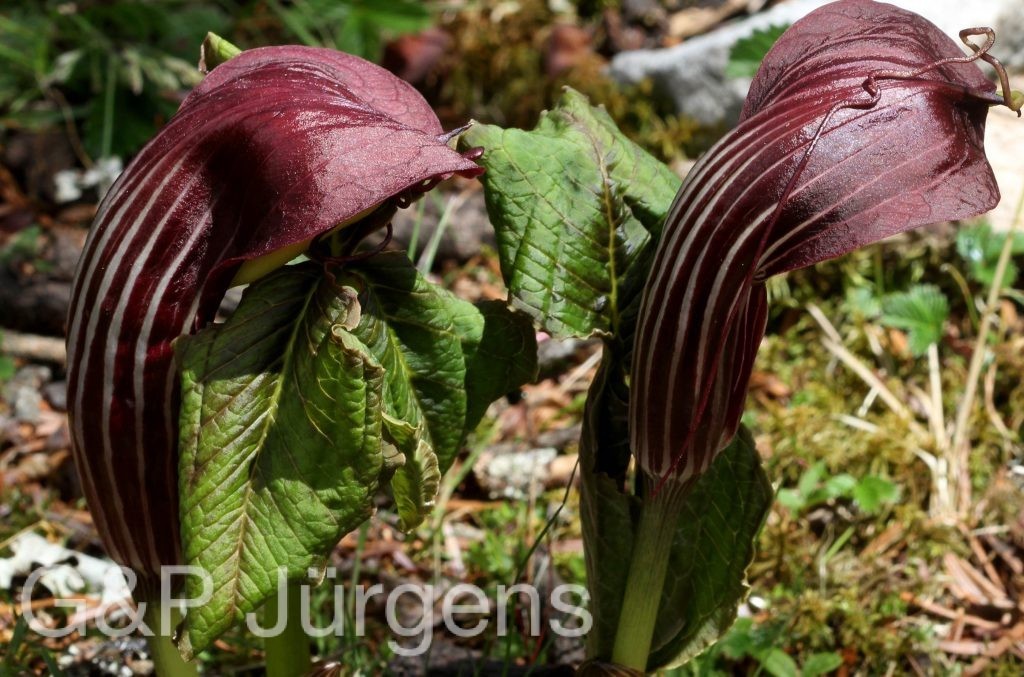
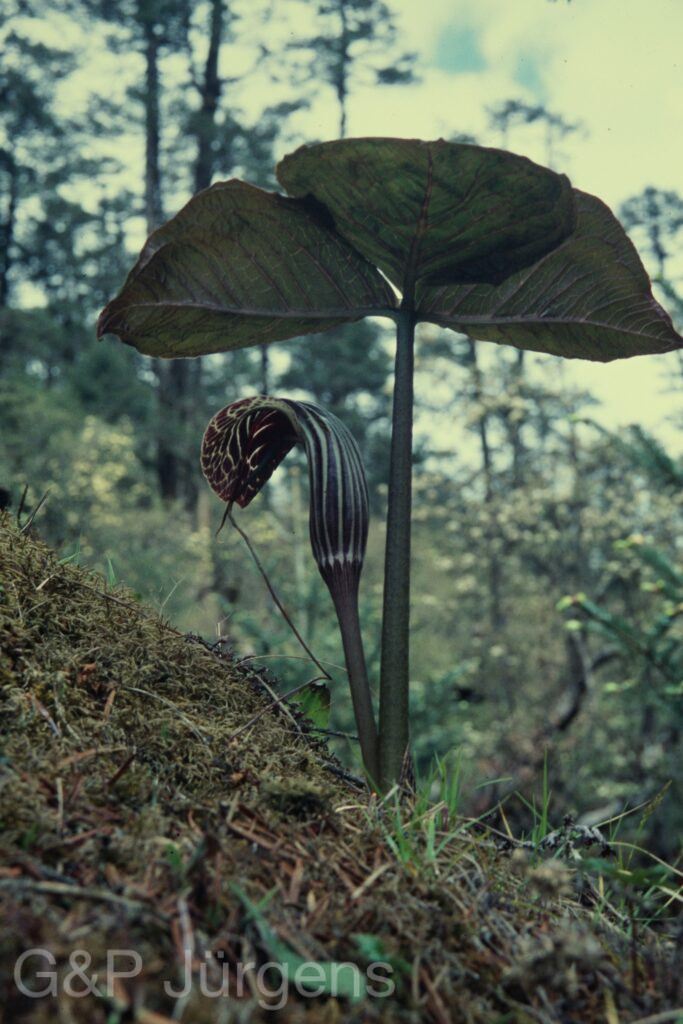
Description

Arisaema utile is a tuberous geophyte of the Himalaya and adjacent ranges, recorded by GBIF in some 84 occurrences from China (Tibet), India, Pakistan, Nepal, Bhutan and Myanmar. It is a plant of the subalpine to lower alpine zone, occupying shrubberies, Rhododendron and conifer forest margins, moist meadows and stony slopes broadly between 3000 and 4300 m. The illustrated plants were found in Sikkim at Yungthang (3350 m, June) and Lachung (3200 m), where the species emerges and flowers shortly after snowmelt on cool, humus-rich ground at the upper limit of woody vegetation.

The plant arises from a depressed-globose tuber and typically bears a single trifoliolate leaf, the three leaflets broadly elliptic and often glaucous beneath, the whole sometimes purple-flushed. The inflorescence is a spadix subtended by a spathe whose tube is striped green and dark purple and whose limb is hooded and acuminate, frequently produced into a long filiform tip. The spadix appendix is slender and tail-like, exserted from the spathe mouth. As in the genus, the plant is paradioecious, individual tubers bearing male or female flowers according to size and vigour; pollinated female spadices ripen into a cylindrical infructescence of bright red berries.

Arisaema (Araceae, tribe Areae) is a large genus centred on the Sino-Himalayan region, and A. utile belongs to a Himalayan group characterised by a long-tailed spathe and trifoliolate leaf. GBIF treats the name as accepted. Sex expression shifts with resource status, an adaptation to harsh montane conditions; although collected for traditional use, the species remains locally frequent within its altitudinal band.

Author: Hook.f. ex Engl. · Sources: POWO (Kew), GBIF, Flora of China, Flora of Bhutan, Gusman monograph The Genus Arisaema

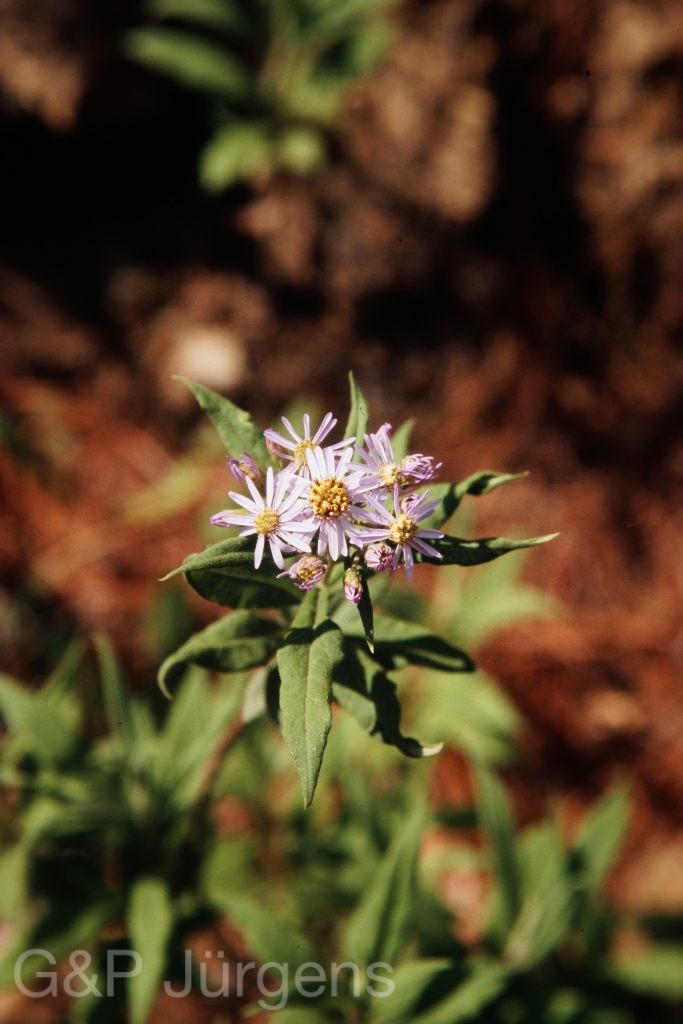
Aster nakaoi

by GP Jürgens

Kitam.

Bh2008 555 P839
Bhutan Paro 3300m, May

Description

Aster nakaoi is a high-montane perennial of the Eastern Himalaya, presently documented chiefly from Bhutan and adjacent Sikkim and southern Tibet, where it occupies the upper temperate to subalpine belt. The species is poorly represented in aggregated occurrence databases, reflecting its restricted range and infrequent collection rather than true rarity. It favours open grassy slopes, the margins of Rhododendron and Abies forest, rocky banks and the verges of alpine meadows, typically between about 3000 and 4000 m. The plant illustrated here was photographed near Paro in western Bhutan at roughly 3300 m in May, when the earliest flowering heads appear among emerging summer herbage.

The plant forms low tufts arising from a short, somewhat woody rhizome bearing fibrous roots. Stems are erect to ascending, simple or sparingly branched above and often shortly pubescent. Basal and lower cauline leaves are spathulate to oblanceolate, narrowed to a winged petiole, with entire or obscurely toothed margins; the upper leaves are sessile, smaller and progressively reduced. The capitula are solitary or few, radiate, with a hemispherical involucre of imbricate, herbaceous phyllaries in several rows. Ray florets are female, ligulate and lilac to bluish-violet, surrounding numerous yellow tubular disc florets. The achenes are compressed and pubescent, crowned by a pappus of barbellate bristles facilitating wind dispersal.

A member of the large and taxonomically intricate genus Aster, the species commemorates the Japanese botanist who collected extensively in the Himalaya, and it belongs to the assemblage of small Sino-Himalayan asters whose circumscription remains under revision following molecular reappraisal of the tribe Astereae. Its narrow known distribution along the Bhutan–Sikkim axis makes it of biogeographic interest as a regional endemic, and its conservation status is best regarded as data-deficient pending further field survey across the Eastern Himalayan high country.

Author: Kitam. · Sources: POWO (Kew), GBIF, Flora of Bhutan, Flora of China, Grierson & Long Asteraceae account, Monograph of Himalayan Aster

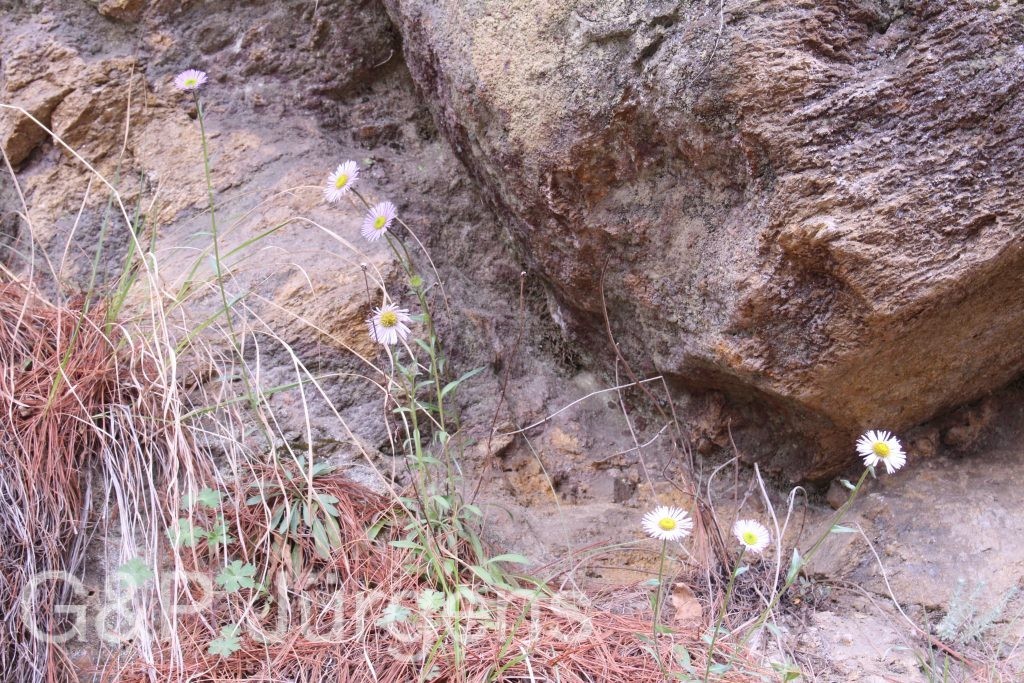
Aster neoelegans

by GP Jürgens

Grierson

Bhutan2014 411
Bhutan Jakar 2400m, May

Description

Aster neoelegans is an eastern Himalayan composite native to Bhutan, China (Tibet), India and Nepal, with 53 georeferenced occurrences indicating a fairly localised distribution along the main range. It grows on open grassy slopes, in scrub, forest clearings and on rocky banks in the temperate montane zone. It was photographed near Jakar in central Bhutan at 2400 m in May, flowering in spring on warm, well-drained slopes of the mid-montane belt, where it is a component of meadow and open-woodland communities.

It is an erect perennial herb arising from a short rhizome, with simple or sparingly branched, leafy, finely hairy stems. The alternate leaves are oblong to lanceolate or oblanceolate, entire to slightly toothed, narrowing to a sessile or clasping base and roughly pubescent. The flower heads are radiate and solitary or few in a loose corymb at the stem tips; each head has a hemispherical involucre of imbricate green phyllaries, an outer ring of spreading ligulate ray florets that are pale blue, lilac or mauve, and a central disc of yellow tubular florets. The fruit is a flattened, hairy cypsela bearing a pappus of barbellate bristles.

The genus Aster s.str. belongs to tribe Astereae and, following the segregation of numerous American and Asian species into other genera, comprises a predominantly Eurasian group well represented in the Sino-Himalaya. Aster neoelegans, described by Grierson, is one of several closely related Himalayan asters distinguished by subtle differences in leaf shape, indumentum and phyllary form. Ecologically it is an insect-pollinated meadow species. Owing to its restricted range it warrants monitoring, though it is not currently assessed as threatened.

Author: Grierson · Sources: POWO (Kew), GBIF, Flora of Bhutan, Flora of China, Asteraceae of the Himalaya (Grierson & Long studies)

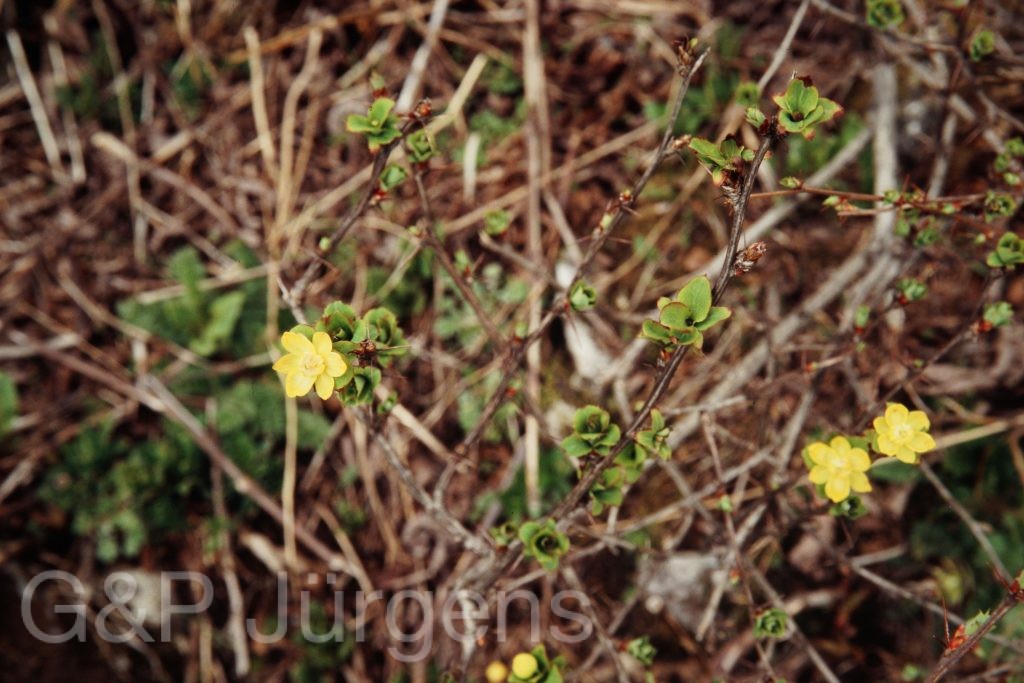
Wall. ex Hook.f. & Thomson

Bh09 146 P260
Bhutan Labana 4000m, June

Description

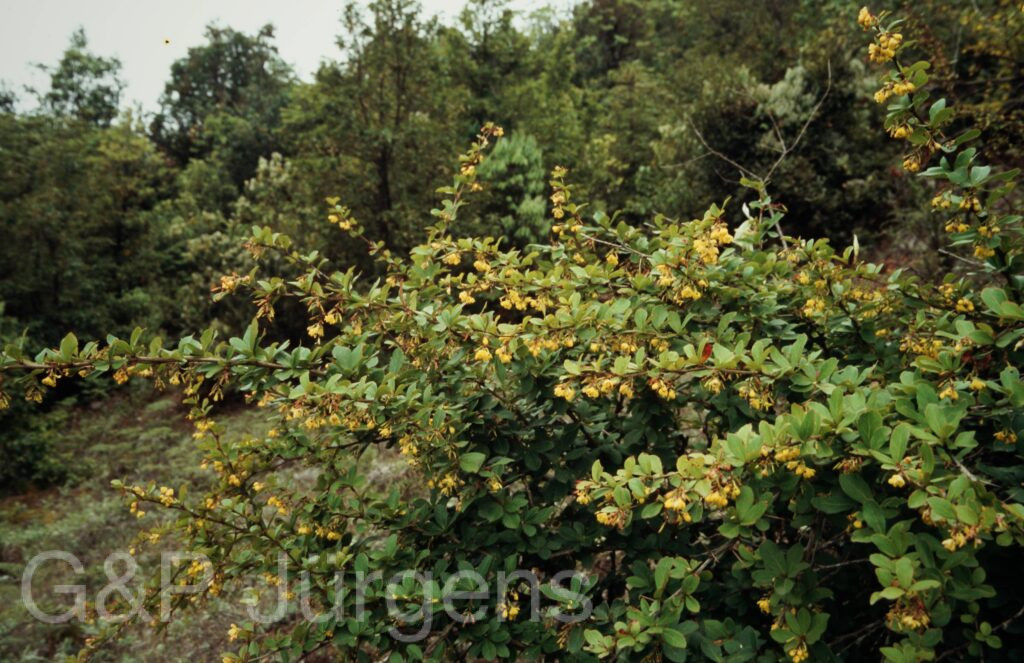
Berberis angulosa Wall. ex Hook.f. & Thomson is a deciduous, spiny shrub of the high Himalaya. GBIF (around 164 occurrences) confirms a core range across Nepal, southern China (Tibet), Bhutan and northern India, the remaining scattered records reflecting cultivated or herbarium material outside the native area. It is a plant of subalpine and alpine zones, growing on open slopes, among rocks, in shrubberies and at the upper forest margin, typically between 3,000 and 4,300 m. The specimen photographed at Labana in Bhutan at 4,000 m in June represents the species near the upper limit of its altitudinal range, flowering early in the short alpine season.

The shrub is low and densely branched, often less than a metre high, with terete to angled, reddish-brown young shoots and stout, usually three-parted spines derived from modified leaves. The foliage leaves are clustered in axillary fascicles, obovate to spathulate, entire or with a few spinulose-dentate margins, often glaucous beneath. The flowers are comparatively large for the genus, solitary or in few-flowered clusters, with the typical Berberis arrangement of sepals and petals in whorls of three and six stamens that respond to touch; they are yellow, sometimes flushed reddish outside. The fruit is an ellipsoid red berry, glaucous when young, containing few seeds.

Berberis angulosa is distinguished within the large and taxonomically difficult Sino-Himalayan Berberis assemblage by its relatively large, often solitary flowers and conspicuous berries. Like other species of the genus it is a host in the alternation of the wheat-rust fungus and is valued locally for its edible fruit and the yellow alkaloid berberine in its bark and wood. Its high-elevation, cold-adapted habit makes it a characteristic component of Himalayan alpine scrub communities.

Author: Wall. ex Hook.f. & Thomson · Sources: POWO (Kew), Flora of Bhutan Vol. 1, Flora of China Vol. 19, GBIF, Ahrendt: Berberis and Mahonia, a taxonomic revision (1961)

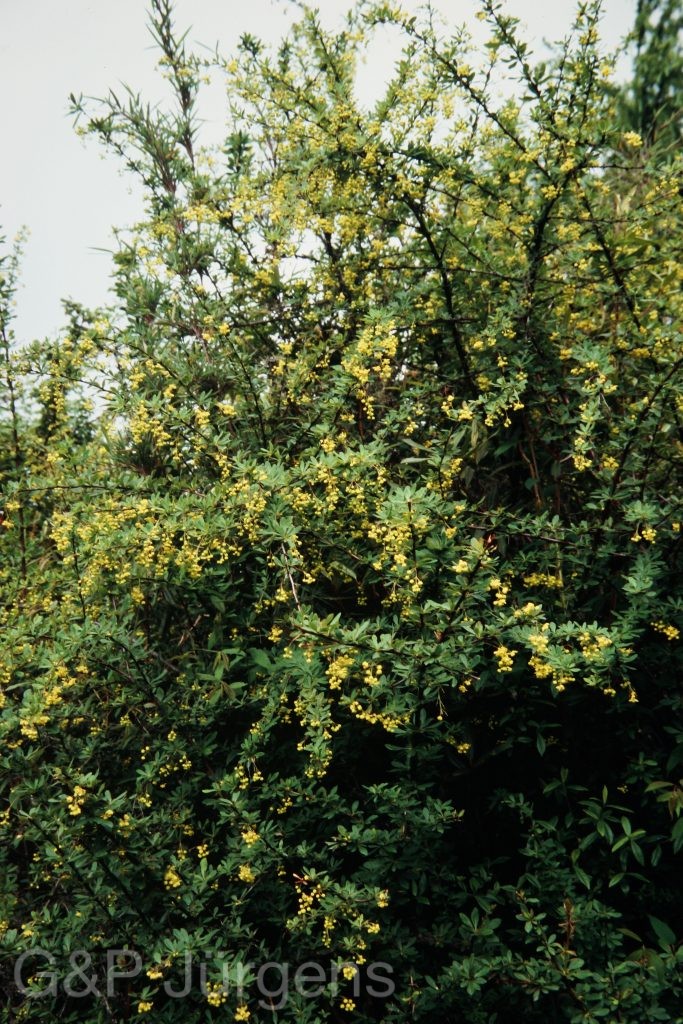
Hook.f.

Bh09 251 G419
Bhutan Wanghdi 1900m, June
Nepal 2009 12 ergebnis
Nepal Helambu Sheno-Okrini 2200m, May

Description

Berberis virescens is a deciduous Himalayan barberry distributed through Nepal, northern India, Bhutan and southern Tibet, the numerous additional GBIF country codes reflecting its long cultivation in botanic gardens of Europe, North America and East Asia. In the wild it occupies open slopes, forest edges, scrub and clearings in the temperate zone, generally between 2,500 and 3,500 m. The vouchered plants derive from Wangdue in Bhutan at about 1,900 m in June and from Sheno-Okrini in the Helambu of Nepal at around 2,200 m in May, within the lower part of its montane range where it flowers in late spring.

The species is a shrub up to about 2 m tall with reddish young shoots that become greenish, giving the epithet, and bearing simple, often three-parted spines at the nodes. The leaves are obovate to narrowly spathulate, thin-textured and clustered on short shoots, with entire or sparsely spinulose margins and a glaucous lower surface. The flowers are yellow, borne in few-flowered fascicles or short racemes, with the typical Berberis arrangement of six sepals, six petals and six stamens that snap inward on contact. The fruit is an ellipsoid to oblong berry, red ripening to blackish and often pruinose, containing a few seeds.

Berberis is a large, taxonomically intricate genus in which species are separated by spine, leaf, inflorescence and berry characters; B. virescens is recognised by its green twigs and red autumn fruit. Like its relatives it is an alternate host for rust fungi and a source of the alkaloid berberine. The species is widespread, hardy and frequently grown ornamentally, and is not considered to be of conservation concern.

Author: Hook.f. · Sources: POWO (Kew), GBIF, Flora of China Vol. 19 (Berberidaceae), Grierson & Long: Flora of Bhutan Vol. 1, Ahrendt: Berberis and Mahonia, A Taxonomic Revision

Wall. & DC.

Bhutan2012 269
Bhutan Shele-La, 4100m September

Description

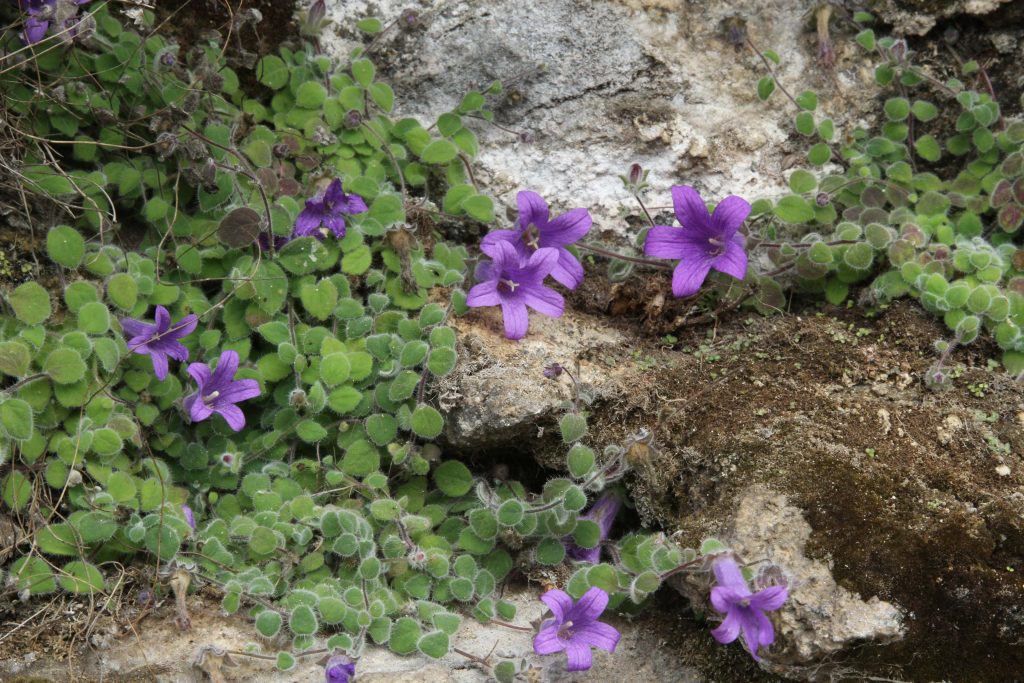
Campanula argyrotricha is a Himalayan bellflower ranging through India, Nepal, Bhutan, Pakistan and southern Tibet (China), with about 90 georeferenced records in GBIF. It is characteristic of the alpine zone, growing on open rocky slopes, screes, cliff ledges, moraine debris and short alpine meadows, generally between about 3500 and 4500 m. The plants illustrated were recorded at the Shele-La in Bhutan at around 4100 m in September, a typical late-season alpine setting where the species flowers as the monsoon recedes.

It is a low, tufted perennial herb whose epithet, meaning silvery-haired, refers to the conspicuous silvery-white indumentum clothing stems and foliage. From a slender rootstock arise several short, ascending or decumbent stems bearing small, ovate to oblong leaves with crenate to entire margins, often crowded near the base. The flowers are solitary or few, nodding to outward-facing, the broadly campanulate corolla blue to pale violet and divided to about the middle into spreading lobes; the calyx lobes are narrow and the whole exterior, including the reflexed appendages between the calyx teeth in related taxa, is silky-hairy. The fruit is a nodding capsule dehiscing by basal pores to shed numerous minute seeds.

Campanula in the Himalaya comprises numerous dwarf, hairy alpine species whose delimitation is often difficult, and C. argyrotricha is distinguished chiefly by its dense silvery vestiture and small nodding blue flowers. Such cushion-like, hairy alpines are well adapted to wind, drought and cold at high elevation. The species has not been formally assessed for conservation, but it appears locally frequent across a broad Himalayan range; like many high-altitude endemics it could be sensitive to grazing pressure and climate-driven upslope movement of vegetation zones.

Author: Wall. & DC. · Sources: POWO (Kew), GBIF, Flora of Bhutan, Flora of China, Annotated Checklist of the Flowering Plants of Nepal, Flora of Pakistan, Lammers Revision of Campanulaceae