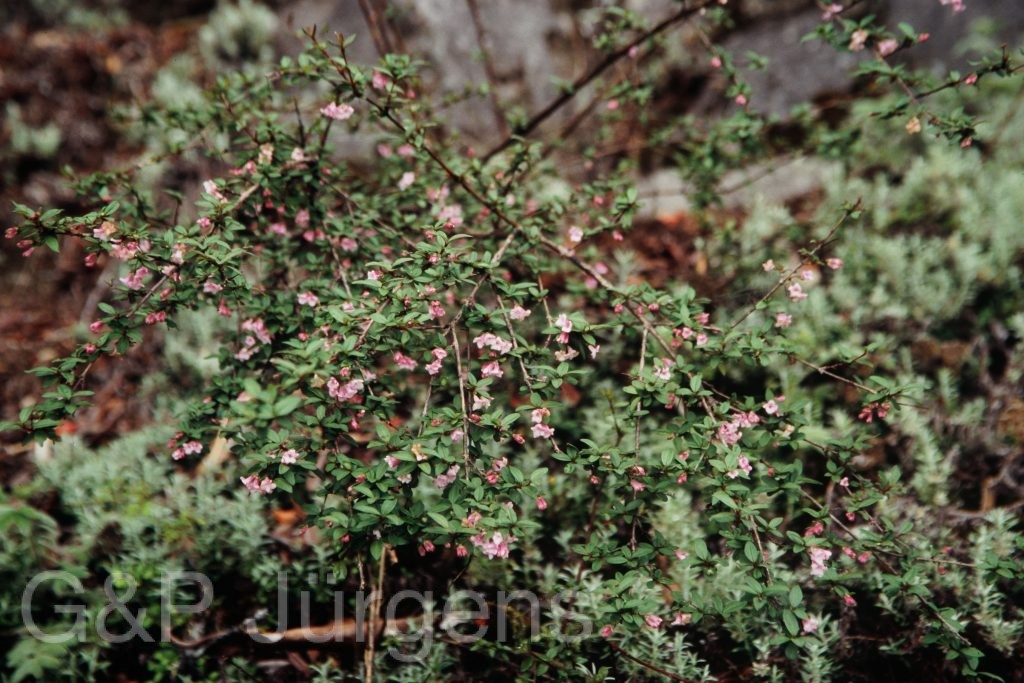
Tag:

Summer

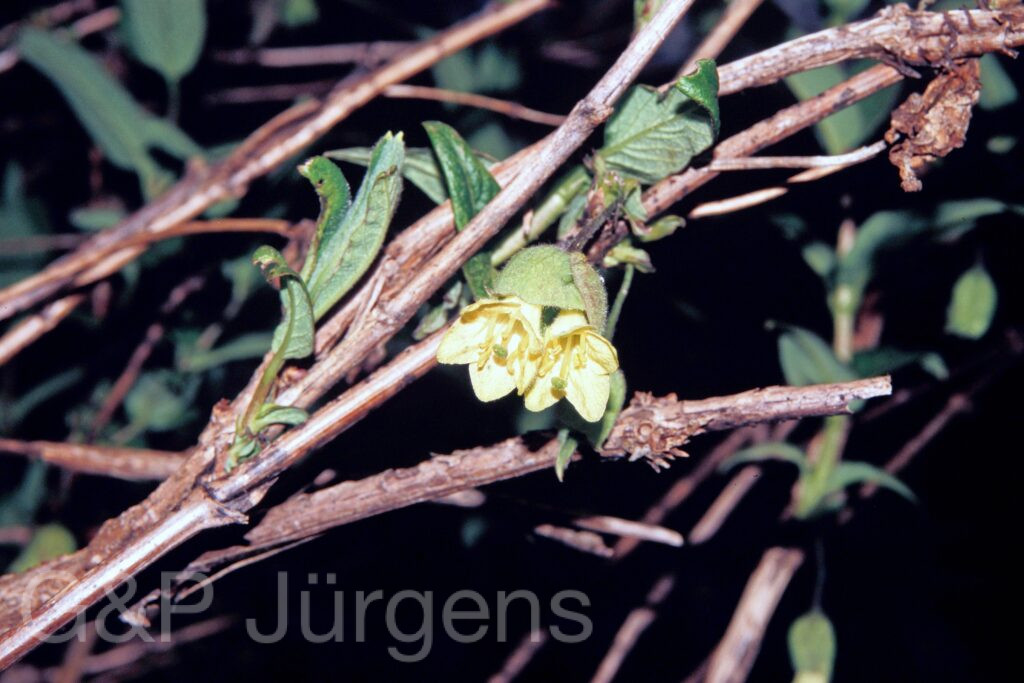
Wall. ex DC.

BhutanPG2011 141
Bhutan Tsochenchen, 3550m June
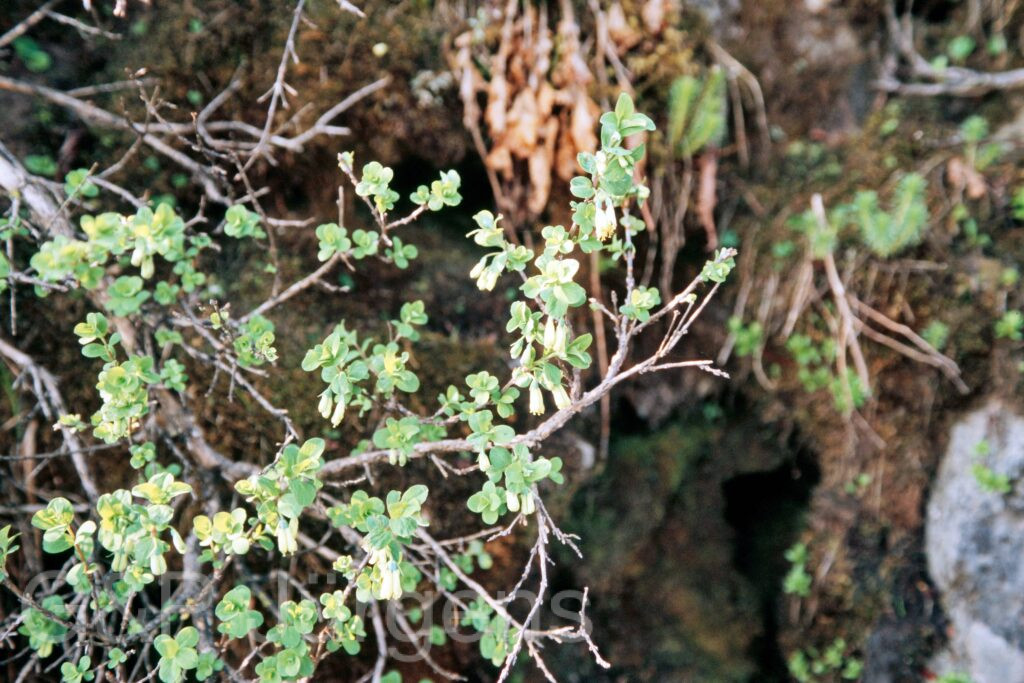
Bh09 325 P531
Bhutan Tumching, 3700m June

Description

Lonicera angustifolia is a Sino-Himalayan honeysuckle distributed along the Himalaya from Afghanistan and Pakistan through India, Nepal and Bhutan to south-western China, with scattered records eastward to Myanmar; GBIF lists around 1,200 occurrences, several reflecting cultivation in Europe and North America. It is a shrub of the upper temperate and subalpine zones, occupying open coniferous and mixed forest, scrub, forest margins and rocky slopes, broadly from 2,400 to 4,000 m. The plants photographed at Tsochenchen at 3,550 m and Tumching at 3,700 m in Bhutan, both in June, show it flowering in early summer within high subalpine shrubbery near the upper forest limit.

It is an erect, much-branched deciduous shrub reaching 1-2.5 m, with slender greyish branchlets. The leaves are opposite, narrowly elliptic to oblong-lanceolate or linear, hence the epithet angustifolia ('narrow-leaved'), 1-4 cm long, entire and glabrous to thinly pubescent. The flowers are borne in axillary pairs on a common peduncle, each pair subtended by small bracts; the corolla is tubular-funnelform, two-lipped and pale pink to whitish, and the paired ovaries are partly fused. The two berries are connate at the base, ripening red and remaining largely free at the apex, each containing several seeds.

Lonicera section Isika, to which L. angustifolia belongs, comprises numerous shrubby, paired-flowered honeysuckles that are particularly diverse in the Himalaya and western China. Its tubular pink corollas are adapted to pollination by bees and long-tongued insects, while the bright red, partly fused berries are dispersed by birds and form an important food source in the subalpine zone. As a widespread, hardy and ecologically tolerant species spanning a broad elevational range, it is of least concern; its cold-hardiness and ornamental berries account for its occasional cultivation in temperate gardens.

Author: Wall. ex DC. · Sources: POWO (Kew), GBIF, Flora of China, Flora of Bhutan, Flowers of the Himalaya (Polunin & Stainton), monograph of Lonicera (Caprifoliaceae)
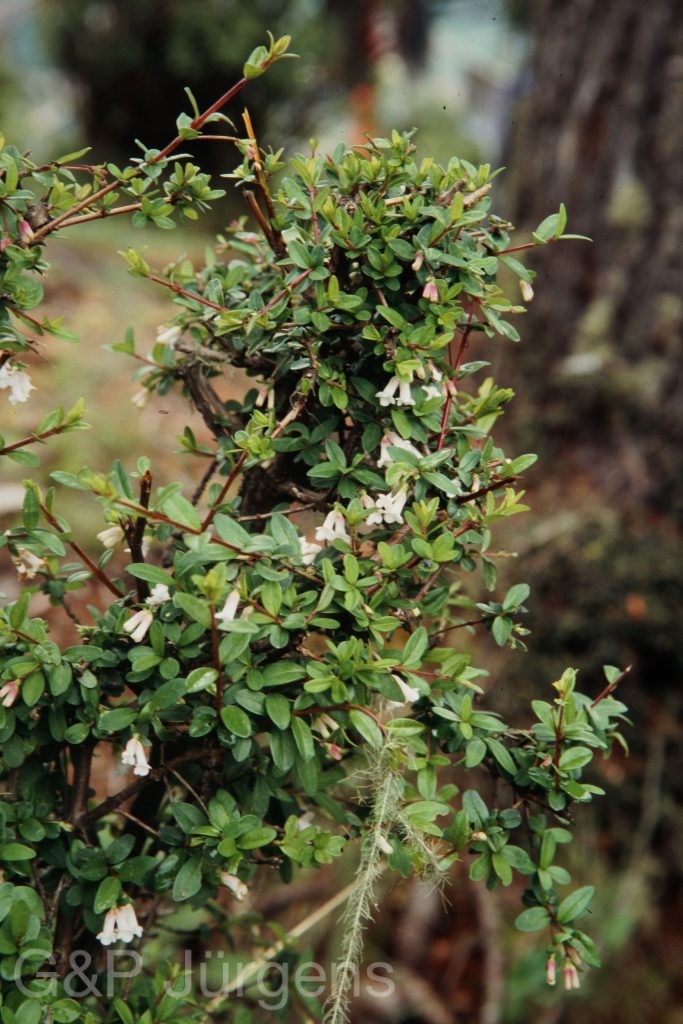
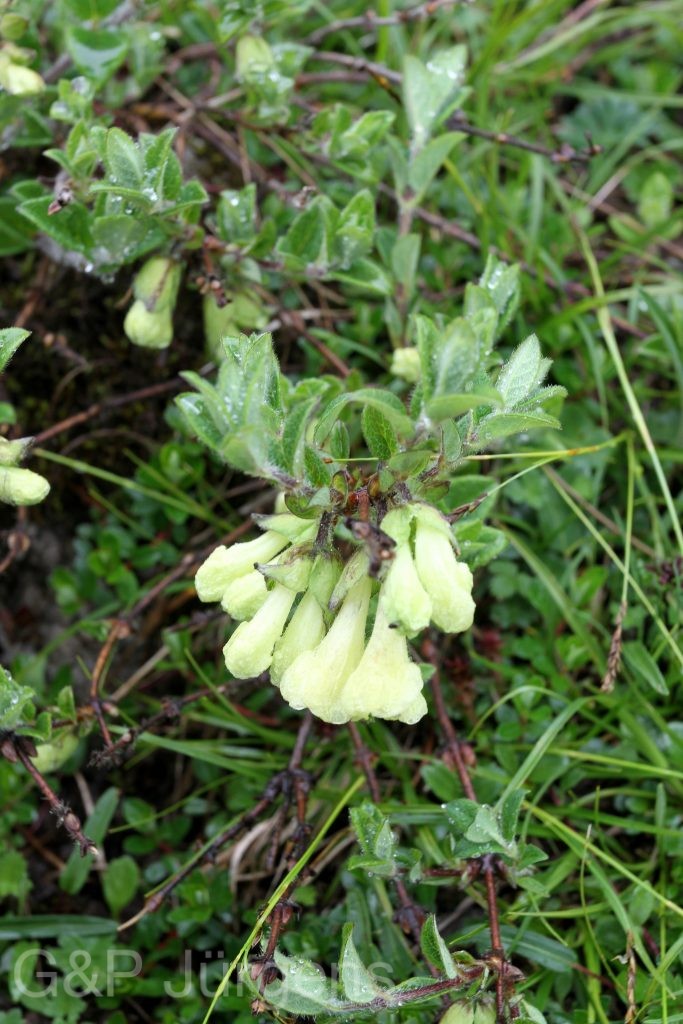
(Hook. f. & Thomson) Q. E. Yang, Landrein, Borosova & J. Osborne

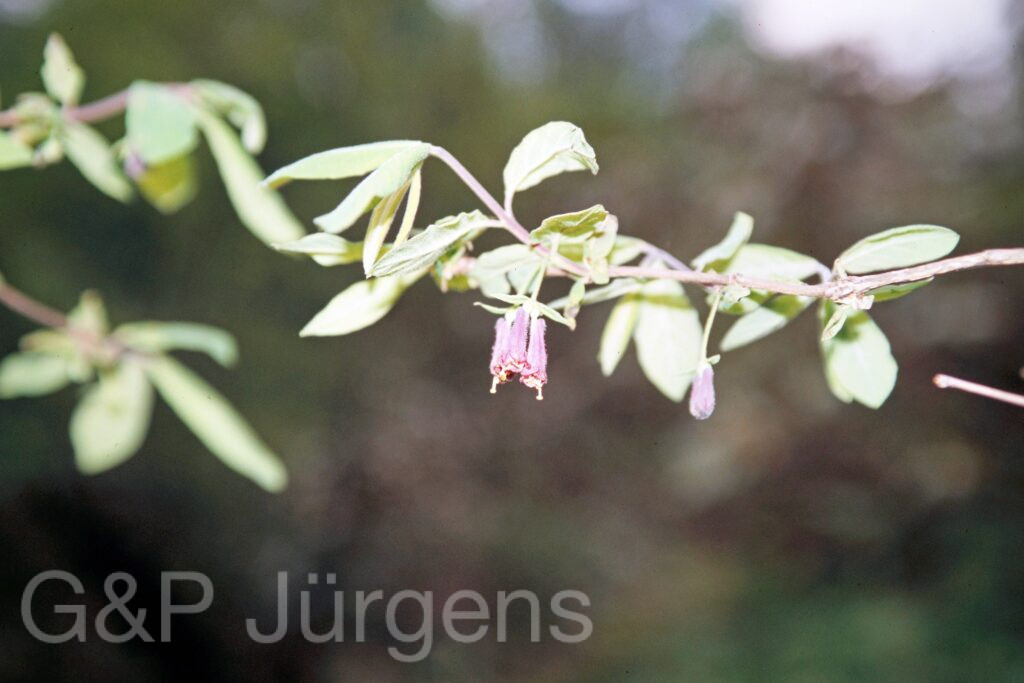
Bh09 326 P532
Bhutan Tumching-La, 3700m June

Description

Lonicera angustifolia var. myrtillus is a high-montane to subalpine shrub of the Himalaya and adjacent ranges, recorded from China, Nepal, India, Pakistan, Bhutan, Afghanistan and Myanmar; GBIF holds about 873 occurrences for the taxon, with scattered cultivated records elsewhere. It is characteristic of the upper temperate and subalpine zone, typically between roughly 3000 and 4000 m, the photographed plant deriving from Tumching-La in Bhutan at 3700 m in June, at the onset of flowering. It grows in open coniferous and rhododendron forest, at the forest-line ecotone, and among scrub on rocky, well-drained slopes, often forming part of the dwarf-shrub understorey.

This variety is a small, much-branched deciduous shrub with slender, often arching twigs and small, opposite, entire leaves that are narrowly oblong to elliptic, the var. myrtillus being notably small-leaved and bilberry-like in aspect. The flowers are borne in axillary pairs on short peduncles; each pair subtended by bracts, the tubular-funnelform corolla is white to pale pink, weakly two-lipped or nearly regular. The paired ovaries are partly connate, and at maturity produce small, fused, juicy berries that ripen red, dispersed by birds, as is typical of the genus.

The combination (Hook. f. & Thomson) Q. E. Yang, Landrein, Borosova & J. Osborne reflects modern revisionary work on Himalayan Lonicera within an enlarged Caprifoliaceae. As an intraspecific taxon of a widespread, ecologically tolerant species, it is of no conservation concern, and like other shrubby honeysuckles it contributes nectar and fleshy fruit to subalpine pollinator and frugivore networks at the upper forest margin.

Sources: POWO (Kew), GBIF, Flora of China, Flora of Bhutan, Flora of Pakistan, Yang et al. revision of Lonicera (Caprifoliaceae), Rehder Synopsis of the Genus Lonicera

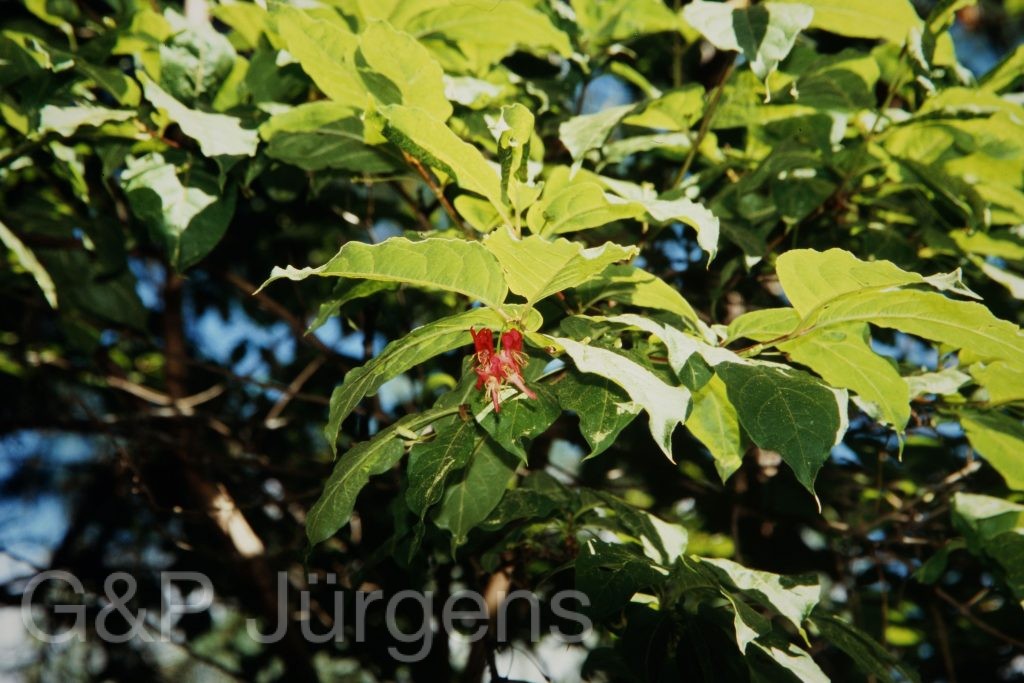
Pall. ex Schult.

BhutanPG2011 590
Bhutan Kem-La 4100m, July
Garh 07 111 ergebnis
India Garhwal Meggu Kichatti 3200m, June

Description

Lonicera hispida is a deciduous shrub of the high mountains of Central and High Asia, ranging through the Himalaya from Pakistan and India to Nepal and Bhutan, across Tibet and western China, and northward into the Tien Shan, Pamir-Alai and Altai of Central Asia and Russia. It grows in subalpine and alpine scrub, open coniferous forest, stream banks and rocky slopes, typically between about 2500 and 4500 m. The photographed material comes from Kem-La in Bhutan at around 4100 m and from Meggu Kichatti in Indian Garhwal at about 3200 m, flowering in June and July. With over 3100 georeferenced records it is a well-documented and widespread montane honeysuckle.

It forms an erect, much-branched shrub up to about 2 m, the young shoots and petioles bristly-hispid with stiff spreading hairs and glandular bristles, the older bark exfoliating. The leaves are opposite, oblong to elliptic, ciliate and bristly-margined, often glaucous beneath. The flowers are borne in axillary pairs subtended by large, broad, persistent bracts that enlarge in fruit; the corolla is tubular-funnelform, white to pale yellow, weakly two-lipped, with a gibbous base and exserted stamens and style. The paired ovaries are partly united, and the fruit is a fleshy berry, red at maturity, the bracts often colouring and partly enclosing the twin fruits.

Lonicera hispida belongs to section Isika and is distinguished by its conspicuously hispid bristly indumentum and large floral bracts. It is morphologically variable across its enormous range, and several varieties have been recognised. The berries are taken by birds, aiding dispersal. As a common, broadly distributed alpine shrub it is of least conservation concern.

Author: Pall. ex Schult. · Sources: POWO (Kew), GBIF, Flora of China, Flora of Bhutan, Rehder's revision of Lonicera

Royle ex Hook.f. & Thomson

Garh 07 116 ergebnis
India Garhwal Meggu Kichatti 3300m, June

Description

Lonicera obovata is a Himalayan shrubby honeysuckle distributed through Afghanistan, Pakistan, Nepal, NW India, Bhutan and SW China, with 424 occurrences recorded in GBIF. It inhabits high-elevation shrubberies, open coniferous and birch woodland margins, rocky slopes and the upper subalpine to alpine zone. The photographed material from Meggu Kichatti in Garhwal, India, at about 3,300 m in June, represents typical habitat where the plant flowers as the snow recedes, often forming low thickets among rocks and dwarf rhododendron.

It is a deciduous, much-branched dwarf shrub usually 0.3–1 m tall with slender, often arching branches. The leaves are opposite, small, obovate to elliptic as the epithet implies, 1–3 cm long, rounded or retuse at the apex and somewhat glaucous, with short petioles. The flowers are borne in axillary pairs on short peduncles; the twin corollas are funnelform, pale yellow to creamy white, two-lipped, with the ovaries of the paired flowers partly connate. The fruit is a fused, ovoid, red berry crowned by the persistent calyx teeth, the paired ovaries coalescing into a single bilocular fruit.

The species belongs to Lonicera sect. Isika, a group of paired-flowered honeysuckles with connate fruits. GBIF records it as accepted. It is a hardy element of the West and Central Himalayan alpine flora, ecologically important as a nectar source for high-altitude pollinators and as cover in exposed terrain, and is not considered threatened across its broad montane range.

Author: Royle ex Hook.f. & Thomson · Sources: POWO (Kew), Flora of China Vol. 19, Flora of Pakistan, GBIF, Rehder: Synopsis of the Genus Lonicera (1903)

Walp.

Garh 07 112 ergebnis
India Garhwal Meggu Kichatti 3200m, June

Description

Lonicera purpurascens Walp. is a deciduous shrubby honeysuckle of the western and central Himalaya. GBIF occurrence data place it principally in India, Pakistan, Nepal, Afghanistan, Bhutan and Myanmar, confirming a chiefly Himalayan distribution. It is a plant of subalpine forest and shrubberies, growing among Abies, Betula and Rhododendron stands and along open rocky slopes, generally between about 2,800 and 3,800 m. The illustrated plant from Meggu Kichatti in Garhwal at 3,200 m, flowering in June, is characteristic of its occurrence in the upper temperate to subalpine belt where it blooms shortly after snowmelt.

It is an erect to spreading shrub up to 1.5–2 m tall with terete, glabrescent young branches and ovate to elliptic, entire leaves that are often glaucous and purplish-tinged beneath. The flowers are borne in axillary pairs on a common peduncle, subtended by bracts; the corolla is two-lipped, gibbous at the base, and ranges from yellowish to purple-flushed, hence the epithet. The paired ovaries are partly fused, and the resulting berries are red, more or less connate, each containing several seeds.

The species is one of numerous Himalayan Lonicera within the section Isika, and the purplish foliage and connate fruits distinguish it from allied taxa such as L. quinquelocularis and L. webbiana. Its berries provide food for montane birds, contributing to seed dispersal. The species is widespread within the Himalayan arc and is not currently regarded as of conservation concern.

Author: Walp. · Sources: POWO (Kew), GBIF, Flora of Pakistan, Flora of Bhutan Vol. 2, Rehder: Synopsis of the Genus Lonicera

Wall.

Bh09 39 P71
Bhutan Paro 2400m, June

Description

Lonicera webbiana is a deciduous shrub of the temperate Himalaya and adjoining Central Asian mountains, distributed from Afghanistan, Pakistan and Kyrgyzstan eastwards through Kashmir, northern India, Nepal and Bhutan into south-western China and Myanmar, with over 2000 occurrence records (those from Europe and North America representing cultivated material). It grows in coniferous and mixed forest, forest margins, thickets and shrubberies, chiefly between about 2400 and 3600 m. The specimen photographed at Paro in Bhutan at 2400 m in June illustrates its early-summer flowering within the upper temperate forest belt.

The shrub reaches 2-3 m, with hollow young branches and ovate to elliptic-lanceolate leaves that are acuminate at the apex, often ciliate and softly pubescent beneath. Flowers are borne in pairs on a slender, drooping peduncle, each pair subtended by small linear bracts; the corolla is two-lipped and reddish to purplish, the tube short and gibbous at the base. The paired ovaries are largely free, and the fruit develops into red, ellipsoid berries which are partly fused at the base, a feature aiding recognition of the species.

Lonicera webbiana belongs to Caprifoliaceae and to the large, taxonomically complex section Isoxylosteum (the bush honeysuckles); it has at times been confused with related Himalayan species such as L. quinquelocularis and L. angustifolia. The nectar-bearing flowers attract long-tongued bees and other pollinators, while the conspicuous red berries are dispersed by birds. Widespread and locally frequent across an extensive range, the species is of least conservation concern and is a characteristic understorey shrub of Himalayan fir and spruce forests.

Author: Wall. · Sources: POWO (Kew), GBIF, Flora of China, Flora of Pakistan, Flora of Bhutan, Rehder revision of Lonicera, Annotated Checklist of the Flowering Plants of Nepal

(Wall. ex C.B. Clarke) Hand.-Mazz.

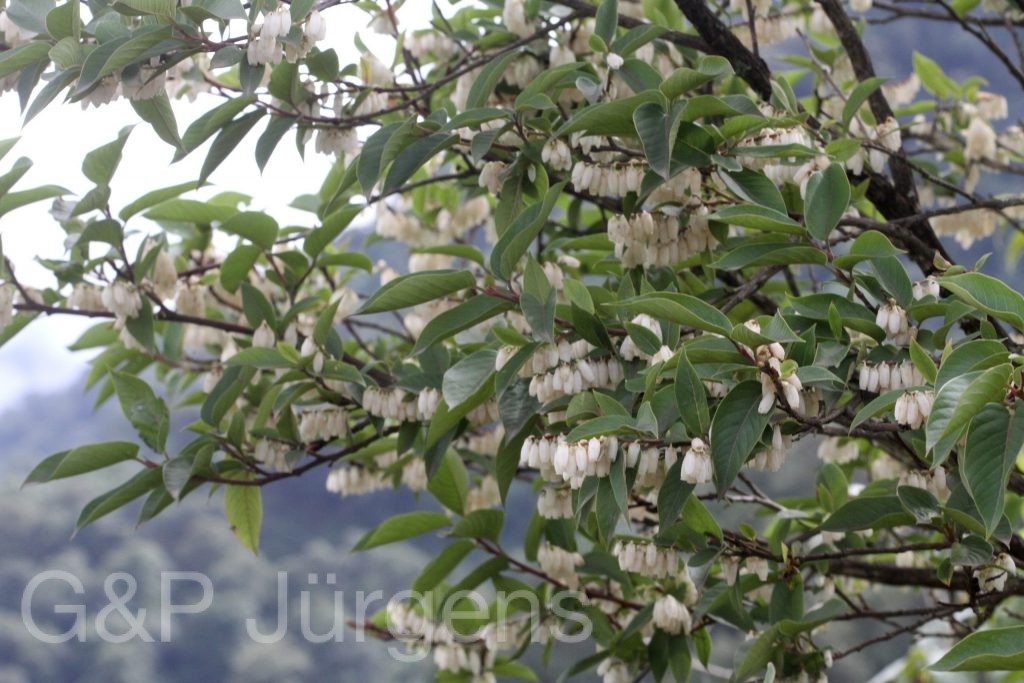
Lyonia villosa ergebnis scaled
Bhutan Wangdi, 2400m June

Description

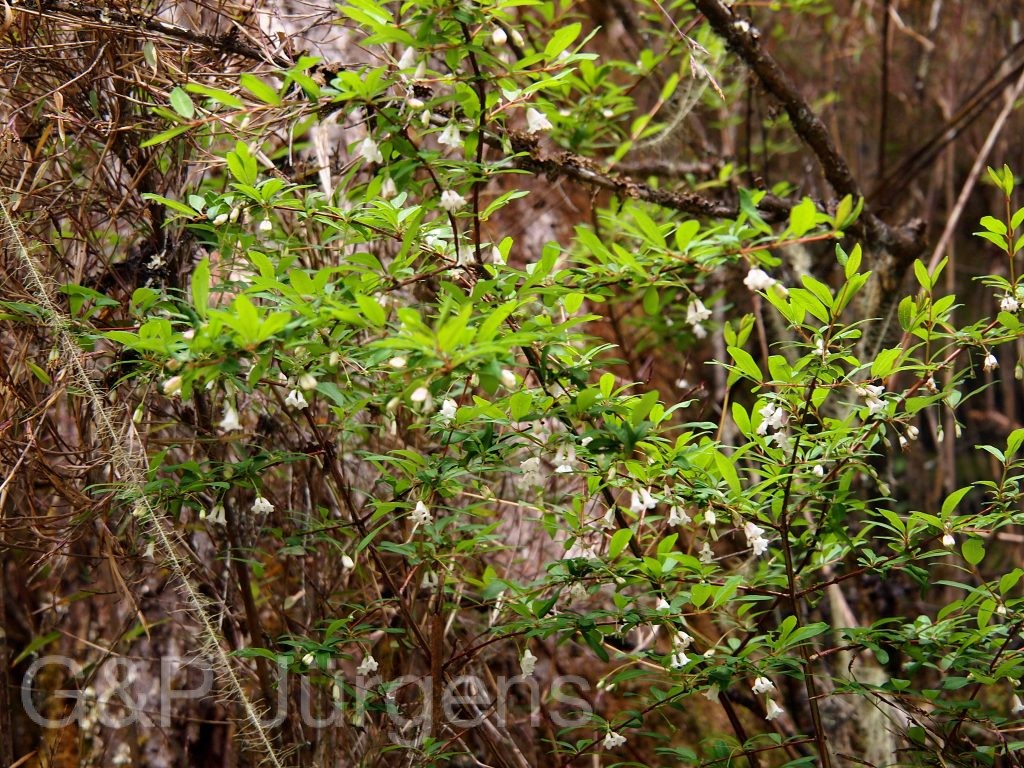
Lyonia villosa (Wall. ex C.B.Clarke) Hand.-Mazz. is a widely distributed Sino-Himalayan shrub recorded from China, Nepal, Bhutan, India, Myanmar, Vietnam and Japan, with more than 1300 georeferenced occurrences in GBIF, reflecting its broad range across the eastern Himalaya and southern China. It grows in temperate forest, forest margins, thickets and open rocky hillsides, commonly between about 1500 and 3500 m. The plant photographed near Wangdi at 2400 m in June is characteristic of its mid-elevation habitat, where it forms part of the understorey and scrub of mixed broadleaved and conifer woodland.

It is a deciduous shrub or small tree with villous to tomentose young branchlets, the indumentum giving rise to the epithet. The leaves are alternate, ovate to elliptic, entire, with a pubescent surface and prominent venation. The white, urceolate (urn-shaped) flowers are borne in axillary racemes or fascicles along the branches; each corolla is shortly five-lobed at the contracted mouth, with included stamens whose anthers bear awns, and a superior ovary maturing into a woody, dehiscent, five-valved capsule. The capsule has thickened sutures, a diagnostic feature of the genus, and releases numerous small seeds.

Lyonia belongs to the tribe Lyonieae of the Ericaceae and is allied to Pieris and Agarista; the thickened capsule sutures and awned anthers separate it from these relatives. Several varieties have been recognised within L. villosa on the basis of indumentum density and leaf shape. As in many Ericaceae the foliage is reported to be toxic to livestock. The species is common and widespread and is not considered threatened.

Author: (Wall. ex C.B. Clarke) Hand.-Mazz. · Sources: POWO (Kew), GBIF, Flora of China, Flora of Bhutan, Judd revision of Lyonia (Ericaceae)

Wall.

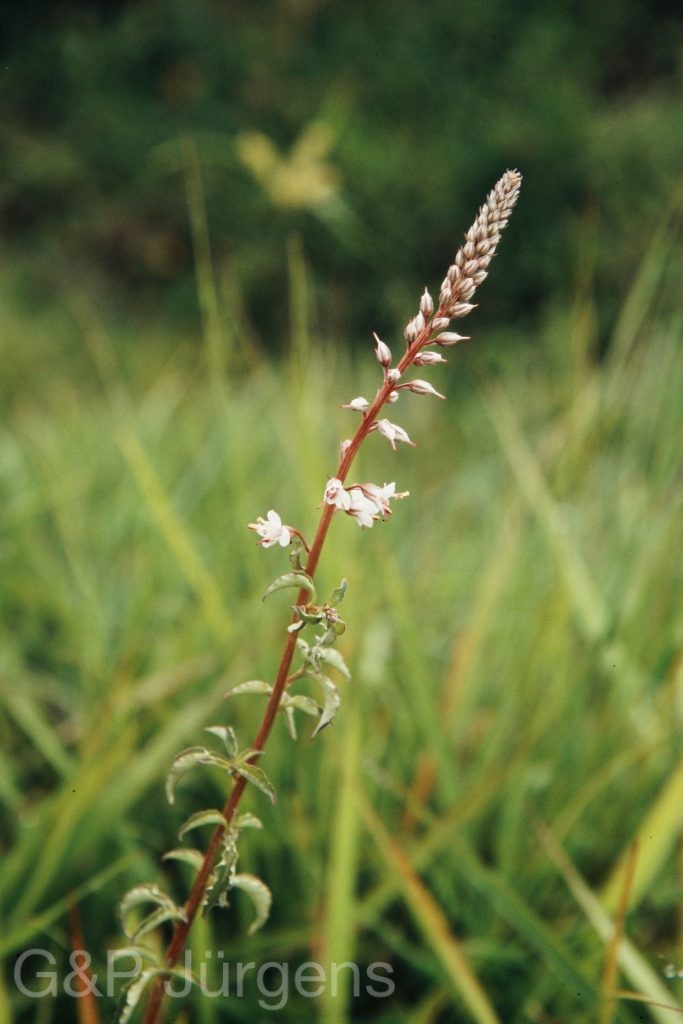
Bh09 395 P626
Bhutan Mo-Chu, 1350m June
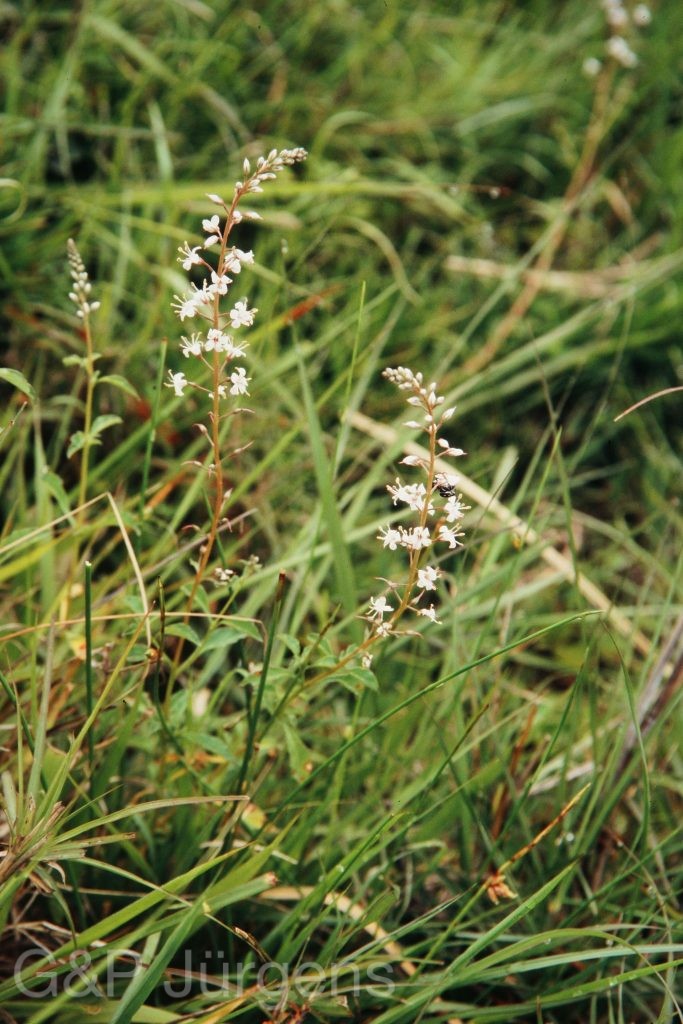
Bh09 396 P628
Bhutan Mo-Chu, 1350m June

Description

Lysimachia lobelioides is a slender herb ranging widely through the Himalaya and Southeast Asia, recorded from China, India, Bhutan, Nepal, Myanmar, Thailand, Laos, Vietnam, Taiwan and New Caledonia, with 647 occurrences logged in GBIF. It favours moist, shaded and disturbed places at low to middle elevations: stream banks, ditches, damp grassy ground, field margins and open forest, broadly between 300 and 2500 m. The Bhutanese collection illustrated, from the Mo-Chu valley at 1350 m in June, typifies its occurrence in warm subtropical river-valley habitats during the early monsoon, when it flowers freely on damp, fertile soils.

It is an annual or short-lived perennial with weak, erect to decumbent, often quadrangular stems 10-40 cm long, glabrous and sometimes rooting at the lower nodes. The leaves are alternate, ovate to lanceolate, thin in texture, shortly petiolate and frequently dotted with dark glandular punctations. The small flowers are borne singly in the upper leaf axils on filiform pedicels; the corolla is white to pale pink, deeply five-lobed and shorter than or about equalling the lanceolate calyx lobes, with five stamens. The fruit is a small globose capsule dehiscing by valves and releasing numerous minute angular seeds.

Lysimachia (Primulaceae, formerly Myrsinaceae in part) is a large, near-cosmopolitan genus best developed in eastern Asia; L. lobelioides belongs to a group of small-flowered, axillary-flowered annuals. Its wide distribution, weedy tendency and tolerance of disturbed wet ground make it ecologically adaptable and of no conservation concern. The disjunct New Caledonian records are biogeographically notable, pointing to long-distance dispersal of this colonising species across the Indo-Pacific.

Author: Wall. · Sources: POWO (Kew), GBIF, Flora of China, Flora of Bhutan, Revision of the Genus Lysimachia (Primulaceae)

Hook.f. & Thomson

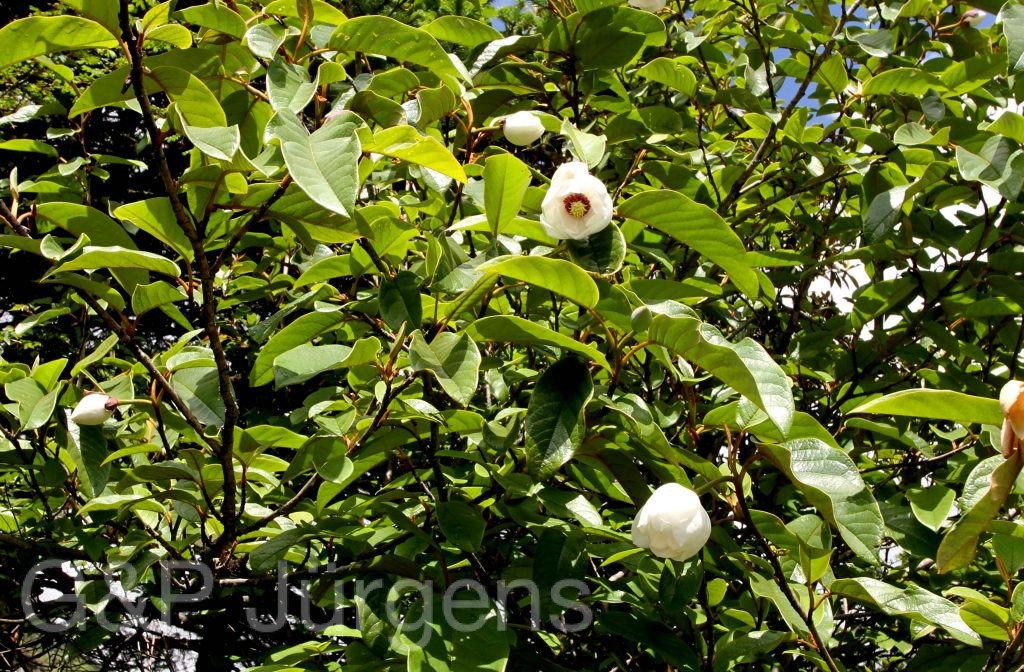
Sikkim2011 191
Sikkim Lachung 2800m, June
Sikkim2011 193
Sikkim Lachung 2800m, June

Description

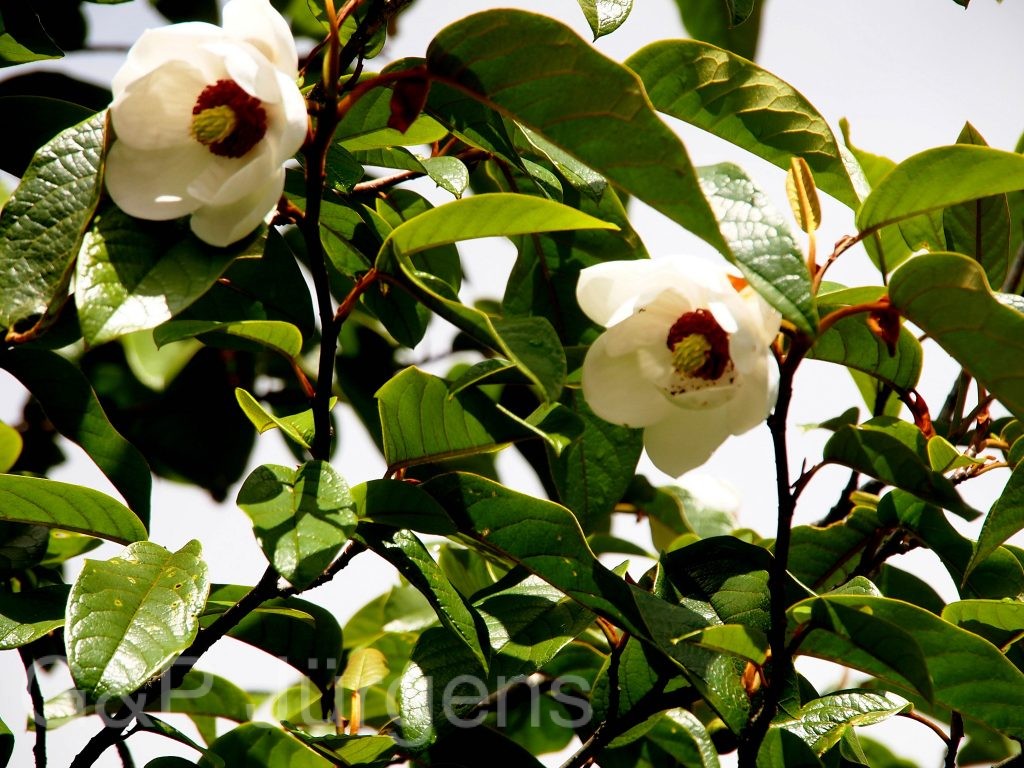
Magnolia globosa is a small deciduous tree or large shrub of the eastern Himalaya and adjacent China, documented by GBIF (236 occurrences) from China, India, Bhutan and Nepal, with additional records reflecting cultivation in Europe, Korea and elsewhere. It is a plant of cool, humid temperate forest, growing in mixed broadleaved and conifer woodland, along ravines and on shaded slopes, generally between about 2500 and 3500 m. The collection from Lachung in Sikkim at 2800 m in June represents its typical montane forest habitat, where it flowers in early summer in the moist, mist-laden middle-mountain belt.

The species is a spreading, often multi-stemmed tree whose young twigs, petioles and flower buds bear conspicuous rusty or pale tomentum. The leaves are alternate, broadly ovate to elliptic, rounded to cordate at the base and pubescent beneath. The flowers are nodding and characteristically cup-shaped to nearly globose, fragrant, with creamy-white to ivory tepals; the perianth is differentiated into a few outer and several inner tepals surrounding numerous spirally arranged stamens and an elongate gynoecium of free carpels. The fruit is an aggregate of follicles forming a cylindric to ovoid pink to crimson cone, releasing red-arillate seeds at maturity.

Magnolia globosa belongs to the morphologically ancient Magnoliaceae, a family noted for spirally arranged floral parts, apocarpous gynoecia and beetle pollination of the large protogynous flowers. Its nodding globose blooms and aggregate follicular cone are diagnostic. Though valued in horticulture, wild populations are scattered and the species, like many temperate Himalayan magnolias, is potentially vulnerable to forest loss and so warrants monitoring.

Author: Hook.f. & Thomson · Sources: POWO (Kew), GBIF, Flora of China Vol. 7, Flora of Bhutan Vol. 1, Flora of Nepal, Hunt Magnolias and their Allies

(Wall. ex G. Don) A. DC.

BhutanPG2011 846
Bhutan Paro-Chu 2400m, July
Nepal 99 477 ergebnis
West-Nepal Churta-Khola 3300m, June

Description

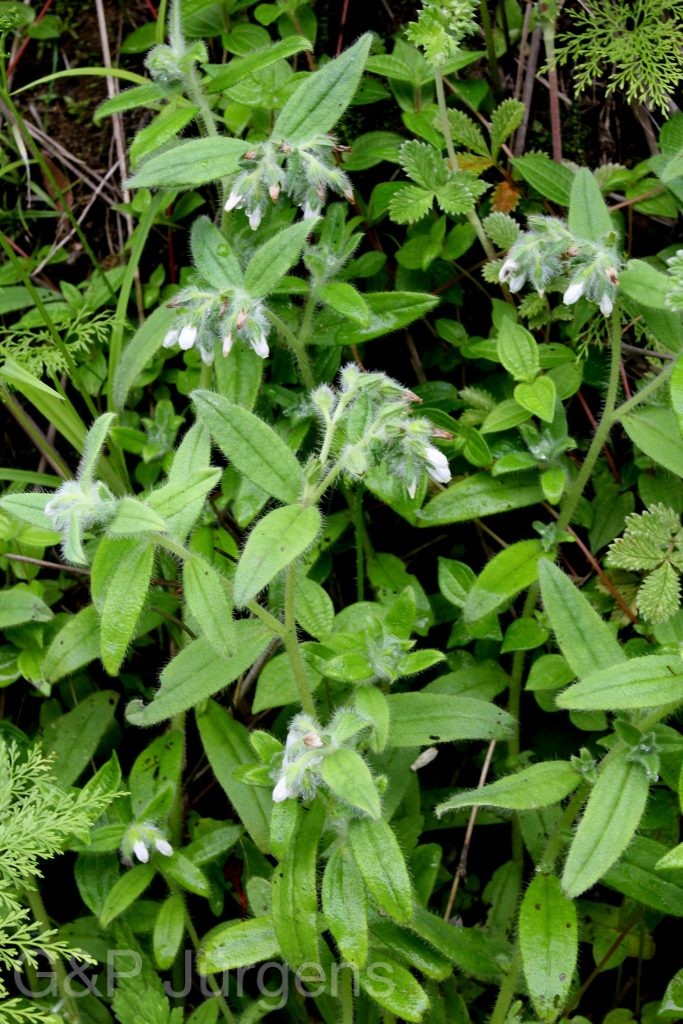
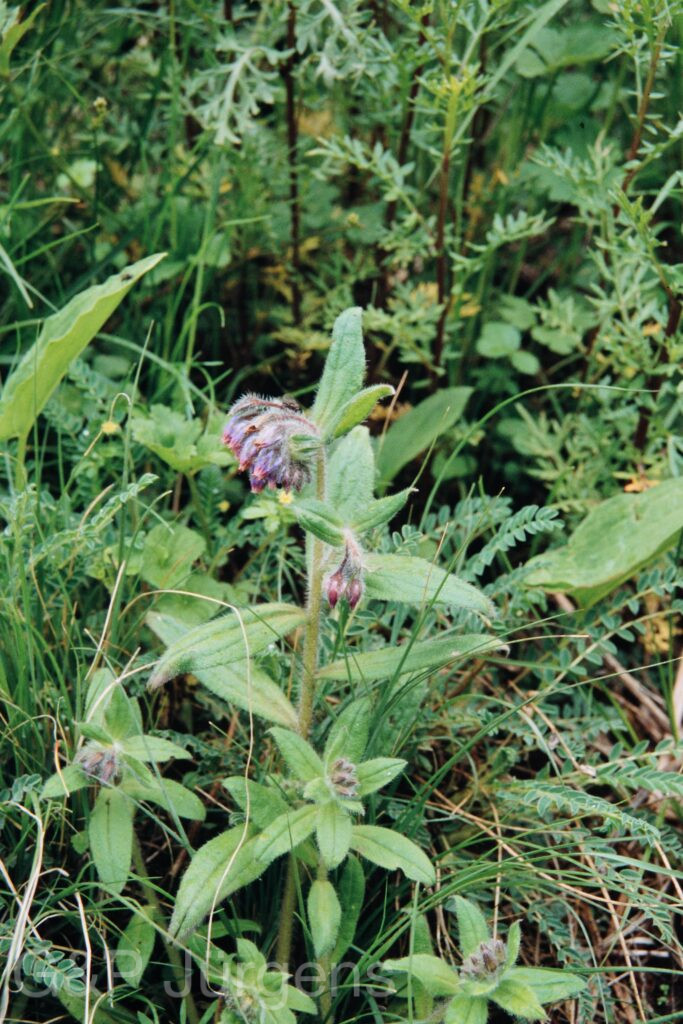
Maharanga bicolor (Wall. ex G. Don) A. DC. is a Himalayan herb of the borage family, recorded by GBIF in 64 occurrences from China (CN), Nepal (NP), Bhutan (BT) and India (IN). It grows on open grassy slopes, rocky banks, forest margins and alpine meadows of the temperate to subalpine zone. The image documents two populations: the Paro-Chu valley in Bhutan at 2400 m in July and the Churta-Khola in West Nepal at 3300 m in June, illustrating the species' typical mid- to high-elevation Himalayan range during the early monsoon.

The plant is a perennial herb arising from a thickened, often reddish rootstock, with erect or ascending stems clothed, like the whole plant, in stiff bristly hairs typical of the family. The leaves are alternate, oblong to lanceolate, sessile or shortly stalked and hispid on both surfaces. The flowers are nodding, borne in terminal scorpioid cymes; the corolla is tubular to narrowly campanulate or urceolate, contracted at the mouth and often bicoloured in yellow and dark purple or maroon, with the anthers conspicuously exserted in a connivent cone, a feature distinguishing Maharanga from the closely related Onosma. The fruit comprises up to four hard, ovoid nutlets.

Maharanga is a small Sino-Himalayan genus segregated from Onosma chiefly by its connate, exserted anthers and pendent flowers, and its species are characteristic elements of the open Himalayan flora. The bristly indumentum and reddish roots, which yield dyes in some relatives, are shared features of the Lithospermeae. The pendent tubular flowers are adapted to insect, probably bumblebee, pollination. With a restricted Himalayan range and dependence on open montane habitats, the genus is of biogeographic interest, though M. bicolor remains locally frequent and is not regarded as threatened.

Author: (Wall. ex G. Don) A. DC. · Sources: POWO (Kew), GBIF, Flora of Bhutan, Flora of China, Boraginaceae revision (Maharanga; I. M. Johnston, Onosma and allied genera)