Wall. ex DC.


Description
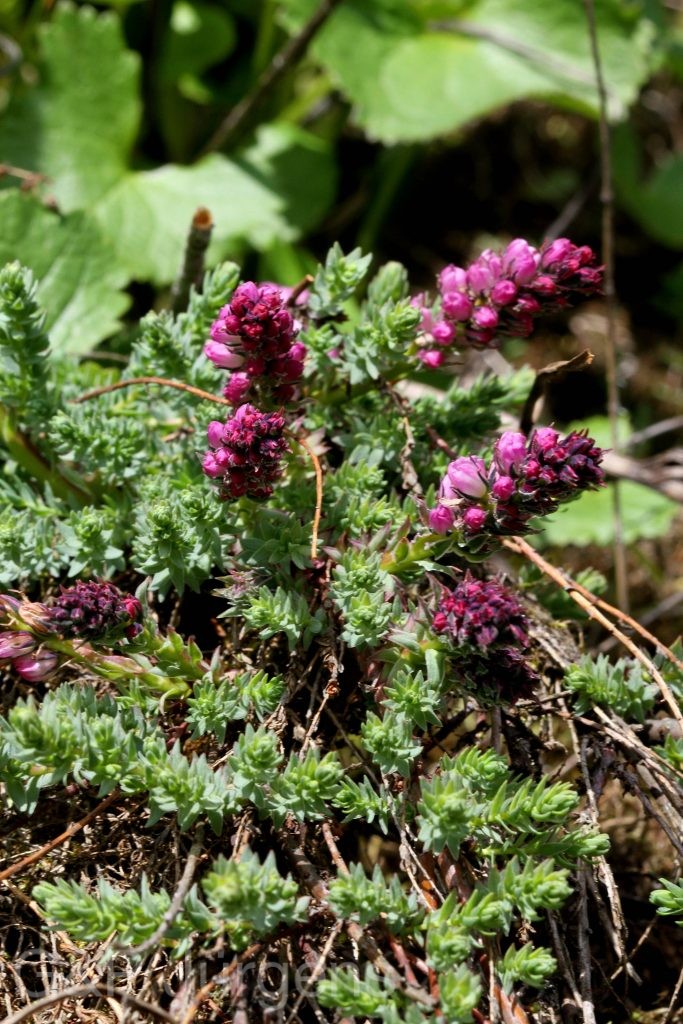
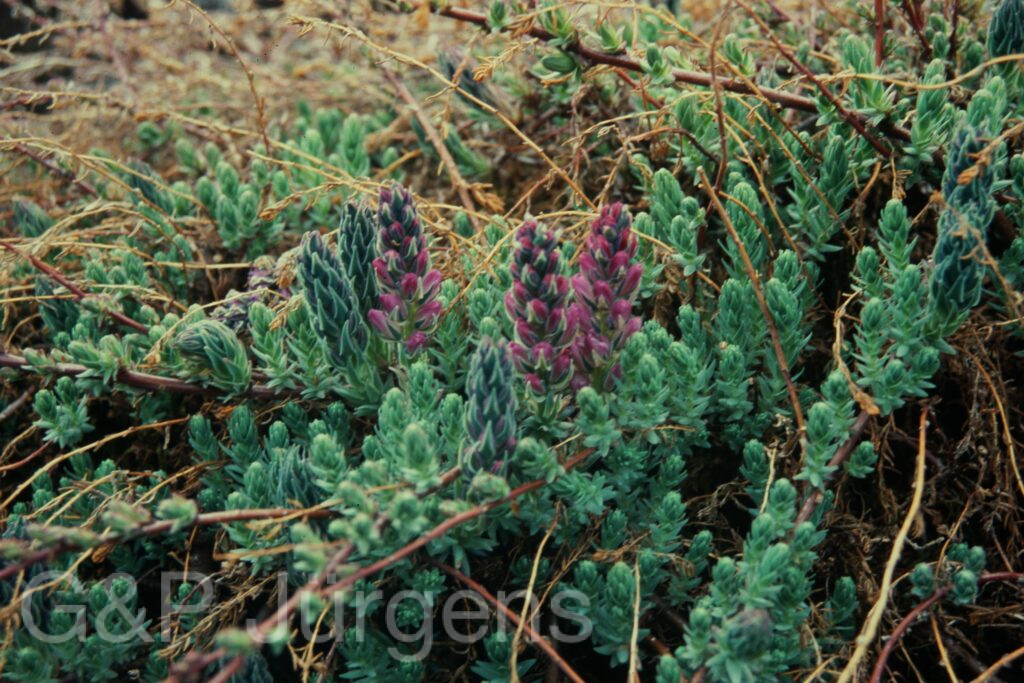
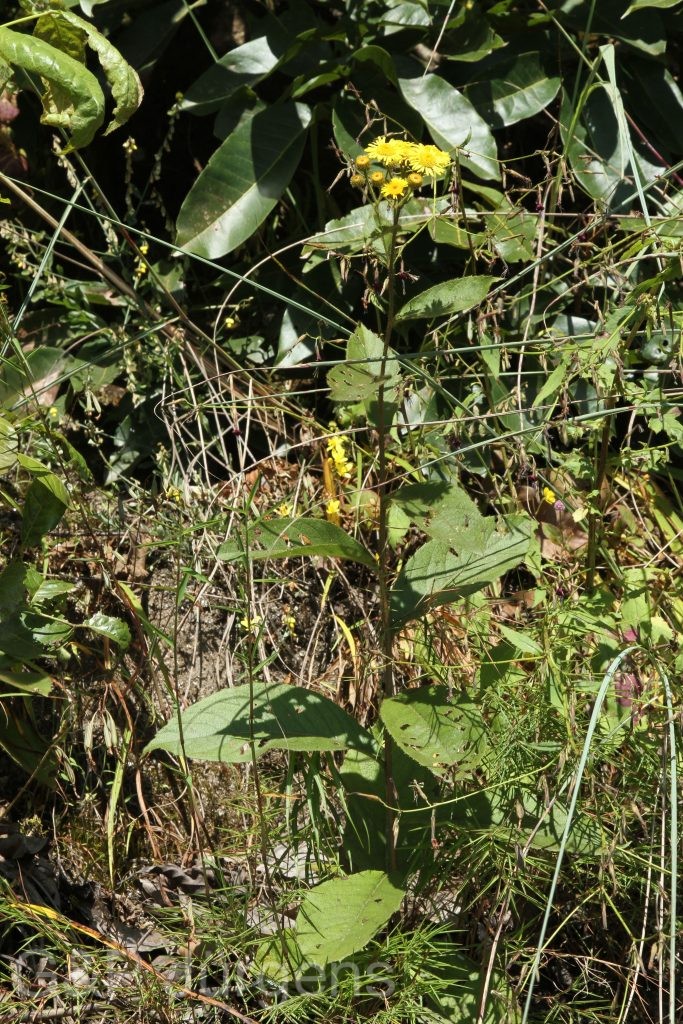
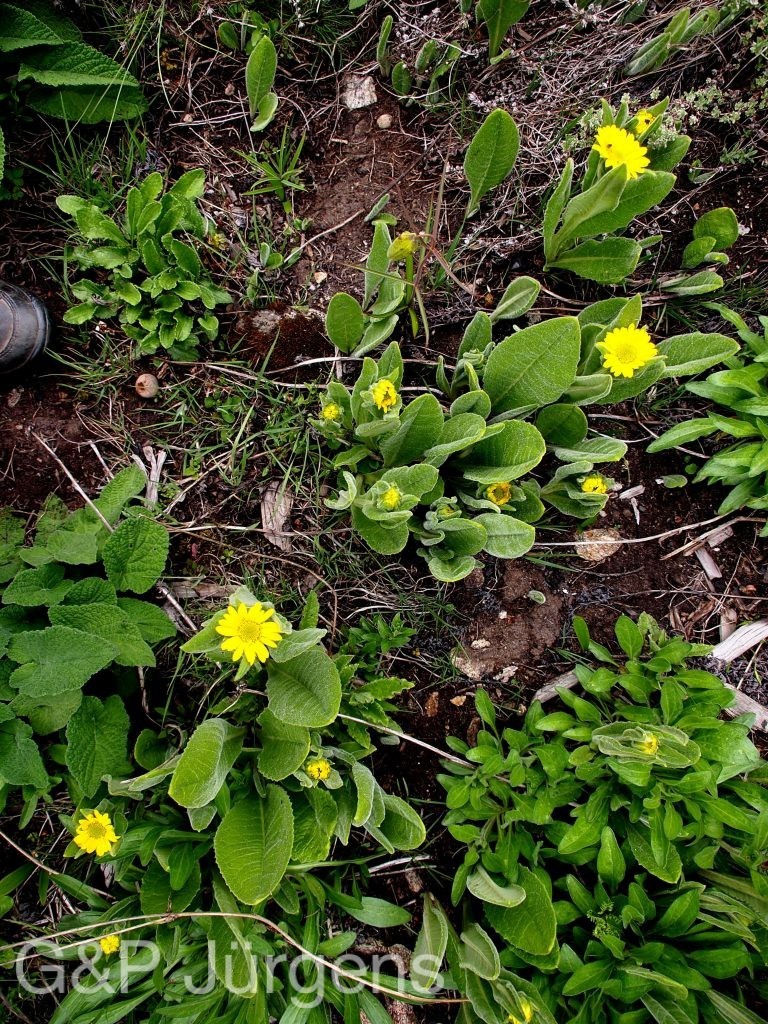
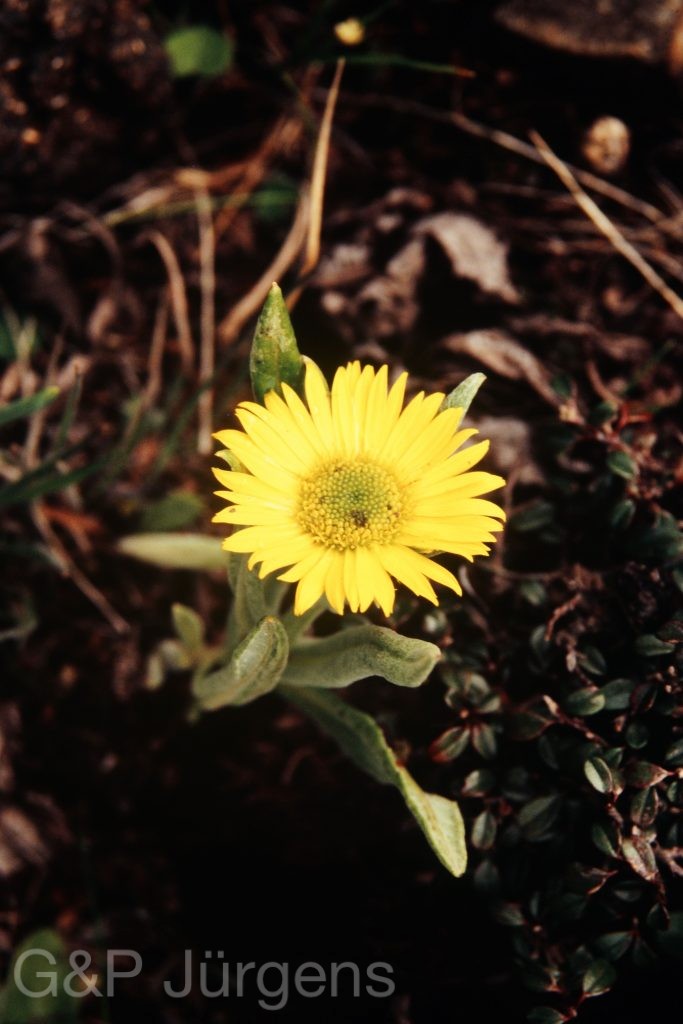
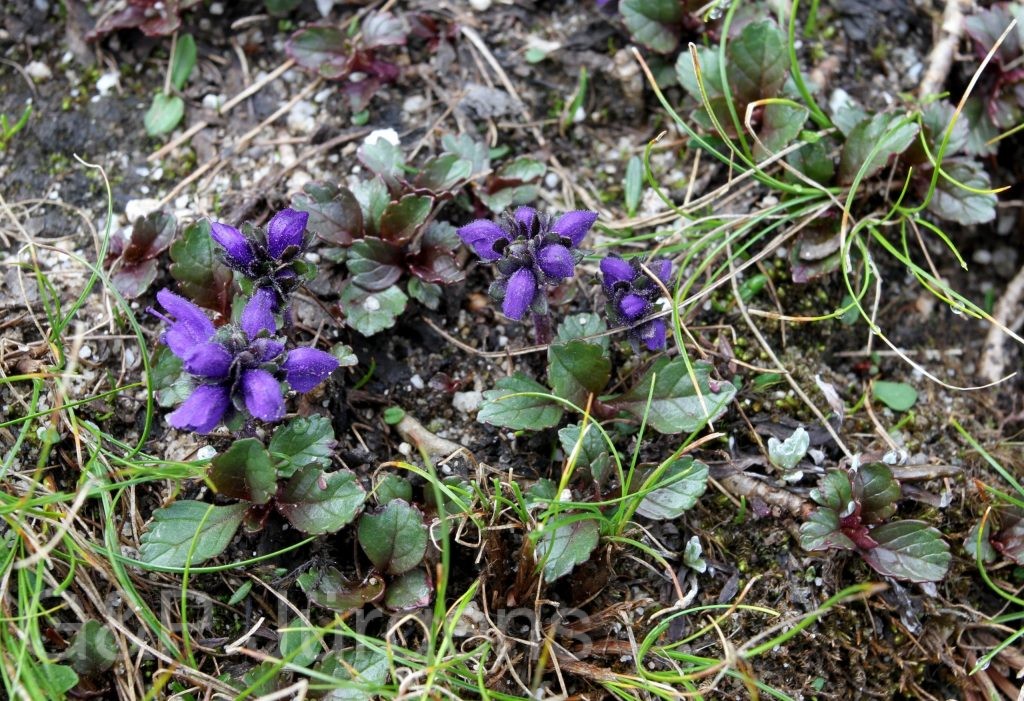
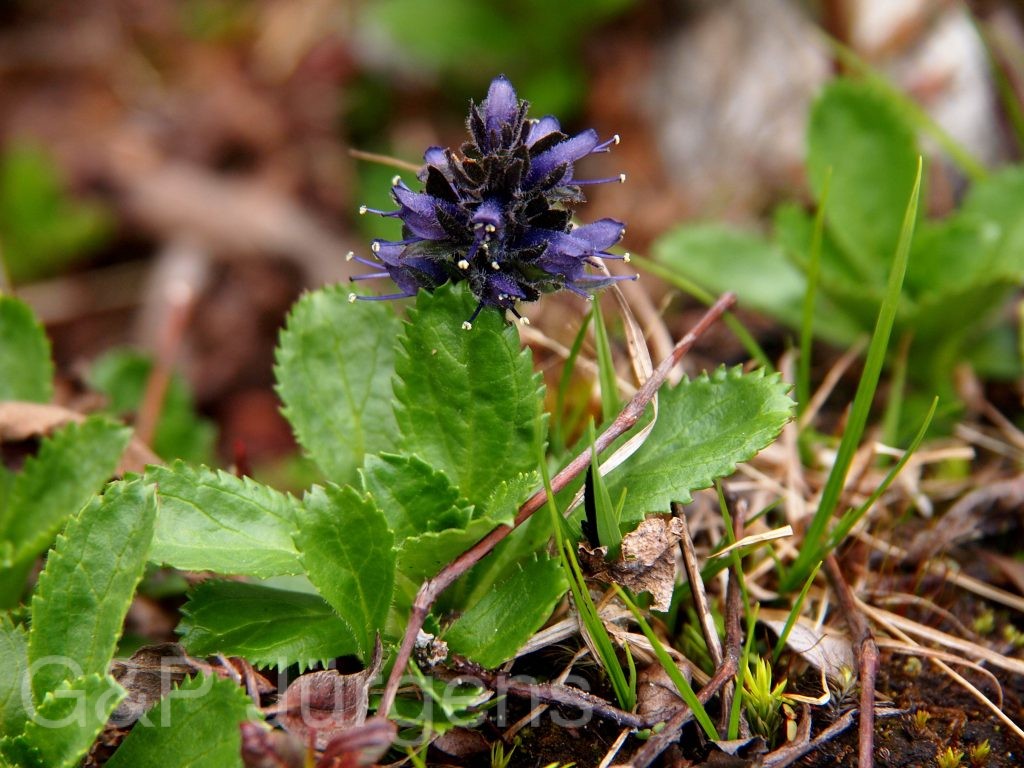
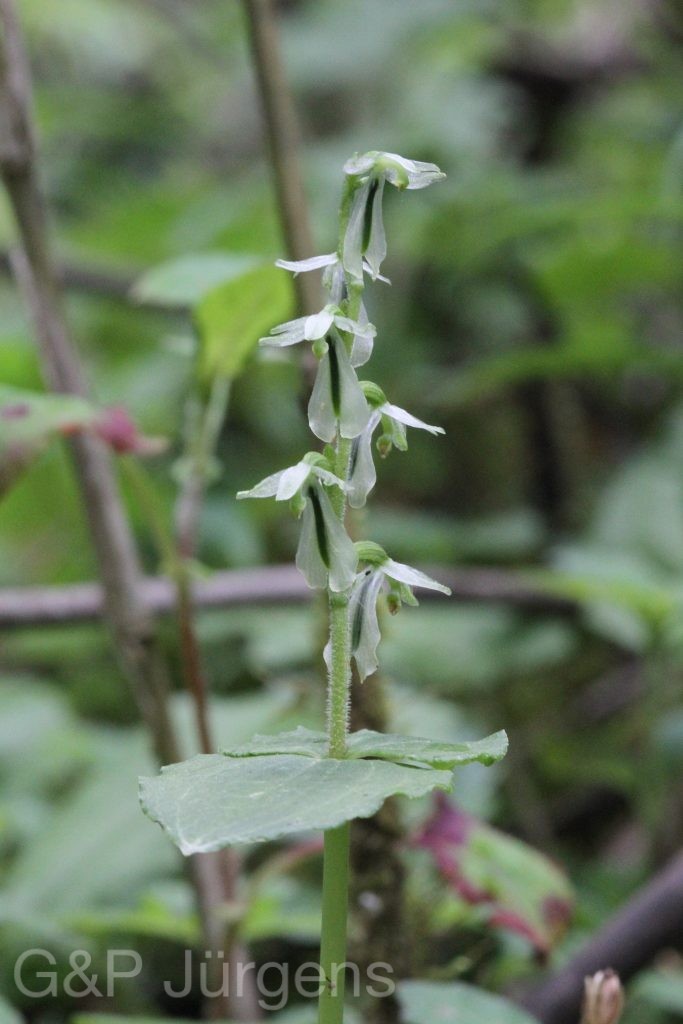
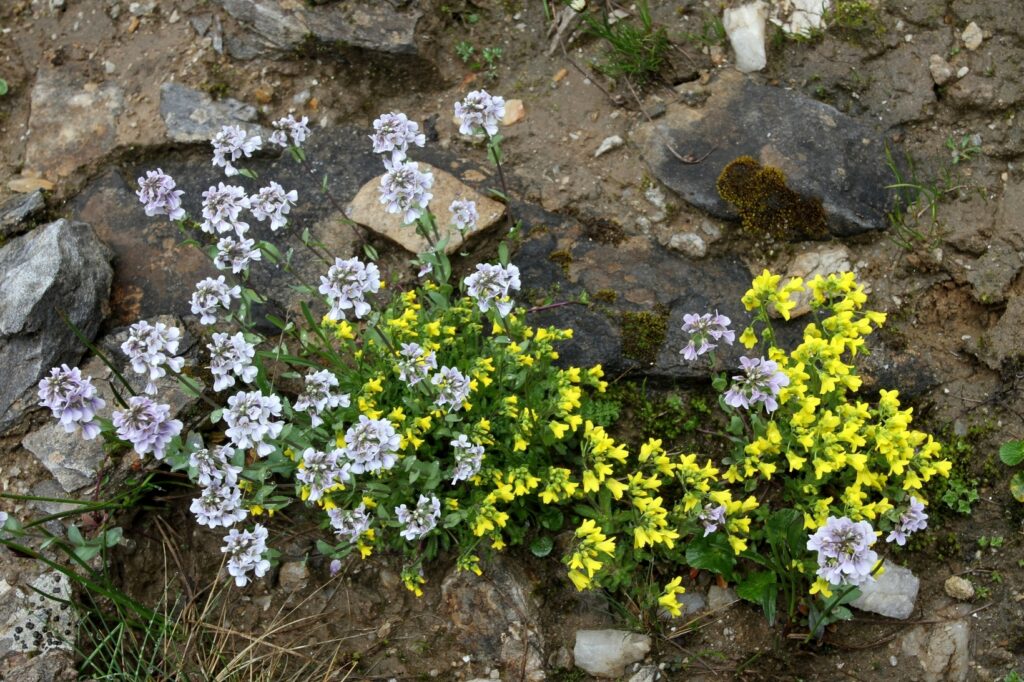
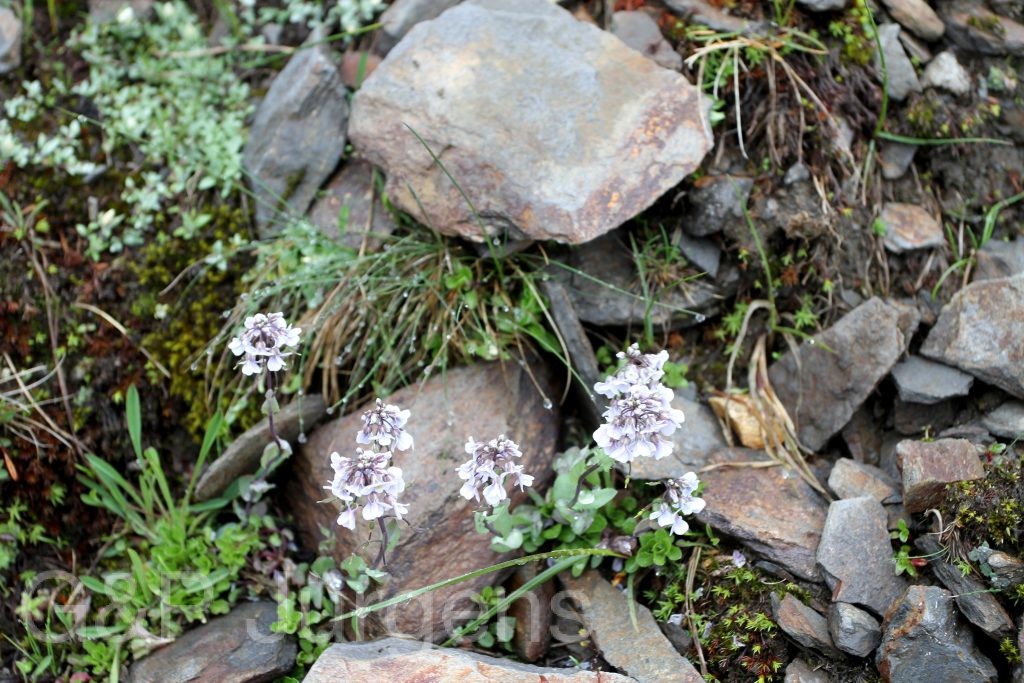
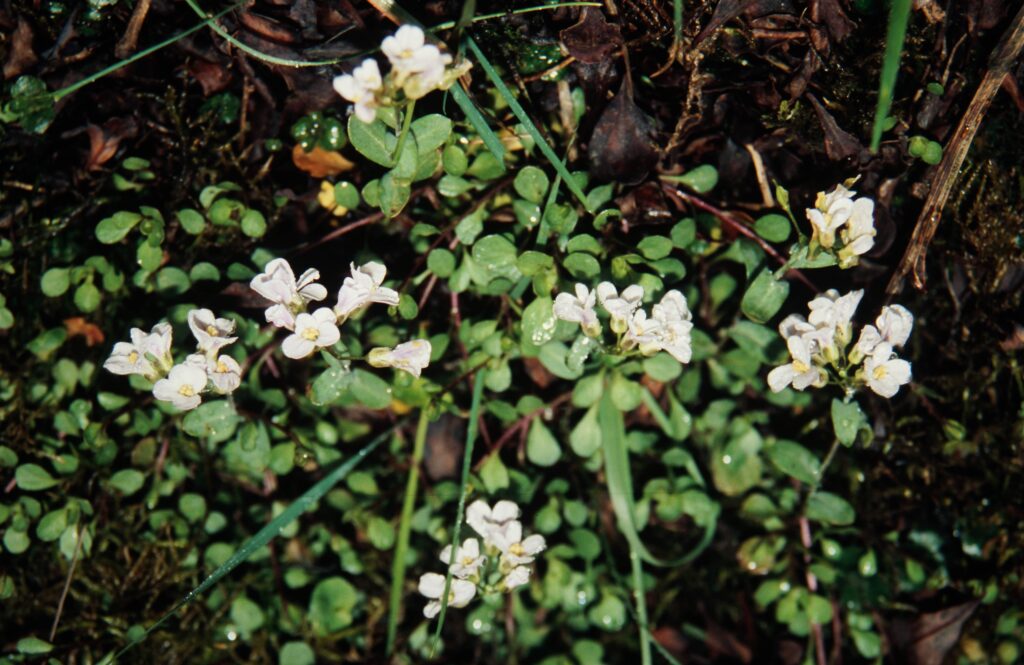
Morina polyphylla is a Himalayan high-altitude herb recorded from Nepal, northern India and Bhutan, with roughly 54 documented occurrences. It inhabits open subalpine to alpine meadows, rocky slopes and grazed pasture, generally between about 3300 and 4200 m. The collections illustrated here, from Kalmura in West Nepal at 3800 m in June and from the Tista valley above Lachen in Sikkim at 3600 m in August, span the early and late monsoon flowering periods and typify its preference for moist, well-drained turf and stony ground in full sun above the treeline.
It is a stout perennial forming a basal rosette of numerous narrowly oblong to lanceolate leaves whose margins are pinnately lobed and armed with stiff spinescent teeth, the texture rigid and the surfaces often shining. The erect flowering stem bears whorls of flowers subtended by spiny floral bracts arranged in interrupted verticillasters. Each flower has a tubular, oblique calyx and a slender-tubed, curved corolla that is two-lipped, typically pale to deep pink or whitish, the long tube adapted to long-tongued pollinators. There are usually two fertile stamens; the inferior ovary ripens into a single-seeded achene enclosed by the persistent involucel.
GBIF treats the name as a synonym, with Morina polyphylla retained as the accepted name; the species belongs to the Morinoideae, now placed within an expanded Caprifoliaceae. Its spiny, thistle-like architecture deters grazing in heavily pastured alpine zones, and the protandrous, long-tubed flowers favour cross-pollination by bumblebees and lepidopterans. The species remains widespread across its montane range with no recognised conservation threat.
Author: Wall. ex DC. · Sources: POWO (Kew), GBIF, Flora of Bhutan Vol. 2, Flora of Nepal, Flora of China Vol. 19, A Taxonomic Revision of the Morinaceae