
R.R.Mill
Description
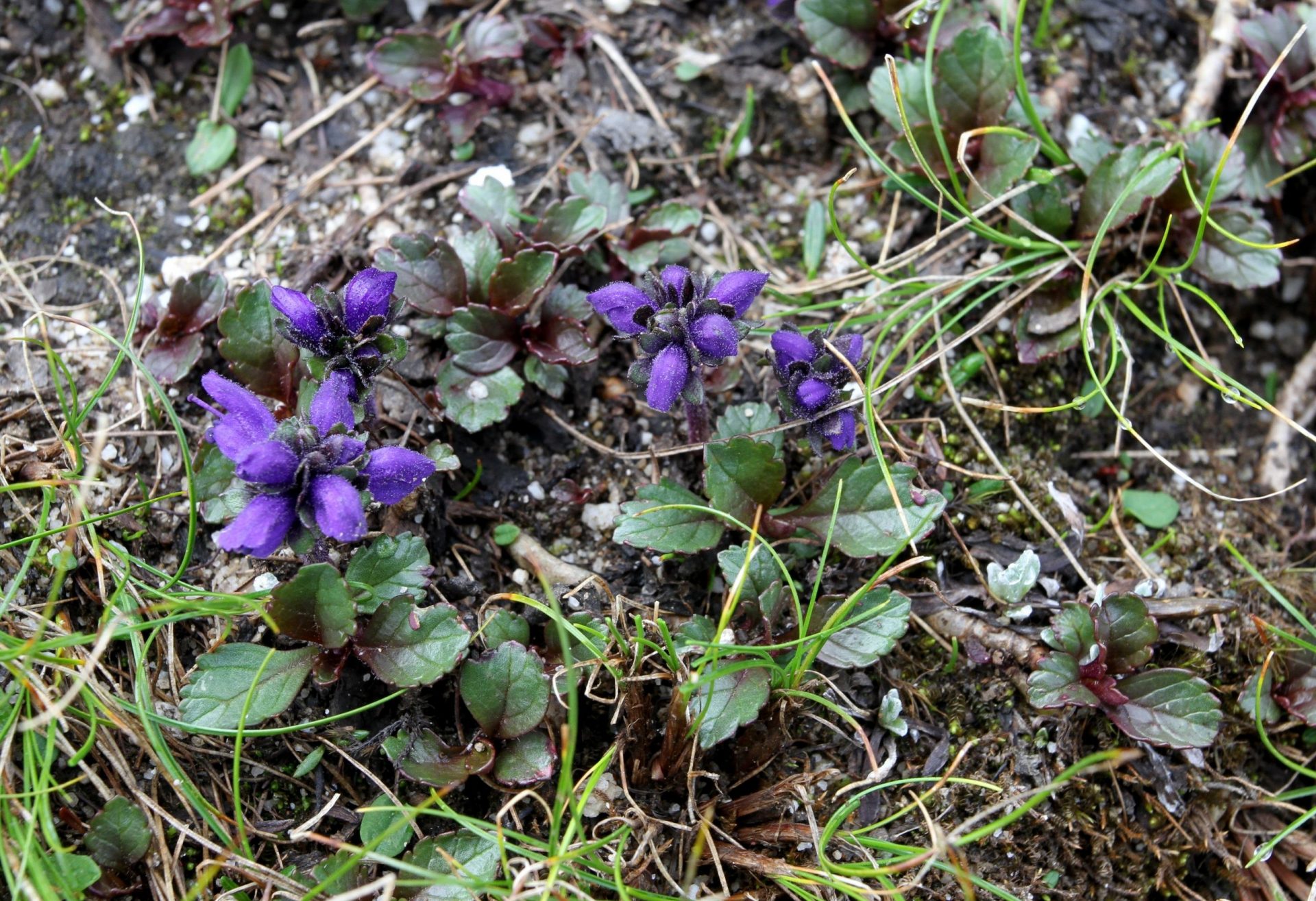
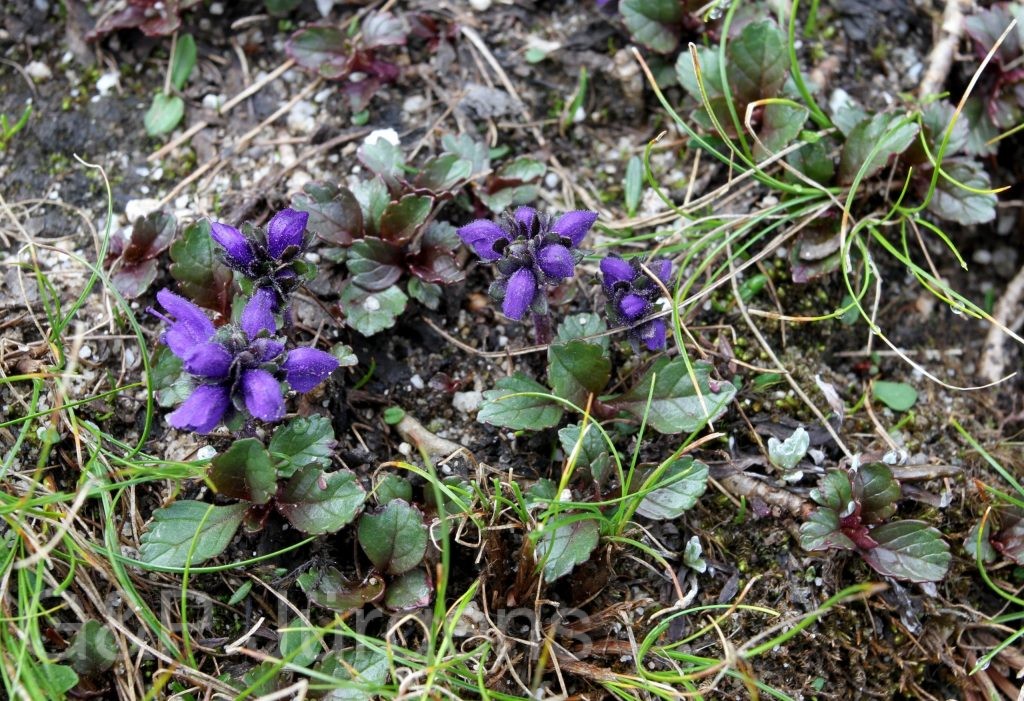
Neopicrorhiza minima is an extremely localised high-alpine herb known only from Bhutan, where GBIF holds a mere five records, underscoring its rarity and narrowly endemic distribution in the Eastern Himalaya. It is a plant of the upper alpine zone, growing on open rocky slopes, moist screes, moraines and short turf near the limit of vascular plant life, at around 4400 m. The plant photographed along the Ludlow-Sherriff Trail at Warrtlang-La in Bhutan at 4400 m in June captures it flowering in this severe, wind-exposed, snowmelt-fed environment during the brief alpine summer.
It is a small, dwarf perennial herb, as the epithet minima indicates, arising from a creeping, bitter rhizome and forming compact tufts or low mats. The leaves are basal, spathulate to oblong and crenate-toothed, narrowing into a petiole. The flowers are borne in a short, dense, terminal raceme or spike on a low scape; each flower has a small calyx and a tubular, somewhat two-lipped corolla, typically bluish-purple to mauve, with four exserted stamens. The fruit is a small capsule containing numerous minute seeds.
Neopicrorhiza was segregated from Picrorhiza, the bitter-rhizomed Himalayan herbs once placed in Scrophulariaceae and now referred to Plantaginaceae following molecular work on the lamiid families; N. scrophulariiflora is the better-known relative, valued medicinally. N. minima, described by R.R. Mill, is distinguished by its diminutive stature and high-alpine habitat. Its single-country endemism and very small number of records mark it as a species of genuine conservation concern, dependent on its restricted Bhutanese high-mountain habitat.
Author: R.R.Mill · Sources: POWO (Kew), GBIF, Flora of Bhutan, Annotated Checklist of the Flowering Plants of Nepal, Hong Scrophulariaceae monograph