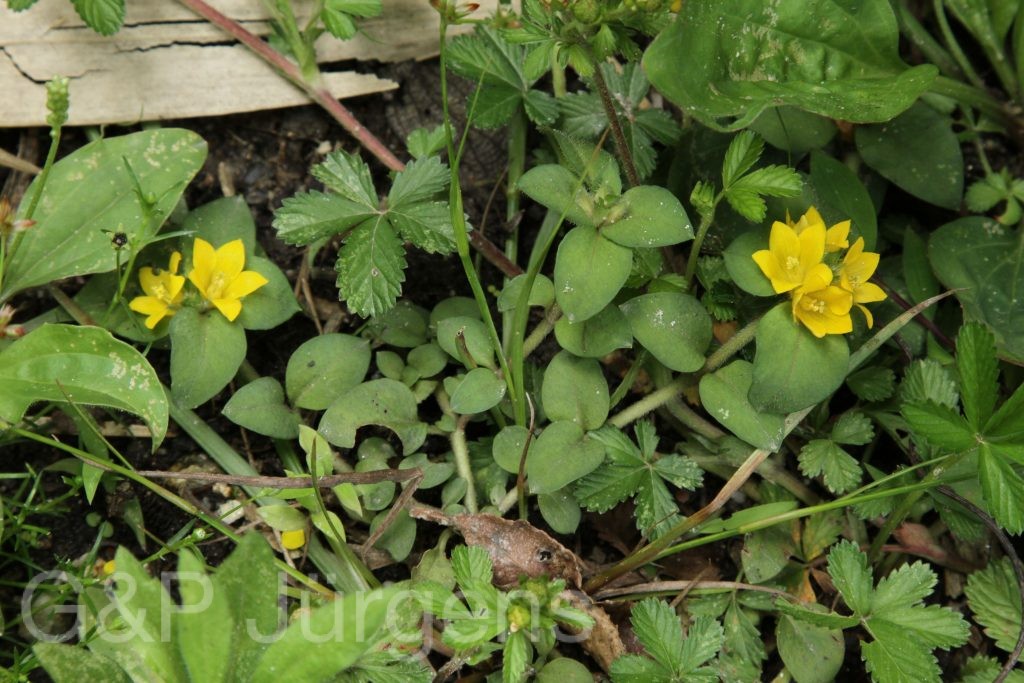
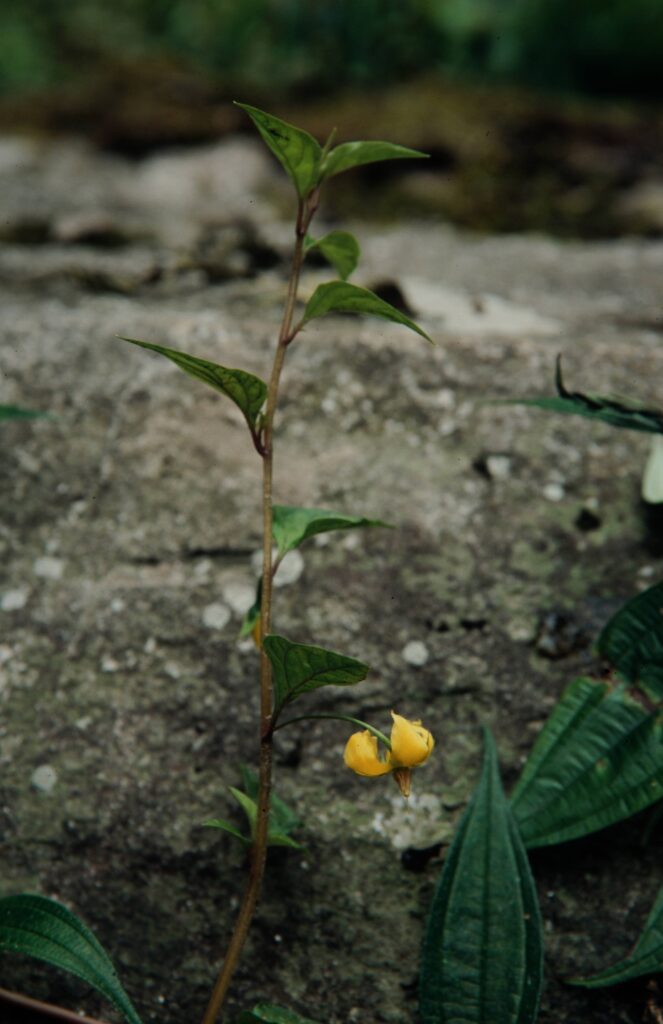
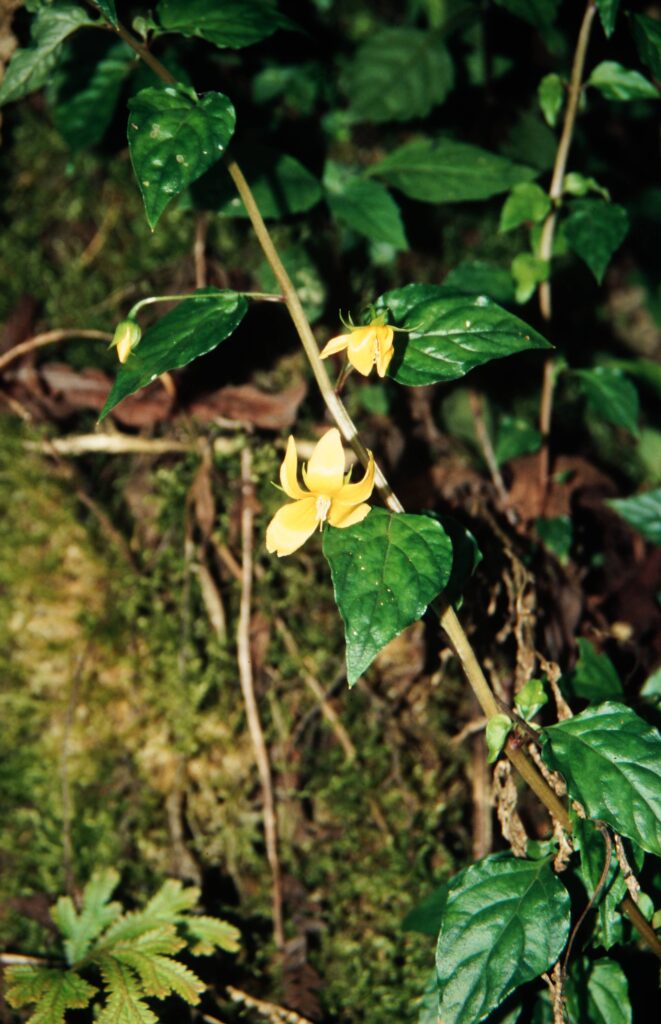
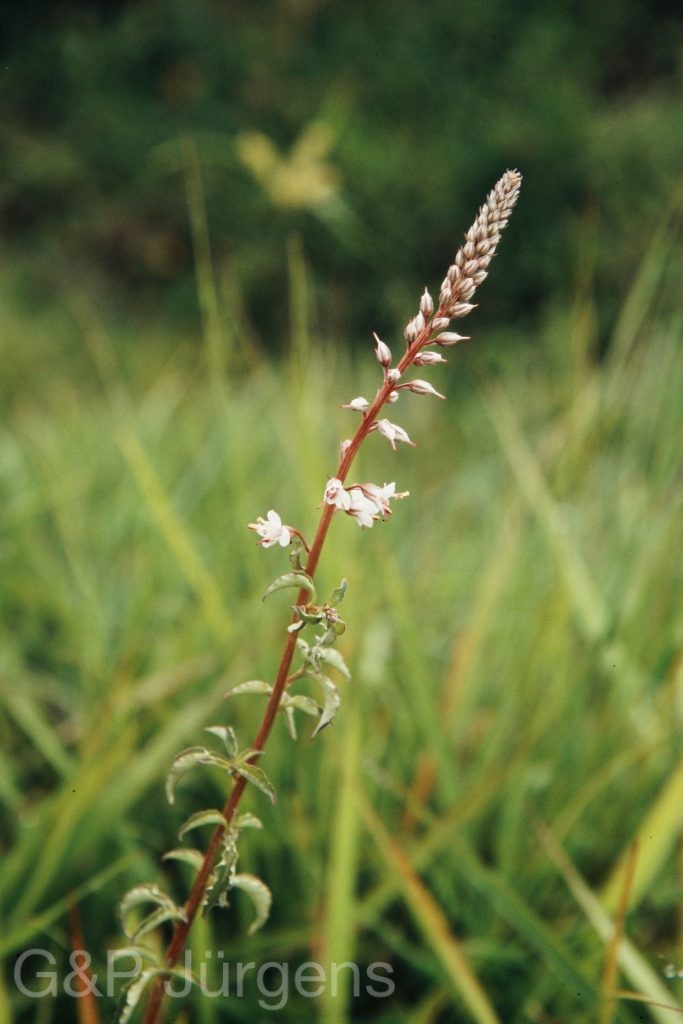
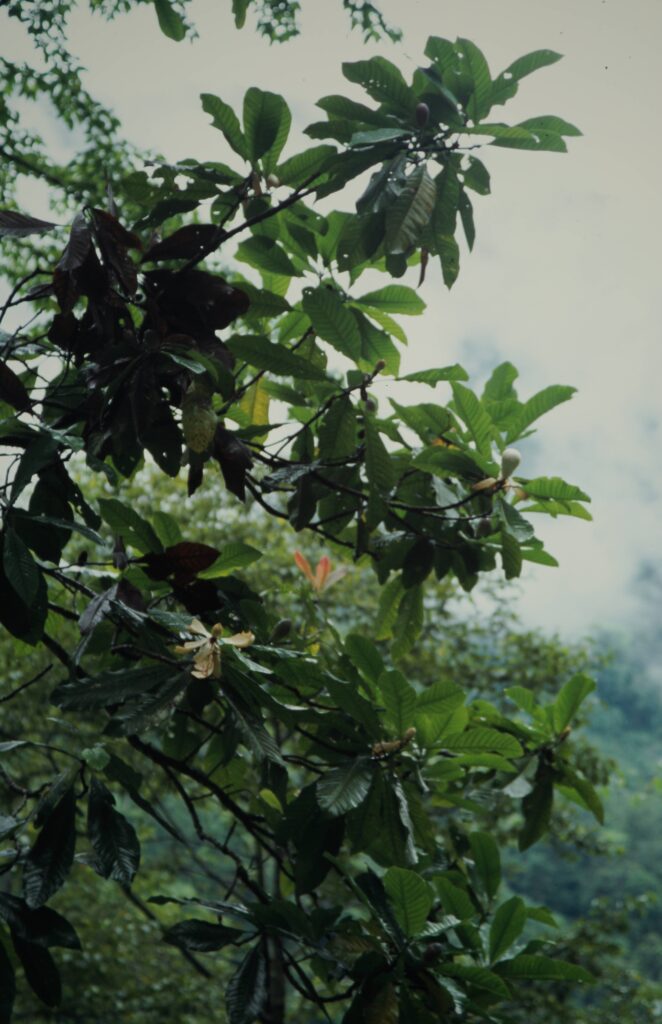
(Wall. ex C.B. Clarke) Hand.-Mazz.
Description
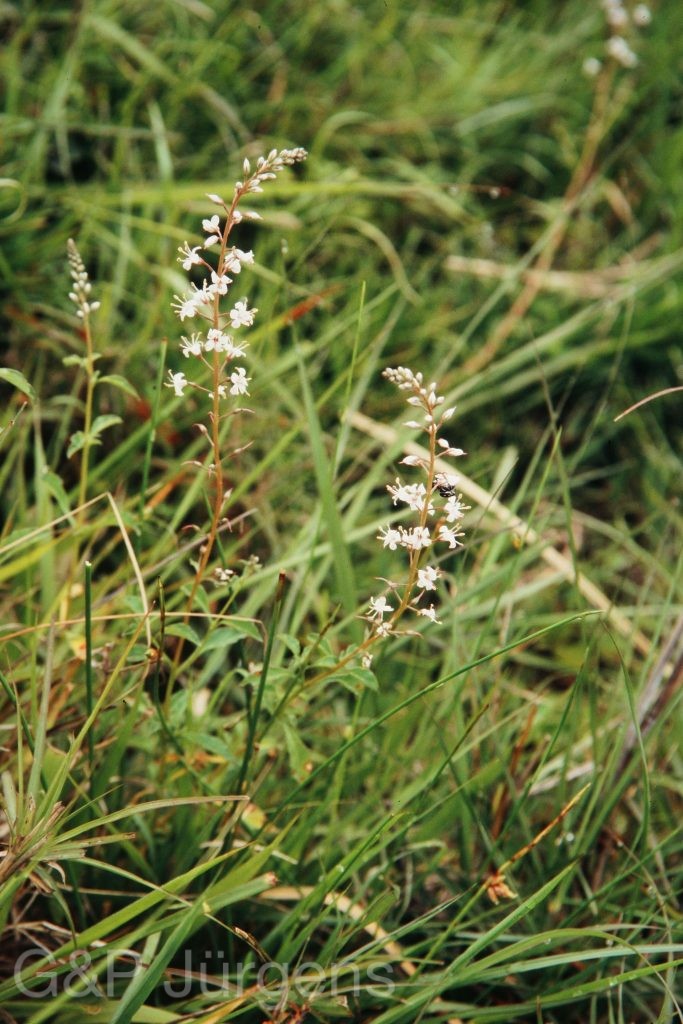
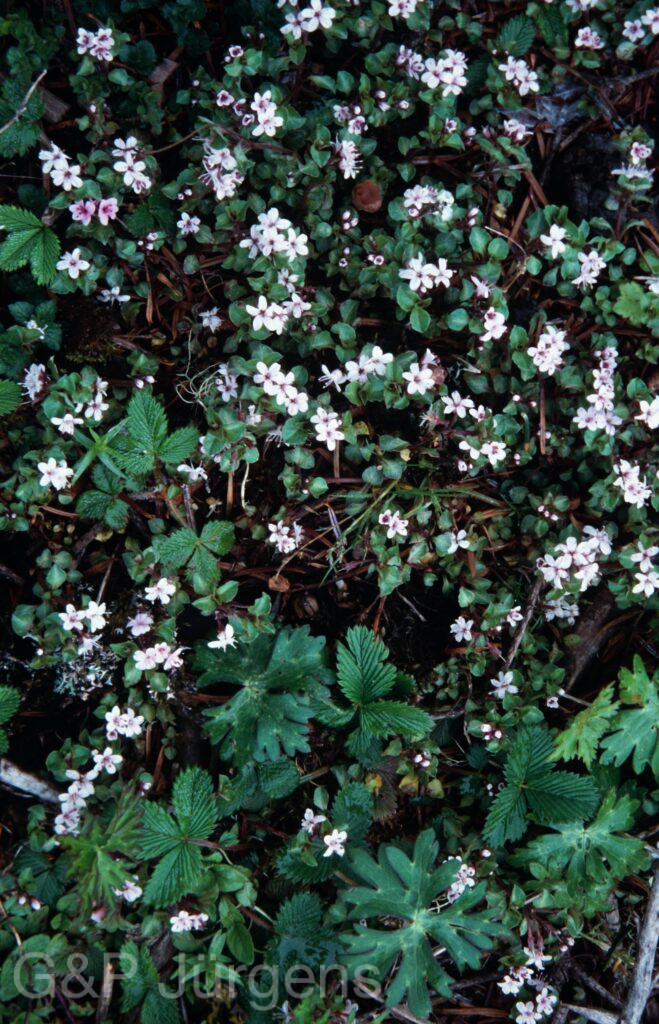
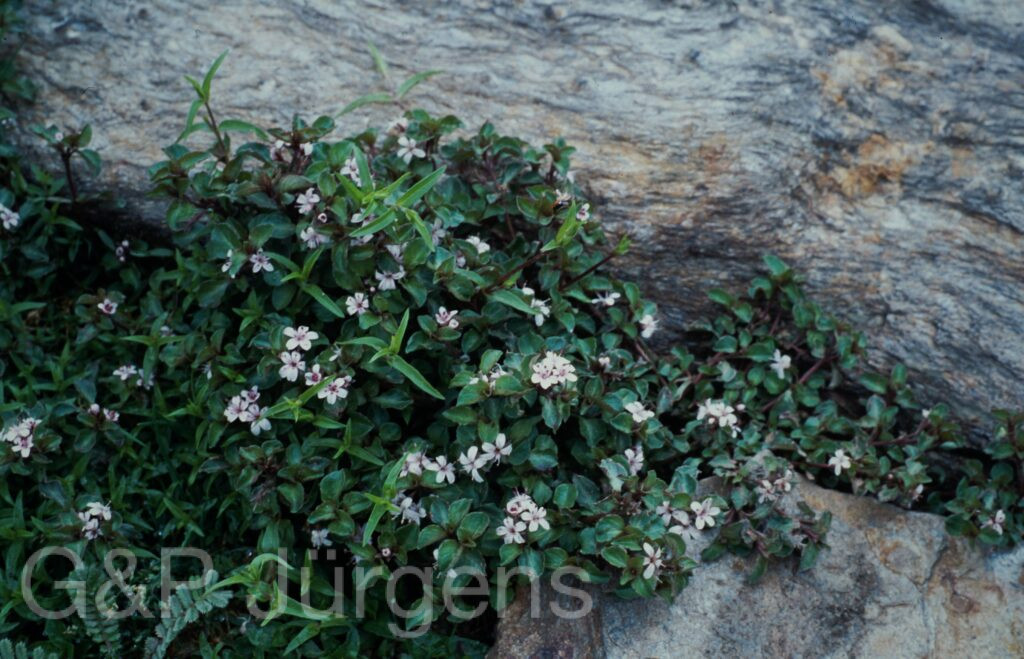
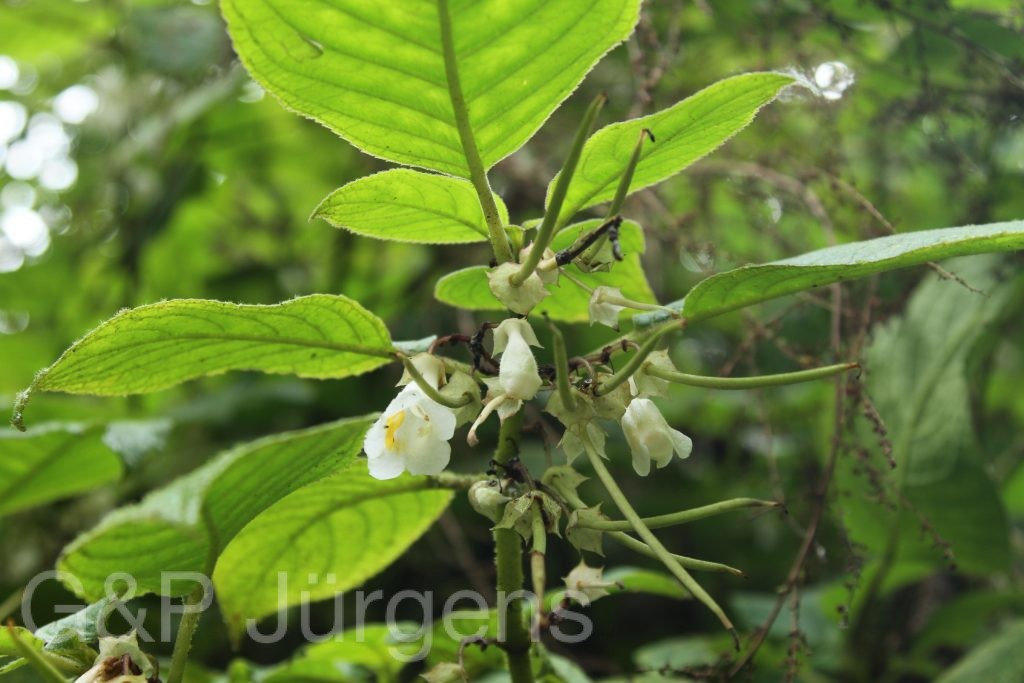
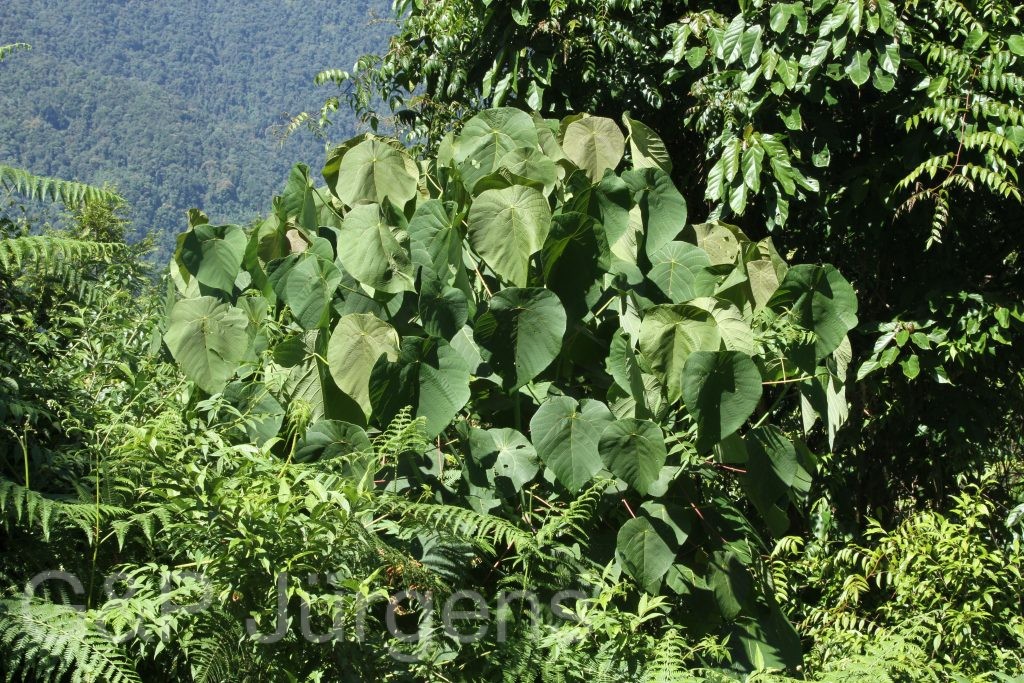
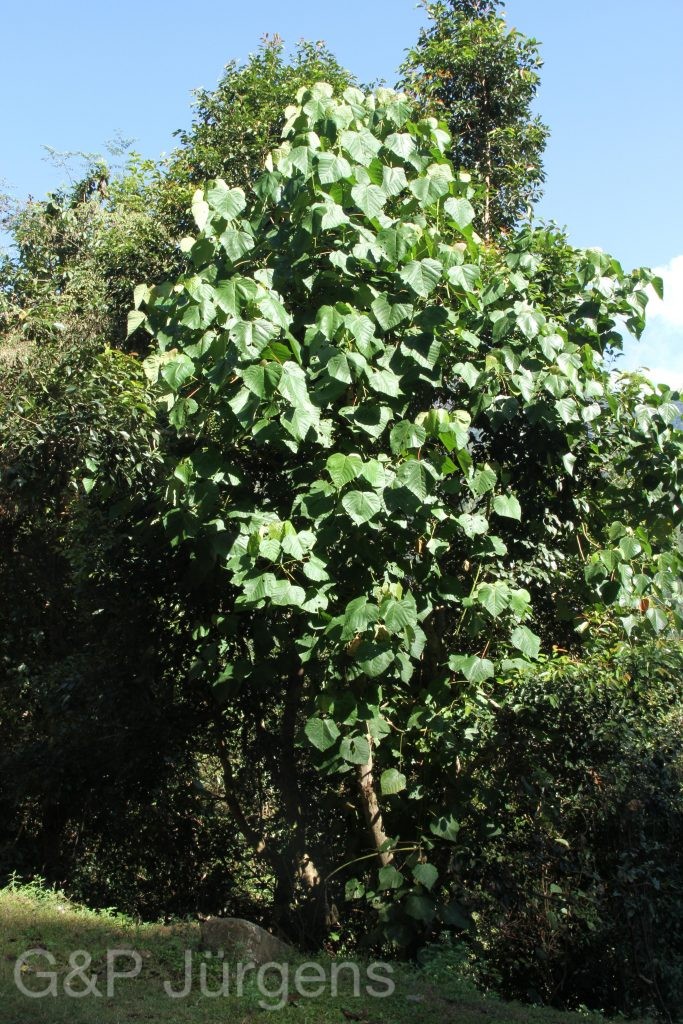
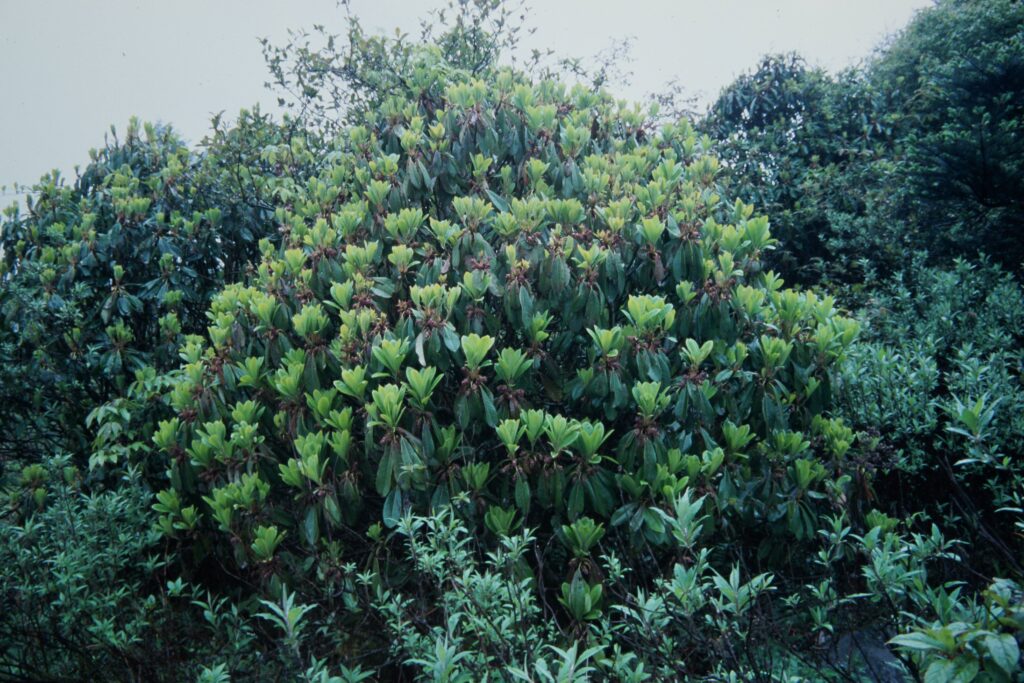
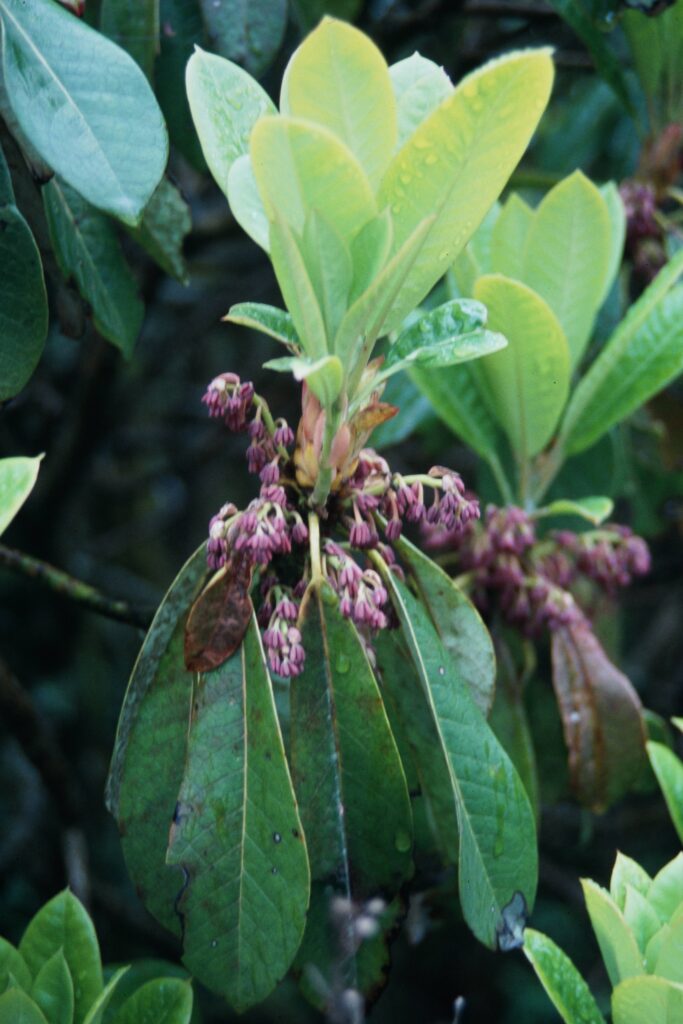
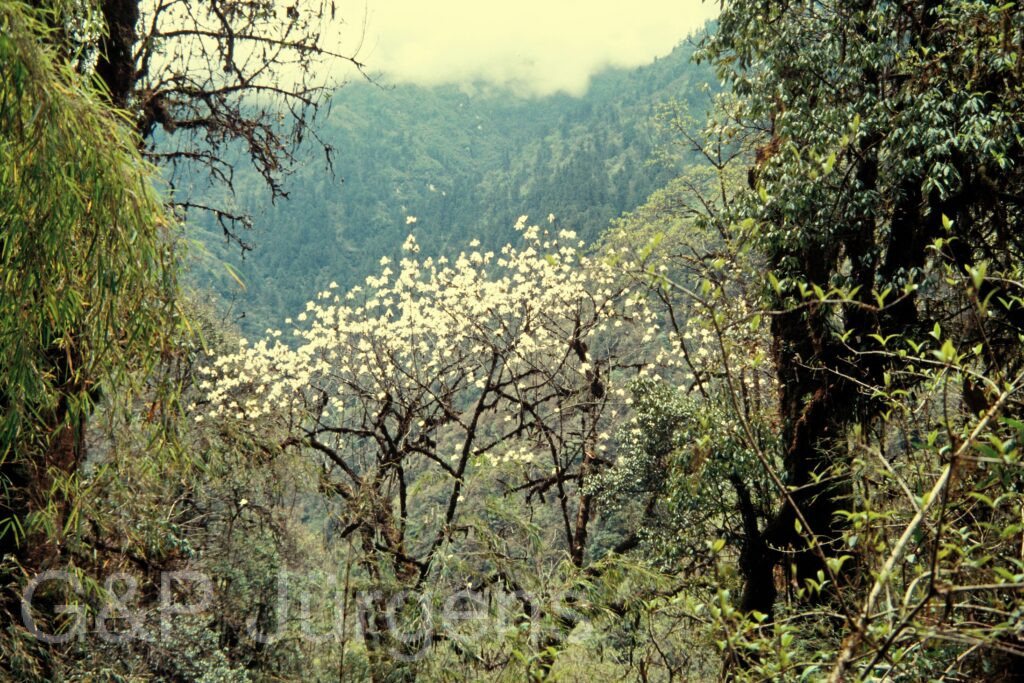
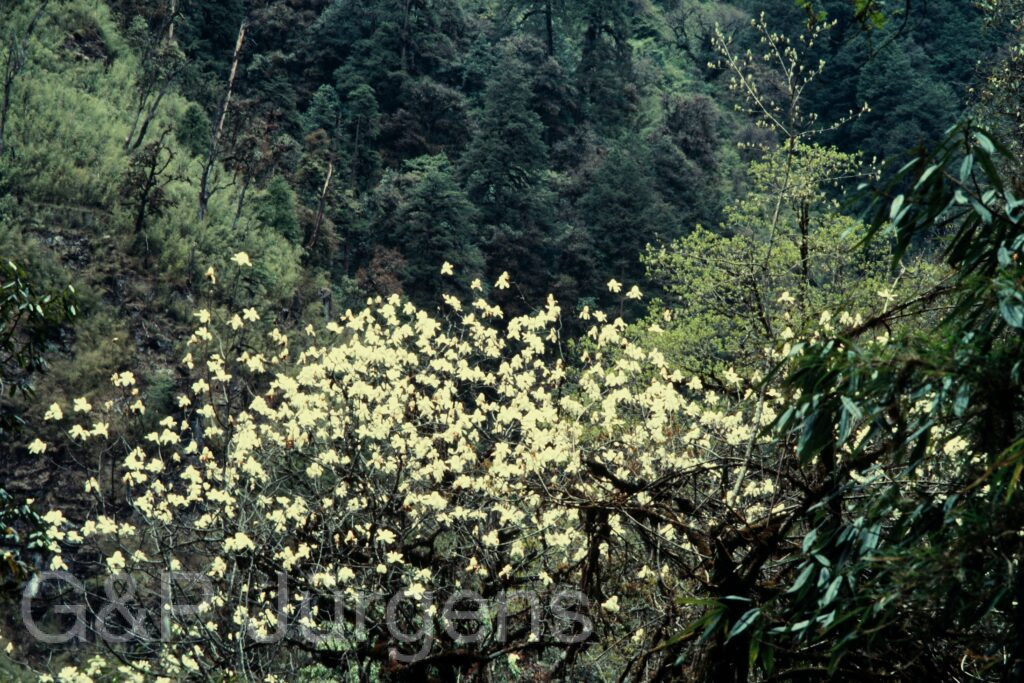
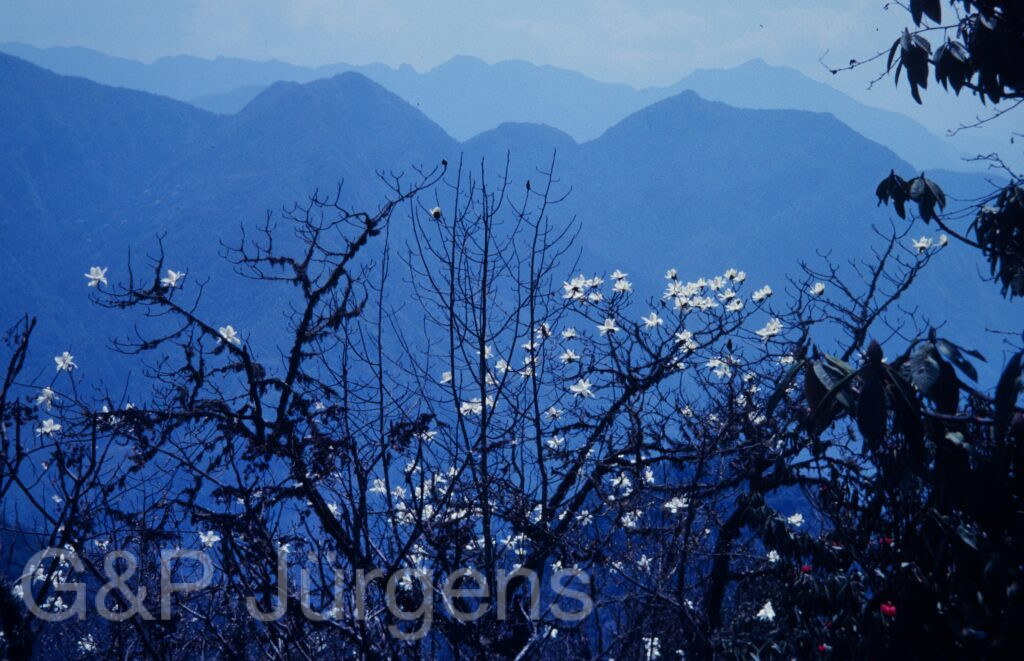
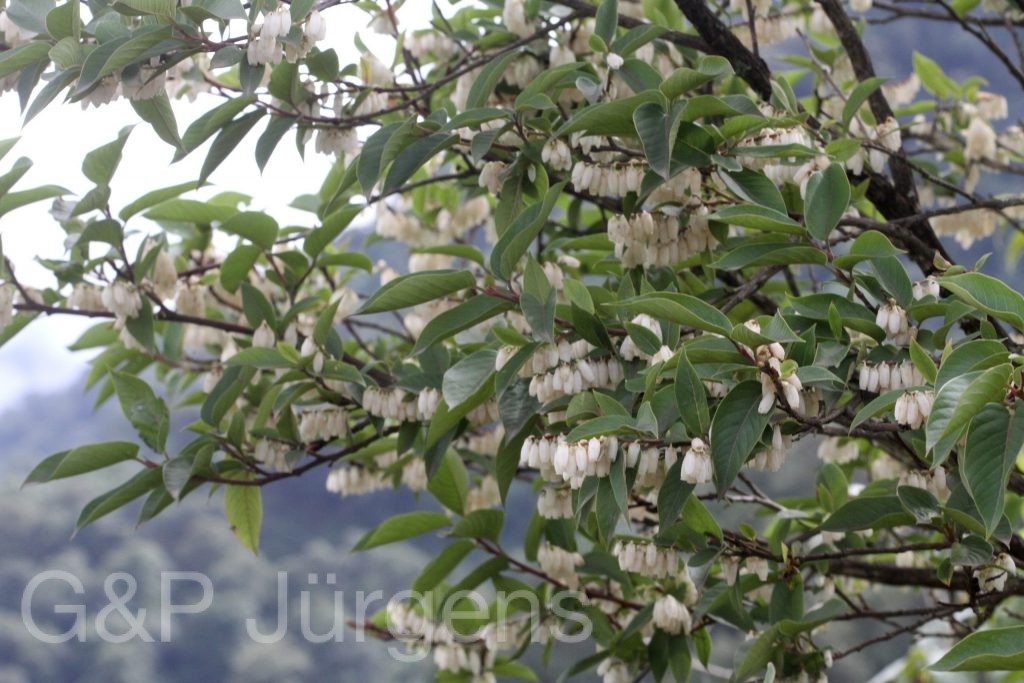
Lyonia villosa (Wall. ex C.B.Clarke) Hand.-Mazz. is a widely distributed Sino-Himalayan shrub recorded from China, Nepal, Bhutan, India, Myanmar, Vietnam and Japan, with more than 1300 georeferenced occurrences in GBIF, reflecting its broad range across the eastern Himalaya and southern China. It grows in temperate forest, forest margins, thickets and open rocky hillsides, commonly between about 1500 and 3500 m. The plant photographed near Wangdi at 2400 m in June is characteristic of its mid-elevation habitat, where it forms part of the understorey and scrub of mixed broadleaved and conifer woodland.
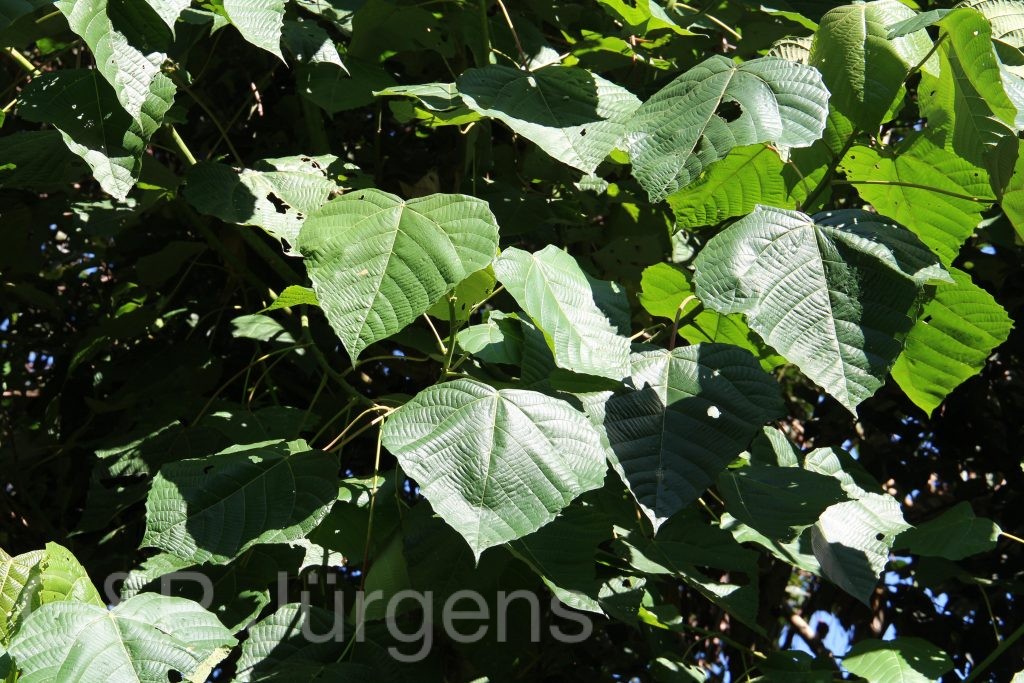
It is a deciduous shrub or small tree with villous to tomentose young branchlets, the indumentum giving rise to the epithet. The leaves are alternate, ovate to elliptic, entire, with a pubescent surface and prominent venation. The white, urceolate (urn-shaped) flowers are borne in axillary racemes or fascicles along the branches; each corolla is shortly five-lobed at the contracted mouth, with included stamens whose anthers bear awns, and a superior ovary maturing into a woody, dehiscent, five-valved capsule. The capsule has thickened sutures, a diagnostic feature of the genus, and releases numerous small seeds.
Lyonia belongs to the tribe Lyonieae of the Ericaceae and is allied to Pieris and Agarista; the thickened capsule sutures and awned anthers separate it from these relatives. Several varieties have been recognised within L. villosa on the basis of indumentum density and leaf shape. As in many Ericaceae the foliage is reported to be toxic to livestock. The species is common and widespread and is not considered threatened.
Author: (Wall. ex C.B. Clarke) Hand.-Mazz. · Sources: POWO (Kew), GBIF, Flora of China, Flora of Bhutan, Judd revision of Lyonia (Ericaceae)