Petr.
Description
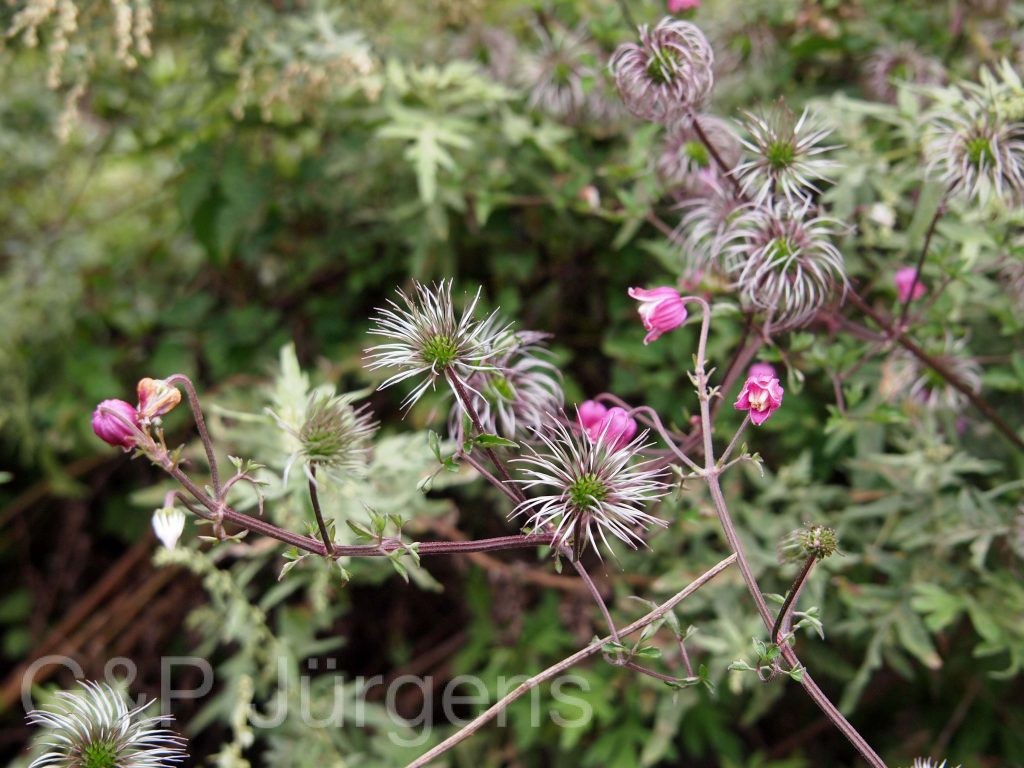
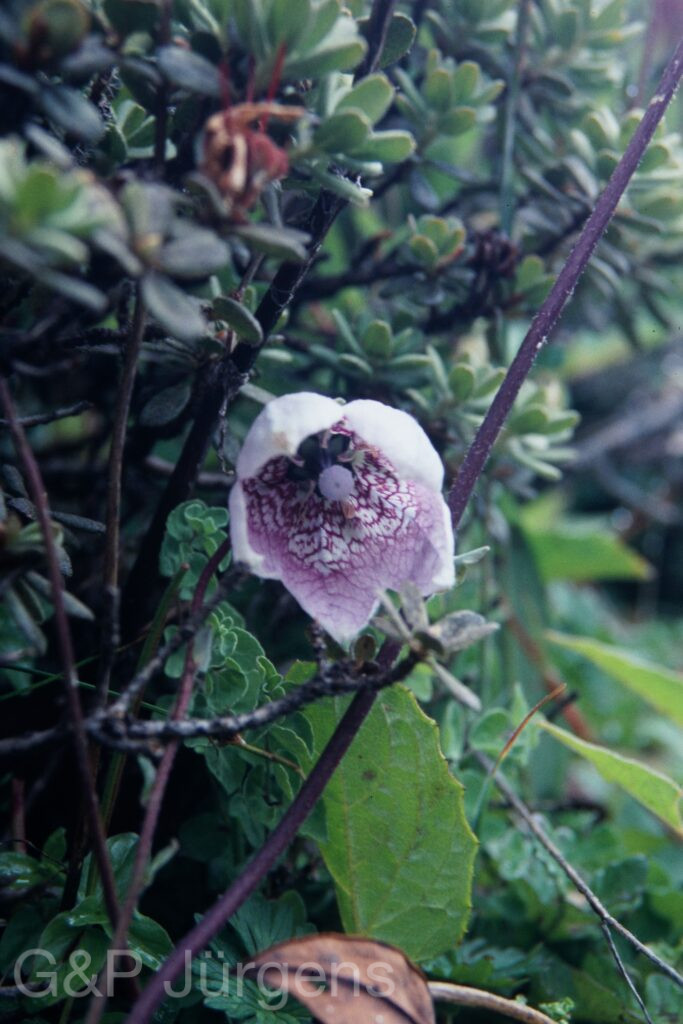
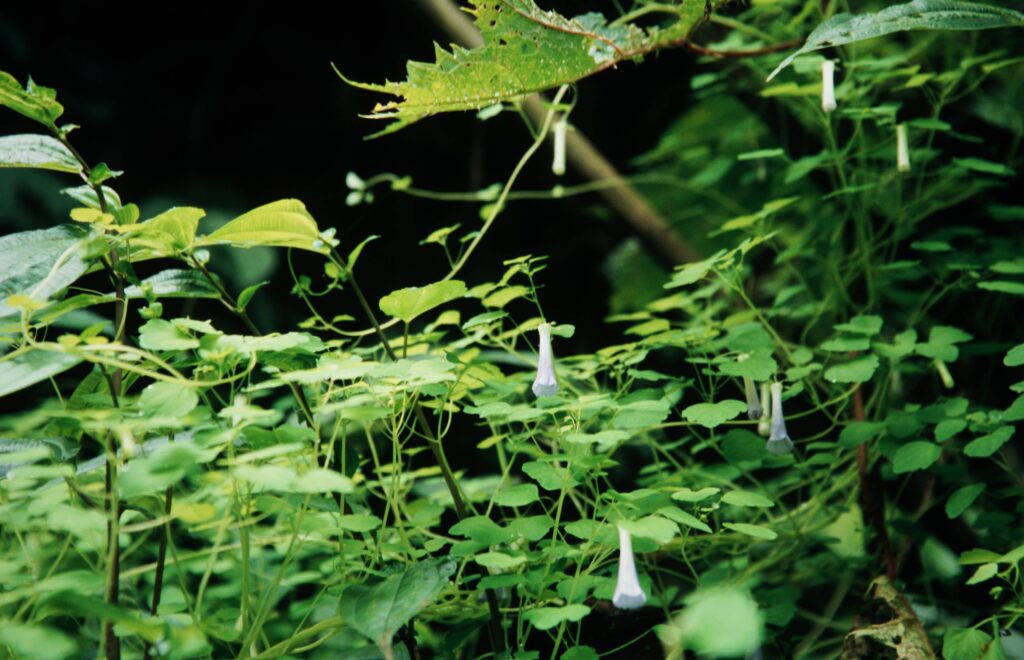
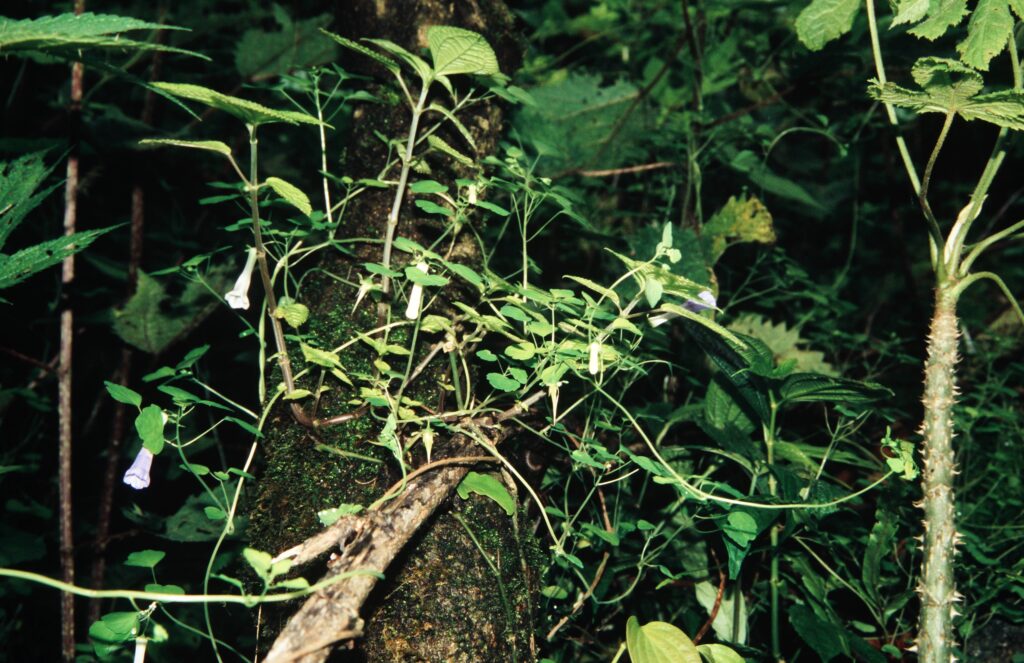
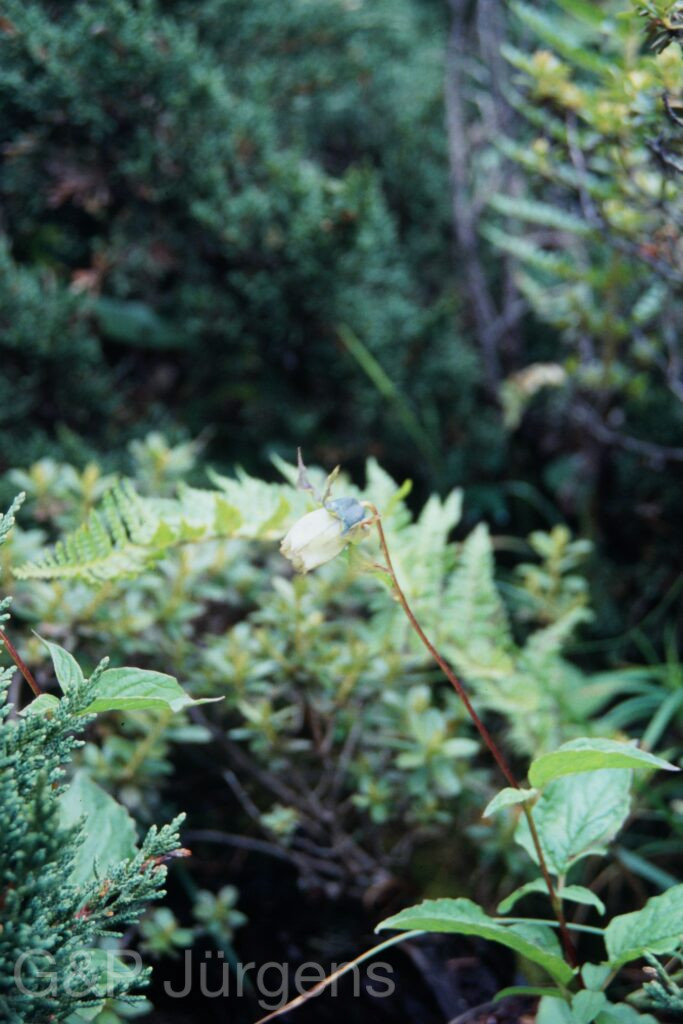
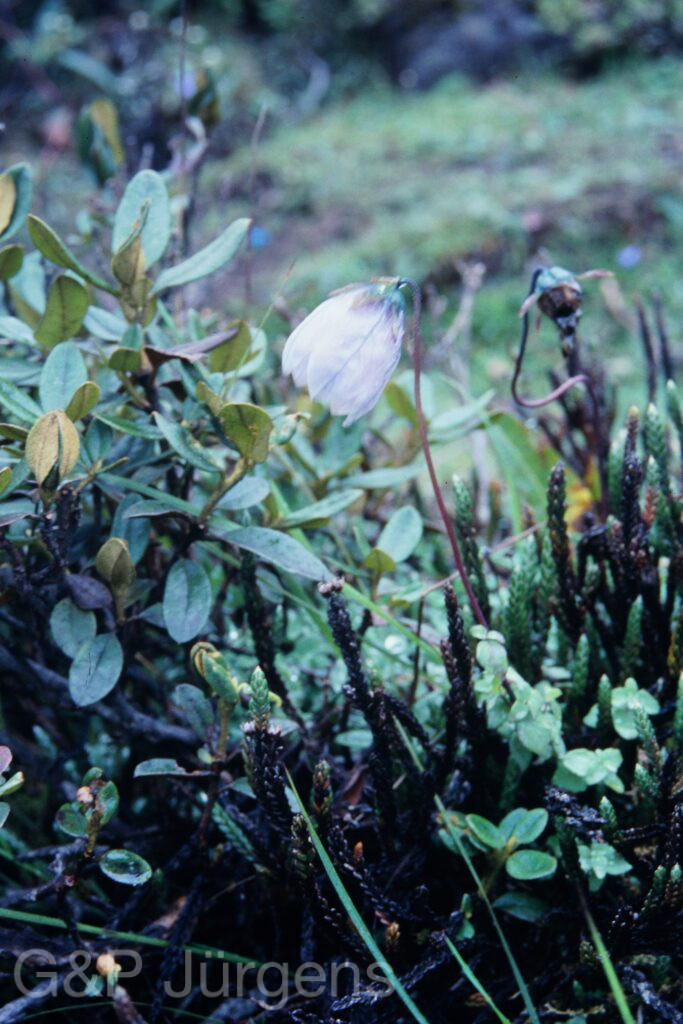
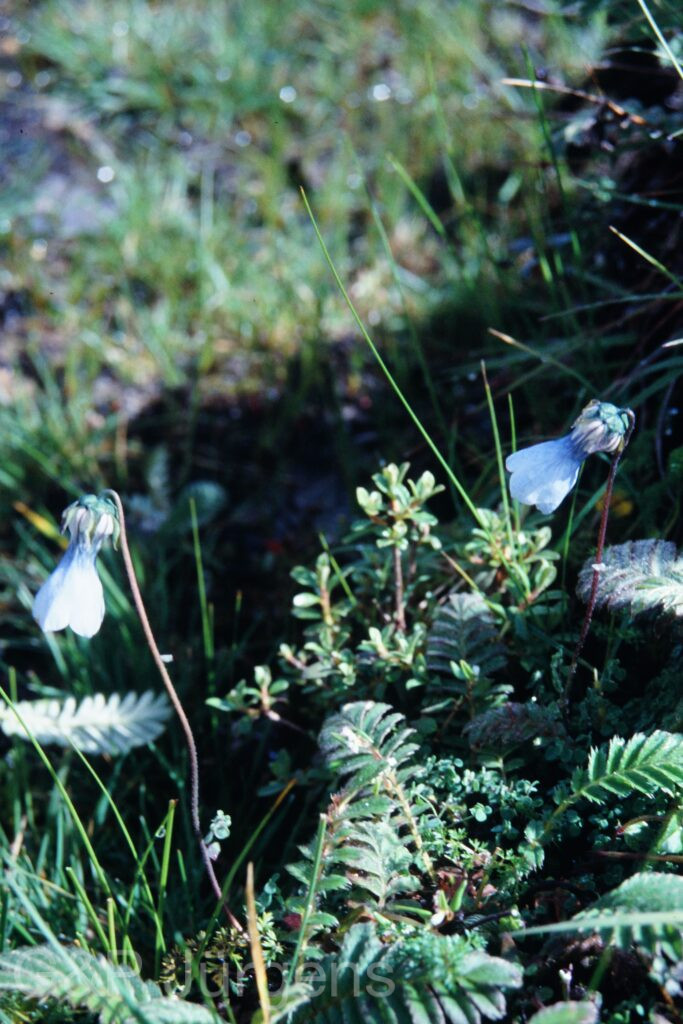
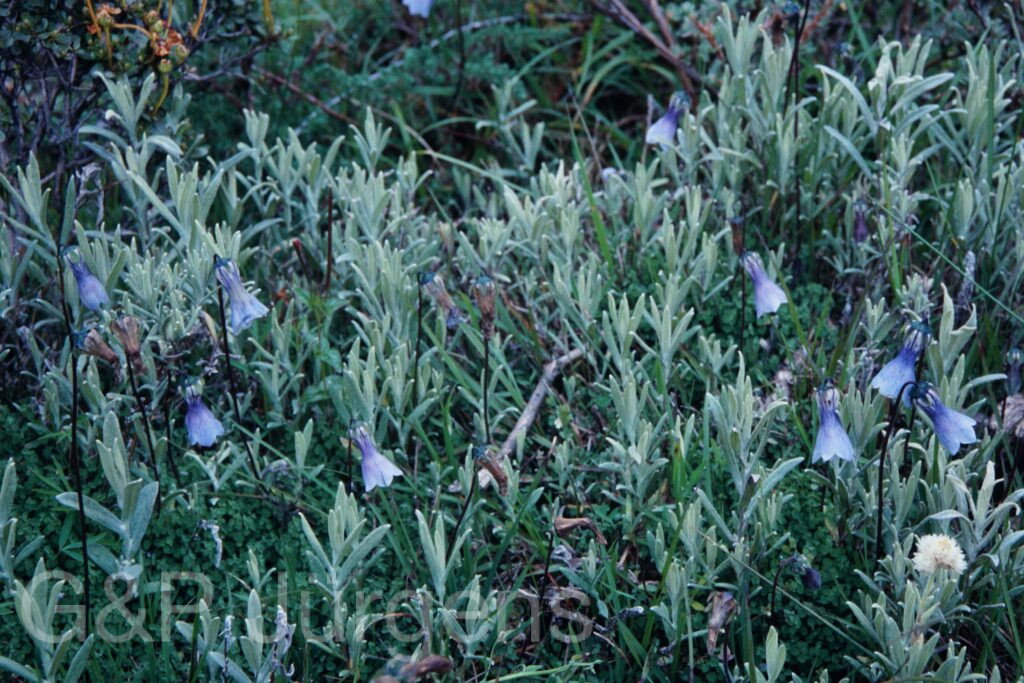
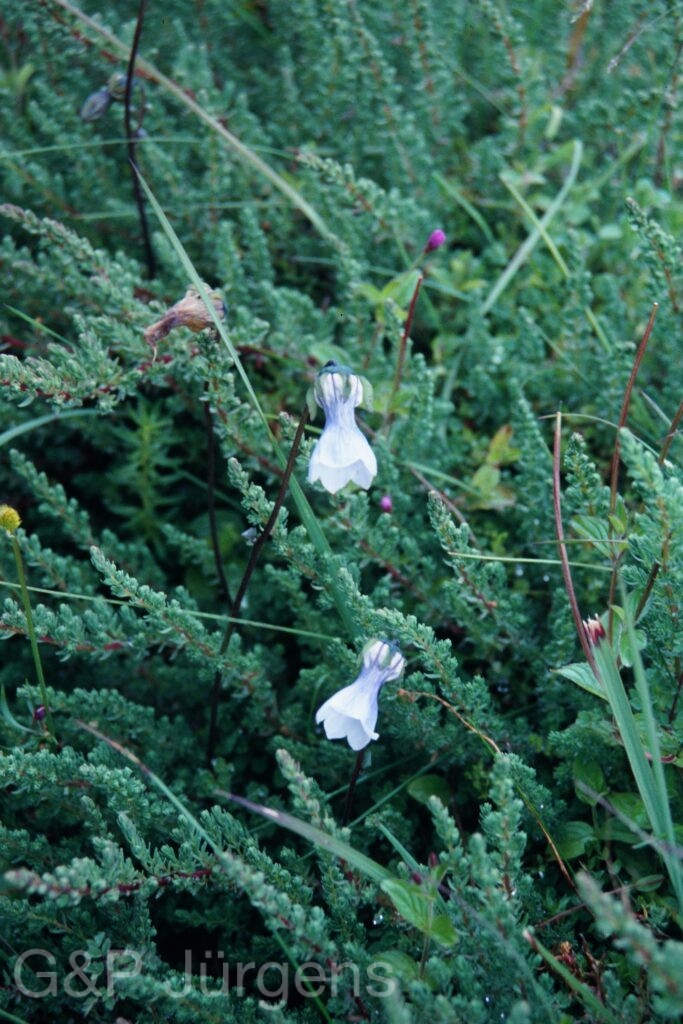
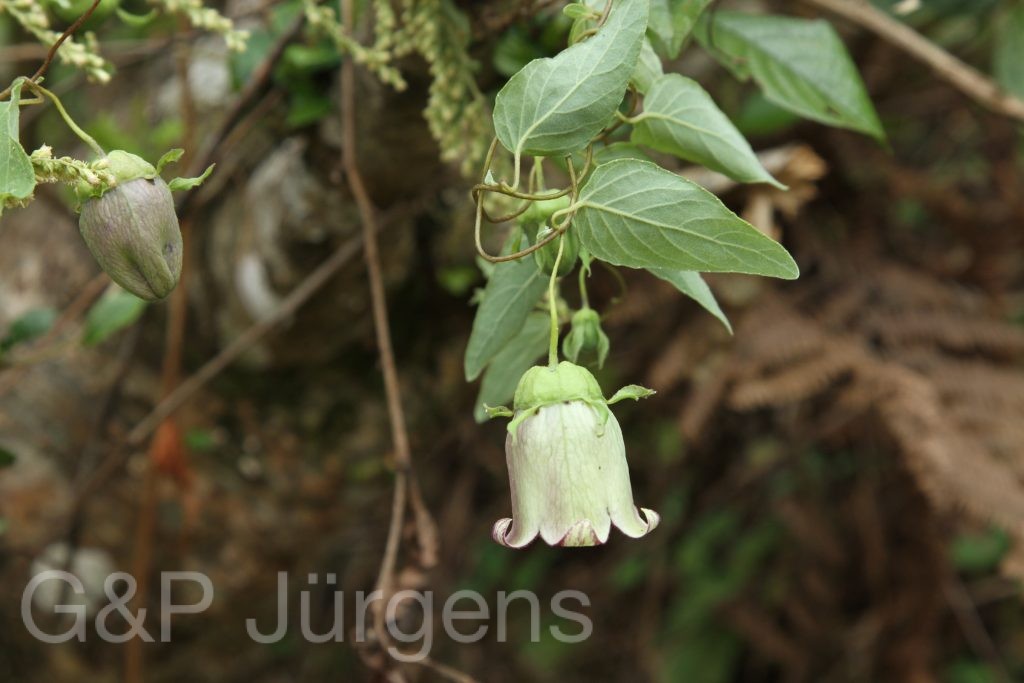
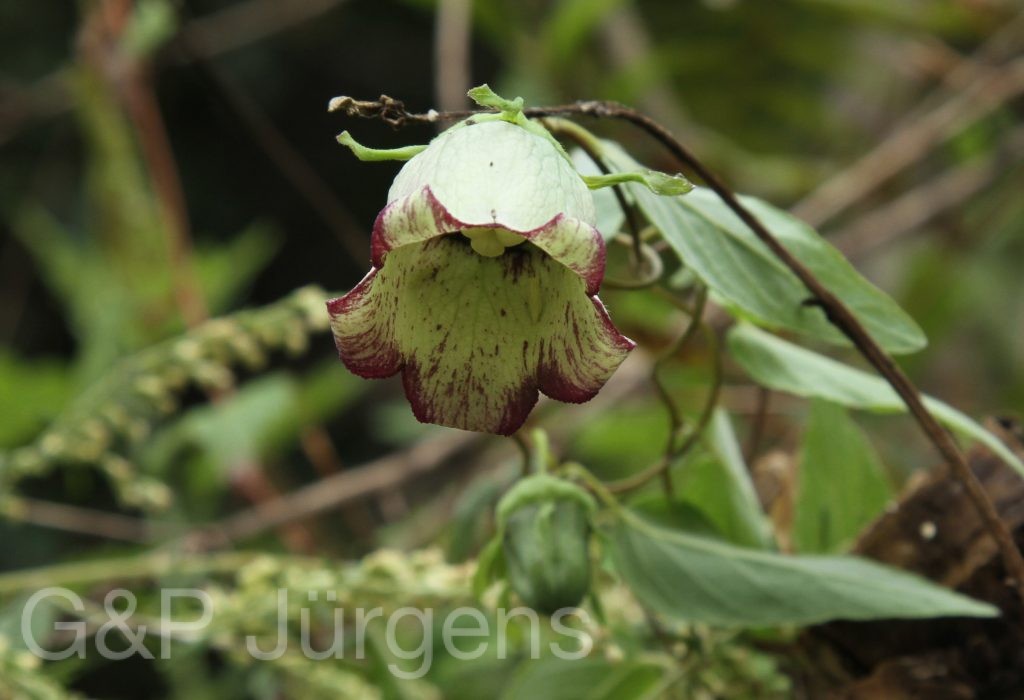
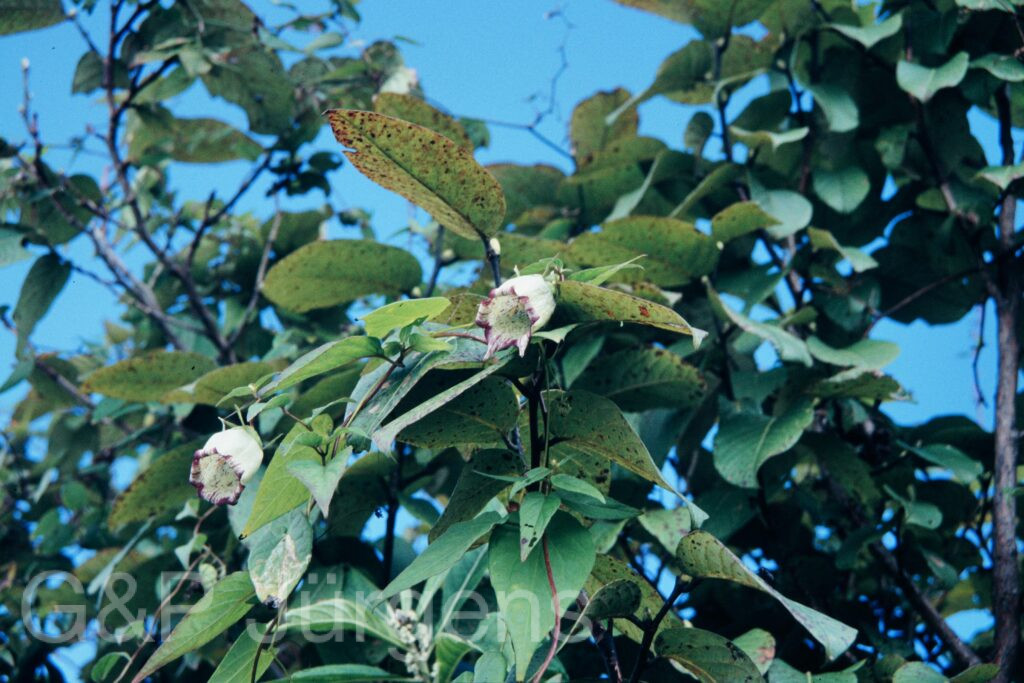
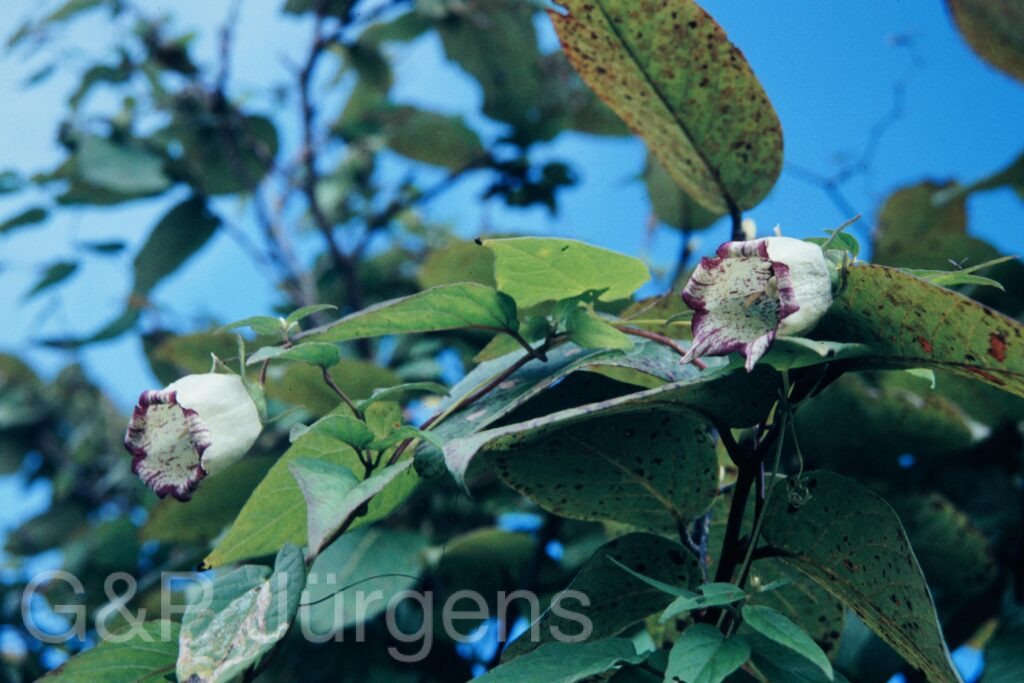
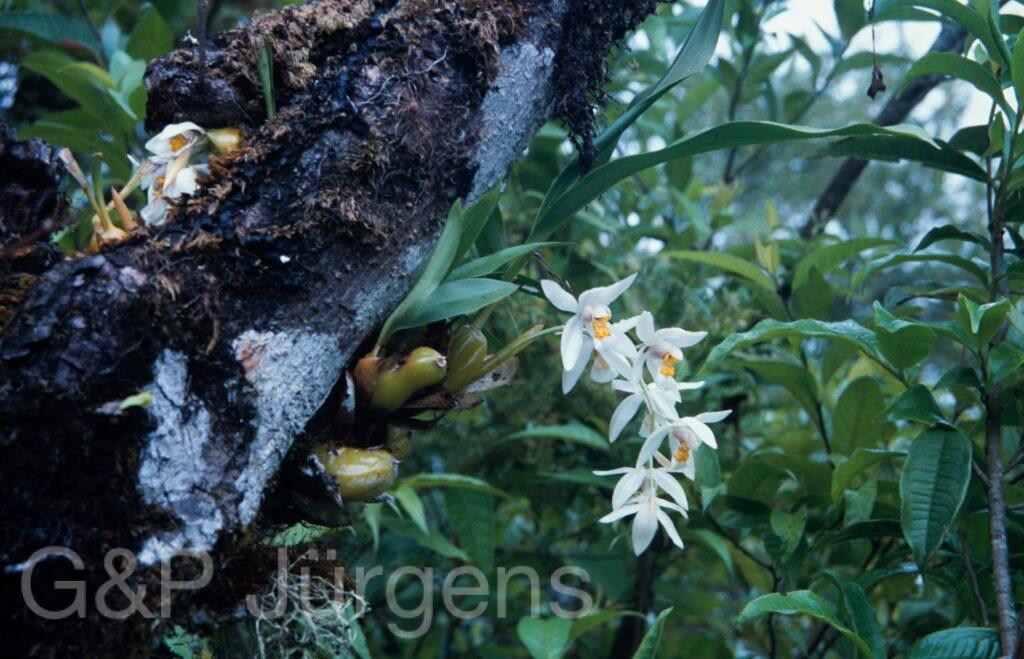
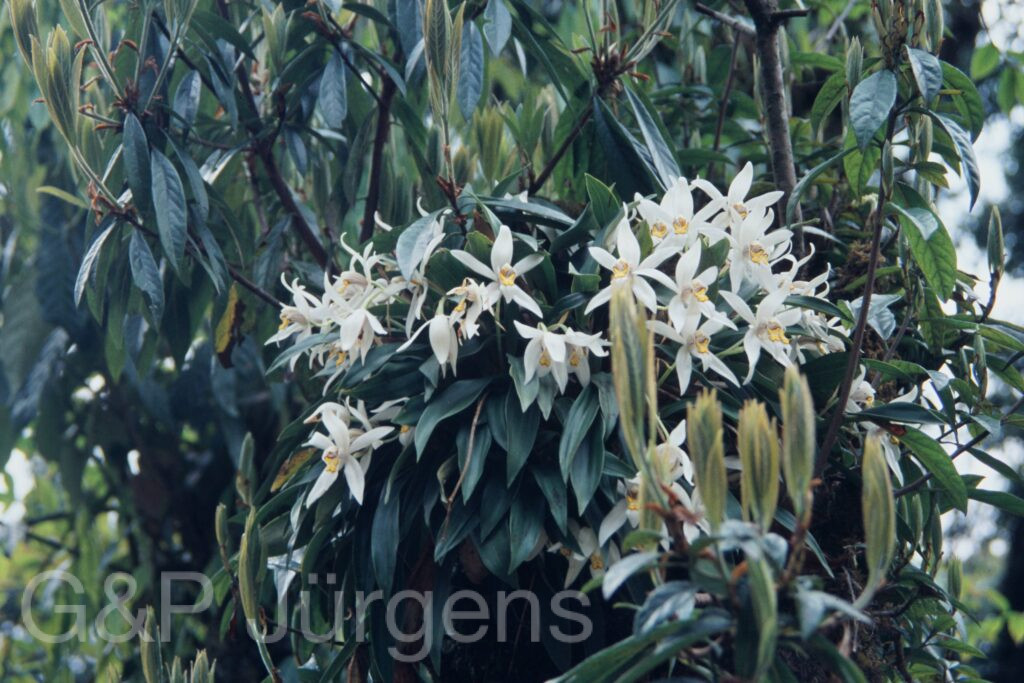
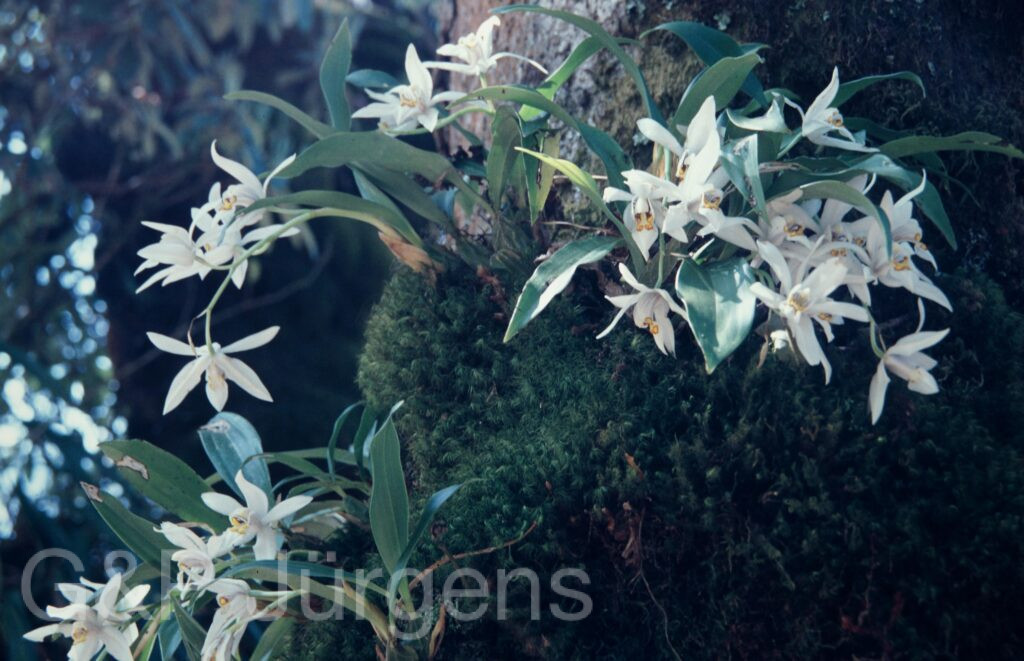
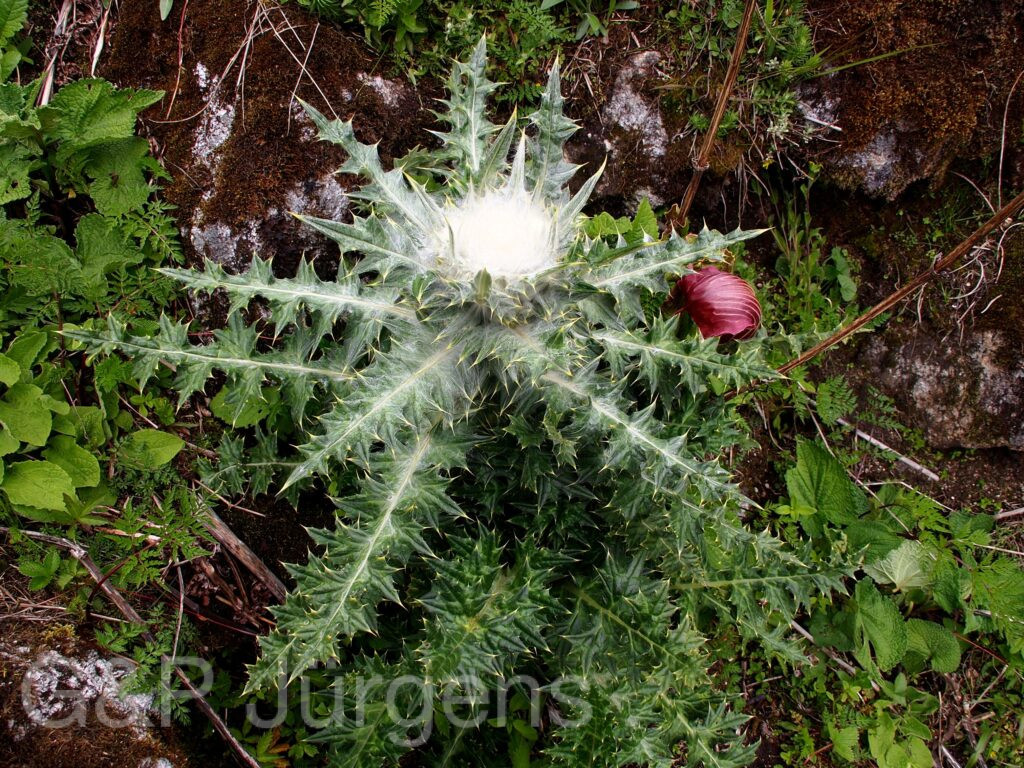
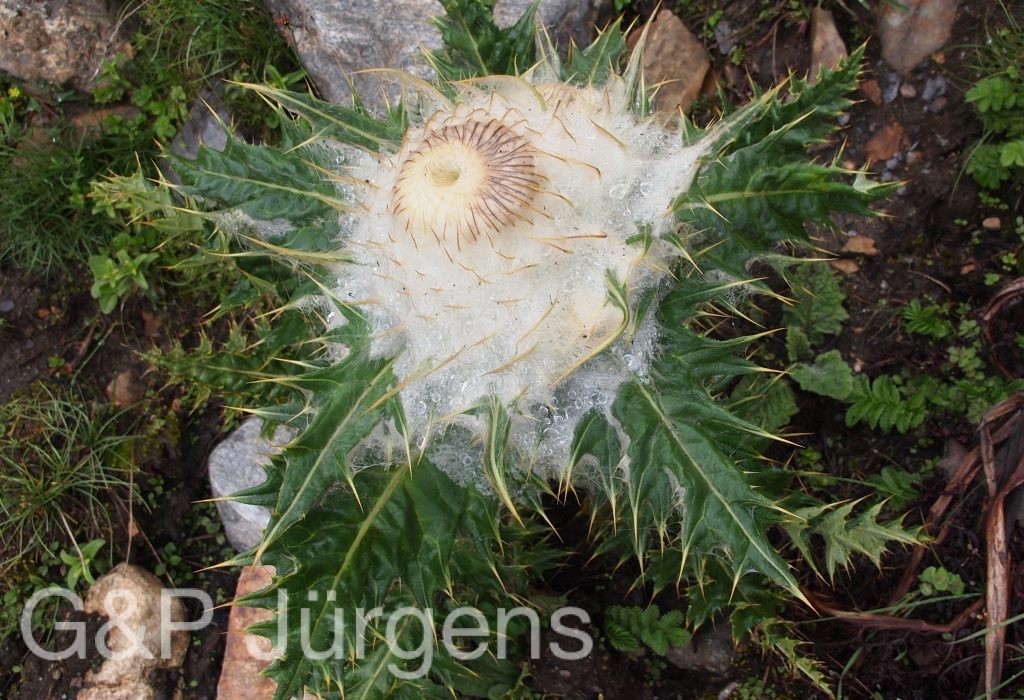
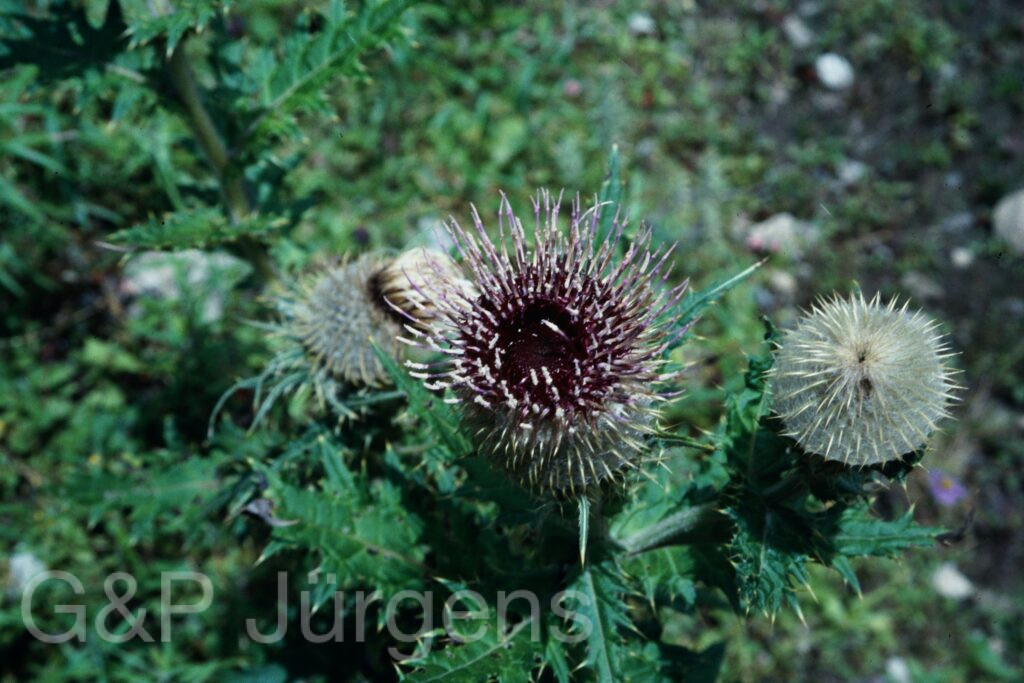
Cirsium eriophoroides is a robust alpine thistle of the eastern Himalaya and Sino-Tibetan mountains, recorded from China, India, Bhutan, Myanmar and Nepal, with about 234 GBIF occurrences. It grows in subalpine to alpine meadows, open grassy slopes, forest clearings and disturbed pasture, generally between about 3000 and 4500 m. The photographed plants come from Lada-La in Sikkim (3800 m, June), Jule-Tso in Bhutan (4200 m, June) and the Zemu Valley in Sikkim (3400 m, August), spanning the early and late high-Himalayan growing season.
The plant is a stout biennial or perennial herb with an erect, ridged, cobwebby-woolly stem reaching well over a metre. The leaves are oblong-lanceolate, deeply pinnatifid and conspicuously spiny along the margins, decurrent on the stem and white-tomentose beneath. The large capitula are solitary or few at the stem apex, subtended by leafy bracts and densely enveloped in long, white, arachnoid wool, the epithet "eriophoroides" likening this to the cottongrass Eriophorum. The involucral phyllaries are narrow and spine-tipped; the florets are tubular and purple to reddish, the fruit a smooth cypsela bearing a plumose pappus of feathery bristles.
Cirsium is a large genus of the tribe Cardueae, and C. eriophoroides represents the woolly-headed high-montane element well developed in the Sino-Himalaya. Its conspicuous capitula are visited by bumblebees and other long-tongued insects. Widespread and often associated with grazed ground, it is not regarded as threatened.
Author: Petr. · Sources: POWO (Kew), GBIF, Flora of China, Flora of Bhutan, Annotated Checklist of the Flowering Plants of Nepal, Compositae of the Sino-Himalaya (Cardueae studies)