Buch.-Ham. ex D.Don
Description
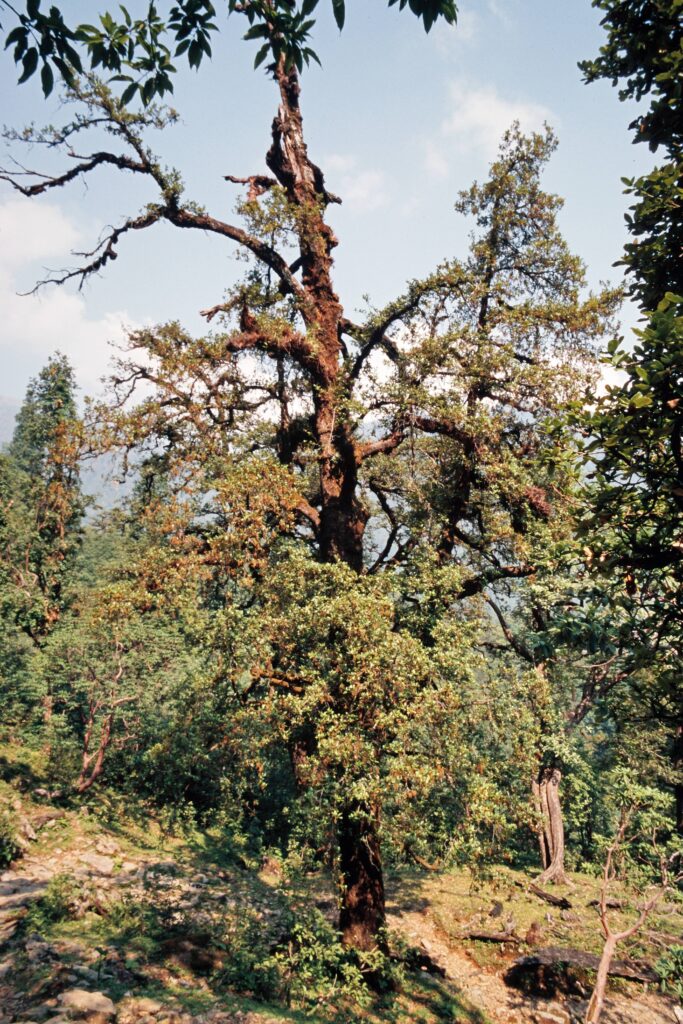
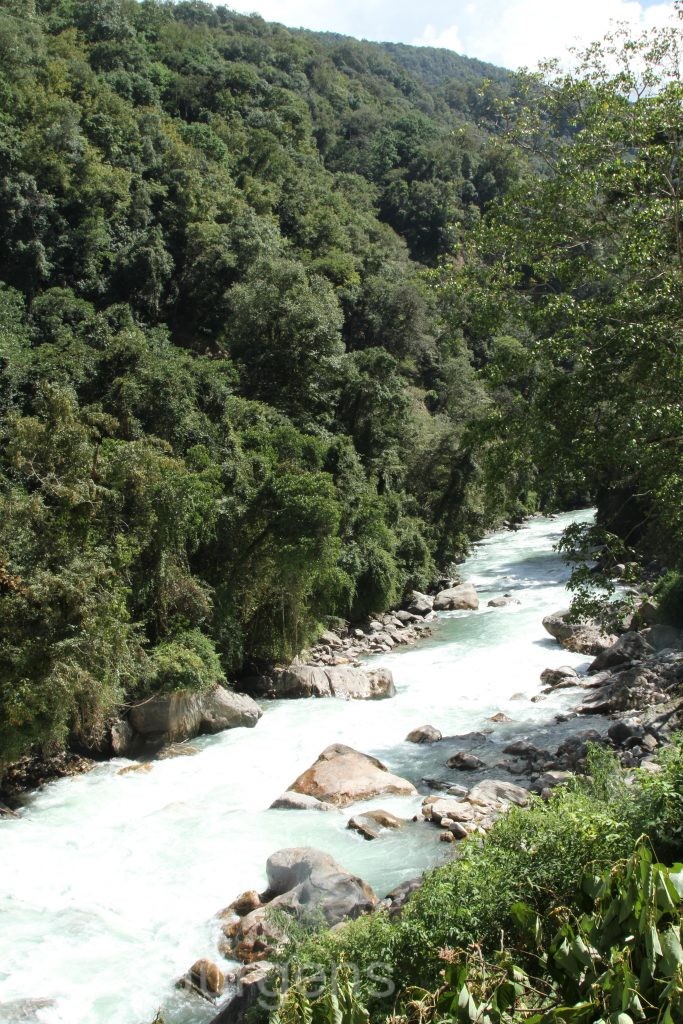
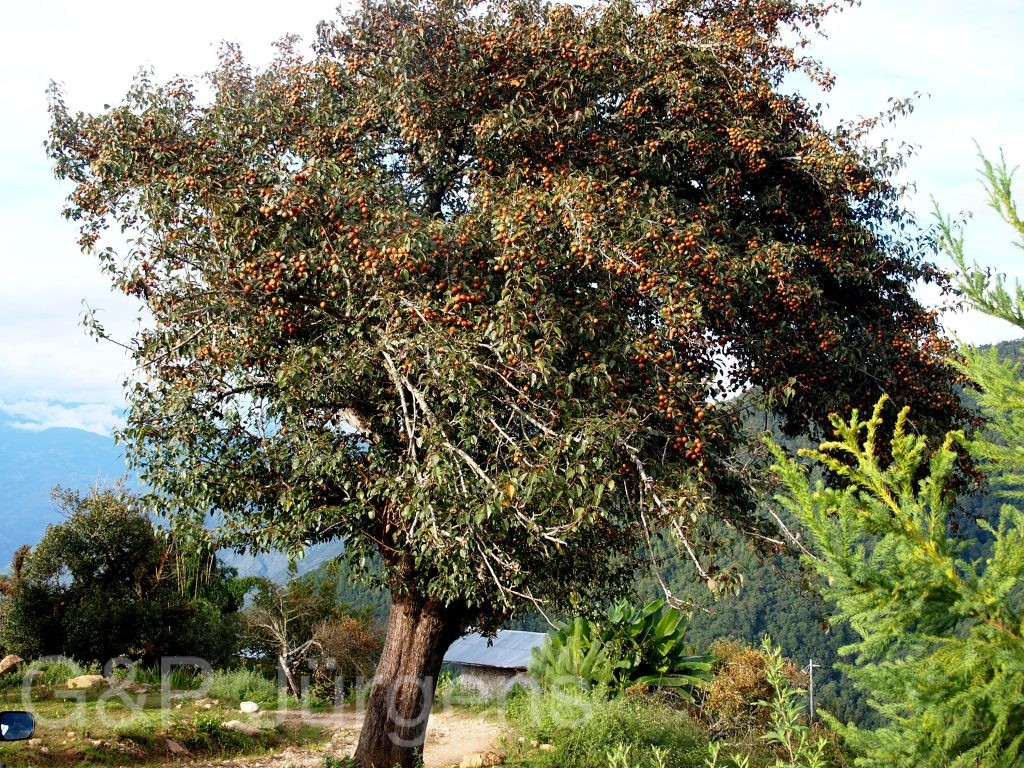
Pyrus pashia Buch.-Ham. ex D.Don, the wild Himalayan pear, is a widespread tree of the temperate Himalaya and adjacent ranges, distributed from Pakistan and Afghanistan through northern India, Nepal, Bhutan and south-west China into mainland Southeast Asia, with scattered introductions elsewhere. It grows in open broad-leaved forest, on forest margins, hillsides and around cultivation in the warm- to cool-temperate belt, generally between about 1000 and 2500 m. The photographed tree from Trashigang in eastern Bhutan at 1720 m, recorded in October when the fruit is ripening, typifies its occurrence in lower-montane forest and the agricultural landscapes where it is often retained or semi-cultivated.
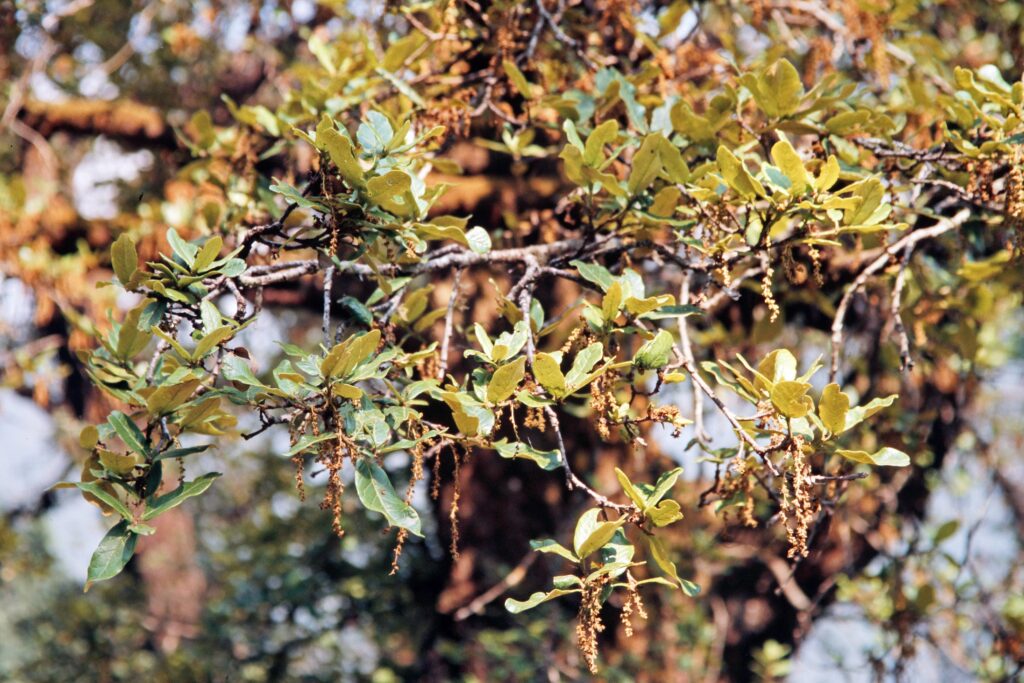
The plant is a small to medium-sized deciduous tree with a rounded crown, the branches sometimes bearing short, stiff spines. The alternate leaves are ovate to elliptic, with finely toothed margins, an acuminate apex and a slender petiole, often hairy when young and turning colour before leaf-fall. In spring, before or with the new leaves, it bears showy corymbs of white, five-petalled flowers with numerous stamens bearing reddish to purple anthers. The fruit is a small, rounded to subglobose brown pome, dotted with conspicuous pale lenticels and gritty with stone cells, becoming sweet and edible only when bletted (over-ripened).
Within the genus Pyrus (Rosaceae, subfamily Amygdaloideae) P. pashia is a key Asian wild pear, valued as a rootstock for cultivated pears and a source of edible fruit and timber. Its blossom attracts bees and other insects, and the fruit is dispersed by birds, mammals and people. The species is widespread, common and of least concern, and is of interest to plant breeders as a reservoir of genetic diversity and disease resistance.
Author: Buch.-Ham. ex D.Don · Sources: POWO (Kew), GBIF, Flora of China (Rosaceae), Flora of Pakistan, Flora of Bhutan, Pears: Botany, Production and Uses