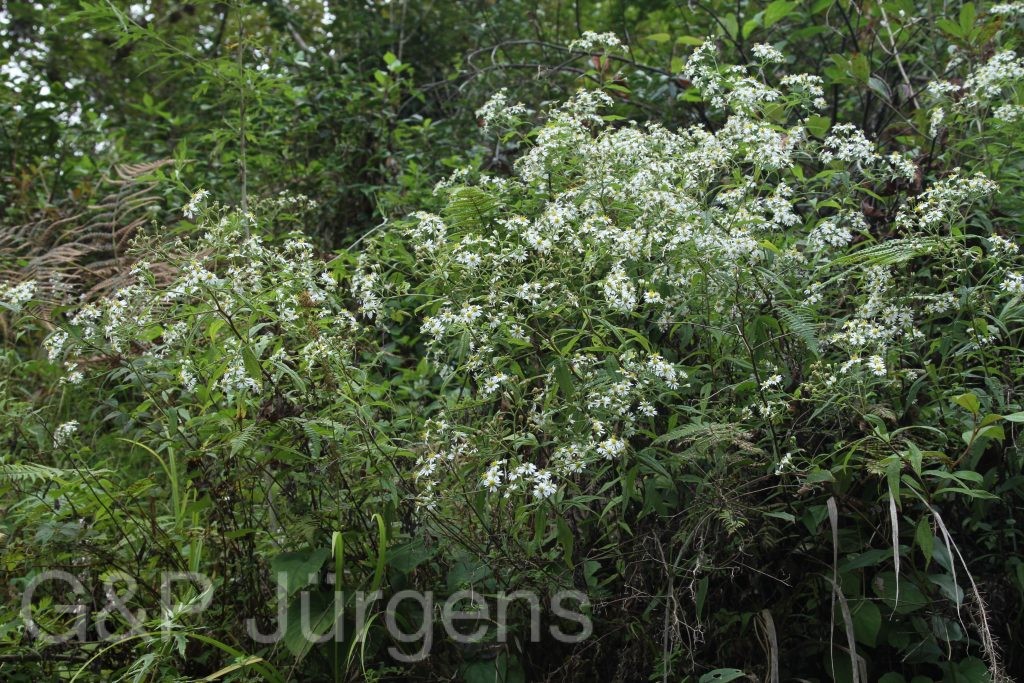
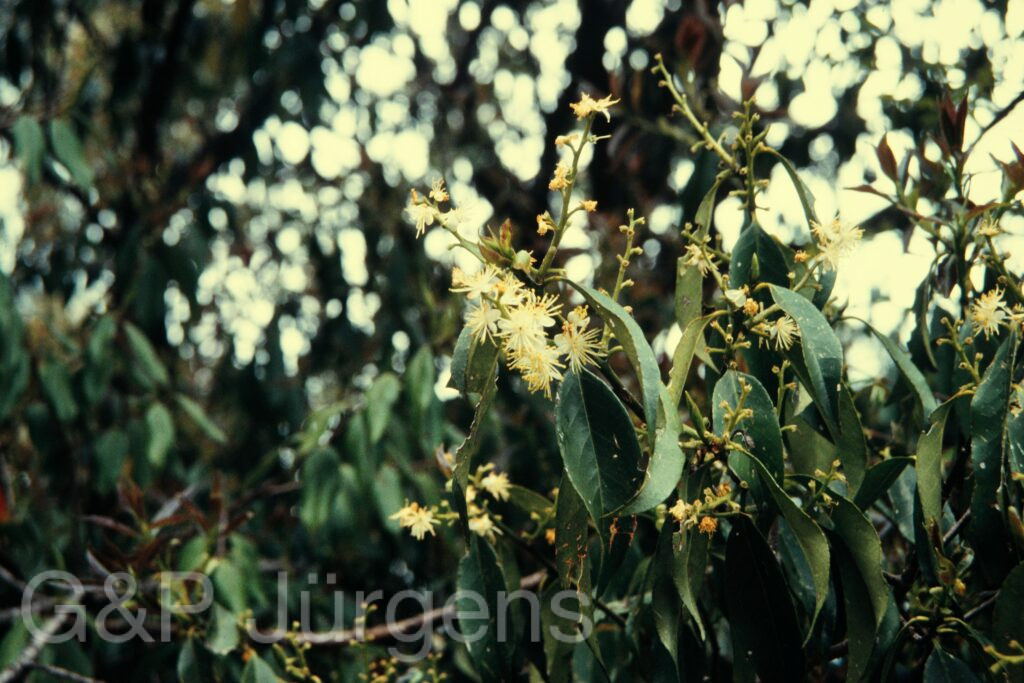
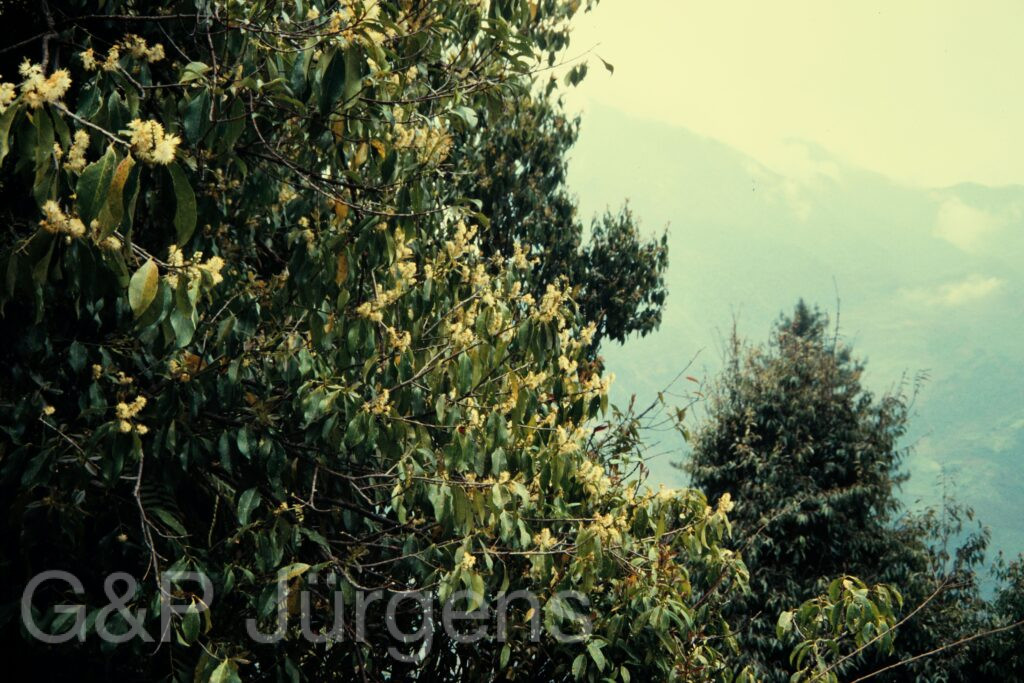
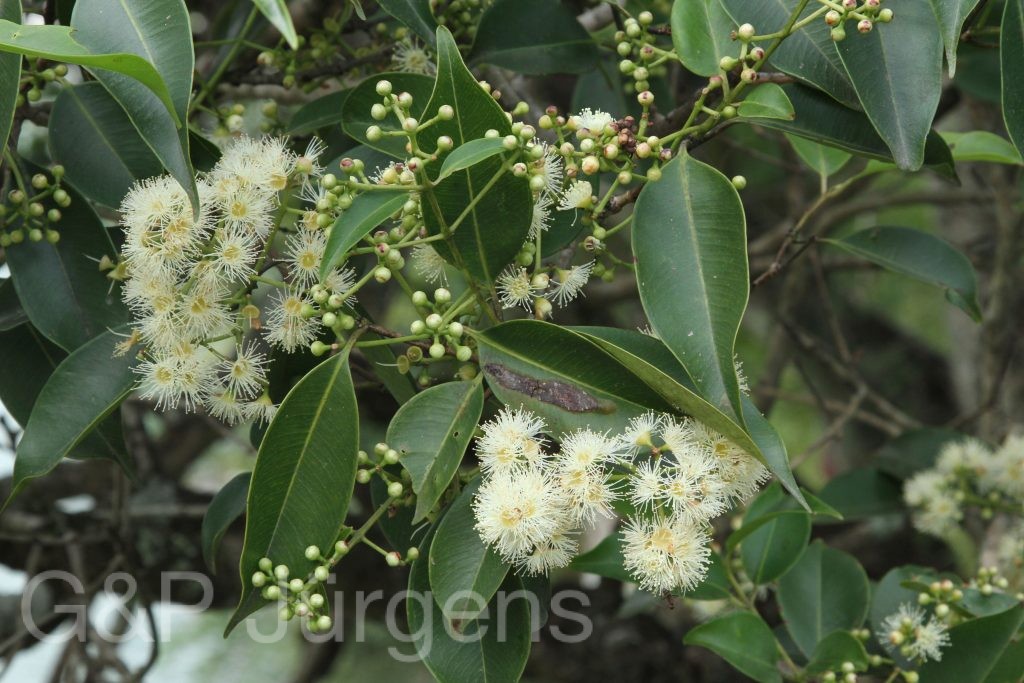
(G. Don) Wall. ex. C.B. Clarke
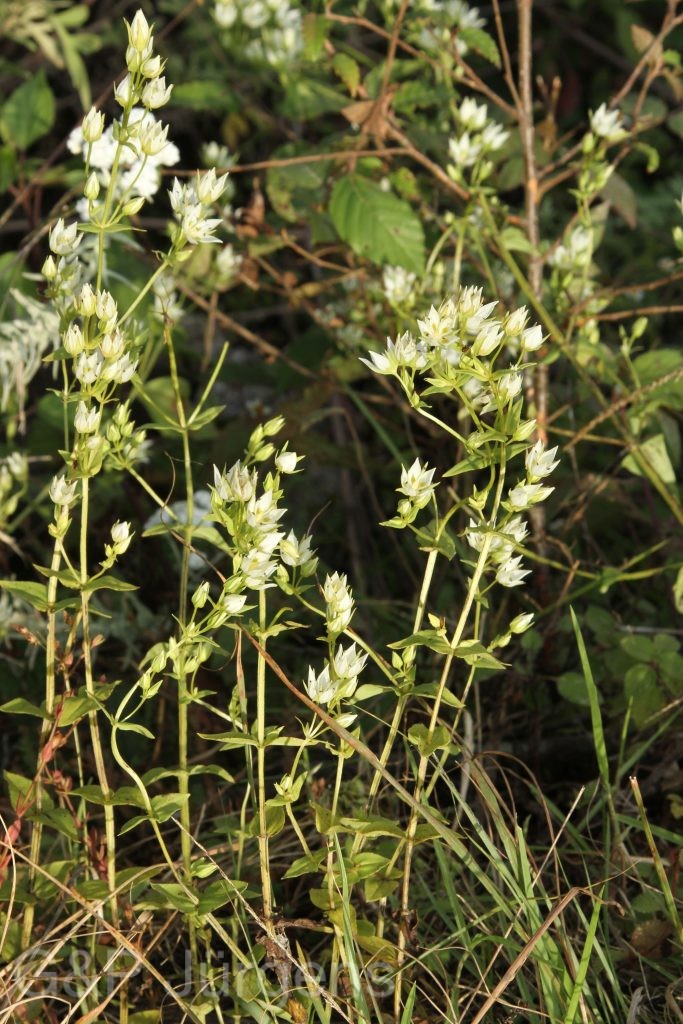
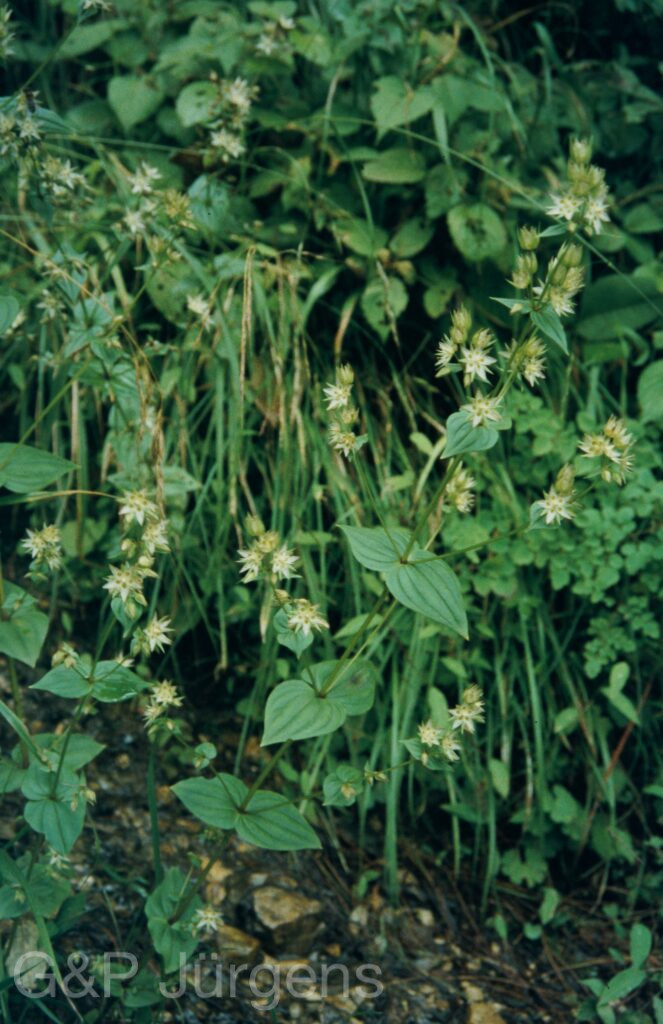
Description
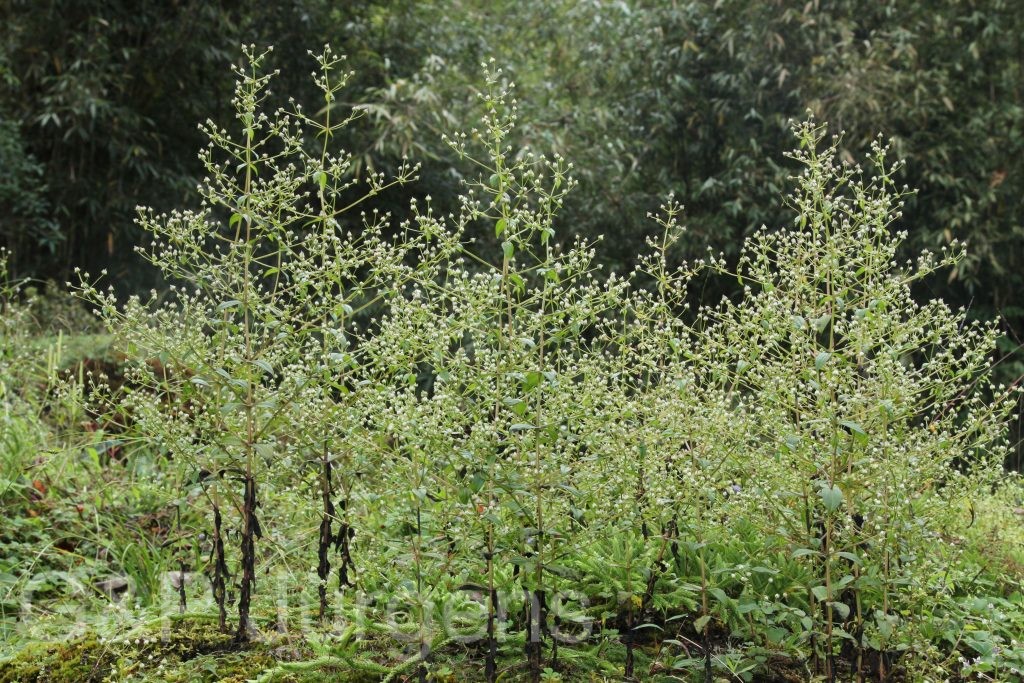
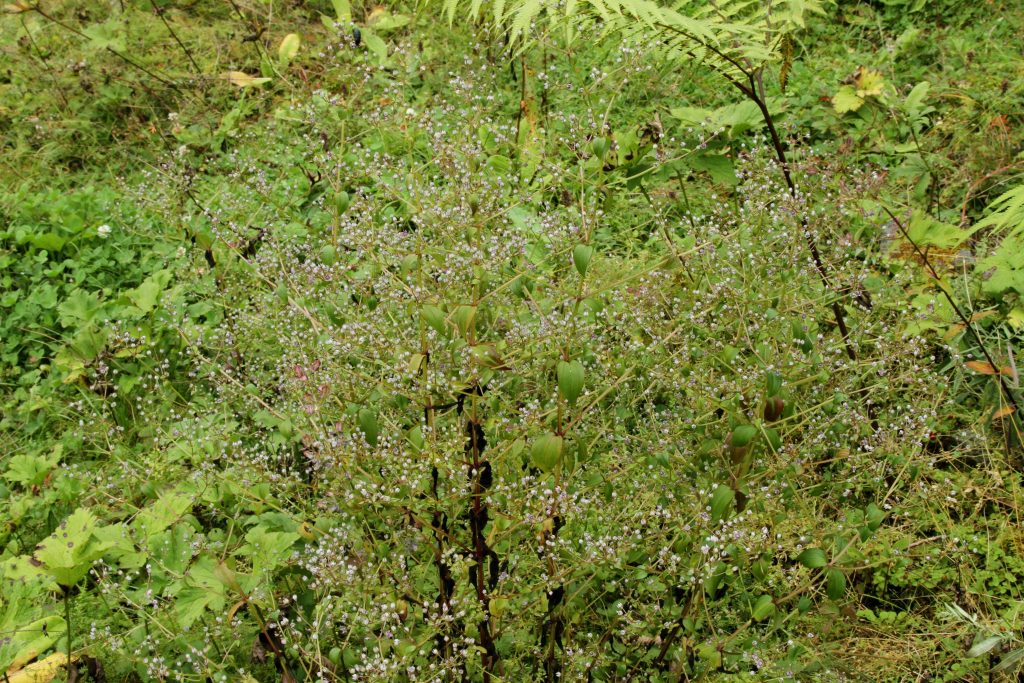
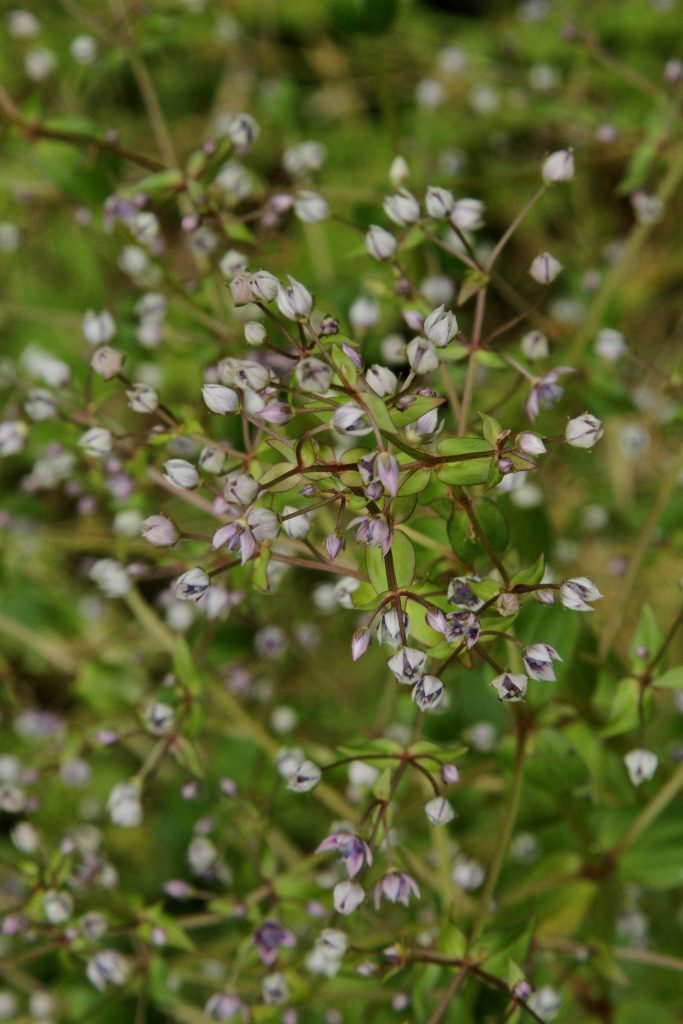
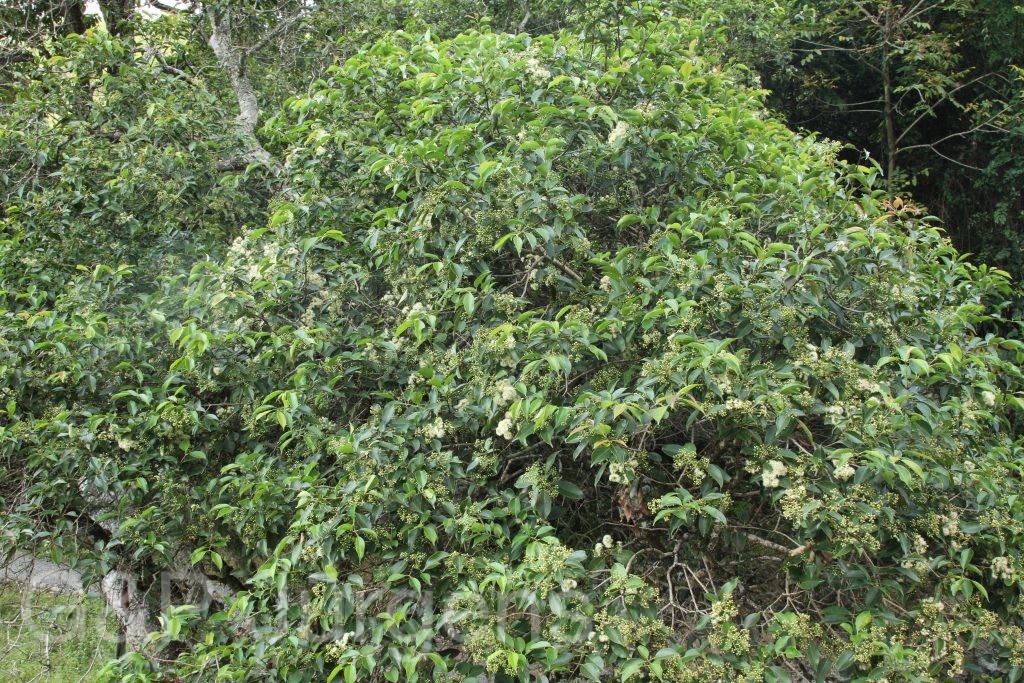
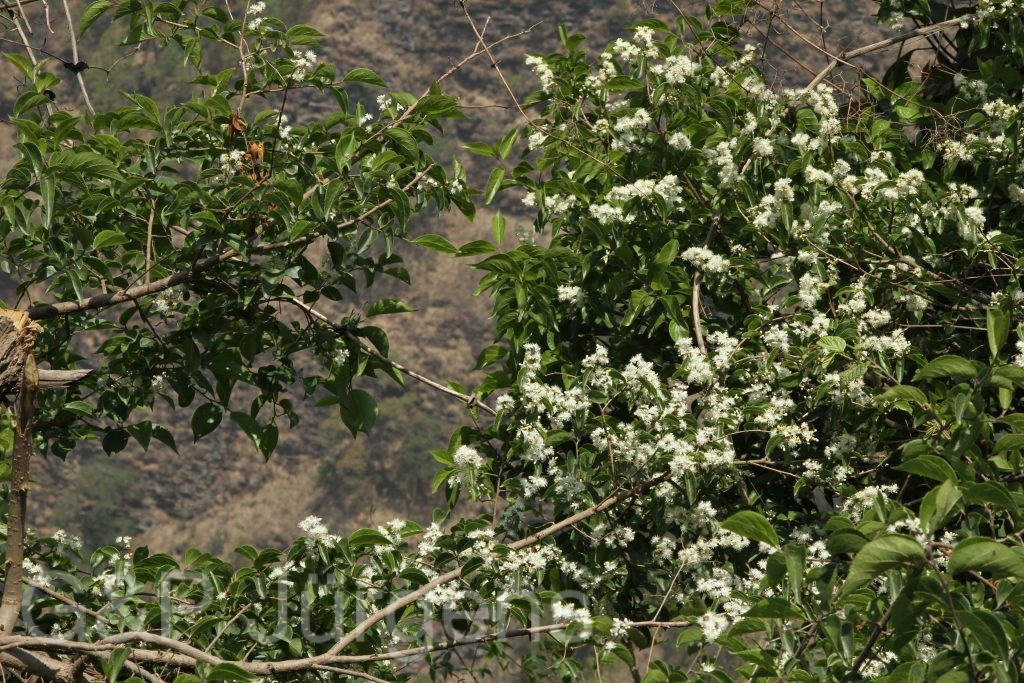
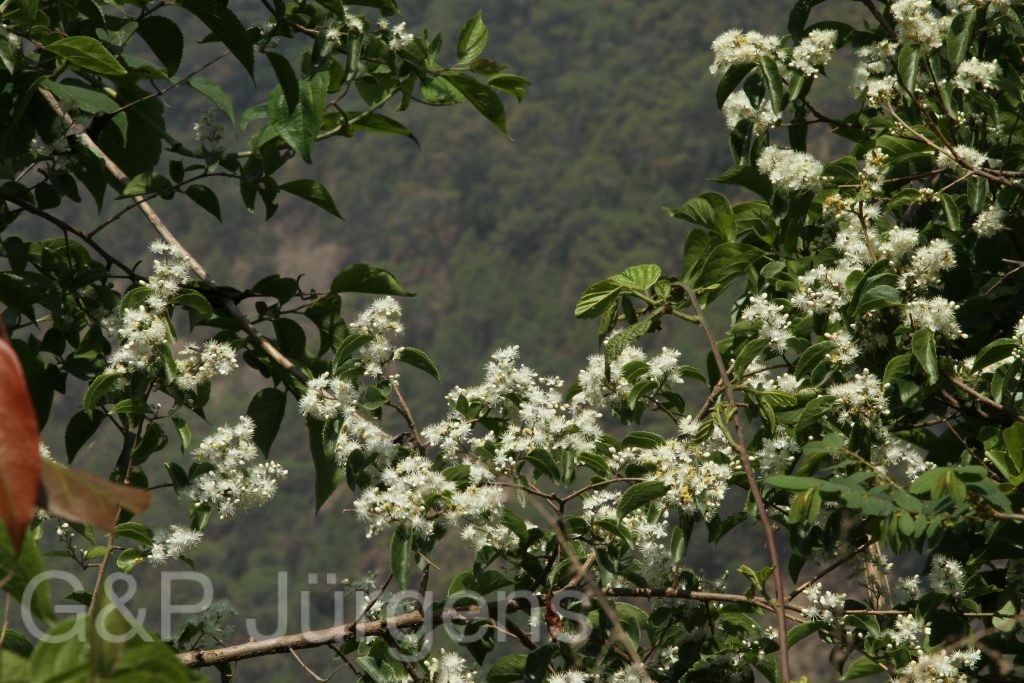
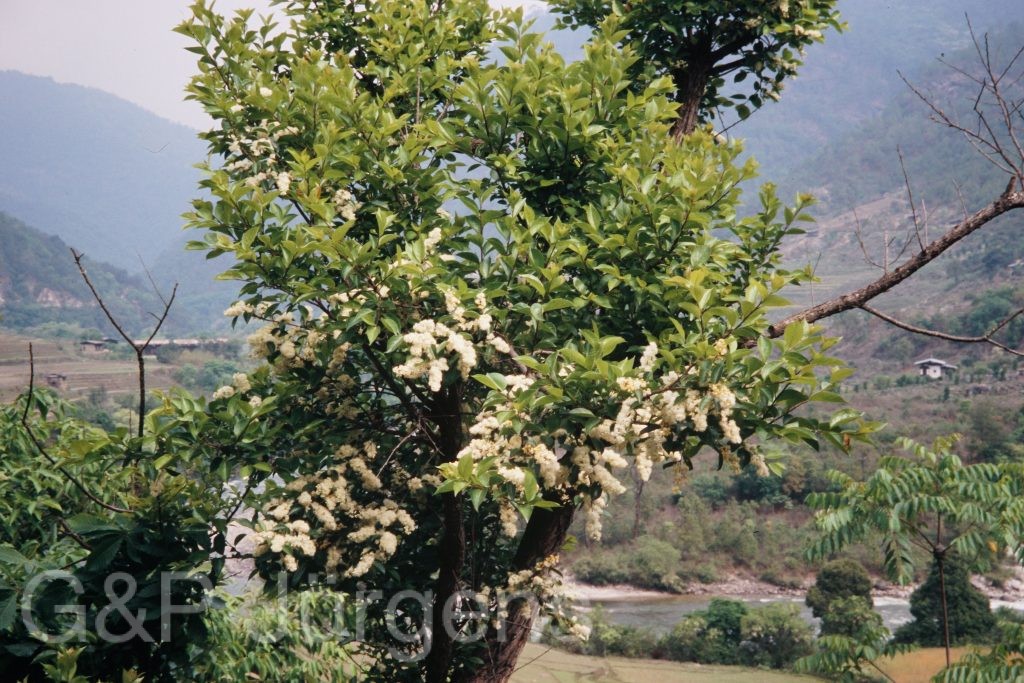
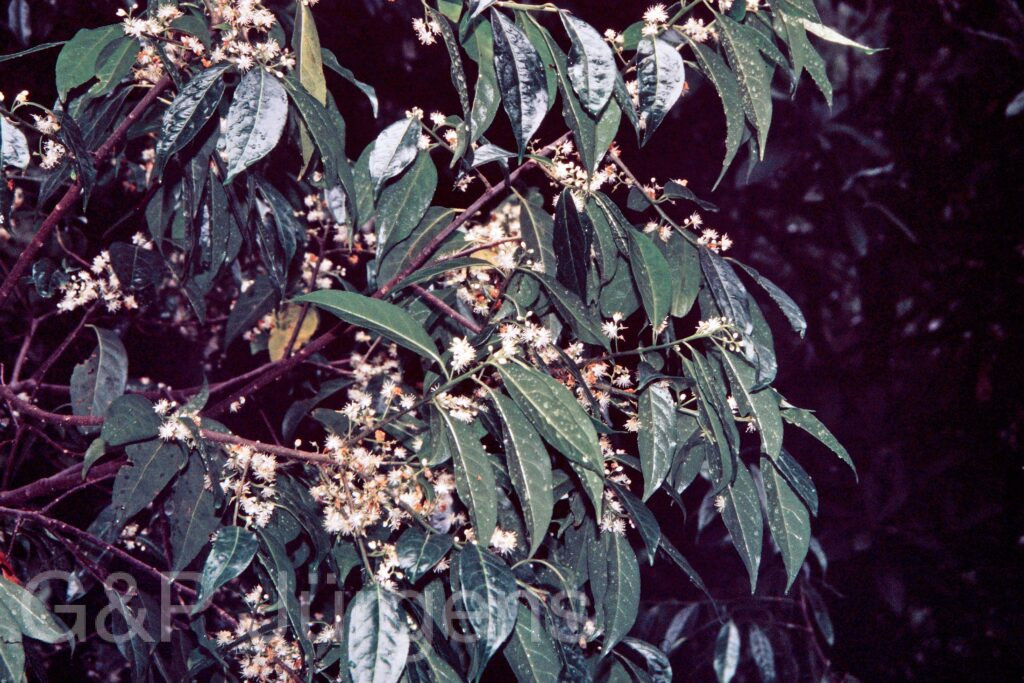
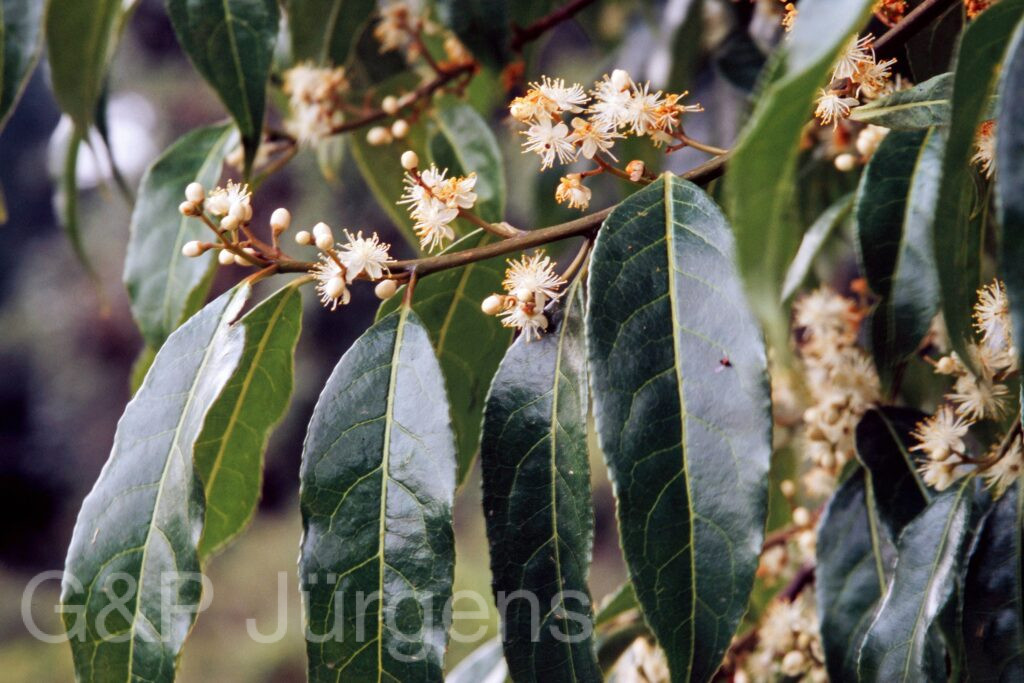
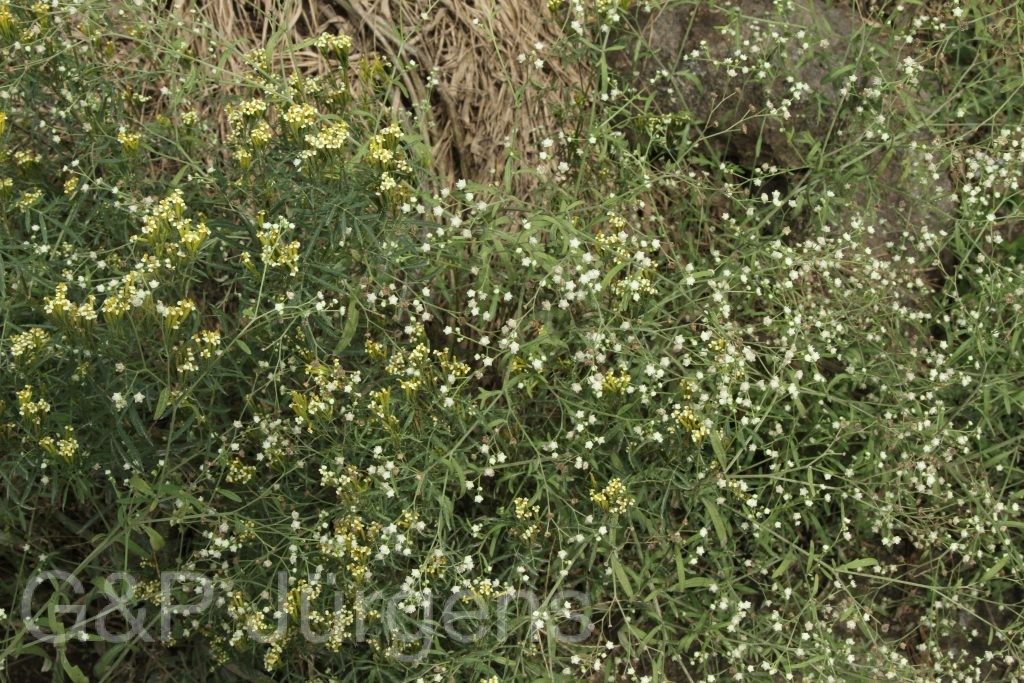
Swertia cordata is a Himalayan gentian relative ranging along the entire arc from Afghanistan and Pakistan through India, Nepal, Bhutan and into south-western China and Myanmar, documented by some 332 GBIF records. It favours moist, shaded banks, grassy forest clearings, stream margins and humid open slopes within the temperate zone, broadly between 1800 and 3000 m. The material illustrated from Trongsa in central Bhutan at 2100 m in October and from Kunol in the Garhwal Himalaya at 2600 m in September reflects its late-season flowering, when the post-monsoon humidity sustains the soft foliage of this short-lived herb.
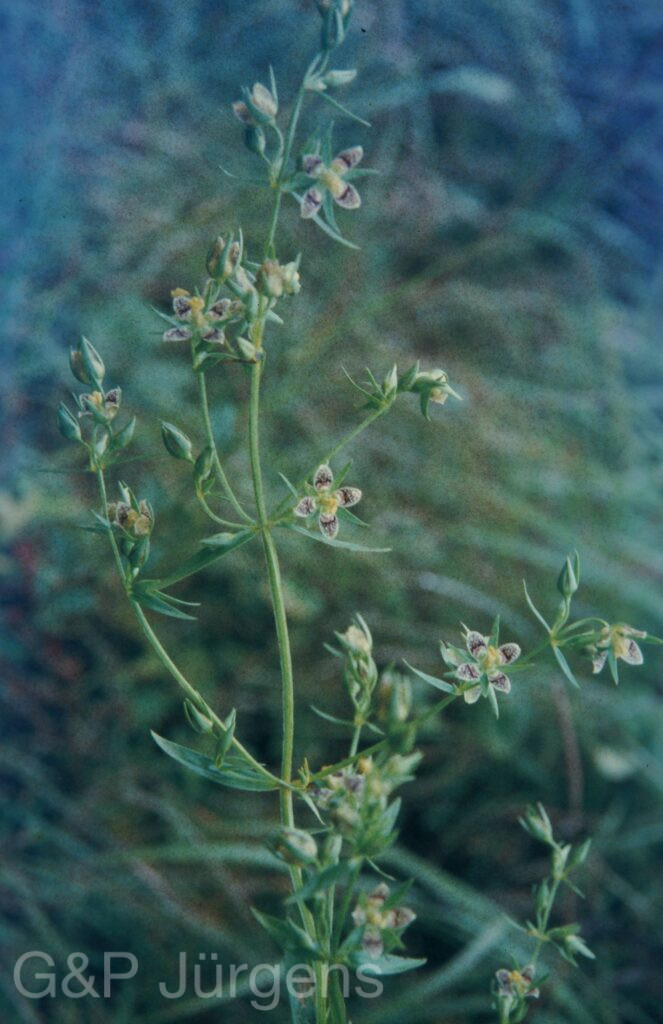
It is an erect annual or biennial with a slender, quadrangular and often branched stem. The basal and lower cauline leaves are conspicuously cordate at the base and shortly petiolate, while the upper leaves become sessile and amplexicaul; all are thin, ovate and prominently veined. The flowers are borne in lax terminal and axillary cymose panicles, the corolla typically four-merged, rotate and pale blue to lilac with darker veining, each lobe bearing the nectary pits or foveae diagnostic of Swertia, fringed by scale-like appendages. The fruit is a septicidal capsule containing numerous small seeds.
Swertia is a large, taxonomically demanding genus widely exploited in Himalayan ethnomedicine for its bitter secoiridoid glycosides, and S. cordata shares this chemistry. The basal foveae govern a specialised pollination relationship in which nectar is hidden beneath protective fringes. The species is not regarded as threatened given its wide distribution, but collection for medicinal use and habitat loss along forest margins warrant monitoring of accessible populations.
Author: (G. Don) Wall. ex. C.B. Clarke · Sources: POWO (Kew), GBIF, Flora of Bhutan, Annotated Checklist of the Flowering Plants of Nepal, Flora of China (Gentianaceae), Revision of the genus Swertia