
S.Moore
Description
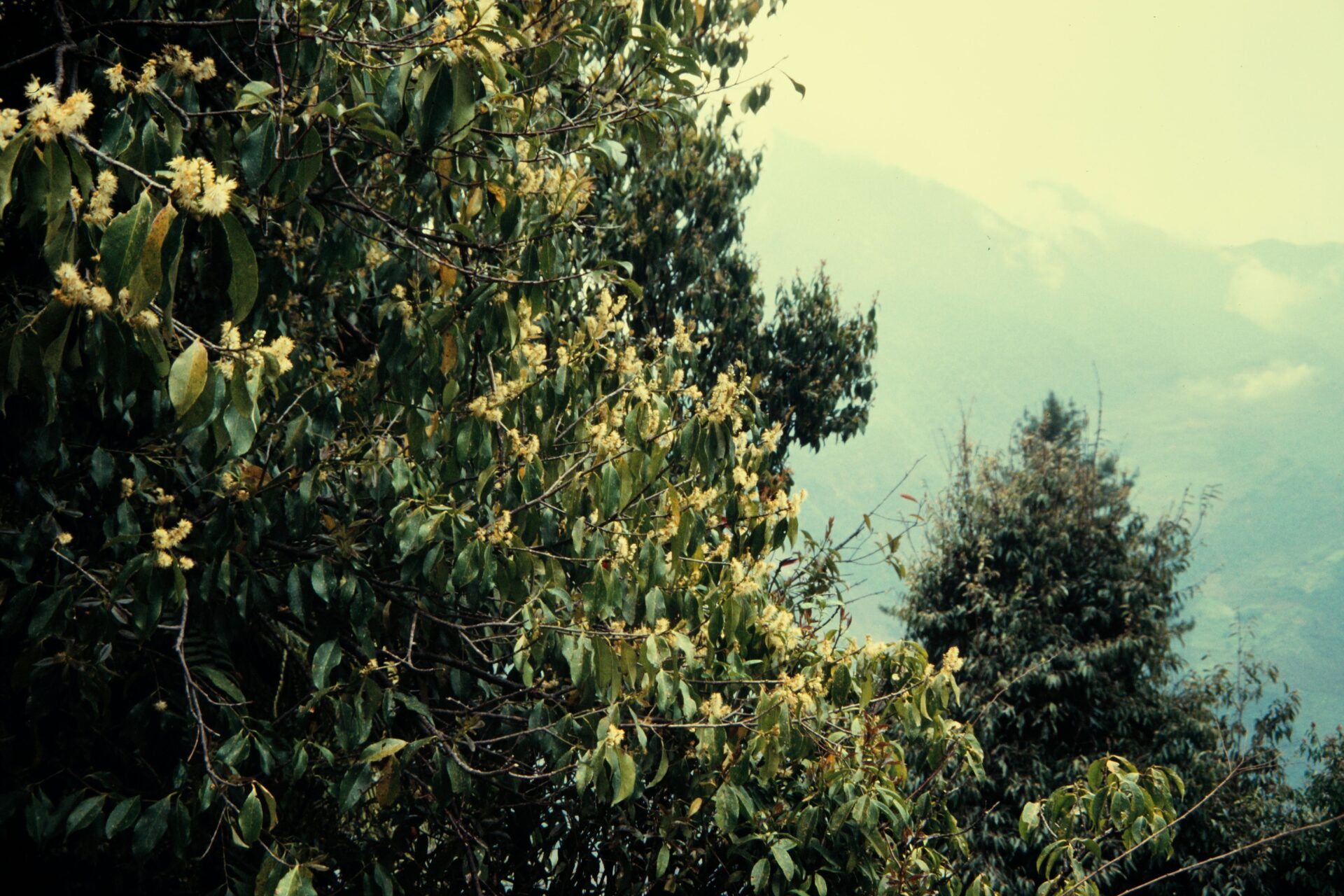
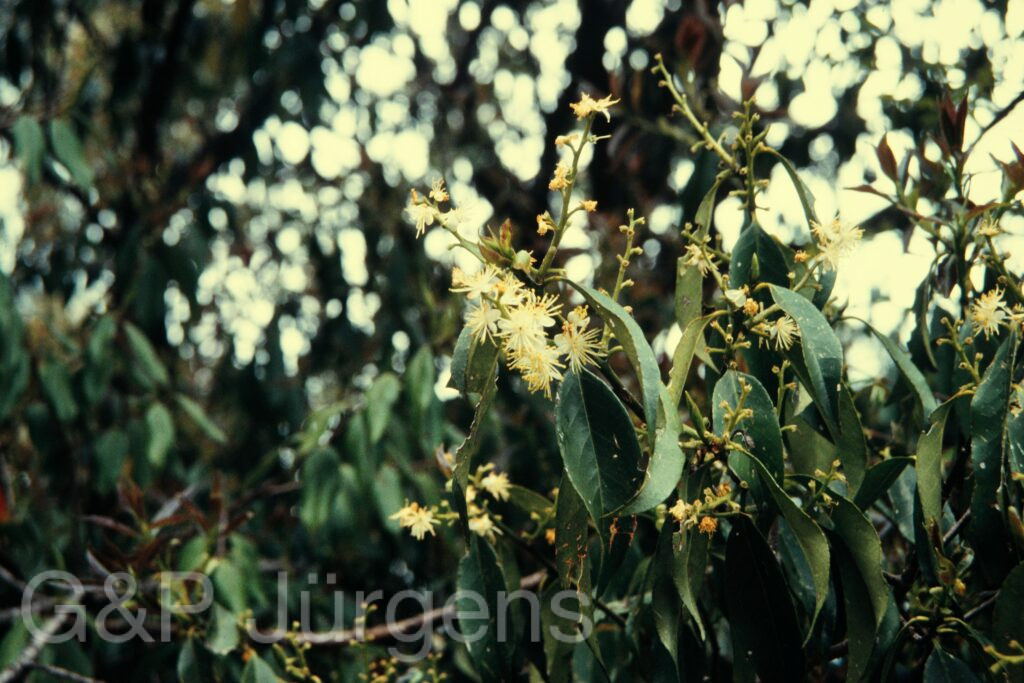
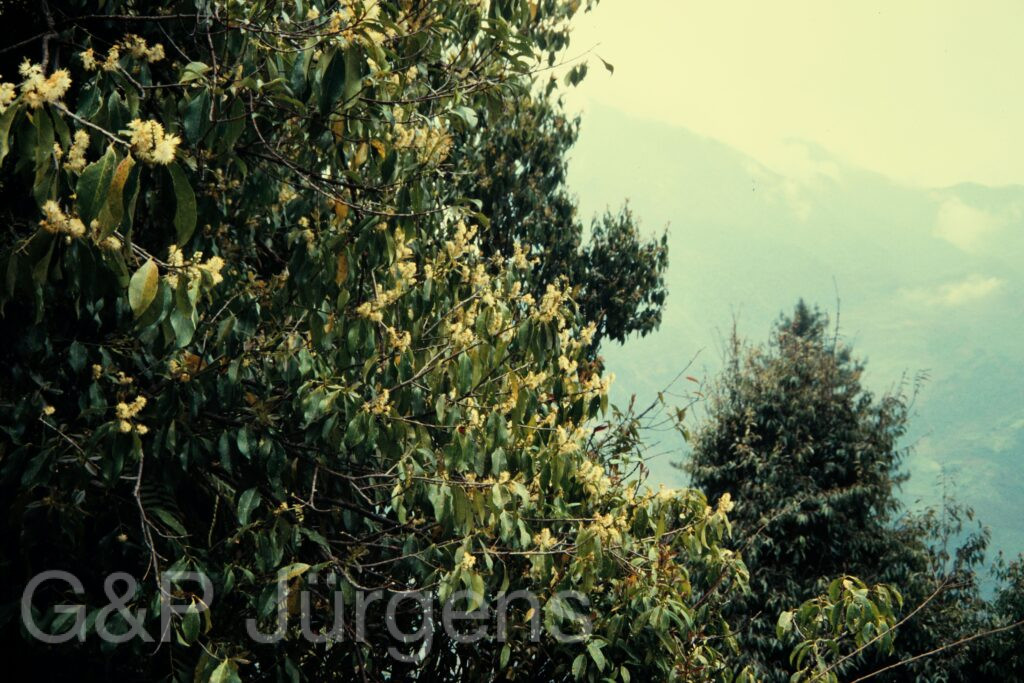
Symplocos cochinchinensis is one of the most widely distributed members of the Symplocaceae, with an extraordinary pantropical range extending from West Africa across Madagascar and the Indian subcontinent through mainland and insular Southeast Asia, China, Japan, Taiwan, the Philippines, Papua New Guinea, Australia, and into the western Pacific islands. GBIF records nearly 5,840 occurrences from more than 20 countries. In the Himalayas, the species inhabits subtropical and warm-temperate evergreen broadleaved forests at 800–2,500 m elevation. At Dongen in eastern Nepal at 2,300 m, it occurs in the canopy and sub-canopy layer of Schima–Castanopsis forests, where it flowers in the pre-monsoon month of April.
Symplocos cochinchinensis is an evergreen tree or large shrub, typically 5–15 m tall, occasionally reaching 25 m. The bark is smooth, greyish-brown. Leaves are alternate, elliptic to oblong-elliptic, 7–15 cm long, with an acuminate apex, cuneate base, and serrate to crenate-serrate margins; the upper surface is glabrous and dark green, while the lower surface may be sparsely pubescent along the midrib. The inflorescence is an axillary raceme or panicle, 3–8 cm long, bearing numerous small, fragrant white flowers. Each flower has a five-lobed calyx, five petals fused at the base, and numerous stamens (20–60) in several series. The fruit is a cylindric to ovoid drupe, 5–8 mm long, dark blue to black at maturity, crowned by the persistent calyx lobes.
The vast geographical range of Symplocos cochinchinensis has led to considerable infraspecific taxonomic complexity, and numerous varieties and subspecies have been described. The treatment in POWO recognises several subspecies, with the Himalayan populations generally referred to subsp. laurina. The species is ecologically significant as a component of mid-elevation broadleaved forests across the Old World tropics and plays a role in forest regeneration on disturbed sites. In parts of South and Southeast Asia, the leaves and bark have traditional uses as a mordant in textile dyeing owing to their high aluminium content.
Author: S.Moore · Sources: POWO (Kew), GBIF, Flora of China Vol. 15, Flora of Nepal Checklist, Nooteboom: Symplocaceae in Flora Malesiana Ser. I, Vol. 8 (1977)