Franch.
Description
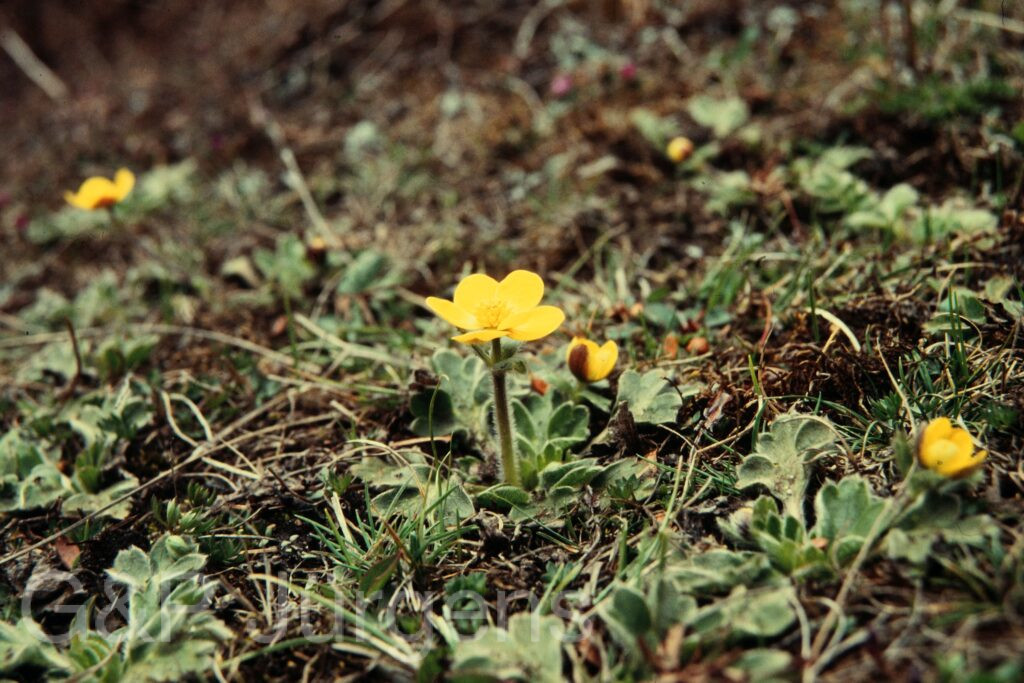
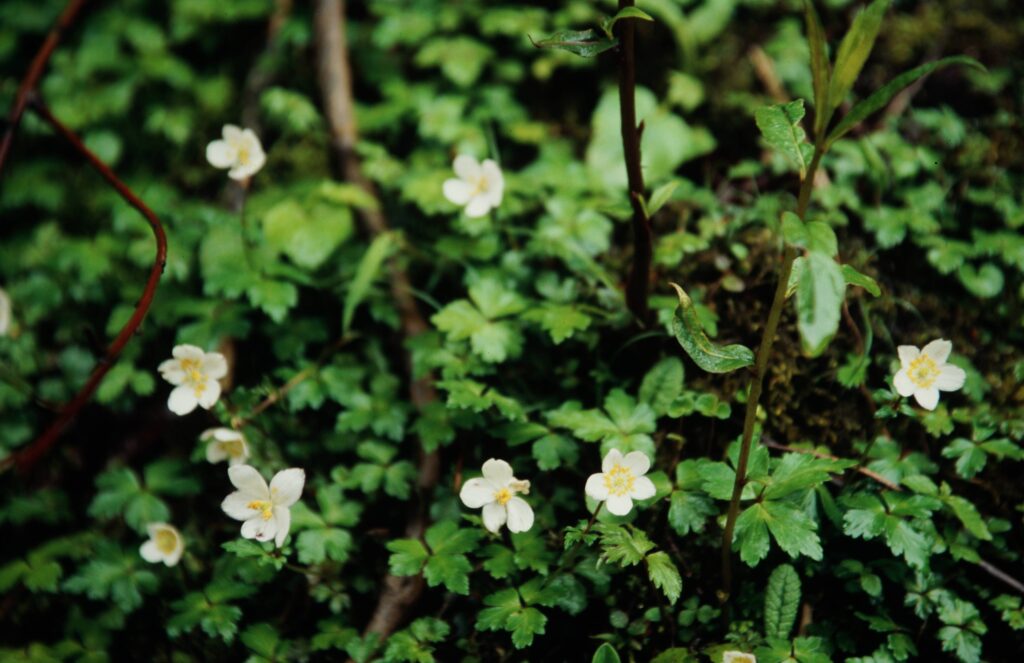
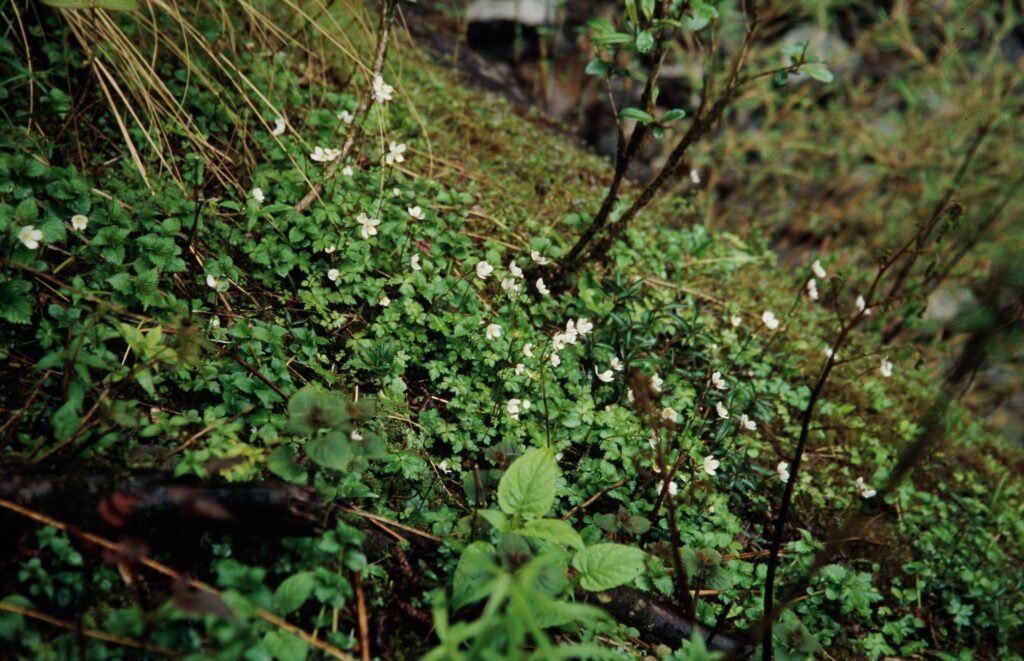
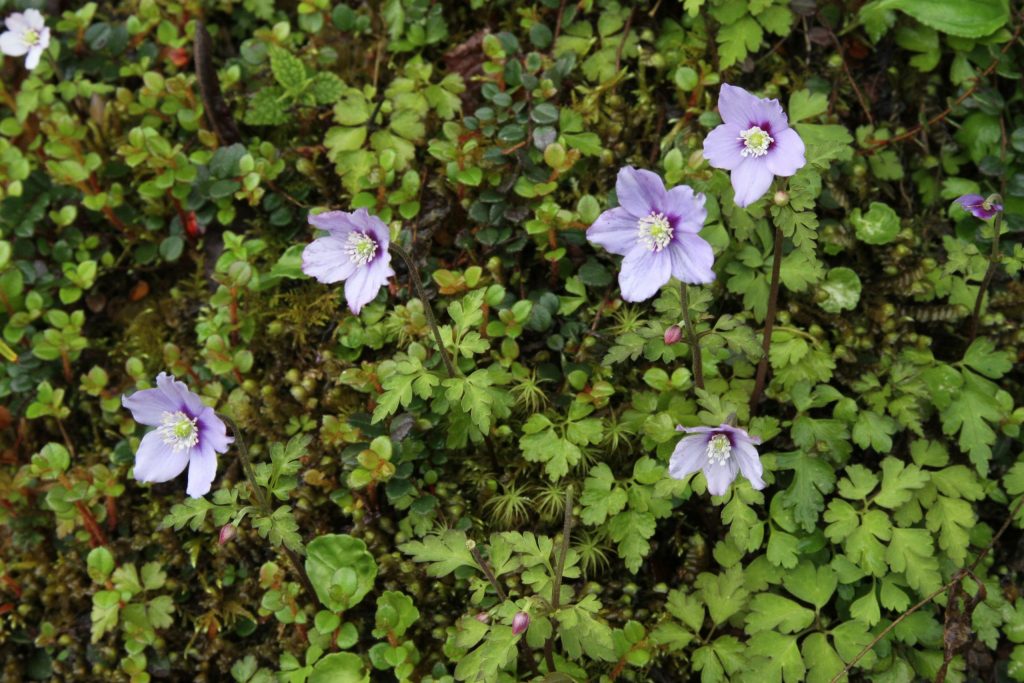
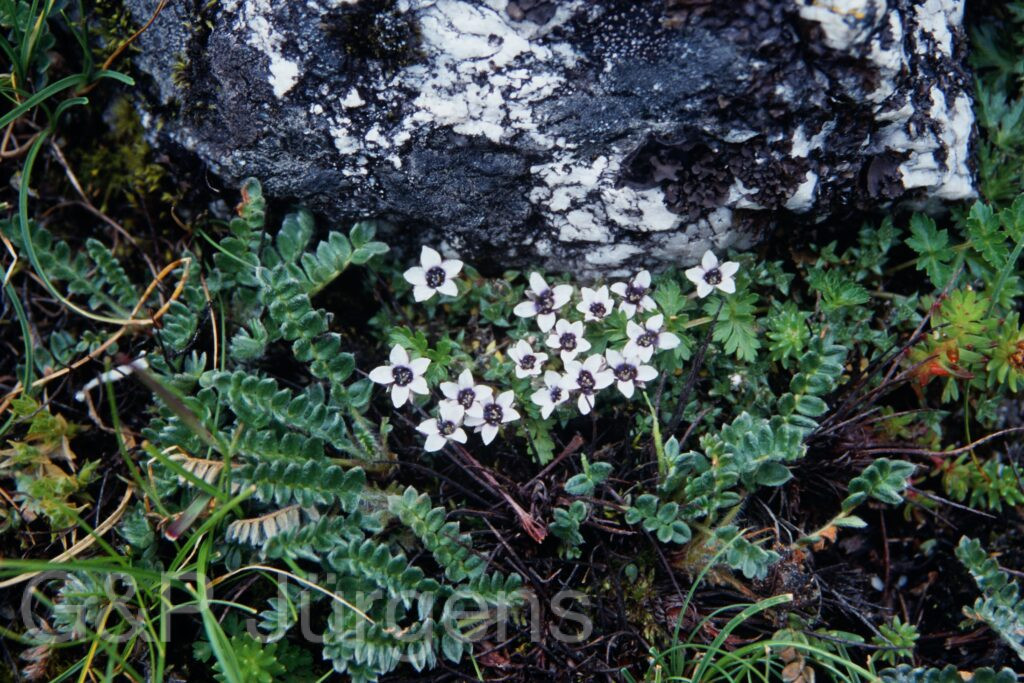
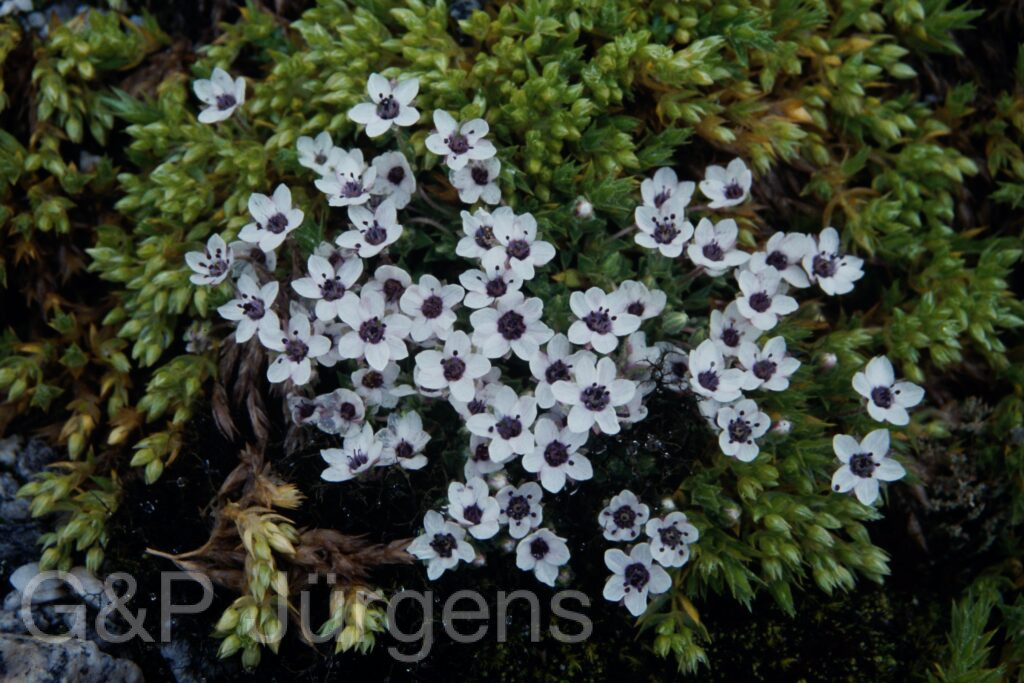
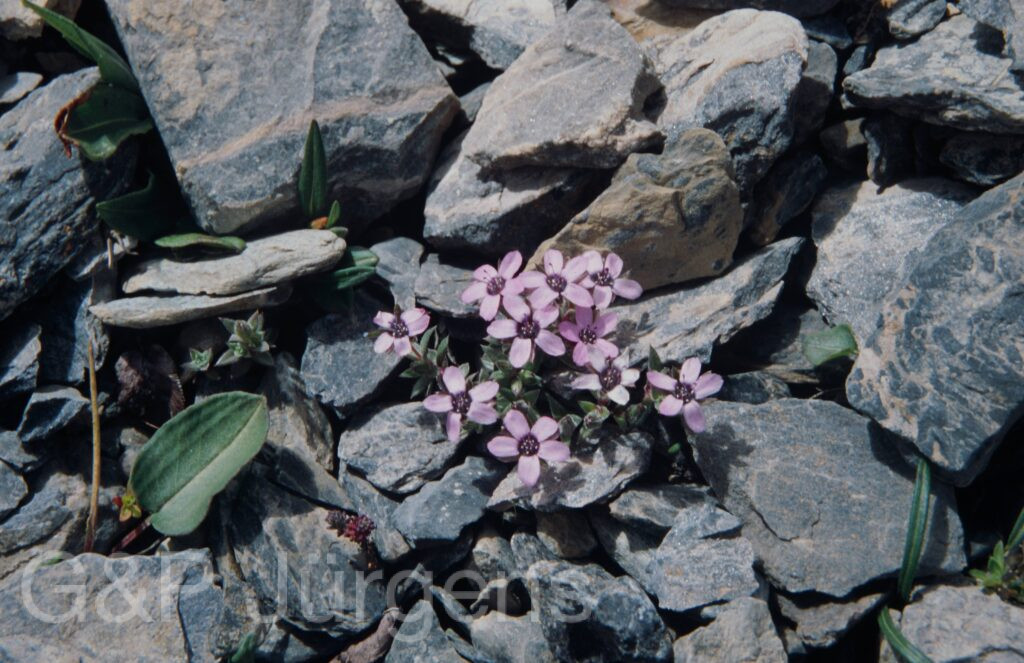
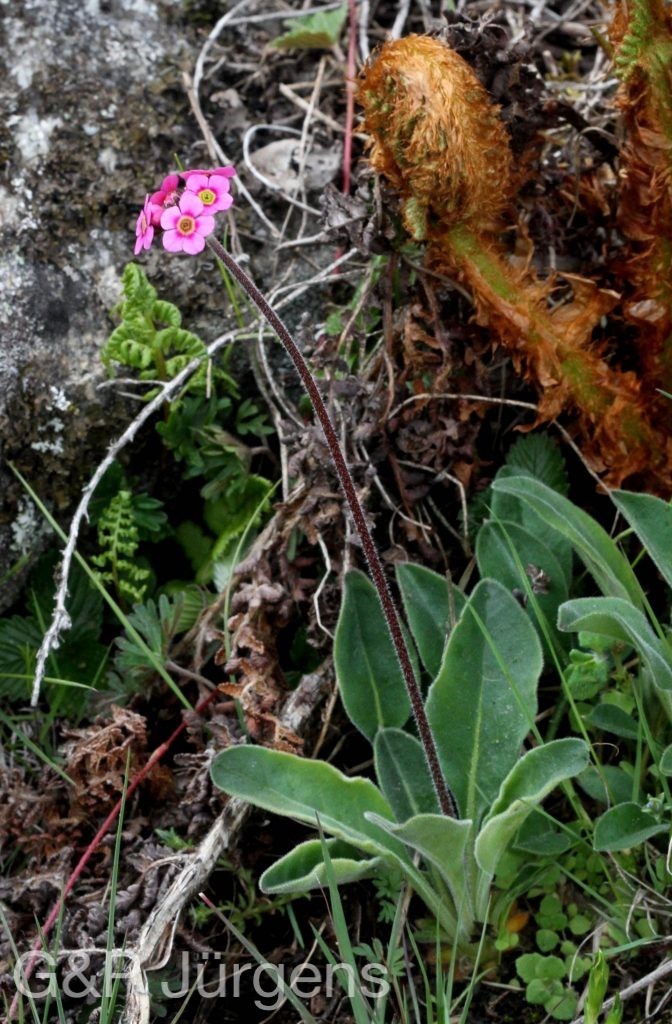
Androsace strigillosa is a Himalayan rock-jasmine recorded in GBIF from Nepal, China, India and Bhutan across 294 occurrences. It is a plant of open subalpine and alpine slopes, meadows, forest clearings and rocky banks, generally between 3000 and 4200 m. The photographed individual was found in Sikkim's Vista valley at about 3800 m in June, when the early summer brings flowering on moist, well-drained turf shortly after snow-melt. Within the genus it is one of the taller, more robust species, favouring herb-rich grassland rather than extreme scree.
It is a rosette-forming perennial with a basal cluster of oblong-lanceolate to spathulate leaves narrowed to a winged base, the lamina toothed toward the apex and clothed, as the epithet implies, in a strigillose (short, stiff, appressed-bristly) indumentum. From the rosette arises a stout, hairy scape 10-30 cm tall terminating in an umbel of numerous flowers subtended by an involucre of bracts. Each flower has a campanulate, hairy calyx and a salverform pink to rose-purple corolla with a constricted, often yellow-eyed throat and five spreading lobes. The fruit is a small, few- to several-seeded globose capsule dehiscing by valves.
Androsace (Primulaceae) is a large genus of the northern temperate and arctic-alpine zones, well represented in the Himalaya and Tibetan Plateau, where cushion and rosette forms dominate. As a comparatively large-leaved, scapose species, A. strigillosa illustrates the meadow-dwelling end of the genus's ecological range. Pollination is by small insects attracted to the contrasting eye-ring, and seeds are gravity- and wind-dispersed. It is locally common and of no conservation concern.
Author: Franch. · Sources: POWO (Kew), GBIF, Flora of China, Annotated Checklist of the Flowering Plants of Nepal, Smith and Lowe Monograph of Androsace