Druce
Description
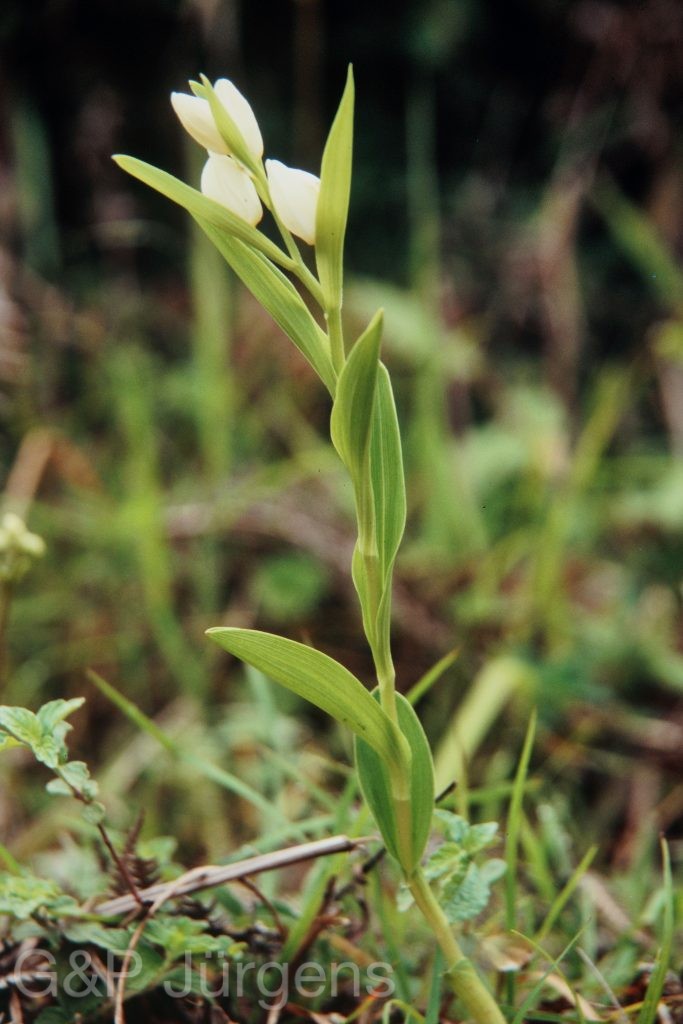
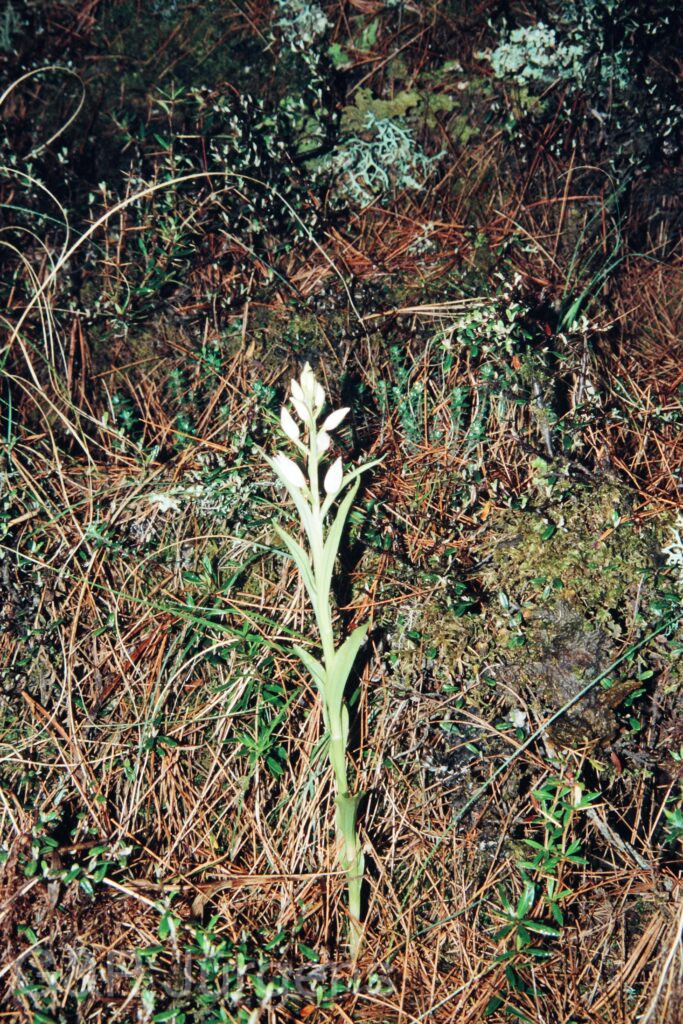
Cephalanthera damasonium, the white helleborine, is a terrestrial orchid with a vast distribution spanning Europe, western Asia, and the Himalayas. While primarily a European species — GBIF records over 116,000 occurrences, predominantly from France, Germany, Switzerland, and Britain — it extends eastward through Turkey, Iran, and the Caucasus into the western and central Himalayas, reaching Bhutan and western Nepal. In the Himalayas, it grows in broadleaved and pine forests on calcareous or base-rich soils at 1,200–3,000 m elevation.
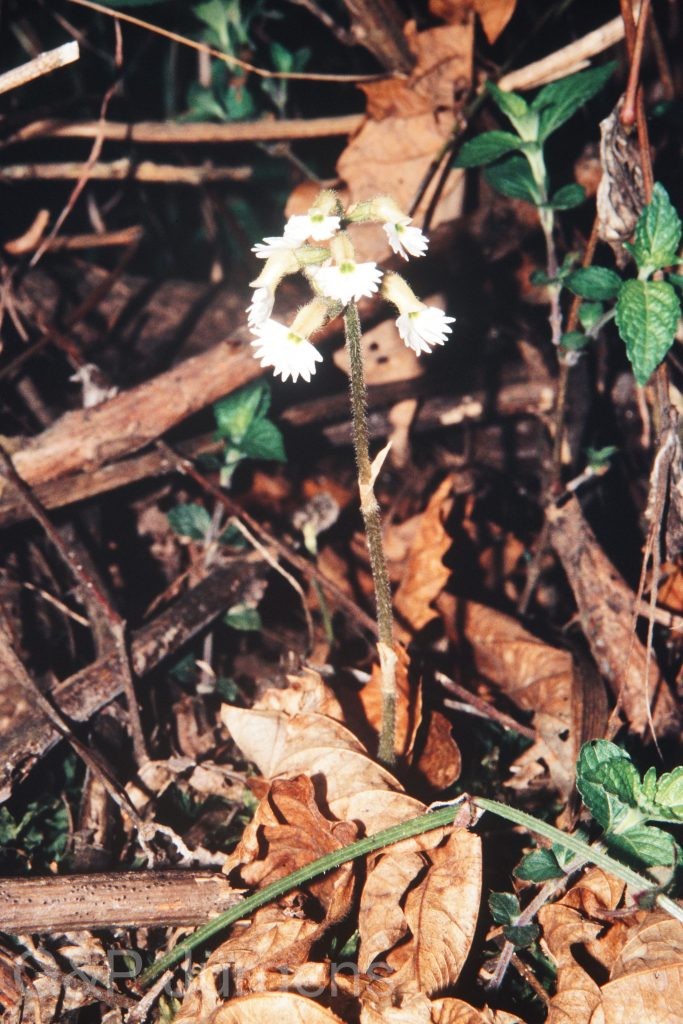
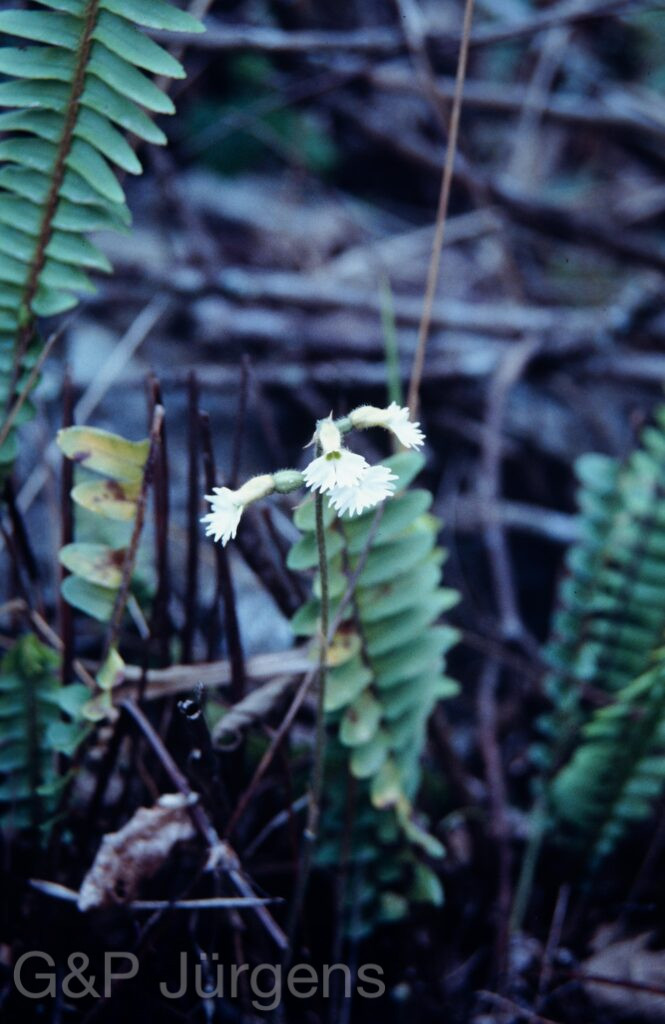
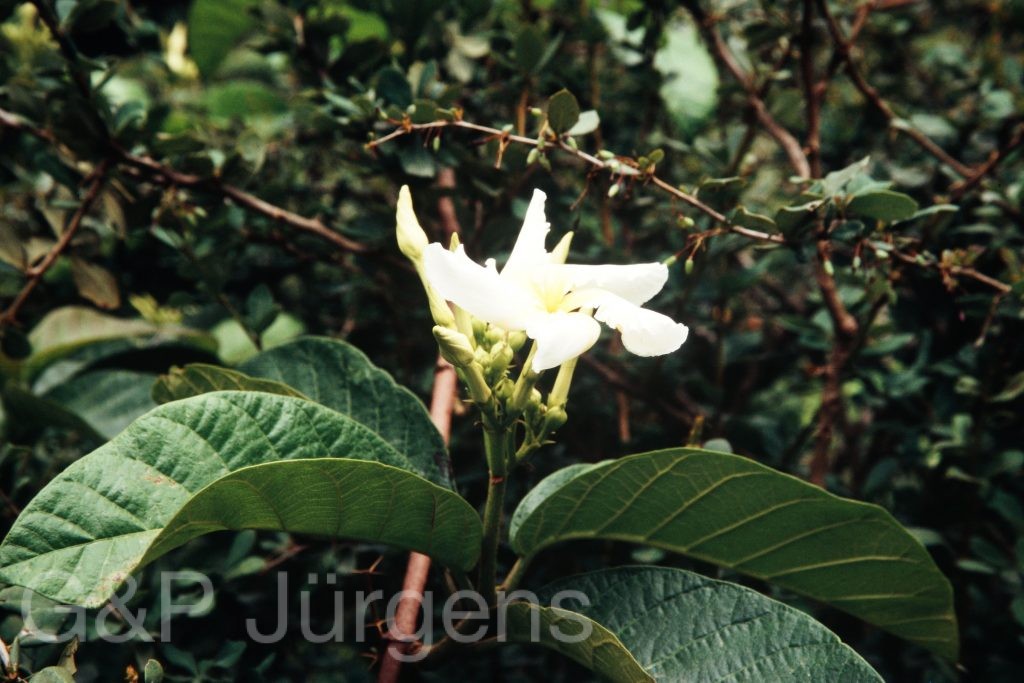
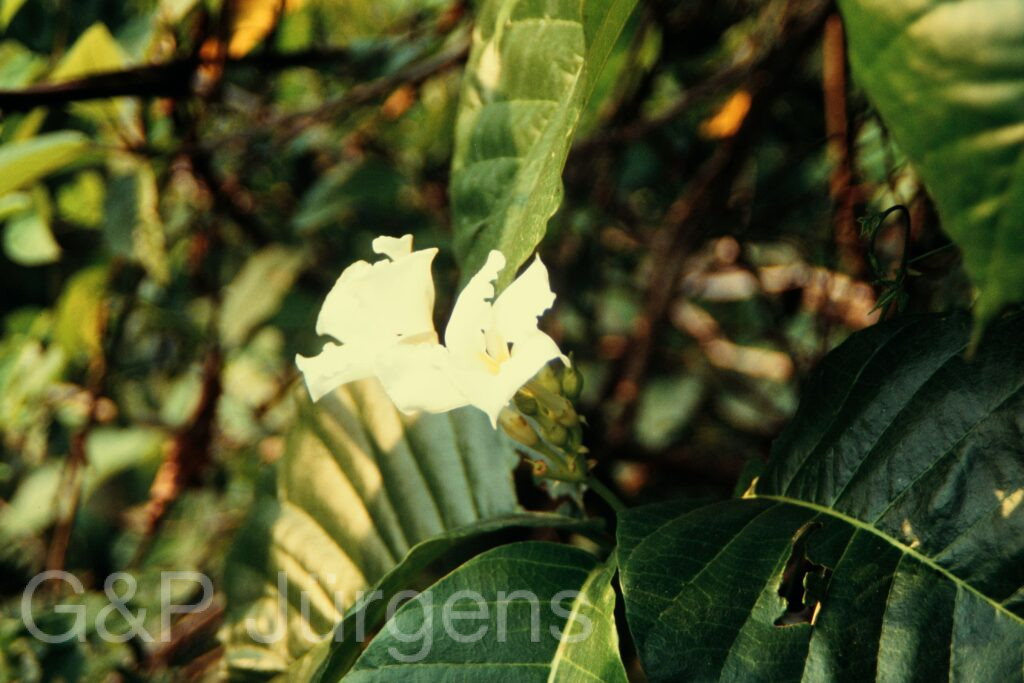
The plant is a rhizomatous, mycoheterotrophic perennial, partially dependent on soil fungi (Cephalanthera species form associations with ectomycorrhizal fungi, particularly Thelephoraceae). Stems are erect, 15–50 cm tall, bearing 3–6 ovate to lanceolate, plicate leaves that decrease in size upward. The inflorescence is a terminal raceme of 3–12 flowers. Flowers are 15–20 mm long, creamy white to ivory, and remain partially closed (a feature related to their autogamous pollination strategy). The lip is short, with a yellowish-orange blotch on the inner surface bearing several raised ridges. Flowering in the Himalayas occurs from May to July.
The Himalayan populations of C. damasonium represent the eastern limit of this predominantly Eurasian species. Their occurrence in Bhutan is biogeographically noteworthy, extending the species' known range far beyond its European centre of diversity.
Author: Druce · Sources: POWO (Kew), GBIF, Flora of Bhutan Vol. 3, Delforge: Orchids of Europe, North Africa and the Middle East (2006)