
L.
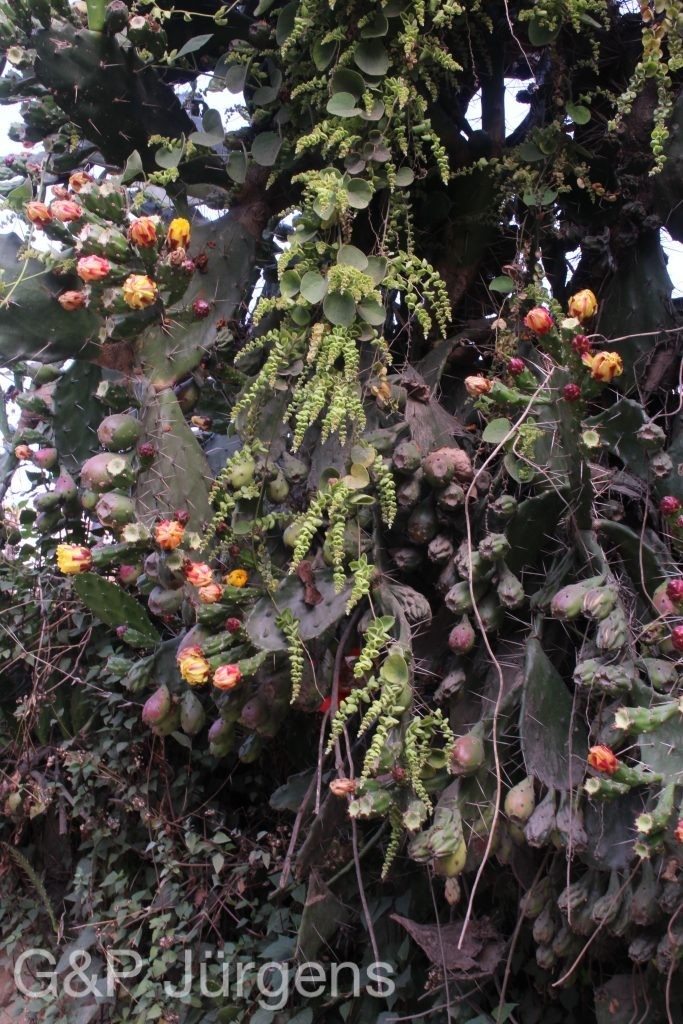
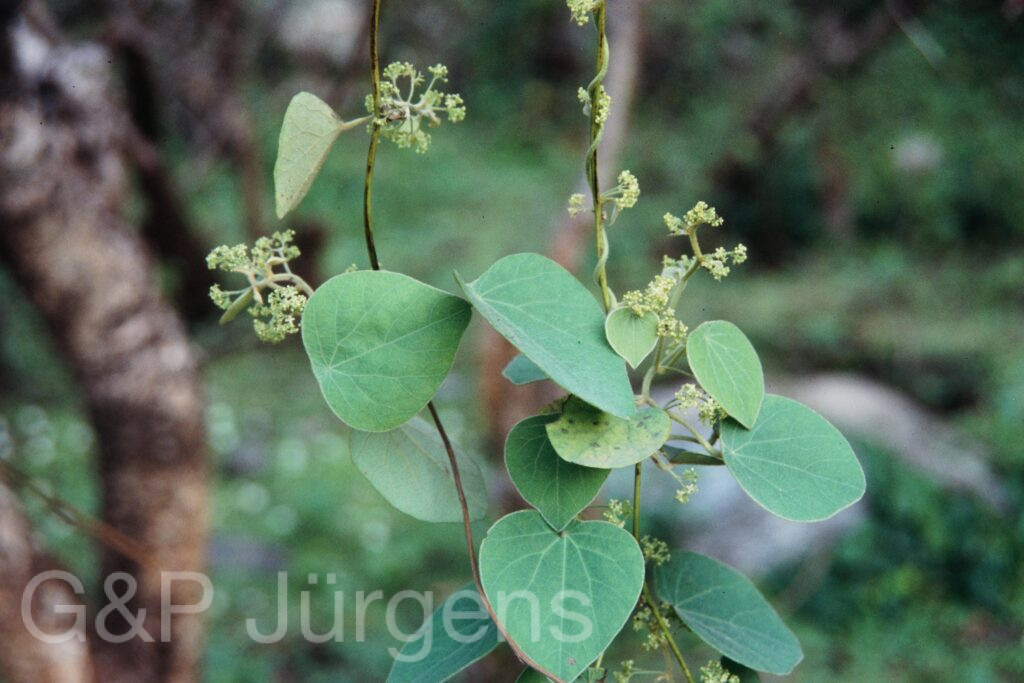
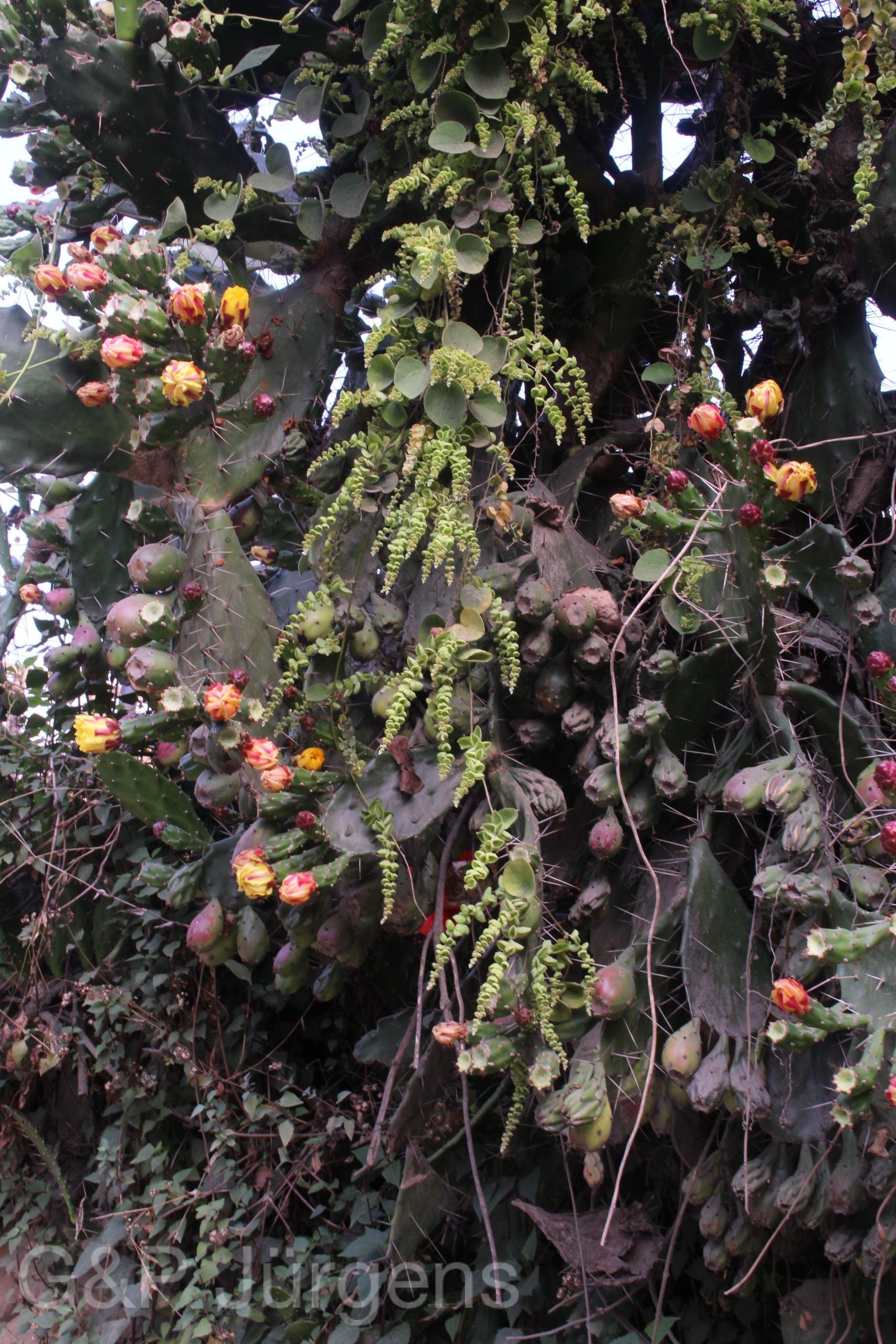
Description
Cissampelos pareira is a pantropical climbing vine with an exceptionally broad distribution spanning the Americas, Africa, Madagascar and tropical Asia; GBIF records some 12107 occurrences across Mexico, Brazil, Costa Rica, Colombia, Argentina, India, Madagascar, Nepal, the Philippines, Ecuador and many other countries. It is a plant of warm, often disturbed habitats, scrambling over hedges, thickets, forest margins, fences and waste ground from sea level well into the hills. The collections cited from Phobjika in Bhutan at about 2810 m in May and from Dhoban in Nepal at about 735 m in April illustrate its wide ecological amplitude in the Himalayan foothills, where it persists from the subtropical lowlands up into cool mid-montane settings.
It is a slender, twining perennial herb or woody-based liana, the stems wiry and often finely pubescent. The leaves are alternate, broadly ovate to orbicular or peltate, frequently emarginate or mucronate at the apex and cordate to truncate at the base, with a long petiole inserted near the margin. The species is dioecious: the small greenish male flowers have fused sepals and a cup-shaped corolla with united stamens, while the female flowers are borne in axillary clusters subtended by conspicuous, often enlarged leaf-like bracts. The fruit is a small, laterally compressed, hairy red drupe with a characteristically curved (horseshoe-shaped) endocarp.
A member of the moonseed family (Menispermaceae), C. pareira is famous as a source of bisbenzylisoquinoline alkaloids and is used pan-tropically in traditional medicine, where it forms part of the complex of plants known as pareira brava. The curved endocarp and fleshy drupe are adapted to bird dispersal, which together with its tolerance of disturbance underlies its remarkable cosmopolitan spread. Taxonomically the species is broadly circumscribed and notoriously variable, encompassing numerous infraspecific forms, and it is widespread and of no conservation concern.
Author: L. · Sources: POWO (Kew), GBIF, Flora of China Vol. 7, Flora of Bhutan Vol. 1, Flora of Nepal, Diels Menispermaceae (Das Pflanzenreich)