
Franch.
Description
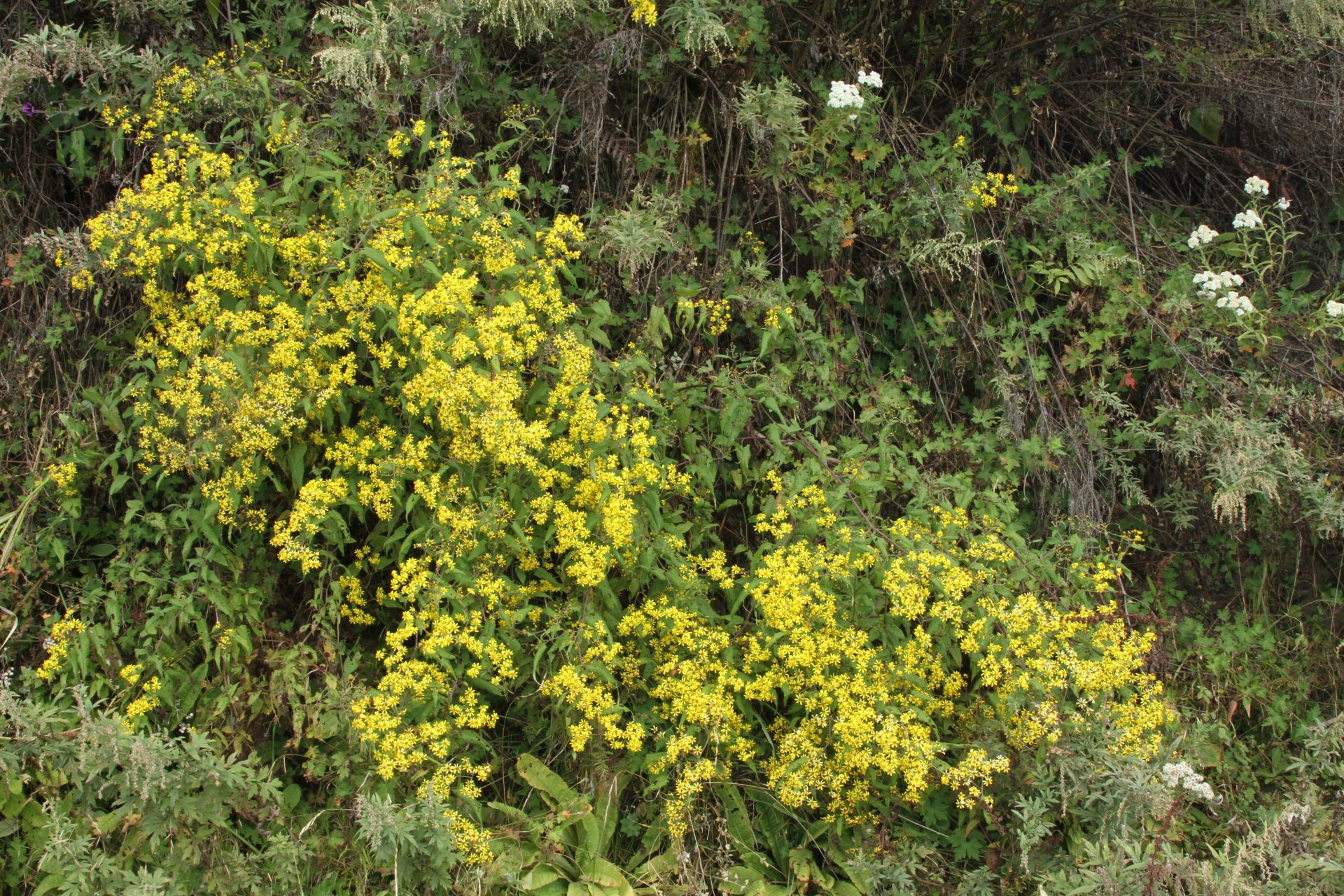
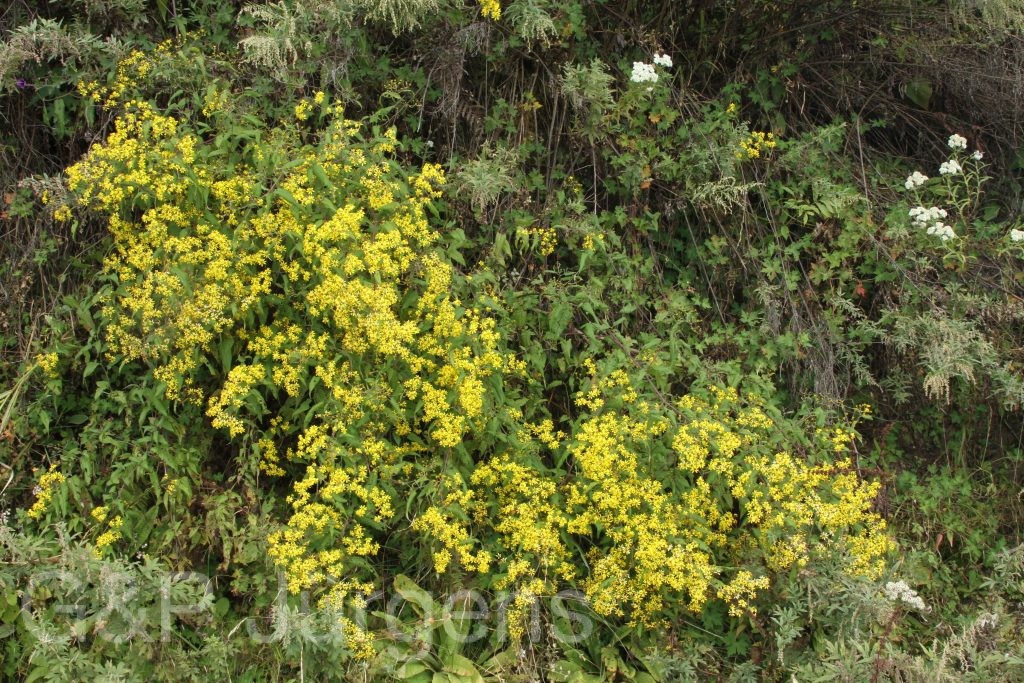
Senecio scandens var. incisus is a regional variant of the widespread climbing groundsel, recorded from China, Taiwan, Hong Kong and Nepal, with 338 georeferenced occurrences across the type species' range; the variety is part of an East Asian to Himalayan complex. It grows in moist montane forest margins, thickets, scrub and along streamsides and clearings, scrambling over shrubs and rocks, generally in the temperate zone. It was photographed near Trongsa, Bhutan, at 3100 m in October, flowering in the cool post-monsoon season when its golden heads brighten forest edges and disturbed slopes.
It is a scrambling or climbing perennial herb with long, slender, ribbed and often woody-based stems reaching several metres through surrounding vegetation. The alternate leaves are ovate to triangular-lanceolate, in var. incisus more deeply and irregularly incised or lobed than in the typical form, with toothed margins, an acuminate apex and frequently a pair of small basal lobes. The numerous radiate flower heads are arranged in broad terminal and axillary corymbose panicles; each head has bright yellow ray and disc florets subtended by a uniseriate involucre of green phyllaries with small outer calyculate bracts. The fruit is a cylindrical cypsela bearing a white pappus of fine bristles.
The species belongs to Senecio s.str. in tribe Senecioneae, one of the largest genera of flowering plants; the scandent climbing habit is unusual within an otherwise herbaceous genus. The variety incisus, described by Franchet, is distinguished by its more dissected leaves and treated as part of the variable S. scandens aggregate. Like the type, it contains pyrrolizidine alkaloids and is used in traditional Chinese medicine. It is common and not of conservation concern.
Author: Franch. · Sources: POWO (Kew), GBIF, Flora of China, Flora of Bhutan, Senecioneae of the World (Nordenstam & Pelser studies)