
(D.Don) Tzvelev
Description
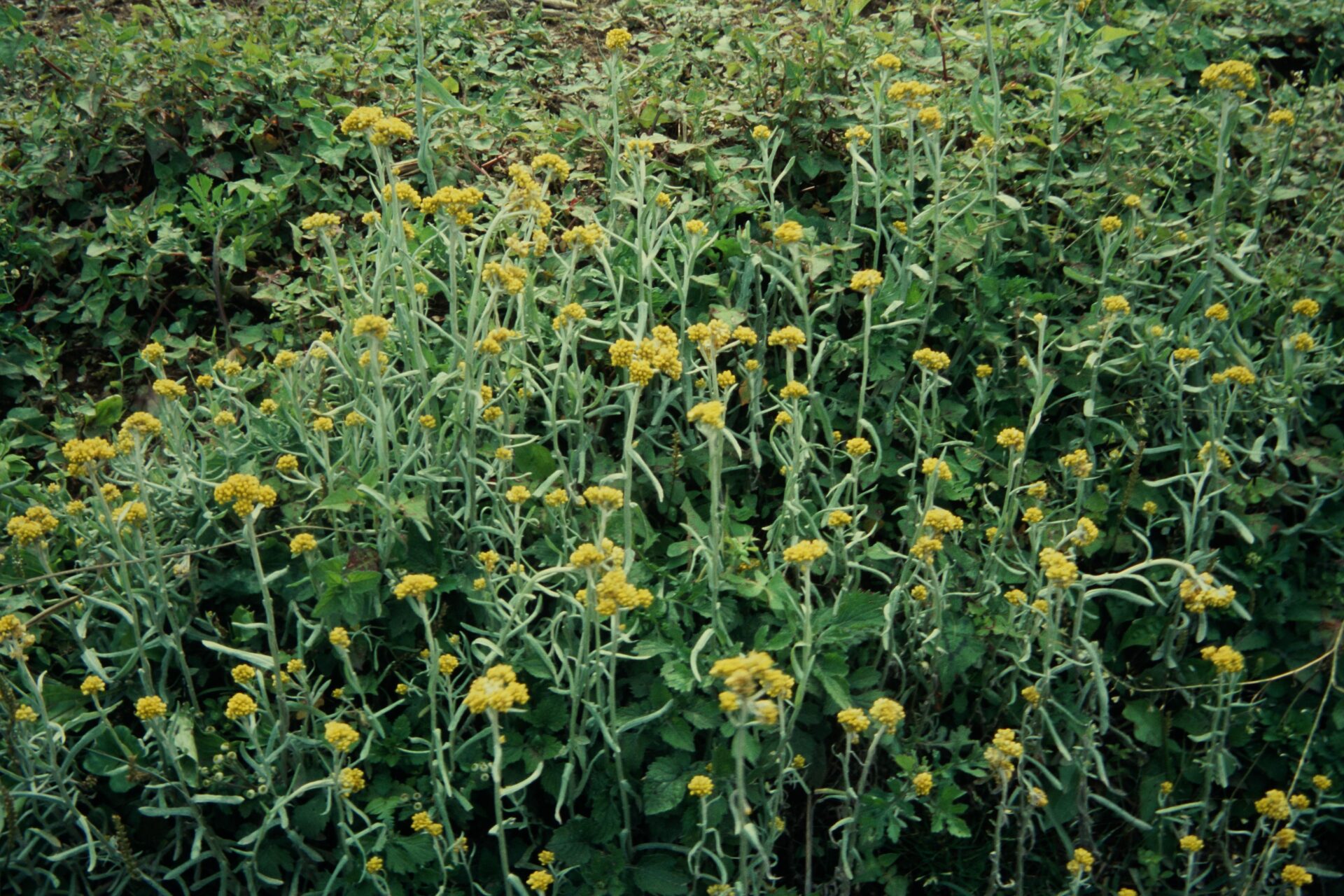
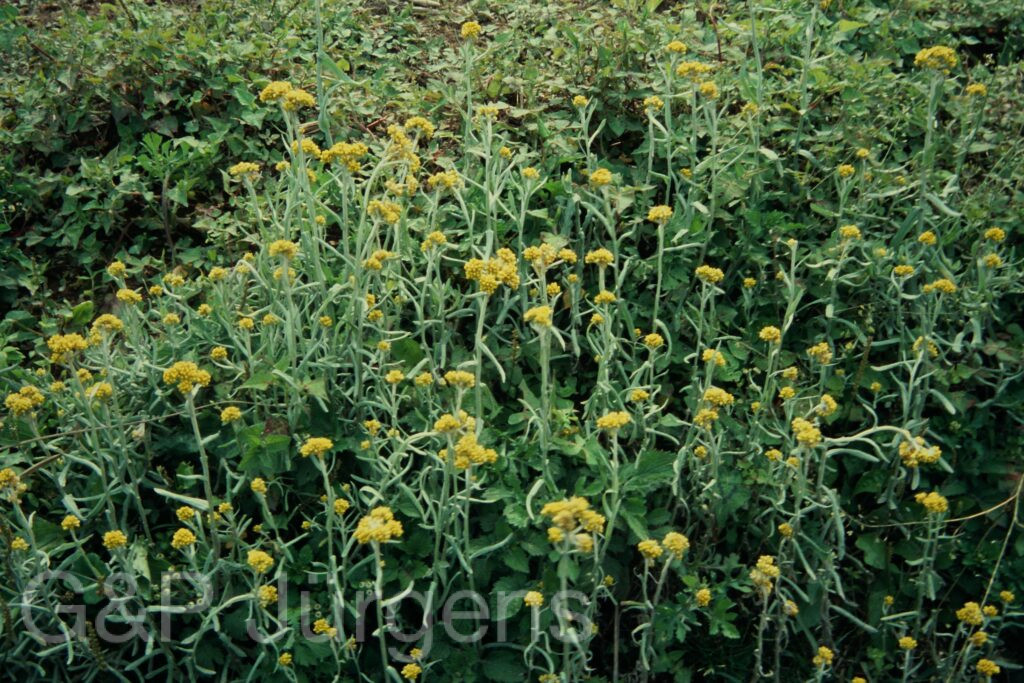
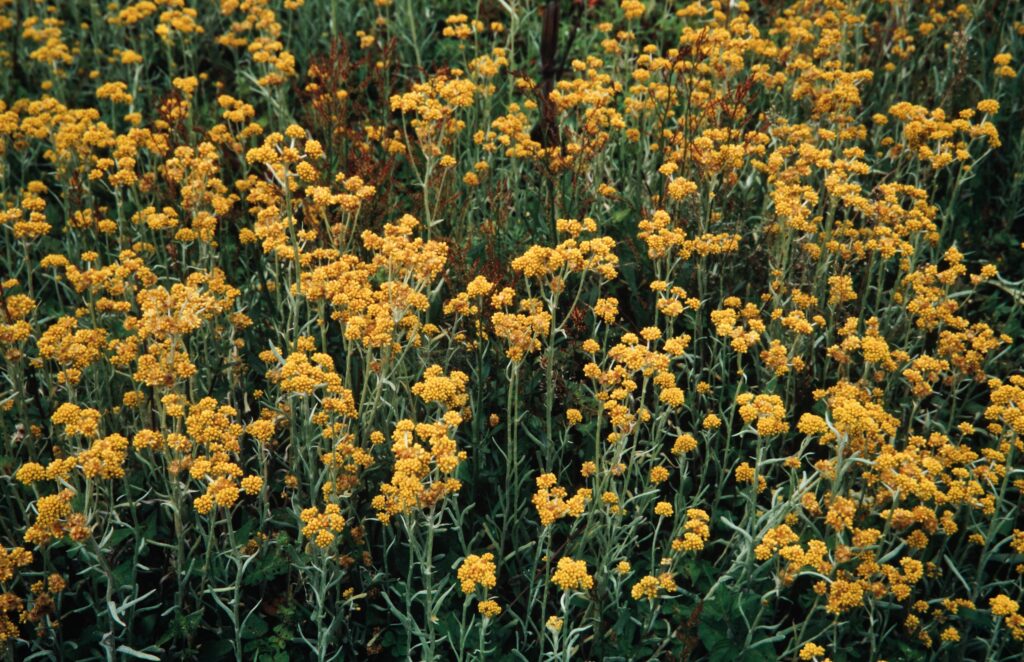
Laphangium affine is a widespread East and South Asian cudweed recorded from China, Japan, India, Taiwan, Vietnam, Nepal, Pakistan, Thailand, Georgia and Turkey, the roughly 99 georeferenced occurrences reflecting a broad continental range that extends westward into the Caucasus and Anatolia. It occurs from lowland to mid-montane elevations, the images documenting plants in West Bengal, India, at Utaray about 2000 m in April and Samadan about 2400 m in May. A plant of open, disturbed and seasonally moist ground, it colonises fields, fallows, roadsides, terrace banks, streamsides and weedy grassland, behaving as a fast-growing ruderal of cultivated and human-modified landscapes.
It is an erect annual or short-lived herb with simple or branched stems clothed, like the foliage, in a soft greyish-white woolly tomentum. The leaves are alternate, sessile, narrowly oblanceolate to linear-spathulate, entire-margined and densely lanate on both surfaces, the lower often withered at flowering. The numerous small capitula are aggregated into dense terminal and axillary glomerules; each head bears straw-coloured to yellowish, dry, scarious involucral bracts and contains many slender female florets surrounding a few central bisexual ones. The cypselae are minute and crowned by a caducous pappus of barbellate bristles, adapted for wind dispersal.
Under GBIF this name is treated as a synonym, with Laphangium affine itself standing as the accepted name; the taxon has been variously placed in Gnaphalium and Pseudognaphalium, reflecting the unsettled generic limits of the woolly cudweeds in tribe Gnaphalieae. Originally described by D. Don and transferred by Tzvelev, it is a successful weed across much of Asia, valued in some regions for medicinal and edible use. Given its wide range and ruderal ecology it is of no conservation concern.
Author: (D.Don) Tzvelev · Sources: POWO (Kew), GBIF, Flora of China, Flora of Pakistan, Gnaphalieae generic revision (Asteraceae)