
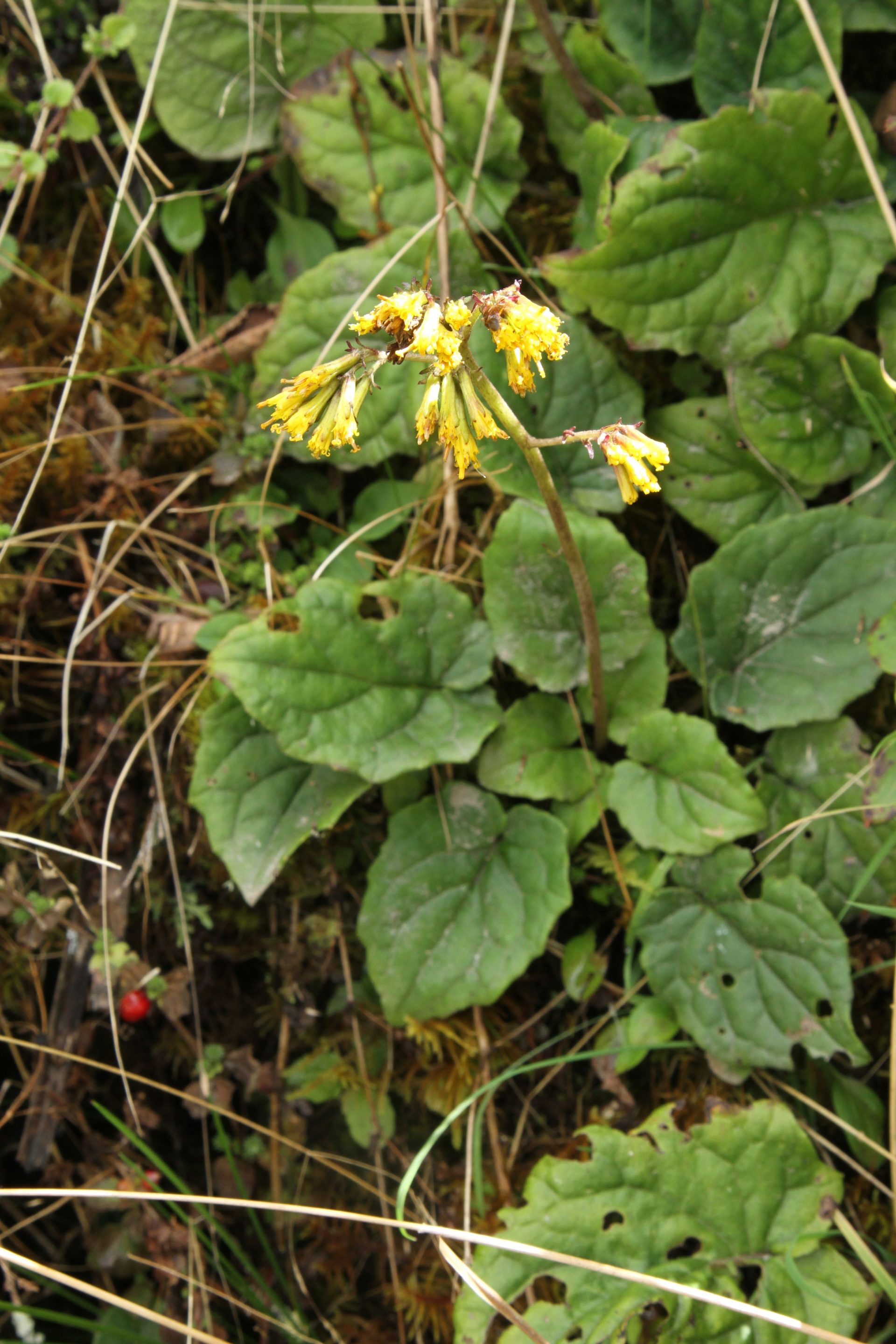
(Hook.f.) Babc. & Stebbins
Description
Youngia racemifera is a Sino-Himalayan species recorded from China, Nepal, Bhutan, India and Myanmar, GBIF holding around 209 occurrences across this eastern montane range. It is a plant of open temperate to subalpine habitats, growing on grassy and shrubby slopes, forest clearings, banks and disturbed ground where light is abundant and soils are moist but well drained. The cited localities, Phobjika in central Bhutan at 2620 m in October and the Haar Valley in the west at 3200 m in September, place it in the upper temperate to subalpine belt, flowering and fruiting through the late summer and autumn as the monsoon wanes and the high valleys cool.
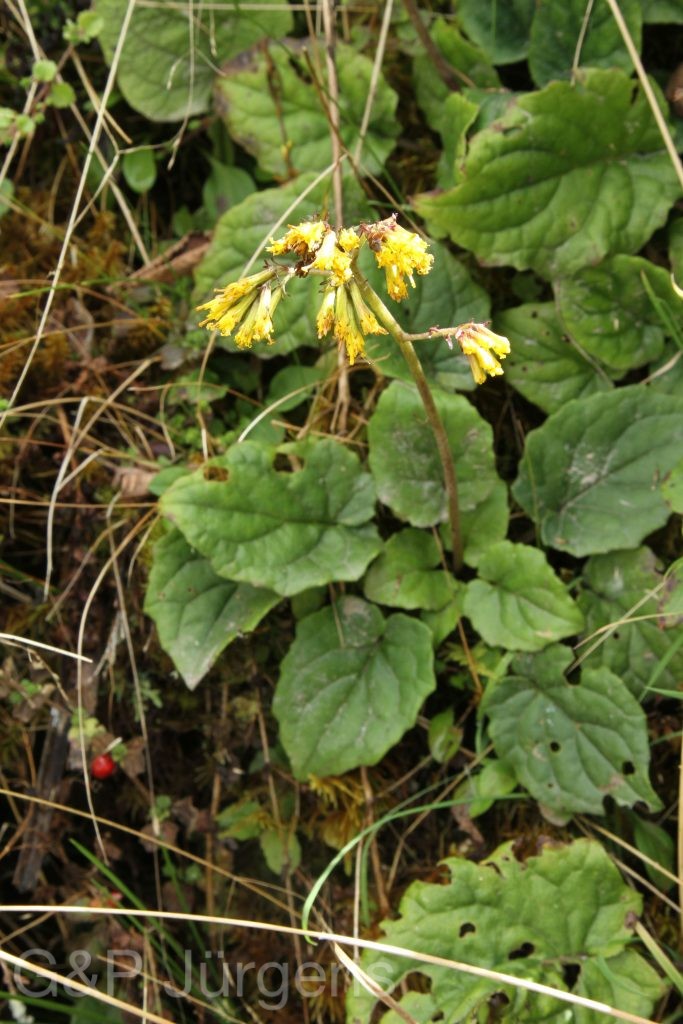
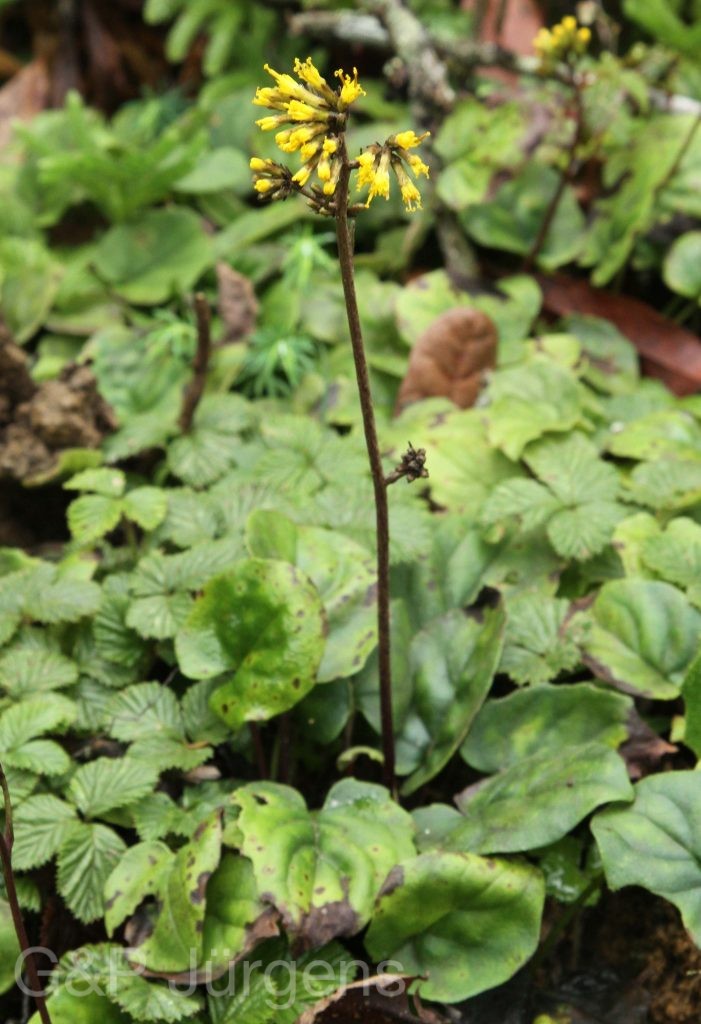
It is an erect perennial or biennial herb with a leafy, branching, glabrous to sparsely hairy stem exuding milky latex when broken, as is typical of the tribe. The lower leaves are oblanceolate and runcinate-pinnatifid to lyrate, narrowed to a winged base, the upper leaves smaller and less divided, sometimes amplexicaul. The numerous small capitula are arranged in an elongate, racemose to paniculate synflorescence, reflected in the epithet. Each head is homogamous and ligulate, containing several yellow ray florets only; the involucre is cylindric with a single main row of phyllaries and small outer bracts. The cypselae are narrowly fusiform and ribbed, surmounted by a pappus of soft white barbellate bristles.
Youngia (tribe Cichorieae) is a genus of around thirty species centred on East Asia and the Himalaya, distinguished from related lettuce-like genera by its small few-flowered capitula and beakless ribbed cypselae. Based on a Hooker name and transferred by Babcock and Stebbins in their classic study of the group, Y. racemifera is treated as accepted. Its bright yellow ligulate heads attract small bees and flies. As a tolerant plant of open and disturbed montane habitats, it is widespread and of no conservation concern.
Author: (Hook.f.) Babc. & Stebbins · Sources: POWO (Kew), GBIF, Flora of Bhutan, Flora of China, Annotated Checklist of the Flowering Plants of Nepal, Babcock & Stebbins' monograph of Crepidinae (Youngia)