
W. Becker
Description
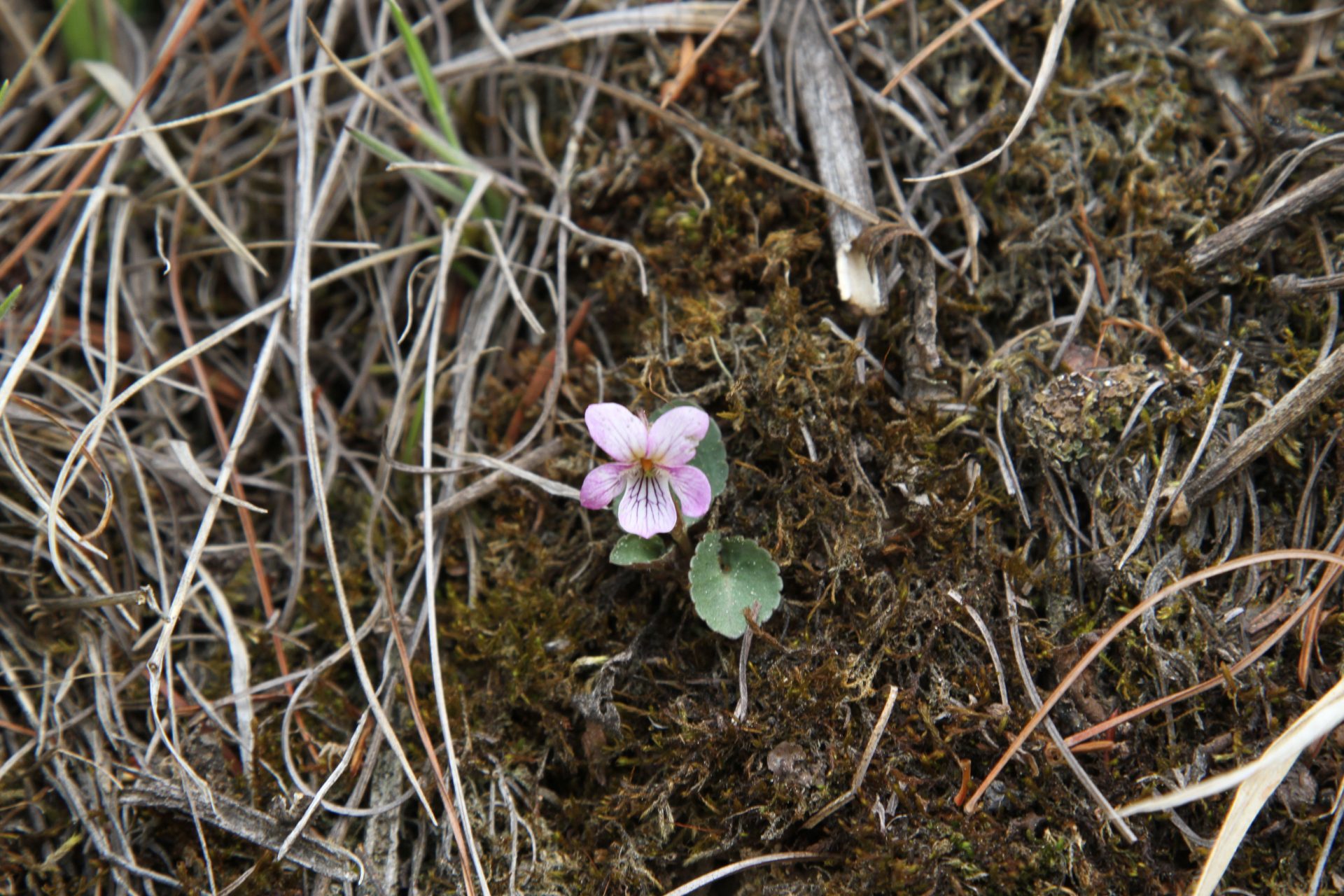
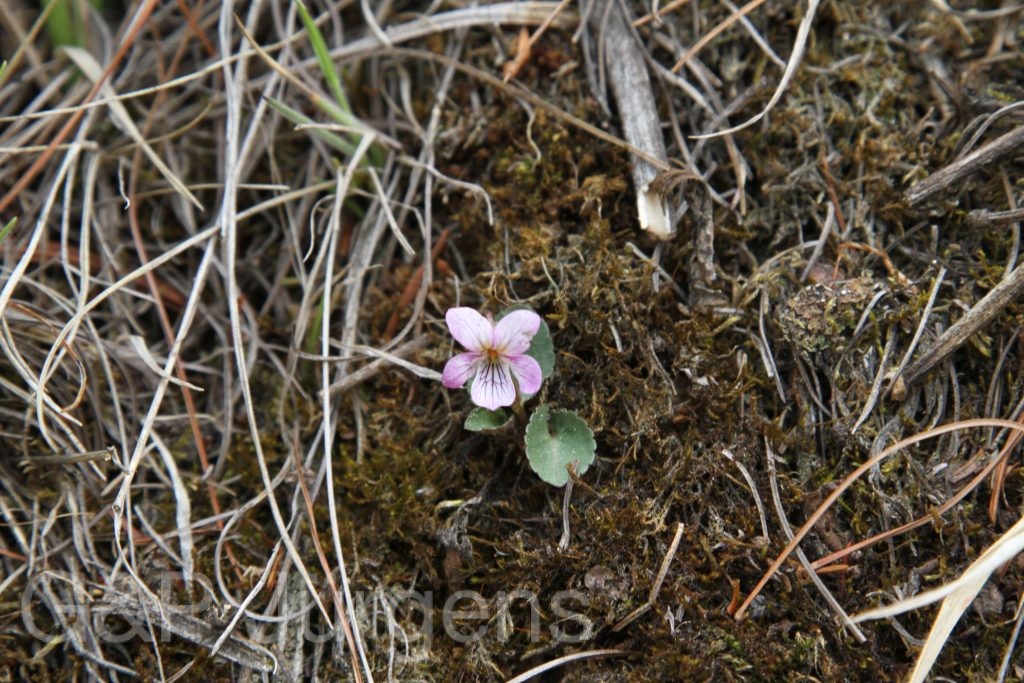
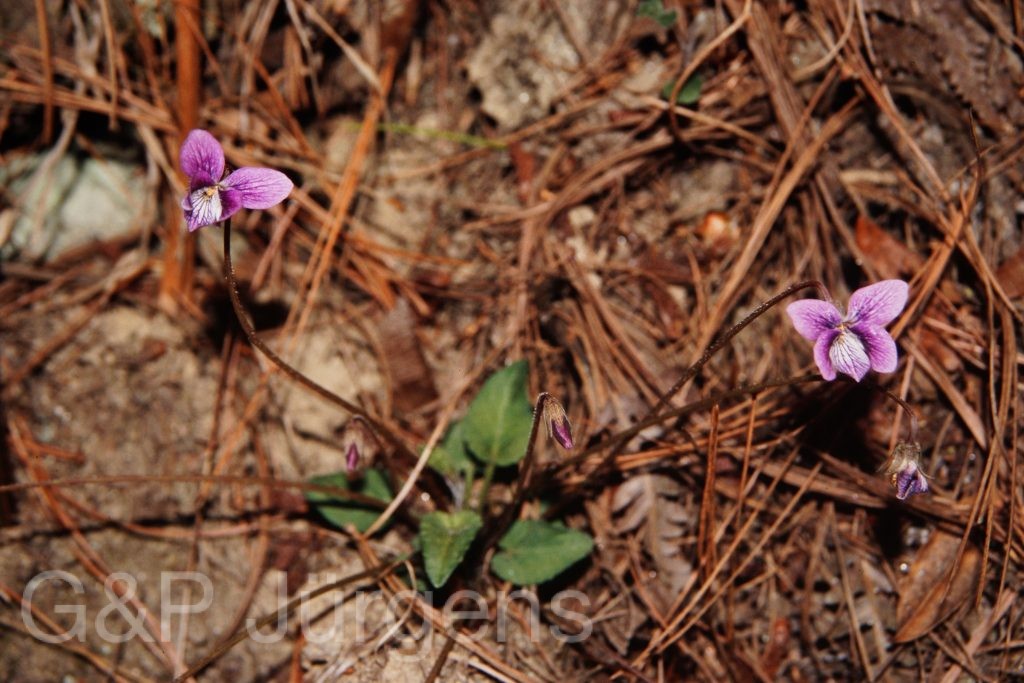
Viola yunnanfuensis is an acaulescent violet of the Eastern Himalaya and southwestern China, documented by GBIF (144 occurrences) from China, Bhutan, India and Taiwan (CN, BT, IN, TW). It grows in the temperate to upper-temperate zone on grassy banks, open forest margins, meadows and disturbed slopes, favouring moist but well-lit ground. The two cited Bhutanese collections, from Haa at about 2640 m and Paro at around 3000 m, both flowering in May, span the typical montane range of roughly 2000-3300 m and reflect its association with the spring flush following snowmelt and early monsoon rains.
The plant is a small, stemless perennial herb forming a basal rosette from a short rhizome and slender roots. The leaves are long-petioled, the blade ovate-cordate to oblong-cordate with a crenate margin and often a sparsely pubescent surface; conspicuous stipules are adnate to the petiole, fimbriate or laciniate. The solitary flowers are borne on slender axillary peduncles bearing two bracteoles; the corolla is zygomorphic, of five unequal petals in shades of violet to purple, the lowest spurred and the laterals often bearded. As in many violets, later-season cleistogamous flowers ensure seed set. The fruit is a small, loculicidal, three-valved capsule that ejects the seeds elastically.
Viola yunnanfuensis belongs to Viola section Viola (the stemless, fibrous-rooted spring violets), a taxonomically intricate group in which Sino-Himalayan species form a diverse and often poorly delimited complex. The combination of obligate spring (chasmogamous) and summer cleistogamous flowering is a hallmark of the section, promoting both outcrossing and reliable reproduction. Widespread and tolerant of moderate disturbance, the species is not considered threatened.
Author: W. Becker · Sources: POWO (Kew), GBIF, Flora of China, Flora of Bhutan, Violaceae of the Sino-Himalaya, W. Becker Violae Asiaticae