
Kitam. & Tamura
Description
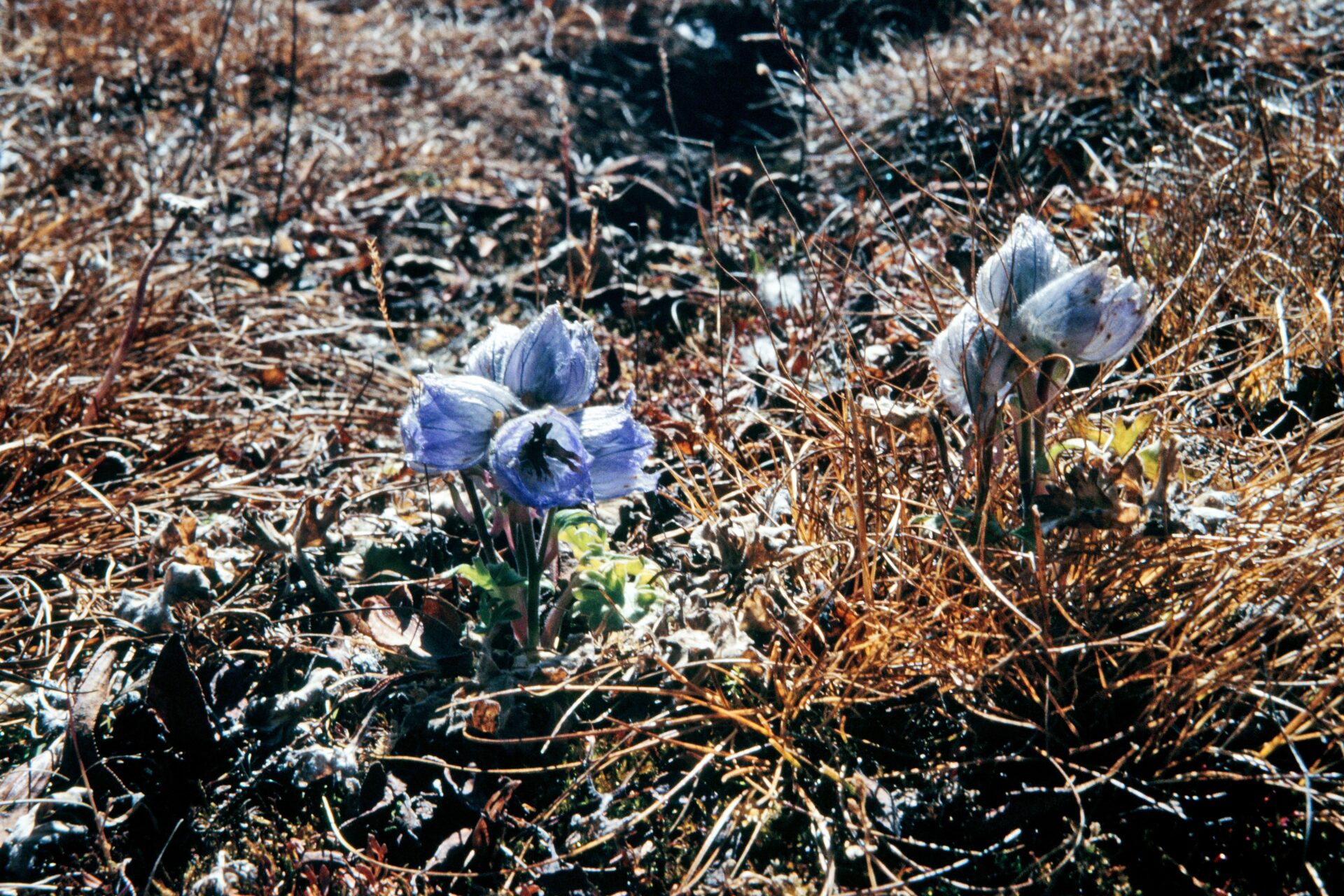
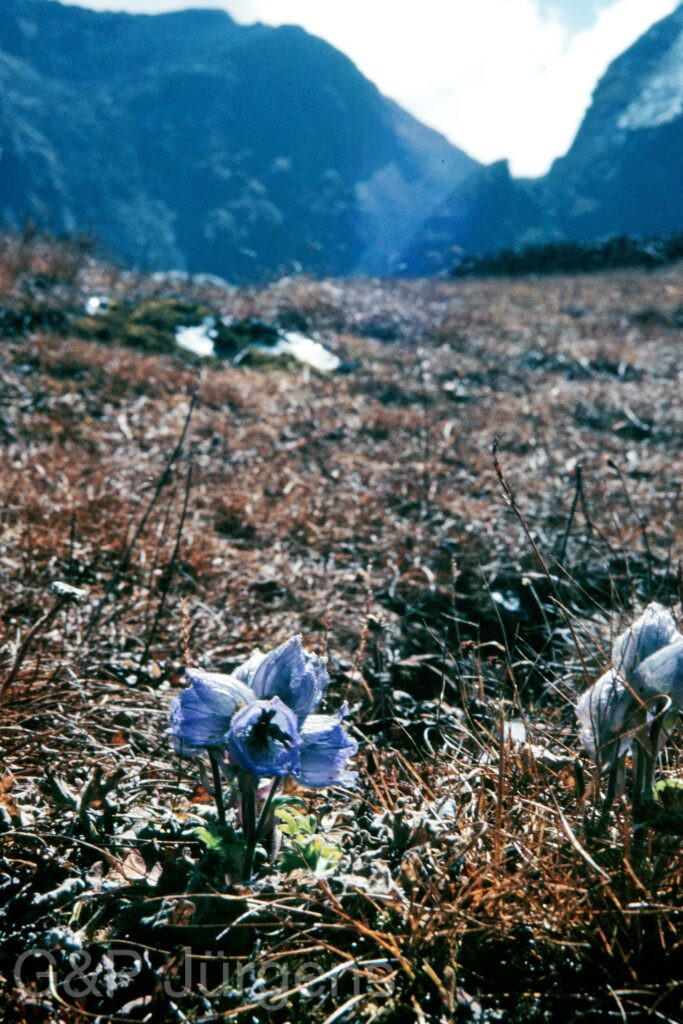
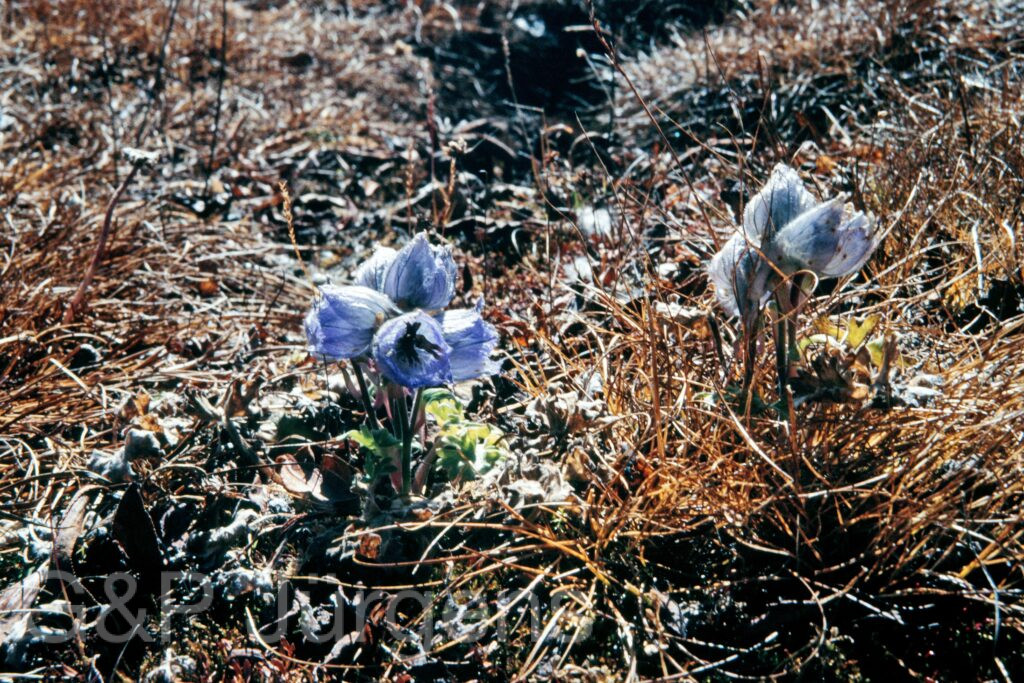
Delphinium nepalense is a high-alpine larkspur of the Central and Western Himalaya, recorded from Nepal, Bhutan and Pakistan; GBIF holds about 51 occurrences, reflecting a limited but genuine montane distribution. It is a plant of the upper alpine zone, growing on open grassy slopes, stony meadows, screes and the margins of glacial tarns, as documented at Jaisuli Kund in Nepal at 4450 m. At such elevations it experiences a brief, cool growing season and flowers comparatively late, persisting into October as shown in the field record, when many co-occurring alpines have already set seed.
It is a perennial herb arising from a fibrous to somewhat tuberous rootstock, with erect or ascending stems. The leaves are palmately divided into narrow lobes or segments, the lower ones long-petiolate and the upper progressively reduced and sessile. The inflorescence is a few-flowered raceme of strongly zygomorphic flowers; the five petaloid sepals are blue to violet-purple, the uppermost prolonged backward into a prominent spur that encloses the nectar-bearing spurs of the two upper petals, while the smaller petals form a contrasting honey-guide at the throat. The fruit is a cluster of erect follicles splitting along the ventral suture to release flattened, scaly or winged seeds.
The species was described by Kitamura & Tamura, authorities on the Himalayan Ranunculaceae. Within Delphinium it belongs to the perennial Himalayan element, allied to species such as D. brunonianum and D. kamaonense. As in much of the genus, the flowers are pollinated chiefly by bumblebees adapted to probing the long spur, and the foliage contains diterpenoid alkaloids that render the plant toxic and unpalatable to grazing livestock. Although not formally assessed for conservation, its restricted high-altitude range makes it sensitive to grazing intensity and to the upslope compression of alpine habitat under a warming climate.
Author: Kitam. & Tamura · Sources: POWO (Kew), GBIF, Flora of Nepal, Flora of Pakistan, Munz's monograph of the genus Delphinium