
Wall. ex Benth.
Description
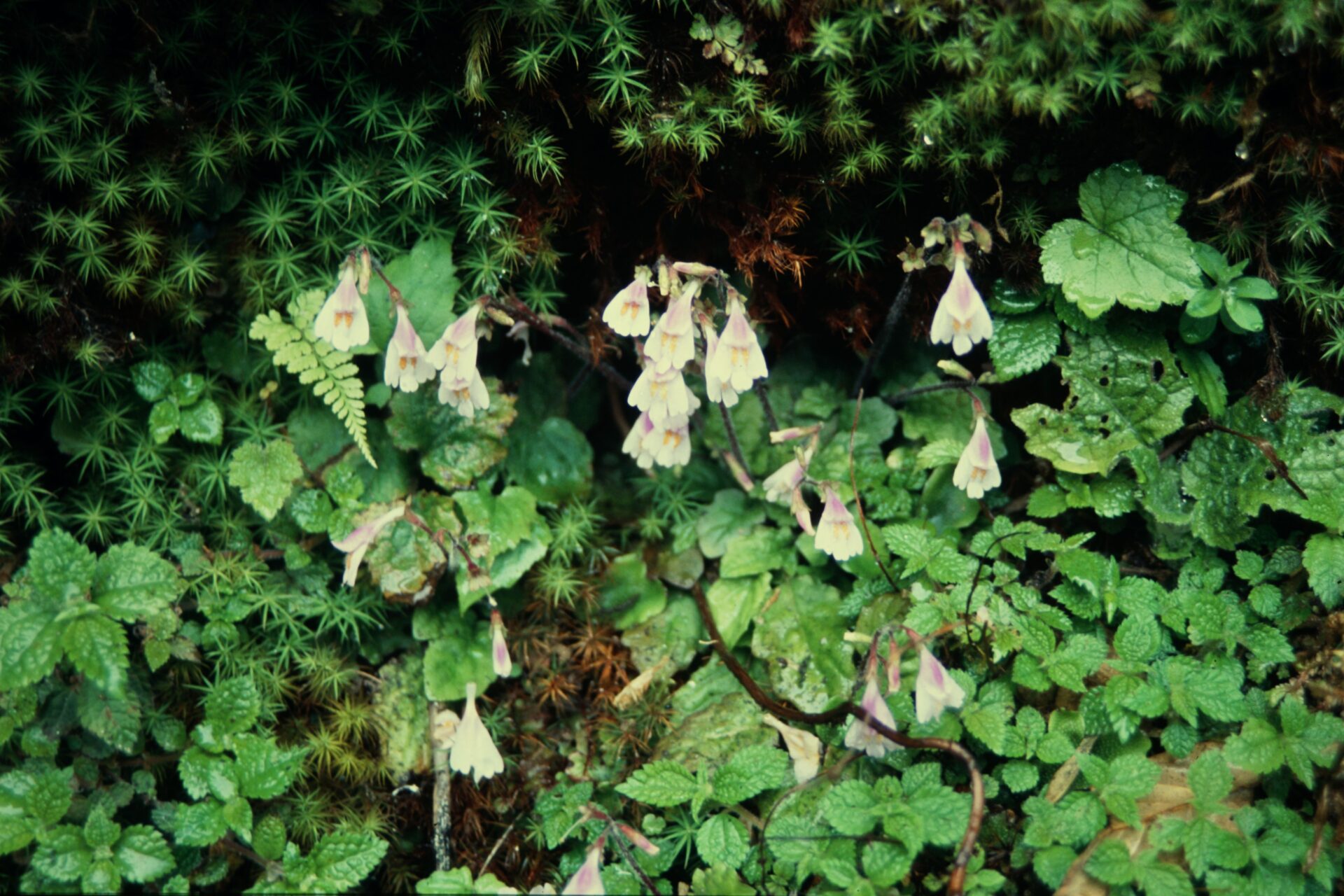
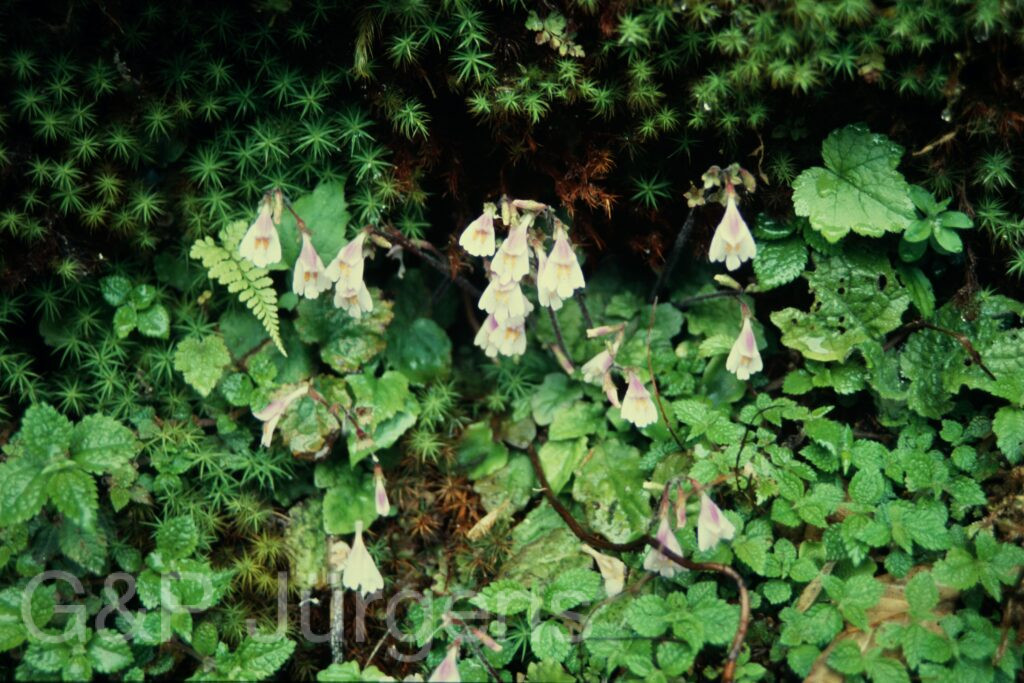
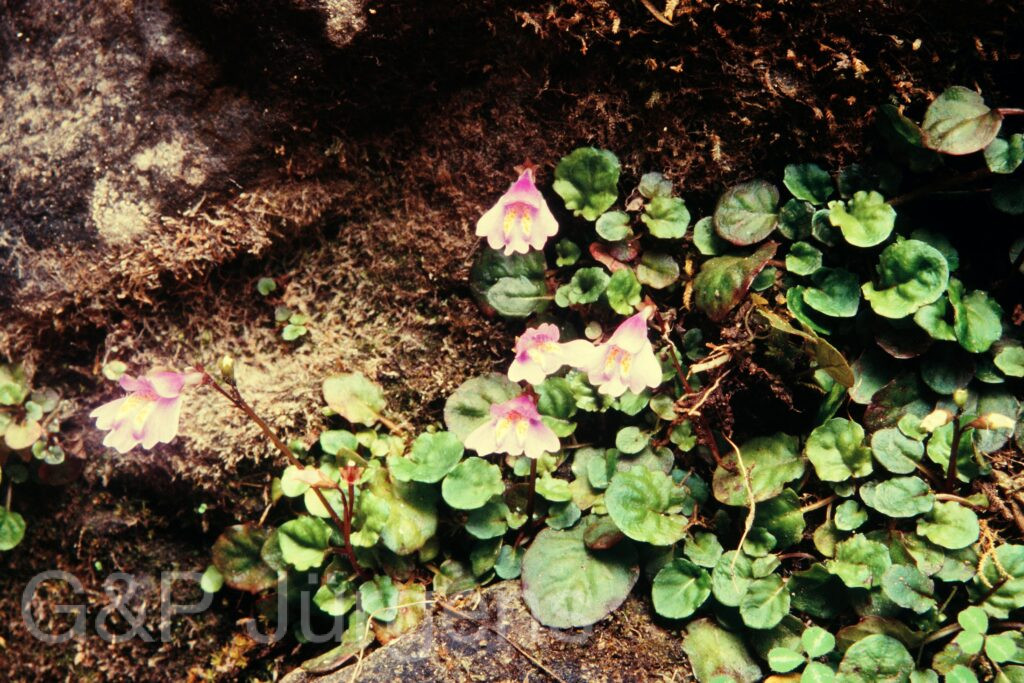
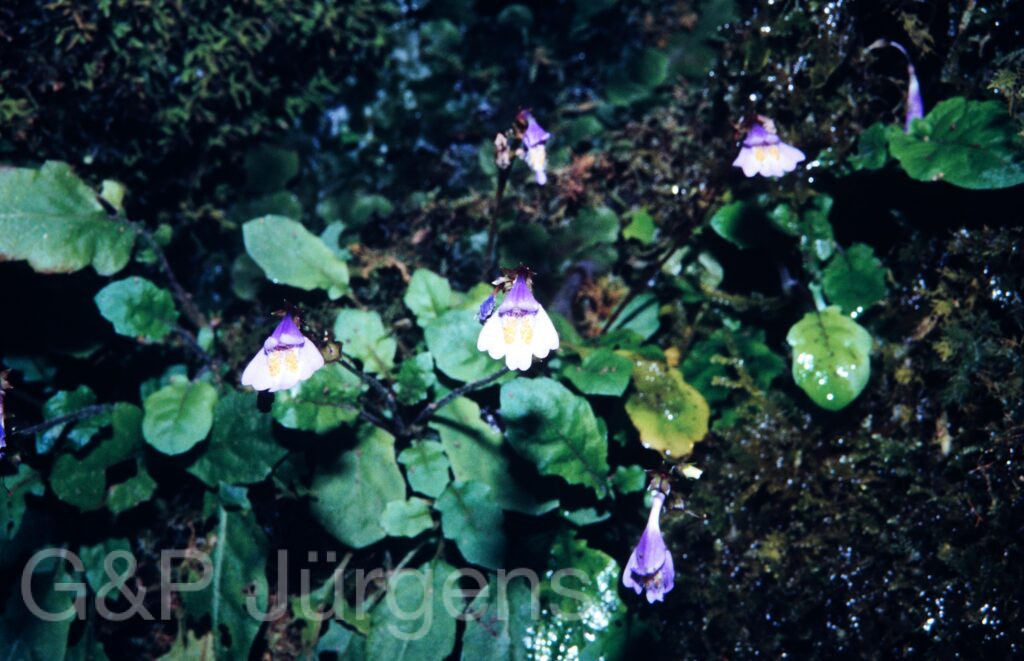
Mazus dentatus is a small herbaceous plant of the eastern Himalaya, recorded from northern India (Sikkim, Darjeeling), Nepal and Bhutan; GBIF holds only about 48 records, consistent with a restricted, narrow distribution. It grows in moist, shaded or semi-open habitats such as damp banks, grassy slopes, terraced field margins, ditches and stream sides at lower to middle elevations, broadly between about 1500 and 2500 m. The photographed material came from Sambon in the Sikkim/West Bengal hills at around 1800 m in April, from Dongen in Nepal near 2360 m in April and from Mamanke at about 1800 m in March, the early-spring flowering typical of this moisture-loving herb.
The plant is a low, soft, more or less hairy annual or short-lived perennial with slender ascending or decumbent stems. The leaves are mostly in a basal rosette and opposite below, obovate to spathulate, narrowed to a winged petiole, with a coarsely toothed (dentate) margin that gives the species its epithet. The flowers are borne in lax terminal racemes; the corolla is strongly two-lipped, pale violet to bluish, the short upper lip two-lobed and the larger lower lip three-lobed and marked with yellow and darker spots on a raised palate. The fruit is a small capsule enclosed in the persistent calyx.
Mazus, long placed in Scrophulariaceae and later in its own family Mazaceae, is treated here in Phrymaceae following the broad circumscription adopted in several recent floras. The genus is distinguished by its palate-bearing, bilabiate corolla and rosulate habit. M. dentatus is a localised eastern Himalayan plant of disturbed, moist ground; though not formally assessed, its limited range warrants attention.
Author: Wall. ex Benth. · Sources: POWO (Kew), GBIF, Flora of China Vol. 18, Flora of Bhutan Vol. 2, Flora of Nepal, Flora of Pakistan, Bonati revision of Asian Mazus