
Hook.f. & Thomson
Description
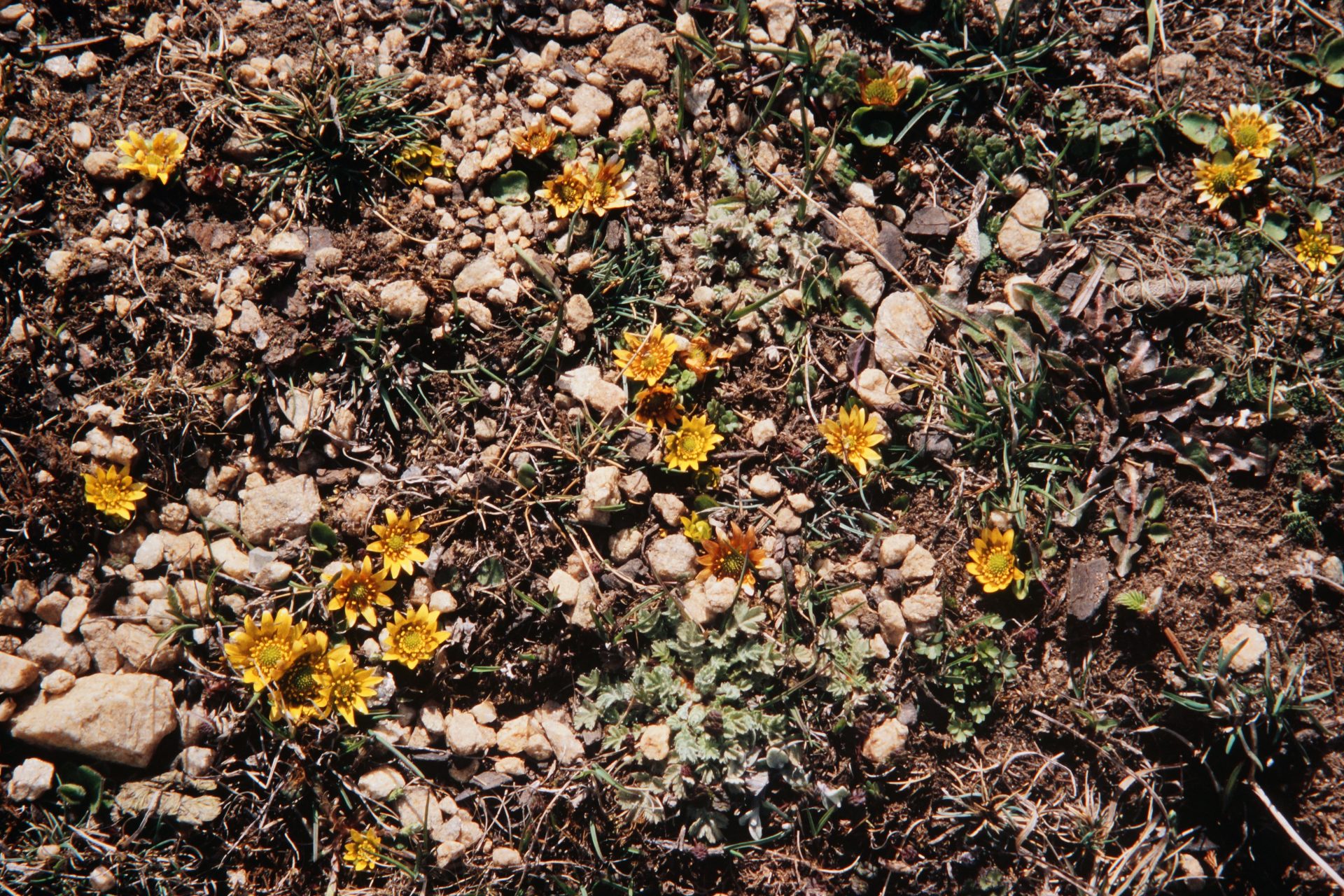
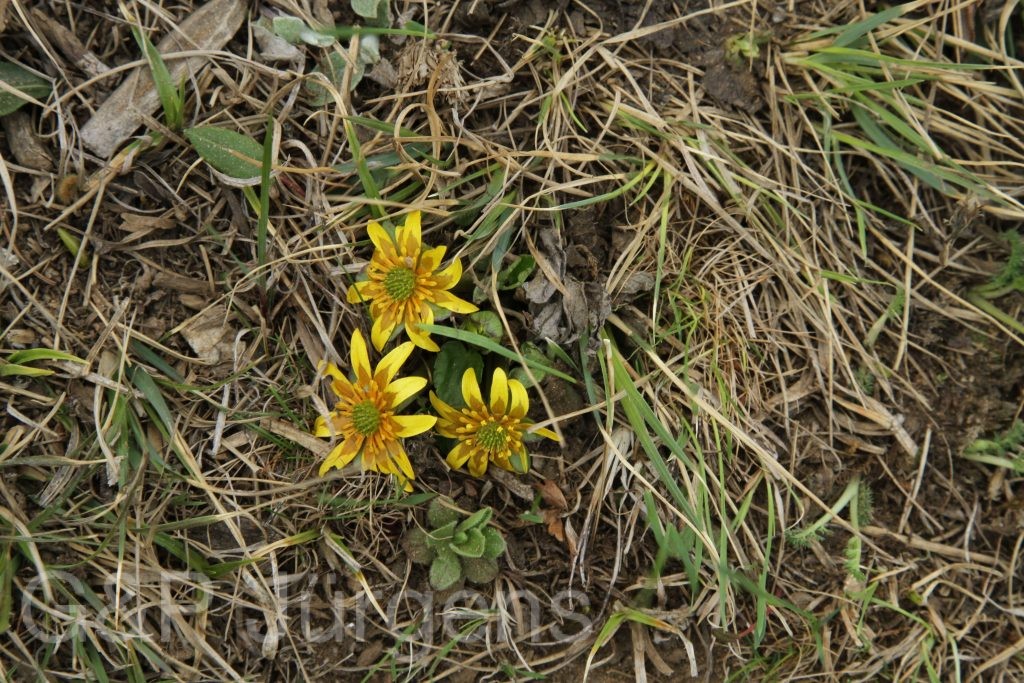
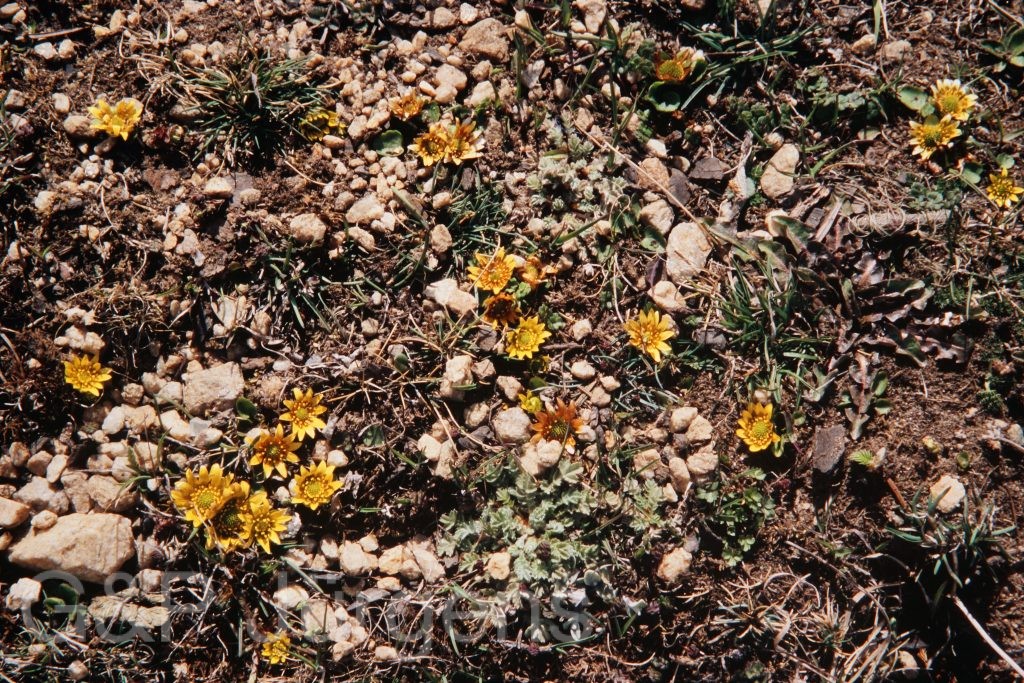
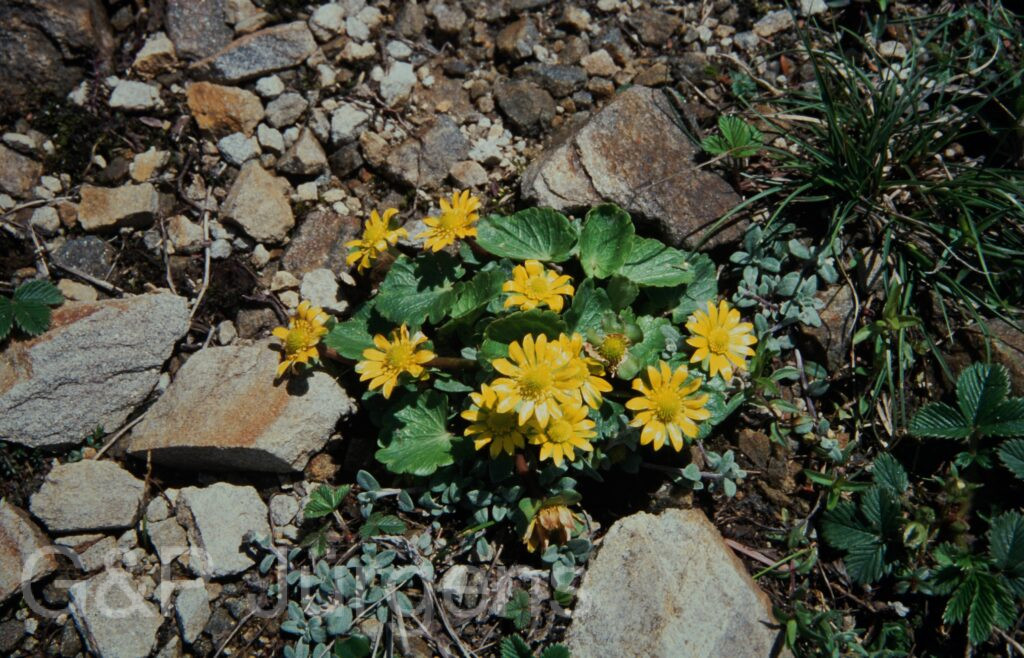
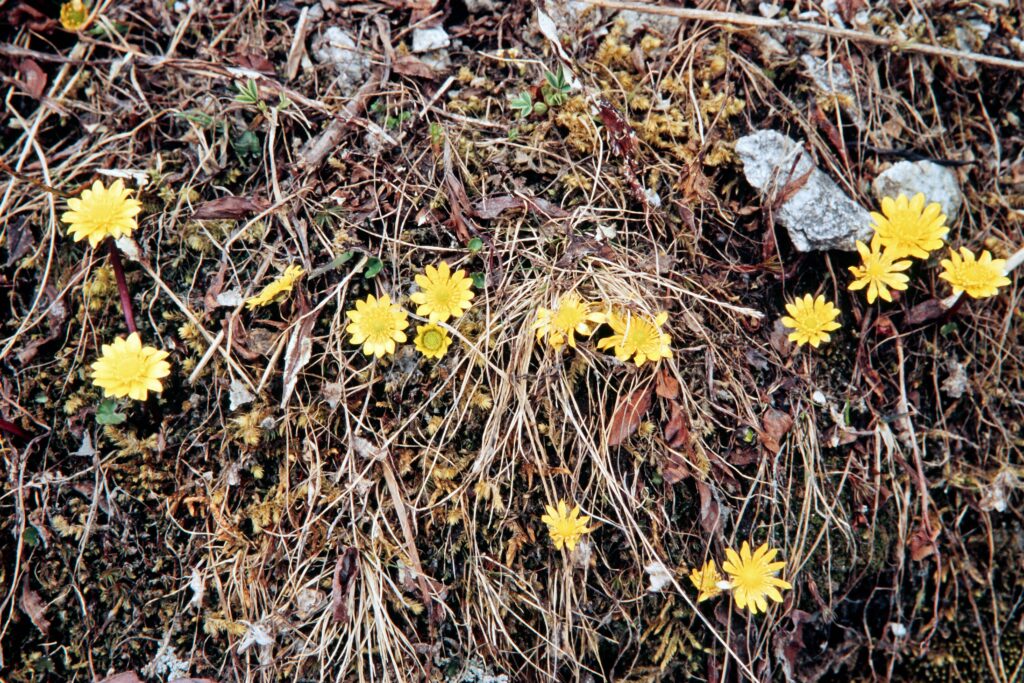
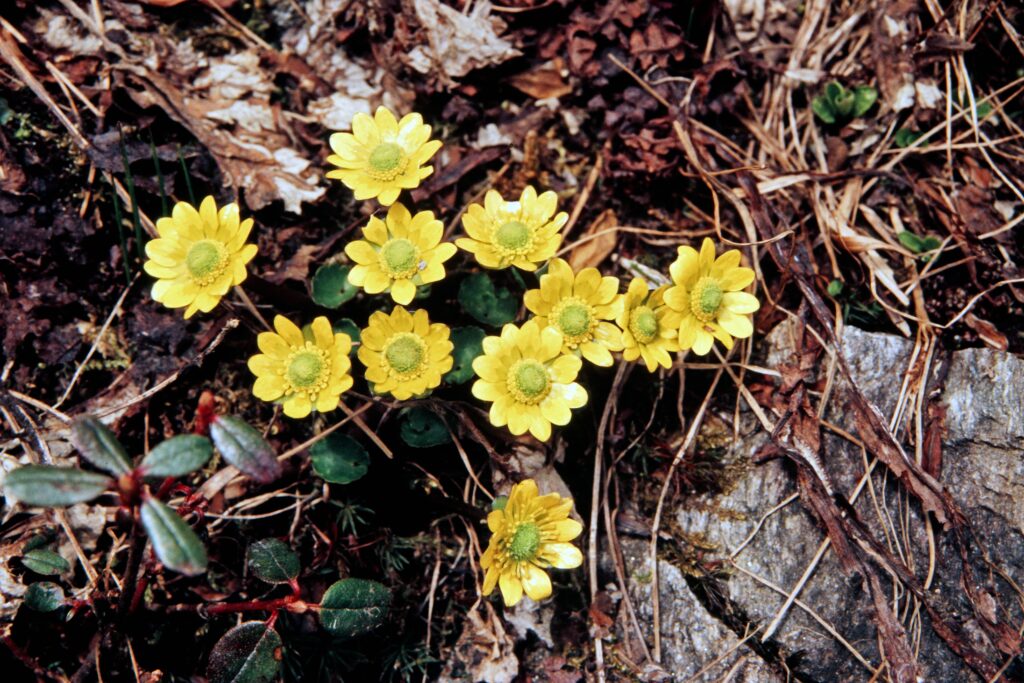
Oxygraphis polypetala is a high-alpine buttercup relative distributed across the Himalaya and Tibetan plateau, with records from India, Nepal, China, Russia, Bhutan and Pakistan and around 115 georeferenced occurrences. It is an early-flowering plant of damp alpine turf, snowmelt flushes, gravelly meadows and the margins of melting snow patches, generally between about 3300 and 4500 m. The illustrated collections—Chele-La in Bhutan at 3900–4000 m in April and May, Rupina-La in Gorkha, Nepal at 3300 m in May, and Khiar Kutti in Garhwal, India at 4100 m in June—capture its phenology of blooming almost immediately as the snow retreats.
It is a small, stemless perennial herb forming rosettes from a short rootstock. The leaves are all basal, long-petiolate, with an entire to obscurely crenate, ovate to elliptic, often somewhat fleshy blade. The flowers are solitary on leafless scapes; the perianth is conspicuous, with numerous (commonly ten or more, whence polypetala) narrow, glossy golden-yellow petaloid segments spreading star-like above a green calyx, surrounding many stamens and a domed head of carpels. The fruit is an aggregate of numerous small, beaked achenes borne on an elongating receptacle.
Oxygraphis is a small Asiatic genus segregated from Ranunculus on the basis of its persistent, leathery petals and achene structure; the name combination here, attributed to Hooker and Thomson, is treated as accepted despite synonym status in the source data. Its precocious flowering exemplifies the snowbed strategy of many high-Himalayan herbs that exploit the brief window of meltwater and warmth. Widely distributed and locally abundant, it is not regarded as threatened.
Author: Hook.f. & Thomson · Sources: POWO (Kew), GBIF, Flora of China (Ranunculaceae), Annotated Checklist of the Flowering Plants of Nepal, Grierson & Long Flora of Bhutan, Tamura's treatment of the Ranunculaceae