
Diels
Description
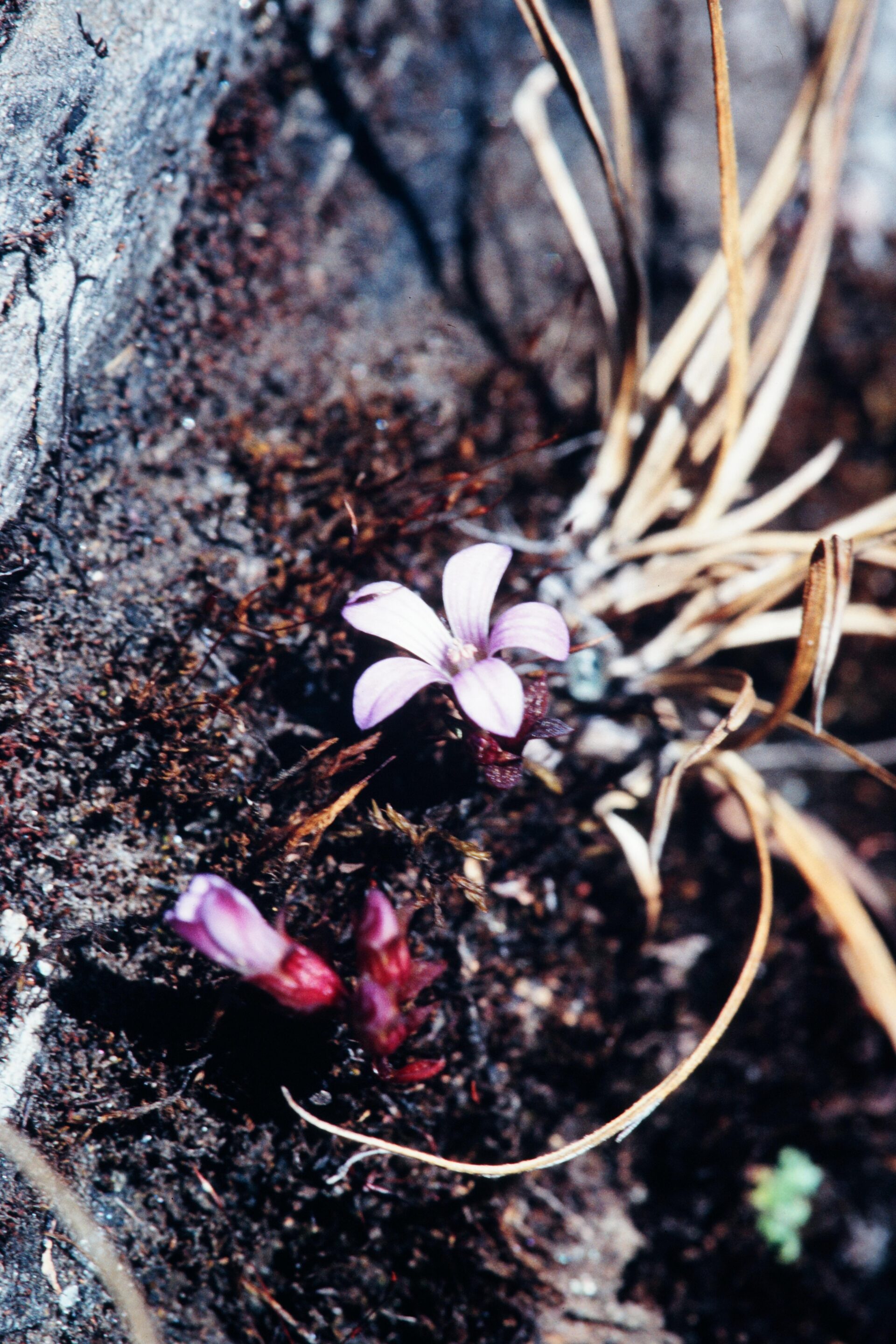
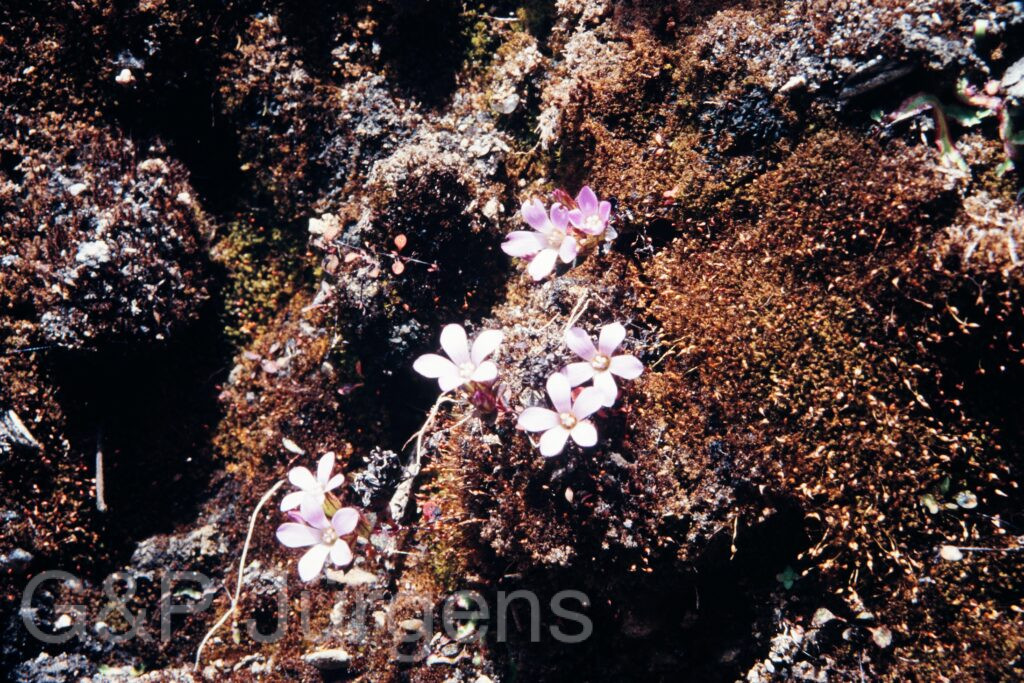
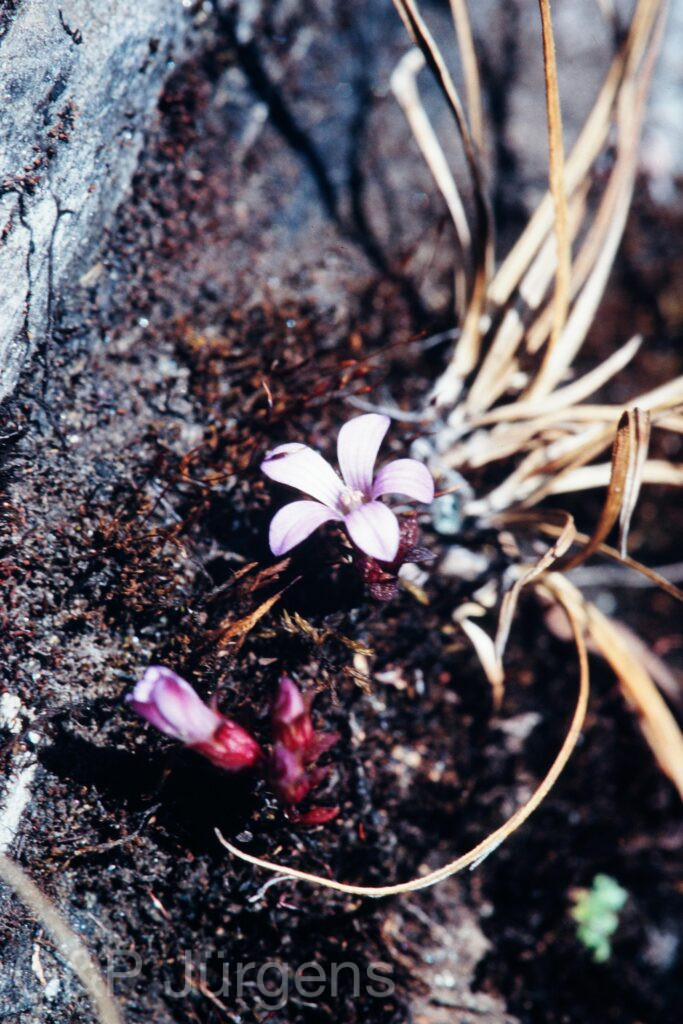
Arenaria forrestii is a high-alpine cushion plant of the Sino-Himalayan region, recorded from China, Bhutan, India and Nepal across some 164 GBIF occurrences. The photographed plant was found at Bahanjyang in Nepal at about 3800 m in October, a typical setting for a species inhabiting open alpine turf, stony slopes, gravelly screes and rocky crevices, generally between 3500 and 4800 m. It forms low compact mats on exposed, well-drained substrates where the cushion habit conserves moisture and buffers against wind, frost and intense montane insolation.
The plant is a densely caespitose perennial forming tight cushions or mats from a branched, somewhat woody caudex and slender rhizomatous base. The leaves are small, sessile, linear to subulate, opposite, rigid and often imbricate, the older bases persisting. Flowering stems are short and few-flowered; the flowers are solitary or in small cymes, with five free, often dark-veined sepals and five white, entire petals exceeding the calyx. The fruit is a small ovoid capsule dehiscing by teeth and releasing several minute reniform seeds.
GBIF treats the recorded name as a synonym, with Arenaria forrestii as the accepted name. The species belongs to the speciose genus Arenaria (sandworts), well represented among Himalayan cushion-forming alpines that contribute to the distinctive scree and meadow communities of the high passes. Such cushion plants act as nurse structures, modifying their microhabitat and facilitating other alpine species. No conservation concern is recognised, populations being widespread though confined to specialised high-elevation habitats.
Author: Diels · Sources: POWO (Kew), GBIF, Flora of China, Flora of Nepal, Flora of Bhutan, McNeill – Monograph of Arenaria (Caryophyllaceae)