
(Franch.) Pax
Description
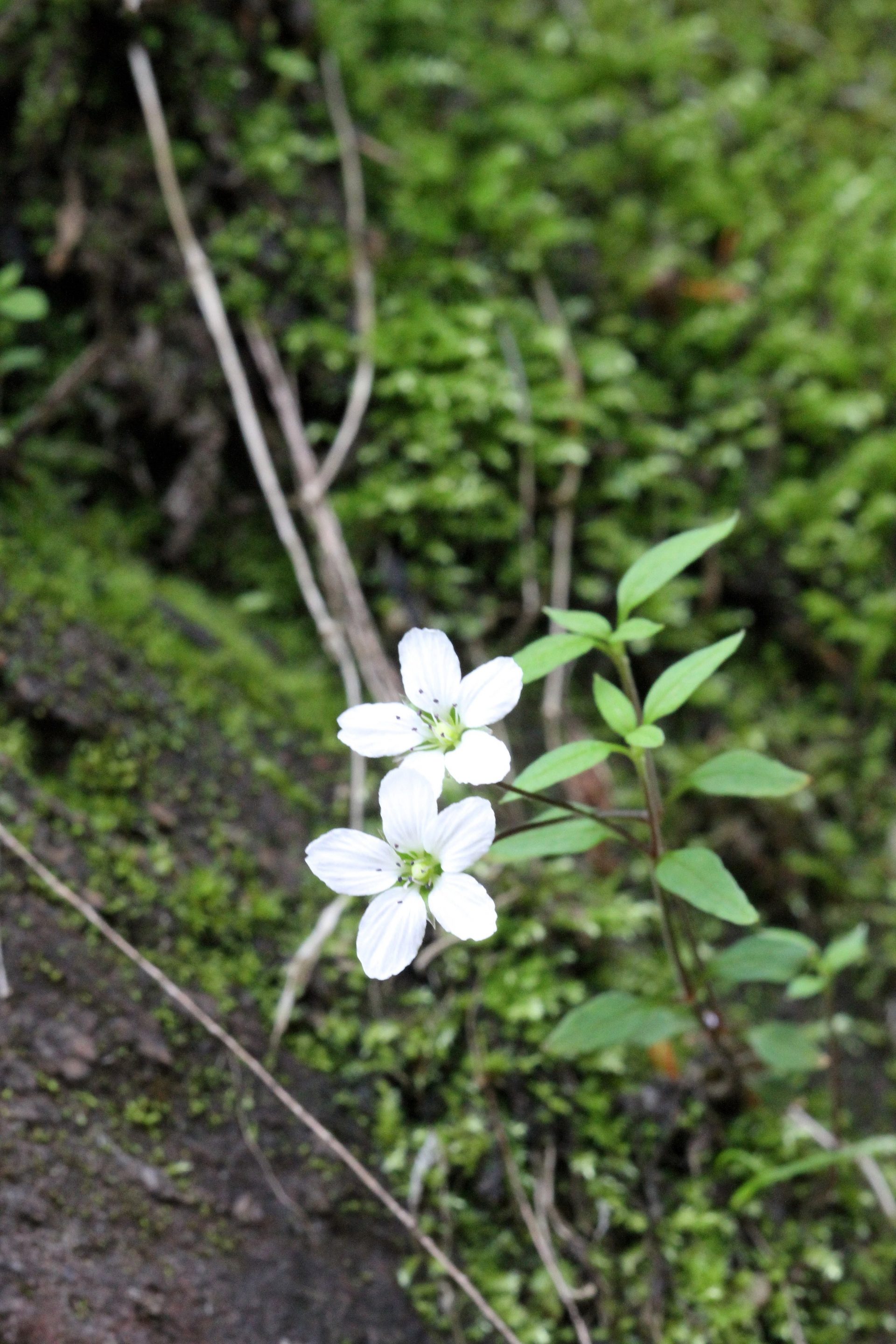
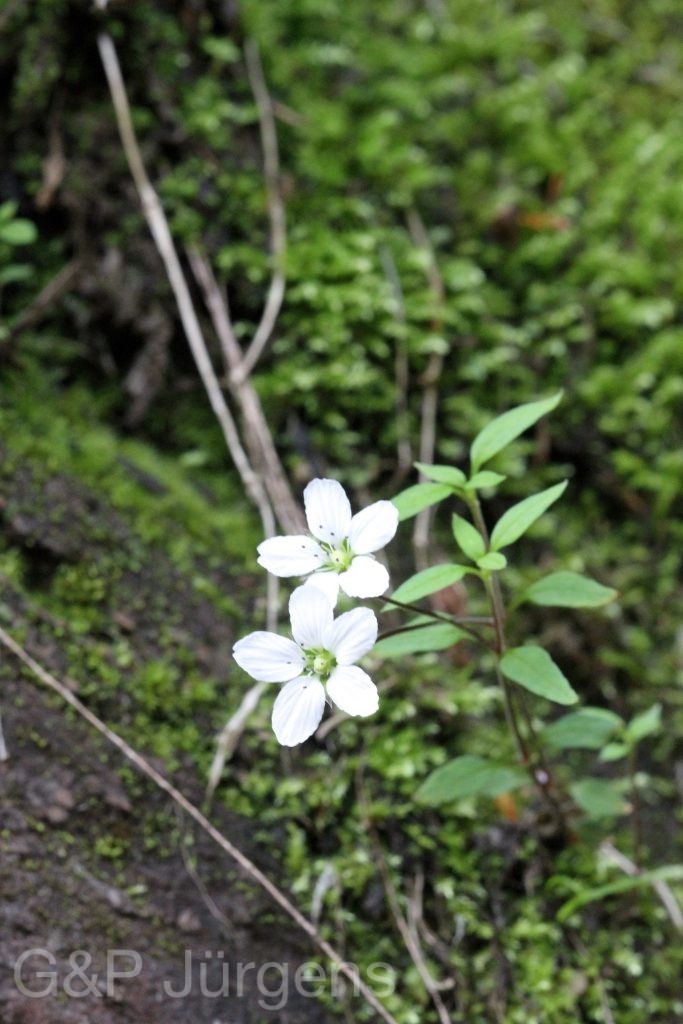
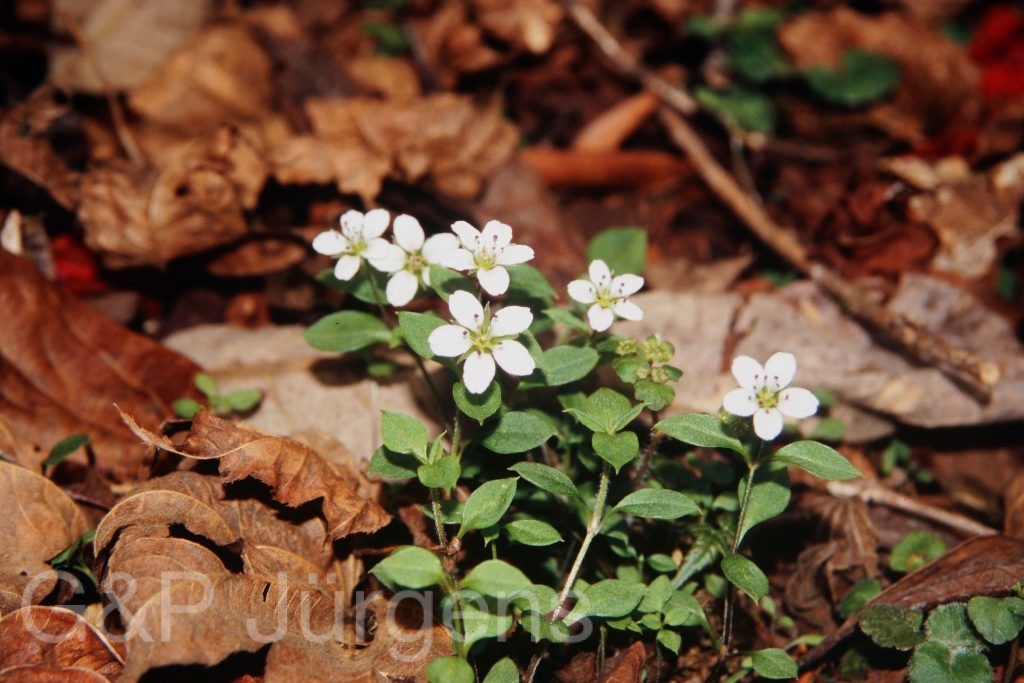
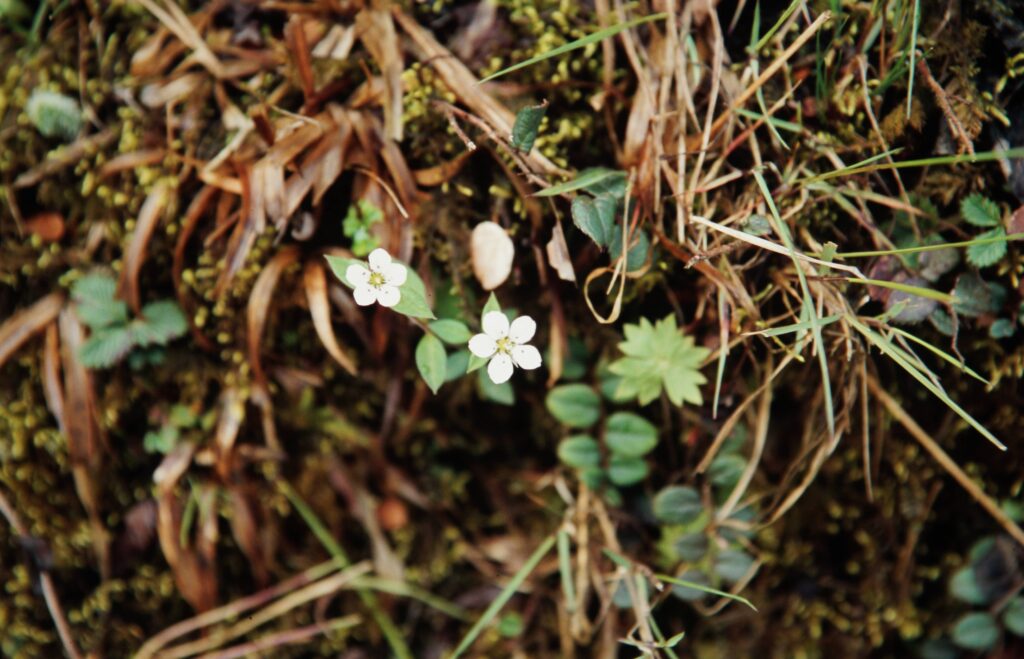
Pseudostellaria himalaica (Franch.) Pax is a small woodland perennial of the Himalaya and adjacent ranges, distributed through Bhutan, India, Nepal, Pakistan, Afghanistan and south-western China, with a comparatively modest GBIF record of about 118 occurrences reflecting its inconspicuous habit. It grows in cool, shaded, humus-rich conditions: the floor of temperate broadleaf and conifer forest, mossy banks, Rhododendron understorey and damp rocky slopes. The illustrated material spans three localities and seasons, from Chogham in Bhutan at 3450 m in June and Dochu-La at 3000 m in April to Kalipokkri in West Bengal, India, at 3100 m in May, indicating a flowering period extending through spring and early summer in the temperate to lower subalpine zone.
The plant is a delicate, glabrous to sparsely hairy perennial arising from slender, fusiform to tuberous-thickened roots. The stems are weak, slender and ascending, bearing opposite, sessile to shortly petiolate, ovate to lanceolate leaves with entire margins. The flowers are of two kinds in the manner typical of Pseudostellaria: showy, chasmogamous flowers borne in the upper axils or terminally, with five free white petals (often bifid or notched) somewhat exceeding the five lanceolate sepals, ten stamens and a three-styled ovary; and inconspicuous, often petal-less cleistogamous flowers produced lower on the plant that self-fertilise. The fruit is a small capsule dehiscing by valves to release few seeds.
This taxon has frequently been treated as Pseudostellaria heterantha var. himalaica, reflecting its close affinity with the variable P. heterantha aggregate, and authors differ on whether to recognise it at species or varietal rank, as the source page name indicates. The combination of showy outcrossing flowers with reliably self-pollinating cleistogamous ones is a reproductive strategy that buffers seed-set in the short, cool growing season of shaded montane forest. The species is widespread if seldom abundant, and no specific conservation threat is recorded, though it depends on intact forest understorey.
Author: (Franch.) Pax · Sources: POWO (Kew), GBIF, Flora of China, Flora of Bhutan, Caryophyllaceae of the Himalaya (Majumdar)